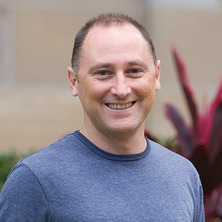
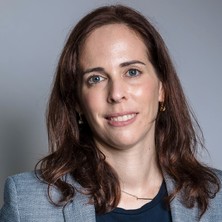
Valerio's current research is focused on coastal conservation and restoration. His work supports the Nature Repair Market (NRM) established by the Department of Climate Change, Energy, Environment, and Water (DCCEEW) and encompasses facilitating expert collaboration, developing best-practice guidelines for biodiversity assessment, and informing evidence-based policy for coastal restoration. He is also involved in the development of methods to assess biodiversity gains through time on oyster reef restoration projects using environmental DNA.
Originally from Ticino, an Italian-speaking region of Switzerland, Valerio had formerly a background in neuroengineering and molecular biology. He completed his BSc in Biology at the University of Lausanne (UNIL), Switzerland, and his MSc in Biology (with a focus on neuroscience) at the Swiss Federal Institute of Technology in Zurich (ETHZ), Switzerland. Despite growing up in the middle of the Alps, he has always had a fascination with marine life, which brought him to the University of Queensland to undertake his Master’s thesis as part of the Sensory Neurobiology group, studying the visual system of surgeonfish. Valerio completed his PhD as part of the Marine Sensory Ecology Lab at the University of Queensland, where he researched the development of colour vision and colouration in a coral reef fish family, applying cutting-edge technology such as CRISPR-Cas9 and single cell RNA sequencing, while also using behaviour paradigms, calibrated photography, phylogenetic comparative methods and bioinformatics.
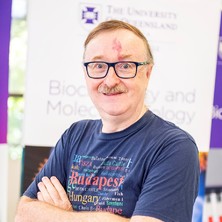
I grew up on the Devon coast hunting among the fucoids for crabs and shrimp. I undertook research while at school on the diet of blennies. At university in Swansea, south Wales, and as a marine Biology student I investigated informally the behaviour of intertidal pool dwelling organisms andmore formally (Hons) the ecology of benthic invertebrates. My PhD at the University of Queensland delved into the ecology and evolution of halfbeaks (Hemiramphidae) . My research track-record since reflects both my early interests and those developed subsequent to my PhD. I have published in diverse fields reflecting my general curiosity about marine life, and in particular the dynamic between evolution and action addressing challenges to extant paradigms that my extensive time in the field have prompted.
Queensland Alliance for Agriculture and Food Innovation
Professorial Research Fellow
School of Veterinary Science
Faculty of Science
Availability:
Not available for supervision
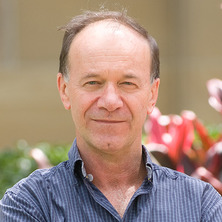
Professor Alan Tilbrook is nationally and internationally recognised for leading scientific research in animal science and biomedical science (endocrinology, neuroendocrinology, behaviour, stress, and reproduction). He is a global leader in animal welfare science. Professor Tilbrook has an outstanding balanced portfolio in leadership, strategic planning, research, academia, education and government. He is Professor of Animal Welfare in the School of Veterinary Science and has an affiliate appointment in the Centre for Animal Science, Queensland Alliance for Agriculture and Food Innovation at The University of Queensland. Professor Tilbrook is one of three expert members of a Strategy Advisory Group to provide expert strategic advice to the Department of Agriculture, Fisheries and Forestry to assist the development of the renewed Australian Animal Welfare Strategy. He represents Universities Australia on the Board of the Australian and New Zealand Council for the Care of Animals in Research and Teaching, represents The University of Queensland on the World Organisation for Animal Health and is a member of the Australian Government’s Live Export Animal Welfare Advisory Group. Professor Tilbrook was Chair and Research Champion of the National Primary Industries Animal Welfare Research, Development and Extension Strategy from 2013 to 2025. He established The Animal Welfare Collaborative, a university-facilitated network of individuals, companies, and organisations working together to make evidence-based improvements in animal welfare. This was a collaborative venture with The University of Newcastle, The University of Western Australia and The University of Adelaide. He was a founder, Deputy Director and Co-Director of the Animal Welfare Science Centre, was the Research Chief of Livestock and Farming Systems at the South Australian Research and Development Institute and was Deputy Head of the Department of Physiology at Monash University. He has held numerous national and local leadership roles. Professor Tilbrook's research is conceptually driven with a multidisciplinary and integrative approach. He has developed cutting edge research programs across a range of species including sheep, pigs, poultry, cattle, goats, rodents, horses, buffalo and humans. Professor Tilbrook places a huge emphasis on collaboration, training and professional development.
Affiliate of Future Autonomous Systems and Technologies
Future Autonomous Systems and Technologies
Faculty of Engineering, Architecture and Information Technology
Lecturer
School of Mechanical and Mining Engineering
Faculty of Engineering, Architecture and Information Technology
Availability:
Available for supervision
Dr T. Thang Vo-Doan is a Lecturer of the School of Mechanical and Mining Engineering at the University of Queensland. He was a postdoctoral researcher at the Institute of Biology I, University of Freiburg, Germany (2019-2023). He was also a Research Fellow at Nanyang Technological University (NTU), Singapore (2016-2018). He was awarded his PhD in Mechanical Engineering from the School of Mechanical & Aerospace Engineering, NTU in 2016. He received his M.Eng. degree in Manufacturing Engineering and B.Eng. degree in Mechanical Engineering from Ho Chi Minh City University of Technology, Vietnam in 2010 and 2008 respectively. He was awarded the prestigious Human Frontier Science Program Cross-disciplinary Fellowship (2019-2022).
He directs the UQ Biorobotics lab after joining in the University of Queensland. Current research activities of the lab focus on insect-machine hybrid robots, bio-inspired robotics, insect structures and functions, biomechanics, fast lock-on tracking, and brain imaging in untethered insects.
My research interests are centred around the structure and function of venom and silk polypeptides produced by arthropods, and their use in biotechnology and medicine. I am a Postdoctoral Fellow in the King laboratory in the Institute for Molecular Bioscience, the University of Queensland, Australia. Currently, I am investigating the composition, function and evolution of neglected insect venoms produced by assassin bugs (Hemiptera: Reduviidae), robber flies (Diptera: Asilidae) and nettle caterpillars (Lepidoptera: Limacodidae).
Affiliate of Centre for Cardiovascular Health and Research
Centre for Cardiovascular Health and Research
Faculty of Health, Medicine and Behavioural Sciences
Affiliate of The Centre for Cell Biology of Chronic Disease
Centre for Cell Biology of Chronic Disease
Institute for Molecular Bioscience
Availability:
Available for supervision
Dr Melanie White heads the Dynamics of Morphogenesis Lab at the Institute for Molecular Bioscience (IMB), University of Queensland and is an ARC Future Fellow. She completed a PhD in Neuroscience at University College London followed by postdoctoral research at The University of Edinburgh. During this time Mel engineered viruses to modulate gene expression in the brain to investigate neuronal function and as a therapeutic approach for neurodegenerative disease. Her work was published in Neuron and PNAS, featured in Nature Reviews Neuroscience and received extensive international media coverage (including the BBC and The Guardian).
In 2012 Mel switched fields to apply quantitative imaging in developmental biology. Her work revealed key mechanisms driving the earliest morphogenetic events in mammalian embryogenesis and was published in Cell, Science, Nature Cell Biology, Developmental Cell and Nature Protocols. Her research was featured on the cover of multiple journals including Cell and she was awarded the inaugural American Society for Cell Biology Porter Prize for Research Excellence (2018).
In 2020, Mel joined the IMB where she will combine her passion for neuroscience and developmental biology to investigate the dynamics of neural tube morphogenesis.
Research overview
The brain and the spinal cord control most of the functions of the body and the mind, yet the dynamics of how they first form is poorly understood. Both structures arise from a common precursor, the neural tube, which forms very early in embryonic development. To generate the forces that sculpt and shape the neural tube, changes in cellular architecture must be tightly coordinated in space and time. These morphological rearrangements occur concurrently with biochemical signalling pathways that specify early neural cell fates.
Our research aims to understand how cellular properties and transcriptional regulators interact with mechanical forces in real time to direct vertebrate neural tube formation and neural cell fate specification. We study the dynamics of neural tube formation by applying advanced imaging technologies in transgenic avian models and human stem cell models.
Director of Partnerships, Hidden Vale Research Station (HVRS)
Faculty of Science
Professor
School of the Environment
Faculty of Science
Availability:
Available for supervision
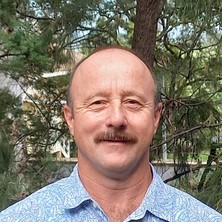
My research group studies animal performance in the laboratory and in the field. We focus on discovering the underlying mechanistic basis of physical performance and it's implications for an individual's survival and reproductive success. We’re particularly interested in how organisms respond to environmental variation, such as seasonal or long-term temperature change, and the costs of these responses to other traits. We examine interactions between behavioural, physiological and morphological traits to better understand how animal performance is optimised. Furthermore, we want to understand how an organism’s performance relates to population-level processes, enabling better conservation practices in urban and wild habitats. Our research is question-driven, and we use a variety of model systems in our studies, including freshwater fish, crayfish, reptiles, marsupials, and humans.
Current projects
Importance of performance, life history and behaviour to male mating success in the semelparous marsupial the northern quoll
Relative importance of athleticism, skill and balance to success in complex human activities - focus on soccer players
When and why do animals lie? Testing hypotheses of deceit and discovering its role in determining animal performance
Liver disease has long been associated with the abuse and clinical use of drugs. My research interests focus on ethanol, perhaps the most commonly abused drug, and the widely used non-steroidal anti-inflammatory drugs (NSAIDS). Both NSAIDS and ethanol are widely tolerated but induce liver disease in a small number of individuals.
Research projects listed below investigate immunological and genetic phenomena associated with drug-induced liver disease.
Does ethanol alter hepatic gene expression to cause liver damage?
Is protein modification by ethanol metabolites involved in the aetiology of alcoholic tissue injury?
Are proteins modified by reactive molecules formed during ethanol metabolism viable biomarkers of ethanol intake?
Faculty of Health, Medicine and Behavioural Sciences
Availability:
Not available for supervision
Dr. Akila Wijerathna-Yapa is an interdisciplinary Biotechnology scientist and Postdoctoral Research Fellow at the Frazer Institute, University of Queensland, with over 12 years of expertise spanning Biochemistry, Molecular Biology, and Bioinformatics. Holding a PhD in Biochemistry from The University of Western Australia, an MSc in Molecular Biology from The Hebrew University of Jerusalem, an MBA from the University of Staffordshire, and B.Sc. (Hons.) Sp. Biotechnology from The Wayamba University of Sri Lanka, he brings a rare combination of deep scientific expertise and strategic project management insight to the life sciences.
Dr. Wijerathna-Yapa's research is defined by his ability to integrate advanced technologies—including mass spectrometry-based proteomics, peptidomics, metabolomics, lipidomics, NMR spectroscopy, and transcriptomics—to unravel molecular complexities and translate multi-omics data into actionable insights. His work spans molecular biology, cell culture bioprocess optimisation, clinical biomarker discovery, and spatial biology, with postdoctoral experience at The University of Queensland and Dalhousie University, and collaborative partnerships with leading research institutions across Sri Lanka, China, Israel, Australia, and Canada.
With a strong foundation in advanced statistical data analysis and a proven track record in project management and scientific communication, Dr. Wijerathna-Yapa bridges the gap between scientific discovery and practical innovation. He has authored over 25 peer-reviewed publications and has been recognised with prestigious international awards including the Australian Government Global Talent Independent visa and fellowships from the Higher Education Academy (FHEA, UKPSF). He is passionate about leveraging interdisciplinary knowledge to drive transformative advancements in biotechnology and life sciences.
I have a keen interest in the evolutionary relationships that underpin symbioses, particularly those involved in plant disease. There are countless examples of how diseases have impacted different crops throughout history, and this is an ongoing issue that deleteriously impacts food security. My research involves developing a better understanding of the epidemiology of plant diseases and pests, and delivering improved diagnostics and field management. Working with collaborators and international experts, my work involves research on a broad range of plants that are affected by bacteria, fungi, oomycetes, viruses, nematodes and arthropod pests. I have a strong interest in the biotic factors that govern soil health and the methods by which we can promote the development of beneficial microbial communities.
I am an insect ecologist by "bent" and my students and I work on various applied and basic research areas. We generally take an individuals-process based approach to the study of insect abundance and distribution. We use various "model" systems to ask questions ranging from the effect of host chemistry on oviposition behaviour and early stage caterpillar survival, to the effects of learning on oviposition behaviour at a landscape level and the effects of climate on insect abundance. I prefer to work on Butterfly-plant interactions, particularly Monarchs and milkweeds.
A substantial amount of our applied research has been on the ecology and biology of Helicoverpa spp, the major pest of Australian field crops, and more recently Diamondback moth, a key pest of horticulture.
Rebeka R. Zsoldos is an animal biomechanist who graduated at the Animal Science Faculty of the University of Kaposvar/Hungary (2008). In Vienna/Austria, she then completed her PhD on the biomechanics of the equine cervical vertebral column at the Movement Science Group at the Veterinary University (2011), followed by her own collaborative research project titled “Generic Motion Models based on Quadrupedal Data” at the University of Natural Resources together with the Veterinary University and the University of Bonn/Germany (Multimedia, Simulation and Virtual Reality Group). During this time, she taught Animal Biomechanics to undergraduate and graduate students. Having completed the project, she continued work with her collaborators at the University of Bonn in Germany. After that she worked on a mathematical approach to the elastic behaviour and shape of the equine spine as a postdoctoral research fellow at the Computational Sciences Group, King Abdullah University of Science and Technology (KAUST) in Thuwal in the Kingdom of Saudi Arabia.