Faculty of Health, Medicine and Behavioural Sciences
Availability:
Available for supervision
Media expert
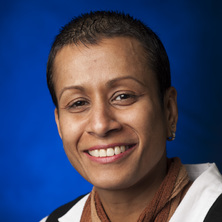
I am a Pacific Fijian academic, researcher and community leader providing senior leadership in community‑engaged research and teaching across Australian and international higher education. My work sits at the intersection of Indigenous knowledge systems, health equity and public policy, driving system‑level change through culturally grounded scholarship.
I lead and shape programs that embed Indigenous methodologies, community participatory action research and social justice principles into policy‑relevant research, professional education and practice. Through long‑term, co‑designed partnerships, I advance culturally safe solutions that address the social, cultural, environmental and political determinants of health affecting Māori and Pasifika, Culturally and Linguistically Diverse (CALD) and First Nations communities nationally and internationally.
My strength‑based research program focuses on health equity and the burden of chronic conditions, with a strong emphasis on research translation, policy development and advocacy impact. My work informs health systems, service design and decision‑making at local, national and international levels, contributing to improved and more equitable health outcomes—particularly for First Nations including Māori and Pasifika and CALD communities in Australia and globally.
Faculty of Health, Medicine and Behavioural Sciences
Availability:
Available for supervision
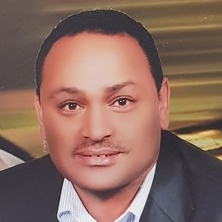
Dr. Yibeltal Assefa Alemu is an Associate Professor of Global Health and Health Systems at the School of Public Health, University of Queensland. His research program focuses on global health, health systems, and primary health care, with a particular emphasis on advancing universal health coverage (UHC) and global health security (GHS). He coordinates and delivers courses on health systems and global health, focusing on developing the next generation of public health leaders through innovative, authentic, and evidence-based education. He also supervises and advises HDR students working on topics such as global health, health systems, primary health care, UHC and GHS.
Before joining the University of Queensland in 2016, Dr. Alemu built an extensive career in health policy, program implementation, and disease control at both national and global levels. Since 2007, he has contributed to the design of implementation and treatment guidelines, as well as monitoring and evaluation frameworks for disease control programs (DCPs). He has led national surveys, surveillance initiatives, and program evaluations in Ethiopia and across sub-Saharan Africa, with a particular focus on HIV/AIDS, tuberculosis, and health systems strengthening.
Leadership and Professional Experience
Deputy Director General, Ethiopian Public Health Institute (2013–2016): Coordinated national surveys, surveillance, and evaluations on health systems, nutrition, and disease control programs; supervised doctoral and master’s students from Ethiopia and Europe; and examined graduate theses.
Executive Director, International Institute for Primary Health Care (2015–2016): Founded the institute in collaboration with Johns Hopkins Bloomberg School of Public Health, developed its organizational structure, and recruited its inaugural staff.
Director of Planning, Monitoring, and Evaluation, Federal HIV/AIDS Prevention and Control Office, Ethiopia (2010–2013): Designed and implemented monitoring and evaluation systems for Ethiopia’s multisectoral HIV/AIDS response, and coordinated national strategic and operational plans.
Director of Medical Services, Federal Ministry of Health, Ethiopia (2008–2010): Led health system reforms, including hospital and primary care restructuring and the establishment of a national emergency medical services program.
Head of the Health Programs Department, Federal HIV/AIDS Prevention and Control Office (2006–2008): Directed the health sector response to HIV/AIDS and other STIs, developing national guidelines, training manuals, and mentorship programs.
Medical Director, Humera District Hospital, Ethiopia (2002–2005): Oversaw hospital operations, service delivery, and health outcomes.
General Medical Practitioner, Humera District Hospital, Ethiopia (2001–2005): Delivered clinical services across outpatient and inpatient departments.
Research, Publications, and Global Engagement
Dr. Alemu has authored numerous peer-reviewed publications and played a leading role in the development of 10 national guidelines and training manuals on HIV/AIDS and tuberculosis. He has also contributed to more than five WHO global guidelines, including the WHO consolidated antiretroviral therapy (ART) guidelines. His work has significantly shaped Ethiopia’s and other resource-limited settings’ responses to HIV/AIDS and is frequently cited in WHO global policy documents.
He has held influential positions on international expert panels, including:
WHO Consolidated Guidelines for ARV Use (2015)
Technical Evaluation Reference Group, Global Fund (2012–2015)
Core Group for WHO Patient Monitoring System for ARV Use (2013–2014)
WHO Advisory Group on Task Shifting for HIV Treatment (2007)
Through his leadership, teaching, and research, Dr. Alemu continues to shape policy and practice in global health, health systems, disease control, and primary health care, advancing the global agenda for equitable and sustainable health.
Faculty of Health, Medicine and Behavioural Sciences
Availability:
Available for supervision
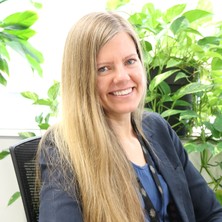
Dr Kate Anderson is a researcher based on the Sunshine Coast who has worked as an ally in collaboration with Aboriginal and Torres Strait Islander researchers and communities for more than 15 years across the areas of cancer, kidney disease and wellbeing. Her current program of research at FNCWR is focused on understanding and measuring the wellbeing of Aboriginal and Torres Strait Islander people across the lifespan.
Kate has extensive qualitative research skills and experience, with >50 peer-reviewed journal publications, 22 in the past five years alone. She is currently a Chief/Associate Investigator on grants totalling over $14 million, including:
What Matters to Kids (WM2Kids) Study: https://public-health.uq.edu.au/project/what-matters-2-kids
Co-design in Health with First Nations Peoples: https://public-health.uq.edu.au/project/co-design-health-first-nations-peoples
Supporting the health and wellbeing of Indigenous youth in out-of-home care: https://public-health.uq.edu.au/project/health-wellbeing-indigenous-youth-out-home-care Understanding the contribution of Aboriginal and Torres Strait Islander culture and wellbeing to health: Implementation of the What Matters 2 Adults Wellbeing Measure: https://public-health.uq.edu.au/project/implementing-what-matters-2-adults
What Matters to Aboriginal and Torres Strait Islander Youths' Wellbeing: Developing a wellbeing measure for youth (WM2Y Project): https://public-health.uq.edu.au/project/what-matters-2-youth
Yarning About Cultural Safety (YACS): https://public-health.uq.edu.au/project/yarning-about-cultural-safety-yacs
Faculty of Health, Medicine and Behavioural Sciences
Adjunct Associate Professor
PA Southside Clinical Unit
Faculty of Health, Medicine and Behavioural Sciences
Availability:
Available for supervision
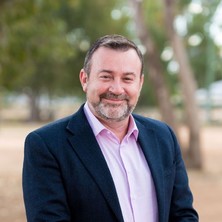
Associate Professor Annika Antonsson is a virologist with epidemiological training. Viruses can cause cancer, and Annika's research has been focused on human papillomavirus (HPV) and its role in different types of cancer. Her main research areas are oral HPV infections in different populations and HPV in throat cancer (oropharyngeal cancer), with her most recent study investigating if the current HPV vaccine is protecting against the HPV types that are causing throat cancer.
Annika is involved in a longitudinal study on oral HPV infection among Indigenous South Australians and oropharyngeal cancers. More than 1,000 Indigenous people from across South Australia—including Adelaide, Mount Gambier, Coober Pedy, Ceduna, Whyalla, Port Lincoln, Port Pirie and the Riverland— have been recruited for this ongoing study, which started in 2019.
Annika is also working on CanCo which is a First Nations-led Prospective Cancer Cohort study (https://public-health.uq.edu.au/project/canco-prospective-first-nations-cancer-cohort ). CanCo is looking into cancer care needs and experiences of First Nations peoples diagnosed with cancer, and their caregivers.
Affiliate of Centre for the Business and Economics of Health
Centre for the Business and Economics of Health
Faculty of Business, Economics and Law
Director of Rural Health
Faculty of Health, Medicine and Behavioural Sciences
Higher Degree by Research Scholar
School of Public Health
Faculty of Health, Medicine and Behavioural Sciences
Availability:
Not available for supervision
Associate Professor Geoff Argus is the Director of Rural Health for the Faculty of Health, Medicine and Behavioural Sciences. He is a nationally recognised leader in rural health with a career spanning over 20 years as a clinician, health leader and academic. A/Prof Argus has served as the National Rural Health Deputy Commissioner with the Commonwealth Government and Board Director with the Australian Rural Health Education Network and the National Rural Health Alliance.
From 2017 to 2025, led the establishment, growth and expansion of Southern Queensland Rural Health (SQRH), a University Department of Rural Health, that operates as a partnership between UQ, the University of Southern Queensland, Darling Downs Health and South West Hospital and Health Service. In 2022, SQRH was awarded $5M under the Rural Health Mutlidisciplinary Training Program to establish a rural allied health training hub in St George Queensland and an aged care training hub in Chinchilla, Queensland.
A/Prof Argus holds qualifications in Clinical Psychology and Public Health with research interests in rural health workforce planning and development, rural health education and training strategies, innovative rural health service delivery models and health issues directly impacting rural communities.
Faculty of Health, Medicine and Behavioural Sciences
Affiliate of Centre for Cardiovascular Health and Research
Centre for Cardiovascular Health and Research
Faculty of Health, Medicine and Behavioural Sciences
Affiliate Professor of Mater Research Institute-UQ
Mater Research Institute-UQ
Faculty of Health, Medicine and Behavioural Sciences
Affiliate of Minerals Industry Safety and Health Centre
Minerals Industry Safety and Health Centre
Faculty of Engineering, Architecture and Information Technology
Centre Director of Centre for Community Health and Wellbeing
Centre for Community Health and Wellbeing
Faculty of Health, Medicine and Behavioural Sciences
Professor in Community Health and Wellbeing
School of Human Movement and Nutrition Sciences
Faculty of Health, Medicine and Behavioural Sciences
Professor in Community Health and Wellbeing
School of Public Health
Faculty of Health, Medicine and Behavioural Sciences
Availability:
Available for supervision
Media expert
My work focuses on how universities can operate as deeply embedded institutions within the societies they serve. Knowledge is created through listening, trust and genuine partnership, and impact comes from being present, responsive and collaborative. I focus on strengthening universities’ social licence by developing new ways of working with and alongside communities.
I am a Professor of Community Health and Wellbeing here at The University of Queensland, with an international reputation in community health, prevention, health services and policy. Together with my team, I lead research that shapes how communities thrive, with our work recognised through multiple awards for research excellence and real-world impact.
The cornerstone of my work is leading the Springfield Living Lab. Living labs use place-based, systems-oriented approaches to bring together research, teaching and partnerships to co-create, test and refine solutions in real-world settings over time. Springfield provides a uniquely rich environment for this work through its integrated urban design, strong local governance and commitment to innovation across health, education and technology. As Australia’s largest master-planned city, it offers a complex, real-world context for understanding how community-led approaches can translate into scalable models for broader application.
As a leader, I bring people together across disciplines, sectors and lived experience to create shared purpose and coordinated action. I support teams and organisations to imagine what is possible, map pathways forward and translate ambitious ideas into sustained impact. My leadership is values-led, collaborative and grounded in practical delivery.
I am particularly interested in how research, teaching and engagement can be better aligned to address complex societal challenges, while building cultures where people can do their best work.
I welcome opportunities to work with people and organisations committed to community connection, partnership and innovation. Together, we can strengthen trust, build capability and design approaches that are meaningful for the next generation and for society more broadly.
Affiliate of Australian Women's and Girls' Health Research Centre
Australian Women and Girls' Health Research Centre
Faculty of Health, Medicine and Behavioural Sciences
Senior Research Fellow
School of Public Health
Faculty of Health, Medicine and Behavioural Sciences
Availability:
Available for supervision
Dr Mohammad Reza Baneshi is a biostatistician and Senior Research Fellow at the Australian Women and Girls’ Health Research Centre, School of Public Health, The University of Queensland. He has more than 20 years of experience in biostatistics, epidemiology and applied health research, spanning Australia, the United Kingdom, Iran and Afghanistan. His methodological expertise includes survival and longitudinal data analysis, linked-data analysis, prediction modelling, machine learning, missing-data methods, multimorbidity networks and population-size estimation.
Since joining The University of Queensland in 2020, Dr Baneshi has contributed to major research programs in women’s health, multimorbidity and chronic disease. His recent work has examined the development and progression of multiple chronic conditions, cardiometabolic transitions, quality of life, body-weight change, endometriosis, female-specific cardiovascular risk factors and the analysis of multiple-cause-of-death data. He has also contributed to the development of new statistical approaches for modelling multimorbidity.
Before joining The University of Queensland, Dr Baneshi was Professor of Biostatistics at Kerman University of Medical Sciences, Iran. He led several nationally funded studies estimating the size of hidden and marginalised populations at increased risk of HIV, including people who inject drugs, sex workers and men who have sex with men. He also contributed to population-size estimation and mapping studies in Afghanistan and has been a member of the World Health Organization Regional Knowledge Hub for HIV/AIDS Surveillance. His book, Methods in Epidemiology: Population Size Estimation, was published by Springer Nature in 2021.
Dr Baneshi has authored more than 200 peer-reviewed publications and two scholarly books. He has supervised or advised more than 40 doctoral and master’s students and has taught biostatistics, regression, longitudinal analysis, survival analysis, statistical learning and health-data analysis. He also serves as Statistical Editor for the International Journal of Health Policy and Management.
Faculty of Health, Medicine and Behavioural Sciences
Availability:
Available for supervision
Dr. Sewunet Admasu Belachew (PhD, MSc, BPharm) is a Postdoctoral Research Fellow in the FNCWR Program at the University of Queensland. He is involved in linked data analysis surrounding cancer, also participating in the investigation of the risk of cardiovascular events and outcomes among Australians with a cancer diagnosis. He takes the lead and collaborates in undertaking various research projects (quantitative, qualitative, and mixed-methods research), especially related to cancer and antimicrobial use and resistance surveillance, as well as control.
Before pursuing his PhD, Dr. Belachew served as a lecturer, clinical preceptor, and mentor/supervisor at the University of Gondar in Ethiopia, where he taught courses such as pharmacotherapy, pharmacoepidemiology, and clinical pharmacy practice. In 2023, he completed his PhD at the University of Queensland. Since 2015, he has published over 53 peer-reviewed articles, with citation so far: 1700+, H-index:26, i10-Index:32. His research has garnered attention from esteemed institutions and media outlets including the World Health Organization, the Centre for Infectious Disease Research and Policy (CIDRAP), Health Reporter, Medscape, Food and Agriculture Organization of the United Nations (FAO), the Conversation and Antimicrobial Resistance (AMR) Insights. underscoring the significance of his contributions to shaping policy and practice. In addition, one of his articles has been referred in two policy documents by the World Health Organization. During his PhD study, he worked as a casual academic at the University of Queensland and a research assistant at Menzies Health Institute-Centre for Applied Health Economics, Griffith University.
Dr. Belachew is an experienced medical and public health researcher (especially in antimicrobial resistance control and cancer research), academic, and chief pharmacist, with over six years of experience. He has been recently nominated for the Faculty of Medicine Graduate of the Year Award at the University of Queensland due to his outstanding research output/track record. He has demonstrated ability in writing research grants, effective teamwork, research project management, and supervising research students. Dr. Belachew has been invited to speak in numerous scientific research meetings, including the Annual Symposium on Global Cancer Research organised by the National Cancer Institute of the USA (after winning prestigious travel grant), the International Congress of Antimicrobial Chemotherapy in Perth, Australia and the Australasian Epidemiological Association Annual and Early Career Researchers conference. He is a director for membership of the Pharmaco-economics and Outcomes Research (ISPOR) Ethiopian regional chapter and a board member of the Ethiopian Organisation for Cancer Prevention and Research. Moreover, he is also one of the few Ethiopian Young African Leadership Initiative (YALI) alumni.
Faculty of Health, Medicine and Behavioural Sciences
Higher Degree by Research Scholar
School of Human Movement and Nutrition Sciences
Faculty of Health, Medicine and Behavioural Sciences
Availability:
Not available for supervision
Stella Boyd-Ford is a Post Doctoral Research Fellow with the First Nations Cancer and Wellbeing Research Program. Her research focus areas include food security, paediatric nutrition and Aboriginal and Torres Strait Islander health. She has expertise in qualitative methods and co-design in health. Her current research involves co-designing culturally safe healthcare services for Aboriginal and Torres Strait Islander communities.
Stella works at the intersection of community health, clinical nutrition and research, with extensive experience in outreach roles and collaborating with diverse communities. She also has a background as an Accredited Practicing Dietitian.
Faculty of Health, Medicine and Behavioural Sciences
Availability:
Not available for supervision
Professor Philip Burgess is a researcher in the field of mental health services research and evaluation. He is a Professor with the School of Public Health at the University of Queensland, based at the Queensland Centre for Mental Health Research.
Philip holds qualifications in clinical psychology and has over 30 years of experience in the design, analysis and reporting of research projects, including systematic literature reviews, cross-sectional and longitudinal studies, studies based on routinely collected administrative health and mental health data, epidemiological survey data, and evaluations of health programs and interventions using observational and quasi-experimental research designs.
Philip’s current role is with the Analysis and Reporting Component of the Australian Mental Health Outcomes and Classification Network (AMHOCN), which leads the design, analysis and reporting of the National Outcomes and Casemix Collection (http://www.amhocn.org/). In this role, he is leading a range of projects designed to improve the measurement of patient- and service-level outcomes in Australia's specialised public sector mental health services.
Faculty of Health, Medicine and Behavioural Sciences
Availability:
Available for supervision
Dr Tamara Butler is an Aboriginal woman of the Undumbi people from the Sunshine Coast region of Queensland, Australia and a NHMRC Emerging Research Fellow at the University of Queensland. She works withing the First Nations Cancer and Wellbeing Research Program. Her work is focused on women’s cancers with the goal of improving cancer outcomes for Aboriginal and Torres Strait Islander people, families, and communities. Broadly Dr Butler’s research interests also include First Nations research methods and process, co-design, wellbeing, and psychosocial aspects of cancer care.
Faculty of Health, Medicine and Behavioural Sciences
Availability:
Available for supervision
Media expert
I am a Postdoctoral Research Fellow in Digital Health and Accredited Practising Dietitian (APD) interested in the prevention and management of noncommunicable diseases, especially obesity, across the lifecourse.
Through research, I aim to add health to life and equity to health by changing policies and practices to reduce the impact of obesity.
My research program aims to forge a new nexus across dietetics, digital health and public health to improve healthy weight. In my Postdoctoral Fellowship, I have established a new evidence base that supports precision public health approaches to the prevention and management of obesity, including innovate methods of public health surveillance that can use data from sources such as electronic medical records. I trained as a Paediatric Dietitian and have experience as a clinician-researcher working in Queensland's healthcare system, specifically in preventing and managing childhood obesity via clinical, community, and public health programs.
I have used epidemiology, public health informatics, action research, co-design, and ethnographic methods to generate new knowledge in obesity and digital health. I was awarded my PhD (UQ) in November 2020, which developed and validated i-PATHWAY, a clinical model to predict childhood obesity from the first 1,000 days to help guide its prevention. This research was the first of its kind in Australia and uncovered new evidence for risk factors for childhood obesity that are evident from the early years.
At The University of Queensland (UQ), I am a member of the Queensland Digital Health Centre, located within the Centre for Health Services Research (Faculty of Medicine). I established and currently Co-Chair the UQ Digital Health HDR Cohort, which provides research mentorship and support to ~20 PhD, MPhil and Honours research students.
Our team partners closely with multiple healthcare and research organisations across Australia to innovate and translate obesity research into practice, including Health and Wellbeing Queensland (public health and prevention of chronic diseases), Queensland Health (healthcare system) and the Digital Health Cooperative Research Centre (digital health research). I hold an Honorary Appointment with Health and Wellbeing Queensland, and an Affiliate Research Fellow position with the Faculty of Medicine (UQ) to help bridge the gap between obesity research and practice.
Faculty of Health, Medicine and Behavioural Sciences
Higher Degree by Research Scholar
School of Public Health
Faculty of Health, Medicine and Behavioural Sciences
Availability:
Not available for supervision
A/Prof Mark D. Chatfield is a highly experienced statistician and team leader in the UQ Clinical Trials Centre and collaborates with researchers across the Faculty of Health, Medicine and Behavioural Sciences.
In collaboration with health and medical researchers, he has published >200 times in academic journals. He has been an investigator on 30 NHMRC/MRFF funded (>$57M) studies (mostly clinical trials). He has >20 years of experience as a biostatistician in Australia (Brisbane, Darwin, Sydney) and the UK (Cambridge, 2002-2009). He has co-supervised 8 PhD students to completion.
He plays an active role in the Australian Clinical Trials Alliance Statistics in Trials Interest Group.
Stata users around the world enjoy using his table1_mc and blandaltman commands.
He is an Honorary Fellow (Associate Professor) with Menzies School of Health Research.
Faculty of Health, Medicine and Behavioural Sciences
Availability:
Available for supervision
Media expert
Dr Hsin-Fang Chung is an epidemiologist and Senior Research Fellow at the Australian Women and Girls’ Health Research Centre, School of Public Health. She is also an adjunct Collaborative Researcher at the Gunma University Initiative for Advanced Research (GIAR), Gunma University (2024-). Prior to this, Hsin-Fang completed her PhD on lifestyle and genetic risk factors of diabetic complications at UQ. She has a multidisciplinary educational background, spanning nursing, nutrition, public health, and epidemiology, and has worked in clinical and non-clinical sectors. Dr Chung held UQ Research Stimulus Fellowship (2021-2022), UQ Promoting Women Fellowship (2022), and National Endometriosis Clinical and Scientific Trials (NECST) Fellowship (2025-2026).
Dr Chung has a track record of applying quantitative and modelling skills in women's health epidemiology. She has published more than 50 peer-reviewed publications and three book chapters. Hsin-Fang’s research focuses on women’s reproductive history (i.e., menarche, menstrual disorders, endometriosis, fertility issues, pregnancy complications, and menopause) in relation to chronic diseases in later life, particularly cardiovascular disease and type 2 diabetes. She uses high-quality data pooling from multiple epidemiological, cohort, and data-linkage studies in the InterLACE consortium to tackle critical knowledge gaps and inform practice and policy to develop long-term monitoring strategies for women with adverse reproductive histories. Her research pays particular attention to priority groups, including women from culturally and linguistically diverse communities.