Faculty of Health, Medicine and Behavioural Sciences
Availability:
Available for supervision
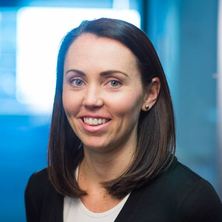
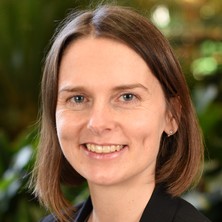
Dr Brooke Devlin is an Advanced Accredited Practising Dietitian (AdvAPD), Advanced Sports Dietitian (AdvSD), and Lecturer in Nutrition and Dietetics at the School of Human Movement and Nutrition Sciences, University of Queensland. She holds qualifications in exercise science (BExSci) and nutrition and dietetics (MNutrDiet) and completed her PhD in Sports Nutrition at La Trobe University, Melbourne.
Dr Devlin’s research focuses on diet and exercise strategies to optimise blood glucose control and metabolic health, including chrono-nutrition and time-restricted eating. She also maintains an active interest in sports nutrition, currently working with the Queensland Academy of Sport on projects investigating energy requirements in elite cyclists, alongside broader research into nutrition knowledge and dietary behaviours of athletes.
She is currently working with a large multidisciplinary team across Australia on the CARE-T2D project, co-developing an innovative telehealth intervention that integrates continuous glucose monitoring into dietetic practice, in collaboration with Abbott Diabetes Care. Dr Devlin also partners with Logan Healthy Living to co-design a culturally appropriate diabetes prevention program for women who have experienced gestational diabetes, with a focus on improving access and outcomes in rural and remote communities. Her research aims to deliver practical, evidence-based solutions that empower individuals and health professionals to improve metabolic health and performance outcomes.
Faculty of Health, Medicine and Behavioural Sciences
Availability:
Not available for supervision
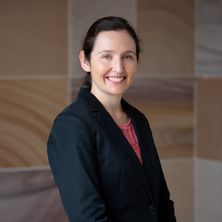
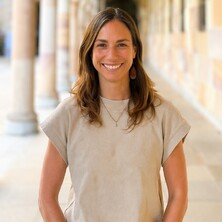
Dr Elise Gane graduated with a Bachelor of Physiotherapy (Honours Class I) and a University Medal for academic achievement from The University of Queensland in 2008. She worked as a physiotherapist at the Princess Alexandra Hospital (2009-2013), a quaternary public hospital, treating complex patients across the continuum of care from Intensive Care and post-surgical wards to inpatient rehabilitation and outpatient services. In 2014, Elise commenced her PhD with The University of Queensland, focussed on measuring the musculoskeletal side effects at the neck and shoulder that result from neck dissection surgery for head and neck cancer. Following the awarding of her PhD in early 2018, Elise was employed as a post doctoral researcher at the RECOVER Injury Research Centre (UQ) exploring return to work and social roles after road traffic crash. Since January 2019, Elise has fulfilled the role of Physiotherapy Conjoint Research Fellow between the School of Health and Rehabiltiation Sciences (UQ) and the Princess Alexandra Hospital Physiotherapy Department. In this role, Elise mentors physiotherapists in health service-based research (both qualitative and quantitative) whilst also pursuing her own research interests, including a telehealth cancer exercise program. She teaches a research course in systematic review methodology to students in the Physiotherapy Graduate Entry Masters program.
Elise's areas of research interest include codesign, implementation science, allied health led-models of care, oncology rehabiltiation, lymphoedema, chronic disease, physical activity (particularly in rehabilitation settings, chronic disease, or the workplace), and musculoskeletal health.
Faculty of Health, Medicine and Behavioural Sciences
Senior Lecturer in Occupational Therapy
School of Health and Rehabilitation Sciences
Faculty of Health, Medicine and Behavioural Sciences
Availability:
Available for supervision
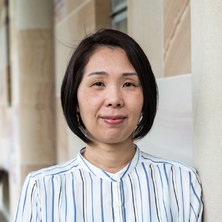
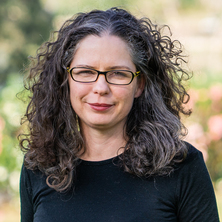
Tomomi is an early career researcher who has a strong interest in parental health and wellbeing in the context of disability. She has worked in mental health practice before changing the direction of her career to the tertiary education sector. As she worked with people who were mothers in clinical context, she became interested in the power of mothering role and occupation. This interest has led her to complete her PhD study to investigate family routine management and its everyday impact on mothers of autistic children. With her PhD, she compared the experiences of mothers of autistic children using their household status (i.e., single versus couple) as well as region of residence (i.e., major city versus regional areas) to highlight the similarities and differences between these groups. Tomomi is also interested in mental health among international students, especially those students who come from non-Western cultural background. She has presented her research both at national and international conferences.
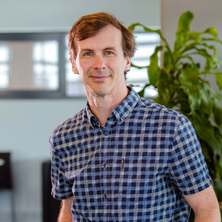
Professor Tim Reddel is leading the Social Solutions Group at the Institute for Social Science Research, University of Queensland. The Group aims to create greater public policy impact for social science knowledge and research through more collaborative, evidenced based, and mutually beneficial partnerships between researchers, end users and citizens.
Prior to his appointment to the Institute in August 2019, Professor Reddel worked in a range of senior executive roles in the Australian and Queensland public service, the community services sector and academia. He has previously led the Australian Government’s Department of Social Services’ Policy Office which was responsible for evidence, data analysis, research and evaluation strategies to support and enable quality strategic social policy. Professor Reddel joined the Australian Public Service in 2010 as Deputy Coordinator General for Remote Indigenous Services and has longstanding interest and experience in Indigenous policy and practice. Professor Reddel is also an Adjunct Professor with the Cities Research Institute at Griffith University and was appointed to the Australian Research Council’s Engagement and Impact Assessment Panel for Social Sciences in 2018 to examine how well universities were engaging with research end-users and delivering policy impact.
He has written numerous research articles, papers and reports on social policy governance, locational disadvantage, place based interventions and participatory policy approaches including in the Australian Journal of Public Administration, the Australian Journal of Social Issues and the International Journal of Urban and Regional Research. He also co-edited a book, Community and Local Governance in Australia published by UNSW Press in 2005.
Research interests
Place based policy interventions
Networks and participatory governance
Locational disadvantage
Implementation science, policy impact and research translation
Integrating policy co-design, co-production and data analysis
Faculty of Health, Medicine and Behavioural Sciences
Availability:
Available for supervision
Media expert
Dr Jacqueline Walker joined the School of Human Movement and Nutrition Sciences in November 2015 and is working as a Senior Lecturer. She completed her doctoral degree in paediatric nutrition at The University of Queensland in March 2013, focusing on energy balance and body composition in children with cerebral palsy. Prior to this, she completed her undergraduate studies in exercise science and nutrition and dietetics at The University of Sydney. Jacqueline has worked as a dietitian for a number of years in acute hospital settings, community clinical settings and private practice, specialising in paediatric dietetics.
Faculty of Health, Medicine and Behavioural Sciences
Affiliate of Centre for the Business and Economics of Health
Centre for the Business and Economics of Health
Faculty of Business, Economics and Law
Affiliate of Centre for Innovation in Pain and Health Research (CIPHeR)
Centre for Innovation in Pain and Health Research
Faculty of Health, Medicine and Behavioural Sciences
Affiliate of Centre for Neurorehabilitation, Ageing and Balance Research
Centre for Neurorehabilitation, Ageing and Balance Research
Faculty of Health, Medicine and Behavioural Sciences
Affiliate of RECOVER Injury Research Centre
RECOVER Injury Research Centre
Faculty of Health, Medicine and Behavioural Sciences
Affiliate of Queensland Digital Health Centre
Queensland Digital Health Centre
Faculty of Health, Medicine and Behavioural Sciences
Centre Director
School of Health and Rehabilitation Sciences
Faculty of Health, Medicine and Behavioural Sciences
Availability:
Available for supervision
Media expert
Trevor Russell is a Professor of Physiotherapy and the Director of the RECOVER Injury Research Centre where he leads a stream of research on Technology Enabled Rehabilitation. He is also co-director of both the Centre for Research in Telerehabilitation and the Telerehabilitation Clinic at the University of Queensland. His research focusses on the use of digital technologies for the remote delivery of health services with a particular focus on telerehabilitation technologies. Specifically his research aims to develop innovative computer based hardware and software solutions to enable the provision of rehabilitation services remotely via the Internet; to further the evidence base of technology enabled rehabilitation through controlled clinical trials; to evaluate the treatment efficacy of specific technology enabled interventions; investigate cost-benefit factors related to technology enabled services; and develop best practice guidelines for the implementation of technology enabled services in the rehabilitation sciences. His work is amongst the earliest and most extensive in this field.
Faculty of Health, Medicine and Behavioural Sciences
Availability:
Available for supervision
Media expert
Dr Georgina Clutterbuck is a physiotherapist who is passionate about supporting children with disability to participate in physical recreation and sport. She has worked clinically in government and not-for-profit sectors and in her own private practice and enjoys sharing her real-world experiences with the next generation of physiotherapists to help them develop pragmatic solutions to challenging problems.
Georgina’s research explores the effectiveness of practitioner-led, peer-group sports interventions to support children with disabilities, helping them transition from health-focussed interventions into long-term participation in community sport. She designed and evaluated the Sports Stars intervention for children with cerebral palsy in a Queensland-wide randomised-controlled trial and qualitative follow-up; with the positive results reported in conferences across North America, Europe and Australasia. Her current research explores the effectiveness of practitioner-led, peer-group sports interventions within different cultures and for children with other disabilities.
Faculty of Health, Medicine and Behavioural Sciences
Availability:
Available for supervision
Media expert
Professor Rae received her PhD in 2007 in the area of reproductive physiology and has been working in the area of Aboriginal and Torres Strait Islander maternal and infant health and chronic disease since that time. She began as the Group Lead for the Indigenous Health Research group at the Mater Research Institute in a role that bridges the Mater, University of QLD and is actively growing partnerships with the Aboriginal community-controlled health sector in QLD. The importance of maternal health for Indigenous communities has been identified as a critical national research priority by Indigenous communities. Her work has had a multidisciplicinary nature and while always focused on the health of Indigneous Australians she has published in areas including pregnancy and birth outcomes, nutrition, psychosocial health, growth and development during infancy, the use of arts in health education to name a few.She has a particular passion for working in partnership to co-design research projects that support improving health outcomes for Aboriginal and Torres Strait Islanders. Her specific focus has primarily been to develop programs that reduce chronic diseases which afflict Aboriginal people more commonly through early detection and diagnosis, health education, and developing a thorough understanding of risk factors that impact on this community. She has mentored her team of staff and students to co-produce and co-disseminate findings from these programs of work and to build research capacity for all team members including those who identify as Indigenous and for those from rural locations of research studies.
Prior to her role at Mater Research, she was the inaugaral Director of the Gomeroi gaaynggal program (2007-2019), which had two major programs of work 1. ArtsHealth for community engagement, health education and health promotion and 2. A Health research program for understanding the development of chronic disease in the Indigenous community through the Gomeroi gaaynggal cohort. Program 1 was successful in transitioning its funding to local Aboriginal community-controlled sector in Tamworth (2019). Prior to its transition, she led a community focussed ArtsHealth program to improve health knowledge, particularly in the areas of social and emotional wellbeing in the community, with the assistance of a team of beginning Indigenous researchers. Over 100,000 hours of community education were delivered through this program. 2. The Gomeroi gaaynggal cohort work has involved the recruitment and retention of a prospective longitudinal cohort of Indigenous women from pregnancy through until the infants are 10 years of age highlighting her expertise in working with Indigenous families during their antenatal and early childhood years. The importance of maternal health for this population is a critical priority to improving the life-long health of the Indigenous communities of Australia.
Faculty of Health, Medicine and Behavioural Sciences
Availability:
Not available for supervision
Media expert
Tanya is a certified practising speech-language pathologist who has a particular clinical and research interest in both paediatric and adult language. She has experience in conducting mixed-methods studies.
Tanya’s research interests include exploring family-centred models of care and client outcomes using the International Classification of Functioning, Disability and Health framework when working with young children who are ‘late talkers’ or who have a developmental language delay/disorder and their families.
Tanya is also passionate about the provision of accessible health information to adults who have aphasia post-stroke and to their family members. Tanya undertook her doctoral research within the Communication Disability Centre (CDC) at The University of Queensland. She is particularly interested in patient education and ensuring people with aphasia, their family, and friends receive appropriate health information and access to services across the continuum of care.
Faculty of Health, Medicine and Behavioural Sciences
Availability:
Available for supervision
Media expert
Dr Andrew Smirnov is a Senior Lecturer in the School of Public Health with an interest in substance use epidemiology, reducing drug-related harm, and working collaboratively to promote the health of socially marginalised population groups. He is the Course Coordinator for second- and third-year health promotion courses in the Bachelor of Health Sciences and has published a public health textbook chapter on drug use in Australia. His current research focuses on the health needs of people who are imprisoned, developing and evaluating models of care for blood borne virus prevention and treatment, and frameworks for strengthening the cultural safety, accessibility, and responsiveness of drug harm reduction programs for Aboriginal and Torres Strait Islander peoples. Andrew follows a rights-based perspective in his work and has a strong interest in community-based health programs and consumer partnerships for achieving health equity.
Faculty of Health, Medicine and Behavioural Sciences
Senior Research Fellow
School of Human Movement and Nutrition Sciences
Faculty of Health, Medicine and Behavioural Sciences
Availability:
Available for supervision
Dr Emma Thomas is a Senior Research Fellow and NHMRC Emerging Leader Fellow in the Centre for Community Health and Wellbeing at The University of Queensland. Her research focuses on helping people with cardiovascular disease and other chronic health conditions live well over the long term.
Emma has particular expertise in the design, implementation, and evaluation of complex health interventions, including community-based cardiovascular prevention and rehabilitation, and uses telehealth and other innovative models of care to support care access and equity.
A central theme of her work is understanding how effective interventions can be translated from research into real-world practice at scale. Drawing on implementation science, health services research, and systems approaches, she examines how interventions can be delivered with quality, sustainability, and equity across diverse populations and settings.
The Centre for Community Health and Wellbeing is uniquely embedded within the city of Springfield, Australia's largest master-planned community. Through a place-based “Living Lab” approach, the team works with healthcare providers, community organisations, consumers, government, and industry partners to co-design, test, and scale innovative solutions to complex health challenges.
Emma's vision is to create healthier and more connected communities by developing evidence-based models that harness the strengths of people, places, and local systems to improve health outcomes and reduce inequities in care.
Faculty of Health, Medicine and Behavioural Sciences
Availability:
Available for supervision
A/Prof Andrea Viecelli is an academic nephrologist at Princess Alexandra Hospital in Brisbane, Australia and was awarded her PhD on strategies to improve vascular access outcomes in patients on haemodialysis in 2019 through the University of Queensland. As a clinical trialist of the Australasian Kidney Trials Network (AKTN) she plays a key role in designing and conducting international clinical trials in people with chronic kidney disease. As a Coordinating Committee member, Transplant Cardiovascular- and Haemodialysis Vascular Access Project Coordinator of the global SONG initiative, she is conducting clinical and qualitative research to establish standardised core outcome measures based on the shared priorities of >10000 patients, clinicians, researchers and policy makers from >100 countries to improve the relevance and reliability of kidney research to inform patient-centred care. As member of the International Society of Nephrology Young Nephrologists Committee (ISN YNC), chair of the ISN YNC capacity building Subcommittee, ISN Advancing Clinical Trials Committee, member of the ISN Advancing Clinical Trials committee and as ISN Global Kidney Health Atlas Project (GKHA) Fellow, she engages health professionals and consumers to promote equitable professional engagement, career development, trial conduct and participation and access to kidney care in Australia and internationally. She has received numerous local, national and international awards for her research, including the ANZSN Young Investigator Award (2017), Kidney Health Australia Clinical Research Award (2016), the ERA EDTA Young Investigator award (2017 and 2018) and the 2018 and 2022 Sylvan Green Award from the Society for Clinical Trials. As the recipient of a National Health and Medical Research Council (NHMRC) Emerging Leadership Investigator Grant and a Queensland Advancing Clinical Research Fellowship she currently pursues a program of clinical and qualitative research to improve patient-important outcomes in haemodialysis.
Affiliate of Centre for Innovation in Pain and Health Research (CIPHeR)
Centre for Innovation in Pain and Health Research
Faculty of Health, Medicine and Behavioural Sciences
Dr of School of Biomedical Sciences
School of Biomedical Sciences
Faculty of Health, Medicine and Behavioural Sciences
Research Fellow
School of Health and Rehabilitation Sciences
Faculty of Health, Medicine and Behavioural Sciences
Availability:
Available for supervision
Dr. Manuela Besomi is a Research Fellow within the Centre for Innovation in Pain and Health Research (CIPHeR) in the School of Health and Rehabilitation Sciences at The University of Queensland. She also holds an honorary position in the Physiotherapy Department at Universidad del Desarrollo (Chile), where she leads a clinical team focused on running injury management and prevention research. Manuela obtained her master's degree in Clinical Epidemiology from Universidad de La Frontera, Chile, in 2016, followed by a Ph.D. in Rehabilitation Sciences at The University of Queensland in 2021. As a passionate physiotherapist and early career researcher, she brings expertise in epidemiology, musculoskeletal rehabilitation, and sports science, particularly in the context of running. Her research spans fundamental and applied areas, from leveraging innovative technologies to investigate tissue mechanics to enhancing care management through implementation research.
Manuela is currently the Project Coordinator of an NIH-funded research project, the largest human project at UQ across 8 universities and 5 hospitals in 3 countries, examining the bio-psycho-social mechanisms underlying low back pain flares. She is also the Research Coordinator for the Consensus for Experimental Design in Electromyography (CEDE) project, supported and endorsed by the International Society of Electrophysiology and Kinesiology (ISEK). In recognition of her contributions, she was honoured with the prestigious 2022 Carlo J. DeLuca Award.
Beyond her research endeavours, Manuela is dedicated to translating knowledge into practice and actively engages with the community. She is a speaker and collaborator at The Running Clinic and a co-founder of the SeRUN® project (@serun.chile), both initiatives aimed at bridging the gap between research and clinical practice. She is passionate about promoting STEM for young girls—having collaborated in the evaluation of a nationwide program to boost girls' engagement in STEM, BRInC. Currently, she is part of the research team and mentor for the 2024 BRInC version. More information about BRInC can be found at https://www.canberra.edu.au/about-uc/faculties/health/brinc.
Dr. Besomi remains committed to advancing knowledge and making a positive impact in the fields of physiotherapy, rehabilitation and sports science.
Affiliate Research Fellow of School of Information Technology and Electrical Engineering
School of Electrical Engineering and Computer Science
Faculty of Engineering, Architecture and Information Technology
Senior Lecturer
Graduate Research School
Senior Lecturer
School of Communication and Arts
Faculty of Humanities, Arts and Social Sciences
Availability:
Available for supervision
Media expert
Skye Doherty is a senior lecturer in the School of Communication and Arts at UQ. She is an expert in using creative and design-led research methods to explore alternative futures and address wicked problems. Her work has responded to issues in the news media, law, disaster resilience, and energy and water security, among others, and has led to both conceptual and practical outcomes.
Her design artefacts include the NewsCube, an award-winning storytelling tool, Vim, a tangible energy story, a suite of concepts for community-led bushfire management, and Wicked Thinking, an independent magazine. She has developed frameworks for journalism innovation and used codesign methods to improve the experiences of injured workers, a project that led to legislative change.
Her current and recent projects include the GEF-funded Coral Reef Rescue project and the ARC Training Centre for Climate-Resilient Water. She is the current Treasurer of the International Association for Media and Communication Research (IAMCR) and is a member of UQ’s Human-Centred Computing research group in the School of Electrical Engineering and Computer Science. Previously, she led the Global Change Scholars Program in the UQ Graduate School – a year-long PhD experience focused on industry research collaboration and impact.
She came to academic research after an international career as a journalist, and her experience spans leading international media companies as well as startups.
Faculty of Health, Medicine and Behavioural Sciences
Availability:
Available for supervision
Associate Professor Spurling works at The University of Queensland General Practice Clinical Unit (0.4 FTE) and at the Southern Queensland Centre of Excellence in Aboriginal and Torres Strait Islander primary health care (Inala COE – 0.6 FTE). He has research interests in social determinants of health and access to primary health care, especially where his research skills can be of service to Aboriginal and Torres Strait Islander peoples. His other research interests are quality use of medicines and respiratory infections, with particular methodological interests in systematic reviews and mixed-methods research in general practice. His most recent research interest concerns access to opioid dependence treatment in general practice.
He completed medical training at the University of Queensland, did his junior doctor years in regional Queensland and completed a Diploma of Tropical Medicine and Hygiene in London in 1998. In 2001, he spent 12 months working on a project in Central America with Médecins Sans Frontières. He completed general practice specialty training with the RACGP in 2004, which included an academic registrar term. In 2004, he was fortunate to meet Professor Noel Hayman, one of Queensland’s first Aboriginal medical graduates and Clinical Director of the Inala COE, who offered him a GP position in 2004. He has shared his full-time work as a GP academic at the Inala COE and UQ GPCU ever since.
Associate Professor Spurling has developed clinical interests in serving the Aboriginal and Torres Strait Islander community in Inala, serving Spanish-speaking refugees, diabetic retinopathy, and, most recently, addiction medicine. He has been mentoring GP registrars and medical students at the Inala COE since 2004. As a member of the UQ GPCU academic staff, he regularly takes tutorial groups and lectures in cardiovascular medicine, respiratory infections, Aboriginal and Torres Strait Islander health and social determinants of health for medical students doing their general practice rotation.
Associate Professor Spurling supervises five postgraduate students (PhD students). He has been awarded over A$18M in research grants and has published over 80 peer-reviewed papers.
Faculty of Health, Medicine and Behavioural Sciences
Availability:
Available for supervision
Emmah is an experienced occupational therapist and researcher in the field of brain injury rehabilitation. Emmah's PhD, completed in 2010, compared the effectiveness of an outpatient brain injury rehabilitation program in home and hospital settings.
Research Interests
Emmah has conducted collaborative research in the field of neurorehabilitation, partnering with consumers and clinicians to develop and trial rehabilitation approaches to enhance person-centred care, goal setting and cognitive rehabilitation. Other research interest areas include metacognitive and occupation-based treatment approaches, the use of technology in rehabilitation, outcome measurement, and community-based rehabilitation.
Research Expertise
Emmah has conducted research using quantitative and qualitative methodologies including randomised controlled trials and single case experimental design. Emmah has an interest in knowledge translation, has conducted implementation research using a range of implementation frameworks, and codesigned with end-users including consumers and clinicians.
Faculty of Health, Medicine and Behavioural Sciences
Availability:
Not available for supervision
Sheleigh Lawler is a health psychology expert, with research interests in understanding and intervening on health behaviours, particularly the psychosocial sequelae in relation to disease and intervention outcomes. Her breadth of knowledge across public health, health promotion and health psychology allows for a unique perspective, particularly on understanding the importance of communication. Her work involves multi-disciplinary teams of researchers, industry partners, and government organisations.
Affiliate of Centre for Community Health and Wellbeing
Centre for Community Health and Wellbeing
Faculty of Health, Medicine and Behavioural Sciences
Principal Research Fellow
Institute for Social Science Research
Faculty of Humanities, Arts and Social Sciences
Availability:
Available for supervision
Media expert
Dr Mark Robinson is a Principal Research Fellow in the Institute for Social Science Research (ISSR) and Honorary Senior Research Fellow at the University of Glasgow. Mark is a public health and evaluation specialist and has led the development of evaluation frameworks with varied partners across a range of topics. He recently led the development of a detailed Monitoring, Evaluation and Learning Framework for Health and Wellbeing Queensland (HWQld) and currently leads the strategic evaluation of a suite of six preventive health programs funded by HWQld. Mark also played a major role in the development of Queensland Health’s Cancer Strategy for Aboriginal and Torres Strait Islander People and recently led a detailed review of data, policies, and evidence relevant to men’s health on behalf of the Commonwealth Government Department of Health and Aged Care.
Prior to joining ISSR, Mark successfully led a range of research and evaluation projects to better understand population health and health inequalities at NHS Health Scotland, a national public health agency in Scotland. He led and contributed to numerous studies as part of the evaluation of the Scottish Government’s national alcohol strategy, including an evaluation of the impact of minimum unit pricing on alcohol consumption and related harms. These studies have received widespread media coverage and the outputs and findings have been used to inform national policy and legislation in Scotland and beyond. In Scotland, Mark also successfully delivered a large program of research to estimate the impact of a wide range of interventions on population health and health inequality outcomes using epidemiological modelling and visualisation.
His PhD was completed at the University of Bath and investigated behavioural risk factors for training injuries among British Army infantry recruits.
Faculty of Health, Medicine and Behavioural Sciences
Availability:
Available for supervision
Media expert
Zephanie is a Senior Research Fellow and occupational therapist based at the Child Health Research Centre, and a member of the management team of the Centre for Children’s Burns and Trauma Research, Brisbane. She has a clinical background specialising in paediatrics and burn care. She has worked clinically and in management positions at Royal Children’s Hospital, Brisbane, in private practice and in research capacity building positions in hospitals and health services.
Since 2013 Zephanie’s research has focussed on developing and validating patient-reported outcome measures, as well as using these measures therapeutically for clinical decision making. She led the development of four versions of the Brisbane Burn Scar Impact Profile which have been translated into Czech and are undergoing cross-cultural validation for Brazilian Portuguese. She has a vision of providing all children and their caregivers with an opportunity to communicate their needs and priorities during treatment in a paediatric hospital or health service.
Her current program of work includes collaborative work with children, their caregivers and health professionals to co-design and test the effectiveness and implementation of technology-based interventions in clinical settings to improve quality of life. These interventions include a web-based intervention for paediatric health professionals to support the psychosocial health of families with a child who has experienced physical trauma, and an electronic intervention for children with skin conditions and their caregivers that provides feedback about the patient's health-related quality of life to health professionals. Zephanie also has a continued interest in investigating the effectiveness and implementation of novel interventions to prevent or improve the impact of skin conditions in children and their families. This includes the use of ablative fractional CO2 laser, medical needling, pressure garment and silicone therapy, medical hypnosis and interventions to promote adherence and reduce the burden of treatment.
Affiliate of Centre for Living Experience Research
Centre for Living Experience Research
Faculty of Health, Medicine and Behavioural Sciences
Affiliate of University of Queensland Centre for Hearing Research (CHEAR)
Centre for Hearing Research
Faculty of Health, Medicine and Behavioural Sciences
Affiliate of Parenting and Family Support Centre
Parenting and Family Support Centre
Faculty of Health, Medicine and Behavioural Sciences
Senior Lecturer
School of Health and Rehabilitation Sciences
Faculty of Health, Medicine and Behavioural Sciences
Availability:
Available for supervision
I am a speech pathology and hearing researcher specialising in equitable access to early communication intervention. My work focuses on improving how services are designed, delivered, and experienced to support better outcomes for children, families, and underserved communities.
My research sits within health services research and implementation science, with a strong emphasis on real-world impact. I am particularly interested in understanding and addressing disparities in access and engagement across diverse populations.
Key areas of expertise include:
Early intervention for children who are deaf or hard of hearing and/or other communicaiton disability
Access to services and service engagement
Health equity for culturally and linguistically diverse and rural populations
Communication participation and inclusion
Stigma in hearing loss and communication disability
Telehealth and innovative models of care
I use a range of approaches, including mixed methods research, co-design, and large-scale data analysis, to work collaboratively with communities, clinicians, and service providers. My goal is to generate evidence that informs policy and practice, leading to more accessible, inclusive, and effective communication services across the lifespan.