Faculty of Engineering, Architecture and Information Technology
Availability:
Available for supervision
Media expert
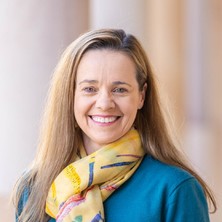
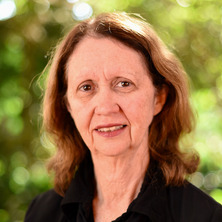
Associate Professor Stephanie Wyeth is a academic within the Urban Planning Program, and Director of Engagement for the School of Architecture, Design and Planning.
Stephanie is an experienced urban and social planning practitioner with significant research, project and leadership experience in the public and private sectors. She joined The University of Queensland in 2019 following several years as a Director with a multidisciplinary planning and design firm, where she led projects focussed on complex social, urban planning and development issues. Her motivation for joining academia is a belief that a values-led and practice intensive university experience is critical if the next generation of urban planning professionals are to be equipped with the skills, knowledge and mindsets to lead, sustained positive change in our cities, towns and communities.
As a pracademic, Stephanie seeks to bridge the theory – practice divide, by promoting the exchange of knowledge, ideas and capabilities across university, industry and community. She regularly facilitates and brokers opportunities for the university’s world-leading researchers to share their expertise with government and community for projects with a strong public interest focus. Stephanie is regularly invited to join advisory forums and judging panels, and to speak at industry and community events.
Between 2016 – 2022 Stephanie served as a Non-Executive Director on the Board of the South Bank Corporation. In 2020 she was appointed a Fellow of the Planning Institute of Australia for services to the profession. Her most recent panel appointments include Logan Urban Design Awards, Lord Mayor’s Business Awards (Brisbane), and an advisory committee for a national design project.
Memberships
Planning Institute of Australia
Committee for Brisbane
Teaching Responsibilities
PLAN1000 The Planning Challenge (Course Coordinator and Lecturer – 2019 to date)
PLAN1100 Foundational Ideas in Planning (Course Coordinator and Lecturer – 2019 to 2024)
PLAN4001/PLAN7120 Citymaking: Theory and Practice (Course Coordinator and Lecturer – 2020-2022)
PLAN4100 Advanced Planning Practice (Course Coordinator and Lecturer – 2021 to date)
PLAN4130 | PLAN7130 Planning Industry Placements (Course Coordinator and Lecturer – 2019 to February 2025 (Semesters 1, 2 and Summer)
ADPS3300 | ADPS7300 Industry Placement (Course Coordinator and Lecturer - 2025 to date)
ENVM3103 Regulatory Frameworks for Environmental Management and Planning (Guest lecturer 2021-2023)
Various guest lectures providing insights into urban planning, employability and professional practice.
Student supervision for PHD, Honours and research projects
Awards
2025 Industry Engagement Award - Faculty of Engineering, Architecture and Information Technology
2025 Research Award - Citizen Science - Faculty of Engineering, Architecture and Information Technology
2022 Teaching Award - Planning Program, School of Earth and Environmental Sciences
2022 Staff Award, Organisation of Planning Students
Service and Engagement
Director of Engagement – School of Architecture, Design and Planning (2023 to date)
Academic Advisor for Bachelor of Urban Planning / Regional and Town Planning (2021 to date)
Deputy Director of Engagement - School of Earth and Environmental Sciences (2022 – 2023)
Co-founder and Director of UQ City Impact Lab (2021 to date)
Research Affiliate – UQ Sustainable Infrastructure Research Hub (since 2022)
Member - UQ Community Engagement Community of Practice – Leadership Group (since 2023)
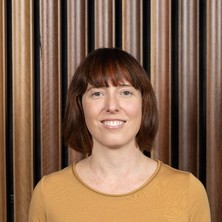
Lisa McDaid is Director of the Institute for Social Science Research (ISSR) and Professor of Social Sciences and Health at The University of Queensland. Lisa has an international reputation grounded in knowledge exchange and partnership. Her research has made significant contributions to identifying solutions to health inequalities among the most disadvantaged and marginalised in our society. Lisa is experienced in how to engage communities at high risk of poor health and wellbeing in health improvement research and in developing new methods of co-production for intervention development.
Lisa is a Social Scientist and obtained her PhD in Medical Sociology from the University of Glasgow in 2007. She has been Chief-Investigator on research grants c.AU$100M and has authored over 100 publications. Lisa is also an Associate Director of the Centre for Research on Families and Relationships, a consortium research centre based at the University of Edinburgh in Scotland.
Faculty of Health, Medicine and Behavioural Sciences
Availability:
Available for supervision
Media expert
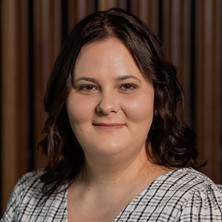
Natasha is a Clinical Psychologist and Senior Research Fellow at the Child Health Research Centre. Natasha leads the Perinatal and Early Life Exposures Research Group.
The Perinatal and Early Life Exposures Group is dedicated to uncovering the foundational influences on lifelong health and wellbeing. Their research focuses on the critical impact of environmental, nutritional, substance exposures, and psychosocial factors during the perinatal and early childhood periods on long-term health outcomes. By advancing our understanding of these early exposures, they aim to inform public health strategies, improve clinical practices, and ultimately enhance the health and well-being of future generations. Their work contributes to reducing the burden of chronic diseases and mental health disorders, promoting healthier developmental outcomes, intergenerational health benefits and fostering resilient communities.
Faculty of Health, Medicine and Behavioural Sciences
Availability:
Available for supervision
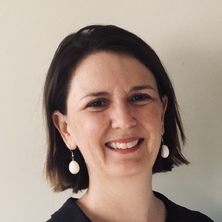
Tamara is an early career researcher (7 years post-doc) and a trained respiratory scientist with over 10 years’ experience in measuring the lung function of children aged between 3-18 years across a range of disease modalities including asthma, bronchiectasis, cystic fibrosis (CF). Her PhD validated the use of normal healthy reference values for two lung function tests (spirometry and fractional exhaled nitric oxide) for children who identify as Aboriginal and/or Torres Strait Islander. She is experienced in performing a wide range of clinically available lung function tests as well as several new emerging techniques including oscillometry and multiple breath washout. These techniques are attractive additions to clinical practice due to improved sensitivity to early lung disease progression. She has a particular interest in childhood respiratory illnesses such as cystic fibrosis and asthma, emerging clinical measurement techniques, as well as Australian First Nations respiratory health. Her current research aims to i) better understand the mechanisms of early lung disease including asthma, CF, preterm and neuromusccular conditions, ii) to improve current clinical outcome measures to aid in appropriate management, and iii) to establish the clinical utility of new techniques for use in both teritary and home-based settings.
Faculty of Health, Medicine and Behavioural Sciences
Research Fellow
School of Health and Rehabilitation Sciences
Faculty of Health, Medicine and Behavioural Sciences
Availability:
Available for supervision
Dr Jonathan Davies is a chronic pain researcher working to improve how pain is understood, assessed and treated. His research focuses on pain phenotyping, precision pain care, and the psychological, physiological and contextual factors that shape pain and treatment response.
At UQ’s Centre for Innovation in Pain and Health Research, he contributes to DISCERN, an NHMRC Synergy-funded multidisciplinary research program developing and validating new approaches to pain assessment. A major focus of his work is DECIPHER PAIN, a standardised, multimodal tool designed to characterise the relative contributions of nociceptive, neuropathic and nociplastic pain and support more personalised care.
His research integrates clinical assessment, quantitative sensory testing, experimental pain methods, psychophysiology, digital health and population data. He is particularly interested in how physiological signals, behaviour, language, psychosocial context and real-world health data can be combined to better understand individual differences in pain and treatment outcomes.
His broader expertise includes placebo and nocebo effects, mindfulness, mental health, quality of life, health outcome measurement and population health. His work aims to support more precise, scalable and patient-centred approaches to pain research and care.
Faculty of Health, Medicine and Behavioural Sciences
Affiliate of Centre for Research on Exercise, Physical Activity and Health
Centre for Research on Exercise, Physical Activity and Health
Faculty of Health, Medicine and Behavioural Sciences
Availability:
Available for supervision
A/Prof Ingrid Hickman is a Principal Research Fellow in Implementation Science with the UQ ULTRA team (Clinical Trial Capability) located within the Centre for Clinical Research in Herston. A/Prof Ingrid Hickman is an implementation scientist and has over 20 years experience in health services clinical research. Her career has focused on research excellence, strategic leadership and translating scientific evidence into improved clinical care for people with complex chronic conditions. From randomised controlled trials and mechanisms of disease progression through to patient centred co-design of health services, her collaborative approach to research aims to find solutions to health care problems. Prior to taking up the role with the ULTRA team, A/Prof Hickman led the Metabolic Obesity Research Group and the Nutrition Research Program at the Princess Alexandra Hospital in Brisbane for over 12 years. Within this role she has been a passionate advocate for embedding implementation science and methodologies into clinical trials and health services research and has been recognised internationally for her investment in implementation science and clinical workforce capacity building in research translation.
Faculty of Health, Medicine and Behavioural Sciences
Availability:
Available for supervision
Media expert
Dr Adam Irwin is a Principal Research Fellow in Paediatric Infectious Diseases at The University of Queensland and Queensland Children’s Hospital in Brisbane, Australia. His research focuses on the early recognition of invasive infections and sepsis, and the optimal use of antimicrobials in children. He is the medical co-chair of the Queensland Paediatric Sepsis Program which was awarded a Global Sepsis Alliance award in 2020, and Queensland Health Excellence awards in 2022 for Healthcare Delivery and Consumer Engagement, and a member of the Australian Group on Antimicrobial Resistance-Kids Steering Committee. He is a recipient of a National Health and Medical Research Council Emerging Leadership Fellowship to investigate the management of multi-drug resistant gram-negative infections in children.
Adam studied at the University of Birmingham Medical School and completed training in Paediatric Infectious Disease and Immunology in London. He was awarded his PhD by the University of Liverpool Institute of Infection and Global Health in 2016. Prior to relocating to Queensland, he was secretary of the British Paediatric Allergy, Immunity and Infection Group.
Affiliate of Centre of Research Excellence on Achieving the Tobacco Endgame
Centre of Research Excellence on Achieving the Tobacco Endgame
Faculty of Health, Medicine and Behavioural Sciences
ATH - Associate Professor
Prince Charles Hospital Northside Clinical Unit
Faculty of Health, Medicine and Behavioural Sciences
Availability:
Available for supervision
Dr Henry Marshall is a Thoracic Physician at The Prince Charles Hospital and University of Queensland Thoracic Research Centre. Dr Marshall's research interests are in lung cancer screening/early detection and smoking cessation. His PhD (UQ 2015) was based on the first trial of lung cancer screening in Australia. He is site PI for Australia's second screening trial, the International Lung Screen Trial.
School of Electrical Engineering and Computer Science
Faculty of Engineering, Architecture and Information Technology
Availability:
Available for supervision
Media expert
I study design as a collaborative process that materialises alternative social futures. Those futures are sometimes new products, systems, services, infrastructures and technologies. But they can also be social contracts, agreements, processes, ways of working and new possibilities for our collective lives together.
I currently lead research projects in three broad domains: designing advocacy, designing the materials of participation, and augmenting skill and expertise through design.
The designing advocacy project has worked with a range of stakeholders with reduced agency such as people with mental health needs, chronic illnesses, injured workers, and other stigmatised or at-risk groups. We have developed methods for the inclusion of their perspectives in design processes, insights about their specific conditions and needs, critical analyses of how they are conceptualised from the perspectives of technologists and service providers, and design proposals for services and technologies that amplify their agency.
The designing the materials of participation project develops formats and processes for participatory design—the inclusion of stakeholders in the design of systems that will affect the organisation of their work and life. In this project we study how technologies and systems are used in microanalytic detail, analysing how tools and materials shape people's interactions. We use this understanding as a basis for the design of new methods and processes (and sometimes new matierals) for involving people in the design process, and giving them greater autonomy over the systems they will use.
The augmenting skill and expertise through design project studies specialist work practices for the purposes of developing technology support for that work. We have worked with aeromedical teams, audiologists, passport officers, emergency first responders, quick service chefs, primary school teachers, and other professional contexts of use to understand the local and particular skills that enable those workplaces to function effectively and collaboratively. We use these understandings to inform the deisgn of technologies and work practices that support, and preserve, those core professional skills.
The constants across these projects relate to the design process—the methods used to understand people, identify design opportunities, facilitate collaboration between project stakeholders, champion users' contexts and requirements, prototype early solutions, evaluate concepts in the field, and build new technologies. This results in a variety of research contributions: new design methods and perspectives that have been tailored for specific contexts of use, identification of the potentials and limitations of different approaches to design and analysis, the discovery of context-specific issues for the design of new systems, new understandings of people, their work and contexts of use, and the design and evaluation of bespoke technologies.
Faculty of Health, Medicine and Behavioural Sciences
Availability:
Available for supervision
Dr. Nasrallah is a neuroscientist with a background in magnetic resonance and interdisciplinary brain research. She graduated with a PhD in neurochemistry and NMR from the Neuroscience Research Australia Institute (NeurRA) at the University of New South Wales in 2009. In April 2009, She spent 3 years at the Singapore Bioimaging Consortium (A*STAR) where she pioneered the use of magnetic resonance imaging as a tool in cognitive brain research in the rodent. In 2013, she was appointed as senior research fellow at the Clinical Imaging Research Center where she delved into the clinical realms of human imaging. In late 2015, she returned to Australia as a Motor Accident and Injury Commission fellow at the Queensland Brain Institute (QBI) at the University of Queensland (UQ) where she independently heads her own group. Her research spans basic and clinical brain research with the the overall aim of understanding how the brain functions in health and injury, specifically, developing methods for early diagnosis of primary biomarkers following injury and translating these findings.
Associate Professor
Srinivas Kondalsamy Chennakesavan
Director of Research
Medical School (Rural Clinical School)
Faculty of Health, Medicine and Behavioural Sciences
Availability:
Available for supervision
Media expert
Associate Professor Srinivas Kondalsamy Chennakesavan is Head of Research at The University of Queensland Rural Clinical School and an internationally recognised researcher in rural health, Indigenous health, public health, epidemiology and health services research. With a background in medicine and public health, his research focuses on improving health outcomes for rural, remote and underserved populations through innovative, community-centred and translational research.
His work addresses major health challenges affecting rural and remote communities, particularly Aboriginal and Torres Strait Islander peoples, with a focus on chronic disease prevention and management, health service innovation, population health surveillance, digital health, workforce development, healthy ageing and implementation science. He is widely recognised for developing practical models of care that translate research evidence into measurable improvements in health outcomes, service delivery and policy.
Associate Professor Chennakesavan has secured more than A$11.3 million in National Health and Medical Research Council (NHMRC) and Medical Research Future Fund (MRFF) funding, and over A$12 million in total competitive research income from national and international funding agencies. He has served as Chief Investigator, Associate Investigator and collaborator on major research programs spanning chronic disease prevention, Indigenous health, cardiovascular disease, digital health, healthy ageing, frailty and rural health service redesign. His research has directly informed policy, clinical practice and health service planning across Australia.
A defining feature of his work is the development and evaluation of community-based screening, surveillance and chronic disease management programs for Indigenous and other underserved populations living in rural and remote settings. These models have improved the early detection and management of chronic disease while strengthening local healthcare capacity. Through international collaborations, elements of this work have been adapted and implemented in resource-constrained settings in South Africa and India.
His interdisciplinary approach combines clinical medicine, epidemiology, biostatistics, health informatics and digital technologies to address complex healthcare challenges. He has expertise in designing technology-enabled models of care that improve access to prevention, diagnosis, treatment and long-term disease management for geographically dispersed populations.
Associate Professor Chennakesavan's research has achieved significant international impact. His publications have been cited extensively by leading organisations including the World Health Organization (WHO), the Organisation for Economic Co-operation and Development (OECD), and National Institute for Health and Care Excellence (NICE) guidelines, reflecting the global relevance of his work in primary healthcare, chronic disease management, rural health and health system strengthening.
He is committed to collaborative and community-engaged research and works closely with health services, Aboriginal Community Controlled Health Organisations, governments, clinicians, consumers and academic partners. His work has contributed to the development of sustainable, culturally safe and evidence-based models of care that advance health equity and improve healthcare access.
Associate Professor Chennakesavan is a globally recognised rural health researcher and thought leader whose work has influenced research, policy, and healthcare delivery both nationally and internationally. As a Council Member of the World Organization of Family Doctors (WONCA) Rural Health Working Party, he contributes to shaping the global rural health agenda, advancing strategies to strengthen healthcare access, workforce capacity, and research impact across underserved populations. He also serves as Chair of the Queensland Rural Health Innovation and Research Collaborative (QRHIRC), leading one of Australia's largest rural health research networks and bringing together universities, health services, policymakers, and communities to drive innovation, build research capacity, and translate evidence into meaningful improvements in rural and remote healthcare outcomes.
An experienced mentor and supervisor, Associate Professor Chennakesavan has supported the development of numerous higher degree research candidates, medical students, clinicians and early-career researchers. He regularly serves on NHMRC, MRFF and international peer-review panels, contributing to the assessment of major competitive funding schemes and helping shape future directions in health and medical research.
Dr Josephine Previte’s research examines how marketing, services and technology shape people’s everyday lives, wellbeing and participation in society. Her work brings together social marketing, transformative service research and social entrepreneurship to examine how people experience complex systems, and how organisations can respond with more inclusive, ethical and effective forms of change.
Current projects extend this agenda through research on disability-inclusive services, homelessness, mission-led social entrepreneurship and changing alcohol cultures, including shifts toward low- and no-alcohol consumption. Across these projects, her research focuses on how people navigate complex systems and how organisations can design more responsive, equitable and human-centred interventions. Applied research is central to this agenda, bringing marketing insight to behaviour change and service-system challenges.
Her methodological expertise spans qualitative and mixed-method research, with a strong interest in alternative and innovative methodologies. This includes expertise in using Q methodology, videography, digital and technology-enabled research approaches, and interpretive designs that reveal the complexity of people’s lives.
Across this work, Josephine is committed to research that generates practical insight, strengthens social change efforts, and brings meaningful benefits to people, organisations and society.
Affiliate of ARC COE for Children and Families Over the Lifecourse
ARC COE for Children and Families Over the Lifecourse
Faculty of Humanities, Arts and Social Sciences
Affiliate of Centre for Policy Futures
Centre for Policy Futures
Faculty of Humanities, Arts and Social Sciences
Associate Professor in Computer Science
School of Electrical Engineering and Computer Science
Faculty of Engineering, Architecture and Information Technology
Availability:
Available for supervision
Media expert
Dr. Dhaval Vyas is an Associate Professor in the Human-Centred Computing discipline - a former ARC DECRA Fellow (2018-2022) and. He is a part of the Compassion Lab research group. His research spans the areas of Human-Computer Interaction (HCI) and Computer-Supported Cooperative Work (CSCW). In particular, he focuses on designing IT tools to support health and wellbeing of under-resourced communities. He has worked in academia and industry for over 15 years. He received a PhD in Human-Computer Interaction from University of Twente, the Netherlands; a master’s degree in Computer Science from Lancaster University, UK; and an undergraduate degree in Computer Science from Gujarat University, India.
Affiliate Member of Centre for Community Health and Wellbeing
Centre for Community Health and Wellbeing
Faculty of Health, Medicine and Behavioural Sciences
Senior Lecturer
School of Human Movement and Nutrition Sciences
Faculty of Health, Medicine and Behavioural Sciences
Availability:
Available for supervision
Dr Olivia Wright is an interdisciplinary researcher and academic leader whose work is united by a central question: How do we create the conditions that enable individuals and communities to flourish?
A Senior Lecturer in Nutrition and Dietetics and Director of Teaching and Learning at The University of Queensland, Olivia leads research spanning three interconnected areas: community empowerment and wellbeing, nutrition science translation, and AI-enabled human flourishing.
Her research brings together nutrition science, cultural knowledge, community partnerships and emerging technologies to improve health, strengthen human capability and advance equity. Her work encompasses Indigenous food systems and food sovereignty, dietary patterns and gut microbiome research, chronic disease prevention, and the translation of nutrition evidence into meaningful health outcomes.
Her emerging research explores how human-centred artificial intelligence, particularly AI-enabled conversations, can support learning, health literacy, decision-making and wellbeing across health, education and community settings.
Olivia's research has achieved international reach through scientific publications, collaborations and policy influence. As Director of Teaching and Learning, she provides strategic leadership in educational innovation, inclusive practice and responsible AI integration.
Across her work, Olivia is committed to translating evidence into action and strengthening the partnerships, capabilities and systems that enable people and communities to thrive.
Faculty of Health, Medicine and Behavioural Sciences
Availability:
Available for supervision
Media expert
Dr Sobia Zafar is a specialist paediatric dentist, clinical senior lecturer and the discipline lead in paediatric dentistry at The University of Queensland. She also holds an affiliated position of Senior Research Fellow at the Child Health Research Centre. She is the current president of the Australia and New Zealand Society of Paediatric Dentistry (ANZSPD) Qld section and the councillor for the International Association of Dental Research (IADR) ANZ for Brisbane section.
Sobia completed her DClinDent and PhD from the University of Otago, New Zealand. Her research and clinical interests are in dental education, digital dentistry, and children's oral health, including those with special needs. She is frequently an invited speaker nationally and internationally on these subjects. Sobia has over 100 publications, comprising full journal papers, a book chapter and published abstracts, in national and international high-quality peer-reviewed journals. Sobia has successfully supervised 40 Honours research students, five HDR (PhD and MPhil) and two DClinDent students to completion. Sobia was the winner of the "Best Research Supervisor Award" for Higher Degree Research students in 2022 and also in 2023.
She is a passionate teacher involved in undergraduate and postgraduate teaching at UQ and in the wider dental profession in Australia and overseas. She has also conducted multiple hands-on courses locally and overseas for the Australian Dental Association Qld branch. Sobia has received numerous teaching awards and fellowships in recognition of her contributions, including from UQ the HABS Commendation for Substantive Contributions to Student Learning (2020), HABS Programs that Enhance Learning (APEL) Commendation (2021), HABS Commendation for Substantive Contributions to Student Learning Award (2022), and a UQ Teaching Excellence Award for APEL Commendation (2022). In 2022, she gained a Fellowship from the Faculty of Dental Trainers of the Royal College of Surgeons Edinburgh, UK, as peer recognition for her accomplishments in dental education. She has recently received the Excellence in Health Professional Education Award from the Australian and New Zealand Association for Health Professional Educators (ANZAHPE) and Flinders University (2023).
Sobia is a highly recognised and respected community leader. Sobia is involved with various dental charities, including the Australian Dental Health Foundation, the Esesson Foundation, and the Turbans4Australia, to provide emergency and essential dental care to underprivileged children (refugees, asylum seekers, those with special needs, and from disadvantaged communities) in the Brisbane and Gold Coast regions. Her efforts as a community leader and leading health professional have been recognised with awards within UQ (the 2022 LeadHers Rise Community Award) and at the national level (the 2022 Appreciation Award from Turbans4Australia). As recognition from her dental peers, she was granted a Fellowship of the Pierre Fauchard Academy.
Faculty of Engineering, Architecture and Information Technology
Director of HDR Students of School of Mechanical and Mining Engineering
School of Mechanical and Mining Engineering
Faculty of Engineering, Architecture and Information Technology
Associate Professor
School of Mechanical and Mining Engineering
Faculty of Engineering, Architecture and Information Technology
Associate Professor and Deputy Associate Dean (Research)
Faculty of Engineering, Architecture and Information Technology
Availability:
Available for supervision
Dr Rowan Gollan was awarded his PhD in the field of Aerospace Engineering from UQ in 2009, where he was awarded the 2010 John Simmons Prize for best thesis in the School of Mechanical and Mining Engineering and The University of Queensland Dean’s Award for Outstanding Research Higher Degree Thesis. From August 2008, while his thesis was under examination, Rowan took up a position as a research scientist at the NASA Langley Research Center in the United States, working in the Hypersonic Airbreathing Propulsion Branch. Rowan returned to UQ in January 2012 in a position funded by the Defence Science & Technology Organisation (DSTO). In his role as an aerodynamic analyst, Rowan uses state-of-the-art hypersonic analysis techniques to simulate an experimental flight vehicle.
Dr Gollan was awarded an Australian Research Council (ARC) Discovery Early Career Researcher Award (DECRA), which he commenced in 2014.
DECRA Project summary: Next-generation launch vehicles using high-speed jet engines will make it cheaper and more reliable for humankind to engage in activities in space. This project will contribute to the technology of high-speed jet engines by developing optimised air intake systems. The research aims to advance the use of computational engineering and apply this to improve the design of air intake systems.The outcomes of this project will advance the technology of high-speed jet engines with the goal of replacing existing rocket systems.
Affiliate of Centre of Research Excellence on Achieving the Tobacco Endgame
Centre of Research Excellence on Achieving the Tobacco Endgame
Faculty of Health, Medicine and Behavioural Sciences
Affiliate of National Centre for Youth Substance Use Research
National Centre for Youth Substance Use Research
Faculty of Health, Medicine and Behavioural Sciences
Principal Research Fellow
School of Psychology
Faculty of Health, Medicine and Behavioural Sciences
Availability:
Available for supervision
Media expert
Dr Janni Leung is an epidemiologist of addiction, substance use and mental health, and NHMRC Emerging Leadership Fellow at the National Centre for Youth Substance Use Research, at The University of Queensland. She is studies how substance use and mental health affect people and communities, and how research can help prevent harm.
Janni has published more than 200 papers, attracting over 15,000 citations, with 30% of her research among the world’s top 1% most cited. Expertscape ranks her among the top three cannabis researchers in Australia and the top 10 globally. She was jointly named Queensland’s 2025 Young Tall Poppy of the Year, —the award’s highest honour across all scientific fields—and was recognised by The Australian’s Research Magazine as one of 40 early-career researchers to watch.
Her research spans cannabis, alcohol, nicotine and vaping, mental health, and digital addictions such as gaming disorder. She uses epidemiological studies, systematic reviews and statistical methods to understand emerging problems and inform policy and prevention. Janni values strong partnerships with communities and meaningful involvement of consumers and people with lived experience, including co-designing innovative public health interventions with young people and parents.
Research supervision
Janni has experience supervising students from public health, psychology, medicine and diverse cultural and life backgrounds. She can supervise coursework research projects, master’s theses and PhD research. She welcomes students who are self-motivated, reliable, open to feedback and with a strong comitment to rigorous high-quality research. Prospective students should email a brief cover letter and CV; international applicants should also provide their IELTS English-language test results. Supervision is considered based on research fit, preparedness and available capacity.
Lived experience
In addition to my academic expertise, I bring lived experience perspectives in perinatal wellbeing. I also bring lived experience of problematic digital technology use, including video gaming and mobile phone use.
I welcome opportunities to contribute these perspectives to research projects, proposals and co-design activities, and am happy to collaborate with researchers seeking meaningful lived experience input.
Faculty of Health, Medicine and Behavioural Sciences
Affiliate of Centre for Living Experience Research
Centre for Living Experience Research
Faculty of Health, Medicine and Behavioural Sciences
Centre Director of Queensland Aphasia Research Centre (QARC)
Queensland Aphasia Research Centre
Faculty of Health, Medicine and Behavioural Sciences
Professor
School of Health and Rehabilitation Sciences
Faculty of Health, Medicine and Behavioural Sciences
Availability:
Available for supervision
Media expert
Professor David Copland is a Speech Pathologist conducting research in the areas of aphasia, language neuroscience, psycholinguistics, and neuroimaging of normal and disordered language. He is Director of the Queensland Aphasia Research Centre (https://shrs.uq.edu.au/qarc), Co-Director of the STARS Education Research Alliance (https://metronorth.health.qld.gov.au/stars/education-research-alliance), Co-Director of the NHMRC Centre of Research Excellence in Aphasia Rehabilitation and Recovery (https://www.latrobe.edu.au/research/centres/health/aphasia) and Deputy Chair of the Research and Postgraduate Studies Committee of the UQ School of Health and Rehabilitation Sciences.
Faculty of Health, Medicine and Behavioural Sciences
Availability:
Available for supervision
I am a public health sociologist with research interests in the health and wellbeing of people experiencing marginalisation and the social determinants of (sexual) health. I am the course coordinator of PUBH7033 Foundations of Public Health and PUBH7003 Qualitative Research Methods. I am engaged in social research projects related to HIV, sexual health, young people, LGBTIQ+ health, sex worker health and the scholarship of teaching and learning.
Faculty of Health, Medicine and Behavioural Sciences
Availability:
Available for supervision
Media expert
Carmel Hawley MBBS, FRACP, M.Med.Sci, is a Senior Staff Specialist and Director of Haemodialysis Services at Princess Alexandra Hospital. In addition, she is an Associate Professor (A/P) of Medicine at the School of Medicine, University of Queensland and current (inaugural) Chair for the Australasian Kidney Trials network (AKTN) formed in 2005. Under A/P Hawley’s stewardship, AKTN’s research output is now recognised internationally for its quality and impact. This has driven major advances in the evidence base, that directly informs care and outcomes for people living with chronic kidney disease. A/P Hawley also holds a Master’s degree in Biostatistics, has expertise in trial management, methodology, design and conduct. She is currently involved in numerous industry-led and/or investigator initiated international and national clinical trials as either a Principal or Associate Investigator, providing leadership and direction to emerging early and mid-career researchers.