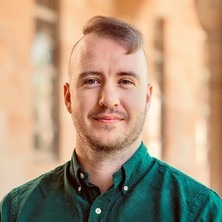
My research draws on sociological theories to examine how organizations and their leaders justify controversial practices, engage with stakeholders, and respond to scandals both rhetorically and with practical actions. This work falls under the theoretical umbrella of organizational legitimacy and helps understanding how business ethics practices evolve over time. Empirically, my areas of interest span a wide variety of contexts, from the emergence of responsible taxation to the implementation of ethics management systems, from the integration of Indigenous values in Western management thinking to the protection of not-for-profits from trust failures, and from the governance of sport organizations to the evolution of ESG reporting. My approach to research is quite eclectic, including qualitative, quantitative, and conceptual work, yet I rely primarily on qualitative methodologies: chiefly interviews, archival material. and observations. Conducting this type of research has taken me across many countries including, Australia, Europe, China, the US, and Madagascar. Ultimately my work is aimed at providing guidance on how organizations can keep pace with the evolution of societal norms and stakeholder expectations.
My work has published in a variety of top journals including Journal of Management Studies (on how corporate leaders respond and adapt to critique during crises), Journal of Business Ethics (on the successes and failures of ethics control systems), Accounting, Organizations and Society (on changes of stakeholder expectations with regards to corporate taxation). These and other pieces have received multiple international recognitions, among others the R. Edward Freeman Journal of Business Ethics Philosophy in Practice Best Paper, the Amartya Sen Essay Prize by Academics Stand Against Poverty, and the Academy of Management Carolyn Dexter Award.
In teaching, I am best known for delivering courses in critical thinking, ethics, philosophy, leadership, sustainability, anthropology, and for integrating Indigenous knowledge. My teaching experience spans across undergraduate and postgraduate levels, with a decade of involvement in MBA and executive education programs. My passion for teaching was recognised with the student-nominated 2024 Beta Gamma Sigma Academic of the Year Award.
Before joining UQ, I was lecturer and then senior lecturer at the School of Strategy, Innovation, and Technology at the University of Sydney Business School. Prior to academia, I spent a decade working in the sport event management industry as a consultant. I also worked at the United Nations Global Compact in New York focusing on sustainability and anti-corruption practices. and in my family business as taxation and labour consultant.
Faculty of Health, Medicine and Behavioural Sciences
Adjunct Associate Professor
PA Southside Clinical Unit
Faculty of Health, Medicine and Behavioural Sciences
Availability:
Available for supervision
Associate Professor Annika Antonsson is a virologist with epidemiological training. Viruses can cause cancer, and Annika's research has been focused on human papillomavirus (HPV) and its role in different types of cancer. Her main research areas are oral HPV infections in different populations and HPV in throat cancer (oropharyngeal cancer), with her most recent study investigating if the current HPV vaccine is protecting against the HPV types that are causing throat cancer.
Annika is involved in a longitudinal study on oral HPV infection among Indigenous South Australians and oropharyngeal cancers. More than 1,000 Indigenous people from across South Australia—including Adelaide, Mount Gambier, Coober Pedy, Ceduna, Whyalla, Port Lincoln, Port Pirie and the Riverland— have been recruited for this ongoing study, which started in 2019.
Annika is also working on CanCo which is a First Nations-led Prospective Cancer Cohort study (https://public-health.uq.edu.au/project/canco-prospective-first-nations-cancer-cohort ). CanCo is looking into cancer care needs and experiences of First Nations peoples diagnosed with cancer, and their caregivers.
Office of the Deputy Vice-Chancellor (Indigenous Engagement)
Availability:
Available for supervision
Dr Angela Baeza is a woman, educator, researcher, mother, and daughter. She is Diaguita First Nation from the Atacama Desert of Chile and has been living and working in Meanjin since 2018. With a professional background as a school teacher and university lecturer, her research focuses on Indigenous education and culturally responsive pedagogies.
Her doctoral research centred on relationships among Indigenous communities, schools, and support systems, and her ongoing work continues to be guided by community knowledge and lived experiences. She has received multiple awards recognising her leadership in Indigenous education, including the Aboriginal and Torres Strait Islander Education Contribution Award from the Australian Teacher Education Association in 2025.
Dr Baeza is a Research Fellow at the ARC Centre of Excellence for Indigenous Futures at The University of Queensland.
Affiliate of Research Centre in Creative Arts and Human Flourishing
Research Centre in Creative Arts and Human Flourishing
Faculty of Humanities, Arts and Social Sciences
Affiliate Associate Professor of School of Music
School of Music
Faculty of Humanities, Arts and Social Sciences
Affiliate of Centre for Digital Cultures & Societies
Centre for Digital Cultures & Societies
Faculty of Humanities, Arts and Social Sciences
Associate Professor
School of Social Science
Faculty of Humanities, Arts and Social Sciences
Availability:
Available for supervision
Media expert
Katelyn Barney is an interdisciplinary researcher whose work spans Indigenous studies, ethnomusicology and Indigenous higher education. Through collaborative research, teaching and engagement, she contributes to strengthening partnerships between Indigenous and non-Indigenous people, advancing Indigenous student success and supporting more equitable practices across universities.
She has published across these fields with her scholarship reaching academic and public audiences through books, journal articles, podcasts and digital resources. Her edited book, Musical Collaboration between Indigenous and Non-Indigenous People in Australia: Exchanges in the Third Space, received the Ellen Koskoff Edited Volume Prize in recognition of its contribution to scholarship on Indigenous music and collaboration.
Katelyn is recognised for her leadership in higher education, research partnerships and teaching. She is a Senior Fellow of the Higher Education Academy, a Principal Practitioner with the Institute for Teaching and Learning Innovation, an Australian Learning and Teaching Fellow and Managing Editor of The Australian Journal of Indigenous Education. She has held an Equity Fellowship with the Australian Centre for Student Equity and Success and has led initiatives to strengthen the evaluation of programs and practices that support Aboriginal and Torres Strait Islander student success.
Affiliate of Centre for Public, International and Comparative Law
Centre for Public, International and Comparative Law
Faculty of Business, Economics and Law
Availability:
Available for supervision
Associate Professor Francesca Bartlett lectures in Ethics and the Legal Profession and Family Law. She is the Deputy Dean of the Law School. She is a Fellow of the Centre for Public, Comparative and International Law and researches in the area of lawyers' ethics and practice, access to justice and women and the law. She was a CI on the Australian Feminist Judgments Project funded by the Australian Research Council under a Discovery Project Grant. She is undertaking a number of projects relating to lawyers working across Australia including around family law and family violence, abuse of process and duty of competence, as well as legal professions in the Pacific. She has led a project concerning technology and access to justice in the legal assistance sector funded under an AIBE Applied Research Fund grant and was a CI on a project funded by the Queensland Law Society concerning disruption to and innovation by small law firms across Queensland. Francesca was a Visiting Fellow at the Centre on the Legal Profession at Stanford University in November 2018. She is the co-author (with Holmes) of textbook, Parker & Evans' Inside Legal Ethics in 2023 and forthcoming 2026. She also has an interest in clinical legal education and runs an international placement course funded by New Colombo Plan Mobility Grant funding.
She is a member of the Queensland Law Society Ethics Advsory Committee and is the Vice President of the International Association of Legal Ethics. Francesca is an Academic Member of the School's Pro Bono Centre Advisory Board, and has held a senior administrative position as Director of teaching and Learning in the Law School. Before joining the Law School, she practiced for a number of years as a commercial solicitor at a national law firm in Melbourne and Brisbane.
Faculty of Health, Medicine and Behavioural Sciences
Availability:
Available for supervision
A/Prof Federica Barzi is a Principal Research Fellow in Biostatistics at the UQ Poche Centre for Indigenous Health and within the Faculty of Health and Behavioral Sciences at The University of Queensland. She was awarded a PhD in Epidemiology and Biostatistics from Sydney University in 2004 and has a BSc degree in Statistics from the University of Padova, Italy.
A/Prof Barzi is an applied Biostatistician with extensive experience on study design and data analysis of randomized clinical trials, very large observational studies and data linkage. She has worked across a variety of specialties including cardiology, nephrology, nutrition, oncology and emergency care. She has been involved in Indigenous Health since 2005 and from April 2014, with her appointment at the Menzies School of Health Research in Darwin, A/Prof Barzi’s contribution to research focuses solely on Aboriginal and Torres Strait Islander Health. She has co-authored over a hundred and thirty peer reviewed journal articles with colleagues from various institutions and has secured, as a CI, over 24M in research funding since 2006.
Faculty of Health, Medicine and Behavioural Sciences
Availability:
Available for supervision
I am a health psychologist and researcher with a strong focus on health psychology and mental health, particularly within First Nations and culturally and linguistically diverse (CALD) communities. My research expertise lies in the development and evaluation of health and wellbeing programs, and cultural adaptations to programs and research methods to more effectively measure mental health and wellness. I have extensive clinical and industry experience, including roles in program design, evaluation, and advocacy within First Nations health, chronic disease management and chronic pain.
Currently, my work spans several projects, including evaluating mental health services for First Nations Australians and investigating the needs of First Nations carers for loved ones with mental health concerns. I also have a keen interest in cultural correlates and expressions of mental disorder, in empowering people to make health behaviour changes, and to engage more effectively with healthcare services through individual, group and health promotion interventions.
Dr. Bialasiewicz worked at the Royal Children's Hospital and the Children's Health Queensland HHS for over 18 years conducting translational research and clinical support centering on infectious disease (primarily viral and bacterial) molecular diagnostics, general microbiology and molecular epidemiology. In 2019, he became a group leader at The University of Queensland's Australian Centre for Ecogenomics, expanding on a growing interest in the microbial ecology of the human body, it's role in health and disease, and ways to manipulated to achieve desirable outcomes. One Health microbial ecology, where human health is interconnected with the health of animals (both livestock and wildlife), and the broader environment is also an area of active interest. His background in virology has influenced the work he does, meaning a key focus of his microbial ecology works centres around the interactions between all types of microorgansims (bacteria, archaea, viruses, fungi, and micro-eukaryotes).
Ongoing work includes:
- Leveraging of emerging technologies to explore the hidden microbial diversity and their interactions in the human body.
- Using the technology to develop microbial (e.g. phage)-based treatments or preventatives to complex diseases (e.g. Otitis Media, Chronic Rhinosinusitis, GvHD).
- Understanding the genetics of antibiotic resistance spread.
Affiliate of Centre for Public, International and Comparative Law
Centre for Public, International and Comparative Law
Faculty of Business, Economics and Law
Professor
School of Law
Faculty of Business, Economics and Law
Availability:
Available for supervision
Media expert
Dr Peter Billings is a Professor at the School of Law, The University of Queensland, Brisbane, and a Fellow of the Higher Education Academy. His research interests are in particular areas of public law: administrative law, immigration and refugee law, social welfare law and human rights law. In 2016 he received an Australian Award for University Teaching - Award for Programs that Enhance Learning (Pro Bono Centre). Since 2010 he has received five teaching excellence awards within the School of Law for outstanding course/teacher evaluations, and in 2011 was awarded the Vice Chancellor's Equity and Diversity Award (UQ) for the Asylum and Refugee Law Project.
Recent publications include: P Billings (ed), Regulating Refugee Protection through Social Welfare: Law, Policy and Praxis (Routledge, 2023); An Annotated Guide to the Human Rights Act 2019 (Qld) (LexisNexis, 2023) (with N Jones); Ch. 10 "Immunised and Indifferent to Indefinite Incarceration, in M Peterie, Immigration Detention and Social Harm: The Collateral Impacts of Migrant Incarceration (Routledge, 2025); and "Causing a Stir: Unwanted Aliens and the Cauldron of Crimmigration Controls Post NZYQ" (UQLJ (2025) forthcoming).
Queensland Alliance for Agriculture and Food Innovation
Higher Degree by Research Scholar
Queensland Alliance for Agriculture and Food Innovation
Availability:
Available for supervision
Media expert
Jacob is a proud Gamilaraay man from QLD and a PhD candidate within QAAFI. Jacob's work focuses on Indigenous food sovereignty as nation-building, looking at the Gamilaraay peoples' governance of thier native grains industry as a case study.
Jacob is taking a systems approach in developing the nascent native grains industry. His priority is setting strong, strategic, sustainable, Indignoeus-led governace to ensure opportunity and benefit remains with Indigenous people. Jacob also has active interests spanning the ecology and conservaion of native grassland species; agronomic knowledge to help support reintroduction of native grains; supply chain and processing of native grains; nutrition and food safety; product development and marketing; and education and engagement.
Jacob's passion also extends to the broader Indigenous food sovereignty movement. Through his work, Jacob collaborates across disparate spaces and advocates for the transformative potential of integrated, circular, sustainable, Indigenous-designed food systems that prioritise human and ecosystem health over profit and production.
Faculty of Health, Medicine and Behavioural Sciences
Availability:
Available for supervision
Tamara is an early career researcher (7 years post-doc) and a trained respiratory scientist with over 10 years’ experience in measuring the lung function of children aged between 3-18 years across a range of disease modalities including asthma, bronchiectasis, cystic fibrosis (CF). Her PhD validated the use of normal healthy reference values for two lung function tests (spirometry and fractional exhaled nitric oxide) for children who identify as Aboriginal and/or Torres Strait Islander. She is experienced in performing a wide range of clinically available lung function tests as well as several new emerging techniques including oscillometry and multiple breath washout. These techniques are attractive additions to clinical practice due to improved sensitivity to early lung disease progression. She has a particular interest in childhood respiratory illnesses such as cystic fibrosis and asthma, emerging clinical measurement techniques, as well as Australian First Nations respiratory health. Her current research aims to i) better understand the mechanisms of early lung disease including asthma, CF, preterm and neuromusccular conditions, ii) to improve current clinical outcome measures to aid in appropriate management, and iii) to establish the clinical utility of new techniques for use in both teritary and home-based settings.
Faculty of Health, Medicine and Behavioural Sciences
Higher Degree by Research Scholar
School of Human Movement and Nutrition Sciences
Faculty of Health, Medicine and Behavioural Sciences
Availability:
Not available for supervision
Stella Boyd-Ford is a Post Doctoral Research Fellow with the First Nations Cancer and Wellbeing Research Program. Her research focus areas include food security, paediatric nutrition and Aboriginal and Torres Strait Islander health. She has expertise in qualitative methods and co-design in health. Her current research involves co-designing culturally safe healthcare services for Aboriginal and Torres Strait Islander communities.
Stella works at the intersection of community health, clinical nutrition and research, with extensive experience in outreach roles and collaborating with diverse communities. She also has a background as an Accredited Practicing Dietitian.
As a music-maker and language revivalist from the south coast Noongar region of Western Australia, I am interested in the connections between song, language, and landscapes. My work intersects with applied linguistics, ecomusicology, Australian studies, and Indigenous studies.
I am lead Chief Investigator for ARC DI project 'Restoring on-Country Performance' and a Chief Investigator for ARC LIEF project 'Nyingarn: A platform for primary sources in Australian Indigenous languages', ARC DI project 'The role of First Nations’ music as a determinant of health', and ARC Linkage project 'Life After Digitisation: Future-Proofing WA's Vulnerable Cultural Heritage'.
After working as an ESL and music teacher, I helped establish the major in Indigenous Knowledge at the University of Western Australia, where I completed a PhD in Noongar song. At the University of Sydney I co-developed the major in contemporary music for Sydney Conservatorium of Music, before returning to Western Australia at Edith Cowan University to bolster humanities research in my home state. Recent arts-language projects I have collaborated on include a mainstage production of Shakespeare's Macbeth in Noongar (Hecate 2020), a Bruce Lee film dubbed in Noongar (Fist of Fury Noongar Daa 2021), and the multi-sensory ‘Noongar Wonderland’ performance installation in Perth Festival 2022.
I serve as Deputy Chair of the Australian Institute of Aboriginal and Torres Strait Islander Studies (AIATSIS) and received the 2020 Barrett Award for Australian Studies.
Faculty of Health, Medicine and Behavioural Sciences
Availability:
Available for supervision
Dr Clare Bradley is a non-Indigenous woman living and working on the lands of the Peramangk and Kaurna peoples. She is a Senior Research Fellow within the Trauma & Injury group at Flinders University’s College of Medicine and Public Health and an Honorary SRF with the University of Queensland's Poche Centre for Indigenous Health. With over two decades in health and aged care services research, Clare’s work has focused on injury and infectious disease surveillance, health services research and Big Data infrastructures.
Following over a decade's work in injury epidemiolology and aged care services research, Bradley’s First Nations health research experience was advanced by roles at the South Australian Health and Medical Research Institute and UQ Poche. Here she supported Professor James Ward’s sexual health and infectious diseases research program and established the ATLAS Indigenous Primary Care Surveillance Network—Australia’s leading Indigenous health research data infrastructure (2017–2024). Working directly with ACCHOs nationally, Clare led the development of ATLAS’s data extraction, linkage and analysis pipeline and collaboration with stakeholders to embed use of the surveillance data in Continuous Quality Improvement activities, national infectious disease surveillance reporting, and research. Her MRFF 2020 Primary Health Care Research Data Infrastructure Grant (PHRDI000054, CI-A) contributed substantially to the success of this work.
Now back at Flinders University, Clare's role as Study Coordinator with Associate Professor Courtney Ryder's Transforming HEalth and Wellbeing Outcomes from Injury for Aboriginal and Torres Strait IsLander Children (HEAL) Cohort Study brings together her expertise in developing research infrastructures using person-linked data, injury epidemiology and outcomes research, and her strong advocacy for health equity, culturally safe research, and Indigenous Data Sovereignty.
Faculty of Health, Medicine and Behavioural Sciences
Availability:
Available for supervision
Dr Bena Brown is a clinician/researcher who brings her passion for caring for people with cancer and their families to her current role in the FNCWR team, where her focus is on delivering projects that optimise survivorship and cancer health services for Aboriginal and Torres Strait Islander people. These projects include implementing novel models of care such as navigation and health behaviour intervention, optimising communication and access to services through the development and evaluation of culturally responsive resources.
Bena has more than 60 peer-reviewed publications, has presented at multiple national and international conferences, and has been awarded over $3.6 million in research grants.
She is also an Advanced Speech Pathologist (Cancer Care) at Brisbane's Princess Alexandra Hospital and provides RHD supervision for higher-degree students in the School of Health and Rehabilitation Sciences in UQ's Health and Behavioural Sciences Faculty. Bena is a member of the Human Research and Ethics Committees at Metro South Health and serves on State-wide committees for the Queensland Collaborative for Cancer Survivorship and the Clinical Oncological Society of Australia (COSA) Patient-Reported Outcome Working Group.
Outside her research and clinical career, Bena is mum to two boisterous boys, a keen yogi, and passionate student and board member at Vulcana Circus.
Affiliate of Centre for Social Responsibility in Mining
Centre for Social Responsibility in Mining
Faculty of Engineering, Architecture and Information Technology
Senior Research Fellow
Sustainable Minerals Institute
Faculty of Engineering, Architecture and Information Technology
Availability:
Available for supervision
John Burton has 35 years’ research experience on the social impacts of resource extraction. His past work was centred on the Pacific region, with long-term field experience in Papua New Guinea, New Caledonia, Solomon Islands and West Papua. He taught at universities in Papua New Guinea 1985-91 and 2015-19. As both a free-lance consultant and an academic, John has done impact assessments and landowner identification studies for many of the large extractive industry companies in our region. John also practises as a Native Title anthropologist in Australia. He served as Senior Anthropologist in the Torres Strait Regional Authority, 2001-2003, and has worked on various Torres Strait issues, including the Regional Sea Claim and Traditional Boundary Mapping, from 2004 to the present. He has contributed to a range of successful Native Title determinations for the Jirrbal, Babaram, Muluridji, Warrungu and other peoples in North Queensland, 2005-2019.
Faculty of Health, Medicine and Behavioural Sciences
Availability:
Available for supervision
Dr Tamara Butler is an Aboriginal woman of the Undumbi people from the Sunshine Coast region of Queensland, Australia and a NHMRC Emerging Research Fellow at the University of Queensland. She works withing the First Nations Cancer and Wellbeing Research Program. Her work is focused on women’s cancers with the goal of improving cancer outcomes for Aboriginal and Torres Strait Islander people, families, and communities. Broadly Dr Butler’s research interests also include First Nations research methods and process, co-design, wellbeing, and psychosocial aspects of cancer care.
Faculty of Health, Medicine and Behavioural Sciences
Affiliate of Queensland Digital Health Centre
Queensland Digital Health Centre
Faculty of Health, Medicine and Behavioural Sciences
Affiliate of Dermatology Research Centre
Dermatology Research Centre
Faculty of Health, Medicine and Behavioural Sciences
Professorial Research Fellow
Frazer Institute
Faculty of Health, Medicine and Behavioural Sciences
Availability:
Available for supervision
Liam Caffery is a Professorial Research Fellow in Dermatology Informatics at the University of Queensland’s Dermatology Research Centre. His research focuses on health informatics, with a particular emphasis on digital skin imaging for melanoma detection. His work spans digital imaging technologies, data standardisation, artificial intelligence, and teledermatology.
Liam is an internationally recognised leader in dermatology informatics. He has played a pivotal role in the development of global standards for dermatological imaging and currently serves as Chair of the Dermatology Working Group within the DICOM Standards Development Organisation. Liam is a Working Group Leader for the International Skin Imaging Collaboration: Melanoma Project. This project is an academia and industry partnership designed to facilitate the application of digital skin imaging to help reduce melanoma mortality.
He serves on the Board of Directors for the International Society of Digital Health in Dermatology, and is an Honorary Member of the International Dermoscopy Society, a distinction recognising his expertise, dedication and longstanding contributions to the field.
Liam is the Chair of the Informatics and Technology Committee and a Chief Investigator for the Australian Centre of Excellence in Melanoma Imaging and Diagnosis. In addition, he is an Honorary Professor at the University of Dundee’s School of Medicine, Scotland.
Faculty of Health, Medicine and Behavioural Sciences
Availability:
Available for supervision
Media expert
I am a Postdoctoral Research Fellow in Digital Health and Accredited Practising Dietitian (APD) interested in the prevention and management of noncommunicable diseases, especially obesity, across the lifecourse.
Through research, I aim to add health to life and equity to health by changing policies and practices to reduce the impact of obesity.
My research program aims to forge a new nexus across dietetics, digital health and public health to improve healthy weight. In my Postdoctoral Fellowship, I have established a new evidence base that supports precision public health approaches to the prevention and management of obesity, including innovate methods of public health surveillance that can use data from sources such as electronic medical records. I trained as a Paediatric Dietitian and have experience as a clinician-researcher working in Queensland's healthcare system, specifically in preventing and managing childhood obesity via clinical, community, and public health programs.
I have used epidemiology, public health informatics, action research, co-design, and ethnographic methods to generate new knowledge in obesity and digital health. I was awarded my PhD (UQ) in November 2020, which developed and validated i-PATHWAY, a clinical model to predict childhood obesity from the first 1,000 days to help guide its prevention. This research was the first of its kind in Australia and uncovered new evidence for risk factors for childhood obesity that are evident from the early years.
At The University of Queensland (UQ), I am a member of the Queensland Digital Health Centre, located within the Centre for Health Services Research (Faculty of Medicine). I established and currently Co-Chair the UQ Digital Health HDR Cohort, which provides research mentorship and support to ~20 PhD, MPhil and Honours research students.
Our team partners closely with multiple healthcare and research organisations across Australia to innovate and translate obesity research into practice, including Health and Wellbeing Queensland (public health and prevention of chronic diseases), Queensland Health (healthcare system) and the Digital Health Cooperative Research Centre (digital health research). I hold an Honorary Appointment with Health and Wellbeing Queensland, and an Affiliate Research Fellow position with the Faculty of Medicine (UQ) to help bridge the gap between obesity research and practice.
Affiliate of Research Centre in Creative Arts and Human Flourishing
Research Centre in Creative Arts and Human Flourishing
Faculty of Humanities, Arts and Social Sciences
Senior Lecturer
School of Communication and Arts
Faculty of Humanities, Arts and Social Sciences
Availability:
Available for supervision
Dominique Chen is a proud Gamilaraay woman and interdisciplinary researcher working at the intersections of relational creative practice, Indigenous studies, urban studies, and land-based practices including agriculture, cultural food growing, and Indigenous food sovereignty.
She is a Senior Lecturer in Art History at UQ's School of Communication and Arts, specialising in Indigenous Art, anti-colonial and reparative praxis, and Indigenous Research Methodologies. Her PhD research examines urban Aboriginal food growing, exploring the potential of culturally-centred, relational creative practices in relvitalising cultural food knowledges, systems, practices, and connections to Country.
Dominique coordinates BlackWords, AustLit's dedicated research resource for Aboriginal and Torres Strait Islander writers and storytellers. She is passionate about people and Country care, and is committed to supporting self-determined, community-engaged and culturally-grounded research within the academy.