Affiliate of ARC COE for Children and Families Over the Lifecourse
ARC COE for Children and Families Over the Lifecourse
Faculty of Humanities, Arts and Social Sciences
Research Fellow
School of Human Movement and Nutrition Sciences
Faculty of Health, Medicine and Behavioural Sciences
Availability:
Available for supervision
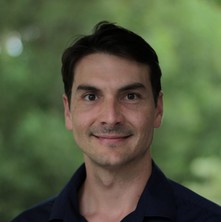
Dr Martin O’Flahertyis a research fellow in the ARC Centre of Excellence for Children and Families over the Life Course located in the Institute for Social Science Research. Martin has made important contributions to the evaluation of nationally significant social policy, often working with the Department of Social Services. Notable highlights include designing the impact evaluation for the $90 million Try, Test, and Learn Fund and leading the evaluation of the Building Capacity in Australia’s Parents trial and the National Community Awareness Raising initiative. He is the quantitative lead for recently announced Community Refugee Integration and Sponsorship Pilot, funded by the Department of Home Affairs, which is investigating the feasibility of alternative settlement pathways for unlinked humanitarian migrants.
Martin’s broader research centres on the intersection of family, health, and disadvantage over the life course, using advanced quantitative methods to unlock causal and longitudinal perspectives on important social problems. Recent work has investigated patterns and determinants of children’s and adolescents’ time-use, including for adolescents with disability and LGBTQ adolescents. He has also led research using state-of-the-art machine learning methodology to study heterogeneous effects of teenage motherhood on later life mental health. Martin’s current research is primarily focussed on understanding the nature, causes of, and solutions to, poverty and financial insecurity among children with disabilities and their families. His work has appeared in leading international journals including Demography, Child Development, and The Lancet Child and Adolescent Health among others.
Faculty of Health, Medicine and Behavioural Sciences
Affiliate of Centre for Innovation in Pain and Health Research (CIPHeR)
Centre for Innovation in Pain and Health Research
Faculty of Health, Medicine and Behavioural Sciences
Availability:
Available for supervision
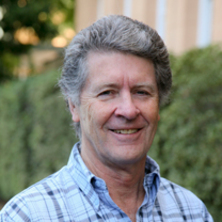
Shaun O’Leary, BPHTY (Hon), MPHTY (Msk), PhD, is an Associate Professor in Physiotherapy between the School of Health and Rehabilitation Sciences at the University of Queensland, and the Royal Brisbane and Women’s Hospital Physiotherapy Department, in Brisbane, Australia. He is also a Specialist Musculoskeletal Physiotherapist (as awarded by the Australian College of Physiotherapists (ACP) in 2008). Shaun is a longstanding member of the Australian Physiotherapy Association and Fellow of the ACP. Shaun is across clinical education at all levels of physiotherapy training. He has had a major teaching role in the University of Queensland’s postgraduate specialty Masters of Physiotherapy (Musculoskeletal and Sports Physiotherapy) programs since 2001, and nationally has served the ACP as an examiner, and former council member and Chair of the Fellowships Program Standing Committee. In 2021 Shaun was awarded a Senior Fellowship within the Higher Education Academy (SFHEA). Shaun has over 130 publications relating to the management of musculoskeletal conditions (including >110 research articles, 6 book chapters, 2 books translated to multiple languages), > 50 conference presentations, nearly AUD$6 million career grant funding, and have delivered over 60 clinical workshops worldwide, and received clinical research awards nationally and internationally, and supervised 13 research higher degrees.
Faculty of Health, Medicine and Behavioural Sciences
Availability:
Available for supervision
Media expert
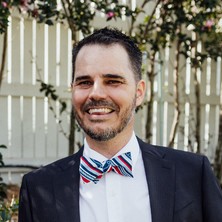
After completing neurology training at the Royal Brisbane & Women’s Hospital(RBWH) in 1995, A/Prof O’Sullivan completed Fellowships in Movement Disorders at the Austin & Repatriation Medical Centre, Melbourne then the National Hospital for Neurology and Neurosurgery, and Middlesex Hospital in London, UK. He was awarded a doctorate in Medicine from Melbourne University in 2000 for studies into surgery for Parkinson’s disease. He returned to the RBWH in 2001 and set up the Movement Disorders Clinical Service which he directs including botulinum toxin and later Friedreich's ataxia clinics, and co-ordinating the Huntington's disease multidisciplinary clinic. Through these clinics he has established collaborations with local, interstate and international researchers in the fields of Parkinson's disease, and other movement disorders and neurodegenerative diseases. He is currently Associate Professor of Medicine at UQ Centre for Clinical Research, currently co-director of the Neurodegenertion Clinical Research Group. A/Prof O'Sullivan past President of the Movement Disorders Society of Australia and New Zealand (MDSANZ), having previously served as Chair of the MDSANZ Clinical Trials and Research Group. He has been is on the Council of the Australian and New Zealand Association of Neurolgists (ANZAN) and previously chaired the ANZAN Scientific Program Committee.
Faculty of Health, Medicine and Behavioural Sciences
Affiliate of Centre for Extracellular Vesicle Nanomedicine
Centre for Extracellular Vesicle Nanomedicine
Faculty of Health, Medicine and Behavioural Sciences
Availability:
Available for supervision
Professor Andreas Obermair is a gynaecological oncologist in public and private practice in Brisbane, Australia. He graduated from the University of Vienna, Austria (1990) and then went on to complete his specialist training in obstetrics and gynaecology (1999). He enrolled in gynaecological oncology sub-speciality training in 2000 (Brisbane and Perth) and since 2003 has been a part time staff specialist in gynaecological oncology at the Royal Brisbane and Women’s Hospital.
Professor Obermair is a NHMRC Investigator Fellow with the University of Queensland and is also the Director of Research in the Queensland Centre for Gynaecological Cancer where he drives a program of investigator-initiated surgical clinical trials. His mission is to make surgical treatments more humane, kinder and at the same time more effective.
His main research interests include clinical trials and hereditary (familial) gynaecological cancer. His main effort focusses on assembling a world-class team to conduct clinical trials that change the treatment of women affected by gynaecological cancer for the better. He authored more than 220 original articles in peer reviewed journals, teaches at the national and international level and maintains his international contacts at conferences. Professor Obermair conducts his private practice from Spring Hill in Brisbane, and on the Sunshine Coast.
Faculty of Health, Medicine and Behavioural Sciences
Research Fellow
Child Health Research Centre
Faculty of Health, Medicine and Behavioural Sciences
Availability:
Available for supervision
Dr Stina Oftedal is an accredited practicing dietitian and postdoctoral research fellow at the Queensland Cerebral Palsy Rehabilitation Research Centre (QCPRRC). Stina completed her undergraduate degree at Queensland University of Technology in 2010, and completed her PhD at the University of Queensland in 2016. Stina's PhD explored the association of modifiable health behaviours (diet and physical activity) on growth and body composition in preschool-aged children with cerebral palsy, and this continues to be the focus of her postdoctoral work. She also has an interest in infant feeding and diet quality.
Dr Jon Olsen is an Associate Professor & Deputy Director (Research) at the Institute for Social Science, The University of Queensland. He serves as Director of URBANiQ: Urban Intelligence for Healthy & Equitable Places @ The University of Queensland, the AURIN UQ-Node, and leads research focused on place and health inequalities. His work explores how the built and natural environments, along with urban planning policies, influence health outcomes and disparities. Jon is also committed to advancing understanding of the intersections between human health and planetary health.
He is Co-I of the NIHR Global Health Research Unit in Social and Environmental Determinants of Health Inequalities (SEDHI) and the NIHR Public Health Research (PHR) Programme-funded Orienting Policy Towards Inequality Minimising Actions (OPTIMA) project, a systems science approach to 20-minute neighbourhood policy and evaluation.
Jon is Senior Editor of the new journal Urban Transitions, Editorial Board Member of Wellbeing, Space and Society. He is an Honorary Senior Research Fellow at the University of Glasgow, UK and Honorary Professor at Chulalongkorn University, Thailand.
Affiliate of Research Centre in Creative Arts and Human Flourishing
Research Centre in Creative Arts and Human Flourishing
Faculty of Humanities, Arts and Social Sciences
Professor
School of Social Science
Faculty of Humanities, Arts and Social Sciences
Availability:
Not available for supervision
Media expert
Rebecca Olson is Professor of Sociology at the University of Queensland, cutting-edge translational qualitative researcher, mentor and award-winning educator with expertise in the sociologies of health and emotions. Her work advances the human aspects of care. It empowers students, teachers and researchers to foreground social and emotional aspects in addressing emerging health challenges through collaborative, interdisciplinary research with in-built impact. As Co-Founder and past Director of SocioHealthLab, she leads an interdisciplinary collective of researchers, health professional educators and practitioners interested in doing health and healthcare differently: more socially aware, more relational, more inclusive and more just. As Director of Teaching and Learning in the School of Social Science, she prioritises collaborative, reflexive, creative and emotions-centred practices in higher education. As Joint Editor-in-Chief of Health: An Interdisciplinary Journal for the Social Study of Health, Illness and Medicine, Olson fosters dialogue across theory-curious clinician researchers and critical health social scientists. With 100+ scholarly publications – as well as news media and creative video productions – Rebecca is a prolific contributor to public debate. With research interests spanning medicinal cannabis and health professions education to climate anxiety, Olson is internationally renowned for bringing sociological insight to complex challenges related to emotions, wellbeing, healthcare and caregiving.
Faculty of Health, Medicine and Behavioural Sciences
Availability:
Available for supervision
Hannah is an Advanced Accredited Practising Dietitian (AdvAPD) who holds positions as a Senior Dietitian at The Surgical, Treatment and Rehabilitation Service, Knowledge Translation Workforce Development Officer for Metro North Hospital and Health Service, and Honorary Research Fellow within the University of Queensland, Centre for Health Services Research.
Hannah completed her PhD at the University of Queensland in 2024. Her PhD focused on person-centred care and interprofessional practice in nutrition and food services in rehabilitation, and has been internationally recognised. Hannah published four first-author peer-reviewed articles from her PhD research and has been invited to present her work at national conferences. Hannah has also secured competitive research funding to advance her clinical research program and translate her findings into practice across Queensland hospitals and health services, establishing herself as a promising early-career clinician-researcher. This has been reflected in recent awards, including the Practice-based Evidence in Nutrition Prize from Dietitians Australia (2024).
Hannah’s clinical research program aims to improve nutrition care in rehabilitation populations by harnessing technology, data-driven decision-making, and consumer engagement. Recent projects within this program include co-designing and implementing innovative nutrition education videos: https://metronorth.health.qld.gov.au/news/nutrition-information-for-patients, co-developing quality indicators for rehabilitation nutrition and food services with consumers and multidisciplinary staff, and using body composition measures to inform precision nutrition care.
As a Knowledge Translation Workforce Development Officer and clinically embedded researcher, Hannah is committed to bridging the gap between contemporary research and clinical practice. Hannah leads the Metro North arm of the Allied Health Translating Research into Practice (AH-TRIP) initiative: https://www.health.qld.gov.au/clinical-practice/database-tools/translating-research-into-practice-trip/translating-research-into-practice, which aims to increase knowledge translation capacity among health professionals. Her involvement in various projects reflects this commitment to both knowledge translation and innovation, including contributing to the development and implementation of a new high-value Malnutrition Model of Care and supporting the implementation of interprofessional mealtime enhancement strategies into routine practice.
Affiliate of Queensland Alliance for Environmental Health Science
Queensland Alliance for Environmental Health Sciences
Faculty of Health, Medicine and Behavioural Sciences
Associate Professor
School of Public Health
Faculty of Health, Medicine and Behavioural Sciences
Availability:
Available for supervision
Media expert
Dr Osborne, BSc(Hons), MAgSc, PhD is an epidemiologist and toxicologist with research interests in using environmental epidemiology to examine aetiology and pathological pathways of disease. He has worked on a range of projects examining environmental exposures and health outcomes including exposure to metals, pollen, mould, chronic exposures to low levels of chemicals, pesticide and cyanotoxins. He also has experience examining how exposure to the environment may increase health and wellbeing (green/bluespace and solar irradiance and vitamin D).
He has developed skills in the linkage of environmental and population health data in an interdisciplinary context, and has expertise in design, linkage, hypothesis formulation, analysis, interpretation, translation and dissemination.
He has experience in designing and collecting epidemiological data and initiating studies of primary collected data (HealthIron, HealthNuts, Cornwall Housing Study, Survey of Recreational Water Users, Monitoring of Meniere’s Symptoms).
He also has used secondary data from existing cohorts (NHANES, UK Biobank, 1958 Birth Cohort, British Household Survey, Melbourne Collaborative Cohort Study, South Asian Clinical Toxicology Research Collaboration), as well as linkage of previously unconnected “big data” sets in mashups on novel platforms (MEDMI project). He has used traditional statistical methods such as linear/logistic regression, time series analysis, interrupted time series and Cox regression to ascertain associations between exposures and outcomes, as well as integrating confirmatory structured equation modelling with environmental/health data sets to construct conceptual diagrams of associations and assess pathway directions.
He currently researches pollen and health outcomes as well as chronic kidney disease in low to middle income countries.
He has supervised 13 PhD students to completion (6 primary supervisor, 7 co-supervisor) and currently supervises 4 PhD student. He has been associate editor of Archives of Environmental and Occupational Health since 2011 and is on the editorial board of International Journal of Epidemiology and Pediatric Allergy, Immunology and Pulmonology. He is a member of Australasian Epidemiology Association, International Society of Environmental Epidemiology and International Epidemiology Association.
He has previously worked at the Universities of NSW, Sydney, Exeter, Melbourne, Portsmouth, Queensland and Flinders, the Murdoch Children’s Research Institute and the Cancer Council Victoria. He completed his PhD at the School of Population Health, University of Queensland/National Research Centre of Environmental Toxicology working on the toxicology and public health effects of cyanobacterial toxins in southeast Queensland.
Affiliate of Centre for Living Experience Research
Centre for Living Experience Research
Faculty of Health, Medicine and Behavioural Sciences
Affiliate of Centre for Motor Neuron Disease Research
Centre for Motor Neuron Disease Research
Faculty of Health, Medicine and Behavioural Sciences
Senior Lecturer
School of Health and Rehabilitation Sciences
Faculty of Health, Medicine and Behavioural Sciences
Availability:
Available for supervision
Dr Rebecca Packer is a Senior Lecturer in Speech Pathology at the School of Health and Rehabilitation Sciences, Faculty of Health, Medicine and Behavioural Sciences. Dr Packer has attracted over 2.2M in research funding and published over 40 research articles and book chapters with her main focus on the impacts of swallowing disorders in head and neck cancer on survivors and their families.
School of Electrical Engineering and Computer Science
Faculty of Engineering, Architecture and Information Technology
Availability:
Not available for supervision
Media expert
Dr Antonio Padilha L. Bo completed the BEng and MSc at the University of Brasília, Brazil, in 2004 and 2007, respectively, and he was awarded the PhD from the University of Montpellier, France, in 2011. From 2011 to 2019, he has been a tenured assistant professor in electrical engineering at the University of Brasilia, Brazil, where he coordinated Project EMA (Empowering Mobility and Autonomy), which is one of the teams that took part in the Cybathlon competition in 2016 and 2020. He has co-authored over 75 peer-reviewed publications, including awards from societies such as IFAC, IFESS, and MICCAI.
Over the past ten years, Dr Bo has been engaged in research projects concerning the development of technology dedicated to healthcare, particularly in the design of systems to be directly used by a patient in rehabilitation or assistive settings. Every effort featured strong experimental work and was conducted in close collaboration with local rehabilitation centers. In his work, tools from neuroengineering, robotics, control, virtual reality, and instrumentation are often integrated to create devices and algorithms to sense and control human motion. For instance, he has used wearable sensors to segment and estimate parameters of human movement in real-time, a technique that may lead to novel rehabilitation protocols. More importantly, his work has also focused on developing closed-loop control strategies for electrical stimulation applications and prosthetic/orthotic devices. Some examples include systems based on superficial electrical stimulation to enable persons with spinal cord injury to exercise using the lower limbs (e.g. in cycling or rowing) and to attenuate the effects of pathological tremor in essential tremor and Parkinson's Disease.
His long-term research goal is to develop and evaluate the use of noninvasive technology, including electrical stimulation, robotics, virtual reality, and wearable devices, for improving rehabilitation and assistance for persons with motor disabilities.
Affiliate of Centre for the Business and Economics of Health
Centre for the Business and Economics of Health
Faculty of Business, Economics and Law
Affiliate of Queensland Digital Health Centre
Queensland Digital Health Centre
Faculty of Health, Medicine and Behavioural Sciences
Senior Research Fellow
School of Business
Faculty of Business, Economics and Law
Availability:
Available for supervision
Dr Anton Pak is a Senior Research Fellow in the Centre for the Business and Economics of Health, The University of Queensland. Anton is an applied economist by training and his research interests focus on the behaviour of patients and their choices, utilisation of emergency department services, waiting time modelling, and the economics of digital health. Anton examines empirical questions by utilising health economics theory and concepts and by analysing large panel and cross-sectional datasets (including linked data) using classical econometrics techniques, as well as machine learning methods.
Anton is currently co-leading an Emergency Medicine Foundation funded project “ED waiting time predictions in real-time: development of data acquisition system and performance evaluation of advanced statistical models.”, which is being undertaken in partnership with Princess Alexandra Hospital. Anton has worked extensively on interdisciplinary research with statisticians, mathematical modellers, clinicians, epidemiologists, and public health experts.
Prior to joining the Centre, Anton worked as a Research Fellow in Applied Economics and Data Scientist at James Cook University. His previous experience also includes working as a management consultant and university lecturer.
Anton has a PhD (Economics) from The University of Queensland.
Faculty of Health, Medicine and Behavioural Sciences
Availability:
Not available for supervision
Media expert
Kenneth Pakenham, PhD, is an Emeritus Professor of clinical and health psychology in the School of Psychology at The University of Queensland, Australia. His research and clinical practice in psychology spans 40+ years. Inspired by the resilience of some people with serious illnesses, he has committed much of his career to investigating the processes that foster personal growth in the context of health adversities, and to translating his findings into interventions that help people live fully with illness. This passion has driven his empirical, theoretical and translational research, curriculum development, and clinical training and supervision. Importantly, his work has included not only the person with chronic illness, but also his or her network, particularly the carer. Through his 200+ publications, over 80 conference presentations, 3 research awards, and more than 3 million dollars of competitive grant funding, he has become a leader in the application of positive health frameworks to several chronic illnesses, and to caregiving in these contexts. His research has helped to inform government policies, particularly those related to carers, and establish interventions and assessment protocols within government and community services. His resilience interventions are being used internationally to make a difference in the lives of people with serious health conditions. The “living fully with illness” theme integrates his early research in stress/coping theory, his mid-career shift to incorporate the rise of positive psychology, and his current and future focus on Acceptance and Commitment Therapy (ACT). Using ACT to extend his research on living fully with illness has also invigorated his teaching. He developed the first ACT university course in Australia. This course integrates training in therapist competencies and self-care skills and shows published empirical evidence of fostering competent and resilient clinicians. Through peer reviewed publications, conference and keynote presentations, and three teaching awards, he has become a leader in integrating training in therapist and self-care competencies into clinical psychology curricula using an ACT framework. He has six teaching awards including two national teaching awards. He has supervised the postgraduate research of 53 students. He has served in many influential professional roles including: Chair of the Registration Committee of the Psychologists Board of Queensland for over 10 years, Director of The University of Queensland Psychology Clinic for 7 years, Honours Convenor for 3 years, and member of the editorial boards for six international journals.
His career-long commitment to ‘practice what you teach’ is epitomised in his recently published memoir The Trauma Banquet: Eating Pain – Feasting on Life.
Faculty of Health, Medicine and Behavioural Sciences
Availability:
Not available for supervision
Prof Ben Panizza is the Chairman of Otolaryngology - Head and Neck Surgery for Metro South and Director of the Queensland Head and Neck Cancer Centre. He has been active in head and neck cancer management for 27 years. He has created innovative approaches in dealing with malignancies extending to the skull base one of the most anatomically complex regions of the body. He is recognised as a world leader in cutaneous malignancy extending to the temporal bone and perineurial spread of keratinocyte skin cancers, being regularly invited overseas to present. Prof Panizza is active in integrating new treatments with surgery to change treatment paradigms and improve outcomes for patients. He is a professor in the Faculty of Medicine at the University of Queensland and works collaboratively with basic scientist and has supervised to completion 28 research higher degrees over the last 12 years. He has established an in department clinical trials unit to run clinical trials from proof of principle to phase 3 clinical trials enabling access and rapid translation for his scientific partners at the Princess Alexandra Hospital which has one of Australia's largest head and neck clinics. Prof Panizza is a clinical consultant and advisor to industry (Merck, Sanofi, QBiotics, Decibel Therapeutics) and sits on the governing bodies of both the International Federation of Head and Neck Oncological Societies and The World Federation of Skull Base Societies. He has been the President of the Australian and New Zealand Head and Neck Cancer Society and was the Foundation president of the Australian and New Zealand Skull Base Society. He is active in publishing and sits on the editorial boards of the major head and neck journals (Head Neck, Oral Oncology, Skull Base, ANZ Journal of Surgery).
Affiliate of Centre for Innovation in Pain and Health Research (CIPHeR)
Centre for Innovation in Pain and Health Research
Faculty of Health, Medicine and Behavioural Sciences
Research Fellow
School of Health and Rehabilitation Sciences
Faculty of Health, Medicine and Behavioural Sciences
Availability:
Available for supervision
Dr Chris Papic is a Research Fellow in musculoskeletal injury at the RECOVER Injury Research Centre (University of Queensland) and a Clinical Exercise Physiologist (ESSA) with 10 years of experience in rehabilitation hospital settings. Chris co-leads the 'Knowledge translation, education and implementation' theme for the Centre for Innovation in Pain and Health Research (CIPHeR); CIPHeR unites groups of pain researchers across The University of Queensland to work collaboratively toward the single end of cracking the code on pain. Chris is an Early Career Network Collaboration Committee member for the International Association for the Study of Pain.
Chris' research and clinical passion is to optimise care for people with pain after traumatic injury. His research focusses on translation and implementation science projects including: development and implementation of Australian whiplash clinical guidelines with health professionals and insurers; upskilling physiotherapists in delivering integrated psychological and physical care for people after road traffic injury (https://cre-rfrti.centre.uq.edu.au/clinical-trials/picot-clinical-trial); adapting an integrated intervention for stress and pain management from primary care settings to hospital orthopaedic wards; development and evaluation of a simple text message intervention to support recovery after whiplash injury.
Faculty of Health, Medicine and Behavioural Sciences
Availability:
Not available for supervision
Zoe is a Honorary Research Fellow with the School of Human Movement and Nutrition Sciences. She also currently holds an appointment as a Senior Research Officer with the Mental Health Evaluation Research Stream at Queensland Centre for Mental Health Research (QCMHR), where she leads and manages large-scale evaluation projects that seek to enhance mental health services within Queensland. During her time at QCMHR, she has worked on several state-wide evaluations for Queensland Health - including of their Crisis Support Spaces, Adolescent Day Program and Youth and Adult Step-Up-Step-Down Programs.
Zoe's research work largely focuses on the development, implementation and evaluation of interventions that seek to promote positive health behaviours and which improve social and mental health outcomes. Previously, she developed and trialled a behavioural support program (Active Choices) for the Department of Veterans Affairs, with the aim of increasing self-managed physical activity and social connectedness in Australian Defence Force veterans. Zoe has also designed and evaluated a brief motivational intervention for cannabis users (iAx), which is now in routine use at the Princess Alexandra Hospital.
In addition to her work as a researcher, Zoe has held roles in health consulting where she assisted State and Federal Government agencies, PHNs and peak bodies to design, implement and review health services, programs and policies.
Zoe's educational background in psychology, having completed a Bachelor of Psychological Science (2013) and Doctor of Philosophy (2020) in this discipline.
Faculty of Health, Medicine and Behavioural Sciences
Availability:
Available for supervision
Media expert
My research interests cover a number of areas within history and philosophy of science and medicine, moral psychology, bioethics and medical ethics, health law, and medical education, with particular interests in philosophy of psychiatry, end-of-life care and decisions, reproductive medicine, medical professionalism, research ethics, evidence-based medicine and complementary medicine.
Areas of particular interest include:
Conceptual research in bioethical methodology, particularly principlism and global bioethics
Ethical aspects of the doctor-patient relationship
End-of-life issues including euthanasia, mandatory psychiatric review of requests for assisted death, psychiatric medicalisation, withdrawal of treatment, causation of death, competence determination, end-of-life policy-making
Reproductive issues including prenatal testing, posthumous conception and embryo research
Human research ethics
Changes in medical negligence and tort law
Evidence-based medicine: implications for medical ethics and relations to clinical judgement
Complementary and alternative medicine: scientific and ethical status, regulation, negligence, integration with orthodox medicine
Education in medical ethics, medical and health law, professionalism, medical humanities
Assessment of personal and professional behaviour of medical students
Statutory regulation of clinical competence and professional conduct
Affiliate of ARC Research Hub to Advance Timber for Australia's Future Built Environment (ARC Advanc
ARC Research Hub to Advance Timber for Australia's Future Built Environment
Faculty of Engineering, Architecture and Information Technology
Affiliate of Centre for Business and Organisational Psychology
Centre for Business and Organisational Psychology
Faculty of Health, Medicine and Behavioural Sciences
Associate Professor
School of Psychology
Faculty of Health, Medicine and Behavioural Sciences
Availability:
Available for supervision
As an Associate Professor and endorsed Organisational Psychologist at UQ's School of Psychology, Stacey Parker researches, supervises, teaches, and consults on a broad range of work and organisational topics. Through her research, she aims to help organisations and their employees devise new strategies for balancing and realising the dual concerns of feeling well and performing well. To this end, she has researched employee stress, well-being, motivation, and performance in a range of high-performance settings (e.g., small business owners, professional musicians, elite athletes, and safety critical work in healthcare and transport industries). She also supplements this field research with a program of basic research using work simulation paradigms.
Some of her specific research topics include: how workers manage their energy during work; how workers recover from work stress in off-the-job time; how jobs and careers can be designed to maximise well-being, motivation, and performance; she also explores the 'hidden costs' of performance management systems. Beyond these core areas, she has also contributed to other topics through theoretical (i.e., self-determination theory) and methodological (i.e., physiology, experience sampling, work simulation) expertise in academic, industry, and student-based collaborations. For example, in areas like supervisor support, diversity and inclusion, employee voice, employee green behaviour, compassion science, and social identity.
Passionate about doing practically-relevant research, though her consulting and advisory work she has helped both public and private organisations tackle issues with selection and recruitment, training and development, career management, work design, culture change, and operational safety. She also regularly engages with the media on topics related to her expertise and her research and/or commentary has been featured in outlets like TIME Magazine, Harvard Business Review, HR Magazine, and ABC’s popular podcast This Working Life. She currently serves on the Editorial Boards for the Journal of Occupational Health Psychology, Journal of Occupational and Organizational Psychology, and the European Journal of Work and Organisational Psychology. Her achievements and contributions to the discipline and profession have been recognised by the Australian Psychological Society, with a Doctoral Thesis Award in Occupational Health Psychology (2013) and Early Career Award in Organisational Psychology (2022).
Faculty of Health, Medicine and Behavioural Sciences
Affiliate of ARC COE for the Digital Child (UQ Node)
ARC COE for the Digital Child
Faculty of Health, Medicine and Behavioural Sciences
Affiliate of ARC COE for Children and Families Over the Lifecourse
ARC COE for Children and Families Over the Lifecourse
Faculty of Humanities, Arts and Social Sciences
Availability:
Available for supervision
Media expert
Dr Cassandra Pattinson research centres around exploring the effects of sleep and circadian rhythms on health, wellbeing, and recovery across the lifespan. Dr Pattinson is a Senior Research Fellow at the Child Health Research Centre (CHRC), an ARC Discovery Early Career Award (DECRA) Fellow, and a Senior Research Fellow as part of the the ARC centre of Excellence for the Digital Child. Her work has been supported by the ARC, NHMRC, NIH and the DSTG, as well as the Australian Federal Government and Queensland Government.
Her research has involved a range of populations from children and adolescents, through to military personnel and athletes. Dr Pattinson's research spans a range of study designs and methodologies, including longitudinal studies tracking large child cohorts (>2000 children), standard observation techniques, survey and individualised standard child assessment, as well as studies employing physiological (actigraphy, spectrometry) and biological (hormones, proteomic, genomic) designs. Dr Pattinson also has a strong track record in research translation, these have included manuscripts in top scientific journals, reports for government and non-government organisations, development of professional development programs, as well as designing and presenting vodcasts and resources (e.g. fact sheets, workshops) to parent groups, young adults, government departments and the early childhood sector.
At CHRC Dr Pattinson is a part of the Community Sleep Health Group. This group collaborates with many other groups around broader issues of sleep and technology, sleep and the environment (including disasters), mental health and wellbeing, pain, disability, and new technologies and approaches.