Affiliate of Centre for the Business and Economics of Health
Centre for the Business and Economics of Health
Faculty of Business, Economics and Law
Affiliate of Centre for Innovation in Pain and Health Research (CIPHeR)
Centre for Innovation in Pain and Health Research
Faculty of Health, Medicine and Behavioural Sciences
Professor - CBEH
School of Business
Faculty of Business, Economics and Law
Availability:
Available for supervision
Media expert
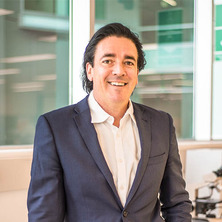
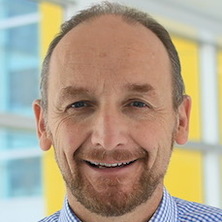
Luke Connelly is Professor of Health Economics at the Centre for the Business and Economics of Health. He also holds a Professorial appointment (part-time) at The University of Bologna, to which he was appointed in 2017 via the Italian “Direct Call” (link) process. In 2019 he was appointed as Honorary Professor at The University of Sydney. His main interests are in health economics and insurance economics and the effects of institutions (including legal constructs) on incentives and behaviour. He has also worked in other fields of applied microeconomics, including education economics and transport economics. His publications include papers in Review of Income and Wealth, Health Economics, Journal of Health Economics, Journal of Risk and Insurance, Geneva Papers on Risk and Insurance, Accident Analysis and Prevention, Journal of Law and Medicine, Journal of Clinical Epidemiology, European Journal of Health Economics, International Journal of Health Economics and Finance, Social Science and Medicine, Economic Papers, Economic Analysis and Policy, Journal of Transport Economics and Policy, Labour Economics, Economics and Human Biology as well as in a range of clinical journals, including Lancet.
Luke has served on a number of public committees including the Medical Services Advisory Committee (MSAC), which advises the Australian Minister for Health on the safety, efficacy, effectiveness, and cost-effectiveness of new and extant listings on Australia's Medicare Benefits Schedule. He has extensive service on other public committees and taskforces as well as extensive teaching and consulting engagements with industry. He has been a member of the Editorial Boards of European Journal of Health Economics and the International Journal on Environmental Research and Public Health. He is a member of the International Health Economics Association's Arrow Awards Committee, which awards an annual prize in honour of Nobel Laureate Kenneth Arrow for the best paper in the field. He is currently Guest Editor (with Christophe Courbage) on a Special Issue of the Geneva Papers on Risk and Insurance on Insurance and Emerging Health Risks.
His current research interests include health service innovations to improve the health of people with chronic kidney disease(CKD). Ongoing interests include the economics of disability and insurance, compensable injury compensation schemes, and the determinants of health. Luke enjoys and has considerable experience teaching economics and health economics at both the graduate and undergraduate levels. In 2014 he was awarded the School of Economics Distinguished Teaching Award for his teaching on UQ's Master of Health Economics Program. In July 2016 and July 2019 he also taught summer schools in Health Economics and the Economics of Insurance at The University of Lucerne, Switzerland.
Over the past 10 years he has been a chief investigator on grants totalling more than $70m.
Centre Director of National Centre for Youth Substance Use Research
National Centre for Youth Substance Use Research
Faculty of Health, Medicine and Behavioural Sciences
Affiliate of Parenting and Family Support Centre
Parenting and Family Support Centre
Faculty of Health, Medicine and Behavioural Sciences
Director, NCYSUR
School of Psychology
Faculty of Health, Medicine and Behavioural Sciences
Availability:
Available for supervision
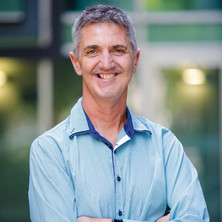
Jason Connor is a Professor of Clinical and Health Psychology in the School of Psychology and Founding Director of the National Centre for Youth Substance Use Research (2008 - 2014, 2017+) at The University of Queensland.
Professor Connor is ranked in the Top 1% of researchers in the field of Psychiatry/Psychology [1].
He is a clinical psychologist by training and a Fellow of the Australian Psychological Society (APS). He has specialist membership in the APS Health and Clinical Colleges. Since moving from full-time clinical practice to academia, he has successfully combined teaching responsibilities with research.
He has published over 350 peer-reviewed journal papers, books and book chapters. Professor Connor has received $25 million in research funding as Chief Investigator and currently leads $4.6 million in Category 1 external research grants.
Professor Connor's main area of research is Substance Use Disorders (SUDs). SUDs are the number #1 risk factor for death in young people. In Australia, collectively, they represent 15% of the total disease burden.
Professor Connor's research program commenced because there were few effective approaches to prevent and treat substance use. His research program has resulted in global, transformational impacts by changing how assessment, treatment and prevention occurs.
A unique aspect of Professor Connor's research is the integration of disciplines including neurobiology, genetics, psychology, psychometrics, pharmacotherapy, epidemiology and advanced statistics. This interdisciplinary approach is essential in addressing the complexity of addiction as a multifaceted disease.
Over half of his program of research directly solves real-world problems and contributes to global prosperity, as determined by the 2030 United Nations Sustainable Development Goals, applied in the Times Higher Education Impact Rankings [2].
The impact of his work can be reflected in 52 international and national clinical guidelines and policies that have used Professor Connor's work to develop new international standards in the management and prevention of SUDs [1].
Professor Connor has received awards for his research (NH&MRC Career Development Fellow; Australian Psychological Society Early Career Research Award) and service to the profession of psychology (Australian Psychological Society Health College Award of Distinction).
Professor Connor has also won an Australian award for excellence in university teaching.
In addition to his academic roles, he has an appointment with Queensland Health and continues to offer clinical services.
1 Altmetric, Scopus, ESI 2025
2. SciVal 2025
Examples of recent publications:
Connor, J.P., Stjepanović, D., Le Foll, B., Hoch, E., Budney A., Hall, W.D. (2021) Cannabis use and cannabis use disorders. NATURE REVIEWS: DISEASE PRIMERS, 25;7(1) 16.
Ahmed, F., Boogaerts, T., Bowes, D.A., van Nuijs, A.L.N., Covaci, A., Hall, W., Connor, J.P., Thomas, K.V. (2024). Enhanced estimation of the prevalence of treated mental health disorders by wastewater-based epidemiology, NATURE MENTAL HEALTH 2, 345–347.
Connor, J.P., Stjepanović, D., Budney A., Le Foll, B., Hall, W.D. (2022) Clinical Management of Cannabis Withdrawal. ADDICTION,117(7):2075-2095.
Symons, M., Feeney, G.F.X., Gallagher, M.R., Young, R.M., Connor, J.P. (2020). Predicting alcohol dependence treatment outcomes: a prospective comparative study of clinical psychologists versus 'trained' machine learning models. ADDICTION, 115(11) 2164-2175
Connor, J.P., Hall, W.D. (2018). Thresholds for safer alcohol use might need lowering. LANCET, 391(10129), 1460-1461.
Faculty of Health, Medicine and Behavioural Sciences
Availability:
Available for supervision
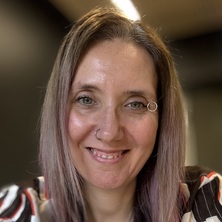
Louise Conwell, MBBS(HonsI) PGCert MEd (Dundee) FRACP PhD, is a Senior Staff Specialist (Eminent) in Paediatric Endocrinology and Diabetes at the Queensland Children’s Hospital, Children’s Health Queensland. Louise’s work as a Paediatric Endocrinologist involves working in a multi-disciplinary team to care for neonates, children and adolescents with a wide spectrum of endocrinologist disorders.
Louise commenced as Head of the Children's Health Queensland Clinical Unit, School of Clinical Medicine, University of Queensland in June 2018. She is also the Acting Head of the Mayne Academy of Paediatrics, Faculty of Medicine, University of Queensland.
Louise is a graduate of the University of Queensland and trained in paediatrics at the Mater Children’s Hospital, Brisbane. She then trained in paediatric endocrinology and diabetes at the Royal Children’s Hospital in Brisbane while completing a PhD at the University of Queensland. Louise undertook a post-specialty Clinical Fellowship at the Division of Endocrinology and Metabolism, The Hospital for Sick Children, Uinversity of Toronto, Ontario, Canada.
Louise has a particular interest in Congenital Hyperinsulinism and other beta-cell disorders including Type 1 and Monogenic Diabetes. Her other clinical interest areas include Disorders of Sexual Differentiation and endocrine oncology. Louise currently works in the endocrine oncology clinic connected with the After Cancer Therapy Service at the Queensland Children's Hospital, Brisbane.
Louise's PhD was in the field of insulin resistance and cardiovascular risk in obese children and adolescents. Louise remains active in clinical research with grant attainment, particularly in the field of beta-cell disorders.
Louise is a member of national and international professional bodies. She is the current President (past Secretary) of the Australasian Paediatric Endocrine Group, serving on Council since November 2017. She also has past or present committee memberships including the Scientific Organising Committee, Clinical Fellows School Committee, Diabetes Committee, the Disorders of Sexual Differentiation Committee, Registry Committee, Research Grant Committee, Thyroid Working Group and the Cancer Survivorship Working Group).
Louise also has engagement with stakeholder groups, particularly Congenital Hyperinsulinism International. She is co-chair of the Congenital Hyperinsulinism International Collaborative Research Network - Care Guidelines and Centres of Excellence.
Louise represents the Australasian Paediatric Endocrine Group on the International Consortium of Pediatric Endocrinology (ICPE) and is co-chair of ICPE's subcommittee, the Intersociety Clinical Guidelines Committee (ICGC).
Louise has an interest in Evidence-Based Medicine, with authorship in the Cochrane Database of Systematic Reviews. She is co-Chair of the International Clinical Guidelines Committee of the International Consortium of Paediatric Endocrinology.
A further interest area includes medical ecucation, completing a Postgraduate Certificate in Medical Education (University of Dundee, Scotland) in 2017. She has facilitated and contributed to a wide range of educational activities for a variety of student, professional and community stakeholder groups in a range of contexts. Louise is a supervisor of basic and advanced paediatric trainees of the Royal Australasian College of Physicians. Other roles include Supervisor, Reader and Examiner for Postgraduate Higher Degree Research students of the University of Queensland and other academic institutions in Australia.
Affiliate of Minerals Industry Safety and Health Centre
Minerals Industry Safety and Health Centre
Faculty of Engineering, Architecture and Information Technology
Associate Professor
School of the Environment
Faculty of Science
Availability:
Not available for supervision
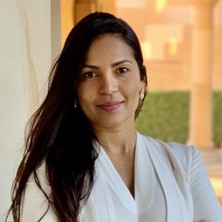
Associate Professor Margaret Cook is currently employed as the Program Leader for Occupational Health and Safety Education, within the University of Queensland, Australia. Margaret initially qualified as an Occupational Therapist and completed higher degrees in Occupational Health and Safety and Ergonomics. She is a Certified Professional Ergonomist and a Chartered Generalist OHS Professional. She holds a range of Ministerial Appointments, acting as an expert on Government Panels and Committees, and is currently Immediate Past President of the Human Factors and Ergonomics Society of Australia, and a Director of the Occupational Therapy Council of Australia.
Faculty of Health, Medicine and Behavioural Sciences
Availability:
Available for supervision
Media expert
I am a motivated and enthusiastic Accredited Practising Dietitian and Accredited Sports Dietitian. I am interested in building sustainable foodservices worldwide, sports nutrition for recreational runners and seperate entrepreneurial ventures. I have a passion for clinical research and quality improvement projects in hospital dietetic services. Currently I want to help build sustainable foodservice systems for public/private entities that consider the future of human and planetary health. I am an ambitious individual who loves networking and who is eager to collaborate, please reach out.
My PhD research has focussed on the measurement and management of food waste in hospital foodservices through aggregate food waste audit activities and diverting food waste from landfill.
I am a Biological Anthropologist with expertise in palaeopathology and palaeohistology. Having recently completed a PhD at The Australian National University (ANU), my research covers a variety of interdisciplinary topics, from reconstructing individual and population health through skeletal remains to developing novel technical methods for analysing ancient diseases. I am currently a Postdoctoral Research Fellow working with ARC Future Fellow Dr Justyna Miszkiewicz, examining bone health through human history.
In my research, I am particularly interested in exploring the biological aspects of ancient diseases, especially the microstructural traces they left in bones. My work has focused heavily on treponematosis and its impact on human health, utilising techniques like confocal laser scanning microscopy (CLSM) and histological analysis of undecalcified bone.
Previously, I have worked as a Lecturer and Demonstrator at ANU and La Trobe University, teaching human osteology, palaeopathology, and genomics. As a research assistant, I worked under the supervision of Dr Justyna Miszkiewicz and Professor Alison Behie at ANU, contributing to projects on peri-natal health in response to natural disasters, primatology and natural resource usage, and bone health and osteoporosis. Outside of academica, I have experience as a Forensics Officer with Victoria Police and working in tissue culture labs at CSIRO.
Affiliate of Centre for Cardiovascular Health and Research
Centre for Cardiovascular Health and Research
Faculty of Health, Medicine and Behavioural Sciences
Affiliate of Centre for Extracellular Vesicle Nanomedicine
Centre for Extracellular Vesicle Nanomedicine
Faculty of Health, Medicine and Behavioural Sciences
Professor and Director of UQ Advanced Cell Therapy Manufacturing Initiative
School of Chemical Engineering
Faculty of Engineering, Architecture and Information Technology
Availability:
Available for supervision
Professor Simon Cool is Professor of Bioengineering and Director of the UQ Advanced Cell Therapy Manufacturing Initiative in the School of Chemical Engineering at the University of Queensland.
Professor Cool began his scientific career at the University of Queensland more than 20 years ago. He received his BSc (hons) and PhD degrees from the University of Queensland, where he subsequently held a faculty position in the School of Biomedical Sciences. His areas of studies have included age-related changes in the structure of bone and teeth and the extracellular matrix compartment of skeletal tissue that guide stem cell behaviour and wound repair. Professor Cool was invited to join the Institute of Molecular and Cell Biology (IMCB), A*STAR, Singapore in 2003 as a Principal Investigator. He then joined A*STAR’s Institute of Medical Biology (IMB) in 2008, shortly after its inception, to further his research in regenerative medicine, serving as Senior Principal Investigator of the Glycotherapeutics Group. In October 2020, Professor Cool re-joined the Institute of Molecular and Cell Biology (IMCB) as a Research Director, Glycotherapeutics, where he focused on developing novel glycosaminoglycan biomolecules that enhance wound repair and control adult human mesenchymal stem cell activity.
Professor Cool has 117 patent applications across 26 families with 51 granted in the fields of glycosaminoglycan biochemistry, regenerative medicine and stem cell science. He has more than 150 publications and continues to foster strong strategic collaborations both nationally and internationally with academic and industry groups. He has a strong biomanufacturing and translational focus with experience in taking glycosaminoglycan-based devices through discovery RnD on to pre-clinical and clinical testing. Professor Cool also has an entrepreneurial and licensing background having successfully spun-off some of his technology to a US-based regenerative medicine start-up company, SMC Biotechnology Ltd. Professor Cool holds a Visiting Professor appointment at the Institute of Molecular and Cell Biology (IMCB), A*STAR, Singapore and an Adjunct Professor (Research) appointment in the Orthopaedic Department at the National University of Singapore (NUS). Prior to his move back to UQ, he previously held the position of Treasurer, Tissue Engineering and Regenerative Medicine International Society, Asia Pacific Chapter (TERMIS-AP) and Treasurer, Stem Cell Society Singapore (SCSS). He also held senior leadership positions in several Singapore-based R&D programmes, notably as Director, Allogeneic Stem Cell Manufacturing (ASTEM) and Theme Leader in Advanced Manufacturing for Biological Materials (AMBM). Prof Cool currently serves on the Editorial Board of the journals Biomaterials, Tissue Engineering and Regenerative Medicine, and is Asia-Pacific Regional Editor for Stem Cells and Development.
Faculty of Health, Medicine and Behavioural Sciences
Availability:
Available for supervision
Leanne is an academic specialising in Indigenous public health. She has a strong background as a health practitioner, executive manager in both the Australian Government and Aboriginal Community Controlled Health Services, and as an international public health consultant. She has extensive experience teaching using a strengths-based approach as opposed to the deficit model, and supports other staff to utilise culturally-safe teaching practices across health professional education programs at both the undergraduate and postgraduate level. She was a co-lead on the Game Changing Education - Embedding Indigenous knowledges in the training and development of the health workforce in a culturally safe transformative learning environment project, funded through both teaching fellowship and teaching innovation grants, which have been implemented in both the HaBS and Medicine faculties. Leanne and the Indigenous Health Education and Workforce Development team from UQ and the Institute for Urban Indigenous Health were awarded two prestigious and highly competitive awards: the Business & Higher Education Roundtable Award for Outstanding Collaboration in Higher Education and Training, and the Australian Awards for University Teaching Award for Programs that Enhance Learning. Leanne brings this knowledge and experience to her role as Co-Chair of the World Federation of Public Health Associations' Public Health Professionals' Education and Training Working Group, which has published the results of a curriculum mapping project benchmarked against the Global Charter for the Public’s Health. She is also a member of the Steering Committee and Technical Advisory Group for the World Health Organization project on national workforce capacity to implement the essential public health functions.
Associate Member of Centre for Community Health and Wellbeing
Centre for Community Health and Wellbeing
Faculty of Health, Medicine and Behavioural Sciences
Affiliate of Centre for Cardiovascular Health and Research
Centre for Cardiovascular Health and Research
Faculty of Health, Medicine and Behavioural Sciences
Affiliate of Centre for Research on Exercise, Physical Activity and Health
Centre for Research on Exercise, Physical Activity and Health
Faculty of Health, Medicine and Behavioural Sciences
Professor
School of Human Movement and Nutrition Sciences
Faculty of Health, Medicine and Behavioural Sciences
Availability:
Available for supervision
Media expert
Jeff Coombes is a Professor in the School of Human Movement Studies. He completed undergraduate degrees in applied science and education and a research Masters at the University of Tasmania before gaining a PhD from the University of Florida. After completing his PhD he returned to Australia to spend two years in an academic position at the University of Tasmania before moving to the University of Queensland in 2000.
Jeff's research interests focus on determining the optimal exercise prescription for improving health. With theoretical backgrounds in biochemistry and physiology he conducts human studies and basic science projects. His findings have emphasised the importance of cardiorespiratory fitness for health benefits and many of his current projects are using high intensity interval to improve fitness and investigate outcomes. The basic science projects are identifying the mechanisms that explain the health benefits of exercise and include work in the cardiovascular and musculoskeletal systems at cellular and molecular levels. He is also a passionate advocate on the importance of fitness for health and delivers many presentations to impact on public health. His research group comprises doctors, postdoctoral fellows and PhD students and uses the extensive resources of the exercise physiology and exercise biochemistry laboratories in the School of Human Movement and Nutrition Sciences.
Current research projects of the group include;
High intensity interval training in patients with chronic kidney disease
High intensity interval training in patients with metabolic syndrome
High intensity interval training in overweight and obese children and adolescents
Cardiorespiratory fitness and outcome in patients receiving a liver transplant
Multi-disciplinary lifestyle intervention in patients with chronic kidney disease
Affiliate of Centre for Innovation in Pain and Health Research (CIPHeR)
Centre for Innovation in Pain and Health Research
Faculty of Health, Medicine and Behavioural Sciences
Senior Research Fellow
School of Health and Rehabilitation Sciences
Faculty of Health, Medicine and Behavioural Sciences
Availability:
Available for supervision
Dr Nathalia Costa is a Senior Research Fellow at the University of Queensland's cLinical TRials cApability (ULTRA), located within the Faculty of Health, Medicine and Behavioural Sciences. Her career goal is to enhance the evidence base from clinical trials and deepen the understanding of healthcare issues through qualitative and mixed methods, with a focus on theoretically grounded, critical, reflexive and collaborative approaches. She is passionate about bringing different types of knowledge and stakeholders together to generate perspectives that create change and make research, practice and education more inclusive and nuanced. She advocates for pluralist inquiries and believes research should go beyond the dualism “quantitative/qualitative” to achieve the intersubjective understandings needed for impactful collective action. Her methodological expertise includes:
Systematic, scoping and rapid reviews
A range of qualitative methods and methodologies including but not limited to interviews, photo-elicitation, ethnography, Delphi studies, surveys, focus groups, document and policy analysis, thematic analysis, content analysis, and discourse analysis
Embedding qualitative research in feasibility trials to inform large-scale clinical trials
Conducting qualitative research to inform the development of implementation strategies
Use of systems-thinking frameworks to identify opportunities for interdisciplinary and intersectoral action to target health problems
Applying social theory to deepen understanding of healthcare and health more broadly
Participatory and collaborative research with key stakeholders (e.g., patients, clinicians, academics, policymakers)
Her publications (60+) span a diverse range of themes, including musculoskeletal conditions, pain, policy, sociology and culturally responsive care. She has also taught across a range of disciplines, including research methods, musculoskeletal physiotherapy, sociology applied to health, fundamentals of physiotherapy, fundamentals of health care, health policy, health economics and health systems finance.
Her research focuses on aspects of low back pain - from exploring ways to navigate uncertainty in low back pain care to identifying avenues to improve it within the Australian healthcare system. She is currently investigating how to optimise recruitment within the FORENSIC trial, which aims to evaluate if lumbar fusion surgery is more beneficial than continuing with best conservative care for patients with persistent severe low back pain who have already undergone non-surgical treatment.
Alongside collaborators, Nathalia has garnered grants (AUD$7.5M) and awards, including an international award for one of her PhD studies, awarded by the International Society for the Study of the Lumbar Spine – the 2021 ISSLS Prize for Lumbar Spine Research (Clinical Science).
Prior to her current appointment, she was a Post-doctoral Research Fellow at the School of Health and Rehabilitation Sciences (UQ - 2021), a Post-doctoral Research Associate at the Sydney School of Public Health (The University of Sydney, 2021-2022), and a Lecturer in Physiotherapy at the Sydney School of Health Sciences (The University of Sydney, 2023). Nathalia serves as an Associate Editor for Qualitative Health Research and the Journal of Humanities in Rehabilitation.
Faculty of Health, Medicine and Behavioural Sciences
Availability:
Available for supervision
Media expert
Dr. Adam Craig is an infectious disease epidemiologist and global health system researcher. He has more than 25 years of experience in health, having worked across and with Australian, Asian and Pacific health authorities. Among other areas, his research explores the use of digital technology to support health information collection and exchange and how technology may support improved health system function. Other projects Adam is involved in include the development of policy advice for Pacific leaders related to enhanced early warning disease surveillance, the use of digital technology to support health care delivery and community participation in disease vector tracking. In addition to his academic roles, Adam is a senior advisor to the Australia-Indonesia Health Security Partnership and a researcher for the Asia Pacific Observatory on Health Systems and Policies.
Faculty of Health, Medicine and Behavioural Sciences
Availability:
Available for supervision
Media expert
Dr Emma Crawford is an occupational therapist and researcher whose work centres on promoting wellbeing for infants, children, families and communities. Emma's primary focus is on cross-cultural projects that link with community organisations to create social change and reduce the impacts of disadvantage by supporting health enhancing environments and activities in early life. At the centre of Emma's work is the United Nations Sustainable Development Goal 3 - ensuring healthy lives and promoting wellbeing across all ages. Currently, Emma is leading several projects:
1) The BABI Project (research): refugee and asylum seeker families' expereinces during the perinatal period (systematic review, qualitative focus group and interview research)
2) The Uni-Friends program (student delivered service and student placement) - a social-emotional helth promotion program that draws on cultural responsiveness (The Making Connecitons Framework) and community development principles in an Aboriginal and Torres Strait Islander Community Controlled School
3) LUCIE-NDC (research) - mothers' experiences of accessing Neuroprotective-Developmental Care in the first 12 months of their infants' lives
Emma has a strong interest in understanding human experiences, community-driven initiatives, and strengths-based, innovative, evidence based, complex approaches to wellbeing that consider individuals and systems She also carries out research regarding allied health student placements in culturally diverse settings including low-middle income countries and Indigenous contexts. She works as a Lecturer at the University of Queensland, Australia after having worked in a range of occupational therapy roles including with children with autism, with asylum seekers, with Indigenous Australians with chronic disease, and completing her PhD in Political Science and International Studies in 2015.
Faculty of Health, Medicine and Behavioural Sciences
Availability:
Available for supervision
Louise Cullen is a Pre-Eminent Staff Specialist in Emergency Medicine, a clinical trialist and outcomes researcher in acute diseases. She is enthusiastically involved in the translation of research by clinical redesign and innovation.
As an accomplished acute disease researcher, Prof Cullen has focused on the diagnosis and management of patients presenting with possible Acute Coronary Syndromes (ACS) in the Emergency Department (ED). She has been engaged in many international collaborations (including ASPECT and ADAPT studies) She has authored over 100 publications in peer-reviewed journals including The Lancet, focussed on strategies to improve efficiency, whilst maintaining safety for patients with possible ACS, syncope, heart failure, shortness of breath and atrial fibrillation.
More recently Prof Cullen has focussed on Health Services research and investigating methods to use medications and other resources in the ED wisely. She led the CREDIT trail, aimed at reducing unnecessary peripheral intravenous cannulation in the ED.
Professor Cullen’s mantra is that “you do not do research for research sake” and as such, clinical redesign and translational research is a key part of her endeavours.
Pre-Eminent Staff Specialist, Department of Emergency Medicine
Faculty of Health, Medicine and Behavioural Sciences
Availability:
Available for supervision
Robert is a Research Fellow who joined the RECOVER Injury Research Centre in 2024. He is part of the Technology-enabled rehabilitation team, which focuses on developing more effective and efficient health services supported by technology innovation.
Robert's previous research revolved around the application of Virtual Reality (VR) for burn injury rehabilitation. Using collaborative design with burn survivors and healthcare professionals, he has developed functional VR rehabilitation prototypes tailored for burn injuries.
Robert's research interests include the application of serious games in healthcare settings.
Affiliate of Australian Women's and Girls' Health Research Centre
Australian Women and Girls' Health Research Centre
Faculty of Health, Medicine and Behavioural Sciences
Senior Lecturer - Biostatistics
School of Public Health
Faculty of Health, Medicine and Behavioural Sciences
Availability:
Available for supervision
In biostatistics, the real measure of good work is not the journal’s impact factor or the size of the grant, but whether the analysis is honest, the methods are fit for purpose, and the findings can be trusted to guide decisions. Dr Darssan aims to do this kind of work: careful, transparent, and selective within focused teams of like-minded colleagues where statistical thinking is shared rather than outsourced. The goal remains constant: better evidence that ultimately advances modelling of geographical patterns and environmental impacts.
His research centres on applying and extending statistical methods, particularly spatial and environmental approaches, to address practical problems in complex observational and environmental data. He remains committed to transparent, reproducible practice and to mentoring the next generation of applied spatial and environmental modellers.
Dr Darssan values teaching that builds genuine statistical confidence rather than surface-level competence. His approach centres on active learning, real-world data, and creating an environment that encourages students to ask questions, challenge ideas, and think critically. He uses R-based workshops, practical case studies, and structured discussion to develop computational skill, logical reasoning, and critical judgement. As a Fellow of the Higher Education Academy (FHEA), he remains committed to reflective, student-centred practice that prepares learners to use statistics thoughtfully in their future work. He has taught approximately 1,300 postgraduate and 1,000 undergraduate students in foundational and applied statistics, and has supervised 9 Master’s dissertations and 8 PhD students to completion.
He values service as service, not as a means of promotion or personal return, but as a genuine commitment to helping others. Externally, he contributed as Statistics Editor for Clinical Toxicology, Associate Editor for Archives of Environmental and Occupational Health, President of the Statistical Society of Australia – Queensland Branch, Webinar Coordinator for the Teaching of Statistics in the Health Sciences section of the American Statistical Association, and Social Media Editor for the Australian and New Zealand Journal of Statistics. He also regularly reviews manuscripts and examines research theses.
Within the University, he has served as Program Director of the Bachelor of Health Sciences, co-founder of the Environmental Epidemiology Research Group, Engagement Coordinator for current students, PhD progress review chair and thesis examiner. He also developed the School’s LinkedIn presence. He particularly values conversations with like-minded people who undertake service for its own sake, rather than for personal benefit.
As a service statistician, Dr Darssan has spent years supporting investigator-initiated clinical trials, contributing to study design, randomisation, protocol development, statistical analysis plans, final reports, and data safety monitoring. He has provided statistical expertise to clinicians and researchers across ophthalmology, nephrology, rheumatology, endocrinology, and health services research.
Dr Darsy Darssan is a Senior Lecturer in Biostatistics at The University of Queensland’s School of Public Health. He holds three degrees in Statistics from mathematical sciences schools: a BSc (Hons) from the University of Jaffna (2005), an MAppSc from RMIT University (2008), and a PhD from Queensland University of Technology (2014). His early career included roles at the Australian Council for Educational Research, the University of New South Wales, and the University of Wollongong, followed by postdoctoral research in biostatistics at the University of Liverpool, UK. He returned to Australia in late 2015 and has been at UQ ever since.
Faculty of Health, Medicine and Behavioural Sciences
Availability:
Available for supervision
Media expert
Eminent Staff Specialist in Neonatology (Consultant Neonatologist) - Grantley Stable Neonatal Unit, Royal Brisbane & Women’s Hospital
Associate Professor of Neonatology - Department of Paediatrics and Child Health, University of Queensland
Mark Davies is a medical graduate of the University of Queensland (MB,BS 1985). He trained in Paediatrics at the Royal Children's Hospital (Brisbane), with time at the Worcester Royal Infirmary, Doncaster Royal Infirmary and the Royal Hospital for Sick Children (Glasgow) in the UK.
Mark sub-specialised in Neonatology training at the Royal Women's Hospital (Brisbane), the Rosie Maternity Hospital (Cambridge) and the Glasgow Royal Maternity Hospital. His advanced training was conducted under the supervision of the Neonatal-Perinatal Specialist Advisory Committee of the Royal Australasian College of Physicians (RACP) and he became a Fellow of the RACP in 1997. He completed a two year fellowship training programme in Neonatology and Neonatal Ultrasound at the Royal Women's Hospital (Melbourne) in January 1999.
In July 2000, Mark was appointed to the joint position of Staff Neonatologist at the Royal Women's Hospital, Brisbane and Senior Lecturer in Neonatology at the University of Queensland. He is now an Eminent Staff Specialist in Neonatology and an Associate Professor of Neonatology.
Mark Davies’ research focused on neonatal ventilation. He did his PhD studies on partial liquid ventilation. He supervises projects in neonatology and neonatal intensive care.
Mark prepares and maintains a number of Cochrane systematic reviews in neonatology and intensive care. From 2002 to 2006 he served on the Cochrane Collaboration Steering Group, and was Co-Chair of the steering group from 2005 to 2006. He was a Director of The Cochrane Collaboration Trading Company from 2013 to 2017.
Faculty of Health, Medicine and Behavioural Sciences
Research Fellow
School of Health and Rehabilitation Sciences
Faculty of Health, Medicine and Behavioural Sciences
Availability:
Available for supervision
Dr Jonathan Davies is a chronic pain researcher working to improve how pain is understood, assessed and treated. His research focuses on pain phenotyping, precision pain care, and the psychological, physiological and contextual factors that shape pain and treatment response.
At UQ’s Centre for Innovation in Pain and Health Research, he contributes to DISCERN, an NHMRC Synergy-funded multidisciplinary research program developing and validating new approaches to pain assessment. A major focus of his work is DECIPHER PAIN, a standardised, multimodal tool designed to characterise the relative contributions of nociceptive, neuropathic and nociplastic pain and support more personalised care.
His research integrates clinical assessment, quantitative sensory testing, experimental pain methods, psychophysiology, digital health and population data. He is particularly interested in how physiological signals, behaviour, language, psychosocial context and real-world health data can be combined to better understand individual differences in pain and treatment outcomes.
His broader expertise includes placebo and nocebo effects, mindfulness, mental health, quality of life, health outcome measurement and population health. His work aims to support more precise, scalable and patient-centred approaches to pain research and care.
Faculty of Health, Medicine and Behavioural Sciences
Availability:
Available for supervision
Background
Dr Karen Davies is a Clinician Research Fellow jointly appointed with Queensland Health, the Herston Infectious Diseases Institute (HeIDI) and The University of Queensland, and works as Clinical Nurse Consultant (CNC), Safe Medication Practice at the Royal Brisbane and Women's Hospital. Her work focuses on medication safety, nursing practice improvement, medication administration, antimicrobial administration, and vascular access management.
Karen began her nursing career in 1979, completed a Bachelor of Nursing in 1994, commenced her research journey in 2014, and was awarded her PhD in 2020.
Karen's principal research focus is the implementation and evaluation of the Medication Administration Evaluation and Feedback Tool (MAEFT), which she developed through her doctoral research. MAEFT provides a structured approach to observing, evaluating and supporting nurses' medication administration practices, with the aim of improving clinical performance, reducing medication-related risks, and enhancing patient outcomes.
Through her clinical and academic roles, Karen works to bridge the gap between research and practice by developing practical, evidence-based solutions that support nursing staff, strengthen medication safety systems, and improve healthcare quality across diverse clinical settings.