Faculty of Engineering, Architecture and Information Technology
Availability:
Available for supervision
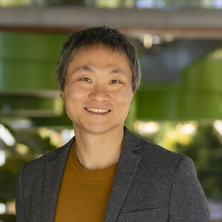
I completed my PhD at the Australian National University in 2015 working on modelling and simulation of ion specific effects working with Drew Parsons and Barry Ninham. I then completed postdoctoral research at the Pacific Northwest National Laboratory in Washington State working with Christopher Mundy and Gregory Schenter on quantum mechanical molecular dynamics simulation and modelling of electrolyte solution before coming to the University of Queensland to work on electrochemcial enery storage. I am currently working on my DECRA project on improving the prediction of electrolyte solution properties for improved electrochemical energy storage.
Affiliate of Centre for Behavioural and Economic Science
Centre for Unified Behavioural and Economic Sciences
Faculty of Business, Economics and Law
Associate Professor
School of Economics
Faculty of Business, Economics and Law
Availability:
Available for supervision
Media expert
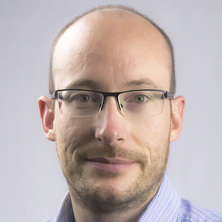
Dr David Smerdon is an Associate Professor in the School of Economics, and an Australian Research Council DECRA Fellow. He primarily works in behavioural and development economics. His research involves theory and modelling, experiments, and econometric analysis to investigate topics at the intersection of these fields, such as reducing female genital cutting in Somalia, and stopping child trafficking in Nepal.
David earned his PhD from the Tinbergen Institute and the University of Amsterdam (UvA) as a General Sir John Monash scholar, and afterwards worked as a PODER fellow at Bocconi University in Milan. His research often involves collaboration with non-academic partners, ranging from aid agencies and NGOs like US AID and Save the Children, to tech companies like Chess.com and WHOOP.
Prior to his academic career, David spent three years working for the Australian Department of Treasury as a policy analyst. David is also a chess Grandmaster and has represented Australia at eight chess Olympiads. Combining his passions, David conducts niche research in chess economics on topics such as gender inequality, cheating, and the life cycle of cognitive performance, supported by organisations such as the World Chess Federation (FIDE) and Chessable.
Faculty of Engineering, Architecture and Information Technology
Professor
School of Mathematics and Physics
Faculty of Science
Availability:
Available for supervision
Media expert
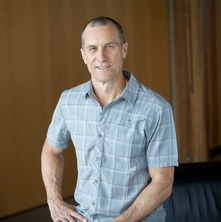
Benjamin Burton's research interests include computational geometry and topology, combinatorics, and information security. He also maintains an active role in gifted-and-talented programmes for secondary school students.
Benjamin Burton's research involves a blend of techniques from pure mathematics and computer science. His main interest is in computational geometry and topology in three and four dimensions, looking at problems such as how a computer can recognise whether a loop of string is knotted, or how it can identify large-scale geometric structures in a three-dimensional space. He is the primary author of the open source software package Regina, which implements state-of-the-art algorithms in this field.
His multi-disciplinary background includes a PhD in geometry and topology, an honours degree in combinatorics, research experience in information security, and three years as a research analyst in the finance industry. He has worked at several universities in Australia and overseas.
He maintains a strong interest in enrichment programmes for gifted and talented high school students, including the Mathematics and Informatics Olympiads and the National Mathematics Summer School. From 1999 until 2008 he directed the Australian training programme for the International Olympiad in Informatics (IOI), and from 2009 to 2014 he holds a seat on the international IOI Scientific Committee.
Benjamin is an active member of the UQ Ally Network, an award-winning program that supports and celebrates diversity of sexuality, gender and sex at UQ and in the broader community.
Centre Director of ARC Research Hub for Advanced Manufacture of Targeted Radiopharmaceuticals (AMTAR
ARC Research Hub for Advanced Manufacture of Targeted Radiopharmaceuticals
Australian Institute for Bioengineering and Nanotechnology
Availability:
Available for supervision
Media expert
Professor Kris Thurecht is the Institute Director of the Australian Institute for Bioengineering and Nanotechnology (AIBN) at The University of Queensland, where he leads more than 500 researchers and professional staff.
His research is multidisciplinary, working across the boundaries of chemistry and materials, biology, engineering and imaging science, where his team investigates the intricate interplay between structure and function of nanomaterials and how this affects their subsequent interaction with biological entities.
He has a particular focus on utilising advanced molecular imaging as a real time measure of how nanomaterials behave and influence biological systems, using complex multicellular in vitro systems and also in living animals. Recently, this has expanded into developing and understanding targeted radiopharmaceuticals for both imaging and therapy, and in this area Professor Thurecht also acts as the Director of the ARC Research Hub for Advanced Manufacture of Targeted Radiopharmaceuticals. By bringing together partners across industry and academia, he has led the development of a targeted alpha therapy research facility at The University of Queensland to explore this emerging class of highly potent radiotherapeutic.
As AIBN’s Institute Director, Professor Thurecht plays a central role in shaping the Institute’s strategic direction, nurturing a culture of innovation, building lasting career frameworks for early and mid-career researchers and supporting researchers to translate science into real-world impacts.
AIBN has a foundation built upon strong industry and government partnerships. Professor Thurecht has helped forge this strategy, with a focus on building collaborations that shape international science agendas, contribute to innovation in science and technology policies and drive industry investment in research and innovation. He has supported international initiatives that bring higher degree research students to UQ as part of multi-institutional programs, building upon the strategic focus of AIBN in national priority areas of health, energy and the bioeconomy.
Using AIBN as a key institutional vehicle for delivering The University of Queensland’s research and innovation objectives, Professor Thurecht has championed the establishment and expansion of strong platform technologies that underpin the innovation landscape at AIBN; accelerating translation, enabling interdisciplinary collaboration and scaling impact for the public good.
In addition to his role at AIBN, Professor Thurecht is an Associate Editor for the American Chemical Society journal, Molecular Pharmaceutics, and is a member of the ARC College of Experts.
Associate Professor and Senior Principal Research Fellow
Queensland Alliance for Agriculture and Food Innovation
Availability:
Available for supervision
About & Research Focus
Associate Professor Sheila Cecily Ommeh is a computational biologist, and biotechnology specialist with over three decades of research leadership spanning infectious disease dynamics, multi-omics, and translational biosecurity at the One Health interface. Her research program focuses on the rational design of next-generation biodetection platforms, point-of-care diagnostics, novel therapeutics, modern livestock vaccine platforms to safeguard animal production systems, biosecurity, and food security and exploring animal biodiversity for resillience.
Career Journey & Scientific Heritage
Born on the slopes of Mount Elgon—an extinct volcano straddling Kenya and Uganda—she grew up on the foothills with her grandmother, a smallholder farmer. Witnessing early on the devastating impacts of infectious diseases and climatic extremes on rural livestock and community livelihoods shaped her dedication to agricultural resilience and veterinary health. She was profoundly inspired and mentored by her late mother, an accomplished scientist and visionary leader who fostered her early career in STEM.
A seasoned research strategist, A/Prof Ommeh brings extensive experience establishing, funding, and directing large-scale, multidisciplinary initiatives across global academic consortia and international research networks. Her leadership unites computational biologists, field researchers, veterinary authorities, and cross-sectoral collaborator seamlessly aligning diverse teams to translate fundamental discovery science into robust research frameworks, policy-informing datasets, and durable institutional research capacity. Her scientific journey over the past 30 years encompasses a comprehensive One Health continuum across leading global research centres:
Vector-Borne Human Pathogens: Commenced research at the Kenya Medical Research Institute (KEMRI) investigating Leishmania, subsequently advancing to human malaria molecular epidemiology with the KEMRI–Wellcome Trust Research Programme.
Livestock Genomics & Biodiversity: Transitioned to agricultural biotechnology at the International Livestock Research Institute (ILRI), Seoul National University (Republic of Korea) and Paco Tecnologico Padano (Italy), focusing on avian genetics, viral disease resistance, and livestock adaptive resilience.
Pathogen Surveillance & Wildlife Interfaces: At Jomo Kenyatta University of Agriculture and Technology (JKUAT), she led the Animal Biotechnology Research Group at the Institute for Biotechnology Research (IBR). Her work spearheaded research on several indigenous poultry species and emerging livestock species. She also expanded into broad-scale pathogen surveillance, viral genomics, and biodiversity characterization across multi-species ecosystems; including domesticates, wildlife reservoirs, and vector populations with collaborators from the Chinese Academy of Sciences (China), University of Hasselt (Belgium) and Pirbright institute (UK) among other international collaborations.
Postgraduate Supervision & Student Opportunities
A dedicated academic mentor and educator, A/Prof Ommeh has supervised over 20 Higher Degree by Research Scholars (HDRs) to successful completion.
She actively welcomes prospective PhD, MPhil, and Honours students, as well as postdoctoral fellows, with backgrounds or interests in:
Molecular Biosecurity & Next-Generation Diagnostics: Translation of molecular and deep-tech sensing platforms for rapid, remote field detection.
Rational Vaccine & Therapeutic Design: Computational epitope mapping and modern platform engineering for high-impact veterinary diseases.
One Health & Animal Biodiversity: Exploring adaptive traits, disease tolerance, and resilient emerging protein resources.
Students joining the research group gain hands-on expertise in interdisciplinary computational pipelines, multi-omics, advanced genomic sequencing, and translational animal health biosecurity, benefiting from strong international networks and industry-aligned research environments.
Faculty of Engineering, Architecture and Information Technology
Centre Director of Nanomaterials Centre
NanoMaterials Centre
Faculty of Engineering, Architecture and Information Technology
Availability:
Available for supervision
Dr Jingwei Hou received his Ph.D. in Chemical Engineering from the University of New South Wales in 2015. He then joined the UNESCO Centre for Membrane Science and Technology (2015-2017) and University of Cambridge (2017-2019, affiliate of the Trinity College) for this post-doctoral research. In 2019, he returned Australia as an ARC DECRA Fellow at the School of Chemical Engineering, University of Queensland. He was named the ARC Future Fellow in 2021 and then NHMRC Emerging Leadership 2 Fellow and ARC Mid-Career Industry Fellow in 2025. He is currently an Associate Professor and the group leader of the Functional Materials Engineering (FME) Lab, leading a team of enthusiastic and talented researchers in pushing the boundaries of science.
Dr Jingwei Hou has attracted over $9m AUD external research funds as the lead CI or sole CI, and contributed over 40 plenary, keynote and invited talks. So far, he has 1 book chapter and 150+ publications in highly-ranked international peer-reviewed journals (including lead author publications in Science, Nature Communications, CHEM, Cell Report Physical Science, JACS, Angew Chem, Advanced Materials, Journal of Membrane Science, ChemComm etc), which attracted over 11k+ citations and an H index of 63. He is the Membrane Separation Theme Leader of the ARC Centre of Excellence for Green Electrochemical Transformation for Carbon Dioxide (2023-2029). His main research focuses on understanding the physical properties of the microporous materials and translating them into useful devices for membrane separation, optics, energy storage and catalysis.
Faculty of Engineering, Architecture and Information Technology
Affiliate of Queensland Digital Health Centre
Queensland Digital Health Centre
Faculty of Health, Medicine and Behavioural Sciences
Professorial Research Fellow
School of Electrical Engineering and Computer Science
Faculty of Engineering, Architecture and Information Technology
Availability:
Available for supervision
Professor Guido Zuccon is a Professorial Research Fellow at The University of Queensland, Electrical Engineering and Computer Science School, and since 2025, he is also a Research Scientist at Google Research Australia.
At UQ, Guido is the AI DIrector for the Queensland Digital Health Centre (QDHeC), an Affiliate Professor at the UQ Centre for Health Services Research, Faculty of Medicine, and an Honorary Reader at Strathclyde University (UK). He leads the Information Engineering Lab (ielab), a research team working in Information Retrieval and Health Data Science. He was an ARC DECRA Fellow (2018-2020).
Guido's main research interests are Information Retrieval, Health Search, Formal Models of Search and Search Interaction, and Health Data Science. He has successfully attracted funding from the ARC via an ARC Discovery Early Career Research Award Fellowship and an ARC Discoverty Project. His research has also been funded by Google (Google Research Awards program), Grain Research and Development Corporation (GRDC), Microsoft (Microsoft Azure for Research Award), the CSIRO (research gifts and PhD Students Top-up scholarships), the Australian Academy of Science (FASIC program), the European Science Foundation, and Neusoft Corporation.
Guido has published more than 250 peer-reviewed research articles at conferences and in journals, in information retrieval and health informatics; of these more than 30 are ranked in the top 10% of his filed (field weighted average) and more than 10 are ranked in the top 1%. He is amongst the top 20 most prolific researchers in the ACM Special Interest Group on Information Retrieval (SIGIR). He has won best papers award at AIRS 2017 (“Automatic Query Generation from Legal Texts for Case Law Retrieval”), CLEF 2016 (“Assessors agreement: A case study across assessor type, payment levels, query variations and relevance dimensions”), ALTA 2015 (“Analysis of Word Embeddings and Sequence Features for Clinical Information Extraction”), and ECIR 2012 (“Top-k retrieval using facility location analysis”). His research on people using search engines to seek health advice on the web has been widely disseminated by the media (190+ national and international newspaper articles, 10+ TV and radio interviews in 2015; see the media page coverage for that project). Guido is the Consumer Health Search task leader for the CLEF eHealth Evaluation Lab, since 2014. He is one of the TREC 2019 Decision Track organisers: this is an international evaluation effort in Information Retrieval that aims to investigate how people use search engines to make decisions (with a focus in 2019 on consumer health search). Guido has provided scientific tutorials to other researchers in his field at ACM SIGIR 2015 and 2018, ACM CIKM 2015, ACM ICTIR 2016, RUSSIR 2018, WSDM 2019.
Guido has reviewed for top journals and conferences in his field, including ACM TOIS, FnTIR, JASIST, IRJ, ACM TIST, ACM TWEB, IP&M, ACM SIGIR,ACM CIKM, ACM ICTIR, ACM WSDM, WWW, ECIR, ACM SIG-PODS. He was awarded the Best Reviewer Award at ECIR 2014. He has served as general chair, program chair, workshop chair and publicity chair for conferences in his research field, including ADCS (either PC Chair or General Chair in 2013, 2014, 2017), AIRS 2015 (General Chair), ECIR 2015 (Workshop Chair) and WSDM 2019 (publicity chair). Dr Zuccon is the Information co-Director for ACM SIGIR and was one of the recognised IR leaders invited to participate to the 3rd Strategic Workshop in Information Retrieval (SWIRL III, 2018).
Before joining the University of Queensland, Guido was a Lecturer (2014-2017) and Senior Lecturer (2017-2018) at the Queensland University of Technology, Australia, and a Post Doctoral Research Fellow at the Australian E-Health Research Centre (AEHRC), CSIRO (2011-2014), Australia. He received a Ph.D. in Computer Science at the University of Glasgow, UK (2012), focusing on Formal Models of Information Retrieval based on Quantum Theory, and a M.Comp.Eng. summa cum laude at the University of Padova, Italy (2007).
Affiliate of Centre for Innovation in Pain and Health Research (CIPHeR)
Centre for Innovation in Pain and Health Research
Faculty of Health, Medicine and Behavioural Sciences
Emeritus Professor
School of Health and Rehabilitation Sciences
Faculty of Health, Medicine and Behavioural Sciences
Availability:
Available for supervision
Media expert
I am a Professor Emeritus in Sports Physiotherapy in the School of Health and Rehabilitation Sciences where I am the Director of the Master of Physiotherapy (Musculoskeletal and Sports Physiotherapy Majors) and co-Director of the Sports Injury Rehabilitation and Prevention for Health Research unit. My research is mainly focussed on non-surgical management of persistent musculoskeletal problems like tendon related pain/disability (tendinopathy) and knee cap pain (patellofemoral pain). I also delve into the underlying mechanisms of these conditions and other common sporting injuries (e.g., ankle sprains) – a leading cause of ankle osteoarthritis.
Since gaining my PhD in 2000, I have been awarded over $30million in competitive research funding as a chief investigator to study these conditions – 5 NHMRC project grants, 2 NHMRC CRE, 2 NHMRC program grants, 2 NHMRC MRFF grants and an ARC Linkage grant. I have also conducted over half a million dollars of commercially sponsored research.
I have authored 2 books, 26 book chapters and over 382 peer reviewed publications (h-index 68). My top tendinopathy papers are cited over 10 times more than average for the field – most are published in the top sports/general medicine and physiotherapy journals . I have 2 highly cited papers – in the top 1% of the academic field of Clinical Medicine 2022. I have presented my work world wide in over 300 workshops, seminars and keynote presentations.
I enjoy my role in mentoring early/mid career academics and supervising researh higher degree students – having supervised 40 PhD and 2 MPhil candidates to completion. In this capacity I lead the physiotherapy research higher degree seminar series where our students engage in presenting their work and hearing from top international researchers on a range of relevant topics. One reason why my work was recently recognised by the school award for research mentoring.
Faculty of Health, Medicine and Behavioural Sciences
Affiliate of Queensland Digital Health Centre
Queensland Digital Health Centre
Faculty of Health, Medicine and Behavioural Sciences
Affiliate of Dermatology Research Centre
Dermatology Research Centre
Faculty of Health, Medicine and Behavioural Sciences
NHMRC Leadership Fellow
Frazer Institute
Faculty of Health, Medicine and Behavioural Sciences
Availability:
Available for supervision
Media expert
Professor Janda is a NHMRC Leadership Fellow (2025-29), and after leading the Centre of Health Services Research between 2023 and 2026, she now serves UQ as the Deputy Director, Frazer Institute, and Professor in Behavioural Science at the Faculty of Health, Medicine & Behavioural Sciences. Professor Janda leads the NHMRC Centre for Reserch Excellence in Skin Imaging and Precision Diagnosis (2021-2026) and the NHMRC funded Synergy Roadmap Towards Melanoma Screening (2022-2027). She trained as a health and clinical psychologist, and now is a behavioural scientist with a research background in cancer prevention and quality of life research. Prof Janda has strong clinical collaborations, and a passion for consumer-centered digital interventions that make self-management of health-related issues easier for people. Her work focuses on applied health and clinical research problems, making a difference to cancer prevention, early detection and treatment outcomes.
Previousely, until 2017, she led the Health Determinants and Health Systems Theme at The Institute of Health and Biomedical Innovation (IHBI), Queensland University of Technology (QUT). Before her NHMRC Leadership Fellowship, her research was funded through an NHMRC Translating Research into Precatice Fewllowhip (2018-2020), NHMRC Career Development Fellowship Level II (2013-2017), NHMRC Career Development Fellowship I (2009-12) and NHMRC Early Career Fellowship (2004-8). She was a research fellow for the Melanoma Screening trial with the Cancer Council Queensland before joining QUT in 2006.
Faculty of Engineering, Architecture and Information Technology
Associate Professor
School of Electrical Engineering and Computer Science
Faculty of Engineering, Architecture and Information Technology
Availability:
Not available for supervision
Background
Dan Dongseong Kim is an Associate Professor in Cyber Security and Deputy Director of UQ Cybersecurity at The University of Queensland. His research focuses on protecting connected and autonomous systems from cyber threats, combining artificial intelligence (AI), security modelling and proactive cyber defence. His work addresses two complementary challenges: using AI to improve cybersecurity and protecting AI systems against attacks. He develops methods to detect intrusions, assess cyber risks and adapt defences as threats evolve, with applications in the Internet of Things (IoT), cloud computing, robotics and autonomous vehicles. Dan has conducted cybersecurity research since 2001 and has authored or co-authored more than 200 publications. He collaborates internationally with academic, government and industry partners. Before joining UQ in 2019, he held academic positions at the University of Canterbury, conducted postdoctoral research at Duke University, and was a visiting scholar at the University of Maryland, College Park. Research group: https://dankimuq.github.io/
Short Biography
Dr. Dan Dongseong Kim is Deputy Director of UQ Cybersecurity and an Associate Professor (Reader in the commonwealth system) (continuing appointment) in Cyber Security at The University of Queensland (UQ), Brisbane, Australia. Before UQ, he was a faculty member (permanent academic staff; Senior Lecturer 2015-2018, Lecturer 2011-2014) in Cyber Security in the Department of Computer Science and Software Engineering at The University of Canterbury (UC), Christchurch, New Zealand from 2011 to 2018. From 2008 to 2011, he was a postdoc at Duke University, Durham, North Carolina in the US. He was a visiting scholar at the University of Maryland, College Park, Maryland in the US in 2007. His research interests are in Cyber Security and Dependability for various systems and networks. Please visit his research team webpage: https://dankimuq.github.io/
Publications
Google Scholars (8400+ citations, h-index: 47, i10-index: 139): https://scholar.google.com/citations?user=dIIYVQkAAAAJ&hl=en
An Elected Member of the IFIP WG 10.4 on Dependable Computing and Fault Tolerance (2021 onwards).
The IFIP WG 10.4 consists of over 60 experts in the field of fault-tolerance, dependable and secure computing.
Steering committee Chair of IEEE PRDC, 2022-present.
Steering committee member of IFIP/IEEE DSN, 2021-2025.
Steering committee member of IEEE PRDC, 2019-present.
TPC member of international conferences including IFIP/IEEE DSN, AsiaCCS, SRDS, ISSRE, ICDCS, etc.
Selected publications
Jihyeon Yu, Jinha Kim, Wooseong Jung, Dan Dongseong Kim, and Joobeom Yun. Feedback-Driven Fuzzing for COTS Robots via Packet Semantic Interpretation. IEEE Transactions on Dependable and Secure Computing (TDSC), 2026.
Ke He, Muhammad Rizwan Asghar, Jeong Do Yoo, Young Hun Lee, Hyunjae Kang, Huy Kang Kim, and Dan Dongseong Kim. Liuer Mihou: A Practical Grey-box Adversarial Attack against Anomaly-based Network Intrusion Detection Systems. IEEE Transactions on Network and Service Management (TNSM), 2026.
Nhung H. Nguyen, Hyunjae Kang, Tina Moghaddam, Myung Kil Ahn, and Dan Dongseong Kim. An Integrated Cyber Offence–Defence Framework for Unmanned Ground Vehicles. Computers & Security 169, 104976, 2026.
Qisheng Zhang, Han Jun Yoon, Terrence J. Moore, Seunghyun Yoon, Dan Dongseong Kim, Hyuk Lim, Frederica Nelson, and Jin-Hee Cho. Securing End-to-End Reinforcement Learning-Driven Autonomous Driving: A Control Command Utility-based Intrusion Response System. IEEE Transactions on Intelligent Vehicles (IV), 2025 [impact factor: 14.3]
Tino Jungebloud, Nhung H. Nguyen, Dan Dongseong Kim, and Armin Zimmermann. Model-based Structural and Behavioural Cybersecurity Risk Assessment in System Designs. Computers & Security, 157, 104543, 2025.
Ke He, Dan Dongseong Kim, and Muhammad Rizwan Asghar. LAGER: Layer-wise Graph Feature Extractor for Network Intrusion Detection, IEEE/IFIP DSN 2025 [CORE A]
Ke He, Dan Dongseong Kim, and Muhammad Rizwan Asghar. NIDS-Vis: Improving the Generalized Adversarial Robustness of Network Intrusion Detection System. Computers & Security, 145, 104028, 2024.
Ke He, Dan Dongseong Kim, and Muhammad Rizwan Asghar. Adversarial Machine Learning for Network Intrusion Detection Systems: A Comprehensive Survey, IEEE Communications Surveys & Tutorials [Impact factor in 2021: 33.84]
Jin-Hee Cho, Dilli P. Sharma, Hooman Alavizadeh, Seunghyun Yoon, Noam Ben-Asher, Terrence J. Moore, Dong Seong Kim, Hyuk Lim, and Frederica F. Nelson. Toward Proactive, Adaptive Defense: A Survey on Moving Target Defense, IEEE Communications Surveys & Tutorials 2020 [Impact Factor 2018-19: 22.973]
Hooman Alavizadeh, Julian Jang-Jaccard, Simon Yusuf Enoch, Harith Al-Sahaf, Ian Welch, Seyit A. Camtepe, and Dan Dongseong Kim. A Survey on Threat Situation Awareness Systems: Framework, Techniques, and Insights, ACM Computing Surveys, 2022 [ranked 4/137 in Computer Science Theory & Methods]
Hooman Alavizadeh, Jin B. Hong, Dong Seong Kim, and Julian Jang-Jaccard. Evaluating the effectiveness of shuffle and redundancy MTD techniques in the cloud. Computers & Security (2021) [Impact factor: 4.438]
Armstrong Nhlabatsi, Jin B. Hong, Dong Seong Kim, Rachael Fernandez, Alaa Hussein, Noora Fetais, and Khaled M. Khan. Threat-Specific Security Risk Evaluation in the Cloud. IEEE Trans. Cloud Comput. 9(2): 793-806 (2021) [Impact factor: 4.714]
Jin B. Hong, Simon Yusuf Enoch, Dong Seong Kim, Armstrong Nhlabatsi, Noora Fetais, and Khaled M. Khan. Dynamic Security Metrics for Measuring the Effectiveness of Moving Target Defense Techniques, Computers & Security, Elsevier, 2018 [Impact factor: 4.438]
Jin B. Hong and Dong Seong Kim. Assessing the Effectiveness of Moving Target Defenses using Security Models. IEEE Transactions on Dependable and Secure Computing (IEEE TDSC), 2016. [CORE Rank A, Impact factor: 6.404]
Michael Grottke, Dong Seong Kim, Rajesh Mansharamani, Manoj Nambiar, Roberto Natella, and Kishor S. Trivedi. Recovery from software failures caused by Mandelbugs. IEEE Transactions on Reliability, 2016. [CORE Rank A, Impact factor: 2.79]
Jin B. Hong and Dong Seong Kim. Scalable Security Models for Assessing Effectiveness of Moving Target Defenses, IEEE/IFIP DSN 2014 [CORE Rank A*]
Rubens de S. Matos, Paulo R. M. Maciel, Fumio Machida, Dong Seong Kim, and Kishor S. Trivedi. Sensitivity Analysis of Server Virtualized System Availability. IEEE Transactions on Reliability, 61(4): 994-1006, 2012. [CORE Rank A, Impact factor: 2.293]
Arpan Roy, Dong Seong Kim, and Kishor S. Trivedi. Scalable Optimal Countermeasure Selection using Implicit Enumeration on Attack Countermeasure Trees, IEEE/IFIP DSN 2012 [CORE Rank A*]
Research Sponsors (past and current)
NSF (US), IBM T.J. Watson (US), US Army Research Lab./DEVCOM-Pacific (US), NEC (Japan), Tait Comm. (NZ), MBIE (NZ), NPRP (Qatar), ADD (Republic of Korea), NRF (Republic of Korea), etc.
Ph.D. graduates (selected)
Nhung Nguyen (Ph.D., University of Queensland, May 2026: Principlal Advisor): Security Risk Modeling and Analysis of Vehicles (Postdoc, VIN group, Vietnam)
Ke He (Ph.D., University of Auckland, May 2024, co-supervisor): Adversarial Attacks, Defences and Visualisation for AI-based NIDS. (Lecturer at The University of Canterbury, New Zealanad).
Kok Onn Chee (Ph.D., University of Queensland, Jan 2024: Principal Advisor): Security Modelling and Analysis of Internet of Things against Evolving Attacks.
Minjune Kim (Ph.D., University of Queensland, 2023: Principal Advisor): Security and performance evaluation of software defined networking adopting moving target defenses (Senior Research Engineer at CSRIO's Data61, Australia).
Dilli P. Sharma (Ph.D., University of Canterbury, 2020; senior supervisor at UC, -> co-supervisor at UQ): Software-defined networking based moving target defenses. (Postdoc at U. of New Brunswick, Canada -> Postdoc at the University of Toronto, Canada -> Postdoc, York U., Canada).
Taehoon Eom (Ph.D., 2020, KAU, Korea, co-supervisor): Security modeling and analysis for performance enhancement in software defined network (Researcher at KAU-> Research Professor at KAU -> Artificial Intelligence Industry Cluster Agency (AICA), South Korea).
Hooman Alavizadeh (Ph.D., Massey University, NZ, 2019, co-supervisor): Effective Security Analysis for Combinations of MTD Techniques on Cloud Computing (a Postdoc, Massey University -> Postdoc at UNSW Canberra->Lecturer at U of Sydney-> Lecturer (continuing academic staff), La Trobe University, Australia).
Kieran Morris (Ph.D., ECE, University of Canterbury, NZ, 2019, co-supervisor): Reliability and resilience evaluation of distribution automation (first employment: Tait communications, NZ-> Noted Ltd -> Transpower, NZ).
Simon (Enochson) Yusuf (Ph.D., Computer Science, NZ, University of Canterbury, Dec 2018, senior supervisor): Dynamic Cyber Security Modeling and Analysis (Postdoc at UQ-> Lecturer (continuing academic staff) at Federal University Kashere (FUK), Gombe, Nigeria -> Lecturer at Whitecliffe College, New Zealand. )
Mengmeng Ge (Ph.D., Computer Science, University of Canterbury, 2018; senior supervisor): Graphical security modeling and assessment for the Internet of things (Senior Lecturer, Monash University, Australia).
Iman Elmir (Ph.D., Hassan 1st Univ. Morocco, 2017, co-supervisor): Security Modeling and Analysis of Intrusion Tolerant Data Centers
Jin B. Hong (Ph.D., Computer Science, University of Canterbury, April 2015, senior supervisor): Scalable and Adaptable Security Modeling and Analysis. (First employment: Postdoc, UC, NZ -> Lecturer, then Senior Lecturer in Cybersecurity at U of Western Australia)
Nguyen Tuan Anh (Ph.D., August 2015, KAU, co-supervisor): Availability Modeling and Analysis of Data Center Systems using Stochastic Reward Nets. (Postdoc, Kunkuk University, South Korea -> an Academic Research Professor, Kunkuk University, South Korea -> Viettel Group, Vietnam -> Director of Robot Software and Control, VinDynamics)
Cyber Security Research Experience
Dan Dongseong Kim has conducted research in computer and network security since 2001. His early work focused on designing, implementing, and testing cryptographic algorithms for hardware devices, including FPGAs and ASICs. He also explored machine learning for intrusion detection, which was the topic of his master’s thesis. His research later covered security information and event management (SIEM), RFID authentication, and security and privacy in wireless sensor networks—the focus of his PhD. In 2007, he was a visiting scholar at the University of Maryland, College Park, working with Professor Virgil D. Gligor.
In 2008, Dan joined Duke University as a postdoctoral researcher under Professor Kishor S. Trivedi. He expanded his research into system dependability, including the availability and performance of data centres and cloud systems, alongside cybersecurity modelling and analysis. His projects were funded by the US National Science Foundation, NEC Japan, and IBM T.J. Watson Research Center.
After joining the University of Canterbury, New Zealand, in August 2011, Dan focused on graphical models, security metrics, and methods for automating cybersecurity modelling and analysis. He applied these methods to cloud computing, the Internet of Things (IoT), moving target defence, cyber deception, and automated cyberattack generation.
Since joining the University of Queensland in 2019, Dan has focused on practical adversarial machine learning attacks and robust defences for network intrusion detection, particularly in IoT and autonomous vehicles. Throughout his career, he worked with diverse groups of people from various countries including Australia, Bangladesh, Brazil, China, Germany, Hong Kong, India, Iran, Italy, Japan, Saudi Arabia, South Korea, Mongolia, Morocco, Malaysia, Nepal, New Zealand, Nigeria, Pakistan, Qatar, USA, UK, and Vietnam.
Academic Genealogy
As for his academic genealogy, his Ph.D. thesis advisor was
Jong Sou Park (Pennsylvania State University, Ph.D., 1994); his one was
Paul Thomas Hulina (Pennsylvania State University, Ph.D., 1969); then it runs back through
Jon Gustav Bredeson (Northwestern University, Ph.D., 1967),
Seifollah Louis Hakimi (The University of Illinois at Urbana-Champaign (UIUC), Ph.D., 1959),
Mac Van Valkenburg (Stanford University, Ph.D., 1952),
Oswald Garrison Villard, Jr. (Stanford University, Ph.D., 1949),
Frederick Emmons Terman (widely credited as being the father of Silicon Valley) (Massachusetts Institute of Technology (MIT), 1924, Sc.D.) and
Vannevar Bush (Jointly Harvard/MIT, D. Eng., 1916) to
Arthur Edwin Kennelly (Professor at Harvard/MIT) (who was working in Thomas Edison's West Orange Laboratory from December 1887 to March 1894) and Dugald C. Jackson.
His postdoc advisor is Professor Kishor S. Trivedi (UIUC, Ph.D., 1974) who is a Life Fellow of IEEE and the Hudson Distinguished Professor of Electrical and Computer Engineering at Duke University, USA. Please visit the academic tree from Duglad C. Jackson up to the ancestors at the academic tree (link).
Affiliate Associate Professor of Australian Institute for Bioengineering and Nanotechnology of Austr
Australian Institute for Bioengineering and Nanotechnology
Affiliate of Centre for Extracellular Vesicle Nanomedicine
Centre for Extracellular Vesicle Nanomedicine
Faculty of Health, Medicine and Behavioural Sciences
Affiliate of Centre for Advanced Materials Processing and Manufacturing (AMPAM)
Centre for Advanced Materials Processing and Manufacturing
Faculty of Engineering, Architecture and Information Technology
Associate Professor
School of Mechanical and Mining Engineering
Faculty of Engineering, Architecture and Information Technology
Availability:
Available for supervision
Dr. Hossain is currently an Associate Professor in the School of Mechanical and Mining Engineering (SoMME) and has a joint appointment in the Australian Institute for Bioengineering and Nanotechnology (AIBN) at The University of Queensland (UQ). He currently leads a medium size research group within the Australian Centre of Materials Nanotectonics where he is the Co-Director. Dr Hossain has extensive expertise in the area of Materials Science and Engineering and one of the world’s leading researchers in the field of applied superconductivity. He has extensive expertise in a research field in which he has 12 years of experience. His research career has strongly supported by a number of awards, including the Discovery Early Career Researcher Award (DECRA) from ARC, Strategic Research Fellowship from Australian Academy of Sciences, Priming and Bridging grant award from Australian Academy of Technology and Engineering, the Vice-Chancellor’s Emerging Researcher Excellence Award and Vice-Chancellor’s Excellent Industry Partnership Award from University of Wollongong (UOW). His innovative research at the intersection of materials science, magnetism and applied superconductivity has already resulted in the elegant and efficient design of magnetic and superconducting materials for a range of applications including MRI, power cables, fusion magnets and chemical biosensors. He has devised novel strategies based on underlying physics and chemistry to design highly efficient nano-engineered materials and engineering devices which exhibit significantly enhanced superconducting and electromagnetic properties compared to current commercial counterparts.
The existing and new collaboration with leading universities, government organization and industry within Australia and abroad, including UOW, ANSTO, CERN and MIT will strengthen Australia's research profile in the field and the involvement of Dr. Hossain’s long standing industry partner Hyper Tech Reseatch Inc will ensure practical applications in an industry context.
Centre Director of Centre for Innovation in Pain and Health Research (CIPHeR)
Centre for Innovation in Pain and Health Research
Faculty of Health, Medicine and Behavioural Sciences
Professor and NHMRC Leadership Fellow
School of Health and Rehabilitation Sciences
Faculty of Health, Medicine and Behavioural Sciences
Availability:
Available for supervision
Media expert
Paul W. Hodges DSc MedDr PhD BPhty(Hons) FAA FACP APAM(Hon) is an National Health and Medical Research Council (NHMRC) Leadership Fellow (Level 3), Professor and Director of the Centre for Innovation in Pain and Health Research (CIPHeR) at The University of Queensland (UQ). He is lead chief investigator on an NHMRC Synergy Grant that includes colleagues from the Universities of Queensland, Adelaide and South Australia, and the South Australian Health and Medical Research Institute. Paul is a Fellow of the Australian Academy of Science, which is a Fellowship of the nation’s most distinguished scientists, elected by their peers for outstanding research that has pushed back the frontiers of knowledge. He is also a Fellow of the Australian College of Physiotherapists, the Australian Academy of Health and Medical Science, and was made an Honoured member of the Australian Physiotherapy Association, their highest honour.
Paul is a recognised world leader in movement control, pain and rehabilitation. His unique comprehensive research approach from molecular biology to brain physiology and human function has led to discoveries that have transformed understanding of why people move differently in pain. His innovative research has also led to discoveries of changes in neuromuscular function across a diverse range of conditions from incontinence to breathing disorders. These observations have been translated into effective treatments that have been tested and implemented internationally.
Paul has received numerous national and international research awards that span basic and clinical science. These include the premier international award for spine research (ISSLS Prize) on five occasions; three times in Basic Science (2006, 2011, 2019) and twice in Clinical Science (2018, 2021). International awards in basic science include the SusanneKlein-Vogelbach Award (2010) and the Delsys Prize for Innovation in Electromyography (2009). National medical research awards include the NHMRC Achievement Award (2011). He has also received national community-based leadership awards including the Young Australian of the Year Award in Science and Technology (1997), Future Summit Australian Leadership Award (2010), and Emerging Leader Award (Next 100 Awards, 2009).
Paul is the Chair of the Terminology Task Force for the International Association for the Study of Pain, Chair of the Consensus for Experimental Design in Electromypgraphy for the International Society for Electrophysiology and Kinesiology and has been the Chair/Co-Chair for several major international conferences. He has led major international consortia to bring together leaders from multiple disciplines to understand pain.
Faculty of Health, Medicine and Behavioural Sciences
Affiliate of Centre for Extracellular Vesicle Nanomedicine
Centre for Extracellular Vesicle Nanomedicine
Faculty of Health, Medicine and Behavioural Sciences
Availability:
Available for supervision
Media expert
Professor Pettit leads the Bones and Immunology Research Group at Mater Research Institute-UQ and is Director of Biomedical Research for Mater Research. Professor Pettit has led multidisciplinary research discovering intersecting biological mechanisms across the fields of immunology, rheumatology, cancer biology, haematology and bone biology. Professor Pettit is currently a UQ Amplify recipient associated with an ARC Future Fellowship, 2017-2020 and CIA on an NHMRC Ideas Grant, 2022-25. Major contributions led by Professor Pettit include the paradigm shifting discovery of a novel population of resident macrophages, osteal macrophages (osteomacs), and their role in promoting bone formation and bone regeneration after injury. Her team have published over 17 manuscripts based on this original discovery (with over 1700 citations) including translation of this basic research discovery toward eluciating novel disease mechanism from cancer bone metastasis to osteoporosis. This also led to the novel discovery of bone marrow resident macrophage contributions to supporting blood stem cells niches and the key role that these cells play in protecting this vital niche from cancer therapies. Bone marrow and specifically haematopoietic stem cell damage is one of the most serious and life-threatening side effects of cancer therapies. Here discoveries are cited in over 117 patent documents and she is currently collaborating with a major pharmaceutical partner.
Professor Pettit's leadership and achievements have been recognised through multiple awards including the 2019 UQ Faculty of Medicine Leader of the Year (Academic), Women in Technology 2018 Life Sciences Outstanding Achievement Award and becoming a Fellow of the American Society of Bone and Mineral Research. Professor Pettit has been invited to give numerous presentations at national and international conferences including Seoul Symposium on Bone Health, Asia-Pacific League of Associations for Rheumatology Congress and a prestigious American Society of Bone and Mineral Research Meet-the-Professor session. Professor Pettit is and Associate Editor for the Journal of Bone and Mineral Research, is an past Council member for the Australian and New Zealand Bone and Mineral Society, and chairs or serves on numerous committees including the Association of Australian Medical Research Institutes Gender Equity, Diversity and Inclusion Committee. PhD candidates under Professor Pettit's supervision have all been supported by scholarships (including 2 x NHMRC), received numerous local and national awards (e.g. Dr Alexander, ASMR QLD Premier Postgraduate Award, 2011 and Dr Lena Batoon won the UQ Faculty of Medicine Graduate of the Year Award, 2021), all had high quality first author publications at completion and 2 received UQ Dean’s Commendations.
Affiliate of Centre for Social Responsibility in Mining
Centre for Social Responsibility in Mining
Faculty of Engineering, Architecture and Information Technology
Professor
School of Chemical Engineering
Faculty of Engineering, Architecture and Information Technology
Availability:
Available for supervision
Media expert
Dr Evgueni Jak is Professor in Pyrometallurgy (see UQ U/G Metallurgy program https://my.uq.edu.au/programs-courses/requirements/plan/METAEC2455/2021) at the School of Chemical Engineering. He is co-founder and currently Leader of the Pyrometallurgy Innovation Laboratory (PYROSEARCH-see link https://pyrosearch.chemeng.uq.edu.au/). Pyrosearch currently has major research programs on copper, lead, metal recycling and iron-making thermochemistry supported by major metallurgical companies including Aurubis, Atlantic Copper, Anglo-Americal Pt, BHP (Olympic Dam, Fe ore), Boliden, Codelco, Gohper, Glencore (Kazzinc, GT), Metso, Nyrstar, Penoles, RHI-Magnesita, Rio Tinto (Kennecott Smelter, Fe Ore), SMS, SWERIM, Umicore as well as a number of other direct R&D support projects.
He graduated with Master of Engineering (metallurgy) from St Petersburg Polytechnique University, Russia in 1984, then worked in industry for a large-scale steel casting company progressing from shift engineer to an executive management position. In 1995 he completed a PhD in Pyrometallurgy at The University of Queensland, then worked at the Centre for Research in Computational Thermodynamics (CRCT), Ecole Polytechnic de Montreal, Canada – developers of the computer thermodynamic package FactSage. Dr Jak returned in 1996 to take up research and subsequently academic positions at The University of Queensland.
He is an author of over 450 scientific papers.
He is recipient of
Prestigious 2002 UQ Foundation Excellence Award,
Best paper award from Metallurgical Transactions (2004),
Gold Billiton best paper award from Transactions of IMM C, UK (2008),
Best paper award from Canadian Metallurgical Quarterly (2009),
Best paper award from Metallurgical Transactions (2010)
Editor’s choice award from Journal of Phase Equilibria and Diffusion (2017)
Best paper award from Metallurgical Transactions (2018)
TMS Extraction and Processing Science Award (2018)
Gold Billiton best paper award from Transactions of IMM C, UK (2019).
Editor’s choice award from Journal of Phase Equilibria and Diffusion for 2019
TMS Extraction and Processing Science Award (2020)
Editor’s choice award from Journal of Phase Equilibria and Diffusion for 2020
Spriggs Phase Equilibria Award from The American Ceramic Society 2025
He has a number of invited, key-note and plenary lectures at leading international conferences. Organiser of major international conferences.
Research interests include
Pyrometallurgy and high temperature processing,
Experimental phase equilibria (including development of an original method to measure high-temperature phase equilibria),
Thermodynamic modelling of slag and other high temperature systems (including co-development of the current key FactSage public oxide thermodynamic database for the Al2O3-CaO-FeO-Fe2O3-SiO2-PbO-ZnO) system,
Experimental and modelling of viscosities of slags (including development of the original experimental methodology and development of multicomponent slag viscosity models),
Freeze linings and slag-refractory interactions,
Modelling of industrial pyrometallurgical processes.
He has been Chief Investigator in a number of successful ARC grants including ARC SPIRT (1998-2000), ARC Large (1999-2001), ARC Large (2000-02), ARC Small (2000), ARC Linkage (2002-06)-the largest in this category in 2002 and the 1st 5-year ARC Linkage ever awarded, ARC Linkage (2005-07), ARC Discovery (2004-06), ARC Linkage (2007-11), ARC Discovery (2008-2010), 2 x ARC Discovery grants (2011-2013), ARC Linkage (2014-2016), ARC Linkage (2015-2018), ARC Linkage (2016-2019), ARC Linkage (2017-2020), ARC Linkage (2018-2023), ARC Linkage (2020-25), ARC LIEF 2022, Trailblazer 2023-2026
In addition to fundamental research Dr Jak has received, and continues to receive, research funding from a wide range of major Australian and international industrial companies including, Anglo American Pt (South Africa); Altonorte, Glencore (Chile); Atlantic Copper, Freeport (Spain); Aurubis (Germany, Bulgaria); Australian Coal Association Research Program (Australia); Baosteel (China); BHP Billiton Fe Ore (Australia); Boliden (Sweden); Britannia Zinc (UK); Coal in Sustainable Development (CCSD-CRC) (Australia); Codelco (Chile); CMSA (Colombia); CYMG (China); Glencore (New Caledonia); Glencore (Switzerland); Glencore Technology (Australia); Glencore Mt Isa Mines (Australia); Glencore Nordenham (Germany); Gohper (USA) Hachinohe (Japan); Kansanshi First Quantum (Zambia); Kazzinc Gelncore (Kazakhstan); Koniambo Nickel, Metaleurop Noyelles Godault (France); Metallo (Belgium); Metso (Finland and Australia); MHD (Germany); MRI (Malaysia); Nippon JLX (Saganoseki, Japan); Ni-West, BHP Billiton (Australia); Nyrstar (Australia, Belgium); Olympic Dam, BHP Billiton (Australia); Pan Pacific (Tamano, Japan); PASAR Glencore (Philippines); Penoles (Mexica); Portovesme (Italy); Queensland Nickel (Australia); RHI-Magnesita, (Austria); Sadbury Ni smelter, Glencore (Canada); SWERIM-LKAB-SSB (Sweden) Samancor Manganese (South Africa); Samancor Chromium (South Africa); Sumitomo (Japan); RioTinto Fe Ore (Australia); RioTinto (Kennecott, USA); Teck Cominco (Canada); TEMCO BHP Billiton (Australia); Umicore (Belgium).
Affiliate of Centre for Organic Photonics and Electronics
Centre for Organic Photonics and Electronics
Faculty of Science
Professor
School of Chemistry and Molecular Biosciences
Faculty of Science
Availability:
Available for supervision
Media expert
We use computer based modelling techniques to understand and predict the the structural and dynamic properties of (bio)molecules including proteins and lipid aggregates.
Born in 1961, I obtained a BSc (Hon 1) at the University of Sydney in 1982. I obtained my PhD in 1986 from the John Curtin School of Medical Research, Australian National University (ANU), on the "Binding Responses Associated with Self-Interacting Ligands: Studies on the Self-Association and Receptor binding of Insulin”. After holding postdoctoral positions at the ANU, University of Groningen, The Netherlands and the Federal Institute of Technology (ETH), Zurich, Switzerland I was appointed Professor of Biophysical Chemistry (Molecular Simulation) University of Groningen, in 1998. In 1998 I also received the Swiss Ruzicka Prize for research in Chemistry for work on simulating peptide folding. In 2004 I was awarded an ARC Federation Fellowship and in February 2005 an honorary chair (Bijzonder Hoogleraar) at the University of Groningen, The Netherlands. I have given over 90 invited lectures at conferences and academic Institutions around the world as well as at a range of summer and winter schools on advanced simulation techniques.
In my research I have performed pioneering simulations of a variety of important biological phenomena, including some of the first atomic simulations of protein unfolding and the first simulations of reversible peptide folding in a realistic environment. In recent years my group performed some of the first atomic and near atomic simulations of the spontaneous aggregation of surfactant and lipid systems into micelles, bilayers and vesicles. These have enabled us, amongst other things, to elucidate the mechanism by which pores are induced within biological membranes in unprecedented detail. Over the last decade I have been intimately involved in the development of the GROMOS force field which is specifically tuned for protein and peptide folding simulations and as well as the development of models for a range of solvents including methanol and trifluoroethanol. I have also been responsible for the development of methodology for the calculations of the thermodynamic properties of biomolecular systems such as free energies of binding and hydration, as well as estimating entropic effects from simulations. Most recently, I have been responsible for the development of novel approaches to promote structure formation in protein folding simulations that can be used for the refinement of protein structures generated by ab initio or by homology methods. Finally, I am associated with two, internationally recognised, (bio)molecular simulation packages the GROningen Molecular Simulation library (GROMOS) and the GROningen Machine for Chemical Simulations (GROMACS).
Faculty of Health, Medicine and Behavioural Sciences
Affiliate of Queensland Digital Health Centre
Queensland Digital Health Centre
Faculty of Health, Medicine and Behavioural Sciences
Professorial Research Fellow
Frazer Institute
Faculty of Health, Medicine and Behavioural Sciences
Availability:
Not available for supervision
Media expert
Professor Soyer is an academic dermatologist with over 30 years experience in the field. He was appointed as the inaugural Chair in Dermatology by The University of Queensland (UQ) in 2007 and was Director of the Princess Alexandra Hospital (PAH) Dermatology Department from 2008-2023. His clinical background drives a strong focus on translational skin cancer research.
Professor Soyer is internationally recognised in the field of dermatology with particular expertise in the areas of preventative dermatooncology, dermatopathology and dermatologic imaging (dermoscopy and reflectance confocal microscopy). Within the dermatology discipline he is a pioneer and world leader in the field of dermoscopy of pigmented skin lesions, a non-invasive diagnostic method. He has led the development of the morphologic classification system currently used worldwide.
His main research focus is skin cancer (both melanoma and keratinocyte skin cancer), with a particular interest in technological innovations and their ability to impact early detection strategies and expand the concept and applications of teledermatology and teledermoscopy. A $9.9M infrastructure grant awarded in 2018 by the Australian Cancer Research Foundation (ACRF) has enabled establishment of the collaborative Australian Centre of Excellence in Melanoma Imaging and Diagnosis (ACEMID); installing 15 3D total body imaging systems, linked by a research network, across Australia’s east cost to facilitate research in the early detection of melanoma. ACRF ACEMID is currently conducting Australia’s largest melanoma cohort study targeting 15,000 participants, with the multi-modal research data being collected and stored in a national research repository. This unprecedented data resource will allow many unanswered research questions in the field to be addressed and will facilitate advancements in artificial intelligence, resulting in the development of reliable, evidence-based solutions to transform melanoma early detection.
Professor Soyer has an extensive publication record with over 680 publications to date, with more than 700 citations per year (in the last 5 years) and an h-index of 96 (Google Scholar). His textbook entitled "Dermoscopy - The Essentials 3rd Edition", co-authored with G Argenziano, R Hofmann-Wellenhof and I Zalaudek is considered a world-leading textbook in the field.
Professor Soyer has been awarded two competitive fellowships while at UQ: a Medical Research Future Fund (MRFF) Next Generation Clinical Researchers Program Practitioner Fellowship (2018-2022) and an NHMRC Practitioner Fellowship (2012-2016). The NHMRC Practitioner Fellowship was acknowledged in the NHMRC ‘10 of the Best NHMRC research projects 2016’ publication. He has also been awarded 1 NHMRC European Union Collaborative Research Grant (CIA), 1 NHMRC Synergy Grant (CIC), 1 NHMRC Clinical Trials and Cohort Studies Grant (CIC), 1 MRFF Targeted Health System and Community Organisation Research Grant (CIC), 3 NHMRC Centre of Research Excellence Grants (CIA, CIB, CIE), 4 NHMRC Project Grants (CIA, CIA, CIB, CID), 2 NHMRC Partnership Grants (CIA, CIB), 2 ARC Discovery Project Grants (CIB, CID), and a Queensland Genomic Health Alliance (QGHA) Demonstration Project Grant (CIA), with many additional projects funded through other competitive, industry and philanthropic funding sources. In total, through his involvement as an investigator, he has achieved over $43M in research funding for UQ since 2014.
Faculty of Health, Medicine and Behavioural Sciences
Availability:
Not available for supervision
Media expert
Emeritius Professor Laurence J. Walsh AO is a registered specialist in special needs dentistry.
Laurence received his undergraduate education in dentistry at The University of Queensland and then undertook a PhD in immunopathology. He started his postdoctoral education at the University of Pennsylvania Medical School, and undertook his executive education at the Stanford University Graduate School of Management and at Harvard University.
His research interests are in advanced technologies such as lasers and biomaterials, and in dental microbiology. Laurence was Professor of Dental Science and the research grouip leader for advanced materials and technologies in the UQ School of Dentistry from January 2000 until his retirement in December 2020. During his retirement he remains active in hands-on research work and in supervision of research students.
Queensland Alliance for Agriculture and Food Innovation
Availability:
Available for supervision
Professor Hayes has extensive research experience in genetic improvement of livestock, crop, pasture and aquaculture species, with a focus on integration of genomic information into breeding programs, including leading many large scale projects which have successfully implemented genomic technologies in livestock and cropping industries. Author of more than 300 journal papers, including in Nature Genetics, Nature Reviews Genetics, and Science, contributing to statistical methodology for genomic, microbiome and metagenomic profile predictions, quantitative genetics including knowledge of genetic mechanisms underlying complex traits, and development of bioinformatics pipelines for sequence analysis. Thomson Reuters highly cited researcher in 2015, 2016, 2017 and 2018.
Faculty of Health, Medicine and Behavioural Sciences
Availability:
Available for supervision
Media expert
Michael (Mike) Roberts is a NHMRC Senior Principal Research Fellow and Emeritus Professor of Clinical Pharmacology & Therapeutics and Director of the Therapeutics Research Centre in the Diamantina Institute at The University of Queensland, which is based in the Translational Research Institute adjacent to the Princess Alexandra Hospital in Brisbane, Qld, Australia. He is also Professor of Therapeutics & Pharmaceutical Science at the University of South Australia with laboratories in the Basil Hetzel Institute at The Queen Elizabeth Hospital in Adelaide, South Australia.