Faculty of Health, Medicine and Behavioural Sciences
Availability:
Available for supervision
Media expert
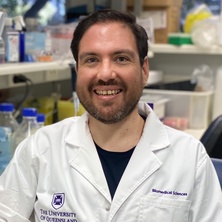
Dr Eduardo Albornoz is a neuroimmunologist whose research focuses on how innate immune mechanisms contribute to neurodegenerative disease. His work investigates how inflammasome and complement pathways are activated by environmental, infectious, and disease-related triggers in conditions such as Parkinson’s disease and motor neuron disease.
Dr Albornoz has expertise in neuroscience, immunology, pharmacology, translational drug development, and preclinical disease modelling. His research integrates human microglia, brain organoids, viral infection models, and animal models to understand how neuroinflammation contributes to neuronal injury and disease progression.
He completed his PhD at The University of Queensland, where he contributed to the development of next-generation NLRP3 inflammasome inhibitors and helped validate NLRP3 as a therapeutic target in Parkinson’s disease. This work supported translational drug development programs that progressed towards clinical testing.
His current research program focuses on environmental and infectious drivers of neurodegeneration, including pesticides, microplastics, PFAS, SARS-CoV-2, and other neurotropic viruses. A major focus of his work is understanding how multiple environmental, infectious, and proteopathic “hits” interact to amplify chronic neuroinflammation and accelerate neurodegenerative disease progression. His research aims to identify therapeutic strategies targeting innate immune pathways to slow or prevent neurodegeneration.
Faculty of Health, Medicine and Behavioural Sciences
Professorial Research Fellow and Group Leader
Queensland Brain Institute
Faculty of Health, Medicine and Behavioural Sciences
Availability:
Available for supervision
Media expert
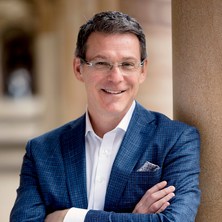
Research in the Bredy laboratory is aimed at elucidating how the genome is connected to the environment through epigenetic modifications, and how this relationship shapes brain and behaviour throughout life. The group is particularly interested in how epigenetic mechanisms, including DNA methylation, histone modifications. the activity of non-coding RNAs, and RNA modification regulate the formation and maintenance of associative fear-related memory.
Faculty of Health, Medicine and Behavioural Sciences
Research Fellow
School of Health and Rehabilitation Sciences
Faculty of Health, Medicine and Behavioural Sciences
Availability:
Available for supervision
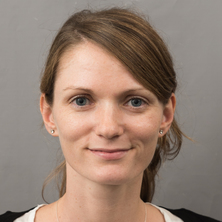
Dr Jonathan Davies is a chronic pain researcher working to improve how pain is understood, assessed and treated. His research focuses on pain phenotyping, precision pain care, and the psychological, physiological and contextual factors that shape pain and treatment response.
At UQ’s Centre for Innovation in Pain and Health Research, he contributes to DISCERN, an NHMRC Synergy-funded multidisciplinary research program developing and validating new approaches to pain assessment. A major focus of his work is DECIPHER PAIN, a standardised, multimodal tool designed to characterise the relative contributions of nociceptive, neuropathic and nociplastic pain and support more personalised care.
His research integrates clinical assessment, quantitative sensory testing, experimental pain methods, psychophysiology, digital health and population data. He is particularly interested in how physiological signals, behaviour, language, psychosocial context and real-world health data can be combined to better understand individual differences in pain and treatment outcomes.
His broader expertise includes placebo and nocebo effects, mindfulness, mental health, quality of life, health outcome measurement and population health. His work aims to support more precise, scalable and patient-centred approaches to pain research and care.
Faculty of Health, Medicine and Behavioural Sciences
Availability:
Available for supervision
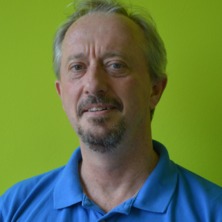
Dr Odette Leiter is a neuroscientist at the Queensland Brain Institute whose research focuses on understanding the molecular and systemic mechanisms that regulate adult hippocampal neurogenesis during exercise, brain ageing and cognitive decline. Her work has advanced understanding of how blood-borne factors influence brain plasticity and cognitive function across the lifespan, with particular expertise in blood-brain communication during exercise and ageing.
She has made significant contributions to the discovery and characterisation of platelet-derived exerkines, circulating factors released in response to exercise that promote neurogenesis and improve cognitive function. Her research has also helped establish the trace element selenium as an important mediator of exercise-induced neurogenesis, cognitive recovery following stroke, and ferroptosis-related mechanisms associated with brain ageing.
As an ARC DECRA Fellow, Dr Leiter leads an independent research program investigating systemic regulators of brain ageing and cognitive resilience. Her current research examines how age-related alterations in peripheral and molecular signalling influence adult neural stem cell function, brain plasticity and cognitive ageing, with the goal of identifying novel strategies to maitain brain health throughout life.
Affiliate of Centre for Motor Neuron Disease Research
Centre for Motor Neuron Disease Research
Faculty of Health, Medicine and Behavioural Sciences
Affiliate of Clem Jones Centre for Ageing and Dementia Research
Clem Jones Centre for Ageing Dementia Research
Faculty of Health, Medicine and Behavioural Sciences
Professor in Neuroscience
Queensland Brain Institute
Faculty of Health, Medicine and Behavioural Sciences
Availability:
Available for supervision
Prof Nestor joined the Queensland Brain Institute in October/2017 and has a conjoint appointment as a cognitive neurologist at Mater Misericordiae Ltd (Mater Hospital).
His particular interests include understanding the earliest stages of Alzheimer's disease (i.e. before dementia is established); atypical forms of dementia with a particular focus on primary progressive aphasia and dementias related to Parkinson's and Lewy body diseases; and improving differential diagnosis between the major categories of neurodegenerative diseases.
He works on development of neuropsychological tests of cognition, both to accurately track change over time and improve diagnostic accuracy between the major diseases causing dementia. He also uses multi-modal imaging (magnetic resonance imaging [MRI] and positron emission tomography [PET]) to understand the sequence of events occurring in degenerative brain diseases (particularly Alzheimer's disease, frontotemporal dementia, Parkinson's disease, motor neuron disease [ALS], progressive supranuclear palsy [PSP] and corticobasal degeneration [CBD]) and identify novel biomarkers. A major focus of his is on developing novel approaches to MR imaging for single subject pathological diagnoses that can be exported into the everyday clinical setting; recent examples include diffusion tensor imaging to identify PSP and CBD (Sajjadi et al, 2013) and quantitative susceptibility mapping in Parkinson's disease (Acosta-Cabornero et al, 2013).
Faculty of Health, Medicine and Behavioural Sciences
Affiliate Professor of Queensland Brain Institute
Queensland Brain Institute
Faculty of Health, Medicine and Behavioural Sciences
Availability:
Available for supervision
I graduated from The University of Tasmania, and received my PhD in Developmental Biology from The University of Queensland in 2003. My PhD, performed at the Institute for Molecular Bioscience with Prof. Melissa Little, centred on understanding the cellular and molecular mechanisms underlying embryonic kidney development. My first postdoc was performed with Prof. Christine Holt at The University of Cambridge, UK, where I studied the mechanisms by which axonal growth cones navigate to their targets in the brain, using the frog Xenopus laevis as a model system. In my second postdoctoral position, with Prof. Linda Richards at the Queensland Brain Institute at The University of Queensland, my work focussed on understanding the molecular mechanisms of neural progenitor cell specification in the developing cerebral cortex. In late 2010, I took up a joint position with the Queensland Brain Institute and The School of Biomedical Sciences (SBMS) to continue my research into the mechanisms underlying neural stem cell differentiation. I have held numerous fellowships during my career, including an NHMRC Howard Florey Fellowship, an NHMRC CDF and an ARC Future Fellowship. I currently hold a continuing Teaching and Research position within SBMS, and am currently the Director for Higher Degree Research Training at SBMS.
Faculty of Health, Medicine and Behavioural Sciences
Availability:
Available for supervision
Media expert
I am a neuroscientist investigating how cellular signalling and neuron–glia interactions shape brain development, neural circuit function and myelination across the lifespan, and how disruption of these processes contributes to neurodevelopmental and neurodegenerative disorders. My research focuses on neural progenitor cells, oligodendrocyte biology, myelination and neural circuit function, with the broader goal of understanding disease mechanisms and identifying therapeutic targets that can improve the treatment of neurological disorders.
I completed my PhD at the University of Tasmania, investigating ion channel signalling in oligodendrocyte progenitor cells and its role in cell survival, neural circuit function and myelination. I subsequently undertook postdoctoral research at The University of Queensland, including at the Queensland Brain Institute, where I investigated neural progenitor function, neuronal migration and cortical development in models of neurodevelopmental disorders. At Mater Research–UQ, my research has focused on oligodendrocyte dysfunction, myelination and cellular signalling in neurological disease, including multiple sclerosis-like pathology.
Across these research programs, I have developed expertise in developmental and cellular neuroscience, neural progenitor biology, neuron–glia interactions, oligodendrocyte biology, myelination and neural circuit function, using molecular and cellular approaches, advanced microscopy, electrophysiology, animal models and behavioural neuroscience. My broader research direction is to understand how dysfunction across different neural cell populations contributes to disease progression and how this knowledge can be translated into new approaches to prevent, treat or modify neurological disease.
Alongside my research, I contribute to tertiary teaching, student supervision and scientific communication across neuroscience, psychology and biomedical sciences. I am particularly interested in research-informed education and in developing the next generation of scientists by sharing scientific knowledge, technical expertise and practical research skills.