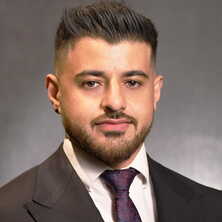
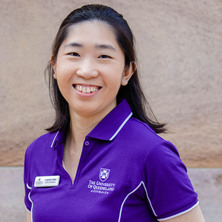
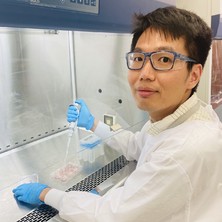
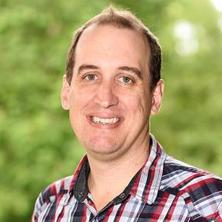
I am a molecular biologist and cancer researcher at the Institute for Molecular Bioscience (IMB), University of Queensland, investigating Inflammation and its link to metabolism as well therapeutic strategies against metastatic pancreatic ductal adenocarcinoma (PDAC) one of the most treatment-resistant and lethal cancers.
My work combines cell biology and immunology to understand how pancreatic tumours build protective barriers, evade the immune system, and spread to distant organs. I focus on dismantling these mechanisms to identify new therapeutic vulnerabilities.
Current research areas include:
PAR2 signalling, tumour immunometabolism, and desmoplastic remodelling
Cyclic peptide design, intracellular delivery, and fluorescence-based uptake characterisation
Protease-driven epithelial signalling and stromal-immune crosstalk
I work within Professor David Fairlie's group, using confocal microscopy, flow cytometry, and metabolic tracing to bridge molecular mechanism with drug design. My broader interests span cancer-associated fibrosis, metabolic reprogramming, and the development of multi-targeted compounds for cancers with high unmet clinical need.
Faculty of Health, Medicine and Behavioural Sciences
Availability:
Available for supervision
I am a Senior Research Fellow, NHMRC Emerging Leader Fellow, and Group Leader at UQ Frazer Institute. I was awarded my PhD in late 2017 by Biomedicine Discovery Institute, Monash University. Under the UQ Health Research Accelerator (HERA) program, I lead a team to investigate T and B cell responses that profoundly regulate vaccine responses, viral clearance, and anti-tumour immunity.
My research program employs combinatorial methodologies of Biochemistry and Immunology to uncover new molecular mechanisms controlling T-cell-mediated immunity:
1. The action of T cells is required in antibody responses for suppressing viral infection or tumour growth and to confer protection upon vaccination. In particular, follicular helper T (Tfh) cells, a specialised subset of CD4+ T cells, essentially instruct the B cells to produce long-lived antibody protection. The knowledge of Tfh cells has fundamentally enabled vaccine development and therapy design for autoimmune diseases.
2. T-cell-derived cytokines play pivotal roles in both humoral and cellular immunity. Particularly, interleukin-21 (IL-21) is essential for supporting germinal centre (GC) reaction, where the B cell memory and long-lived antibody responses are generated. Besides, IL-21 is also the only known cytokine to maintain the functionalities of CD8+ T cells in the context of chronic infections or cancers by preventing a loss-of-function program termed 'exhaustion'.
This research program has generated multiple cutting-edge discoveries in the field, producing publications as 1st or joint 1st authors in top-tier journals including Nature Immunology, Science Immunology, and Nature Communications.
Affiliate of ARC COE for Innovations in Peptide and Protein Science
ARC COE for Innovations in Peptide and Protein Science
Institute for Molecular Bioscience
Associate Professor
School of Chemistry and Molecular Biosciences
Faculty of Science
Availability:
Available for supervision
Media expert
A/Prof Landsberg's undergraudate and Honours studies, majoring in Chemistry, were completed at Central Queensland University and the CSIRO (JM Rendel laboratories) before he moved to the University of Queensland to study a PhD in Biochemistry (awarded 2003). He then moved to a postdoctoral position at the Institute for Molecular Bioscience, spending time as a Visiting Scientist at Harvard Medical School (2008) and securing promotion to Senior Research Officer upon his return to IMB in 2009. He additioanlly spent time as a Visiting Scientist at the Victor Chang Cardiac Research Institute in 2010 and 2011.
In 2016, he joined UQ's School of Chemistry and Molecular Biosciences as a Group Leader in Cryo-EM and Macromolecular Structure and Senior Lecturer in Biochemistry and Biophysics, where he was promoted to Associate Professor in 2019. He has secured >$13.5M in competitive research funding since 2012, including major grants from the Australian Research Council and National Health and Medical Research Council. He his research has been presented at over 70 national and international conferences and research institutions.
Junxian Lim is an accomplished molecular biologist at the Institute for Molecular Bioscience. With a strong background in cell biology, protein biochemistry, and pharmacology, he has established himself in the field. Collaborating with researchers at universities, institutions, as well as international industry partners like AstraZeneca and Sosei Heptares, he has contributed significantly to advancing scientific knowledge.
Throughout his doctoral studies, Junxian authored seven ground-breaking studies focused on the development of novel bioactive inhibitors targeting immune cells and inflammatory diseases. These contributions have paved the way for innovative approaches to drug development. Utilizing his expertise, he has successfully developed and characterized a diverse range of protein and cellular assays that enable in-depth investigations into immunity and inflammation. His research findings have been published in prestigious scientific journals, including Nature Communications, Cell Reports, Journal of the American Chemical Society, Diabetes, Journal of Medicinal Chemistry, and the British Journal of Pharmacology. His work has been highly cited, reflecting its impact and significance within the scientific community.
Recognized for his outstanding mentoring abilities, Junxian has supervised or co-supervised the research of two completed PhD students, six completed MPhil students, and three completed Honours students. The success of his former students is a testament to his dedication and guidance. They continue to excel and actively contribute to research endeavours around the world, spanning countries such as Australia, Singapore, Korea, India, Japan, and China.
Beyond his research and mentoring achievements, Junxian actively participates in the scientific community. He serves on the editorial boards of esteemed journals like Journal of Translational Medicine, Frontiers in Molecular Biosciences and Biology. This involvement allows him to stay at the forefront of scientific advancements and contribute to the dissemination of knowledge within his field.
Faculty of Health, Medicine and Behavioural Sciences
Centre Director of Centre for Motor Neuron Disease Research
Centre for Motor Neuron Disease Research
Faculty of Health, Medicine and Behavioural Sciences
Affiliate of Centre for Extracellular Vesicle Nanomedicine
Centre for Extracellular Vesicle Nanomedicine
Faculty of Health, Medicine and Behavioural Sciences
Principal Research Fellow
Australian Institute for Bioengineering and Nanotechnology
Availability:
Available for supervision
Media expert
I completed my PhD in Neuroscience at UQ in 2009. After this, I undertook postdoctoral training in motor neuron disease/amyotrophic lateral sclerosis (MND/ALS) under the mentorship of neurologists at Royal Brisbane & Women's Hospital. In 2012, I received a MND Research Australia Bill Gole Fellowship to develop a research focus to study metabolic dysfunction in MND/ALS. I started my independent research group at UQ in 2015, after receiving the Scott Sullivan MND Research Fellowship to lead a translational program to define the contribution of altered metabolic homeostasis to MND/ALS pathophysiology. In 2017, I relocated my laboratory to the Australian Institute for Bioengineering and Nanotechnology to introduce the use of human stem cells for disease modelling into my reserach program. In 2020, I was awarded a FightMND Mid-Career Research Fellowship to transition into clinical trials.
My current research integrates studies in MND/ALS patients with studies in human-derived cell models (stem cell-derived neurons, human primary myosatellite cells, human myotubes) and mouse models of MND/ALS. I have served as lead investigator or co-investigator on several projects aimed at defining the mechanisms that drive MND/ALS and identifying therapeutic strategies for the disease. Projects have led to the expediting of clinical trials (NCT03506425; NCT04788745, NCT05959850). In 2021, I established the MND at UQ Collective to enhance national and international collaboration, and to facilitate community consultation to drive scientific and clinical discoveries in ALS and FTD (www.uq.edu.au/mnd-collective).
I have received invitations to contribute to high impact review articles (i.e., Brain, Nat Rev Neurol), and have received >20 invitations to speak at conferences including: 33rd International ALS/MND Symposium (2022, Plenary), 64th Japanese Society of Neurology Meeting (2023, Tokyo; Plenary), 3rd International Pan-Asian Consortium for Treatment and Research in ALS (PACTALS) Congress (2023, Kuala Lumpur), 18th International Congress on Neuromuscular Diseases (2024, Perth).
Faculty of Health, Medicine and Behavioural Sciences
Centre Director of Centre for Extracellular Vesicle Nanomedicine
Centre for Extracellular Vesicle Nanomedicine
Faculty of Health, Medicine and Behavioural Sciences
Availability:
Available for supervision
Media expert
I am Professor, NHMRC Investigator Fellow (EL2) and group leader (Exosome Biology Laboratory) at UQ Centre for Clinical Research. I am nationally and internationally (>20 invitations to international meetings in the last 5 years) acknowledged key opinion leader on Extracellular Vesicle (rated 3th worldwide (Top 0.015%) and 1st in Australia in expertise for “Extracellular Vesicles and Exosomes” on Expertscape) and biomarker discovery (140 publications, and >8000 citations in the last 7 year). I have made a major conceptual contribution to EV biology with diagnostic and therapeutic implications. In the last 8 years, my primary research and commercialisation activities have focused on the identification and validation of biomarkers, and development of In Vitro Multivariate Index Assays for clinically relevant complications (including ovarian cancers, and obstetrical syndromes) and their translation into clinical applications. In Academia, I have pursued these objectives through the development and leadership of clinical translation research teams and facilities, both in Australia and overseas. For example, I had a leadership role in established the Centre for Clinical Diagnostics (CCD). Within the UQCCR, I established an exosome research team to evaluate the clinical utility of extracellular vesicles as liquid biopsies, IVDs and therapeutics. Much of our effort in this field of endeavour has involved optimising isolation methods for extracellular vesicles and their analytical analysis - including the use of protein solution array (e.g. Luminex), mass spectrometry profiling (using MS/MS SWATH) and more recently miRNA analysis.
School of Electrical Engineering and Computer Science
Faculty of Engineering, Architecture and Information Technology
Availability:
Available for supervision
Dr Tosolini is a cell biologist with a focus at the intersection of axonal transport, neurotrophic factors, motor neurons and skeletal muscle, in the context of motor neuron disease (MND)/amyotrophic lateral sclerosis (ALS). His research to date has focused on utilising the connectivity between skeletal muscle and motor neurons for the enhanced delivery of therapeutic agents to the spinal cord (e.g., viral-mediated gene therapy). Building upon these foundations, his postdoctoral training focused on defining the axonal transport dynamics in a number of different experimental conditions, including stimulation with different neurotrophic factors (e.g., BDNF, GDNF), α motor neuron subtypes (i.e., fast motor neurons vs slow motor neurons), and alterations to such factors in MND/ALS pathology.
Dr Tosolini has joined the laboratories of A/Prof. Shyuan Ngo (AIBN) and Dr. Derek Steyn (SBMS) to undertake a novel project looking at assessing a novel therapeutic compound in mouse models of ALS, and in as well as in ALS patient-derived muscle cultures. This project is in collaboration with Dr. Giovanni Nardo at Laboratory of Molecular Neurobiology, Department of Neuroscience, Istituto di Ricerche Farmacologiche Mario Negri IRCCS, Milan, Italy.
Dr Tosolini completed his PhD in 2015 in the discipline of Anatomy at the School of Medical Sciences, University of New South Wales (UNSW). His PhD project focused on characterising the connectivity between various skeletal muscles and their innervating motor neuron pools, to optimally deliver agents (e.g., retrograde tracers, virus) to the spinal cord motor neurons via retrograde axonal transport. For the work produced in his PhD, Dr Tosolini was awarded a place on the Faculty of Medicine's Dean's List.
In 2016, Dr Tosolini joined the Schiavo Laboratory at University College London (UCL), UK as a Post-Doctoral Research Associate to undertake a project focused on: 1) understanding factors influencing axonal transport dynamics in distinct in vitro and in vivo models of motor neuron disease (MND)/amyotrophic lateral sclerosis (ALS), and 2) revealing the signalling elements governing neuronal trans-synaptic transfer.
In 2020, Dr Tosolini was awarded a Junior Non-Clinical Post-Doctoral Fellowship by the Motor Neuron Disease Association, UK to expand his work on evaluating axonal transport dynamics in mouse models of motor neuron disease (MND) as well as in diverse human induced pluripotent stem cell (hiPSC)-derived motor neurons. This project is a direct continuation of my post-doctoral training in the Schiavo laboratory, and included a novel collaboration with Prof. Rickie Patani (Francis Crick Institute, London, UK), to evaluate axonal transport dynamics of diverse organelles in mouse and human models of MND/ALS.
Faculty of Health, Medicine and Behavioural Sciences
Availability:
Not available for supervision
Dr. Akila Wijerathna-Yapa is an interdisciplinary Biotechnology scientist and Postdoctoral Research Fellow at the Frazer Institute, University of Queensland, with over 12 years of expertise spanning Biochemistry, Molecular Biology, and Bioinformatics. Holding a PhD in Biochemistry from The University of Western Australia, an MSc in Molecular Biology from The Hebrew University of Jerusalem, an MBA from the University of Staffordshire, and B.Sc. (Hons.) Sp. Biotechnology from The Wayamba University of Sri Lanka, he brings a rare combination of deep scientific expertise and strategic project management insight to the life sciences.
Dr. Wijerathna-Yapa's research is defined by his ability to integrate advanced technologies—including mass spectrometry-based proteomics, peptidomics, metabolomics, lipidomics, NMR spectroscopy, and transcriptomics—to unravel molecular complexities and translate multi-omics data into actionable insights. His work spans molecular biology, cell culture bioprocess optimisation, clinical biomarker discovery, and spatial biology, with postdoctoral experience at The University of Queensland and Dalhousie University, and collaborative partnerships with leading research institutions across Sri Lanka, China, Israel, Australia, and Canada.
With a strong foundation in advanced statistical data analysis and a proven track record in project management and scientific communication, Dr. Wijerathna-Yapa bridges the gap between scientific discovery and practical innovation. He has authored over 25 peer-reviewed publications and has been recognised with prestigious international awards including the Australian Government Global Talent Independent visa and fellowships from the Higher Education Academy (FHEA, UKPSF). He is passionate about leveraging interdisciplinary knowledge to drive transformative advancements in biotechnology and life sciences.