Faculty of Health, Medicine and Behavioural Sciences
Availability:
Available for supervision
Media expert
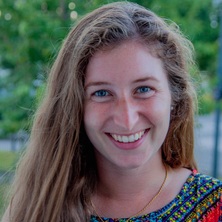
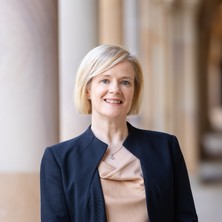
Dr Stephanie Duncombe is a Lecturer at the School of Public Health, University of Queensland. Her research intersects understanding inequalities in physical activity through epidemiological methods and tailored interventions to reduce these inequalities using health promotion frameworks. Stephanie has specific interests in gender inequalities and paediatrics. Stephanie completed her PhD on high-intensity interval training within schools and led an intervention study titled Making a HIIT. She has a multidisciplinary background, including epidemiology, exercise physiology, and health promotion.
Faculty of Health, Medicine and Behavioural Sciences
Availability:
Not available for supervision
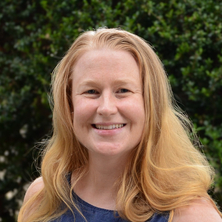
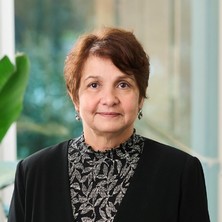
Shannon Edmed is a Research Fellow at the Child Health Research Centre and ARC Centre of Excellence for Children and Families Over the Life Course (Life Course Centre). She has an interest in environmental effects on sleep (including household and neighbourhood characteristics), and mental health and wellbeing.
Affiliate of Health and Wellbeing Centre for Research Innovation
Health and Wellbeing Centre for Research Innovation
Faculty of Health, Medicine and Behavioural Sciences
Research Fellow
School of Human Movement and Nutrition Sciences
Faculty of Health, Medicine and Behavioural Sciences
Availability:
Available for supervision
Media expert
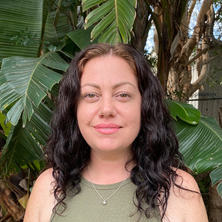
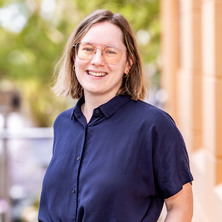
Dr Kathryn Fortnum is an Early Career Researcher working as a Post-doctoral Research Fellow in the Health and Wellbeing Centre for Research Innovation (School of Human Movement and Nutrition Sciences), a collaboration between The University of Queensland and Health and Wellbeing Queensland; and affiliate researcher in the Queensland Centre for Olympic and Paralympic Studies (UQ). As an ESSA Accredited Exercise Physiologist, Dr Fortnum has extensive experience working with children and young people living with mental illness, neurological conditions, and neurodevelopmental disorders across inpatient and community settings.
Her research focuses on enhancing physical health, mental wellbeing, and participation outcomes for children and young people, with a commitment to improving equitable access to the tools and opportunities that foster lifelong health and resilience.
Dr Fortnum’s areas of expertise include:
Physical activity and physical literacy
Clinical and applied research
Qualitative methodologies
Systematic reviews and evidence synthesis
Co-design and participatory approaches including engaging consumers with lived experience
Program design and evaluation
Rapid translation of research into evidence-based practice through partnerships with community and clinical services
Implementation science, centred on scaling effective interventions into real-world contexts (emerging)
Her work aims to bridge the gap between evidence and practice, producing research that is both scientifically robust and directly meaningful for the individuals, families, clinicians, and organisations she collaborates with.
Faculty of Health, Medicine and Behavioural Sciences
Affiliate of UQ Poche Centre for Indigenous Health
UQ Poche Centre for Indigenous Health
Faculty of Health, Medicine and Behavioural Sciences
Availability:
Available for supervision
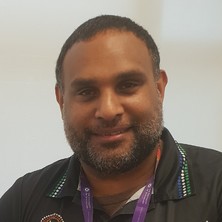
Dr Carl Francia (Saibai Koedal awgadhalayg) is a Torres Strait Islander physiotherapist and cardiovascular epidemiologist whose research focuses on improving cardiovascular health equity for Aboriginal and Torres Strait Islander peoples through Indigenous-led, community-partnered research.
Based at The University of Queensland's Poche Centre for Indigenous Health, Carl leads research examining acute rheumatic fever (ARF), rheumatic heart disease (RHD), cardiovascular health, health services, and implementation of evidence into policy and practice. His work combines epidemiology, health systems research, and community partnership approaches to support prevention, early detection, long-term management, and elimination of RHD.
Carl currently coordinates the NHMRC Synergy-funded iPreventRHD program, a national Indigenous-led research initiative focused on life-course approaches to preventing and managing RHD. He is also a Chief Investigator on an MRFF-funded project exploring cardiovascular health among First Nations women and girls and is involved in community-led climate and cardiovascular health initiatives in the Torres Strait.
Research interests include:
• Cardiovascular epidemiology and population health • Acute rheumatic fever and rheumatic heart disease • Indigenous health and health equity • Implementation science and health services research • Climate change and cardiovascular health • Indigenous Data Sovereignty and community-led research
Carl welcomes enquiries from Honours, Masters, and HDR students interested in Indigenous health, cardiovascular disease prevention, epidemiology, implementation science, health systems research, and community-partnered research.
Faculty of Health, Medicine and Behavioural Sciences
Availability:
Available for supervision
Dr Alana Gall is a proud Pakana (Tasmanian Aboriginal) woman whose ancestral heritage links to the north-east coast of Lutruwita (Tasmania), and more recently, the Bass Strait Islands of Cape Barren and Flinders Island.
Alana is a Postdoctoral Research Fellow in the First Nations Cancer & Wellbeing Research team, and the Project Manager of the What Matters 2 Adults Implementation project. Alana’s research focusses on wellbeing and holistic health for Indigenous peoples globally. The aim of the WM2A-I study she is managing, is to test the most appropriate and effective methods for implementing the newly developed WM2Adults Wellbeing measure - the first nationally-relevant wellbeing measure developed specifically for Aboriginal and Torres Strait Islander adults.
Alana has a background in nutritional medicine and has more than 10 years’ experience in research, research translation, community engagement, health education and clinical consultation. Alana’s PhD thesis, titled Exploring Wellbeing from Indigenous Perspectives, centres primarily on Aboriginal and Torres Strait Islander peoples’ wellbeing but also includes a focus on the domains of wellbeing for Indigenous peoples in Canada, Aotearoa (New Zealand) and the United States.
On a personal note, Alana is passionate about empowering others to take control of their own health and believes better health and wellbeing can be achieved at a population level through transdisciplinary approaches that adhere to holistic models of health and wellbeing. Alana is also passionate about education, understanding on both an academic and personal level, that this is one significant way to lift individuals, families and communities out of poverty – having hope for the future is imperative to good health and wellbeing. Due to this passion, Alana produced a free worksheet for children during the COVID-19 pandemic, in collaboration with Wingaru Kids about antimicrobial bush medicines and would love to collaborate in this space more.
Faculty of Health, Medicine and Behavioural Sciences
Affiliate of Centre for Online Health
Centre for Online Health
Faculty of Health, Medicine and Behavioural Sciences
Availability:
Available for supervision
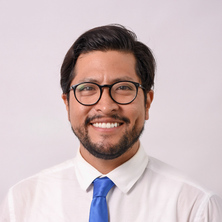
Victor is a Postdoctoral researcher at The University of Queensland, with a clinical and academic background in rehabilitation medicine, public health, and digital health equity. His research focuses on enhancing healthcare access for culturally and linguistically diverse communities, particularly through the development of telehealth innovations and inclusive service design. He has experience teaching public health and epidemiology to medical students and mentoring postgraduate researchers. Victor has co-authored peer-reviewed publications, contributed to national surveys, and helped develop validated tools, including the Digital Health Acceptability Questionnaire.
He completed his Medical Doctor degree in Peru, followed by a specialisation in Rehabilitation Medicine, and later earned a Master of Public Health and a PhD from UQ. His doctoral research explored equity in telehealth access and was supported by multiple competitive scholarships and grants. Victor has also held leadership roles in Peru’s national health system and sports medicine programs, including the PanAmerican Games Lima 2019. His work has been recognised through awards for research excellence, equity, and inclusion.
Affiliate Professor of Mater Research Institute-UQ
Mater Research Institute-UQ
Faculty of Health, Medicine and Behavioural Sciences
Affiliate of Queensland Digital Health Centre
Queensland Digital Health Centre
Faculty of Health, Medicine and Behavioural Sciences
Affiliate of University of Queensland Centre for Hearing Research (CHEAR)
Centre for Hearing Research
Faculty of Health, Medicine and Behavioural Sciences
Professor
School of Economics
Faculty of Business, Economics and Law
Availability:
Not available for supervision
Media expert
Professor Brenda Gannon is an international interdisciplinary leader providing evidence and solutions for health and social care systems, spanning across economics, medicine and social science, in collaboration with academia and industry. She brings extensive experience and expertise in program and policy development related to health and ageing, social inclusion, and citizen science, fostering and advancing excellence at the intersection of many disciplines.
Working at the interface of health service delivery, strategic planning and practice influence, and health economics more broadly, across many sectors, enables her research to inform optimisation of health care and workforce organisation. The models are translatable and transferrable across many sectors, including ageing, mental health, child and the working populations.
She is a Professor in the School of Economics and an Affiliate Professor at the Mater Research Institute, The University of Queensland. She is also an affiliate member of CEPAR (ARC Centre for Research Excellence in Population Ageing Research). Since 2022, she is Honorary Adjunct Professor at University of Galway, Ireland. She was Director of Research in the School of Economics from 2018-2023. . She has developed a range of projects on topics of dementia, physical activity and cognition, health and health care utilization, and consumer directed care and home care. She has led and worked extensively on interdisciplinary research with gerontologists,several clinicians and methodologists. Her work has been influential in the development of programs for falls preventions and informing policy on disability and social inclusion, and has positively impacted on the health of many older people across the world. Her work also spans across the lifecyle from birth, and she has worked with clinicians on trials for newborns with breathing difficulities. She is the Health Economics and Epidemiology lead for the Queensland Family Cohort (QFC) Study, the pilot led by Mater Research, and is on the QFC Governance Committee, focusing on maternal mental health, inequalities of opportunity, alcohol use and related health care use and costs.
Professor Gannon’s research carries a dual role, (1) as an applied health economist using big and complex data, utilising health economics theory and concepts to test the validity of causal hypotheses, (2) collaborator across all Faculties leading critical economic evaluations. Her research is funded by her position as chief investigator on projects from the Australian Research Council, National Health and Medical Research Council, MRFF, EU H2020, Health Research Board, Ireland and the National Institute for Health Research, UK. She is the lead economist on projects in dementia, emergency care and paediatric care. All studies incorporate methodological innovations and applied research. She has provided advice to government at senior levels, and had a Ministerial appointment, on the Medical Services Advisory Committee Evaluation Sub-Committee 2017-2021. She sits regularly as a panel member of various NHMRC and MRFF grant review committees and has also previously appointed to the EU Commission grant panels. She has been invited to give several talks at international fora, including a key note talk on ageing and longevity at the National Academy of Medicine, Global Roadmap to Healthy Longevity, in Washington DC. Professor Gannon was an elected Professorial member of the Academic Board at UQ 2018-2022. In 2023, Professor Gannon was elected a Fellow of the Queensland Academy of Arts and Sciences. She has been elected as a Council Member of Queensland Academy of Arts and Sciences since 2024. In 2023, she led a symposium on Economics of Dementia Care, with international colleagues, in collaboration with Dementia Australia.
Faculty of Health, Medicine and Behavioural Sciences
Affiliate of ARC COE for Indigenous Futures
ARC COE for Indigenous Futures
Faculty of Business, Economics and Law
Availability:
Available for supervision
Professor Gail Garvey is a proud Kamilaroi woman, a NHMRC Research Leadership Fellow, and Professor of Indigenous Health Research in the Faculty of Medicine at the University of Queensland.
Professor Garvey has established an extensive and targeted research program focused on cancer and the wellbeing of Australia’s First Nations people.
Gail was among the first researchers to recognise the substantial impact of cancer on Aboriginal and Torres Strait Islander people, and her work has contributed greatly to key policy and practice changes to improve their cancer outcomes. Professor Garvey currently leads a Centre of Research Excellence – Targeted Approaches to Improve Cancer Services (TACTICS) for Aboriginal and Torres Strait Islander Australians (NHMRC #1153027 2019-2023). The TACTICS CRE focuses on emerging priorities in cancer-related health services research and actively promotes the translation of research knowledge into Australian public health policy and practice. The CRE also focuses on building research capacity through training the next generation of researchers in cancer control.
Gail leads work in psychosocial aspects of cancer care for First Nations Australians. Her research into the psychosocial aspects of cancer care for First Nations cancer patients, is a critical component to improving their cancer outcomes. Professor Garvey and her team developed and validated a new tool to measure the unmet support needs of Indigenous cancer patients, which is now a recommendation in the Optimal Care Pathway guidelines.
Professor Garvey's research program also focuses on understanding and measuring the dimensions of wellbeing important to and valued by Aboriginal and Torres Strait Islander people across the life course, which is important for developing/evaluating health interventions.
Originally trained as a teacher, Gail began her research career at the University of Newcastle in the 1990s where she was one of the first researchers to examine issues around the recruitment and retention of Aboriginal and Torres Strait Islander medical students. Since then she has been involved in a wide array of research collaborations both within Australia and overseas spanning three decades.
Along with her research expertise, Gail's strengths lie in her leadership and her collaborative approach to bringing key stakeholders - Indigenous consumers, researchers, and clinicians - together to achieve common goals. Career highlights include conducting the first Roundtable to identify research priorities in cancer for Indigenous Australians (2010); establishing the National Indigenous Cancer Network (2013) in collaboration with Cancer Council Australia, the Lowitja Institute, the Indigenous Health InfoNet and Menzies School of Health Research; instigating and convening the inaugural World Indigenous Cancer Conference in 2016 (Brisbane); and co-hosting the 2nd conference in 2019 (Canada).
Since 2011 Gail has received over $50 million in grant and government funding, including a NHMRC Investigator Leadership Grant (NHMRC #1176651 2020-2024). Over the same period Gail has published more than 180 papers in peer-reviewed.
Affiliate of Australian Women's and Girls' Health Research Centre
Australian Women and Girls' Health Research Centre
Faculty of Health, Medicine and Behavioural Sciences
Senior Research Fellow
UQ Poche Centre for Indigenous Health
Faculty of Health, Medicine and Behavioural Sciences
Availability:
Not available for supervision
Stephen Harfield is a Narungga and Ngarrindjeri man from South Australia. He is a public health researcher and epidemiologist. His research focuses on centring the health and wellbeing needs of Aboriginal and Torres Strait Islander young people and their communities through Indigenous-led research.
Stephen’s research employs mixed methods that combine both quantitative and qualitative approaches, grounded in Indigenous methodologies. His research privileges the knowledges of Aboriginal and Torres Strait Islander people and adopts a strength-based approach to ensure that the research positively impacts and benefits Aboriginal and Torres Strait Islander people and communities.
Stephen has more than 10 years of experience conducting research in partnership with Aboriginal and Torres Strait Islander communities and health services. His work focuses on the health and wellbeing of adolescents and young people, sexual health, men’s health, health services research, and enhancing research quality.
In March 2025, Stephen submitted his PhD thesis, titled "Strengthening Primary Health Care for Aboriginal and Torres Strait Islander Young People Living in Urban Southeast Queensland”. In recognition of his PhD work, he was awarded the Lowitja Institute’s Aboriginal and Torres Strait Islander Student Award at the 4th International Indigenous Health and Wellbeing Conference 2025.
Stephen holds a Master of Philosophy in Applied Epidemiology from The Australian National University (2019), a Master of Public Health from Flinders University (2013), a Graduate Certificate in Health Services Research and Development from The University of Wollongong (2012), and a Bachelor of Health Sciences (Public Health) from The University of Adelaide (2008).
Faculty of Health, Medicine and Behavioural Sciences
Affiliate of ARC COE for Children and Families Over the Lifecourse
ARC COE for Children and Families Over the Lifecourse
Faculty of Humanities, Arts and Social Sciences
Availability:
Available for supervision
Mehedi is a public health researcher with strong expertise in quantitative data analytics. He has over eight years of professional experience in developing and developed countries. He has built a distinguished career in public health research, focusing on critical areas such as reproductive, maternal, newborn, and child health (RMNCH), nutrition, non-communicable diseases, mental health, sleep health, social determinants of health and health inequalities.
Mehedi completed his PhD from the University of Queensland in 2022. In his doctoral thesis titled “Future direction of maternal and child health in low- and middle-income countries”, he utilized data of over 4.3 million participants extracted from 284 national surveys conducted in 75 low- and middle-income countries to understand the future projections of maternal and child health-related indicators and gaps in progress, with geographical variations across countries. His doctoral research resulted six publications in reputed international journals and provided valuable insights for global and country leaders in their pursuit of achieving health-related Sustainable Development Goals.
Mehedi has a charming engagement with research community. He has reviewed manuscripts for eight international journals and published 45 peer-reviewed articles, many of which appear in high-impact journals. His work has gained media attention, with coverage of more than 15 research stories.
In addition to his research and professional activities, Mehedi is an active member of several professional international collaborative groups, including Global Burden of Diseases, the American Society for Nutrition, the International Health Economics Association, the Society for Research in Child Development, and Health Systems Global, where he collaborates with fellow experts and stays at the forefront of developments in his field.
Mehedi is a Global Change Scholar (2018 cohort) of the University of Queensland and a recipient of several prestigious scholarships and awards. He recently honoured with a national award in the Pregnancy Monitoring Innovation Challenge 2022 funded by the Aspire to Innovate (a2i), Bangladesh, recognizing his innovative contributions to maternal and neonatal health.
Mehedi’s current research focuses on unveiling environmental exposures in pregnancy and risk in adverse birth outcomes in Queensland, Australia.
Core Member of Centre for Community Health and Wellbeing
Centre for Community Health and Wellbeing
Faculty of Health, Medicine and Behavioural Sciences
ARC DECRA
Southern Queensland Rural Health
Faculty of Health, Medicine and Behavioural Sciences
Availability:
Available for supervision
Overview
Dr Adam Hulme studies complex adaptive systems and applies methods and models from the systems and complexity sciences to policy-resistant issues in various domains. His current interests lie in the areas of regional, rural and remote health and public health more broadly. Dr Hulme prefers to adopt a systems thinking or holistic perspective over a reductionist one, as doing so is to consider the whole system, or multiple interacting elements of it, as the primary unit of analysis. As an expert in systems modelling and analysis, Dr Hulme has applied an extensive list of over 20 qualitative and quantitative systems science approaches to address complex problems that threaten to disrupt performance and safety within various sociotechnical systems contexts. This includes the use of System Dynamics modelling and simulation, which is a relatively distinctive approach and practiced deeply by a select few inter/nationally. He is the #1 mid-career researcher in Australia (#10 nationally), for the topic ‘systems analysis’, placing him in the top 0.033% of 208,280 published authors worldwide on this topic (Expertscape).
Background
Dr Hulme is a Research Fellow and School Research Chair at Southern Queensland Rural Health (SQRH), Toowoomba, Queensland. He has qualifications in Sports and Exercise Science (BSc HONS; England), Health Promotion (MA; Australia), and obtained a PhD in Sports Injury Epidemiology and Systems Human Factors in August 2017 (Ballarat, Victoria, Australia). His doctoral program was completed at the Australian Collaboration for Research into Injury in Sport and its Prevention (Federation University Australia), which is recognised by the International Olympic Committee (IOC) as a world leading research centre.
Following his PhD, Dr Hulme spent four years as a Post-Doctoral researcher at the Centre for Human Factors and Sociotechnical Systems (CHFSTS) at the University of the Sunshine Coast (USC). In this role, he conceived, led, developed, and published the world’s first Agent-Based Model (ABM; complex systems microsimulation) of running injury causation in the sports sciences alongside an international multidisciplinary author team. Dr Hulme has also published multiple peer reviewed systems modelling and analysis applications to address various systems problems in leading international journals.
As a result of his achievements, Dr Hulme was offered employment as a full-time Research Fellow on an Australian Research Council (ARC) Discovery project though the CHFSTS. It was during this time that he worked on the theoretical development and testing of state-of-the-art systems-based safety management methods in an effort to overcome known limitations with traditional and reductive scientific approaches. Dr Hulme has applied systems-based risk assessment and incident analysis methods to multiple work domains, including defence, construction, healthcare, manufacturing, mining, sports, transportation (e.g., road, rail, aviation, maritime), and general workplace safety.
Current role
In his current role at SQRH, Dr Hulme is advancing the complexity science and systems thinking research agenda in the area of regional, rural and remote health. He is using conceptual-qualitative and computational-quantitative System Dynamics modelling to holistically map and analyse the behaviours that occur within complex rural health systems. Dr Hulme was recently awarded a highly competitive ARC Discovery Early Career Research Award (DE 2024) to explore how climate change and extreme weather events may further impact the rural health workforce maldistribution crisis using systems science methodologies. He warmly welcomes collaborations with other researchers, both within and outside of the UQ network, and is readily available to discuss potential HDR projects that involve systems and complexity science applications to any problem in most domains.
Faculty of Health, Medicine and Behavioural Sciences
Affiliate of Australian Women's and Girls' Health Research Centre
Australian Women and Girls' Health Research Centre
Faculty of Health, Medicine and Behavioural Sciences
Availability:
Available for supervision
Media expert
Bec Jenkinson is health consumer advocate-turned-researcher, with more than 15 years’ experience as a leader in the Australian health consumer movement, advocating for high quality, respectful, person-centred care. She is also skilled qualitative and mixed methods researcher, writer, presenter and networker with a passion for consumer and community involvement in health and medical research, and broad experience encompassing health policy, service delivery and evaluation, and education. Bec's PhD investigated the experiences of women, midwives and obstetricians when pregnant women decline recommended care. She went on to co-lead the development and implementation of Queensland Health's Guideline: Partnering with the woman who declines recommended maternity care. More recently, Bec has been the academic lead of the RADIANT study, alongside a Lived Experience Lead. Aiming to addressing weight stigma in maternity care, RADIANT was recognised with two awards at the inaugural AccessCR Australian Consumer Partnerships in Research Awards in 2025. The study coproduce national, consensus-based Best Practice Principles for Weight Inclusive Maternity Care, which have now been endorsed by peak stakeholder organisations.
Bec is now a Senior Research Fellow with UQ's Clinical Trials Capability Team (ULTRA), working collaboratively with researchers, consumers and other stakeholders to enhance consumer and community involvement (CCI) in clinical trial designs and processes. She is particularly interested in the methodologies of research priority setting, and currently leads a pilot study aiming to expand Australian researchers access to James Lind Alliance Priority Setting Partnerships. Bec is also interested in how innovative approaches can support more inclusive CCI, and drive health equity in clinical trials.
Faculty of Health, Medicine and Behavioural Sciences
Availability:
Available for supervision
Global health researcher and practitioner specialising in HIV, STIs, sexual and reproductive health, humanitarian emergencies and health equity for conflict affected, marginalised populations and First Nations communities. My work bridges academic research and frontline health and wellbeing action.
Key areas of expertise include:
Human rights approaches
Disaster preparedness and response
Policy for migrants, refugees and host communities
Humanitarian–development–peace nexus
Community-led monitoring and participatory research methods
Capacity strengthening and experiential learning
I hold a PhD in HIV and Resilience among Young People (James Cook University), a Master of Arts with Distinction in Participatory Social Development (University of Reading) and a Bachelor of Arts (Hons) in Applied Social Studies (Coventry University).
I spent 14 years as Senior Humanitarian and Security Advisor at UNAIDS, leading evidence-based programming and strategic information in fragile and conflict-affected states. Prior roles with UNICEF, UNDP, UNHCR, and leading NGOs provided operational grounding across Somalia, Sudan, South Sudan, Yemen, Kenya, the Horn of Africa, the Caribbean, South-east Asia, Eastern and Western Europe.
Work experience also includes Cohort Mentor for PhD students at JCU, Senior Policy Advisor at CQU developing a university-wide Stretch Reconciliation Action Plan and Senior Research Fellow at UQ Poche Centre. I have worked in the private sector as an international consultant and manage a study abroad programme linked with Kenyan universities.
Affiliate of ARC COE for Children and Families Over the Lifecourse
ARC COE for Children and Families Over the Lifecourse
Faculty of Humanities, Arts and Social Sciences
Research Fellow
UQ Poche Centre for Indigenous Health
Faculty of Health, Medicine and Behavioural Sciences
Availability:
Available for supervision
Media expert
Dr. Edmund W. Kanmiki is a public health researcher with expertise spanning population health, epidemiology and health economics. He is passionate about achieving health equity, particularly for vulnerable populations. Dr. Kanmiki’s research focuses on social determinants of health, reproductive, maternal, and child health (RMCH), community-based healthcare interventions, healthcare financing, Indigenous health, non-communicable diseases and related areas. He holds a bachelor’s degree in mathematics with economics, a master’s degree and PhD in public health. Edmund’s doctoral thesis at the University of Queensland aimed at improving equity in maternal and child health in rural communities using community-based primary healthcare strategies.
At UQ Poche Centre, Edmund is a member of the Implementing Life Course Interventions research team led by NHMRC Leadership Fellow, Mamun Abdullah. He is a co-investigator of the ARC Centre of Excellence for children and families over the Life Course project titled “Preventing and managing diabetes among Indigenous women and youth”. He is also a research coordinator for the “Exposure to Trihalomethanes in Pregnancy and Birth Outcomes in Queensland Study”.
Prior to joining the University of Queensland, Dr. Kanmiki held research roles at the University of Ghana and the Navrongo Health Research Centre and provided consultancy services to some national and multinational institutions. He is a recipient of the Mastercard Scholarship, Elsevier Atlas award and early carrier research grant award from the Royal Society of Tropical Medicine and Hygiene (RSTMH). His research and peer-reviewed publications have informed health policy and programs. Dr. Kanmiki has presented his research at several esteemed conferences. His research has also garnered media attention in prominent outlets including The Conversation in Australia, Health and Medicine in Canada, and Health and Wellness in the United Kingdom.
Faculty of Health, Medicine and Behavioural Sciences
Availability:
Available for supervision
Dr Jaimon Kelly is a consultant Accredited Practising Dietitian and Senior Research Fellow in the Centre for Online Health, and one of Australia's and the world's leading experts in digital and telehealth-delivered nutrition care for chronic disease.
He holds a PhD in technology-supported lifestyle interventions and leads a research program that established the international evidence standard for telehealth-delivered nutrition care. His work has changed what is recommended internationally, what is funded and practised nationally, and how equitably digital nutrition care reaches the community.
Dr Kelly led the dietetics profession's first national telehealth position statement for Dietitians Australia and the national evaluation of dietetic telehealth under Medicare, and his research has been embedded in routine care, professional guidance and health policy in Australia and internationally. He was recognised with a University of Queensland Vice-Chancellor's Award for Early Career Research Excellence and, in 2024, a UQ Foundation for Research Excellence Award for promoting telehealth equity and innovation.
He works in private practice, primarily providing professional consultancy services for kidney nutrition, and also consults in cardiovascular disease and diabetes. You can learn more about his private practice here - https://www.mynutritionclinic.com.au/home/jaimon-kelly/
RESEARCH INTERESTS
My research sits at the intersection of nutrition, health service delivery and digital health, and asks how technology can make high-quality, patient-centred nutrition care both effective and equitable for people living with complex chronic conditions.
My interests are in 1) Nutrition and dietetics, primarily diet quality and methods to improve it in people with chronic kidney disease and other complex chronic conditions; 2) Health service delivery, focused on models of care that move evidence into routine practice and funding; and 3) Digital health, specifically preparing the workforce, co-designing and testing technology-assisted lifestyle interventions, and building digital health trust, literacy and equity of access. A consistent thread across this work is simplifying nutrition communication for clinicians and for people living with chronic conditions, so that digital nutrition care reaches everyone, including culturally and linguistically diverse communities and Aboriginal and Torres Strait Islander peoples.
Faculty of Health, Medicine and Behavioural Sciences
Availability:
Available for supervision
Dr Md Arifuzzaman Khan is a public health researcher and epidemiologist with over 15 years of experience focusing on disease prevention through immunisation and health promotion. His expertise spans infectious disease epidemiology, impact evaluation (including vaccines and health promotion), and advanced data analysis. He currently works as an Advanced Epidemiologist at the Wide Bay Public Health Unit, Queensland Health, and holds an Honorary Senior Lecturer appointment at UQ's School of Public Health.
His PhD research, which evaluated the “10,000 Lives” smoking cessation initiative in Central Queensland, demonstrated that leveraging local knowledge and champions is crucial for designing and effectively implementing health promotion programs. Building on this, Dr Khan is keen to explore how harnessing local knowledge can increase the uptake of immunisation and health promotion programs, particularly in regional, rural and marginalised populations.
Before relocating to Australia, Dr Khan spent over eight years at the internationally renowned public health institute (icddr,b) based in Bangladesh, where his work on large-scale vaccine studies significantly influenced global immunisation policies. His research has contributed to World Health Organization (WHO) recommendations for cholera and typhoid vaccines. Dr Khan has authored over 48 peer-reviewed articles in high-impact journals, including The Lancet and the New England Journal of Medicine.
Affiliate of University of Queensland Centre for Hearing Research (CHEAR)
Centre for Hearing Research
Faculty of Health, Medicine and Behavioural Sciences
Assoc Professor in Biostatistics
School of Health and Rehabilitation Sciences
Faculty of Health, Medicine and Behavioural Sciences
Availability:
Available for supervision
Media expert
Asad is a methodology expert with over 25 years of research experience in behavioural epidemiology, public health, mental wellbeing, and intervention research. He has established a vibrant multidisciplinary research team with global experts to strengthen his program of research spanning active lifestyles and health equity.
Asad’s research involves epidemiological modelling of large multi-country data to examine the role of physical activity, screen time, social media, and sleep on mental health and wellbeing, especially in children and adolescents. He is also interested in identifying emerging challenges in equitable healthcare access for people with Culturally and Linguistically Diverse (CALD) backgrounds including immigrants.
His exceptional publication record includes over 230 articles in high-impact journals [e.g., Lancet Child & Adolescent Health (top in Pediatrics), and British Journal of Sports Medicine (top in Sport Sciences)]. He has attained >AU$13.0 million in competitive research grant funding as a Chief Investigator with >AU$10.0 million from 10 NHMRC/MRFF grants.
Asad has an outstanding track-record of supervision with completion of 16 PhD/MPhil student projects and is currently supervising 15 PhD/MPhil students. He has collaboration with leading universities, renowned organizations and industry partners across Australia and globally, and empowered over 20 early- and mid-career researchers from the Indo-Pacific region to conduct ethical and high-quality research.