Associate Member of Centre for Community Health and Wellbeing
Centre for Community Health and Wellbeing
Faculty of Health, Medicine and Behavioural Sciences
Affiliate of Centre for the Business and Economics of Health
Centre for the Business and Economics of Health
Faculty of Business, Economics and Law
Conjoint Professor in Community Diabetes and Digital Health
Medical School
Faculty of Health, Medicine and Behavioural Sciences
Availability:
Not available for supervision
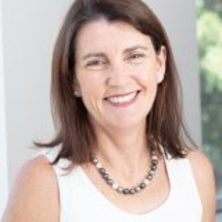
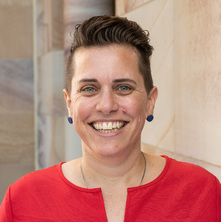
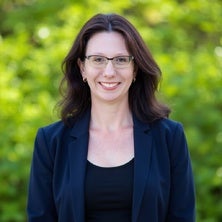
Professor Clair Sullivan is an internationally-recognised leading practising and academic clinical informatician who helps drive digital health transformation in Queensland and globally.
Clair is the Director of the new Queensland Digital Health Centre within the Centre for Health Research at The University of Queensland.
A specialist endocrinologist, Clair graduated with Honours in Medicine from The University of Queensland and earned a Research Doctorate in Medicine from the University of Leeds. In 2014, Clair began a parallel career in the emerging field of digital health and has held significant leadership roles in digital health practice and governance across government and academia. Her work is regularly translated into practice and informs policy in Australia and globally.
Clair is currently Professor of Digital Health at UQ and Conjoint Professor of Community Diabetes at Metro North Health. She is an Adjunct Professor at the Faculty of Health, Queensland University of Technology and an Adjunct Professor, School of Health and Biomedical Sciences at Royal Melbourne Institute of Technology. She is Clinical Director for Community Diabetes at Metro North Health.
She is a fellow of the Royal Australasian College of Physicians, the Australian College of Health Informatics and the Australasian Institute of Digital Health.
Clair serves on several national advisory boards for digital health. She is the recipient of several awards including the 2021 Premier’s Award for Excellence for her team’s work on the digital response to COVID-19 and the 2022 Telstra Brilliant Connected Women in Digital Health Award.
She has generated over $70M in grant funding and has deep collaborations with government and industry. She is ranked in the top 1% of Medical Informatics researchers globally.
Faculty of Health, Medicine and Behavioural Sciences
Availability:
Available for supervision
Media expert
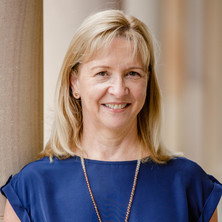
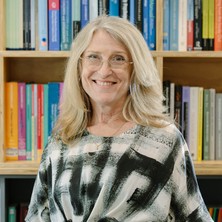
Professor Thomas’ research is focused on the study of the biology and clinical use of human dendritic cells in autoimmune disease. It has explored basic mechanisms of immunity and dendritic cell function in autoimmune disease.
Professor Thomas is a graduate of the University of Western Australia. She received her MBBS in 1984, and then trained in Perth as a rheumatologist. She commenced a research fellowship with Peter Lipsky at Southwestern Medical Center, University of Texas in 1990, where she first identified and characterised human circulating dendritic cell precursors. She is now Professor of Rheumatology at The University of Queensland's Frazer Institute, Translational Research Institute, consultant Rheumatologist at Princess Alexandra Hospital and fellow of the Australian Academy of Health and Medical Sciences. In 2020 she was awarded Member of the Order of Australia. She has founded two spin-off companies Dendright (2006-2021), and Liperate in 2022.
Her research seeks to understand autoimmune disease and restoration of immune tolerance. Through this work, she developed dendritic cell-based citrullinated antigen-specific immunotherapy in the first proof-of-concept trial in Rheumatoid Arthritis. She then developed a liposome immunotherapy that targets dendritic cells to induce antigen-specific tolerance, opening new opportunities for the control and prevention of autoimmune disease. Dendright progressed a liposome-based tolerance strategy for rheumatoid arthritis to a phase I trial, and Liperate is planning to open a trial of a liposome-based tolerance strategy for type 1 diabetes in 2024. She has contributed major insights into immune tolerance mechanisms and interaction between microbiome and the immune system to trigger or control spondyloarthropathy.
Senior Lecturer and Speciality Lead (General Practice)
Medical School
Faculty of Health, Medicine and Behavioural Sciences
Senior Research Fellow
Medical School
Faculty of Health, Medicine and Behavioural Sciences
Higher Degree by Research Scholar
General Practice Clinical Unit
Faculty of Health, Medicine and Behavioural Sciences
Availability:
Available for supervision
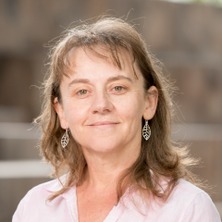
Dr Hayley Thomas is a clinical senior lecturer and senior research fellow with the General Practice Clinical Unit. She is a fellow of the Royal Australian College of General Practitioners and works clinically as a general practitioner (GP). Her previous research has focused upon whole person approaches to care and the GP-patient relationship. Dr Thomas is currently leading a project exploring the experience of Christian spirituality in eating disorders, supported by a grant from The John Templeton Foundation.
Faculty of Health, Medicine and Behavioural Sciences
Availability:
Available for supervision
Media expert
Professor Rachel Thomson is a Head of the Greenslopes Clinical Unit, Thoracic Physician and clinical researcher working at Greenslopes Private Hospital.
She has an international reputation in the area of Pulmonary Nontuberculous mycobacterial disease. She has published widely in the area and is regularly invited to speak at international and national meetings.https://medical-school.uq.edu.au/research/ntm-research-group
Her current research focuses on immunological and environmental aspects of susceptibility to NTM infection, characteristics of the lung and gut microbiome in NTM, and improving treatment outcomes.
In a clinical capacity, Professor Thomson is able to offer patients expert management of their disease at Pulmedica, Greenslopes Private Hospital, at public clinics at The Prince Charles Hospital and the MetroSouth Clinical TB service of the Princess Alexandra Hospital and via telehealth for patients across Australia. Patients can also access novel treatments through clinical trials in both the private and public sector.
Prof Thomson also has a special interest in respiratory problems of the elite athlete. This includes asthma management, vocal cord dysfunction, and the requirements of national and international doping organisations for asthma medications.
Faculty of Health, Medicine and Behavioural Sciences
ATH - Lecturer
PA Southside Clinical Unit
Faculty of Health, Medicine and Behavioural Sciences
Availability:
Not available for supervision
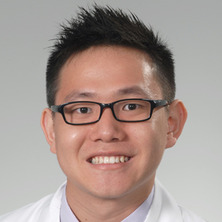
I graduated in 2013 with a MBBS from the University of Queensland. Currently, I work as a Junior Registrar in General Surgery (Pre-training position) at the Logan Hospital in Queensland, Australia. I love teaching medical students and involve myself in meaningful research during my spare time.
I am committed to practicing evidence based, safe and honest medicine in the field of Surgery.
Affiliate of Australian Women's and Girls' Health Research Centre
Australian Women and Girls' Health Research Centre
Faculty of Health, Medicine and Behavioural Sciences
Principal Research Fellow
School of Public Health
Faculty of Health, Medicine and Behavioural Sciences
Availability:
Not available for supervision
Media expert
A/Prof Leigh Tooth is a Principal Research Fellow who specialises in research on maternal and child health and general women's health, in particular on women carers, health inequalities and the socio-economic determinants of health, quality of life and comorbidity.
A/Prof Leigh Tooth is currently Principal Research Fellow and Deputy Director of the Australian Longitudinal Study on Women's Health (ALSWH). She chairs the Data Access Committee of the ALSWH. She is CI on the NHMRC funded Centre for Research Excellence on Women and Non-communicable Disease (CRE WaND): Prevention and Detection (2019–2024). She was CI on the NHMRC funded Mothers and their Children’s Health Study (MatCH) (2014-2018). MatCH is investigating the relationship between mothers’ health history, since 1996, and the family environment to children’s health and development outcomes, including health service utilisation. She is also leading a program of research into health inequalities and the socio-economic determinants of health, and women carers. Her other current research interests are quality of life and comorbidity. Her previous research experiences include a NHMRC Public Health Fellowship (1999-2003), during which she investigated the short and long term functional and community outcomes of people following stroke, and being a NHMRC Fellow with the Longitudinal Studies Unit in the School of Public Health at the University of Queensland researching statistical methodology and teaching into the epidemiology program. She has a PhD and first class honours degree in Occupational Therapy from the University of Queensland.
Affiliate of Centre for Innovation in Pain and Health Research (CIPHeR)
Centre for Innovation in Pain and Health Research
Faculty of Health, Medicine and Behavioural Sciences
Clinical Associate Professor
School of Health and Rehabilitation Sciences
Faculty of Health, Medicine and Behavioural Sciences
Availability:
Available for supervision
Media expert
Julia is a Lecturer and Researcher at the University of Queensland. She has been researching whiplash and neck pain since 2000 and in 2004 completed her PhD focusing on the necks influence on sensorimotor control. She has continued her research in this area in idiopathic neck pain, headache, the elderly and post concussion. She has over 100 publications in this area, written several book chapters and is one of the authors of the book “Management of neck disorders- an evidenced based approach”. Julia works part-time as a physiotherapist in a private practice managing patients such as those with, whiplash, cervicogenic dizziness and post concussion syndrome and been involved as a clinician on several whiplash RCTs. Julia is also an assessor at the Whiplash Physical Diagnostic Clinic. Julia has been an invited speaker at many national and international conferences and workshops in the area of neck pain, whiplash, concussion and dizziness.
Faculty of Health, Medicine and Behavioural Sciences
Affiliate of Centre for Innovation in Pain and Health Research (CIPHeR)
Centre for Innovation in Pain and Health Research
Faculty of Health, Medicine and Behavioural Sciences
Availability:
Available for supervision
Media expert
Professor Kylie Tucker is Deputy Head of School in the School of Biomedical Sciences at The University of Queensland and leads the Faculty of Health, Medicine and Behavioural Sciences People Portfolio. She is passionate about creating environments where academics can thrive, grow and make meaningful contributions throughout their careers.
Kylie's work sits at the intersection of academic leadership, career development, promotion readiness and professional identity. Through leadership programs, workshops and facilitated peer learning, she creates psychologically safe spaces where academics can reflect on their careers, identify their strengths and values, craft coherent professional narratives, and build meaningful networks that support their future growth. Her emerging platform, Academic Identity and Impact, is founded on the belief that academics must first understand their identity before they can fully understand and articulate their impact.
Alongside these leadership activities, Kylie leads a positive and collaborative research environment that brings together fundamental scientists and clinical researchers to advance knowledge of human movement, rehabilitation and musculoskeletal health. Her research has transformed understanding of how pain influences movement, advanced approaches to estimating muscle forces, and improved assessment of childhood movement control and adolescent skeletal maturity.
More recently, Kylie has drawn on her expertise in movement science to investigate the mechanisms underlying adolescent idiopathic scoliosis. Affecting approximately one child in every Australian classroom, scoliosis remains a condition with no known cause and limited evidence to guide non-invasive intervention. Her research group has identified novel, targetable muscle characteristics that can be detected early in curve progression, creating new opportunities to improve treatment and reduce the need for spinal fusion surgery.
Kylie remains deeply committed to teaching and educational leadership, having taught muscles and movement control across multiple UQ programs to cohorts ranging from small specialist classes to more than 1,400 students. Within the School of Biomedical Sciences she has served as Deputy Director of Teaching and Learning (2018–2020), inaugural Chair of the REMEDE Committee (2021–2023), Director of Teaching and Learning (2024–2025), and Deputy Head of School (2026–present).
Kylie also co-facilitates UQ's flagship Career Progression for Women program and is committed to helping academics develop confidence, clarity and connection in their careers. Across all her leadership roles, she is known for fostering supportive academic cultures that empower individuals to understand their strengths, articulate the value they bring, and maximise their impact.
Internationally, Kylie is now Past-President of the International Society of Electrophysiology and Kinesiology (ISEK) (2026–2028), a global organisation dedicated to advancing the study of human movement and the neuromuscular system. She has contributed to the leadership of the Society since 2018.
Affiliate of ARC COE for Children and Families Over the Lifecourse
ARC COE for Children and Families Over the Lifecourse
Faculty of Humanities, Arts and Social Sciences
Affiliate of Parenting and Family Support Centre
Parenting and Family Support Centre
Faculty of Health, Medicine and Behavioural Sciences
Professorial Research Fellow
School of Psychology
Faculty of Health, Medicine and Behavioural Sciences
Availability:
Available for supervision
Media expert
Karen Turner is a clinical psychologist and research academic. She is Deputy Director at the Parenting and Family Support Centre. Her research activity focuses on the impact of evidence-based parenting support on child, family and community outcomes. She is a foundational co-author of the Triple P – Positive Parenting Program and has published more than 50 professional manuals, parent workbooks, tip sheet series, and video programs, which are currently being used in 27 countries, in 20 languages. She has also co-written television segments and four interactive online parenting programs. She has clinical and research experience relating to parent wellbeing, child development, and the prevention and treatment of a variety of childhood behavioural and emotional problems, including work with feeding disorders, pain syndromes and conduct problems. Her research has also focused on the development and evaluation of brief primary care interventions in the prevention of behaviour disorders in children, and the dissemination of these interventions to the professional community. She has also conducted series of research into: online delivery of parenting programs; the cultural tailoring of mainstream parenting programs for Indigenous families; and enhancing the training and post-training environment for Indigenous professionals. Her current work includes further resource development for primary care settings, early education settings, and an ongoing focus on making evidence-based parenting support programs more accessible for First Nations families, and in low-resource and developing communities.
Faculty of Health, Medicine and Behavioural Sciences
Availability:
Available for supervision
Dr Turpin’s research centres on the clinical/professional reasoning of occupational therapists across the spectrum of experience from new graduates to experts, as well as the subjective experiences of people with disabilities. She specialises in the use of qualitative research methods and uses a variety of qualitative research methods in her own research, as well advising others on these research methods. Dr Turpin has written books and book chapters on occupational therapy models of practice, evidence-based practice, and clinical reasoning, as well as publications on various aspects of people's experience. Dr Turpin has been a teaching and research academic at The University of Queensland for more than 30 years. The connection between theory and practice is central to her research and teaching. As occupational therapists attend to both thinking and experience, they need to use rigorous thinking and a deep understanding of human experience in their practice.
Faculty of Health, Medicine and Behavioural Sciences
Availability:
Available for supervision
Media expert
Zephanie is a Senior Research Fellow and occupational therapist based at the Child Health Research Centre, and a member of the management team of the Centre for Children’s Burns and Trauma Research, Brisbane. She has a clinical background specialising in paediatrics and burn care. She has worked clinically and in management positions at Royal Children’s Hospital, Brisbane, in private practice and in research capacity building positions in hospitals and health services.
Since 2013 Zephanie’s research has focussed on developing and validating patient-reported outcome measures, as well as using these measures therapeutically for clinical decision making. She led the development of four versions of the Brisbane Burn Scar Impact Profile which have been translated into Czech and are undergoing cross-cultural validation for Brazilian Portuguese. She has a vision of providing all children and their caregivers with an opportunity to communicate their needs and priorities during treatment in a paediatric hospital or health service.
Her current program of work includes collaborative work with children, their caregivers and health professionals to co-design and test the effectiveness and implementation of technology-based interventions in clinical settings to improve quality of life. These interventions include a web-based intervention for paediatric health professionals to support the psychosocial health of families with a child who has experienced physical trauma, and an electronic intervention for children with skin conditions and their caregivers that provides feedback about the patient's health-related quality of life to health professionals. Zephanie also has a continued interest in investigating the effectiveness and implementation of novel interventions to prevent or improve the impact of skin conditions in children and their families. This includes the use of ablative fractional CO2 laser, medical needling, pressure garment and silicone therapy, medical hypnosis and interventions to promote adherence and reduce the burden of treatment.
Faculty of Health, Medicine and Behavioural Sciences
Availability:
Available for supervision
Media expert
Dr. Susannah Tye joined the Queensland Brain Institute in 2017 and has established a research program within the Asia Pacific Centre for Neuromodulation (QLD, Australia). Before returning to Australia, Dr. Tye directed the Translational Neuroscience Laboratory at the Mayo Clinic (2012-2017). While there she led efforts to develop brain stimulation devices (for rodents and humans) that can quantify neural activity and neurotransmitter dynamics in the living brain. This body of work now forms the basis of the neuropsychiatric arm of the Mayo Clinic’s Deep Brain Stimulation Consortium. Her specific research expertise are in utilising voltammetric (electrochemical) recording techniques to monitor rapid, synaptic neurotransmission in the living brain.
Dr. Tye has over ten years of experience studying neuromodulation in preclinical rodent models and human patients. Her long-term goal is to bridge preclinical and clinical studies to maximise translational impact, specifically in terms of improving patient outcomes for those with severe refractory psychiatric illness. Towards this end, she maintains many international collaborations with both clinical and basic science researchers. Dr. Tye also has a longstanding interest in mentoring young scientists to help them expand their skills in preclinical and basic science research and achieve a successful research career.
Faculty of Health, Medicine and Behavioural Sciences
Availability:
Available for supervision
Media expert
Owen Ung is a breast and endocrine surgeon, Director of the Metro North Comprehensive Breast Cancer Institute (CBCI) and Program lead for the Breast Reconstruction at the Herston Biofabrication Institute (HBI). He is a committed clinician, researcher and educator.
Affiliations:
Professor of Surgery, University of Queensland
Royal Brisbane and Women’s Hospital (RBWH)
Surgical Treatment and Rehabilitation Service (STARS)
Brisbane, Queensland, Australia.
Professional representations:
Vice President Royal Australasian College of Surgeons (RACS).
President of Breast Surgery International (BSI), and executive member of the International Surgical Society (ISS).
Fellow of the Australian Institute of Company Directors (FAICD).
Director Medical Insurance Group Australia (MIGA)
Drector Specialist Services Medical Group
Owen has obtained extensive administrative and management experience through his various clinical leadership roles and representations at numerous state, national and international levels. He has over 90 peer reviewed publications and is a lead investigator for a number of significant trials of international significance.
Faculty of Health, Medicine and Behavioural Sciences
Emeritus Professor
Frazer Institute
Faculty of Health, Medicine and Behavioural Sciences
Availability:
Available for supervision
Media expert
John Upham is a clinical scientist and physician with longstanding research interests in the immunological basis of asthma and chronic lung disease, the role of dendritic cells in allergy and virus infections of the lung, and the development of novel approaches to severe asthma treatment.
John is highly influential in his field, with > 195 publications, > 5,400 citations and an H index of 46. Since 2009, he has 112 publications (1st/senior author on 45%) with a Field-Weighted Citation Impact of 2.03. Moreover, 21.5% of publications are in the top 10% of most-cited publications worldwide (field-weighted). His publications have been cited in >20 different subject areas, demonstrating translation to fields other than Medicine. His research has international reach with citations in 80 countries (Scopus Dec 2018).
In the last 10 years, he has secured over $24 million in research funding. John has been awarded 8 NHMRC Project grants (4 as CIA in the last 5 years), 2 NHMRC CRE (“Closing the gap in Indigenous Lung Health” and “Severe Asthma”), and 1 NHMRC Development Grant. He currently holds NHMRC grants of $7.5 million, including $2.96 million as CIA. John was regularly an invited (9x), plenary (3x) and Chair (9x) at national and international conferences in the last 5 years. In recognition of his international standing and influence in the field, he was elected Fellow of the American Academy of Allergy, Asthma & Immunology (2004) and the Thoracic Society of Australia and New Zealand (2015).
Faculty of Health, Medicine and Behavioural Sciences
Availability:
Available for supervision
Associate professor David Vesey is a leading research scientist in The University of Queensland Centre for Kidney Disease Research at the Translational Research Institute and a senior scientist within the Department of Kidney and Transplant Services at the Princess Alexandra Hospital. He is a graduate of Kings College and Imperial Collage, London University. Postdoctoral studies were at London University and The University of Queensland.
His main research interests are in the area of kidney tubulointerstitial fibrosis, inflammation and cancer – particularly the role that cytokines and growth factors play in these processes. Current projects include the role of protease activated receptor-2 in kidney inflammation and fibrosis, and the mechanism of heavy metal toxicity in the kidney. He manages the Princess Alexandra Hospital Endotoxin Testing Service which routinely tests samples from dialysis units throughout Queensland.
Affiliate of Centre for Innovation in Pain and Health Research (CIPHeR)
Centre for Innovation in Pain and Health Research
Faculty of Health, Medicine and Behavioural Sciences
Affiliate of The Centre for Chemistry and Drug Discovery
Centre for Chemistry and Drug Discovery
Institute for Molecular Bioscience
Affiliate of Centre for Marine Science
Centre for Marine Science
Faculty of Science
Availability:
Available for supervision
Media expert
I am an NHMRC Leadership Fellow with joint apointments at the Institute for Molecular Bioscience (IMB) and School of Pharmacy, UQ. My research interests lie in the fields of peripheral pain mechanisms, target identification and analgesic drug discovery. I investigate the contribution of ion channels to sensory neuronal physiology using highly subtype-selective toxins isolated from venomous animals with the aim to develop novel analgesics with improved efficacy and tolerability.
Affiliate of Centre for Innovation in Pain and Health Research (CIPHeR)
Centre for Innovation in Pain and Health Research
Faculty of Health, Medicine and Behavioural Sciences
Emeritus Professor
School of Health and Rehabilitation Sciences
Faculty of Health, Medicine and Behavioural Sciences
Availability:
Available for supervision
Media expert
I am a Professor Emeritus in Sports Physiotherapy in the School of Health and Rehabilitation Sciences where I am the Director of the Master of Physiotherapy (Musculoskeletal and Sports Physiotherapy Majors) and co-Director of the Sports Injury Rehabilitation and Prevention for Health Research unit. My research is mainly focussed on non-surgical management of persistent musculoskeletal problems like tendon related pain/disability (tendinopathy) and knee cap pain (patellofemoral pain). I also delve into the underlying mechanisms of these conditions and other common sporting injuries (e.g., ankle sprains) – a leading cause of ankle osteoarthritis.
Since gaining my PhD in 2000, I have been awarded over $30million in competitive research funding as a chief investigator to study these conditions – 5 NHMRC project grants, 2 NHMRC CRE, 2 NHMRC program grants, 2 NHMRC MRFF grants and an ARC Linkage grant. I have also conducted over half a million dollars of commercially sponsored research.
I have authored 2 books, 26 book chapters and over 382 peer reviewed publications (h-index 68). My top tendinopathy papers are cited over 10 times more than average for the field – most are published in the top sports/general medicine and physiotherapy journals . I have 2 highly cited papers – in the top 1% of the academic field of Clinical Medicine 2022. I have presented my work world wide in over 300 workshops, seminars and keynote presentations.
I enjoy my role in mentoring early/mid career academics and supervising researh higher degree students – having supervised 40 PhD and 2 MPhil candidates to completion. In this capacity I lead the physiotherapy research higher degree seminar series where our students engage in presenting their work and hearing from top international researchers on a range of relevant topics. One reason why my work was recently recognised by the school award for research mentoring.
Visscher joined the University of Queensland in 2011, where he is Professor of Quantitative Genetics. He is a Laureate Fellow of the Australian Research Council. Visscher was elected a Fellow of the Australian Academy of Science in 2010, a Fellow of the Royal Society (London) in 2018 and a Foreign Member of the Royal Netherlands Academy of Arts and Sciences in 2018.
Visscher’s research is about genetic variation for complex traits (including quantitative traits and disease) in populations, with the broad aim to understand and quantify the causes and consequences of human trait variation.
Prof Peter Visscher, Prof Naomi Wray and Prof Jian Yang together comprise the Executive Team of the Program in Complex Trait Genomics (PCTG). PCTG comprises a critical mass of more than 30 post-doctoral researchers plus research assistants and students, all supported by external grant funding. Their skills lie in the ability to develop and apply statistical methods within the framework of quantitative, population and statistical genetics and to use theory to understand and predict results from data analyses. They play leading roles in the international research consortia. The focus of current research activities is in the detection and fine-mapping of loci underlying complex traits (including common disease), based upon theoretical studies and applications of methods to large datasets, in population genetics studies using theoretical approaches and high-density genetic marker data, and in systems genomics studies.