Affiliate of University of Queensland Centre for Hearing Research (CHEAR)
Centre for Hearing Research
Faculty of Health, Medicine and Behavioural Sciences
Professor
School of Psychology
Faculty of Health, Medicine and Behavioural Sciences
Availability:
Not available for supervision
Media expert
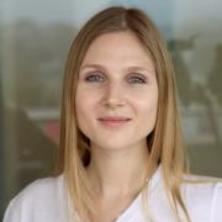
Dr Nancy A. Pachana is a clinical geropsychologist, neuropsychologist and Professor of Clinical Geropsychology in the School of Psychology at The University of Queensland. She is Program Lead of the Age Friendly University Initiative at UQ. She is also co-director of the UQ Ageing Mind Initiative, providing a focal point for clinical, translational ageing-related research at UQ. She has an international reputation in the area of geriatric mental health, particularly with her research on late-life anxiety disorders. She is co-developer of the Geriatric Anxiety Inventory, a published brief self-report inventory in wide clinical and research use globally, translated into over two dozen languages. She has published over 350 peer-reviewed articles, book chapters and books on various topics in the field of ageing, and has been awarded more than $25 million in competitive research funding, primarily in the areas of dementia and mental health in later life. Her research is well-cited cited and she maintains a clear international focus in her collaborations and research interests, which include anxiety in later life, psychological interventions for those with Parkinson’s Disease, nursing home interventions, use of assistance animals in later life, older adults and environmental sustainability, strategies for healthy ageing and healthy retirement, driving safety and dementia, teaching and learning in psychogeriatrics and mental health policy and ageing.
Her edited book, Casebook of Clinical Geropsychology (Oxford University Press, 2010), has proven a popular text for clinical geropsychology training in North America. Her edited book, the Oxford Handbook of Clinical Geropsychology (Oxford University Press, 2014), brings together an international perspective on a wide range of current and emerging topics in the field. Her Encyclopedia of Geropsychology (Springer, 2016) contains nearly 350 entries by international experts. Her text Ageing, A Very Short Introduction (2016), part of the popular Oxford University Press VERY SHORT INTRODUCTION series; this work has recently been translated into Chinese and Vietnamese. Most recently, she has edited Anxiety in older people: Clinical and research perspectives (Cambridge University Press, 2021) with longstanding colleague Professor Gerard Byrne (UQ Psychiatry).
Nancy was elected a Fellow of the Academy of Social Sciences in Australia in 2014. She is also a Fellow of the Australian Psychological Society, and is the recipient of numerous prizes and awards, including an Australian Davos Connection Future Summit Leadership Award, for leadership on ageing issues in Australia. In 2020 she was named the recipient of the M. Powell Lawton Lifetime Acievement Award, from the American Psychological Association’s Society of Clinical Geropsychology, acknowledging considerable and sustained efforts, in scholarship, publishing, and service, to promote geropsychology in general and the well-being of persons living with dementia in particular.
She serves on the editorial boards of several journals, including Psychology and Aging (Q1). Originally from the United States, Nancy was awarded her AB from Princeton University in 1987, her PhD from Case Western Reserve University in 1992, and completed postdoctoral fellowships at the Neuropsychiatric Institute at UCLA, Los Angeles, and the Palo Alto Veterans Medical Center, Palo Alto, California. She is an avid bird watcher and photographer and an intrepid traveller.
School of Electrical Engineering and Computer Science
Faculty of Engineering, Architecture and Information Technology
Availability:
Not available for supervision
Media expert
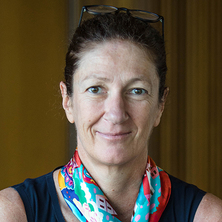
Dr Antonio Padilha L. Bo completed the BEng and MSc at the University of Brasília, Brazil, in 2004 and 2007, respectively, and he was awarded the PhD from the University of Montpellier, France, in 2011. From 2011 to 2019, he has been a tenured assistant professor in electrical engineering at the University of Brasilia, Brazil, where he coordinated Project EMA (Empowering Mobility and Autonomy), which is one of the teams that took part in the Cybathlon competition in 2016 and 2020. He has co-authored over 75 peer-reviewed publications, including awards from societies such as IFAC, IFESS, and MICCAI.
Over the past ten years, Dr Bo has been engaged in research projects concerning the development of technology dedicated to healthcare, particularly in the design of systems to be directly used by a patient in rehabilitation or assistive settings. Every effort featured strong experimental work and was conducted in close collaboration with local rehabilitation centers. In his work, tools from neuroengineering, robotics, control, virtual reality, and instrumentation are often integrated to create devices and algorithms to sense and control human motion. For instance, he has used wearable sensors to segment and estimate parameters of human movement in real-time, a technique that may lead to novel rehabilitation protocols. More importantly, his work has also focused on developing closed-loop control strategies for electrical stimulation applications and prosthetic/orthotic devices. Some examples include systems based on superficial electrical stimulation to enable persons with spinal cord injury to exercise using the lower limbs (e.g. in cycling or rowing) and to attenuate the effects of pathological tremor in essential tremor and Parkinson's Disease.
His long-term research goal is to develop and evaluate the use of noninvasive technology, including electrical stimulation, robotics, virtual reality, and wearable devices, for improving rehabilitation and assistance for persons with motor disabilities.
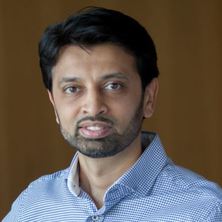
Chiara is Professor in Veterinary Pathology at the School of Veterinary Science (SVS) of the University of Queensland (UQ). She is a board certified specialist veterinary pathologist (Diplomate of the European College of Veterinary Pathology), graduated with a DVM from the University of Teramo (Italy) in 2002 and a PhD in Ultrastructural Pathology in 2006. Before joining UQ in 2012, she has been working as an Assistant Professor in Veterinary Pathology at the University of Teramo (Italy). She has a specific research interest is small animal oncology, in particular canine prostate cancer, and veterinary oncoepidemiology. She is Chair of the canine prostate cancer subgroup at the Oncology Pathology Working Group (OPWG), co-coordinator of the Global Initiative for Veterinary Cancer Surveillance (GIVCS) committee for the establishment of international standards of veterinary cancer registration and team leader of the comparative oncology theme of the Queensland Alliance of One Health Science. She is also member of the board of the Veterinary Cancer Guidelines and Protocols (VCGP) group, member of the Oncology Committee of the World Small Animal Veterinary Association (WSAVA) and chair of the ESVP/ECVP DEI task force. She is past President of the Australian Society for Veterinary Pathology and, within UQ SVS, she has been postgraduate coursework coordinator (2014-2017), HDR coordinator (2017-2019) and Director of Research (2019-2021). She is now coordinator of the UQ SVS veterinary pathology postgraduate training program. She has received several academic awards, including SVS awards for research excellence (2017, 2021), best lecturer (2021, 2022, 2023, 2024), and UQ award for excellence in HDR supervision (2020). She has published more than 120 papers on international journals, 3 book chapters and numerous abstracts in proceedings of national and international conferences. She has > 15 years expertise in veterinary diagnostic pathology, histopathology, IHC and TEM in multiple species. Since her first academic appointment in 2005, she mentored several postgraduate and undergraduate students in diagnostic investigation of animal cancer and research in canine oncology. Although outside the field of comparative oncology, she also a unique expertise in avian pathology and transmission electron microscopy.
Affiliate Professor of School of Biomedical Sciences
School of Biomedical Sciences
Faculty of Health, Medicine and Behavioural Sciences
Affiliate of Centre for Cardiovascular Health and Research
Centre for Cardiovascular Health and Research
Faculty of Health, Medicine and Behavioural Sciences
Affiliate of The Centre for Cell Biology of Chronic Disease
Centre for Cell Biology of Chronic Disease
Institute for Molecular Bioscience
National Heart Foundation of Australia Future Leader Fellow - Group Leader
Institute for Molecular Bioscience
Availability:
Available for supervision
Media expert
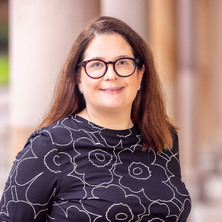
Professor Nathan Palpant is a cardiovascular scientist whose research integrates human genetics, computational genomics, stem-cell biology and drug discovery to understand the mechanisms of cardiovascular disease and translate these discoveries into new diagnostics and therapies.
His research focuses on why individuals differ in their susceptibility to heart disease, severity of myocardial injury and response to treatment. His laboratory studies inherited and environmental determinants of cardiovascular disease using population-scale genomics, human pluripotent stem-cell models and experimental models of cardiac injury. Major areas of research include myocardial infarction and cardioprotection, heart failure, inherited cardiovascular disease, cardiometabolic disease, complex-disease subtyping and precision medicine.
His research aims to connect fundamental discovery with clinical and commercial translation. His laboratory identified ASIC1a as a therapeutic target for myocardial injury, leading to first-in-class cardioprotective therapeutics now undergoing clinical development through Infensa Bioscience. He has also established Rosella Therapeutics to develop a new class of macrocyclic peptide therapeutics targeting cardiac muscle function to treat heart failure.
His broader research program develops genomic approaches for resolving biological subtypes of complex disease, functional genomics approaches for interpreting rare cardiovascular disease variants, and human stem-cell platforms for understanding genetic and environmental determinants of disease and drug response.
Faculty of Health, Medicine and Behavioural Sciences
Availability:
Not available for supervision
Prof Ben Panizza is the Chairman of Otolaryngology - Head and Neck Surgery for Metro South and Director of the Queensland Head and Neck Cancer Centre. He has been active in head and neck cancer management for 27 years. He has created innovative approaches in dealing with malignancies extending to the skull base one of the most anatomically complex regions of the body. He is recognised as a world leader in cutaneous malignancy extending to the temporal bone and perineurial spread of keratinocyte skin cancers, being regularly invited overseas to present. Prof Panizza is active in integrating new treatments with surgery to change treatment paradigms and improve outcomes for patients. He is a professor in the Faculty of Medicine at the University of Queensland and works collaboratively with basic scientist and has supervised to completion 28 research higher degrees over the last 12 years. He has established an in department clinical trials unit to run clinical trials from proof of principle to phase 3 clinical trials enabling access and rapid translation for his scientific partners at the Princess Alexandra Hospital which has one of Australia's largest head and neck clinics. Prof Panizza is a clinical consultant and advisor to industry (Merck, Sanofi, QBiotics, Decibel Therapeutics) and sits on the governing bodies of both the International Federation of Head and Neck Oncological Societies and The World Federation of Skull Base Societies. He has been the President of the Australian and New Zealand Head and Neck Cancer Society and was the Foundation president of the Australian and New Zealand Skull Base Society. He is active in publishing and sits on the editorial boards of the major head and neck journals (Head Neck, Oral Oncology, Skull Base, ANZ Journal of Surgery).
Faculty of Health, Medicine and Behavioural Sciences
Availability:
Not available for supervision
Zoe is a Honorary Research Fellow with the School of Human Movement and Nutrition Sciences. She also currently holds an appointment as a Senior Research Officer with the Mental Health Evaluation Research Stream at Queensland Centre for Mental Health Research (QCMHR), where she leads and manages large-scale evaluation projects that seek to enhance mental health services within Queensland. During her time at QCMHR, she has worked on several state-wide evaluations for Queensland Health - including of their Crisis Support Spaces, Adolescent Day Program and Youth and Adult Step-Up-Step-Down Programs.
Zoe's research work largely focuses on the development, implementation and evaluation of interventions that seek to promote positive health behaviours and which improve social and mental health outcomes. Previously, she developed and trialled a behavioural support program (Active Choices) for the Department of Veterans Affairs, with the aim of increasing self-managed physical activity and social connectedness in Australian Defence Force veterans. Zoe has also designed and evaluated a brief motivational intervention for cannabis users (iAx), which is now in routine use at the Princess Alexandra Hospital.
In addition to her work as a researcher, Zoe has held roles in health consulting where she assisted State and Federal Government agencies, PHNs and peak bodies to design, implement and review health services, programs and policies.
Zoe's educational background in psychology, having completed a Bachelor of Psychological Science (2013) and Doctor of Philosophy (2020) in this discipline.
Faculty of Health, Medicine and Behavioural Sciences
Availability:
Available for supervision
Media expert
Marie-Odile Parat (MO) joined the School of Pharmacy as Senior Lecturer in December 2007.
MO obtained her Pharm.D. from University Joseph Fourier in Grenoble, France, a Masters in Cutaneous Biology from University Claude Bernard in Lyon, France and her Ph.D. in Cell Biology from University Joseph Fourier in Grenoble, France. She further has post graduate diplomas in the fields of Biomedical and Industrial Pharmacy, Photobiology, Pharmaceutical Management, and Public Health.
MO did her Pharmaceutical Residency at the University Hospitals of Grenoble, France in the Sterile Pharmaceutical Supplies Headquarters, the Department of Nuclear Medicine, and the Laboratory Medicine Department of Biochemistry. Attracted by international working experience, she carried out research within the R&D laboratories of Estee Lauder in Melville, NY. She further worked for the United Nations International Trade center in Geneva, Switzerland, where she was the Product Specialist on market information for pharmaceutical raw materials/essential drugs for three years in collaboration with the World Health Organization.
She later performed post-doctoral research in the Universidade de São Paulo, SP, Brasil and The Cleveland Clinic Foundation in the United States. She was appointed as a Staff Scientist in the Center for Anesthesiology Research of the Cleveland Clinic in 2003, an Assistant Professor of Molecular Medicine in the Cleveland Clinic Lerner College of Medicine of Case Western Reserve University, and a Member of the Case Cancer Center.
During her research career MO has attracted awards from various funding agencies including the Research Funding Agency of the State of São Paulo (FAPESP), the American Heart Association, the Ohio Cancer Research Associates, the American Cancer Society, the National Heart Foundation of Australia, Cancer Council Queensland, Australian and New Zealand College of Anaesthetists and the Australia Research Council (ARC).
The long term goal of the Parat laboratory is to provide insight for novel cancer therapies. A basic science team focusses on endothelial and cancer cell migration, invasion, angiogenesis, and specialized plasma membrane subdomains termed caveolae. A translational axis of research evaluates novel mechanisms by which opioids administered to cancer patients modulate the risk of long term tumour recurrence and metastasis. More recently, MO's work on mechanisms linking opioids to cancer is contributing to the OPICO consortium
Director, Research of School of Pharmacy and Pharmaceutical Sciences
School of Pharmacy and Pharmaceutical Sciences
Faculty of Health, Medicine and Behavioural Sciences
Affiliate of ARC Training Centre for Environmental and Agricultural Solutions to Antimicrobial Resis
ARC Training Centre for Environmental and Agricultural Solutions to Antimicrobia
Institute for Molecular Bioscience
Associate Professor
School of Pharmacy and Pharmaceutical Sciences
Faculty of Health, Medicine and Behavioural Sciences
Availability:
Available for supervision
Media expert
Harendra's research interests span pharmaceutical medicinal chemistry and pharmaceutics as applied to innovative formulation & device co-development, and advanced non-viral, bioresponsive drug/gene delivery system design, synthesis and evaluation. His team at the School of Pharmacy & Pharmaceutical Sciences have been instrumental in developing highly innovative and versatile platform delivery systems: for direct, nose-to-brain delivery of therapeutics with their Sol-Gel platform; a US-patented bioresponsive linker technology for stabilisation of peptide therapeutics in their natural conformation, transforming endogenous molecules into safe & effective medicines; engineering bioresponsive lipid nanoparticles (bLNPs) with tissue targeting and a unique gene 'catch-&-release' feature; micro- & nanobubble formulations, which when used in-conjuction with ultrasound, pave the way for improved rates of 'on-demand' drug delivery and release in target tissue e.g. for ocular indications. Harendra actively engages with pharma industry executives, and investors, globally, to showcase his array of disruptive platforms designed with clinical translation front and centre of all research endeavours.
BScPharm(Hon I), PhD (Nottingham)
Harendra completed his BSc in pharmacy (UK) and registered as a Pharmacist in 1998. He went onto undertake his PhD in Medicinal Chemistry at the University of Nottingham in the same year. Under the supervision of Dr B. Kellam and Dr. S. R. Chhabra he investigated the development of novel linkers for solid phase peptide and glycopeptide synthesis. Harendra was awarded his PhD in 2002, and after a short time working in community pharmacy in the UK relocated to Australia and took up a position as research officer in the School of Chemistry at UQ. He continues to be a member of the Royal Pharmaceutical Society of GB and is also registered with the AHPRA (pharmacist) in QLD.
Dr Parekh was appointed to a teaching and research role in the School of Pharmacy & Pharmaceutical Sciences in 2005. He is Scientific Founder & Chief Research Officer of two start-up companies that hold his platform technologies at their core (www.preveceutical.com; www.biogenetherapeutics.com). He also holds an adjunct-Faculty position at Manipal College of Pharmaceutical Sciences, Manipal University (India).
Affiliate of ARC Research Hub to Advance Timber for Australia's Future Built Environment (ARC Advanc
ARC Research Hub to Advance Timber for Australia's Future Built Environment
Faculty of Engineering, Architecture and Information Technology
Affiliate of Centre for Business and Organisational Psychology
Centre for Business and Organisational Psychology
Faculty of Health, Medicine and Behavioural Sciences
Associate Professor
School of Psychology
Faculty of Health, Medicine and Behavioural Sciences
Availability:
Available for supervision
As an Associate Professor and endorsed Organisational Psychologist at UQ's School of Psychology, Stacey Parker researches, supervises, teaches, and consults on a broad range of work and organisational topics. Through her research, she aims to help organisations and their employees devise new strategies for balancing and realising the dual concerns of feeling well and performing well. To this end, she has researched employee stress, well-being, motivation, and performance in a range of high-performance settings (e.g., small business owners, professional musicians, elite athletes, and safety critical work in healthcare and transport industries). She also supplements this field research with a program of basic research using work simulation paradigms.
Some of her specific research topics include: how workers manage their energy during work; how workers recover from work stress in off-the-job time; how jobs and careers can be designed to maximise well-being, motivation, and performance; she also explores the 'hidden costs' of performance management systems. Beyond these core areas, she has also contributed to other topics through theoretical (i.e., self-determination theory) and methodological (i.e., physiology, experience sampling, work simulation) expertise in academic, industry, and student-based collaborations. For example, in areas like supervisor support, diversity and inclusion, employee voice, employee green behaviour, compassion science, and social identity.
Passionate about doing practically-relevant research, though her consulting and advisory work she has helped both public and private organisations tackle issues with selection and recruitment, training and development, career management, work design, culture change, and operational safety. She also regularly engages with the media on topics related to her expertise and her research and/or commentary has been featured in outlets like TIME Magazine, Harvard Business Review, HR Magazine, and ABC’s popular podcast This Working Life. She currently serves on the Editorial Boards for the Journal of Occupational Health Psychology, Journal of Occupational and Organizational Psychology, and the European Journal of Work and Organisational Psychology. Her achievements and contributions to the discipline and profession have been recognised by the Australian Psychological Society, with a Doctoral Thesis Award in Occupational Health Psychology (2013) and Early Career Award in Organisational Psychology (2022).
Faculty of Health, Medicine and Behavioural Sciences
Affiliate of ARC COE for the Digital Child (UQ Node)
ARC COE for the Digital Child
Faculty of Health, Medicine and Behavioural Sciences
Affiliate of ARC COE for Children and Families Over the Lifecourse
ARC COE for Children and Families Over the Lifecourse
Faculty of Humanities, Arts and Social Sciences
Availability:
Available for supervision
Media expert
Dr Cassandra Pattinson research centres around exploring the effects of sleep and circadian rhythms on health, wellbeing, and recovery across the lifespan. Dr Pattinson is a Senior Research Fellow at the Child Health Research Centre (CHRC), an ARC Discovery Early Career Award (DECRA) Fellow, and a Senior Research Fellow as part of the the ARC centre of Excellence for the Digital Child. Her work has been supported by the ARC, NHMRC, NIH and the DSTG, as well as the Australian Federal Government and Queensland Government.
Her research has involved a range of populations from children and adolescents, through to military personnel and athletes. Dr Pattinson's research spans a range of study designs and methodologies, including longitudinal studies tracking large child cohorts (>2000 children), standard observation techniques, survey and individualised standard child assessment, as well as studies employing physiological (actigraphy, spectrometry) and biological (hormones, proteomic, genomic) designs. Dr Pattinson also has a strong track record in research translation, these have included manuscripts in top scientific journals, reports for government and non-government organisations, development of professional development programs, as well as designing and presenting vodcasts and resources (e.g. fact sheets, workshops) to parent groups, young adults, government departments and the early childhood sector.
At CHRC Dr Pattinson is a part of the Community Sleep Health Group. This group collaborates with many other groups around broader issues of sleep and technology, sleep and the environment (including disasters), mental health and wellbeing, pain, disability, and new technologies and approaches.
Faculty of Health, Medicine and Behavioural Sciences
Availability:
Not available for supervision
Emeritus Professor Michael Pender graduated from The University of Queensland in 1974 with First Class Honours in Medicine and a University Medal. Over the next six years he trained as a physician and neurologist at the Royal Prince Alfred Hospital and St Vincent's Hospital, Sydney, and became a Fellow of the Royal Australasian College of Physicians (FRACP) in 1981. During his specialist clinical training he developed a keen interest in multiple sclerosis which he has continued since then. After completing his clinical training in neurology, he was a research scholar in the field of multiple sclerosis at the Institute of Neurology, Queen Square, London, and was awarded a PhD from the University of London and Queen Square Prize for Research in 1983. From 1984 to 1986 he continued this research as a Research Fellow at the John Curtin School of Medical Research, Australian National University, Canberra. In 1987 he was appointed Senior Lecturer in the Department of Medicine, The University of Queensland, at the Royal Brisbane Hospital. In 1989 he was awarded a Doctorate of Medicine from The University of Queensland for his research in the field of multiple sclerosis and was promoted to Reader in Medicine. In 1995 he was promoted to Professor of Medicine (Personal Chair), The University of Queensland, which he held until his retirement in 2021. His main clinical and research interest is multiple sclerosis. He also held the positions of: Consultant Neurologist, Royal Brisbane and Women's Hospital, 1987–2021; Director of Neurology, Royal Brisbane and Women's Hospital, 1992–2005: Director of the Neuroimmunology Research Centre, The University of Queensland, 1991–2007; Director of the Multiple Sclerosis Research Centre, The University of Queensland, 2009–2014; and Clinical Fellow, QIMR Berghofer Medical Research Institute, 2017–2021. In 1996, with the support of the Multiple Sclerosis Society of Queensland, he established a Multiple Sclerosis Clinic at the Royal Brisbane and Women's Hospital. In 2006 he was awarded the Multiple Sclerosis Australia Prize for Multiple Sclerosis Research - "For outstanding commitment and dedication to research into the cause and cure of Multiple Sclerosis in Australia". In 2011 he received the John H Tyrer Prize in Internal Medicine, The University of Queensland, for research in the field of Internal Medicine. He was the Sir Raphael Cilento Orator of the Royal Australasian College of Medical Administrators for 2009 and the W Ian McDonald Lecturer of the Australian and New Zealand Association of Neurologists for 2014. In 2019 he received the John Studdy Award from Multiple Sclerosis Australia for "lifelong commitment and service to research to identify the cause of and potential cure for Multiple Sclerosis". In 2024 he was appointed a Member of the Order of Australia for significant service to medicine, particularly neurology and multiple sclerosis research, and to tertiary education. Major research achievements include: the discovery of apoptosis of autoreactive T cells in the central nervous system as a fundamental mechanism of recovery from autoimmune attack (Journal of the Neurological Sciences 1991, Journal of Autoimmunity 1992, European Journal of Immunology 1994); formulation of a novel hypothesis (The Lancet 1998) proposing a failure of this mechanism in multiple sclerosis; and the further development of this hypothesis into a new paradigm (Trends in Immunology 2003) for the cause of human chronic autoimmune diseases based on infection of autoreactive B cells with the Epstein–Barr virus (EBV), some of the predictions of which have already been verified in multiple sclerosis, rheumatoid arthritis and Sjögren’s syndrome. His EBV hypothesis led to the first clinical trial of EBV-specific T cell therapy in multiple sclerosis (JCI Insight 2018), a trial in which he was a principal investigator.
Group page: https://medicine-program.uq.edu.au/multiple-sclerosis-research-group
Faculty of Health, Medicine and Behavioural Sciences
Availability:
Not available for supervision
Yang is currently a Adjunct Research Fellow at Prince Charles Hospital Northside Clinical Unit, UQ Faculty of Health, Medicine and Behavioural Sciences. He has extensive experience in analysing large-scale national and international health surveys and hospitalisaiton datasets with complex statistical models. He is interested in answering a couple of research questions in the population level (e.g. the associations between modifiable behaviors and chronic diseases; the inequalities in chronic disease risk).
I began my career working in industry for a company which specialised in in vitro diagnostic assays, for both human and veterinary health (AGEN Biomedical). There, I worked as a scientist for almost a decade in numerous departments of the commercialisation pipeline, including manufacturing, product development and research. Following this, I completed a PhD (2010) with the Australian Biosecurity Co-operative Research Centre for Emerging Infectious Disease and have since worked as a virologist at The University of Queensland.
My current research focuses on mosquito-borne virus discovery and the development of innovative vaccine and diagnostic platforms. Together, these research interests have culminated in a greater understanding of the mosquito virome and the development of new approaches for the detection of novel viruses. These include high throughput sequence and antigen-independent assays and the development of suites of unique monoclonal antibodies (mAbs), which in conjunction with deep sequencing platforms, provide comprehensive virus discovery strategies. Using this repertoire, I have been involved in the discovery and extensive genetic and phenotypic characterisation of new mosquito-borne viruses, belonging to more than six viral taxon (including Flaviviridae, Mesoniviridae, Bunyavirales, Reoviridae, Negevirus, Nodaviridae).
Harnessing the unique mosquito-specific growth restriction of the insect-specific flaviviruses that we discovered, my research now focuses on the application of these viruses to the development of novel, safe vaccines and diagnostics for multiple pathogenic flaviviruses.
Faculty of Health, Medicine and Behavioural Sciences
Affiliate of Centre for Orofacial Regeneration, Reconstruction and Rehabilitation (COR3)
Centre for Orofacial Regeneration, Reconstruction and Rehabilitation
Faculty of Health, Medicine and Behavioural Sciences
Deputy Head of School & Professor of Endodontics
School of Dentistry
Faculty of Health, Medicine and Behavioural Sciences
Availability:
Available for supervision
Media expert
Dr. Ove A. Peters is a clinician-scientist at the UQ School of Dentistry; his expertise is in endodontics, including root canal treatment and vital pulp therapy, combining lab research with clinical studies and >35 years of experience as a dentist.
Dr. Peters joined UQ in 2020 after faculty positions in Heidelberg, Germany and Zurich, Switzerland, as well as at the University of California, San Francisco. He also was the founding director of the postgraduate endodontic program at the Arthur A. Dugoni School of Dentistry in San Francisco, a professor with tenure and the Chair of the Department of Endodontics at that school.
Dr. Peters has published more than 250 manuscripts related to endodontic technology and biology and has authored two books as well as book chapters in several leading textbooks in dentistry; he is an associate editor for the International Endodontic Journal, an academic editor for PLOS One and serves on the review panels of multiple other journals. Among other honours, Dr Peters has received the Hans Genet Award of the European Society of Endodontology, the Louis I. Grossman Award of the American Association of Endodontists and recently the Distinguished Scientist Award in Pulp Biology by the IADR. He is a Diplomate of the American Board of Endodontics, a member of OKU and a Fellow of both the International and American Colleges of Dentistry.
Faculty of Health, Medicine and Behavioural Sciences
Affiliate of Centre for Extracellular Vesicle Nanomedicine
Centre for Extracellular Vesicle Nanomedicine
Faculty of Health, Medicine and Behavioural Sciences
Availability:
Available for supervision
Media expert
Professor Pettit leads the Bones and Immunology Research Group at Mater Research Institute-UQ and is Director of Biomedical Research for Mater Research. Professor Pettit has led multidisciplinary research discovering intersecting biological mechanisms across the fields of immunology, rheumatology, cancer biology, haematology and bone biology. Professor Pettit is currently a UQ Amplify recipient associated with an ARC Future Fellowship, 2017-2020 and CIA on an NHMRC Ideas Grant, 2022-25. Major contributions led by Professor Pettit include the paradigm shifting discovery of a novel population of resident macrophages, osteal macrophages (osteomacs), and their role in promoting bone formation and bone regeneration after injury. Her team have published over 17 manuscripts based on this original discovery (with over 1700 citations) including translation of this basic research discovery toward eluciating novel disease mechanism from cancer bone metastasis to osteoporosis. This also led to the novel discovery of bone marrow resident macrophage contributions to supporting blood stem cells niches and the key role that these cells play in protecting this vital niche from cancer therapies. Bone marrow and specifically haematopoietic stem cell damage is one of the most serious and life-threatening side effects of cancer therapies. Here discoveries are cited in over 117 patent documents and she is currently collaborating with a major pharmaceutical partner.
Professor Pettit's leadership and achievements have been recognised through multiple awards including the 2019 UQ Faculty of Medicine Leader of the Year (Academic), Women in Technology 2018 Life Sciences Outstanding Achievement Award and becoming a Fellow of the American Society of Bone and Mineral Research. Professor Pettit has been invited to give numerous presentations at national and international conferences including Seoul Symposium on Bone Health, Asia-Pacific League of Associations for Rheumatology Congress and a prestigious American Society of Bone and Mineral Research Meet-the-Professor session. Professor Pettit is and Associate Editor for the Journal of Bone and Mineral Research, is an past Council member for the Australian and New Zealand Bone and Mineral Society, and chairs or serves on numerous committees including the Association of Australian Medical Research Institutes Gender Equity, Diversity and Inclusion Committee. PhD candidates under Professor Pettit's supervision have all been supported by scholarships (including 2 x NHMRC), received numerous local and national awards (e.g. Dr Alexander, ASMR QLD Premier Postgraduate Award, 2011 and Dr Lena Batoon won the UQ Faculty of Medicine Graduate of the Year Award, 2021), all had high quality first author publications at completion and 2 received UQ Dean’s Commendations.
I got my BSc degree from the University of Natural Sciences in Vietnam. I spent the next two years working on characterisation of multi-drug resistant Mycobacterium tuberculosis with Dr Maxine Caws at the Oxford University Clinical Research Unit in Ho Chi Minh City, Vietnam. I went to the Wellcome Trust Sanger Institute and the University of Cambridge, UK to do my PhD in Prof. John Wain lab where I studied molecular mechanisms affecting the stability of IncHI1 multidrug resistant plasmids in Salmonella Typhi. I then moved to Australia to join the group of Prof. Mark Schembri at the School of Chemistry and Molecular Biosciences, University of Queensland. I am now working on identifying novel virulent factors in uropathogenic E. coli, especially in the newly emerged but globally spread ST131 clone, using high-throughput transposon mutagenesis and next-gen sequencing. I also maintain my interest in plasmid biology and have started projects to study multidrug resistant plasmids carrying blaCTX-M-15 or blaNDM-1 resistant genes.
Australian Institute for Bioengineering and Nanotechnology
Availability:
Available for supervision
Dr Giovanni Pietrogrande is based at the Australian Institute for Bioengineering and Nanotechnology (AIBN), where he is the Synthetic Neuroimmunology Theme Leader.
He leads the development of advanced human brain and spinal cord organoid models to study neuroinflammation, demyelination and neurodegeneration, with a particular focus on how microglia, oligodendrocytes and other neural cells interact to drive diseases such as multiple sclerosis and motor neuron disease, and on using this knowledge to identify and test new therapeutic strategies. His research program is supported by competitive funding from HNMRC, MS Australia, MND Research Australia and FightMND, underscoring the translational impact and clinical relevance of his work.
Together with his team, he works on a broad range of problems, from engineering next-generation immune-based cell therapies and endowing central nervous system organoids with a functional immune system, to modelling their interactions with immune cells to fully reproduce neurodegenerative and neuroinflammatory pathologies. The group also leverages synthetic biology to design new strategies to rebalance neuroinflammation, promote remyelination and repair neural circuits.
Faculty of Health, Medicine and Behavioural Sciences
Availability:
Available for supervision
Amanda Pigott (BOccThy, PhD) is an occupational therapist with over 25 years’ experience in oedema and lymphoedema management. Amanda has a bachelor’s degree in occupational therapy and a PhD obtained studying the side effects of cancer treatment. Amanda is passionate about improving oedema management. To progress this passion, she works as a specialist clinician, is a key researcher in the field of lymphoedema and delivers education through training and conference presentations.
As a clinician, Amanda works in the public sector as a clinical specialist at the Princess Alexandra Hospital cancer-related lymphoedema clinic.
As a researcher, Amanda holds a position as an honorary research fellow at the University of Queensland. She has been involved in research projects securing over $650, 000 in research funding through competitive grants. As a researcher, Amanda ranks in the top 2.5% of published authors worldwide on lymphoedema (May 2024; expertscape.com)
As an educator, Amanda has been trainign occupational therapists in oedema management since for 15 years. She has provided training to public and private organisations. Her training is regularly delivered via Occupational Therapy Australia. Amanda also delivers lectures and tutorials to undergraduate Occupational Therapy students addressing the occupational therapy role in cancer care, palliative care and management of complex conditions.
Amanda was awarded the Contribution to Lymphology Research award from the Australasian Lymphology Association in recognition of conducting, publishing and presenting lymphoedema related research to promote or support evidence based practice in the prevention, detection, diagnosis and management of lymphoedema. She was awarded the Dr Dorothea Sandars and Irene Lee Churchill Fellowship to study techniques in head and neck lymphoedema assessment and treatment methods.
Amanda is an active member of the Australasian Lymphology Association through her roles on the research committee and conference scientific committees.