Centre Director of Centre for Environmental Responsibility in Mining
Centre for Environmental Responsibility in Mining
Faculty of Engineering, Architecture and Information Technology
Professorial Research Fellow
Sustainable Minerals Institute
Faculty of Engineering, Architecture and Information Technology
Affiliate of Centre for Environmental Responsibility in Mining
Centre for Environmental Responsibility in Mining
Faculty of Engineering, Architecture and Information Technology
Affiliate of Centre for Geoanalytical Mass Spectrometry
Centre for Geoanalytical Mass Spectrometry
Faculty of Science
Affiliate of Minerals Industry Safety and Health Centre
Minerals Industry Safety and Health Centre
Faculty of Engineering, Architecture and Information Technology
Affiliate of W.H. Bryan Mining and Geology Research Centre
WH Bryan Mining Geology Research Centre
Faculty of Engineering, Architecture and Information Technology
Availability:
Available for supervision
Media expert
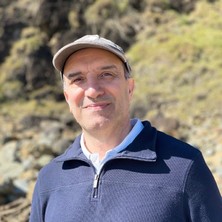
Dr Mansour Edraki is a geo-environmental scientist specialising in the field of inorganic geochemistry. He joined UQ following completion of his PhD at the University of New England. Prior to that, and before immigrating to Australia, he was a lecturer in earth sciences. Since joining UQ, Dr Edraki has focused on developing innovative techniques for understanding and predicting geochemical processes that underpin sustainable management of mine waste and mine water, particularly acid and metalliferous drainage. Mansour’s research has direct applications for the resources and energy industries and the impact of his work is evident in a continuous flow of industry-funded projects in the last decade. Dr Edraki has initiated research collaborations in many international locations including Indonesia (South Kalimantan and Freeport), Iran (Mehdiabad Zinc) Papua New Guinea (Ok Tedi), Philippines (USEP and Mindanao Development Authority), Korea (MIRECO and KIGAM), Peru (INGEMET), and Chile (Fundación Chile, Universidad de Concepción). Dr Edraki represents SMI-UQ at the International Network for Acid Prevention (INAP), which is a global alliance for managing the issue of acid and metalliferous drainage. He leads SMI's Environmental Geochemistry Group.
School of Electrical Engineering and Computer Science
Faculty of Engineering, Architecture and Information Technology
Availability:
Not available for supervision
Media expert
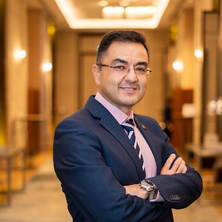
Daniel Eghbal is Manager Future Network Strategy with Energy Queensland and an adjunct senior research fellow at the School of Information Technology & Electrical Engineering (ITEEE). He received B.S. in electrical engineering from Ferdowsi University of Mashhad, Iran in 1998, M.S. degree in power system engineering in 2001 from Tarbiat Modares University, Tehran, Iran and PhD degree in 2009 from Hiroshima University, Hiroshima, Japan in the field of Artificial Complex System Engineering. He was with Queensland Geothermal Energy Centre of Excellence (QGECE), The University of Queensland from 2009-2012. Daniel joined Energex in 2012 and has been working on number of innovative projects with a focus on integration of emerging technologies on electricity distribution networks. Daniel actively collaborates with the Power & Energy Systems Research Division at the University of Queensland and IEEE Queensland Section.
His research interest lies in the integration of distributed energy resources (DER) into distribution networks and developing innovative solutions for intelligent grids. Daniel is an IEEE Senior Member and Chair of IEEE Asia-Pacific Professional Activities Committee, Fellow member of Engineers Australia and a chartred engineer (CPEng, RPEQ,NER).
Faculty of Engineering, Architecture and Information Technology
Availability:
Available for supervision
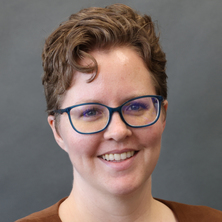
Jessica Eisma is an expert in community-engaged research in the context of sustainable urban water management. Her vision is to spark a shift toward hydrology-informed urban design spanning the lot to city scale through grounded, yet innovative research on nature-based solutions for managing urban flooding and on urban modification of rainfall. She seeks to uncover how urban development policy and practice contribute to the occurrence of flooding and to stimulate international dialogue on effective urban water management with nature-based solutions. She is committed to developing the information and resources necessary for urban planners and engineers to pursue practice and policy changes that will address significant infrastructural planning and design gaps related to infrastructure for urban water management. Her work will advance scientific evidence for the feedback between urban areas, the hydrosphere, and society and transform the way we approach urban development. In the face of climate change and burgeoning urban populations, such understanding is increasingly critical for managing the human and property costs associated with urban flooding.
School of Electrical Engineering and Computer Science
Faculty of Engineering, Architecture and Information Technology
Availability:
Available for supervision
Media expert
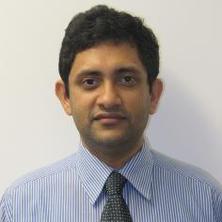
Chandima Ekanayake received his B.Sc.Eng (Hons) in 1999 from the University of Peradeniya, Sri Lanka. He obtained his Tech. Lic. and PhD from Chalmers University of Technology, Sweden, in 2003 and 2006 respectively. From 2006 to June 2008 he was attached to the Department of Electrical and Electronic Engineering, University of Peradeniya, Sri Lanka as a Senior lecturer. In 2008 he joined School of ITEE, The University of Queensland as a Post-Doctoral Research Fellow and in 2011 became a lecturer attached to the same school. From 2015-2018 he served as a lecturer in School of Engineering, Griffith University. In 2018 he re-joined school of ITEE, UQ where he is currently an associate professor.
His research focuses on instrumentation for condition monitoring & protection of power system assets and developing ageing models based on laboratory and field measurements to quantify the ageing of assets due to multi-factor ageing mechanisms. This work targets to increase the reliability and efficiency of electricity supply. Chandima's current research areas are as follows:
Developing lifetime prediction models - Many power system assets are currently operating beyond their designed life. It is not economical to replace these expensive assets based on the age. As operating conditions of the modern electrical grid is significantly different from the traditional system the operating stresses imposed on the assets are complex and therefore traditional failure prediction models are not capable to count these effects on the ageing of power system assets. Our research is focused on identifying the failure mechanisms under modern operating conditions of the grid through laboratory and field investigations to develop new life time prediction models for power system assets including transformer, cables , bushings, circuit breakers and tap changers.
Smart Monitoring - Developing reliable monitoring techniques and applying artificial intelligence for condition assessment of power system assets are essential requirements for advanced asset monitoring systems. Our research is focused on developing smart monitoring systems using start-of-the-art facilities available at UQ. This includes instrumentation, signal processing, data analytics and application of artificial intelligence.
Insulating materials and emerging tests - Introducing sustainable materials for high voltage insulation systems is a timely requirement. In addition reliable tests to determine the condition of new and existing materials used for electrotechnology is essential. UQ has state-of-the-art lab facilities for electrical insulation ageing studies and developing diagnostic tools and associated knowledge. Our current research is focused on application of bio-degradable oil, developing thermal models for new insulating materials, analysis on corrosive sulphur in transformers, oil paper ageing, XLPE ageing and evaluating moisture in high voltage insulation systems.
Power quality - Detection and classification of power quality can improve the grid reliability. Our research is focused on developing suitable techniques to identify the system status and asset conditions through power quality measurements.
Chandima is senior member of IEEE. He is an active IEEE volunteer and held many volunteer positions including the Chair of IEEE PES/DEIS Queensland and Chair of IEEE Sri Lanka section. Currently he is serving as the Deputy Director of Australasian Transformer Innovation Centre. Chandima is a member of CIGRE Australian Panel B1 and closely working with CIGRE Australian A2 and D1. His research work is closely associated with the Australian electricity supply industry.
Faculty of Health, Medicine and Behavioural Sciences
Availability:
Available for supervision
Doctor James Falconer has been an academic at the School of Pharmacy, The University of Queensland since June 2015. Dr Falconer was an assistant lecturer, then research & teaching fellow at the School of Pharmacy, the University of Auckland from 2011 – 2015.
In 2007 he was awarded with the Technology for Industry Fellowship (TIF) from the New Zealand Foundation for Research, Science & Technology (FRST) from the NZ Government with joint funding from Pharmaceutical Compounding New Zealand (PCNZ) to complete a PhD under A/Professor Jingyuan Wen and Professor Raid Alany from the University of Auckland, New Zealand for development of a supercritical fluid platform and transdermal delivery of poorly aqueous soluble steriods. As a post-doctoral researcher under A/Professor Zimei Wu and collaboration with Argenta Global in Auckland he worked to help stabilise a veterinary pour-on which resulted in international patents and registered product for cattle. He was then appointed as a lecturer in pharmacy practice and pharmaceutical sciences at The University of Queensland in Brisbane, Australia. Prior to his academic career, he received a BSc in Genetics 1999 and a Masters in Health Sciences (Bioethics) in 2003 under A/Professor Neil Pickering on the anatomy of the GMO debate from the University of Otago, Dunedin, New Zealand. In 2005, he completed a BPharm (Hons) from the University of Auckland and undertook an internship at Middlemore Hospital in 2006, then was employed from 2007 as a ward pharmacist in general surgery and the hospital dispensary and as a community pharmacist - including the 'graveyard' shifts at day/night pharmacies.
Doctor Falconer has established research in supercritical fluid applications for selective extraction as well as in engineering advanced nanoparticulate dosage forms based on lipid and polymeric systems. A backbone to this work is the search for green/er technology to replace organic solvent driven material manufacturing processes and the repurposing of carbon dioxide for good.
Dr Fernando's current research interests include developing needle-free, pain-free, skin patch vaccines. Influenza and human papilloma virus vaccines are used as model vaccines in these studies.
Dr Germain Fernando completed PhD at the University of Arizona, USA, and did post-doctoral research at the Baylor College of Medicine, Houston, Texas, USA, before joining the University of Queensland in 1989. He has been working in the field of vaccinology for the last 28 years. He has a H-Index of 36.
He is a Senior Consultant at Vaxxas Pty. Ltd, Brisbane, Australia
Publications and Citation Metrics are available at the following website:
Faculty of Engineering, Architecture and Information Technology
Associate Professor in Design (Built Environments)
School of Architecture, Design and Planning
Faculty of Engineering, Architecture and Information Technology
Availability:
Available for supervision
Media expert
Assoc Prof Fred Fialho Teixeira is an architect, media artist and associate professor at University of Queensland, School of Architecture, Design and Planning and director of the UQ VisLab. He has been working in the fields of computational architecture, biodesign and immersive environments for the last 20 years. He has been awarded the Dean's Fellowship from the University of California where he initiated is PhD and developed innovative biological-based design strategies at the California Nano Systems Institute. He's an alumni of the Architectural Association, School of Architecture (AA) and accredited architect by Royal Institute of British Architects (RIBA) and Portuguese Chamber of Architects (OA) and also practiced for high profile offices such as Zaha Hadid Architects. Presently his research work on bio-design and spatial computation combines the use of mixed reality, advanced manufacturing and biomaterials to enable the next generation of built environments
Memberships
Architectural Association, School of Architecture (UK),Royal Institute of British Architects (UK), Chamber of Architects (PT), Australian Smart Communities Association (AU), UQ CyberResearch Centre
Faculty of Engineering, Architecture and Information Technology
Availability:
Available for supervision
Media expert
Dr Mahshid Firouzi is an Honorary Associate Professor at UQ Gas & Energy Transition Research Centreand an Associate Professor at the College of Engineering, Science and Environment at the University of Newcastle (Australia).
Dr Firouzi has a strong interest in both fundamental and practical research, collaborating with industry and various disciplines across a broad range of areas with a focus on Energy and Resources. Her research projects are centered on the experimental investigation and mathematical modeling of interfacial interactions in multiphase flows (foams/emulsions, bubble coalescence, thin liquid films) and process optimisation of engineering processes. She particularly focuses on the application of bio-inspired reagents in eco-efficient beneficiation of minerals and clean energy production as well recycling vaulable minerals from EoL PVs.
Her research achievements have been recognised through multiple awards including the 2018 UQ Engineering Faculty Early Career Researcher Award and being one of two Australian female scientists profiled by the Association of Academies and Societies of Sciences in Asia.
More information about A/Prof Firouzi's research can be found here.
Affiliate of Minerals Industry Safety and Health Centre
Minerals Industry Safety and Health Centre
Faculty of Engineering, Architecture and Information Technology
Affiliate of W.H. Bryan Mining and Geology Research Centre
WH Bryan Mining Geology Research Centre
Faculty of Engineering, Architecture and Information Technology
Affiliate of Julius Kruttschnitt Mineral Research Centre
Julius Kruttschnitt Mineral Research Centre
Faculty of Engineering, Architecture and Information Technology
Senior Research Fellow
Sustainable Minerals Institute
Faculty of Engineering, Architecture and Information Technology
Availability:
Available for supervision
Gordon holds a PhD in Chemical Engineering from the University of Cape Town, South Africa, which focused on the application of machine vision, image processing and machine learning algorithms for modelling grade in froth flotation systems.
Gordon spent ten years working for the Victorian Government developing technical computing and modelling solutions. These included the development of the Environmental Systems Modelling Platform, a tool that aims to bring multiple environmental models and datasets into a single easy to use software package, and the development of the Native Vegetation Regulations Tool, to calculate the interactions between proposed clearings and models of rare and threatened species, and thereby determine the required offset credits. More recently, Gordon worked as a data scientist at the Victorian Centre for Data Insights, where he worked with a team focused on delivering innovative data driven solutions across the government sector.
Gordon now applies his data analytics, modelling and technical computing skills at the JKMRC where he works with the Advanced Process Prediction and Control group developing tools for improved time series analysis and visualisation of industrial data and comminution process models.
Faculty of Engineering, Architecture and Information Technology
Availability:
Available for supervision
Fully funded PhD Scholarship is currently available: https://study.uq.edu.au/study-options/phd-mphil-professional-doctorate/projects/unsteady-turbulence-dynamics-pulsatile-pipe-flow
Dr Navid Freidoonimehr is a Lecturer in Mechanical Engineering within the School of Mechanical and Mining Engineering at The University of Queensland and an ARC Discovery Early Career Researcher Award (DECRA) Fellow. He completed his PhD at the University of Adelaide in 2021. His research spans biofluid mechanics, cardiovascular haemodynamics, and unsteady/pulsatile flow, with an emphasis on translating engineering insight into clinically meaningful cardiovascular diagnostics.
Navid Freidoonimehr’s research sits at the interface of engineering and clinical practice, with a strong focus on coronary artery physiology. His work integrates computational modelling (e.g., CFD and haemodynamic/diagnostic indices) with experimental fluid mechanics (benchtop flow loops, pressure–flow measurements, and flow visualisation) to quantify how lesions and microvascular resistance shape coronary physiology and how these effects can be captured with improved diagnostic approaches.
Alongside his cardiovascular program, Dr Freidoonimehr leads a DECRA project inspired by human heart pulsation that investigates how controlled flow pulsation can reduce energy consumption in pipelines, aiming to develop practical strategies for more efficient fluid transport in engineered systems. Before joining The University of Queensland, he held research and fellowship positions at the University of Adelaide, as a postdoctoral researcher (2021-2024), and Queensland University of Technology, as a Heart Foundation Postdoctoral Fellow (2024-2025).
EOS Chair in Optical and Microwave Engineering and Professor
School of Electrical Engineering and Computer Science
Faculty of Engineering, Architecture and Information Technology
Availability:
Available for supervision
Christophe Fumeaux received the Diploma and Ph.D. degrees in physics from the ETH Zurich, Switzerland, in 1992 and 1997, respectively.
From 1998 to 2000, he was a Postdoctoral Researcher with the School of Optics, University of Central Florida, Orlando. In 2000, he joined the Swiss Federal Office of Metrology, Bern, Switzerland, as a Scientific Staff Member. From 2001 to 2008, he was a Research Associate and Lecturer with the Laboratory for Electromagnetic Fields and Microwave Electronics at ETH Zurich. From 2008 to 2023, he has been a Professor with The University of Adelaide, Australia. In 2023, he joined the School of Electrical Engineering and Computer Science at The University of Queensland, as Chair Professor in Optical and Microwave Engineering. His main research interests concern applied electromagnetics, antenna engineering, and the application of RF design principles across the electromagnetic spectrum.
Prof. Fumeaux was the recipient of the ETH Medal for his doctoral dissertation. From 2011 to 2015, he was a Future Fellow of the Australian Research Council. He was the recipient of the 2018 Edward E. Altshuler Prize, the2014 IEEE Sensors Journal and the 2004 ACES Journal best paper awards. He also received best conference paper awards at the 2012 Asia-Pacific International Symposium on Electromagnetic Compatibility (APEMC 2012) and the 17th Colloque International sur la Compatibilité Electromagnétique (CEM 2014). More than ten of his students have received student awards with joint papers at IEEE conferences. He was the recipient of the University of Adelaide Stephen Cole the Elder Award for Excellence in Higher Degree by Research Supervisory Practice in 2018. He served as an Associate Editor for the IEEE Transactions on Microwave Theory and Techniques from 2010 to 2013. From 2013 to 2016 he served as a Senior Associate Editor and later as the Associate Editor-in-Chief for the IEEE Transactions on Antennas and Propagation. From 2017 to early 2023, he served as the Editor-in-Chief for the IEEE Antennas and Wireless Propagation Letters. He is a Fellow of the IEEE and the 2025 President of the IEEE Antennas and Propagation Society.
Faculty of Engineering, Architecture and Information Technology
Availability:
Available for supervision
Biography
Senior Lecturer Dr Ramon Ganigué leads a research program on microbial biotechnologies for sustainable manufacturing, addressing critical challenges such as climate change and circular resource management for the benefit of people and planet.
He obtained his PhD in Environmental Engineering from the University of Girona, Spain. Prior to joining The University of Queensland (UQ), Ramon held academic and research positions across Europe and Australia, including Assistant Professor (2017–2022) and Associate Professor (2022–2026) in the Department of Biotechnology at Ghent University, Belgium, alongside postdoctoral appointments at Ghent University, the University of Girona, and UQ.
He has published over 100 peer‑reviewed articles and established extensive international collaborations spanning Europe, Australia, China, and North America. Ramon has led multiple large-scale, multi-partner research projects and, over the past five years, has secured approximately AUD 10 million in competitive European funding to support his team’s activities. In 2024, he was appointed Associate Editor of Frontiers in Bioprocess Engineering.
Research
Vision: To harness the diversity and functionality of microbial systems to enable sustainable, circular manufacturing processes that decouple production from fossil resources and support the transition to a net-zero bioeconomy.
Mission: To engineer robust, scalable microbial bioprocesses that convert complex, non-refined feedstocks into high-value products for the benefit of people and planet. His team integrates microbial physiology, community engineering, and process design to unlock the potential of non-model microorganisms and microbiomes, while developing intensified and industrially relevant bioprocess platforms.
Dr Ramon Ganigué’s research lies at the intersection of microbial biotechnology, chemical engineering, and sustainability, with a focus on engineering microbial bioprocesses for sustainable production systems. His team applies an integrated toolbox spanning microbial physiology, community engineering, metabolic and process modelling, and bioprocess intensification to develop next-generation biotechnologies.
Central to this approach is a deep understanding of microbial physiology and metabolism. The research places particular emphasis on non-model microorganisms, including anaerobes, extremophiles, and complex microbiomes, which offer unique and underexploited capabilities for sustainable bioproduction. These systems are leveraged to convert non-refined and complex feedstocks into value-added products, such as biochemicals, biofuels, bioplastics, and alternative proteins.
A key focus of the program is addressing the operational and engineering challenges that limit industrial deployment. This includes the development of continuous, intensified, and non-axenic bioprocesses, as well as innovative reactor configurations designed to enhance robustness, efficiency, and scalability. Through this integrated approach, the research aims to bridge the gap between fundamental microbiology and industrial application, enabling practical and scalable solutions for sustainable manufacturing.
While sustainable biomanufacturing remains a core focus, the group actively explores the application of its microbial biotechnology toolbox to other systems and challenges aligned with sustainability goals for people and planet.
Teaching & learning contributions
Ramon is an experienced educator contributing across undergraduate and postgraduate programs. He currently lectures in key courses including Principles of Biomedical and Bioprocess Engineering (BIOE1001), Environmental Systems (ENVE2501), and the capstone Process Engineering Design Project (CHEE4001). He is also co-editor of the 2024 IWA Scientific Book Resource Recovery from Water: Principles and Application, and has contributed to MOOCs on resource recovery from wastewater and carbon capture and utilisation technologies.
Faculty of Health, Medicine and Behavioural Sciences
Availability:
Available for supervision
Dr Giacomotto, NHMRC Emerging Leader, is a young group leader focusing on translational research, genes and diseases, imaging/automatic systems, drug discovery, chemical biology, and medical applications. His work focuses on translating little discoveries made in a single cell or in a model organism to applications or treatments for humans. He has already made discoveries that benefit human health, such as treatment for muscular dystrophies. He is working with a wide diversity of models, including cell lines and mouse models, but he recently spent a lot of time working with the zebrafish model. He believes that this small fish will have an important impact on the seek of treatments for neuromuscular and neurological disorders. Those diseases are very difficult to reproduce in a single cell, making the search for chemical treatments difficult. This fish opens a new avenue for the screening of bioactive compounds and for understanding the progression of these terrible disorders. He believes in translational research, the zebrafish is for him a fantastic complementary model to cell lines in order to recapitulate human diseases and run large-scale experiments. He is working on developing future therapeutical strategies to alleviate the suffering of human patients.
Dr Giacomotto recently established his group at Griffith Research Institute for Drug Discovery (Discovery Biology, Griffith University) and remain an active honorary fellow of the Queensland Brain Institute (The University of Queensland). Dr Giacomotto is currently recruiting. Don't hesitate to contact him for further information.
Faculty of Engineering, Architecture and Information Technology
Availability:
Available for supervision
Badin is an environmental engineer with over 20 years’ experience in environmental hydrology and water resource engineering. In his current role with the University of Queensland’s School of Civil Engineering he leads a program of research that aims to support the sustainable management of water resources and aquatic ecosystems. This research seeks to quantify water flows and the associated transport of sediment and contaminants in environmental systems ranging from upland rivers and streams to lakes, estuaries and the near-coastal ocean as well as their connected groundwater systems. Badin employs a multi-disciplinary approach that combines the application of innovative environmental monitoring with a range of models to better understand how different factors influence water quality and ecosystem health in these systems.
Prior to joining the University of Queensland, Badin was active in engineering and environmental management roles within various local government, state government, not-for-profit and professional engineering consulting organisations. He applies this past industry experience in his current research activities, which are characterised by close collaboration with water management agencies, to deliver scientific information to support management decisions.
Badin also maintains an active involvement in the University of Queensland’s undergraduate and post-graduate teaching programs where he delivers lectures in various subjects including environmental engineering, hydrology, environmental risk assessment and modelling of surface water and groundwater systems. The experience gained in these roles enables him to communicate complex environmental information with a level of detail appropriate to a range of different audiences from community stakeholders to the engineering profession and regulatory agencies. Badin also supervises a number of post-graduate and undergraduate students who are pursuing research in the area of environmental hydrology and contaminant transport, with many focusing on the implications of forecast climate shifts on water resource management decisions.
Queensland Alliance for Agriculture and Food Innovation
Availability:
Available for supervision
Professor Mike Gidley is Director of the Centre for Nutrition and Food Sciences (CNAFS) at the University of Queensland, Australia. The Centre is part of the Queensland Alliance for Agriculture and Food Innovation (QAAFI) in conjunction with the Queensland Government. Prof Gidley’s research is focussed on structure – function relationships in biopolymer assemblies such as starch granules and plant cell walls. This has led to the detailed characterisation of starch and dietary fibre digestion/fermentation in vitro and in vivo, with the understanding generated leading to opportunities for optimising nutritional value of foods and feeds. He is also a Chief Investigator in the Australian Research Council Centre of Excellence in Plant Cell Walls.
Professor Gidley was trained in chemistry at the Universities of London (BSc) and Cambridge (PhD), and worked on food-related research for more than twenty years in Unilever’s R+D laboratory at Colworth House in the UK, beginning as a research scientist and culminating as the Group Leader for Plant-based Foods and Ingredients, before joining UQ in 2003.
Professor Gidley’s major research interest is the linking of plant molecular structures to macroscopic properties with relevance to plant-based food properties. In particular, he is interested in investigating polysaccharide assemblies such as plant cell walls and starch granules, particularly the way these structures are assembled in nature and then disassembled during manufacturing and later during digestion. His field of research involves the use of spectroscopic, microscopic and materials analyses of natural materials and model systems. Insights into structure-property relationships are obtained, that can then be used to provide targets for raw materials and processes with enhanced food and nutritional properties.
Faculty of Engineering, Architecture and Information Technology
Associate Professor
School of Mechanical and Mining Engineering
Faculty of Engineering, Architecture and Information Technology
Availability:
Available for supervision
Media expert
David Gildfind’s research is primarily concerned with experimental hypersonics. His research interests include: expansion tube facility development; scramjet propulsion; planetary entry aerothermodynamics; and magnetohydrodynamic aerobraking.
David graduated as an aerospace engineer from RMIT University in 2001. He worked in industry on various aircraft platforms in Australia and overseas (GKN in Melbourne 2002-2003 on A340/A380; Australian Aerospace in Brisbane 2003-2005 on DHC4 Caribou; and Stork Fokker in The Netherlands 2005-2007 on F35-JSF and Gulfstream G6), and retains a strong interest in aircraft structures. He later completed his PhD and post-doctoral work in hypersonics at the University of Queensland (UQ), where he developed the capability for expansion tubes wind tunnels to simulate reallistic scramjet flight trajectories beyond Mach 10. His research in this area includes optimising free-piston driver operation, expansion tube flow condition development, and test flow characterisation.
David became a lecturer at UQ's School of Mechanical and Mining Engineering in 2014, and teaches into aircraft structures, design, and hypersonics. During this time David has initiated a new research program on Magnetohydrodynamic (MHD) aerobraking, which was awarded an ARC DECRA fellowship (2017-2020) to experimentally evaluate MHD aerobraking technology for a human mission to Mars. This work continues with ARC Discovery Projects "Magnetohydrodynamic Aerobraking for Spacecraft Entry to Earth's Atmosphere" (2023-2025) and "Effect of Magnetic Field Deflection on Magnetohydrodynamic Heat Shield" (2025-2027), both of which David is leading. These projects are focussing on the development of new MHD aerobraking technology for both small and large scale spacecraft, to reduce spacecraft heating, leading to safer, more efficient, and potentially reusable spacecraft.
Faculty of Engineering, Architecture and Information Technology
Availability:
Available for supervision
Xiaolin is a Lecturer in Civil Engineering at The University of Queensland. Her research focuses on transport modelling, predictive analytics, and the integration of emerging vehicle technologies into urban mobility.
Her current research examines autonomous modular vehicles and the design of integrated transport systems. She develops modelling and optimisation methods for door-to-door feeder services connected to high-capacity modular transit corridors, with the aim of improving transport efficiency, accessibility, sustainability and equity.
Before joining UQ, Xiaolin was a Postdoctoral Associate at the Center for Interacting Urban Networks at New York University Abu Dhabi. She received her PhD in Transport Modelling from the University of Sydney and holds a Master’s degree in Transportation Systems from the Technical University of Munich.
Xiaolin also has industry experience at the BMW AG Research and Innovation Centre in Munich. She has published in leading transport journals, including Transportation Research Part B and Transportation Research Part E, and serves as a reviewer for Transportation Letters, Transportmetrica A and Transportmetrica B.
Faculty of Engineering, Architecture and Information Technology
Affiliate of Centre for Social Responsibility in Mining
Centre for Social Responsibility in Mining
Faculty of Engineering, Architecture and Information Technology
Professor, TMR Chair in Structural Engineering
School of Civil Engineering
Faculty of Engineering, Architecture and Information Technology
Availability:
Available for supervision
Media expert
Rebecca Gravina is Professor and TMR Chair of Structural Engineering at the University of Queensland in Brisbane. The TMR Chair position is endowed by the Queensland Government Department of Transport and Main Roads (TMR). Rebecca also held the position of Professor in Civil and Infrastructure Engineering at RMIT University, Melbourne, Australia. She obtained her PhD in Structural Engineering from the University of Adelaide and prior to joining academia, worked as a consulting Structural Engineer with ARUP. Professor Gravina is an established researcher with over 25 years of experience in academia and consulting engineering. Her research field concerns the long-term performance and durability of reinforced concrete (RC) and prestressed concrete (PC) structures, sustainability of infrastructure, rehabilitation of existing structures with Fibre Reinforced Polymers (FRP), multi-functional self-healing cementitious composites, recycled materials in concrete, and engineering education. Professor Gravina is the co-author of the textbook 'Prestressed Concrete' by Warner, Foster and Gravina, she has published more than 100 research papers, has won numerous competitive research grants valued over $6 Million and teaching awards. Professor Gravina is the Editor in Chief of the Australian Journal of Civil Engineering, Immediate President of the American Society of Civil Engineers (ASCE) Australian Section, Executive Committee Member of the International Institute for FRP in Construction (IIFC), and Member of the Concrete Institute of Australia. Her research is well recognised by industry, and she continuously collaborates with civil infrastructure companies and agencies to support innovation and technology transfer.