School of Electrical Engineering and Computer Science
Faculty of Engineering, Architecture and Information Technology
Availability:
Available for supervision
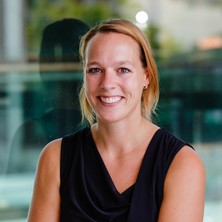
I am a postdoc at the Computational Imaging Group, led by Steffen Bollmann. I recently finished my Ph.D. in Computational Imaging at UQ. Specifically, my Ph.D. work involved predicting the functional organization of the human visual cortex from underlying anatomy using geometric deep learning. To tackle this and other research questions, I am leveraging my interdisciplinary background in Biophysics (Bachelor's degree; University of Sao Paulo, Brazil), Neuroscience (Master's degree; Federal University of ABC, Brazil), and now the intersection of AI and imaging. I am interested in (geometric) deep learning, vision, neuroscience, and explainable and fair AI research.
Faculty of Health, Medicine and Behavioural Sciences
Availability:
Available for supervision
Media expert
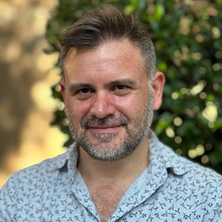
I am a neuroscientist investigating how cellular signalling and neuron–glia interactions shape brain development, neural circuit function and myelination across the lifespan, and how disruption of these processes contributes to neurodevelopmental and neurodegenerative disorders. My research focuses on neural progenitor cells, oligodendrocyte biology, myelination and neural circuit function, with the broader goal of understanding disease mechanisms and identifying therapeutic targets that can improve the treatment of neurological disorders.
I completed my PhD at the University of Tasmania, investigating ion channel signalling in oligodendrocyte progenitor cells and its role in cell survival, neural circuit function and myelination. I subsequently undertook postdoctoral research at The University of Queensland, including at the Queensland Brain Institute, where I investigated neural progenitor function, neuronal migration and cortical development in models of neurodevelopmental disorders. At Mater Research–UQ, my research has focused on oligodendrocyte dysfunction, myelination and cellular signalling in neurological disease, including multiple sclerosis-like pathology.
Across these research programs, I have developed expertise in developmental and cellular neuroscience, neural progenitor biology, neuron–glia interactions, oligodendrocyte biology, myelination and neural circuit function, using molecular and cellular approaches, advanced microscopy, electrophysiology, animal models and behavioural neuroscience. My broader research direction is to understand how dysfunction across different neural cell populations contributes to disease progression and how this knowledge can be translated into new approaches to prevent, treat or modify neurological disease.
Alongside my research, I contribute to tertiary teaching, student supervision and scientific communication across neuroscience, psychology and biomedical sciences. I am particularly interested in research-informed education and in developing the next generation of scientists by sharing scientific knowledge, technical expertise and practical research skills.
Faculty of Health, Medicine and Behavioural Sciences
Availability:
Available for supervision
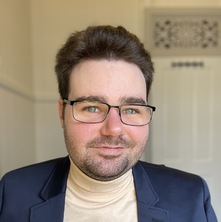
Cristian Riveros-Matthey is a dedicated and highly motivated researcher with a strong academic background in biomechanics and motor control, holding a PhD from the School of Human Movement and Nutrition Sciences (HMNS) at The University of Queensland.
He has demonstrated expertise in applying advanced technologies for human movement analysis, including markerless 3D motion capture systems, force sensors, surface and high-density electromyography (hdEMG), and ultrasound imaging. He is also proficient in data analysis and signal processing using MATLAB and Python.
Cristian’s research focuses on musculoskeletal simulation and optimisation to investigate the principles underlying action selection and the cost functions that drive human movement in constrained locomotor tasks, such as cycling, level walking, and uphill walking.
Faculty of Health, Medicine and Behavioural Sciences
Availability:
Not available for supervision
Media expert
Professor Pankaj Sah is Director of the Queensland Brain Institute (QBI) at The University of Queensland (UQ). He is renowned for his work in understanding the neural circuitry of the amygdala, an area of the brain that plays a central role in learning and memory formation. Dysfunction of the amygdala leads to a host of anxiety-related disorders. His laboratory uses a combination of molecular tools, electrophysiology, anatomical reconstruction, calcium imaging and behavioural studies to examine the electrophysiological signatures of different brain regions and their impact on disease. Recently, his laboratory has been working with patients undergoing electrode implantation for deep brain stimulation, which is used to treat a variety of disorders such as Parkinson's disease, Tourette's syndrome and essential tremor. Professor Sah trained in medicine at The University of New South Wales and, after completing his internship, gained a PhD from the Australian National University. Following postdoctoral work at the University of California, San Francisco, and UQ, he established his own laboratory at the University of Newcastle in 1994. He then joined the John Curtin School of Medical Research at the Australian National University as a group leader in 1997. He was recruited to QBI as a founding member in 2003, and has been Director since July 2015. Professor Sah has published over 110 papers in international peer-reviewed journals. He is also the Editor-in-Chief of the Nature Partner Journal npj Science of Learning, the first journal to bring together the findings of neuroscientists, psychologists, and education researchers to understand how the brain learns.
Affiliate Professor of Child Health Research Centre
Child Health Research Centre
Faculty of Health, Medicine and Behavioural Sciences
Conjoint Professor in Allied Health
School of Health and Rehabilitation Sciences
Faculty of Health, Medicine and Behavioural Sciences
Affiliate of Queensland Cerebral Palsy Rehabilitation and Research Centre
Queensland Cerebral Palsy Rehabilitation and Research Centre
Faculty of Health, Medicine and Behavioural Sciences
Availability:
Available for supervision
Leanne Sakzewski is the Professor of Allied Health Research, a conjoint position with the School of Health and Rehabilitation Science at The University of Queensland and Children's Health Queensland. Leanne completed her undergraduate training in the field of occupational therapy at the University of Queensland. Prior to entering research, she practiced as a senior occupational therapist for eighteen years in paediatric rehabilitation and child development. She completed her PhD in 2010 from The University of Queensland in the field of upper limb rehabilitation for children with cerebral palsy, and achieved a Dean's Commendation for outstanding Research Higher Degree.
Research interests
Leanne's research interests are in the conduct of randomised clinical trials in the field of cerebral palsy and childhood onset acquired brain injuries. In particular, she has focused on randomised controlled trials of:
* upper limb training approaches for infants and children with unilateral cerebral palsy;
* intensive models of motor training to improve gross motor and manual abilities for children with bilateral cerebral palsy;
* participation-focused intervention to increase physically active leisure for children with cerebral palsy;
* social skills group-based program for adolescents with brain injuries.
Affiliate of Centre for Neurorehabilitation, Ageing and Balance Research
Centre for Neurorehabilitation, Ageing and Balance Research
Faculty of Health, Medicine and Behavioural Sciences
Associate Professor in Physio
School of Health and Rehabilitation Sciences
Faculty of Health, Medicine and Behavioural Sciences
Availability:
Available for supervision
Media expert
Martin is an Associate Professor of Physiotherapy within the School of Health and Rehabilitation Science. He teaches into both the undergraduate and graduate entry masters programs. In addition, Martin coordinates the clinical placements across both programs.
Martin has a passion for supporting physiotherapy students throughout their journey, from preclinical studies to clinical placements. He has developed a series of strategies to help support the diverse cohort in thriving as student physiotherapists and gaining a sense of belonging to the profession. Martin has been involved in several curriculum reviews that have focussed on enhancing the student experience, and has initiated strategies that have proactively and reactively supported students (such as student mentoring, early observational placements and student-staff activities). He has a particular passion for supporting students from a culturally and linguistically diverse background.
In research, Martin leads a laboratory investigating neuroplasticity. The human nervous system is no longer thought of has hard-wired, and is in fact capable of rapid change throughout life. This plasticity is important for learning, memory and recovery from brain injury. Martin is interested in using emerging brain stimulation and imaging techniques to "artificially" induce plasticity in the human brain, to ultimately improve the treatment outcomes for various neurological conditions, particularly stroke. These stimulation techniques include transcranial magnetic stimulation (TMS) and transcranial direct current stimulation (tDCS). A key current focus of Martin's research is investigating the link between sleep and neuroplasticity, and whether the beneficial aspects of sleep (for promoting neuroplasticity) can be artificially induced with brain stimulation.
He completed a BSc in 1994 and received a First Class Honours in Physiology in 1995 from the University of Adelaide. He then completed a Bachelor of Physiotherapy Degree at the University of South Australia. Returning to research in 2005, he undertook a PhD at the University of Adelaide, which he completed in 2009. He was named "Young Scientist of the Year" in 2007 as a result of his PhD research. He was awarded a University of Queensland Postdoctoral Fellowship in 2010, and then a NHMRC Postdoctoral Research Fellowship in 2011 to investigate more intensely how the brains of stroke patients rewire. He has been awarded ~$4M in funding, principally from the NHMRC and US Department of Defence.
Affiliate of Centre for Living Experience Research
Centre for Living Experience Research
Faculty of Health, Medicine and Behavioural Sciences
NHMRC Emerging Leadership Fellow
School of Health and Rehabilitation Sciences
Faculty of Health, Medicine and Behavioural Sciences
Availability:
Available for supervision
Dr Kirstine Shrubsole is an NHMRC Emerging Leadership Fellow at the Queensland Aphasia Research Centre. She holds a Bachelor of Speech Pathology (First Class Honours) from The University of Queensland, and completed her PhD in 2018. Kirstine has a research focus on improving implementation of evidence into practice in speech pathology and multidisciplinary services, with a special interest in stroke and aphasia rehabilitation. She has demonstrated that practice change is achievable for healthcare teams working in aphasia, leading to positive outcomes for patients, clinicians, and organisations.
Kirstine has published over 60 peer-reviewed journal articles, and has been awarded over $14 million in competitive research funding. Kirstine previously worked as the Conjoint Research Fellow in Speech Pathology (Princess Alexandra Hospital and The University of Queensland), providing research capacity building and mentoring to speech pathologists and supporting multidisciplinary research. Kirstine is the co-founder and Deputy Lead of the Collaboration of Aphasia Triallists’ Implementation Science in Aphasia working group, and a research affiliate of the Centre for Research Excellence in Aphasia Rehabilitation and Recovery.
Kirstine is completing a NHMRC Emerging Leadership Fellowship on the following topic:
The Aphasia Implementation Toolkit Project: Developing an implementation intervention to improve services for stroke survivors with aphasia
She is a chief investigator on three MRFF grants, including:
Unspoken, Unheard, Unmet: Improving Access to Preventative Health Care through Better Conversations about Care
Bridging the Digital Divide: Building Health Self-Efficacy through Communication-Accessible Online Environments
Enhancing utility of neuropsychological evaluation for earlier and effective diagnosis of dementia in Parkinson's disease
Faculty of Health, Medicine and Behavioural Sciences
Affiliate Senior Research Fellow of Queensland Brain Institute
Queensland Brain Institute
Faculty of Health, Medicine and Behavioural Sciences
Availability:
Available for supervision
Media expert
I am a biologist interested in the general question of how changes in developmental processes can lead to evolutionary variation and origin of complex traits (such as neural circuits). I study development and evolution of the brain of mammals. My doctoral thesis studied brain regions involved in olfactory and pheromonal communication in mammals. I discovered several events of parallel co-variation of sensory pathways in distantly related species sharing similar ecological niches, as cases of ontogenetic and phylogenetic plasticity. Currently, I study development and evolution of neocortical circuits by following two main lines of research: one aims to determine how early neuronal activity emerges during development and help shape brain connections, and the other one aims to understand what developmental processes led to evolutionary innovations in the mammalian brain. My research combines molecular development (electroporation, CRISPR), transcriptomics, sensory manipulations, neuroanatomy mapping (MRI, stereotaxic tracer injections, confocal and image analysis), optogenetics, and in vivo calcium imaging (multiphoton and widefield) in rodent pups and marsupial joeys.
Faculty of Health, Medicine and Behavioural Sciences
Availability:
Not available for supervision
Media expert
Dr Daniel Sullivan is a Clinical Psychologist and Adjunct Lecturer in the Child Health Research Centre, The University of Queensland. In his clinical role, Dr Sullivan leads a program of research to design Australia's first psychology extended scope of practice model of care for limited pharmacotherapy management, with an emphasis on deprescribing hypnotic medicines in the public sector sleep psychology setting (ExPEDiTe Sleep project). As a member of the Let’s Yarn about Sleep group at the University of the Sunshine Coast, Dr Sullivan is working to improve sleep health equity for First Nations Australians through community co-designed, culturally responsive sleep programs which harmonise sleep science with Indigenous Australian perspectives and knowledges about sleep.
Dr Sullivan’s research and clinical expertise is in the behavioural aspects of sleep; he is an Editor of the journal Research Directions: Sleep Psychology (Cambridge University Press) and is board certified by the US-based Board of Behavioral Sleep Medicine. Dr Sullivan completed postgraduate training in sleep at the University of Sydney (MSc), and his PhD in Clinical Psychology at Griffith University, where his doctoral research examined psychological factors involved in sleep-related headaches.
School of Electrical Engineering and Computer Science
Faculty of Engineering, Architecture and Information Technology
Availability:
Available for supervision
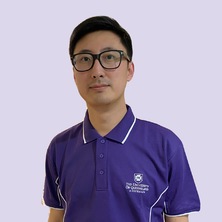
Dr Hongfu Sun completed his PhD in Biomedical Engineering at the University of Alberta in 2015, followed by postdoctoral training in Calgary until 2018. He joined the Imaging, Sensing and Biomedical Engineering team in the School of ITEE at UQ in 2019 and was awarded the ARC DECRA fellowship in 2021. His research interests include developing novel magnetic resonance imaging (MRI) contrast mechanisms, e.g. Quantitative Susceptibility Mapping (QSM), fast and multi-parametric MRI acquisitions, and advanced image reconstruction techniques, including deep learning and artificial intelligence, to advance medical imaging techniques for clinical applications.
Dr Sun is currently recruiting graduate students. Check out Available Projects for details. Open to both Domestic and International students.
Faculty of Health, Medicine and Behavioural Sciences
Availability:
Available for supervision
Media expert
Dr Andrew Swayne is neurologist, Queensland Health Junior Doctor Research Fellow and Betty McGrath Research Fellow working out of the Mater Centre for Neurosciences. Prior to coming to the Mater, Andrew completed his postgraduate medical degree with first class honours at The University of Queensland where he was co-dux of his year. Also holding an honours degree in law and a science degree with majors in neurobiology and genetics, Andrew maintains an interest in media, literature and communication having, during his undergraduate years, edited The University of Queensland student newspaper – Semper Floreat.
School of Electrical Engineering and Computer Science
Faculty of Engineering, Architecture and Information Technology
Availability:
Available for supervision
Dr Tosolini is a cell biologist with a focus at the intersection of axonal transport, neurotrophic factors, motor neurons and skeletal muscle, in the context of motor neuron disease (MND)/amyotrophic lateral sclerosis (ALS). His research to date has focused on utilising the connectivity between skeletal muscle and motor neurons for the enhanced delivery of therapeutic agents to the spinal cord (e.g., viral-mediated gene therapy). Building upon these foundations, his postdoctoral training focused on defining the axonal transport dynamics in a number of different experimental conditions, including stimulation with different neurotrophic factors (e.g., BDNF, GDNF), α motor neuron subtypes (i.e., fast motor neurons vs slow motor neurons), and alterations to such factors in MND/ALS pathology.
Dr Tosolini has joined the laboratories of A/Prof. Shyuan Ngo (AIBN) and Dr. Derek Steyn (SBMS) to undertake a novel project looking at assessing a novel therapeutic compound in mouse models of ALS, and in as well as in ALS patient-derived muscle cultures. This project is in collaboration with Dr. Giovanni Nardo at Laboratory of Molecular Neurobiology, Department of Neuroscience, Istituto di Ricerche Farmacologiche Mario Negri IRCCS, Milan, Italy.
Dr Tosolini completed his PhD in 2015 in the discipline of Anatomy at the School of Medical Sciences, University of New South Wales (UNSW). His PhD project focused on characterising the connectivity between various skeletal muscles and their innervating motor neuron pools, to optimally deliver agents (e.g., retrograde tracers, virus) to the spinal cord motor neurons via retrograde axonal transport. For the work produced in his PhD, Dr Tosolini was awarded a place on the Faculty of Medicine's Dean's List.
In 2016, Dr Tosolini joined the Schiavo Laboratory at University College London (UCL), UK as a Post-Doctoral Research Associate to undertake a project focused on: 1) understanding factors influencing axonal transport dynamics in distinct in vitro and in vivo models of motor neuron disease (MND)/amyotrophic lateral sclerosis (ALS), and 2) revealing the signalling elements governing neuronal trans-synaptic transfer.
In 2020, Dr Tosolini was awarded a Junior Non-Clinical Post-Doctoral Fellowship by the Motor Neuron Disease Association, UK to expand his work on evaluating axonal transport dynamics in mouse models of motor neuron disease (MND) as well as in diverse human induced pluripotent stem cell (hiPSC)-derived motor neurons. This project is a direct continuation of my post-doctoral training in the Schiavo laboratory, and included a novel collaboration with Prof. Rickie Patani (Francis Crick Institute, London, UK), to evaluate axonal transport dynamics of diverse organelles in mouse and human models of MND/ALS.
Faculty of Health, Medicine and Behavioural Sciences
Affiliate of Centre for Innovation in Pain and Health Research (CIPHeR)
Centre for Innovation in Pain and Health Research
Faculty of Health, Medicine and Behavioural Sciences
Availability:
Available for supervision
Media expert
Professor Kylie Tucker is Deputy Head of School in the School of Biomedical Sciences at The University of Queensland and leads the Faculty of Health, Medicine and Behavioural Sciences People Portfolio. She is passionate about creating environments where academics can thrive, grow and make meaningful contributions throughout their careers.
Kylie's work sits at the intersection of academic leadership, career development, promotion readiness and professional identity. Through leadership programs, workshops and facilitated peer learning, she creates psychologically safe spaces where academics can reflect on their careers, identify their strengths and values, craft coherent professional narratives, and build meaningful networks that support their future growth. Her emerging platform, Academic Identity and Impact, is founded on the belief that academics must first understand their identity before they can fully understand and articulate their impact.
Alongside these leadership activities, Kylie leads a positive and collaborative research environment that brings together fundamental scientists and clinical researchers to advance knowledge of human movement, rehabilitation and musculoskeletal health. Her research has transformed understanding of how pain influences movement, advanced approaches to estimating muscle forces, and improved assessment of childhood movement control and adolescent skeletal maturity.
More recently, Kylie has drawn on her expertise in movement science to investigate the mechanisms underlying adolescent idiopathic scoliosis. Affecting approximately one child in every Australian classroom, scoliosis remains a condition with no known cause and limited evidence to guide non-invasive intervention. Her research group has identified novel, targetable muscle characteristics that can be detected early in curve progression, creating new opportunities to improve treatment and reduce the need for spinal fusion surgery.
Kylie remains deeply committed to teaching and educational leadership, having taught muscles and movement control across multiple UQ programs to cohorts ranging from small specialist classes to more than 1,400 students. Within the School of Biomedical Sciences she has served as Deputy Director of Teaching and Learning (2018–2020), inaugural Chair of the REMEDE Committee (2021–2023), Director of Teaching and Learning (2024–2025), and Deputy Head of School (2026–present).
Kylie also co-facilitates UQ's flagship Career Progression for Women program and is committed to helping academics develop confidence, clarity and connection in their careers. Across all her leadership roles, she is known for fostering supportive academic cultures that empower individuals to understand their strengths, articulate the value they bring, and maximise their impact.
Internationally, Kylie is now Past-President of the International Society of Electrophysiology and Kinesiology (ISEK) (2026–2028), a global organisation dedicated to advancing the study of human movement and the neuromuscular system. She has contributed to the leadership of the Society since 2018.
Faculty of Health, Medicine and Behavioural Sciences
Availability:
Available for supervision
Media expert
Zephanie is a Senior Research Fellow and occupational therapist based at the Child Health Research Centre, and a member of the management team of the Centre for Children’s Burns and Trauma Research, Brisbane. She has a clinical background specialising in paediatrics and burn care. She has worked clinically and in management positions at Royal Children’s Hospital, Brisbane, in private practice and in research capacity building positions in hospitals and health services.
Since 2013 Zephanie’s research has focussed on developing and validating patient-reported outcome measures, as well as using these measures therapeutically for clinical decision making. She led the development of four versions of the Brisbane Burn Scar Impact Profile which have been translated into Czech and are undergoing cross-cultural validation for Brazilian Portuguese. She has a vision of providing all children and their caregivers with an opportunity to communicate their needs and priorities during treatment in a paediatric hospital or health service.
Her current program of work includes collaborative work with children, their caregivers and health professionals to co-design and test the effectiveness and implementation of technology-based interventions in clinical settings to improve quality of life. These interventions include a web-based intervention for paediatric health professionals to support the psychosocial health of families with a child who has experienced physical trauma, and an electronic intervention for children with skin conditions and their caregivers that provides feedback about the patient's health-related quality of life to health professionals. Zephanie also has a continued interest in investigating the effectiveness and implementation of novel interventions to prevent or improve the impact of skin conditions in children and their families. This includes the use of ablative fractional CO2 laser, medical needling, pressure garment and silicone therapy, medical hypnosis and interventions to promote adherence and reduce the burden of treatment.
Faculty of Health, Medicine and Behavioural Sciences
Availability:
Available for supervision
Media expert
Dr. Susannah Tye joined the Queensland Brain Institute in 2017 and has established a research program within the Asia Pacific Centre for Neuromodulation (QLD, Australia). Before returning to Australia, Dr. Tye directed the Translational Neuroscience Laboratory at the Mayo Clinic (2012-2017). While there she led efforts to develop brain stimulation devices (for rodents and humans) that can quantify neural activity and neurotransmitter dynamics in the living brain. This body of work now forms the basis of the neuropsychiatric arm of the Mayo Clinic’s Deep Brain Stimulation Consortium. Her specific research expertise are in utilising voltammetric (electrochemical) recording techniques to monitor rapid, synaptic neurotransmission in the living brain.
Dr. Tye has over ten years of experience studying neuromodulation in preclinical rodent models and human patients. Her long-term goal is to bridge preclinical and clinical studies to maximise translational impact, specifically in terms of improving patient outcomes for those with severe refractory psychiatric illness. Towards this end, she maintains many international collaborations with both clinical and basic science researchers. Dr. Tye also has a longstanding interest in mentoring young scientists to help them expand their skills in preclinical and basic science research and achieve a successful research career.
Affiliate of Australian Women's and Girls' Health Research Centre of Australian Women and Girls' Hea
Australian Women and Girls' Health Research Centre
Faculty of Health, Medicine and Behavioural Sciences
Associate Professor
Frazer Institute
Faculty of Health, Medicine and Behavioural Sciences
Clinical Associate Professor
Frazer Institute
Faculty of Health, Medicine and Behavioural Sciences
Availability:
Not available for supervision
Associate Professor Lata Vadlamudi is a Senior Staff Specialist in Neurology at the Royal Brisbane and Women’s Hospital; Epileptologist within the Comprehensive Epilepsy Program; Metro North Clinician Research Fellow; and Brain, Neurology and Mental health Theme Leader at the University of Queensland Centre for Clinical Research.
She obtained her medical degree from the University of Queensland and completed physician training in the field of Neurology. Further specialized training in epilepsy was undertaken in Melbourne, Sydney and the Mayo Clinic, USA. Her PhD was obtained from the University of Melbourne.
Clinical interests include management of women with epilepsy, particularly during pregnancy with a dedicated women and epilepsy clinic. Other interests include integrating genomics into clinical care with current research projects including developing a Queensland neuro-genomics service to underpin the era of precision-based medicine; and an MRFF-funded project personalising epilepsy regimes with stem cells and artificial intelligence models for superior treatment outcomes.
Awards have included the University of Queensland Centre for Clinical Research Clinician Researcher of the Year, Metro North Clinician Research Fellowship; Highly Commended Clinical Research Award by Metro North Hospital and Health Service, Epilepsy Queensland Health Award for contributions to the medical care of people with epilepsy; and Leonard Cox Award from the Australian and New Zealand Association of Neurologists for outstanding contribution to research in the field of Neurology.
Faculty of Health, Medicine and Behavioural Sciences
Availability:
Available for supervision
Media expert
Professor Bruno van Swinderen received his PhD in Evolutionary and Population Biology in 1998 from Washington University in St. Louis, Missouri. His graduate work was on general anesthesia in a Caenorhabditis elegans model, applying both quantitative genetics and molecular genetic approaches. For his postdoc at The Neurosciences Institute (NSI) in San Diego, California (1999-2003), he switched to Drosophila melanogaster to develop methods of studying perception in the fruit-fly model. He ran a lab at NSI from 2003 to late 2007.
Professor van Swinderen established a new laboratory at the Queensland Brain Institute in February 2008.
Bruno van Swinderen's group use Drosophila as a genetic model system to study mechanisms of perception in the brain and are interested in three phenomena: selective attention, sleep, and general anesthesia. Their focus is on visual perception and how it is affected by these different arousal states. Their current effort is in understanding how sleep regulates selective attention and predictive processing. Toward this goal, they use various novel visual paradigms in a Drosophila molecular genetics context. The lab is also focussed on understanding presynaptic mechamisms of general anaesthesia, with a view to uncovering new strategies to improve recovery from this common medical procedure.