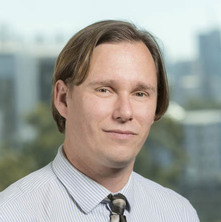
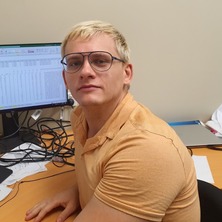
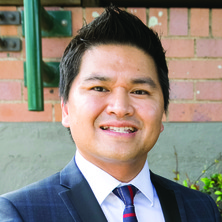
Professor McIntyre develops and applies advanced imaging techniques to study flow environments. He conducts research within the Centre for Hypersonics where he implements a range of interferometric, spectroscopic and imaging techniques to probe the harsh environment generated in ground-based hypersonic facilities. He also has interests in the development of laser-based imaging methods in the field of Biophotonics including differential interference contrast microscopy and super-resolution coherent anti-Stokes Raman spectroscopy.
Faculty of Engineering, Architecture and Information Technology
Availability:
Not available for supervision
Media expert
Prof David Mee's research interests are in Hypersonic and Supersonic Flow.
After completing his PhD at UQ, he spent five years as a Research Fellow in the turbomachinery research group at Oxford University in the U.K. He returned to UQ as an ARC Queen Elizabeth II Research Fellow in 1991 and joined the academic staff of the Department of Mechanical Engineering in 1993. He served as Head of the Division of Mechanical Engineering from 2007 to 2017, acting Head of the School of Engineering from January to July 2009 and Head of the School of Mechanical and Mining Engineering from July 2009 to February 2017. He retired in 2020 and is currently an Emeritus Professor in the School.
David's main areas of research are focussed in the field of hypersonics aerothermodynamics. He has undertaken much research on rapid response, stress-wave force balances, which are essential technology for categorising the performance of scramjet engines in transient facilities, such as shock tubes. He was a member of the team that conducted the first known wind-tunnel test in which a scramjet vehicle produced net thrust. He has also published on the transient processes in the latter stages of boundary layer transition in hypersonic flows.
Affiliate of Centre for Advanced Materials Processing and Manufacturing (AMPAM)
Centre for Advanced Materials Processing and Manufacturing
Faculty of Engineering, Architecture and Information Technology
Director of Research of School of Mechanical and Mining Engineering
School of Mechanical and Mining Engineering
Faculty of Engineering, Architecture and Information Technology
Professor
School of Mechanical and Mining Engineering
Faculty of Engineering, Architecture and Information Technology
Availability:
Available for supervision
Media expert
Paul Meehan's research interests are in: Smart Machines; Railway Engineering and Technology, Analysis and Control of Nonlinear Instabilities and chaos in rolling processes, spacecraft systems and biological/human body processes, advanced manufacturing modelling and analysis.
Paul Meehan is an expert in modelling, analysis and control in non-linear mechanics applied to engineering systems. He has over 25 years experience in engineering research, development, commercialization and consulting in the areas of non-linear dynamics, vibrations, controls, rolling contact, elastoplastic and wear phenomena, with applications to manufacturing, mining, railway, spacecraft and biomedical systems. He has initiated and led many successful large collaborative R&D projects in this area.
Paul has recently led or is currently leading major projects in novel prediction and control of non-linear phenomena in railway, mining and manufacturing systems, including Decarbonisation, Bearing Degradation Phenomena, Incremental Sheet Forming, Wheel and Brake Squeal, Advanced Duty Detection and Millipede Technology. He has organised three international conferences in various areas of non-linear mechanics and has authored over 140 internationally refereed publications and three international patents in this area. He also teaches several intermediate and advanced level courses in mechanics at the University of Queensland, and consults regularly to high technology industries.
Faculty of Health, Medicine and Behavioural Sciences
Availability:
Available for supervision
A/Prof. Alejandro Melendez-Calderon has an interdisciplinary background in engineering and rehabilitation with extensive experience in rehabilitation technologies (e.g. robotics, wearables, biofeedback) and computational approaches to understand human neuromuscular control (unimpaired, stroke and SCI population). He has over 20 years of experience gained in academic, clinical and industrial environments. He is one of a select few experts who has working experience in area of Rehabilitation Engineering at top academic, industrial and clinical environments around the world (Australia, Switzerland, USA, UK, Italy, Denmark). This diversity of working environments provides him with a solid understanding of the development and clinical translation processes of rehabilitation technologies - from conception in academia, to transfer, commercialization and adoption in clinical settings.
He is Principal Research Fellow and Theme co-lead of Rehabilitation and Outcomes at the Jamieson Trauma Institute (Jun 2022-present), and an Honorary Associate Professor at the School of Health and Rehabilitation Sciences at the University of Queensland (May 2026-present).
Work experience | Clinical - He leads the Rehabilitation Innovation and Technology Assessment (RITA) service across STARS (Metro North Health) and Princess Alexandra Hospital (Metro South Health); RITA aims to close the gap between the potential of existing/emerging technologies and their practical, sustainable integration into everyday rehab care. He was previously a Senior Research Scientist and Head of Technology at the cereneo Advanced Rehabilitation Institute / cereneo Center for Neurology and Rehabilitation (Switzerland; 2017-2019), where he led and conducted research in the area of neuromechanics of movement deficits after stroke. He was also an Adjunct Assistant Professor at the Department of Physical Medicine & Rehabilitation, Northwestern University (USA; 2014-2020) and a postdoctoral research fellow at the Shirley Ryan AbilityLab (formerly Rehabilitation Institute of Chicago) (2012-2013), where he conducted research in cross-modal multisensory interactions and assessment of neuromuscular impairments. Medical industry - He led the areas of Robotic Hand Rehabilitation and Assessments, and work on adaptive control of robotic trainers (arm and legs) at Hocoma AG (Switzerland; 2014-2016), one of the world-leading manufacturers of robotic and wearable technologies for rehabilitation. Academic research - He was previously a Senior Lecturer within the School of Information Technology and Electrical Engineering, University of Queensland (Australia, Jan 2020-May 2026), where he led the NeuroRehabilitation and Medical Robotics group. He was a Guest Researcher at ETH Zurich (Switzerland; 2016-2019), where he conducted research in biomechanics and motor control/learning. He received his PhD degree from Imperial College London (UK; 2007-2011) for research in robotics, rehabilitation and human motor control.
Interests | A/Prof. Melendez-Calderon has a scientific interest in understanding principled mechanisms of human behavior, in particular related to movement control/learning and physical interaction; his technical interests are in robotics and computational modeling for medical diagnostics, assistive applications & (bio)medical education.
United Nations (UN) member states in 2015 agreed to 17 global Sustainable Development Goals (SDGs) to end poverty, protect the planet and ensure prosperity for all. Dr Deirdre Mikkelsen is a microbiologist and Senior Lecturer in Food Science at the School of Agriculture and Food Sustainability, where her teaching and research contribute to several UN SDGs, including:
Goal 2 – Zero Hunger
Goal 3 – Good Health and Well-being
Goal 4 – Quality Education
Goal 12 – Responsible Consumption and Production
Goal 13 – Climate Action
Goal 15 – Life on Land
Deirdre holds a B.Sc. (First Class Honours, 1999) and a PhD in Microbiology (2005), both from UQ. She has expertise in molecular microbial ecology, bioinformatics and fermentation microbiology. Her academic journey includes research roles at the Advanced Wastewater Management Centre (2005) and from 2006 at the Centre for Nutrition and Food Sciences (CNAFS), Queensland Alliance for Agriculture and Food Innovation (QAAFI), where she held Postdoctoral and Research Fellow positions. She joined her current School in 2019.
Program Coordination and Teaching
Dr Deirdre Mikkelsen is the Program Coordinator for the following postgraduate programs:
Master of Food Science and Technology
Master of Food Science and Technology (Research Extensive)
Graduate Certificate in Food Science and Technology
She also coordinates and teaches:
FOOD2000 – Food Science
FOOD3017 – Food Safety & Quality Management
FOOD7021 – Professional Experience (Work Integrated Learning)
Professional Memberships and Engagement
Member, Australian Institute of Food Science and Technology (AIFST) – Queensland Branch Committee
Member, International Union of Food Science and Technology (IUFoST) Education Oversight Group – Australasia representative
Member, IUFoST – Food Safety Working Committee 2.2 (Education focus)
Academic Advisory Group Member, Ag Connections Agriskills Accelerator Program
Faculty of Engineering, Architecture and Information Technology
Availability:
Available for supervision
Dr. Partha Narayan Mishra obtained his PhD in Geotechnical Engineering from the University of Queensland, Australia in 2020 with the Dean’s Award for Outstanding HDR theses. He was conferred with the Institute Gold and Institute Silver Medals from National Institute of Technology Rourkela, India during his graduation with a dual degree (B.Tech. Hons. In Civil Engineering and M.Tech. in Geotechnical Engineering) in 2015.
Research
Partha is a Geotechnical Engineer and researcher with research interests in the arenas of improvement of soft soils, behaviour of unsaturated soils, electromagnetic characterisation and monitoring of soil processes, biomediated geotechnical engineering and clay barrier systems in hazardous waste disposal facilities. Outcomes of his research have been summarised in 30+ technical articles in top tier international journals, conferences, and book chapters. In academic and research space, Partha has worked as a summer research fellow at IIT Guwahati, India (2013) and at IIT Madras, India (2014), research scholar at IIT Madras, India (2015-2016), casual academic/research assistant in Civil Engineering at UQ, Australia (2016-2020), adjunct lecturer in Civil Engineering at UQ, Australia (2020-cont.) and at UCSI university, Malaysia (2020-2021).
Industry
As a practicing engineer, he has worked on several projects pertaining to tailings storage facilities (TSFs) in Australia and overseas. His industry experience comprises of working as a consulting geotechnical engineer with Klohn Crippen Berger (KCB Australia) (2020- 2021) and as an owner’s engineer with Rio Tinto Aluminium (2021-2022). Through these roles he has developed an intimate understanding of the challenges encountered in engineering, operation, and management of TSFs, some of which he aims to address through his research.
Teaching
Partha has co-supervised 1 PhD, 1 masters, 2 bachelors and 3 summer research thesis to completion at UQ. He currently advises 2 PhD and 5 masters students. He has co-delivered Advanced Soil Mechanics (CIVL4230) at UQ in 2021. He has also tutored Fundamentals of Soil Mechanics (CIVL2210) and Geotechnical Engineering (CIVL3210) at UQ from 2016 - 2020. In 2020, Partha initiated the ‘Lecture Series on Advancements in Geotechnical Engineering: from Research to Practice’ (AGERP) in collaboration with Professor Sarat Das. The AGERP lecture series is a pro-bono attempt towards disseminating the coupled learnings from academia and industry on several key topics in Geotechnical Engineering. The AGERP lecture series has reached to participants (academics, practicing engineers and students) from over 125 countries. More on the AGERP initiative is here: https://www.age-rp.com/. Partha was conferred with fellowship (2021) and associate fellowship (2019) from the Higher Education Academy, UK for his teaching portfolio benchmarked against UK Professional Standards Framework (UKPSF) for teaching and supporting learning in higher education.
Service
Partha is a member of the Australian Geomechanics Society (AGS), the International Society of Soil Mechanics and Geotechnical Engineering (ISSMGE), the Indian Geotechnical Society (IGS) and an associate member of the American Society of Civil Engineers (ASCE). He regularly reviews technical articles (50+ so far) for top tier international journals in the discipline such as Geotechnical Testing Journal, Acta Geotechnica, Journal of Materials in Civil Engineering etc. Partha was the President of UQU association of postgraduate students (2016-2017) and chair of the annual conference of the EAIT faculty of UQ (2017-2018). He has also sat in the UQ library advisory committee (2018) and student experience committee of UQ academic board (2017).
Affiliate Associate Professor of Queensland Alliance for Agriculture and Food Innovation
Queensland Alliance for Agriculture and Food Innovation
Discipline Lead - Crop Science of School of Agriculture and Food Sustainability
School of Agriculture and Food Sustainability
Faculty of Science
Professor
School of Agriculture and Food Sustainability
Faculty of Science
Availability:
Available for supervision
Media expert
Professor Jaquie Mitchell's activities are focused around two core themes.Jaquie has worked on various Research for Development (R4D) projects based in South-East Asia with the aim of improving productivity and livelihoods of smallholder farmers. Currently she leads two R4D projects one focused on developing an integrated weed management package for mechanised and broadcast lowland crop production systems in Laos and Cambodia. While the other is a first of its kind, public private partnership between ACIAR and a private agribusiness company, aiming to establish a highly productive, sustainable, traceable, quality-assured value chain for rice in the Mekong Delta, Vietnam, benefiting rice-farming households and meeting the market requirements of SunRice’s established global customers.
The second research theme includes examining genetic variation for resistance to abiotic stress, such as high and low-temperature tolerance at the reproductive stage in rice, the advantage of reduced-tillering gene in wheat grown under terminal drought, the effect of salinity and water-deficit on production of volatile compounds in aromatic rice. In close collaboration with the Australian rice industry, Jaquie currently leads two AgriFutures funded pre-breeding projects aimed to improve lodging resistance, cold tolerance and aerobic adaptation for high water productivity rice. In addition to exploring genetic variation in physiological traits and genomic regions of importance to improved water productivity, genomic tools are under development to improve breeding efficiency for the Riverina. Based at The University of Queensland, School of Agriculture and Food Sustainability, Jaquie provides specialist guidance and assistance to undergraduate and postgraduate research students within crop physiology and agronomy with extensive experience conducting research projects focused on abiotic stress, pre-breeding and rice cropping systems research.
Affiliate Professor of School of Chemistry and Molecular Biosciences
School of Chemistry and Molecular Biosciences
Faculty of Science
Affiliate of ARC COE for Innovations in Peptide and Protein Science
ARC COE for Innovations in Peptide and Protein Science
Institute for Molecular Bioscience
Affiliate Associate Professor
Institute for Molecular Bioscience
Professorial Research Fellow
Australian Institute for Bioengineering and Nanotechnology
Availability:
Available for supervision
Media expert
Professor Mobli is a structural biologist and a group leader at the University of Queensland's Australian Institute for Bioengineering and Nanotechnology (AIBN). He is well known internationally for his contributions to the basic theory of multidimensional nuclear magnetic resonance and its applications to resolving the molecular structure of peptides and proteins, as well as studying their physiochemical properties and function. Mehdi's contributions to the field has been recognised by being appointed an Executive Editor of the AMPERE society's journal "Magnetic Resonance", and to the advisory board of the international Biological Magnetic Resonance Data Bank (BMRB) as well as serving on the board of directors of the Australia and New Zealand Society for Magnetic Resonance (ANZMAG). He is a former ARC Future Fellow and recipient of the ASBMB MERCK medal, the Australia Peptide Society's Tregear Award, the ANZMAG Sir Paul Callaghan medal and the Lorne Proteins Young Investigator Award (now Robin Anders Award).
Prof. Mobli's research group focuses on characterising the structure and function of receptors involved in neuronal signalling, with a particular focus on developing new approaches for the discovery and characterisation of modulators of these receptors through innovations in bioinformatics, biochemistry and and biophysics. This work has led to publication of more than 100 research articles attracting over 6,000 citations.
Faculty of Engineering, Architecture and Information Technology
Availability:
Available for supervision
Dr. Saeed Mohammadian is a postdoctoral research fellow in Transport Engineering. His primary research is on understanding freeway traffic flow dynamics and their safety implication with a special focus on the role of human factors. As part of his doctoral work, he has conducted critical meta-research on the state-of-the-art of macroscopic traffic flow modelling, from both theoretical and practical perspectives. The central part of his doctoral thesis develops unifiable mathematical models of traffic flow dynamics and rear-end crashes and presents new insight into the role of human factors on complex traffic phenomena and traffic safety.
His main work at UQ involves conducting research on driver interactions with connected and automated vehicles and studying the implications for both congestions and crashes. He is currently involved in several research projects related to freeway traffic flow modelling and control and safety assessment. His research outcomes can be explicitly utilized in traffic control research for moving towards faster and safer roads.
Australian Institute for Bioengineering and Nanotechnology
Professor
School of Chemistry and Molecular Biosciences
Faculty of Science
Availability:
Available for supervision
Media expert
Professor Michael Monteiro has established an international reputation in the field of 'living' radical polymerization to create complex polymer architectures. He is now building designer polymers for various biomedical applications, including vaccines, drug delivery and stem cells. He is dedicated to translating research into commercial outcomes, with 7 PCT and provisional patents since 2005 and start-up company DendriMed Pty Ltd. He was awarded an ARC QEII Fellowship in 2004 and an ARC Future Fellowship in 2009. He has attracted ARC and NHMRC grants; and Queensland State Government funding in excess of $7 million.
International links
Professor Monteiro has built a strong collaboration with Professor Virgil Percec from the University of Pennsylvania to develop and understand the new SET-LRP. He has developed a collaboration with Professor Rachel O'Reilly from the University of Warwick to develop nanoreactors that mimic enzyme activity. In collaboration with Professor Eugenia Kumacheva from the University of Toronto, they developed temperature responsive micron-sized particles from encapsulation of cells.
Faculty of Engineering, Architecture and Information Technology
Professor
School of Mechanical and Mining Engineering
Faculty of Engineering, Architecture and Information Technology
Availability:
Available for supervision
Prof Morgan was the Director of the Centre for Hypersonics since its inception in 1997 until October 2021. He lectures in mechanical and aerospace engineering within the School of Mechanical and Mining Engineering.
He has a strong research record in the development of hypervelocity impulsive facilities on which the UQ Centre for Hypersonics research program is based, including the ‘X’ series of super-orbital expansion tubes, and has extensive experience in hypersonic aero-thermo-dynamics and scramjet propulsion.
Richard Morgan has been developing superorbital ground based facilities for many years, and has collaborative research program with DSTG, NASA, ESA, Oxford University, Ecole Centrale (Paris) and AOARD in radiating flows, as well as continuing ARC support in this area since 1990, including two current ARC Discovery grants in partnership with European and American partners.
He was involved as a flight team member in the 2010 airborne observation of the Japanese ‘Hayabusa’ asteroid sample return mission, for which he was a co-recipient of the NASA Ames ‘honour’ award for 2010. He regularly gives invited talks in international meetings, and gave a plenary presentation to the AIAA Hypersonic Spaceplanes Conference in San Francisco in April 2011.
Professor Richard Morgan was awarded a 2012 UQ Excellence in Research Higher Degree Supervision award for encouraging student development through international student exchanges with overseas collaborators, whilst engendering internal cooperation within the study body.
Affiliate of ARC Research Hub to Advance Timber for Australia's Future Built Environment (ARC Advanc
ARC Research Hub to Advance Timber for Australia's Future Built Environment
Faculty of Engineering, Architecture and Information Technology
Lecturer
School of Civil Engineering
Faculty of Engineering, Architecture and Information Technology
Availability:
Available for supervision
David Morrisset joined the School of Civil Engineering in November 2024 as a Lecturer in Fire Safety Engineering. Prior to his appointment at UQ, Dr Morrisset completed his PhD in Fire Safety Engineering at the University of Edinburgh. His research interest cover a broad range of fire safety and combustion science related topics including material flammability, fire testing, fire performance of timber, lithium-ion batteries, combustible cladding, and advanced measurement techniques (e.g., laser diagnostics). In addition to his research experience, he also has experience working as a fire safety engineer in both the United Sates and Australia.
Director, Higher Degrees by Research of School of Pharmacy
School of Pharmacy and Pharmaceutical Sciences
Faculty of Health, Medicine and Behavioural Sciences
Associate Professor
School of Pharmacy and Pharmaceutical Sciences
Faculty of Health, Medicine and Behavioural Sciences
Availability:
Available for supervision
Media expert
Dr Moyle’s laboratory (www.moylelab.com) uses cutting edge technologies for the synthesis of peptides, protein expression, and protein semi-synthesis to gain insights into the functional roles played by various biochemical pathways, to engineer better protein and peptide therapeutics, and to improve the delivery characteristics of various therapeutic molecules. Specific current areas of interest are detailed below:
Subunit Vaccine Development: methods to develop improved vaccines through the combination of recombinant and synthetic approaches to improve immunopotency and tailor immune responses (links to reseach articles on semisynthetic vaccines and peptide vaccines; reviews on vaccine development).
Delivery Systems for Nucleic Acid-Based Molecules: multi-component synthetic and recombinant approaches to improve the cellular uptake, and targeted delivery of various oligonucleotide molecules (e.g. siRNA, mRNA, pDNA and CRISPR-Cas9) as an exciting approach to treat or prevent various diseases (links to research articles and reviews).
Deciphering the Roles of Post-Translational Modifications: The combination of peptide synthesis and protein semisynthesis to enable the production of large amounts of site-specifically modified species, that can be used to deconvolute the roles played by various post-translational modifications (links to research articles).
Peptide/Protein Drugs and Delivery: The study of methods to improve the delivery characteristics of peptide/protein drugs (e.g. poor oral absorption, instability to chemical/enzymatic degradation, and the inability to reach their site/s of action) through chemical engineering approaches.
New Approaches for Superbugs: the development of antivirulence approaches, and formulations (e.g. various types of nanoparticles - silver, protein, mesoporous silica), which reduce the ability for microbes to cause disease, and make them more readily treated with antimicrobials, by providing access to synergistic combinations, and reducing the risk of antimicrobial resistance.
Information for Potential Students:
The Moyle lab considers applications from potential students and postdoctoral fellows with an interest in: i)infection control (including subunit vaccine and antimicrobial development); ii)delivery systems for peptide therapeutics; iii)targeted delivery systems; iv) studying the function of posttranslational modifications; and v) delivery systems for nucleic acid-based therapeutics (e.g. siRNA, shRNA, miRNA, mRNA, pDNA and CRISPR-Cas9). If you are interested in working in any of these areas please feel free to contact Dr Moyle (p.moyle@uq.edu.au). Please ensure that you supply an up to date CV; describe why you would like to work in the Moyle lab; provide a listing of publications (preferably with impact factors and citation counts); and indicate what skills you would bring to the lab. Detailed information on our laboratory is available at www.moylelab.com. Preference will be given to students and postdoctoral fellows who have their own funding.
Dr Moyle Biosketch:
Dr Moyle (H-index 30, >2600 citations; >95 publications; 13/8/2024; Google Scholar, ORCID, ResearcherID, and Publons profiles) received a PhD (Dec 2006) and a Bachelor of Pharmacy (Hons I) (Dec 2001) from The University of Queensland (UQ); graduated from the Pharmaceutical Society of Australia pre-registration pharmacist-training course (Nov 2002); and is registered with the Pharmacy Board of Australia. He currently works as an Associate Professor in the UQ School of Pharmacy, where he has been based since 2014.
Dr Moyle works in the fields of medicinal chemistry, chemical biology, and drug formulation, investigating subunit vaccine development, outcomes associated with histone post-translational modifications, and methods to improve the delivery characteristics of oligonucleotide (e.g. siRNA and pDNA), peptide, and protein therapeutics. During his PhD, Dr Moyle developed methods that enabled the synthesis of pure, lipid adjuvanted peptide vaccines, using advanced chemical ligation techniques. In addition, the conjugation of mannose to combined prophylactic/therapeutic human papillomavirus type-16 vaccines, to target dendritic cells, was demonstrated to significantly improve vaccine anti-tumour activity. This work, conducted with leading researchers at the QIMR Berghofer Medical Research Institute (Prof Michael Good & Dr Colleen Olive), established Dr Moyle’s national and international profile in the field of vaccine development, resulting in 11 peer reviewed papers, including top journals in the field (J Med Chem; J Org Chem), as well as 6 review articles and 2 invited book chapters.
Dr Moyle undertook his postdoctoral training in the laboratory of one of the world’s premier chemical biologists, Professor Tom Muir (the Rockefeller University, NY, USA; now at Princeton University, NJ, USA). During this time he developed an extensive knowledge of techniques for protein expression, bioconjugation, bioassays, and proteomics, which represent an essential skill set required for this proposal. As part of this work, Dr Moyle developed novel synthetic routes to generate site-specific ADP-ribose conjugated peptides and proteins. This research was hailed as a major breakthrough in the field, leading to several collaborations, and an exemplary publication in the prestigious chemistry journal JACS. This vast body of work identified the enzyme (PARP10) responsible for mono-ADP-ribosylation of histone H2B, and demonstrated interactions between this modification and several proteins, including BAL, which is associated with B cell lymphomas. In addition, a number of robust chemical methods were developed to enable the synthesis of a complete library of methyl-arginine containing histones, which were incorporated into synthetic chemically-defined chromatin to investigate the site-specific effects of arginine methylation on histone acetylation. This work led to a collaboration with colleagues at Rockefeller to investigate the effects of histone arginine methylation on transcription.
Teaching:
Dr Moyle teaches into the following subjects in the UQ School of Pharmacy.
PHRM3011 (Quality Use of Medicines) - course coordinator
PHRM4021 (Integrated Pharmaceutical Development)
PHRM3021 (Dosage Form Design)
PHRM2040 (Drug Discovery)
Awards:
2016 - Health and Behavioural Sciences (HABS) faculty commendation for Early Career Citations for Outstanding Contributions to Student Learning (ECCOSL)
2015 - ChemMedChem top 10 cited article of 2013 (link)
2014 - Highest ranked NHMRC development grant (2013; APP1074899)
2013 - Institute for Molecular Biology (IMB) Division of Chemistry and Structural Biology Prize
Postdoctoral Research Fellow - Sustainability Assessment
Queensland Alliance for Agriculture and Food Innovation
Availability:
Available for supervision
Dr Cresha Gracy Nadar is a Postdoctoral Research Fellow at the Centre for Crop Science, Queensland Alliance for Agriculture and Food Innovation (QAAFI), The University of Queensland. Her work sits at the interface of biotechnology, bioprocess engineering, and sustainability assessment, advancing solutions for a more resilient and low-carbon agri-food future.
Cresha’s research focuses on emerging biotechnologies; ongoing projects include precision fermentation for alternative food proteins, plant tissue culture for sustainable propagation, and seaweed valorisation for functional ingredients. She combines process modelling, life-cycle assessment (LCA) and techno-economic analysis (TEA) to evaluate the environmental and economic performance of innovative biomanufacturing systems.
Her PhD, jointly awarded by IIT Bombay (India) and Monash University (Australia), developed an integrated fruit waste biorefinery and assessed its sustainability through LCA and TEA. At UQ, she continues to bridge engineering realism with sustainability metrics, collaborating with academic and industry partners to translate laboratory innovations into scalable, commercially viable, and environmentally responsible technologies.
School of Electrical Engineering and Computer Science
Faculty of Engineering, Architecture and Information Technology
Availability:
Available for supervision
Media expert
Prof. Mithulan has a Ph.D. from the University of Waterloo, Ontario, Canada. His B.Sc. (Eng.) and M. Eng. degrees are from the University of Peradeniya, Sri Lanka, and the Asian Institute of Technology (AIT), Bangkok, Thailand, in May 1993 and August 1997, respectively. Prior to joining the University of Queensland from 2009, Mithulan was at the Energy Field of Study, AIT. His previous professional positions include Planning Engineer at Generation Planning division at Ceylon Electricity Board (CEB), Sri Lanka and Project Leader, at the Centre of Excellence in Electric Power Technology (CEEPT) at Chulalongkorn University, Thailand.
His main research interest is on Grid Integration of Renewable Energy (GIRE). In this research topic, he has been leading the research in two themes: Planning and Operational Planning of grid integration of renewable energy. He conducted significant amount of research relating to Large Scale PV plants - better known as LSPV. His research has been used by industries and received high citations. Based on his research, he published over 375 articles, including one book, eight book chapters, technical reports, refereed journal and conference papers.
He had supervised 33 Ph.D. students (UQ, CQU, UNSW, UNITEN and AIT), 50 research Masters (at AIT) and over 200 thesis project students at both undergraduate and postgraduate levels to successful completion. He had been involved in over 30 projects (research, teaching and learning) with a total budget of over 4 million AU$, as a principal or co-principal investigator. His recent grants are from Australian Research Council (ARC), Government of India, Indonesia and Malaysisa and Sterling Wilson Company. Previous projects were funded by European Union (EU) and other international donor agencies such as Swedish International Development Agency (Sida), NORAD, ARC, CSIRO and Australian Power Institute (API). His research network includes most of the member nations in ASEAN, other Asian countries such as India, China, Bangladesh, Sri Lanka and a number of European countries (France, Germany, Sweden, Norway, Finland, Denmark, The Netherlands). He also served as the Coordinator of Energy Field of Study and Director of Regional Energy Resource Information Centre (RERIC), at AIT, from September 2005 to December 2007.
He had been the Director of Higher Degree Research (HDR) studies and Post Graduate Coordinator at the school of Electrical Engineering and Computer Science, since July 2019, until January 2025, looking after the welfare of over 300 higher degree research scholars.
He was invited to join the editorial board of the American Institute of Mathematical Sciences Electronic Engineering Journal - an international open access journal. He is a senior member of IEEE.
Affiliate of Centre for Environmental Responsibility in Mining
Centre for Environmental Responsibility in Mining
Faculty of Engineering, Architecture and Information Technology
Affiliate of Minerals Industry Safety and Health Centre
Minerals Industry Safety and Health Centre
Faculty of Engineering, Architecture and Information Technology
Affiliate of W.H. Bryan Mining and Geology Research Centre
WH Bryan Mining Geology Research Centre
Faculty of Engineering, Architecture and Information Technology
Affiliate of Future Autonomous Systems and Technologies
Future Autonomous Systems and Technologies
Faculty of Engineering, Architecture and Information Technology
Senior Lecturer
School of Mechanical and Mining Engineering
Faculty of Engineering, Architecture and Information Technology
Availability:
Available for supervision
Dr Micah Nehrings’ research interests are in: Mine Planning, Production Scheduling Optimisation, Optimal Ultimate Pit Limit (UPL) determination, planning for In-Pit-Crusher-Conveyor (IPCC) systems.
Micah is a Lecturer within the Division of Mining Engineering of the School of Mechanical and Mining Engineering. He leads the High Performance Surface Mining Research Group which is heavily focused on delivering high quality research outcomes in the planning and installation of In-Pit-Crusher-Conveyor (IPCC) systems.
Micah joined the School in 2011, after completing his PhD at The University of Queensland. Micah has since undertaken an early career academic program which has resulted in collaborations with European universities in Sweden, Germany and Kazakhstan. Micah has also developed an industry network that works with him in the implementation of some of his groups research outcomes.
Micah research outputs have been published in numerous high ranking journals including Minerals Engineering, Journal of the South African Institute of Mining and Metallurgy, Mining Technology and the International Journal of Mining, Reclamation and Environment.
Faculty of Engineering, Architecture and Information Technology
Availability:
Available for supervision
Dr Evgenii Nekhoroshev is a Postdoctoral Research Fellow at the School of Chemical Engineering and a member of the Pyrometallurgy Innovation Centre led by Prof. Evgueni Jak.
He graduated with a Master in Chemistry (chemical thermodynamics) from Lomonosov's Moscow State University, Deparment of Chemistry in 2012. His Master's Thesis was "Thermodynamic optimization of the NaOH-Al(OH)3-Na2SiO3-H2O system for applications in Bayer's process of bauxite treatment" as part of a bigger project initiated in collaboration with Rusal company aimed at utilisation/valorisation of red mud residues accumulated during the production of aluminium oxide from bauxite ores.
In 2019, he completed a PhD in Metallurgical Engineering at Ecole Polytechnique of Montreal, Canada within The Centre For Research in Computational Thermodynamics (CRCT), where he acquired expertise in FactSage software, multicomponent database development, and was included in the list of official collaborators of FactSage. His PhD thesis was "Thermodynamic optimization of the Na2O-K2O-Al2O3-CaO-MgO-B2O3-SiO2 system" sponsored by Glass Consortium including Corning and SCHOTT glass producers. The purpose of the database he developed was to assist the industry in designing new glasses with special properties: chemically hardened glasses (smartphones), technical glasses with high thermal and chemical resilience (boron-containing glasses), chemically inert glasses, etc.
Short after receiving his PhD, Dr Evgenii Nekhoroshev accepted a position at The University of Queensland as part of the Pyrometallurgy Innovation Centre's team where he has an official title of Theme Leader in Thermodynamic Computations, combining his broad expertise in metallurgy, chemical engineering, applied mathematics, and programming.
Dr Evgenii Nekhoroshev has always been passionate about formalisation and automation of big research tasks. He started working on developing an automated solver for thermodynamic optimisation during his PhD thesis which was improved and finalised using the ideas of Prof. Evgueni Jak about real-time derivative matrix optimization and sensitivity analysis applicable to large multicomponent systems. His contribution to the Centre allowed to make transition to a continuous optimization approach when experimental and modelling streams of work in the Centre are efficiently combined together. It allows to include the most recent experimental datasets into a self-consistent database update with minimal time delays.
Faculty of Health, Medicine and Behavioural Sciences
Availability:
Available for supervision
I completed a PhD in Neuroscience with Jack Pettigrew (FRS) at Vision, Touch & Hearing Research Centre followed by an NHMRC Clinical Research Fellowship at Alfred Health & Monash University.
Back in QLD I'm continuing a transdisciplinary research & innovation program to Bring Discoveries of the Brain to Life!
I'm currently focused on developing novel MedTech Biotech diagnostics & therapeutics for enhancing human performance, recovery & resilience with the following projects:
[1] Precision Pain Medicine — the largest genetic study of persistent (chronic) pain in Australia, in collaboration with QIMR Berghofer & Monash University, aims to identify pharmacogenomics causal pathways for the design of personalised therapeutics & effective early intervention approaches (e.g., screening, education, prevention).
[2] Brain Switcha — A digital transdiagnostic biomarker and cloud-based large-scale population phenotyping & analytics platform to improve early intervention strategies in sleep & mental health conditions (esp. at-risk youth cohorts) and recruitment screening for Defence forces.
[3] VCS — vestibulocortical stimulation: A simple, inexpensive, non-invasive & non-pharmacologic neurotherapeutic treatment technique for fibromyalgia (with US colleagues) and other centralised pain syndromes, sleep apnoea, dementia & mental health conditions (e.g., depression, PTSD, bipolar disorder).
I also have >5 years professional services experience providing specialist research performance evaluation, consultation, reporting & training workshops that successfully delivered several major strategic priorities to a large internal & external client base — such as organisational unit leaders/managers at multiple levels (e.g., Centre/Department) and senior executive business missions for national/international strategic partnerships. This work includes mapping, monitoring & benchmarking of research capacity, capabilities/strengths, gaps & collaboration networks (e.g., clinical, corporate & government) across diverse disciplines for Annual & Septennial Departmental Reviews (e.g., patent, policy & clinical guideline citations; external stakeholder engagement including media); ARC Engagement & Impact assessments; and workforce capability development (e.g., recruitment for senior leadership positions and ranking of NHMRC/ARC funding applicants).
In particular, I enjoy meeting & connecting people with a shared vision & commitment towards building innovative & sustainable public-private partnerships to deliver meaningful solutions for the wider community.