Affiliate of Centre of Research Excellence on Achieving the Tobacco Endgame
Centre of Research Excellence on Achieving the Tobacco Endgame
Faculty of Health, Medicine and Behavioural Sciences
Professor of Psychiatry
PA Southside Clinical Unit
Faculty of Health, Medicine and Behavioural Sciences
Availability:
Available for supervision
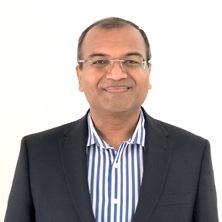
Professor Kisely is a psychiatrist and public health physician with health services research experience in the UK, Australia & Canada. After graduating from the University of Bristol, he worked in New Zealand in various medical and surgical specialties, before starting psychiatric training in Auckland. He finished his psychiatric training in Western Australia & Manchester, including a Masters degree by research on atypical chest pain. While working as a lecturer in psychiatry he completed a research Doctorate on the effect of physical disorder on psychiatric outcome in primary care. Professor Kisely worked at the Universities of Western Australia and Dalhousie University in Canada before returning to Australia in 2007.
Associate Professor
Srinivas Kondalsamy Chennakesavan
Director of Research
Medical School (Rural Clinical School)
Faculty of Health, Medicine and Behavioural Sciences
Availability:
Available for supervision
Media expert
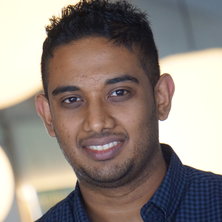
Associate Professor Srinivas Kondalsamy Chennakesavan is Head of Research at The University of Queensland Rural Clinical School and an internationally recognised researcher in rural health, Indigenous health, public health, epidemiology and health services research. With a background in medicine and public health, his research focuses on improving health outcomes for rural, remote and underserved populations through innovative, community-centred and translational research.
His work addresses major health challenges affecting rural and remote communities, particularly Aboriginal and Torres Strait Islander peoples, with a focus on chronic disease prevention and management, health service innovation, population health surveillance, digital health, workforce development, healthy ageing and implementation science. He is widely recognised for developing practical models of care that translate research evidence into measurable improvements in health outcomes, service delivery and policy.
Associate Professor Chennakesavan has secured more than A$11.3 million in National Health and Medical Research Council (NHMRC) and Medical Research Future Fund (MRFF) funding, and over A$12 million in total competitive research income from national and international funding agencies. He has served as Chief Investigator, Associate Investigator and collaborator on major research programs spanning chronic disease prevention, Indigenous health, cardiovascular disease, digital health, healthy ageing, frailty and rural health service redesign. His research has directly informed policy, clinical practice and health service planning across Australia.
A defining feature of his work is the development and evaluation of community-based screening, surveillance and chronic disease management programs for Indigenous and other underserved populations living in rural and remote settings. These models have improved the early detection and management of chronic disease while strengthening local healthcare capacity. Through international collaborations, elements of this work have been adapted and implemented in resource-constrained settings in South Africa and India.
His interdisciplinary approach combines clinical medicine, epidemiology, biostatistics, health informatics and digital technologies to address complex healthcare challenges. He has expertise in designing technology-enabled models of care that improve access to prevention, diagnosis, treatment and long-term disease management for geographically dispersed populations.
Associate Professor Chennakesavan's research has achieved significant international impact. His publications have been cited extensively by leading organisations including the World Health Organization (WHO), the Organisation for Economic Co-operation and Development (OECD), and National Institute for Health and Care Excellence (NICE) guidelines, reflecting the global relevance of his work in primary healthcare, chronic disease management, rural health and health system strengthening.
He is committed to collaborative and community-engaged research and works closely with health services, Aboriginal Community Controlled Health Organisations, governments, clinicians, consumers and academic partners. His work has contributed to the development of sustainable, culturally safe and evidence-based models of care that advance health equity and improve healthcare access.
Associate Professor Chennakesavan is a globally recognised rural health researcher and thought leader whose work has influenced research, policy, and healthcare delivery both nationally and internationally. As a Council Member of the World Organization of Family Doctors (WONCA) Rural Health Working Party, he contributes to shaping the global rural health agenda, advancing strategies to strengthen healthcare access, workforce capacity, and research impact across underserved populations. He also serves as Chair of the Queensland Rural Health Innovation and Research Collaborative (QRHIRC), leading one of Australia's largest rural health research networks and bringing together universities, health services, policymakers, and communities to drive innovation, build research capacity, and translate evidence into meaningful improvements in rural and remote healthcare outcomes.
An experienced mentor and supervisor, Associate Professor Chennakesavan has supported the development of numerous higher degree research candidates, medical students, clinicians and early-career researchers. He regularly serves on NHMRC, MRFF and international peer-review panels, contributing to the assessment of major competitive funding schemes and helping shape future directions in health and medical research.
Principal Research Fellow and Brazil Family Chair in Spatial Medicine'
Frazer Institute
Faculty of Health, Medicine and Behavioural Sciences
Availability:
Available for supervision
Media expert
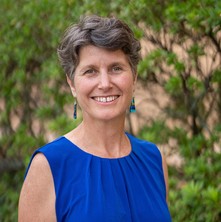
Associate Professor Arutha Kulasinghe leads the Clinical-oMx Lab at the Frazer Institute, University of Queensland, is the inaugural Founding Scientific Director of the Queensland Spatial Biology Centre (QSBC) at the Wesley Research Institute, and holds the Inaugural Brazil Family Chair in Spatial Medicine. A/Prof Kulasinghe has pioneered spatial transcriptomics, proteomics, and interactomics in the Asia-Pacific region, contributing to world-first studies in lung cancer, head and neck cancer, and tissue atlasing studies of infectious diseases across pandemics. His research aims to understand the underlying pathobiology by using an integrative multi-omics approach. A/Prof Kulasinghe has authored over 120 peer-reviewed publications, including in The Lancet Microbe, Journal of Clinical Oncology and Nature Genetics. He is the recipient of the Cure Cancer "Researcher of the Year (2023)," named in the "Top Innovators Award (2024)" by the Australian, Research Australia UNSW Frontiers Award (2026), and InDaily Queensland "40 under 40" (2026) by Solstice Media. He has also been recognised on The Courier-Mail's Queensland Power Lists for Technology and Medicine, named among the scientists and CEOs shaping Queensland's technology future, and among the state's most influential figures in health. A/Prof Kulasinghe is supported by the MRFF, NHMRC, US DoD, Cancer Australia, Cure Cancer, pharma, and numerous hospital and philanthropic organisations.
Faculty of Health, Medicine and Behavioural Sciences
Availability:
Available for supervision
Media expert
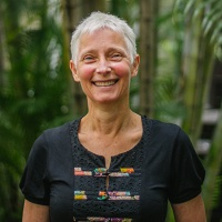
Dr Dillon Landi is a Lecturer in Health and Education in the School of Human Movement and Nutrition Sciences. His research and teaching focuses on equity in sport, health education, sexuality education and physical education. He is internationally recognised for his contributions to these areas and has published extensively in leading journals and edited volumes across health, wellbeing, sport and education. His research has been cited in and informed policy documents, government reports and national position statements in Aotearoa New Zealand, Australia, the United Kingdom and the United States.
Dillon's research has been recognised and won major awards from prestigious organisations such as the American Educational Research Association (AERA), the British Educational Research Association (BERA), the Association Internationale des Écoles Supérieures d'Éducation Physique (AIESEP) and SHAPE America. He has also co-edited three Special Issues in high-impact journals on topics that reflect his commitment to inclusive scholarship: (a) Equity and Diversity in Health, Physical Activity and Education; (b) LGBTQIA+ Research in Physical Education; and (c) LGBTQIA+ Research in Sport, Human Movement and Education.
At the University of Queensland, Dillon teaches courses related to health, research methods, and education. He is also actively engaged in mentoring students and early-career researchers in research related to health, wellbeing, and education. He holds a PhD from the Waipapa Taumata Rau - The University of Auckland (Aotearoa New Zealand) and two postgraduate degrees from Columbia University (New York, USA). Prior to joining UQ, he held academic appointments in Aotearoa New Zealand, Maryland (USA), and Scotland (UK). He currently serves as the Senior Editor of Physical Education and Sport Pedagogy (Q1, Taylor & Francis) and sits on the editorial board of Sport, Education and Society (Q1, Taylor & Francis).
Affiliate of UQ Poche Centre for Indigenous Health
UQ Poche Centre for Indigenous Health
Faculty of Health, Medicine and Behavioural Sciences
Affiliate of Centre of Architecture, Theory, Culture, and History
Centre of Architecture, Theory, Culture and History
Faculty of Engineering, Architecture and Information Technology
Associate Professor
School of Public Health
Faculty of Health, Medicine and Behavioural Sciences
Availability:
Available for supervision
Media expert
Associate Professor Nina Lansbury (also published as Nina Hall) is an environmental public health research and teaching academic at The University of Queensland’s School of Public Health. Her current research at UQ examines environmental health aspects that support the health and wellbeing of remote Indigenous community residents (as a non-Indigenous Australian) on both mainland Australia and in the Torres Strait in terms of housing, water and sanitation, and women's health. She also investigates the impacts of climate change on human health; at a global level, this involves a role as Coordinating Lead Author on the Intergovernmental Panel on Climate Change (IPCC AR7 WG II Ch 9, and formerly as a Lead Author in AR6) as well as a focus on remote Indigenous communities in Australia. In her teaching of undergraduate and postgraduate health students, she covers wicked health problems, integrative and interdisciplinary thinking in health, environmental health, and climate change impacts on health. Within the research sector, she was a senior research scientist at CSIRO, manager of the Sustainable Water program at The University of Queensland, and senior research consultant at the Institute for Sustainable Futures, UTS. Within the non-government sector, she was the director of the Climate Action Network Australia and research coordinator at the Mineral Policy Institute.
Prof Colleen Lau is an NHMRC Fellow and Professorial Research Fellow at the UQ Centre for Clinical Research. Her areas of expertise include emerging infectious diseases, neglected tropical diseases, and clinical travel medicine. Her wide range of research interests include infectious disease epidemiology, spatial epidemiology and disease mapping, infectious disease surveillance and elimination, vaccinations, travel health, environmental health, and digital decision support tools. Professor Lau’s research projects focus on answering practical questions in clinical management of infectious diseases and operational questions on improving strategies to solve public health problems. She leads UQ's HERA program on Operational Research and Decision Support for Infectious Diseases (ODeSI).
Faculty of Health, Medicine and Behavioural Sciences
Availability:
Not available for supervision
Sheleigh Lawler is a health psychology expert, with research interests in understanding and intervening on health behaviours, particularly the psychosocial sequelae in relation to disease and intervention outcomes. Her breadth of knowledge across public health, health promotion and health psychology allows for a unique perspective, particularly on understanding the importance of communication. Her work involves multi-disciplinary teams of researchers, industry partners, and government organisations.
Faculty of Health, Medicine and Behavioural Sciences
Availability:
Not available for supervision
Media expert
Professor Lee is a public health psychologist with research interests in gender and health. She has been a CI on the Australian Longitudinal Study on Women's Health since its initiation in 1995, and has been Project Manager (2000-2003) and National Coordinator (2003-2005).
Professor Lee is a former Head of the School of Psychology (2006-2010) and former Associate Dean (Research) for the Faculty of Health and Behavioural Sciences (2014-2019). As an Emeritus Professor she is actively involved in research grant application development and support.
Core Member of Centre for Community Health and Wellbeing
Centre for Community Health and Wellbeing
Faculty of Health, Medicine and Behavioural Sciences
Senior Lecturer
School of Languages and Cultures
Faculty of Humanities, Arts and Social Sciences
Availability:
Available for supervision
Media expert
I am a linguist specialising in intercultural and public health communication, with a focus on the intersections of language, culture, and migration in healthcare. My research centres on co-designing accessible health communication resources with culturally and linguistically diverse (CALD) communities across Asia and Australia. Drawing on linguistic ethnography and co-design approaches, I work to improve community health, infectious disease prevention, and health equity for underserved populations. I am also passionate about collaborating with colleagues across the health and social sciences to address complex public health challenges, and I convene an interdisciplinary health communication research group at the School.
My publications focus on public health communication. A central aim of these publications is to distill complex health communication data into accessible and actionable strategies that deliver tangible benefits to communities and practitioners. In 2025, I published a single-authored book, Health Crisis Communication: Multimodal Classification for Pandemic Preparedness, which examines effective public health communication and offers practical strategies for communicating complex epidemiological concepts to the public.
I am currently leading and collaborating on three major research projects addressing health communication with vulnerable populations across gender, race, migration, and socioeconomic status. These projects aim to develop tailored communication strategies and resources for conveying critical health information effectively.
I co-create a community health outreach program with Myanmar migrant workers in Thailand.
I co-lead an international project that examines clinician–patient communication across Australia, Switzerland, and Thailand.
I lead a travel medicine project in Australia that investigates how health professionals communicate infectious disease risks to vulnerable groups, including children, pregnant women, and older adults with underlying health conditions.
My research has been recognised with several awards, including the 2021 Humanities Travelling Fellowship from the Australian Academy of the Humanities, the 2025 Young Scholar Research Award from the North America Taiwanese Professors’ Association (NATPA), and the 2025 High Distinction Award from the Taiwan Association of Medical History.
I welcome enquiries from prospective PhD, MPhil, and Honours students interested in health discourse, intercultural communication, and migration studies. Please feel free to contact me to discuss potential research projects.
Affiliate of Centre of Research Excellence on Achieving the Tobacco Endgame
Centre of Research Excellence on Achieving the Tobacco Endgame
Faculty of Health, Medicine and Behavioural Sciences
Affiliate of National Centre for Youth Substance Use Research
National Centre for Youth Substance Use Research
Faculty of Health, Medicine and Behavioural Sciences
Principal Research Fellow
School of Psychology
Faculty of Health, Medicine and Behavioural Sciences
Availability:
Available for supervision
Media expert
Dr Janni Leung is an epidemiologist of addiction, substance use and mental health, and NHMRC Emerging Leadership Fellow at the National Centre for Youth Substance Use Research, at The University of Queensland. She is studies how substance use and mental health affect people and communities, and how research can help prevent harm.
Janni has published more than 200 papers, attracting over 15,000 citations, with 30% of her research among the world’s top 1% most cited. Expertscape ranks her among the top three cannabis researchers in Australia and the top 10 globally. She was jointly named Queensland’s 2025 Young Tall Poppy of the Year, —the award’s highest honour across all scientific fields—and was recognised by The Australian’s Research Magazine as one of 40 early-career researchers to watch.
Her research spans cannabis, alcohol, nicotine and vaping, mental health, and digital addictions such as gaming disorder. She uses epidemiological studies, systematic reviews and statistical methods to understand emerging problems and inform policy and prevention. Janni values strong partnerships with communities and meaningful involvement of consumers and people with lived experience, including co-designing innovative public health interventions with young people and parents.
Research supervision
Janni has experience supervising students from public health, psychology, medicine and diverse cultural and life backgrounds. She can supervise coursework research projects, master’s theses and PhD research. She welcomes students who are self-motivated, reliable, open to feedback and with a strong comitment to rigorous high-quality research. Prospective students should email a brief cover letter and CV; international applicants should also provide their IELTS English-language test results. Supervision is considered based on research fit, preparedness and available capacity.
Lived experience
In addition to my academic expertise, I bring lived experience perspectives in perinatal wellbeing. I also bring lived experience of problematic digital technology use, including video gaming and mobile phone use.
I welcome opportunities to contribute these perspectives to research projects, proposals and co-design activities, and am happy to collaborate with researchers seeking meaningful lived experience input.
Faculty of Health, Medicine and Behavioural Sciences
Availability:
Available for supervision
Zhiqi Liang is a Specialist Musculoskeletal Physiotherapist and Lecturer at the University of Queensland, where she teaches on the Master of Physiotherapy (Musculoskeletal) Program and holds a clinical role at the University of Queensland Physiotherapy Headache Clinic. Her research focuses on the mechanisms of neck pain in headache — particularly migraine — and on identifying treatment directions, including patient preferences, for individualised management.
In 2024, Zhiqi was awarded the David Lamb Award by the International Federation of Manual and Musculoskeletal Physical Therapists (IFOMPT), recognising high-quality research that has made an international impact on musculoskeletal physiotherapy. She is a founding member of the Physiotherapy Special Interest Group within the International Headache Society, where she helps lead international research on physiotherapy management of headache and the development of headache curricula for physiotherapists.
With more than 20 years of clinical experience, Zhiqi's expertise is recognised through Fellowship of the Australian College of Physiotherapists. She remains actively involved in the College as an examiner and facilitator for the Specialisation Training Program and currently serves on the Board of Censors.
Affiliate of Centre for Living Experience Research
Centre for Living Experience Research
Faculty of Health, Medicine and Behavioural Sciences
Affiliate of Centre for Neurorehabilitation, Ageing and Balance Research
Centre for Neurorehabilitation, Ageing and Balance Research
Faculty of Health, Medicine and Behavioural Sciences
Conjoint Associate Professor
School of Health and Rehabilitation Sciences
Faculty of Health, Medicine and Behavioural Sciences
Availability:
Available for supervision
Jacki Liddle is a research fellow and occupational therapist researching quality of life, participation and life transitions. She uses innovative technology, along with qualitative and quantitative research methods to investigate the needs and experiences of people living with neurological conditions (dementia, Parkinson's disease, stroke), older people and their caregivers. She has worked with a multi-disciplinary team co-designing technology with people living with dementia and their care partners to support communication. Currently, she is in a conjoint position with Princess Alexandra Hospital, supporting the development, conduct and application of research that improves outcomes for patients.
She has also been involved in developing technology to measure outcomes including lifespace, time use, and activity and role participation to help monitor and improve community outcomes. Dr Liddle's PhD focused on researching the experiences related to retirement from driving for older people, which led to the development of the CarFreeMe program to improve outcomes related to driving cessation. Versions of the program for older drivers, people living with dementia and people with traumatic brain injury have been developed and trialled.
Dr Kieren Lilly is a social psychologist and Research Fellow at the Institute for Social Science Research (ISSR), University of Queensland. Kieren’s research examines experiences of inequality and discrimination, with a particular focus on the relationships between social identity, relative deprivation, political ideology, and collective action. For instance, his doctoral research explored the causes, consequences, and trajectories of relative deprivation among the general public, while his more recent work examines the factors shaping support for right-wing reactionary movements, typologies of authoritarianism, and perceptions of reverse discrimination among advantaged groups.
Kieren is also deeply committed to supporting LGBTQIA+ research and equity. He leads and collaborates on projects investigating (a) the relationships between identity, health, and well-being among LGBTQIA+ populations and (b) attitudes towards LGBTQIA+ people and social policy. Kieren’s research aims to challenge dominant, binary views of sexuality and gender, including via studies of sexual fluidity and transnormativity. In 2025, Kieren was awarded the UQ Ally Award in recognition of his commitment to promoting inclusion and community for transgender and gender-diverse staff and students.
At ISSR, Kieren works as part of the URBANiQ: Urban Intelligence for Healthy & Equitable Places @ The University of Queensland team, contributing to high-impact research related to urban liveability and community well-being. He also works on several commissioned projects monitoring and evaluating public programs related to substance use, criminal justice, and primary care. Kieren specialises in advanced quantitative research methods, including longitudinal, multilevel, person-centred, and quasi-experimental approaches, and has expertise in managing large-scale panel and administrative data sets.
Affiliate of Centre of Research Excellence on Achieving the Tobacco Endgame
Centre of Research Excellence on Achieving the Tobacco Endgame
Faculty of Health, Medicine and Behavioural Sciences
Affiliate of National Centre for Youth Substance Use Research
National Centre for Youth Substance Use Research
Faculty of Health, Medicine and Behavioural Sciences
NHMRC Emerging Leadership Fellow
School of Psychology
Faculty of Health, Medicine and Behavioural Sciences
Availability:
Available for supervision
Carmen is an NHMRC Emerging Leadership Fellow at the National Centre for Youth Substance Use Research. Her research seeks to understand why young people start using substances and develop strategies that advance public health.
Her work spans three key areas:
(1)Youth vaping and social media, where she examines trends and the influence of social media on youth vaping; (2) Cannabis and regulation, investigating industry marketing practices and compliance with regulatory guidelines; (3)International comparisons and equity - developing culturally appropriate prevention and harm reduction strategies to address substance use in diverse contexts;
Through her research, Carmen aims to generate evidence that informs policy, guides prevention and harm reduction efforts, and support healthier futures for young people. She has published over 100 peer-reviewed papers in addiction and mental health (Google Scholar: >10K citations, h-index = 43, 31% output in top 10% citation percentile).
Carmen holds qualifications in biostatistics, public health and epidemiology. She has experiences in teaching and mentoring students from diverse demographic and cultural background, and welcomes self-driven, curious students with interest in public health, psychology, epidemiology, or statistics to join her team.
Faculty of Health, Medicine and Behavioural Sciences
Availability:
Available for supervision
Mark Liu is a Postdoctoral Research Fellow focusing on the potential for clinical trials to affect change on a larger, longer-term scale. He was the interning early-career researcher for a multidisciplinary patient safety trial conducted at eight hospitals across Sydney, Melbourne and regional New South Wales. His doctoral research program involved physical activity for cancer patients, with an emphasis on creating long-term behaviour change for underserved groups.
Methodological expertise:
Implementing trials in real-world contexts
Behaviour change theory
Consumer involvement
Leveraging routinely collected healthcare data for research
Other areas of interest: supportive care for people with cancer, inequities in healthcare