Faculty of Health, Medicine and Behavioural Sciences
Availability:
Available for supervision
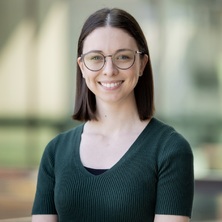
Dr Anelise Silveira is a physiotherapist and early career researcher specializing in musculoskeletal (MSK) conditions, particularly upper extremity disorders. She has a strong interest in non-pharmacological randomized controlled trials (RCTs), systematic reviews (including meta-analysis and network meta-analysis), and co-designing research protocols with people with lived experience to ensure relevance and impact.
Currently, she is a Postdoctoral Research Fellow in Clinical Trials at the STARS Education and Research Alliance and the School of Health and Rehabilitation Sciences, The University of Queensland. Anelise is also affiliated with the Centre for Innovation in Pain and Health Research (CIPHeR), the ANZMUSC Clinical Trials Network, the Queensland Orthopaedic Physiotherapy Network (QOPN), and the Canadian Physiotherapy Association (CPA).
She has contributed to 12 successful grant applications securing over AUD$688,000 and published 19 peer-reviewed papers. She has mentored 10 orthopaedic surgery residents in completing research projects, 4 physical therapists in conducting systematic reviews, 2 physiotherapists in clinical skill development, and numerous research personnel in data collection, RCT procedures, and project management. She previously served as Research Director for the College of Health Sciences at the University of Alberta in Canada, where she also completed her PhD in Epidemiology in 2024. Her doctoral work focused on improving care and return-to-work outcomes for workers with shoulder injuries. Anelise relocated to Australia in March 2025 to begin her fellowship and is welcoming PhD and Master’s students interested in upper-extremity MSK research.
Faculty of Health, Medicine and Behavioural Sciences
Research Officer
School of Health and Rehabilitation Sciences
Faculty of Health, Medicine and Behavioural Sciences
Availability:
Available for supervision
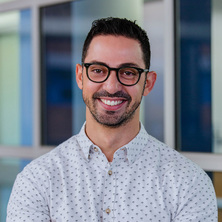
Dr Joshua Simmich is a physiotherapist and digital health researcher at UQ’s RECOVER Injury Research Centre. His work focuses on technology-enabled rehabilitation: how tools such as telerehabilitation, mobile health, wearable sensors, virtual reality, serious games and artificial intelligence can make rehabilitation more accessible, engaging and effective.
Joshua’s research spans remote and hybrid models of physiotherapy care, patient preferences for telerehabilitation, the safety and effectiveness of video-based rehabilitation and exercise, and the evaluation of digital tools for pain monitoring and clinical decision-making. His PhD examined how active video games and wearable sensors could support physical activity in people with chronic obstructive pulmonary disease.
He works with clinical and research teams to design, evaluate and translate digital health innovations for rehabilitation. Current and recent projects include virtual reality for driving anxiety, personalised motorised wheelchair trials using simulation, AI-supported navigation of the Australian healthcare system, GPS-based functional assessment for people with persistent pain, and serious games for physiotherapy education.
Joshua is available to supervise students interested in digital health, telerehabilitation, technology-enabled rehabilitation, AI in healthcare, virtual reality, wearable sensors, physical activity and rehabilitation service delivery.
UQ Amplify Professorial Research Fellow (Secondment)
PA Southside Clinical Unit
Faculty of Health, Medicine and Behavioural Sciences
Availability:
Available for supervision
Media expert
Prof Siskind trained as a psychiatrist in Australia and the United States. He graduated from medicine at the University of Queensland in 1998. After working with Doctors Without Borders in Chechnya in 2000, he became interested in psychiatry. He moved to Boston in 2002, where he did his psychiatry residency at Boston University and a Master of Public Health at Harvard University. He returned to Brisbane in June 2008 as a clinical academic psychiatrist at the Metro South Addiction and Mental Health Service. He completed his Ph.D in Feb 2014. His research interests include clozapine and treatment refractory schizophrenia, the physical health of people with severe and persistent mental illness, supported accommodation, assertive community treatment and mental health services research. He was awarded an NHMRC Investigator Grant as a Leadership Fellow (L1 2027-2031) an Emerging Leadership Fellow (EL2 2021-2025) and an NHMRC Early Career Fellowship (ECF 2016-2019). He has a current CIA MRFF RCRDUN grant looking at treatments to reduce cardiometabolic morbidity among people with schizophrenia. He was the SIRS 2026 Outstanding Clinical and Community Research Award recipient, and was elected to the Australian Academy of Health and Medical Sciences in 2025. He has over 350 peer reviewed publications, including first author in the highly ranked Lancet, World Psychiatry, Lancet Psychiatry, BJPsych, ANZJP, & Schizophrenia Bulletin. He is a named investigator on over $65 million in competitive research grants, with over $9 million as CIA.
Faculty of Health, Medicine and Behavioural Sciences
Availability:
Available for supervision
Media expert
Dr Andrew Smirnov is a Senior Lecturer in the School of Public Health with an interest in substance use epidemiology, reducing drug-related harm, and working collaboratively to promote the health of socially marginalised population groups. He is the Course Coordinator for second- and third-year health promotion courses in the Bachelor of Health Sciences and has published a public health textbook chapter on drug use in Australia. His current research focuses on the health needs of people who are imprisoned, developing and evaluating models of care for blood borne virus prevention and treatment, and frameworks for strengthening the cultural safety, accessibility, and responsiveness of drug harm reduction programs for Aboriginal and Torres Strait Islander peoples. Andrew follows a rights-based perspective in his work and has a strong interest in community-based health programs and consumer partnerships for achieving health equity.
Affiliate of Centre for Innovation in Pain and Health Research (CIPHeR)
Centre for Innovation in Pain and Health Research
Faculty of Health, Medicine and Behavioural Sciences
Associate Professor
School of Health and Rehabilitation Sciences
Faculty of Health, Medicine and Behavioural Sciences
Availability:
Available for supervision
Media expert
Michelle Smith is a Associate Professor in Physiotherapy and a Titled Sports and Exercise Physiotherapist. She is Program Director for the Masters of Sports Physiotherapy and Masters of Musculoskeletal Physiotherapy programs at UQ, Co-director of the International Ankle Consortium, Co-director of the Sports Injury Rehabilitation and Prevention for Health (SIRPH) research unit and Associate Editor of Physical Therapy and Sport.
The overarching theme of Michelle's research is lower limb joint health. Her research focuses on the prevention and management of lower limb joint injuries and pathologies across the lifespan to enable unrestricted participation in sport, physical activity and work. There are three key areas of her research:
To improve understanding of ankle injuries and osteoarthritis across the lifespan: Ankle sprains are the most common injury seen in emergency departments and are a primary cause of ankle osteoarthritis, which in light of its post-traumatic nature, often affects young adults. To optimise outcomes and participation for people with ankle pathologies, my research characterises impairments and participation restrictions in the continuum from ankle injury to osteoarthritis and establishes the efficacy of interventions to manage these conditions.
To understand the effectiveness and implementation of injury prevention strategies: While neuromuscular exercise program and taping/bracing have been shown to decrease injury risk, translation of research into practice is limited. My research investigates the implementation of injury prevention initiatives in adolescent athletes and involves stakeholders to better understand barriers and facilitators.
To evaluate the implementation of lower limb osteoarthritis interventions: Exercise and education for hip and knee osteoarthritis have been shown to improve quality of life and functional outcomes. My research investigates the implementation of such programs in public hospitals and private physiotherapy practices on patient outcomes and service delivery.
Michelle has presented her research and delivered keynote and invited presentations at national and international multi-disciplinary conferences. She teaches across the undergraduate and postgraduate physiotherapy curriculum in the areas of musculoskeletal health and sports injuries. She has been recognised for her high teaching quality and impact at both School and Faculty levels through receipt of Teaching Excellence Awards. She is the Chair of the School of Health and Rehabilitation Sciences External Engagement Committee and Deputy Chair of the Sports and Exercise Physiotherapy Group of the Austrailan Physiotherapy Association. She is a member of the Outcome Measures in Rheumatology (OMERACT) Foot and Ankle Working Group, International Foot and Ankle Osteoarthritis Consortium, and Australian Foot and Ankle Research Network.
Faculty of Health, Medicine and Behavioural Sciences
Availability:
Not available for supervision
Media expert
Dr Smith is a very early career academic and Registrar in Intensive Care Medicine & Anaesthesia at Toowoomba Hospital. Despite being at an early stage in his medical and research career, Sam has already gained valuable experience and enthusiasm in medical education and research, crossing clinical and methodological domains.
Dr Smith gained his primary medical qualification at James Cook University, graduating in 2019 with Honours and awards in research/ Evidence Based Medicine, rural medicine, and surgery. His Honours research, supervised by Professor Jonathan Golledge, focussed on the economic impacts of readmission after surgery for peripheral artery disease (PAD). For this research, he was awarded the Professor Philip Walker Scholarship in Vascular Research, allowing him to present his findings internationally. He has co-authored papers in vascular and cardiothoracic surgery, tropical infectious diseases, and care of critically unwell and trauma patients.
Aside from clinical duties, Sam is also active in teaching, guest lecturing at James Cook University and the University of Queensland, as well as teaching medical students in the clinical setting. In his clinical practice, Sam has interests in critical care medicine, vascular access, POCUS and incorporating best evidence into daily practice. Sam is always very keen to share his enthusiasm for all things evidence-based with students or really anyone who will listen.
Qualifications
MBBS (Hons.)
MPH&TM
Graduate Certificate in Clinical Education (current)
Faculty of Health, Medicine and Behavioural Sciences
Availability:
Available for supervision
Media expert
Dr Melinda Smith (nee Franettovich) is a Lecturer in the School of Health and Rehabilitation Sciences. She also works as a Physiotherapist at Clem Jones Centre Physio & Rehab and delivers online and face to face professional development workshops for health professionals. Her research, teaching and clinical focus is lower limb musculoskeletal function and health, with a special interest in the foot and ankle. Melinda's aim is to enrich people's lives by facilitating physical activity and sport participation through improving the prevention, assessment and treatment of lower limb musculoskeletal pain and injury.
Her research publications extend across several areas including lower limb function, sports and running related injuries, taping, foot orthoses, footwear, measurement of foot posture and mobility, gait-retraining and musculoskeletal imaging. She has contributed to three book chapters including neuromuscular control of the foot and ankle, advances in magnetic resonance imaging, and sports medicine (foot). Melinda has presented her research at international and national conferences across several fields including Physiotherapy, Podiatry and Sports Medicine. The impact of her research in the clinical setting is evidenced by invitations from professional organisations, private practices and hospital departments to deliver professional development for their health professionals. Through her research she has collaborated with school, community and elite level sporting clubs and associations, physiotherapy private practices and footwear manufacturers. Melinda's mission is to conduct high quality, innovative research that engages with community and industry partners to deliver impactful outcomes.
Affiliate of Centre for the Business and Economics of Health
Centre for the Business and Economics of Health
Faculty of Business, Economics and Law
Affiliate of Queensland Digital Health Centre
Queensland Digital Health Centre
Faculty of Health, Medicine and Behavioural Sciences
Centre Director of Centre for Online Health
Centre for Online Health
Faculty of Health, Medicine and Behavioural Sciences
Professor
Medical School
Faculty of Health, Medicine and Behavioural Sciences
Availability:
Available for supervision
Media expert
Professor Anthony Smith is the Director of The University of Queensland’s Centre for Online Health (COH), and Adjunct Professor at the Hans Christian Anderson Children's Hospital and University of Southern Denmark, in Odense, Denmark.
Professor Smith is also the Editor in Chief for the Journal of Telemedicine and Telecare (Sage Publishers, London; 5y Impact Factor 4.9).
Professor Smith has more than 25 years of research experience, resulting in the planning, implementation and evaluation of a broad range of telehealth (virtual care) services around Australia. Specific research interests include the feasibility, effectiveness and sustainability of telehealth services in the public health system; genuine consumer engagement; and novel strategies to support our health workforce and telehealth adoption. His research has led to the development of pioneering virtual care services in Australia, including prominent statewide hospital-based telehealth programs in Queensland, wireless (robot) videoconference systems for remote consultations; and a community-based (and telehealth supported) health screening programme for Indigenous children in Queensland. Current projects focus on the integration of telehealth and virtual care services in residential aged care settings; evaluation of community-led First Nations health services; the delivery of video-based rehabilitation services to children in rural and remote primary schools; telementoring services for health professionals in primary care; and discipline specific clinical telehealth services.
Professor Smith chairs the International Conference on Successes and Failures in Telehealth conference. He is also a Fellow of the Queensland Academy of Arts and Sciences. Previous roles have included the President of the Australasian Telehealth Society (ATHS) [2013-2015]; and elected member of the ATHS committee [2008-2024]. In the field of telehealth and virtual care, Prof Smith has over 240 publications, including 230 peer-reviewed journal papers, three edited books and 13 book chapters on related topics. Whilst the field remains highly specialised in comparison to other disciplines, his work is cited over 2000 times each year.
Professor Smith also provides an extensive range of consultancy services for government agencies and industry partners in the field of telehealth, digital health and virtual healthcare.
RECENT AWARDS
1. Honorary Doctorate. Doctor of Medical Science (D.M.SC. (honoris cau)). Faculty of Health Sciences, University of Southern Denmark, 2025
2. Public Engagement and Community-led Research (including Citizen Science) Award, The University of Queensland Research Culture Awards, 2024
3. Top Researcher in the field of "Medical Informatics"- for work involving telehealth, digital health and virtual care. The Australian Research Awards, 2023
4. Commendation, Academic Leader of the Year, UQ Faculty of Medicine Excellence Awards, The University of Queensland, 2023
5. Excellence in Indigenous Engagement Award - for "enhancing access to specialist health services through the use of telehealth for First Nations people. Engagement Australia Excellence Awards, 2021
6. Spirit of Reconciliation Award - for building research and community partnerships in Queensland. UQ Faculty of Medicine Excellence Awards, The University of Queensaland, 2021
Faculty of Health, Medicine and Behavioural Sciences
Availability:
Not available for supervision
Media expert
Emeritus Professor Mark Smithers is a surgical oncologist who specialises in surgery for oesophago-gastric diseases, melanoma, advanced skin cancer and soft tissue sarcoma. He was the Director of the Upper GI and Soft Tissue Unit at the Princess Alexandra Hospital, in Brisbane, Australia from 1998 - 2023. Commencing his academic career with the University of Queensland in 1987, he progressed to be the Mayne Chair in Surgery and head of the Academy of Surgery. He is the second University of Queensland Medical graduate to be appointed to this role. His research has been focussed on the development and assessment of outcomes from minimally invasive upper GI surgery, and trials assessing the role of perioperative multidisciplinary therapy for esophageal and gastric cancer. As well he has led, or been involved with, clinical trials from phase I to III, for all stages of melanoma through his role as the Chair of the Queensland Melanoma Project. More recently he has been involved with the assessment of access to, and outcomes from, surgery for cancer in Queensland, Australia.
He has overseen the administration and development of the surgery curriculum, and the teaching, in the Academy of Surgery, in the UQ Faculty of Medicine. He was on a number of committees relevant to the implementation of the UQ MD design course. He has held various leadership and committee roles with the Royal Australasian College of Surgeons, as well as leadership roles, including the Presidency, in the Australian and New Zealand Oesophago Gastric Surgeons Association. He has also been on the committees of international organisations related to oesophageal and gastric surgery. He has published 250 articles, eight book chapters, and has been on the editorial board of a number of surgical journals.
He has been recognised for his clinical and academic roles by the award of Member of the Order of Australia (AM). The citation reads, "for service to medicine in the fields of gastro-intestinal and melanoma surgery, to medical education and to professional organisations". The Royal Australasian College of Surgeons awarded him the Sir Hugh Devine medal, for services to surgery and the community. This is the College’s highest honour. Internationally, he has been awarded an honorary fellowship of the Royal College of Surgeons of Edinburgh and recently, in the United States, he was elected as an Honarary Fellow of the American Surgical Association.
Affiliate of ARC Training Centre for Environmental and Agricultural Solutions to Antimicrobial Resis
ARC Training Centre for Environmental and Agricultural Solutions to Antimicrobia
Institute for Molecular Bioscience
Professor
School of Veterinary Science
Faculty of Science
Availability:
Available for supervision
Media expert
Ricardo J. Soares Magalhães is Professor of Zoonotic Disease Epidemiology and Biosecurity and Director of the Queensland Alliance for One Health Sciences. Prof. Soares Magalhaes is a European Veterinary Board Specialist in Population Medicine with extensive national and international research experience in three main areas: spatial epidemiology of zoonotic infections, outbreak response for emerging zoonoses and risk assessment of animal’s environmental health/biosecurity. A key focus of his team's current research is to develop geographical risk assessment methods to assist climate-sensitive zoonotic infectious disease prioritisation for improved surveillance and risk management in both human and animal populations.
Prof. Soares Magalhães’s team is currently leading the development of a number of epidemiological data analytics platforms including for zoonotic influenza (WHO SEARO, Word Bank), antimicrobial resistance in agribusinesses and the environment (SAAFE CRC) and veterinary clinical data (VARDC and ACARCinom).
Faculty of Health, Medicine and Behavioural Sciences
Availability:
Available for supervision
Associate Professor Spurling works at The University of Queensland General Practice Clinical Unit (0.4 FTE) and at the Southern Queensland Centre of Excellence in Aboriginal and Torres Strait Islander primary health care (Inala COE – 0.6 FTE). He has research interests in social determinants of health and access to primary health care, especially where his research skills can be of service to Aboriginal and Torres Strait Islander peoples. His other research interests are quality use of medicines and respiratory infections, with particular methodological interests in systematic reviews and mixed-methods research in general practice. His most recent research interest concerns access to opioid dependence treatment in general practice.
He completed medical training at the University of Queensland, did his junior doctor years in regional Queensland and completed a Diploma of Tropical Medicine and Hygiene in London in 1998. In 2001, he spent 12 months working on a project in Central America with Médecins Sans Frontières. He completed general practice specialty training with the RACGP in 2004, which included an academic registrar term. In 2004, he was fortunate to meet Professor Noel Hayman, one of Queensland’s first Aboriginal medical graduates and Clinical Director of the Inala COE, who offered him a GP position in 2004. He has shared his full-time work as a GP academic at the Inala COE and UQ GPCU ever since.
Associate Professor Spurling has developed clinical interests in serving the Aboriginal and Torres Strait Islander community in Inala, serving Spanish-speaking refugees, diabetic retinopathy, and, most recently, addiction medicine. He has been mentoring GP registrars and medical students at the Inala COE since 2004. As a member of the UQ GPCU academic staff, he regularly takes tutorial groups and lectures in cardiovascular medicine, respiratory infections, Aboriginal and Torres Strait Islander health and social determinants of health for medical students doing their general practice rotation.
Associate Professor Spurling supervises five postgraduate students (PhD students). He has been awarded over A$18M in research grants and has published over 80 peer-reviewed papers.
Faculty of Health, Medicine and Behavioural Sciences
Availability:
Not available for supervision
Janet Stajic is a Yidinji–Jirrbal woman of Far North Queensland who grew up in Brisbane. With 17 years’ experience in Aboriginal and Torres Strait Islander health, Janet has worked as an Aboriginal Health Worker, in program management, policy, and research across the Aboriginal community-controlled, public, non-profit, and university sectors. With over a decade of research experience, Janet has contributed to projects spanning chronic disease, blood borne viruses, health services research, program evaluation, and workforce. Her doctoral research explored the racialisation of the Aboriginal and Torres Strait Islander Health Worker and Practitioner workforce, its positioning within the health system, their conceptualisations of care, and the limitations of the health system in supporting this workforce. Janet currently works for the University of Queensland Poche Centre for Indigenous Health as a Research Fellow and is a Professional Ambassador for the National Association of Aboriginal and/or Torres Strait Islander Health Workers and Practitioners.
Affiliate Associate Professor of Queensland Brain Institute
Queensland Brain Institute
Faculty of Health, Medicine and Behavioural Sciences
ARC Mid-Career Industry Fellow
Child Health Research Centre
Faculty of Health, Medicine and Behavioural Sciences
Affiliate of ARC COE for Children and Families Over the Lifecourse
ARC COE for Children and Families Over the Lifecourse
Faculty of Humanities, Arts and Social Sciences
Availability:
Available for supervision
Media expert
Associate Professor Sally Staton is an applied developmental scientist whose research focuses on how early life experiences, environments, and the systems that support children shape lifelong learning, development, brain health, and wellbeing. As an ARC Mid-Career Industry Fellow and Leader of the Brain Health and Early Development Research Group at The University of Queensland's Child Health Research Centre, she works at the intersection of developmental science, policy, and practice to generate and translate evidence to support children, families, and communities.
Her research examines how early experiences and the physical and social environments in which children and families live, learn, and grow influence health and development across the life course. A major focus of her work is understanding how early childhood education and care (ECEC) environments, sleep, and the design of physical and interactional spaces support children's development. She currently leads the ARC-funded Building Futures project, which is generating evidence to inform the design of early childhood learning environments, and recently completed the STARs study, a landmark longitudinal investigation of sleep development in children aged 1–5 years.
Working closely with governments, educators, non-government organisations, communities, and philanthropic partners, Sally co-designs and translates research to inform policy, practice, and systems change. She also leads the Brain Builders Initiative, a major research and translation program focused on applying contemporary knowledge of brain development across the systems and workforces that support children and families.
Sally has authored more than 200 publications and research outputs. Her work has informed national and international policy and practice, including reforms to Australian early childhood legislation and contributions to policy recommendations from organisations including the OECD and WHO. In recognition of her research impact and science communication, she was named one of Australia's Young Tall Poppy Scientists and invited to participate in the United Nations Science Summit on Brain Health. Her overarching goal is to ensure that research is translated into practical action that helps children, families, and communities thrive.
Affiliate of Centre of Research Excellence on Achieving the Tobacco Endgame
Centre of Research Excellence on Achieving the Tobacco Endgame
Faculty of Health, Medicine and Behavioural Sciences
Associate Professor
School of Pharmacy and Pharmaceutical Sciences
Faculty of Health, Medicine and Behavioural Sciences
Availability:
Not available for supervision
Media expert
I completed my Bachelor of Pharmacy at Kings College London, followed by pre-registration and subsequent employment as a pharmacist with Boots the Chemists in Central London. With a PhD in plant biochemistry with Royal Holloway College, University of London, and the Royal Botanic Gardens, Kew, I moved first to Cornell University, USA and then The University of Western Australia for postdoctoral research. I moved to the School of Pharmacy at The University of Queensland in 2007.
Following a number of years in plant research, my current research interests generally link back to plants in some way. Many of my projects develop in response to requests for help from healthcare professionals, and so I have a strong focus on answering clinical questions using pharmaceutical science methods. See my research interests for more information. I am not currently accepting new PhD students as primary supervisor, but am open to contributing as an associate advisor.
I currently teach into the Bachelor of Pharmacy (Honours) in the areas of pharmaceutics, compounding and complementary medicines, and previously have contributed to education in areas of pharmacy practice, clinical trial management, and pharmaceutical chemistry. I have supervised over 30 PhD students to completion, and over 60 undergraduate and masters independent research project students.
Affiliate of Centre for the Business and Economics of Health
Centre for the Business and Economics of Health
Faculty of Business, Economics and Law
Affiliate of Centre for Innovation in Pain and Health Research (CIPHeR)
Centre for Innovation in Pain and Health Research
Faculty of Health, Medicine and Behavioural Sciences
Affiliate of RECOVER Injury Research Centre
RECOVER Injury Research Centre
Faculty of Health, Medicine and Behavioural Sciences
Professor and Whiplash Program
School of Health and Rehabilitation Sciences
Faculty of Health, Medicine and Behavioural Sciences
Availability:
Available for supervision
Media expert
Michele Sterling is a NHMRC Leadership Fellow (leadership level 2), Professor in the Recover Injury Research Centre, Program Lead of the Musculoskeletal Injury research program and Director of the NHMRC Centre of Research Excellence (CRE) in Better Health Outcomes for Compensable Injury. She is a Musculoskeletal Physiotherapist and a Fellow of the Australian College of Physiotherapists. She is internationally recognised for her research on whiplash-associated disorders. Michele’s research focusses on the mechanisms underlying the development of chronic pain after injury, predictive algorithms for outcomes and developing effective interventions for musculoskeletal injury and pain. She has received over $50M in research funding from the NHMRC, MRFF, ARC and industry partners, including 7 NHMRC project grants, and 2 Centres of Research Excellence. Michele holds editorial roles with several leading journals and textbooks, including being a Section Editor of PAIN and co-editors of the 4th and 5th editions of the seminal physiotherapy textbook 'Grieve's Musculoskeletal Physiotherapy). Michele has published over 325 scientific works and has received numerous awards for her research including the Research Australia Research Translation award in 2023. Examples of recognition as a national and international leader in the field include:
2024- Secretary of the Executive Council - International Association for the Study of Pain (IASP)
2022-2024 Chair Scientific Program Committee World Pain Congress, Amsterdam 2024
2023-2027 NHMRC Leadership Fellow (Level 2) for research of road traffic injury.
2023 Research Australia Research Translation award
2016-2022 Council member International Association for the Study of Pain (IASP)
Faculty of Health, Medicine and Behavioural Sciences
Availability:
Available for supervision
Media expert
Dr Nicole Stormon is a Senior Lecturer at the University of Queensland and AHPRA registered Oral health therapist. The current and inaugural Program Convenor for the School of Dentistry’s Doctor of Dental Medicine. She is also the Principal Research Fellow for Queensland Health Metro North Community and Oral Health. An alumnus of the University of Queensland for her undergraduate and postgraduate training, Nicole has become an internationally recognised leader and advocate in Oral Health Therapy.
Nicole Stormon has publications in high quality journals, numerous conference presentation and research collaborations. Health service research is a central theme of her research, with ongoing collaborations with Queensland Health to develop evidence-based and cost-effective models of dental care. She has extensive experience in the analysis of complex quantitative health service data and large longitudinal cohort studies. Additionally, Nicole is experienced in relevant health services research methods including qualitative, scoping methods and consumer engagement. Translating evidence into practice can be challenging, however her research aims to implement innovations and generate new knowledge to better patients oral health outcomes. Being a clinician herself and her effective collaborations to the health service are key to bridging the knowledge-implementation gap.
Nicole Stormon represents the oral health workforce and applies expertise, leadership and governance skills. As an advocate for oral health, she has consulted on a number of national oral health policy issues. Called as an expert witness into the Aged Care Royal Commission into oral health. She has contributed to countless written submissions and representations on national and local advocacy and policy matters. As a leader and advocate for her profession, saw through the recognition and implementation of oral health professionals in obtaining provider numbers and claiming within the Child Dental Benefits Schedule. She has contributed to ongoing public policy issues and has published evaluations of the federal funding policy the Child Dental Benefits.
Faculty of Health, Medicine and Behavioural Sciences
Availability:
Available for supervision
Media expert
Jenny was appointed Professor of Occupational Therapy in 1997. At the end of 2015, Jenny took early retirement from UQ. In January 2016, she was awarded the title of Emeritus Professor of The University of Queensland. Jenny is now using her time to facilitate and enable a new generation of clinical occupational therapists to appraise and utilise research evidence in their practice, and to conduct clinical research and generate new evidence to inform practice. In addition, she continues to guide a growing group of research higher degree students, while focusing more time upon her own research in the area of chronic pain.
Her research has primarily focused upon the impact which chronic pain has upon a person's life; the attendant measurement of that pain, and the efficacy of different treatment approaches. Jenny was recognised as a Distinguished Member of the Australian Pain Society in 2014, for her contribution to pain management education and research in Australia.
Associate Member of Centre for Community Health and Wellbeing
Centre for Community Health and Wellbeing
Faculty of Health, Medicine and Behavioural Sciences
Affiliate of Centre for Sport and Society
Centre for Sport and Society
Faculty of Health, Medicine and Behavioural Sciences
Senior Lecturer
School of Human Movement and Nutrition Sciences
Faculty of Health, Medicine and Behavioural Sciences
Availability:
Available for supervision
Media expert
Dr Michalis Stylianou is a senior lecturer with the School of Human Movement and Nutrition Sciences at The University of Queensland. His research interests focus around creating active and healthy schools using comprehensive and coordinated approaches that involve school staff, parents, and the community. Michalis is also a member of the Active Healthy Kids Australia research working group, a collaboration among Australian children’s physical activity and health researchers who advocate for actions to increase the physical activity levels among Australian children using the Physical Activity Report Card for Children and Young People as the core monitoring metric.