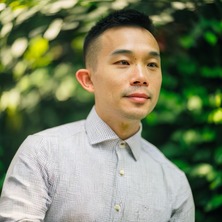
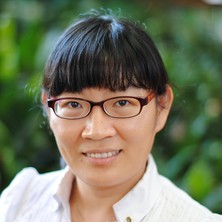
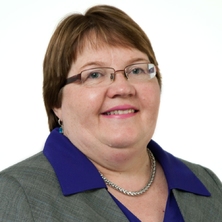
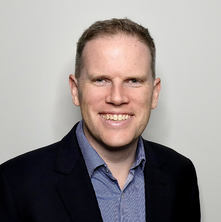
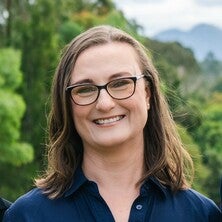
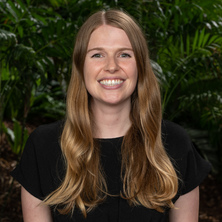
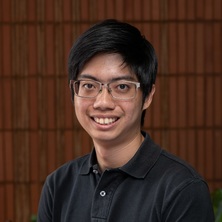
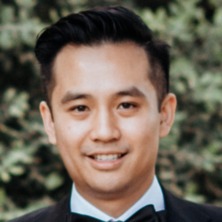
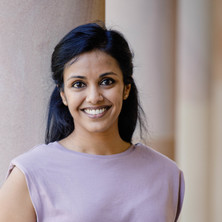
Junxian Lim is an accomplished molecular biologist at the Institute for Molecular Bioscience. With a strong background in cell biology, protein biochemistry, and pharmacology, he has established himself in the field. Collaborating with researchers at universities, institutions, as well as international industry partners like AstraZeneca and Sosei Heptares, he has contributed significantly to advancing scientific knowledge.
Throughout his doctoral studies, Junxian authored seven ground-breaking studies focused on the development of novel bioactive inhibitors targeting immune cells and inflammatory diseases. These contributions have paved the way for innovative approaches to drug development. Utilizing his expertise, he has successfully developed and characterized a diverse range of protein and cellular assays that enable in-depth investigations into immunity and inflammation. His research findings have been published in prestigious scientific journals, including Nature Communications, Cell Reports, Journal of the American Chemical Society, Diabetes, Journal of Medicinal Chemistry, and the British Journal of Pharmacology. His work has been highly cited, reflecting its impact and significance within the scientific community.
Recognized for his outstanding mentoring abilities, Junxian has supervised or co-supervised the research of two completed PhD students, six completed MPhil students, and three completed Honours students. The success of his former students is a testament to his dedication and guidance. They continue to excel and actively contribute to research endeavours around the world, spanning countries such as Australia, Singapore, Korea, India, Japan, and China.
Beyond his research and mentoring achievements, Junxian actively participates in the scientific community. He serves on the editorial boards of esteemed journals like Journal of Translational Medicine, Frontiers in Molecular Biosciences and Biology. This involvement allows him to stay at the forefront of scientific advancements and contribute to the dissemination of knowledge within his field.
Affiliate of ARC Research Hub for Advanced Manufacture of Targeted Radiopharmaceuticals (AMTAR)
ARC Research Hub for Advanced Manufacture of Targeted Radiopharmaceuticals
Australian Institute for Bioengineering and Nanotechnology
Postdoctoral Research Fellow, AMTAR
Australian Institute for Bioengineering and Nanotechnology
Availability:
Available for supervision
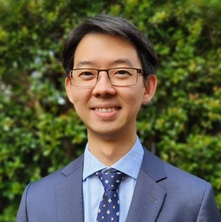
Dr Malcolm Lim is an experienced Cancer Biologist and His research interest spans cancer biology, biomarker discovery and theranostic nanomedicine.
He received his PhD from the University of Queensland (UQ) in 2022. His research, conducted in the labs of Professors Sunil Lakhani and Kristofer Thurecht, involved evaluating the efficacy of using nanomedicine for precision delivery of chemo- or radiotherapeutics against biomarkers in brain metastases. For this work, he developed a clinically-relevant brain metastasis mouse model. His research was recognised with the UQ Dean’s Award for Outstanding Thesis 2022. (DOIs: 10.1021/acs.molpharmaceut.3c00558, 10.3791/64216)
Currently, Malcolm serves as a Postdoctoral Research Fellow at the ARC Research Hub for Advanced Manufacture of Targeted Radiopharmaceuticals (AMTAR) and the Thurecht’s Lab at UQ-Centre for Advanced Imaging (CAI) in Australian Institute for Bioengineering and Nanotechnology (AIBN), where he will apply his multidisciplinary expertise to explore radiobiology and radiation-induced biological responses and to advance targeted pharmaceuticals for challenging cancers.
Prior to joining AMTAR, Malcolm served as a Postdoctoral Researcher where he investigated the molecular mechanisms underlying Early Breast Cancers at the Molecular Breast Pathology Lab, UQ-Centre for Clinical Research, under the mentorship of Professors Sunil Lakhani and Peter Simpson. Before his academic career, Malcolm had five years of experience as a histologist, which provided him with a broad skillset in the field.
Dr Malcolm’s research is well-documented in numerous publications in biomedical research journals despite his career stage, reflecting his passion to advancing cancer research.
Affiliate of Centre of Research Excellence on Achieving the Tobacco Endgame
Centre of Research Excellence on Achieving the Tobacco Endgame
Faculty of Health, Medicine and Behavioural Sciences
Affiliate of National Centre for Youth Substance Use Research
National Centre for Youth Substance Use Research
Faculty of Health, Medicine and Behavioural Sciences
NHMRC Emerging Leadership Fellow
School of Psychology
Faculty of Health, Medicine and Behavioural Sciences
Availability:
Available for supervision
Carmen is an NHMRC Emerging Leadership Fellow at the National Centre for Youth Substance Use Research. Her research seeks to understand why young people start using substances and develop strategies that advance public health.
Her work spans three key areas:
(1)Youth vaping and social media, where she examines trends and the influence of social media on youth vaping; (2) Cannabis and regulation, investigating industry marketing practices and compliance with regulatory guidelines; (3)International comparisons and equity - developing culturally appropriate prevention and harm reduction strategies to address substance use in diverse contexts;
Through her research, Carmen aims to generate evidence that informs policy, guides prevention and harm reduction efforts, and support healthier futures for young people. She has published over 100 peer-reviewed papers in addiction and mental health (Google Scholar: >10K citations, h-index = 43, 31% output in top 10% citation percentile).
Carmen holds qualifications in biostatistics, public health and epidemiology. She has experiences in teaching and mentoring students from diverse demographic and cultural background, and welcomes self-driven, curious students with interest in public health, psychology, epidemiology, or statistics to join her team.
Dr Ye Wheen Lim's research combines cell biology, developmental biology and bio-nanotechnology to understand how nanoparticles interact with and cross biological barriers in physiological environments. His current research focuses on nanoparticle trafficking, nano-bio interactions and trans-endothelial transport, using zebrafish genetic models, advanced microscopy and cellular assays to define the mechanisms governing nanoparticle transport across blood vessels and other tissue interfaces. His work integrates fundamental cell biology with in vivo models to inform the development and therapeutic delivery of nanomedicines. Dr Lim has expertise in caveolae and membrane biology, endocytosis, cell mechanics, zebrafish biology, advanced microscopy and nanoparticle transport. His research has contributed to understanding the cellular mechanisms underlying biological barriers, including the blood vasculature and blood-brain barrier, as well as the development of lipid-based nanoparticles.
Faculty of Health, Medicine and Behavioural Sciences
Availability:
Not available for supervision
Media expert
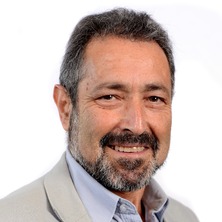
Prof Lipman is Executive Director of the Burns Trauma & Critical Care Research Centre; Professor of Anesthesiology & Critical Care, The University of Queensland and until recently (for 23 years) was Director of Department of Intensive Care Medicine, Royal Brisbane and Women's Hospital; He holds Honorary Professorial appointments at Chinese University of Hong Kong, Unversity of Witwatersrand (South Africa) and Qeensland University of Technology.
He has qualifications in anesthesia and intensive care and has set up and been in charge of a number of Intensive Care and Trauma Units in South Africa before coming to Australia in 1997. he currently manages a large multidisciplinary research team with an output of over 120 peer-reviewed articles per annum. He has supervised dozens of PhD students to completion and is currently supervising 6 PhD, 1 MPhil and 1 MBBS/Hons students. Prof Lipman has been instrumental in developing the anaesthesiology and critical care component of a graduate medical program for Queensland and continues to lecture to medical and postgraduate students.
Prof Lipman is the author of over 550 peer reviewed publications, 30 book chapters and has been invited to deliver over 120 lectures at national and international conferences in many countries across the world. His research interests include all aspects of infection management in intensive care and he has a special interest in the pharmacokinetics of antibiotic dosage, an area in which he received his MD in 2006. His research into antibiotic usage in acute situations has received international recognition and he is regarded as an expert in the field. As such, he and his research team have conducted and presently conduct a number of clinical trials in Australia, New Zealand, Hong Kong, Europe and the UK.
Prof Lipman is an Editorial Board member for 10 International Journals, is Section Editor on four Antibiotic related Journals, reviews for 23 journals and is an external reviewer for NHMRC project grants (Local) as well as equivalent for a number overseas countries.
He is Chief Investigator on a 7000 patient International Randomised Controlled Trial comparing bolus dosing versus continuous infusions of meropenem and piperacillin-tazobactam
Faculty of Health, Medicine and Behavioural Sciences
Availability:
Available for supervision
Dr Liu is a research fellow at Frazer Institute specialising in pharmacometrics, using mathematic models to understand how medicine behave in the model and to support evidence-based dosing decisions. Her research focuses on population pharmacokinetic (popPK) and physiologically-based pharmacokinetic (PBPK) modelling, dose optimisation, and model-informed precision dosing.
Her work combine clinical data, pharmacology, and quantitative mdoelling to better understand variability in drug exposure and response across different patient populations. This helps inform dosing strategies and supports the development of safer and more effective treatments.
She provides pharmacometric support across a range of research projects, designing and applying PopPK/PBPK models to characterise drug disposition and predict treatment outcomes under different dosing scenarios. Through simulation and quantitative analysis, she helps research teams evaluate dosing regimens, understand patient variability, and generate evidence to support clinical and regulatory decision-making.
Faculty of Health, Medicine and Behavioural Sciences
Availability:
Not available for supervision
Transporters for Catecholamines and Serotonin. Science Education.
The overall theme of Lesley Lluka's research over 3 decades has been the structure and function of the noradrenaline transporter (NET) and the serotonin transporter (SERT). These transporters are important sites of action of drugs such as antidepressants.
More recently, Lesley Lluka's work has increasingly moved to Science Education, with a focus on areas such as student engagement in practical classes, innovative assessment practices to drive deep learning, and internationalization of the curriculum.
Faculty of Health, Medicine and Behavioural Sciences
Availability:
Not available for supervision
Dr Logan is a geriatrician working at The Prince Charles Hospital and Mater Hospital Brisbane. He has expertise in dementia, behavioural and psychological symptoms of dementia (BPSD), frailty, and goal-directed care in chronic disease. He holds a PhD from the University of Queensland, has a strong publication record, and has contributed to national research programs. Dr Logan is experienced in leading multidisciplinary teams, driving quality improvement initiatives, and is recognised as a skilled communicator and collaborator.
Faculty of Health, Medicine and Behavioural Sciences
Availability:
Available for supervision
Media expert
Dr Kristiana Ludlow is a Senior Research Fellow at the Centre for Health Services Research, Faculty of Health, Medicine, and Behavioural Sciences, the University of Queensland, and an Honorary Postdoctoral Fellow at the Australian Institute of Health Innovation, Macquarie University. She completed her Bachelor of Psychology with first class Honours in 2015, her Master of Research in Medicine and Health Sciences in 2017, and her PhD in in Health Innovation in 2020. Dr Ludlow has expertise in co-design, qualitative research and Q methodology. Her research interests include co-designing interventions and digital health tools with end-users, frailty, education, aged care, person-centred care, the role of family caregivers in care, missed care/unfinished care, and care prioritisation. She is passionate about collaborating with consumers, service users and health professionals to improve the delivery of healthcare and mental health services.
Affiliate of ARC Research Hub for Advanced Manufacture of Targeted Radiopharmaceuticals (AMTAR)
ARC Research Hub for Advanced Manufacture of Targeted Radiopharmaceuticals
Australian Institute for Bioengineering and Nanotechnology
Postdoctoral Research Fellow/Research Officer
Australian Institute for Bioengineering and Nanotechnology
Availability:
Not available for supervision
Over 6 years of experience in translational biomedical research, specialising in monoclonal antibody-based therapies, immuno-oncology, target discovery and theranostics in cancer. My main research focus is on targeted cancer therapies, understanding how target receptor endocytosis affects antibody drug conjugate (ADC) and radioligand therapy delivery, immune-mediated ADCC, and how combination therapies with immune checkpoint inhibitors can potentially improve therapeutic outcomes for patients.
Faculty of Health, Medicine and Behavioural Sciences
Availability:
Available for supervision
Media expert
Associate Professor Christopher Maher is a tertiary-referral Urogynaecologist at the Wesley & Mater Private Hospitals and Royal Brisbane Women’s Hospital and active researcher and teacher at the University of Queensland. His long-term commitment to research and evidence based medicine has been rewarded with over 100 peer-review publications and many presentations at National and International conferences. He is the past president of the Queensland CFA (Continence Foundation of Australia), former Secretary of AGES, Chairman of IUGA Scientific Committee, Chair of Urogynaecology committee RANZCOG and is currently lead author of the Cochrane Review and International Collaboration on Incontinence on the surgical management of prolapse. Associate Professor Christopher Maher is the current Chairman of the Urogynaecological Society of Australia.
Australian Institute for Bioengineering and Nanotechnology
Availability:
Available for supervision
Media expert
Professor Stephen Mahler is a Senior Group Leader at the Australian Institute for Bioengineering and Nanotechnology and Director of the Australian Research Council Training Centre for Biopharmaceutical Innovation (CBI), University of Queensland. Professor Mahler is a biotechnologist with a focus on R&D of recombinant-DNA derived protein biopharmaceuticals, drug delivery systems and nanomedicines. Professor Mahler has a record of translational research success and engages extensively with industry associated with the biomedical sciences both nationally and internationally.
Research within CBI covers three thematic research areas; discovery of new biopharmaceuticals, engineering cells for production of protein-based biopharmaceuticals and advanced manufacturing for industrial production. A current research interest is at the interface of the life sciences and materials science, using a synthetic biology approach for creating novel therapeutic entities as well as new systems for drug delivery.
Professor Mahler has a strong interest in education and training and was formerly Head of the Chemical and Biological Engineering Plan at the University of Queensland (2010-2016). Other educational initiatives include development of Masters Programs and a Continuing Professional Development program in the area of biopharmaceuticals. The CPD program is available to stakeholders in the industry, both in Australia and internationally.
Faculty of Health, Medicine and Behavioural Sciences
Availability:
Available for supervision
Media expert
Dr Asmita Manchha is a Postdoctoral Research Fellow in the Unspoken, Unheard, Unmet: Improving Access to Preventative Health Care through Better Conversations about Care team (UQ School of Health and Rehabilitation Sciences) and an Early Career Researcher. She was awarded a PhD from the University of Queensland (UQ) in 2022, which examined the nature and consequences of the stigma of working in aged care. Asmita also has a first-class Bachelor of Business Management Honours’ degree from the UQ and Bachelor of Commerce from the Australian National University.
At the heart of Asmita’s research is her passion for developing practical, evidence-based resources to empower people who receive and provide aged care services. Her research themes include: (a) Understanding approaches to challenge stigma (i.e, negative attitudes, stereotypes) associated with aged care to promote a greater recognition of the aged care sector, (b) Development of a fit-for-purpose communication screening tool and resources for aged care workers to help older Australians have better conversations about aged care, (c) Exploration of interventions to support the recruitment and retention of people working in aged care with a strengths-based focus on career development, and (d) Application of language-based methods and frameworks from Systemic Functional Linguistics to examine complex social issues in the field of gerontology.
Asmita has vast experience in conducting qualitative and mixed-methods research pertaining to reframing negative perceptions about working in aged care, which have been published in The Gerontologist and Journal of Applied Gerontology. She is actively involved in the gerontology research community including the Australian Association of Gerontology (AAG), where she is the QLD Divisional Secretary.