Affiliate Senior Research Fellow of Institute for Molecular Bioscience
Institute for Molecular Bioscience
Senior Research Fellow
School of Public Health
Faculty of Health, Medicine and Behavioural Sciences
Availability:
Available for supervision
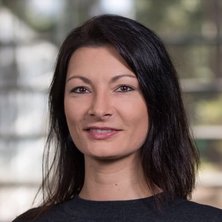
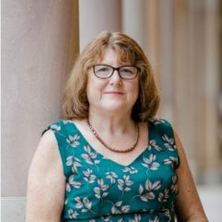
Dr Sally Mortlock is a genetic epidemiologist and NECST Research Fellow who leads the Genetic Epidemiology stream at the Australian Women and Girls Health Research (AWaGHR) Centre, University of Queensland. Her research integrates genomics with life course epidemiology to understand how genetic, environmental, and lifestyle factors shape women’s health across the lifespan.
Her work focuses on reproductive and menstrual health, particularly endometriosis and related conditions, with the aim of improving understanding of disease mechanisms, risk, diagnosis, and personalised approaches to care.
Research areas include:
Genetic epidemiology and reproductive genomics
Women’s health across the life course
Endometriosis and reproductive disorders
Longitudinal cohort studies and life course epidemiology
Genetic risk prediction and causal inference methods (including Mendelian randomisation)
Multi-omics and biological pathway analysis
Dr Mortlock previously spent seven years as lead computational biologist within the Genomics of Reproduction Disorders group at the Institute for Molecular Bioscience, contributing to internationally recognised research in reproductive genomics. She now combines this expertise with large-scale longitudinal health data, including genetic resources within the Australian Longitudinal Study on Women’s Health, to investigate women’s health trajectories over time.
Faculty of Health, Medicine and Behavioural Sciences
Availability:
Available for supervision
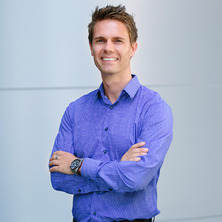
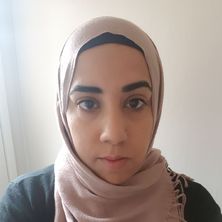
Dr Philip Mosley studied at the University of Oxford and obtained a master’s degree in physiological sciences and a degree in medicine. He was also captain of the university boxing team and was awarded two full 'Blues'. He worked as a junior doctor in Manchester before moving to Australia to complete his specialist training in psychiatry, which he undertook at the Royal brisbane and Women's Hospital.
Dr Mosley is a Fellow of the Royal Australian and New Zealand College of Psychiatry (RANZCP) and halso holds an advanced certificate in Consultation-Liaison Psychiatry. As part of his training, Dr Mosley undertook a 2-year neuropsychiatry fellowship at the Royal Brisbane and Women’s Hospital (RBWH) and the Asia-Pacific Centre for Neuromodulation (APCN), an active research entity of the Queensland Brain Institute.
Currently, Dr Mosley works as a specialist neuropsychiatrist in a deep brain stimulation team, runs a private neuropsychiatry practice and also provides a consultation-liaison psychiatry service to the neurology, medical and surgical wards of the general hospital. Dr Mosley's private practice is focussed on neurodegenerative disease, movement disorders and head injury.
Dr Mosley remains an active clinician-scientist with appointments at the QIMR Berghofer Medical Research Institute and the Queensland Brain Institute. He completed his PhD in neuroscience in 2019 under the supervision of Professor Michael Breakspear. He published eleven peer-reviewed manuscripts from his thesis alone, and received the UQ Dean's Award for outstanding thesis.
Dr Mosley has been the chief investigator in a study of the neuropsychiatric effects of DBS for Parkinson’s disease, in a study of medicinal cannabis for Tourette’s syndrome, a lead investigator in a clinical trial of DBS for obsessive-compulsive disorder and anorexia nervosa, as well as a clinical fellow in a neuroimaging study of Alzheimer’s disease. He has won prizes from the RANZCP in Old Age Psychiatry and Consultation-Liaison Psychiatry, and he has received research funding from the RBWH Foundation, the RANZCP Young Investigator Grant, Parkinson’s Queensland and Wesley Medical Research. Dr Mosley was awarded an ‘Advance Queensland’ Early Career Fellowship for his Parkinson's disease research and won the postgraduate medal from the Australian Society for Medical Research for findings arising from this project. In 2020, he won the Early Career Psychiatrist award from the RANZCP, which is presented to the fellow producing the most significant piece of research in the five years since fellowship. Currently Dr Mosley's research is funded by the National Health and Medical Research Council (NHMRC) and the Medical Research Future Fund (MRFF).
Faculty of Health, Medicine and Behavioural Sciences
Availability:
Available for supervision
Media expert
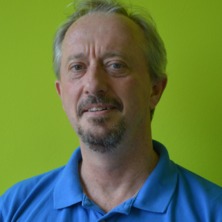
Bryan is a graduate in medicine from the University of Queensland and holds a BA (Hons) degree in philosophy from the University of Western Australia. A medical specialist in psychiatry, he is a clinician researcher, who is Conjoint Professor at the Queensland Brain Institute, University of Queensland, and Director of Genetics at the Queensland Centre for Mental Health Research. His primary research interest is the molecular genetics of schizophrenia, and holds a MD degree (University of Queensland) in this field. Since 1990, he has conducted studies, with national and international collaborators, to identify susceptibility genes for this disorder. He is the recipient of grants from the Australian NHMRC and the US NIMH.
The primary research goal is to identify and functionally characterise susceptibility genes for schizophrenia and related disorders. A special focus is on the study of large collaborative samples and ethnically homogeneous populations. Key methodologies used in the lab include genome-wide association studies, next-generation sequencing, transcriptome profiling of post-mortem brain samples, neurocognitive and neuroimaging phenotyping and induced pluripotent stem cells.
Current areas of interest include pharmacogenomics of clozapine treatment response, whole exome sequencing focused on de novo mutations, and the neuroimmunology of schizophrenia
Director, Higher Degrees by Research of School of Pharmacy
School of Pharmacy and Pharmaceutical Sciences
Faculty of Health, Medicine and Behavioural Sciences
Associate Professor
School of Pharmacy and Pharmaceutical Sciences
Faculty of Health, Medicine and Behavioural Sciences
Availability:
Available for supervision
Media expert
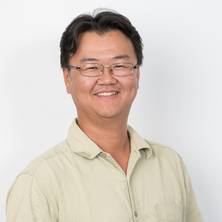
Dr Moyle’s laboratory (www.moylelab.com) uses cutting edge technologies for the synthesis of peptides, protein expression, and protein semi-synthesis to gain insights into the functional roles played by various biochemical pathways, to engineer better protein and peptide therapeutics, and to improve the delivery characteristics of various therapeutic molecules. Specific current areas of interest are detailed below:
Subunit Vaccine Development: methods to develop improved vaccines through the combination of recombinant and synthetic approaches to improve immunopotency and tailor immune responses (links to reseach articles on semisynthetic vaccines and peptide vaccines; reviews on vaccine development).
Delivery Systems for Nucleic Acid-Based Molecules: multi-component synthetic and recombinant approaches to improve the cellular uptake, and targeted delivery of various oligonucleotide molecules (e.g. siRNA, mRNA, pDNA and CRISPR-Cas9) as an exciting approach to treat or prevent various diseases (links to research articles and reviews).
Deciphering the Roles of Post-Translational Modifications: The combination of peptide synthesis and protein semisynthesis to enable the production of large amounts of site-specifically modified species, that can be used to deconvolute the roles played by various post-translational modifications (links to research articles).
Peptide/Protein Drugs and Delivery: The study of methods to improve the delivery characteristics of peptide/protein drugs (e.g. poor oral absorption, instability to chemical/enzymatic degradation, and the inability to reach their site/s of action) through chemical engineering approaches.
New Approaches for Superbugs: the development of antivirulence approaches, and formulations (e.g. various types of nanoparticles - silver, protein, mesoporous silica), which reduce the ability for microbes to cause disease, and make them more readily treated with antimicrobials, by providing access to synergistic combinations, and reducing the risk of antimicrobial resistance.
Information for Potential Students:
The Moyle lab considers applications from potential students and postdoctoral fellows with an interest in: i)infection control (including subunit vaccine and antimicrobial development); ii)delivery systems for peptide therapeutics; iii)targeted delivery systems; iv) studying the function of posttranslational modifications; and v) delivery systems for nucleic acid-based therapeutics (e.g. siRNA, shRNA, miRNA, mRNA, pDNA and CRISPR-Cas9). If you are interested in working in any of these areas please feel free to contact Dr Moyle (p.moyle@uq.edu.au). Please ensure that you supply an up to date CV; describe why you would like to work in the Moyle lab; provide a listing of publications (preferably with impact factors and citation counts); and indicate what skills you would bring to the lab. Detailed information on our laboratory is available at www.moylelab.com. Preference will be given to students and postdoctoral fellows who have their own funding.
Dr Moyle Biosketch:
Dr Moyle (H-index 30, >2600 citations; >95 publications; 13/8/2024; Google Scholar, ORCID, ResearcherID, and Publons profiles) received a PhD (Dec 2006) and a Bachelor of Pharmacy (Hons I) (Dec 2001) from The University of Queensland (UQ); graduated from the Pharmaceutical Society of Australia pre-registration pharmacist-training course (Nov 2002); and is registered with the Pharmacy Board of Australia. He currently works as an Associate Professor in the UQ School of Pharmacy, where he has been based since 2014.
Dr Moyle works in the fields of medicinal chemistry, chemical biology, and drug formulation, investigating subunit vaccine development, outcomes associated with histone post-translational modifications, and methods to improve the delivery characteristics of oligonucleotide (e.g. siRNA and pDNA), peptide, and protein therapeutics. During his PhD, Dr Moyle developed methods that enabled the synthesis of pure, lipid adjuvanted peptide vaccines, using advanced chemical ligation techniques. In addition, the conjugation of mannose to combined prophylactic/therapeutic human papillomavirus type-16 vaccines, to target dendritic cells, was demonstrated to significantly improve vaccine anti-tumour activity. This work, conducted with leading researchers at the QIMR Berghofer Medical Research Institute (Prof Michael Good & Dr Colleen Olive), established Dr Moyle’s national and international profile in the field of vaccine development, resulting in 11 peer reviewed papers, including top journals in the field (J Med Chem; J Org Chem), as well as 6 review articles and 2 invited book chapters.
Dr Moyle undertook his postdoctoral training in the laboratory of one of the world’s premier chemical biologists, Professor Tom Muir (the Rockefeller University, NY, USA; now at Princeton University, NJ, USA). During this time he developed an extensive knowledge of techniques for protein expression, bioconjugation, bioassays, and proteomics, which represent an essential skill set required for this proposal. As part of this work, Dr Moyle developed novel synthetic routes to generate site-specific ADP-ribose conjugated peptides and proteins. This research was hailed as a major breakthrough in the field, leading to several collaborations, and an exemplary publication in the prestigious chemistry journal JACS. This vast body of work identified the enzyme (PARP10) responsible for mono-ADP-ribosylation of histone H2B, and demonstrated interactions between this modification and several proteins, including BAL, which is associated with B cell lymphomas. In addition, a number of robust chemical methods were developed to enable the synthesis of a complete library of methyl-arginine containing histones, which were incorporated into synthetic chemically-defined chromatin to investigate the site-specific effects of arginine methylation on histone acetylation. This work led to a collaboration with colleagues at Rockefeller to investigate the effects of histone arginine methylation on transcription.
Teaching:
Dr Moyle teaches into the following subjects in the UQ School of Pharmacy.
PHRM3011 (Quality Use of Medicines) - course coordinator
PHRM4021 (Integrated Pharmaceutical Development)
PHRM3021 (Dosage Form Design)
PHRM2040 (Drug Discovery)
Awards:
2016 - Health and Behavioural Sciences (HABS) faculty commendation for Early Career Citations for Outstanding Contributions to Student Learning (ECCOSL)
2015 - ChemMedChem top 10 cited article of 2013 (link)
2014 - Highest ranked NHMRC development grant (2013; APP1074899)
2013 - Institute for Molecular Biology (IMB) Division of Chemistry and Structural Biology Prize
Faculty of Health, Medicine and Behavioural Sciences
Availability:
Available for supervision
Media expert
My current appointment is Director of Kidney Services at Redland Hospitals in Metro South, Brisbane, where I practice as a senior consultant nephrologist.
My research interests are varied and include post-transplant anaemia and iron metabolism, and novel measures of iron status such as hepcidin; improving dialysis outcomes though the implementation of evidence-based guidelines; kidney disease due to thrombotic microangiopathy (particularly aHUS) and the role of inhibitors of the complement system in kidney disease; and the use of honey to prevent infections in dialysis patients.
I am committed to teaching medical students and young nephrologists, and am actively involved in medical education at all levels.
Faculty of Health, Medicine and Behavioural Sciences
Affiliate of Centre for Extracellular Vesicle Nanomedicine
Centre for Extracellular Vesicle Nanomedicine
Faculty of Health, Medicine and Behavioural Sciences
Centre Director of Child Health Research Centre
Child Health Research Centre
Faculty of Health, Medicine and Behavioural Sciences
Affiliate of Queensland Cerebral Palsy Rehabilitation and Research Centre
Queensland Cerebral Palsy Rehabilitation and Research Centre
Faculty of Health, Medicine and Behavioural Sciences
Availability:
Available for supervision
Media expert
Professor Craig Munns is the Mayne Professor of Paediatrics and Director of the Child Health Research Centre, The University of Queensland. Professor Munns is also a Senior Medical Officer in Paediatric Endocrinology and Diabetes at Queensland Children’s Hospital. He graduated from The University of Queensland, before training in paediatrics and endocrinology at The Royal Children’s Hospital, Brisbane. Professor Munns completed his PhD in paediatric growth disorders through UQ. He then undertook a post-doctoral fellowship in paediatric genetic bone disorders at The Shriners Hospital for Children, Montreal, Canada. From 2004 to 2021, Prof Munns was Senior Staff Specialist in Genetic and Metabolic Bone Disorders and Paediatric Endocrinologist at The Children’s Hospital at Westmead, Sydney. He also undertook roles as Clinical Program Director, Division of Diagnostic Services and Clinical Trials Lead at Kids Research. As Clinical Trials Lead his focus was on developing a research-intensive health system and introducing advanced therapeutics.
Professor Munns is an international expert in paediatric musculoskeletal disorders. His primary clinical and research interests are in diagnosis and management of primary and secondary bone disorders, including osteogenesis imperfecta, hypophosphataemic rickets, disuse osteoporosis and nutritional rickets. He has undertaken a wide range of investigator initiated and sponsored clinical trials, authored international consensus documents and has supervised numerous PhD and Masters students. Prof Munns is actively involved in national and international scientific societies. He was treasurer of Asia Pacific Paediatric Endocrine Society, is the inaugural treasurer of the International Society of Children’s Bone Health and has chaired the program organising committees Australasian Paediatric Endocrine Group, Australian and New Zealand Bone and Mineral Society and International Conference of Children’s Bone Health.
Faculty of Health, Medicine and Behavioural Sciences
Availability:
Available for supervision
Beatrice is a Postdoctoral Researcher with a special interest in behaviour change and digital health promotion. She has extensive experience in clinical trial management and evaluation. Following on from a Master’s Degree in Medical Science, her PhD was dedicated to the development of a mobile app that targeted adults’ physical activity and sleep health. The body of work she has contributed to has incorporated a wide range of research methods and study designs and her research outputs have added important knowledge to the field of multiple behaviour change and non-clinical sleep interventions. In more recent roles, Beatrice has worked on wide-scale implementation projects targeting the health and wellbeing of young children. Beatrice’s work is about maximising impact, both in the scientific field and out in the community by way of generating high quality data and improving equity of access to evidence-based resources.
Faculty of Health, Medicine and Behavioural Sciences
Availability:
Not available for supervision
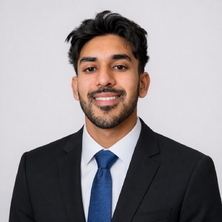
Dr Cecil Mustafiz is a Junior Doctor at Gold Coast University Hospital with a strong clinical and academic interest in cardiology. He also holds academic appointments as Lecturer at Griffith University, and Associate Lecturer at The University of Queensland.
His research interests include valvular and structural heart disease, acute coronary syndromes and heart failure, with a particular focus on the application of advanced statistical methods and AI-assisted cardiovascular risk stratification and prognostication. He has contributed to peer-reviewed publications in recognised cardiology journals, as well as abstracts and presentations at national and international cardiology conferences.
Dr Mustafiz completed his medical internship at The Prince Charles Hospital and remains actively involved in collaborative research with the Department of Cardiology at The Prince Charles Hospital. Alongside research, he is actively involved in medical education and enjoys teaching and supervising medical students. He also contributes to the academic community as an invited peer reviewer for several medical research journals, including BMC Cardiovascular Disorders, European Journal of Medical Research and Scientific Reports (Nature Portfolio).
Affiliate of Centre for Chemistry and Drug Discovery
Centre for Chemistry and Drug Discovery
Institute for Molecular Bioscience
Principle Research Fellow and Group Leader
Institute for Molecular Bioscience
Availability:
Available for supervision
Media expert
Associate Professor Muttenthaler is a medicinal chemist working at the interface of chemistry and biology with a strong passion for translational research. His research focuses on bioactive peptides and exploring Nature's biodiversity to develop advanced molecular tools, diagnostics, and therapeutics. His background in drug discovery and development, as well as his interdisciplinary training in the fields of chemistry, molecular biology and pharmacology, assist him in characterising these often highly potent and selective compounds to study their interactions with human physiology for medical innovations in pain, cancer, gut disorders and neurological diseases.
Faculty of Health, Medicine and Behavioural Sciences
Availability:
Available for supervision
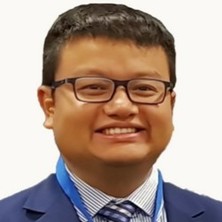
Dr. Pyi Naing is a dual-trained cardiologist and general physician with subspecialty expertise in Echocardiography. His clinical and academic interests include evaluation and management of breathlessness, pulmonary hypertension, chronic heart failure, cardiac risk assessment and valvular heart diseases.
His advanced cardiology training was at The Prince Charles Hospital, the premier cardiac hospital in Australia where he earned the fellowship of Royal Australian College of Physicians (FRACP) in cardiology. He continued his training as an echocardiography fellow at the same hospital and gained further skills in all aspects of echocardiography including transesophageal, transthoracic and stress echocardiography.
Dr Naing is also a well published clinical academic with an MPhil degree from University of Notre Dame, Australia. He is currently completing a Ph.D. degree by studying novel methods to improve the care for breathless patients. He holds a senior lecturer position at the School of Medicine, University of Queensland. He has public appointments in Caboolture Hospital and The Prince Charles Hospital as a consultant cardiologist. He is bilingual in Burmese and English.
Faculty of Health, Medicine and Behavioural Sciences
Availability:
Available for supervision
Media expert
Dr. Bushra Nasir is the lead researcher on multiple large-scale, national studies, and a mid-career researcher with a substantial career trajectory in health research. Her expertise and instrumental involvement in multiple large-scale grants are demonstrated through numerous top-tier publications, media and news citations, and recognition in national and international policy documents. She has contributed to developing several global health policy recommendation publications, including a World Health Organisation review investigating the retention of the health workforce in rural and remote areas. Her contribution to this discipline is further substantiated by her peer-review activities and international and national collaborations with wide outreach and engagement initiatives.
Her collaborative networking qualities contribute to numerous roles in various research committees, including as a previous Chair of the Faculty of Medicine Early Career Researcher Committee. Her work has also resulted in increased research capacity building in regional and rural South East Queensland, supporting clinicians, medical students and educators, and other healthcare service providers conducting clinical and epidemiological research projects. She is also a research mentor and member of several national organisations. Her ongoing leadership, management, networking, and knowledge expertise contribute to the progress of research practices with academics, experts, and clinical scientists.
Affiliate of Centre for Motor Neuron Disease Research
Centre for Motor Neuron Disease Research
Faculty of Health, Medicine and Behavioural Sciences
Affiliate of Clem Jones Centre for Ageing and Dementia Research
Clem Jones Centre for Ageing Dementia Research
Faculty of Health, Medicine and Behavioural Sciences
Professor in Neuroscience
Queensland Brain Institute
Faculty of Health, Medicine and Behavioural Sciences
Availability:
Available for supervision
Prof Nestor joined the Queensland Brain Institute in October/2017 and has a conjoint appointment as a cognitive neurologist at Mater Misericordiae Ltd (Mater Hospital).
His particular interests include understanding the earliest stages of Alzheimer's disease (i.e. before dementia is established); atypical forms of dementia with a particular focus on primary progressive aphasia and dementias related to Parkinson's and Lewy body diseases; and improving differential diagnosis between the major categories of neurodegenerative diseases.
He works on development of neuropsychological tests of cognition, both to accurately track change over time and improve diagnostic accuracy between the major diseases causing dementia. He also uses multi-modal imaging (magnetic resonance imaging [MRI] and positron emission tomography [PET]) to understand the sequence of events occurring in degenerative brain diseases (particularly Alzheimer's disease, frontotemporal dementia, Parkinson's disease, motor neuron disease [ALS], progressive supranuclear palsy [PSP] and corticobasal degeneration [CBD]) and identify novel biomarkers. A major focus of his is on developing novel approaches to MR imaging for single subject pathological diagnoses that can be exported into the everyday clinical setting; recent examples include diffusion tensor imaging to identify PSP and CBD (Sajjadi et al, 2013) and quantitative susceptibility mapping in Parkinson's disease (Acosta-Cabornero et al, 2013).
Director of Research of School of Biomedical Sciences
School of Biomedical Sciences
Faculty of Health, Medicine and Behavioural Sciences
Affiliate of Centre for Motor Neuron Disease Research
Centre for Motor Neuron Disease Research
Faculty of Health, Medicine and Behavioural Sciences
Affiliate of Centre for Cardiovascular Health and Research
Centre for Cardiovascular Health and Research
Faculty of Health, Medicine and Behavioural Sciences
Associate Professor
School of Biomedical Sciences
Faculty of Health, Medicine and Behavioural Sciences
Availability:
Available for supervision
I am an Associate Professor in the School of Biomedical Sciences (SBMS) at The University of Queensland, where I teach physiology and lead research that explores how cells respond to stress, injury and disease. My work aims to better understand the molecular and cellular processes that influence health and disease, with a particular focus on areas relevant to cancer, heart disease, neurological conditions and emerging cell-based therapies.
I completed my doctorate at the University of Western Australia in Biochemistry and Cell Biology, where I studied how heart cells respond to signals that can drive abnormal tissue growth. I then undertook postdoctoral training in Singapore at the Institute of Molecular and Cell Biology, part of A*STAR, where my research expanded into understanding how the cytoskeleton, internal structures of cells, help control development and disease.
After returning to Australia, I was supported by national fellowships from the NHMRC and ARC, which enabled me to establish an internationally connected research program. My research brings together cell biology, imaging, computational approaches and emerging technologies to uncover how cells make critical decisions, including whether to survive or die under stress.
Alongside my research and teaching, I contribute to leadership within SBMS as Director of Research and support major research infrastructure initiatives across the Faculty of Health, Medicine and Behavioural Sciences (HMBS) as Academic Director of Research Infrastructure. I also serve on steering committees for UQ’s Viral Vector Core (VVC) and the Centre for Cardiovascular Health and Research (CCVHR), helping to strengthen the platforms and partnerships that support biomedical discovery and translation.
Faculty of Health, Medicine and Behavioural Sciences
Availability:
Available for supervision
I completed a PhD in Neuroscience with Jack Pettigrew (FRS) at Vision, Touch & Hearing Research Centre followed by an NHMRC Clinical Research Fellowship at Alfred Health & Monash University.
Back in QLD I'm continuing a transdisciplinary research & innovation program to Bring Discoveries of the Brain to Life!
I'm currently focused on developing novel MedTech Biotech diagnostics & therapeutics for enhancing human performance, recovery & resilience with the following projects:
[1] Precision Pain Medicine — the largest genetic study of persistent (chronic) pain in Australia, in collaboration with QIMR Berghofer & Monash University, aims to identify pharmacogenomics causal pathways for the design of personalised therapeutics & effective early intervention approaches (e.g., screening, education, prevention).
[2] Brain Switcha — A digital transdiagnostic biomarker and cloud-based large-scale population phenotyping & analytics platform to improve early intervention strategies in sleep & mental health conditions (esp. at-risk youth cohorts) and recruitment screening for Defence forces.
[3] VCS — vestibulocortical stimulation: A simple, inexpensive, non-invasive & non-pharmacologic neurotherapeutic treatment technique for fibromyalgia (with US colleagues) and other centralised pain syndromes, sleep apnoea, dementia & mental health conditions (e.g., depression, PTSD, bipolar disorder).
I also have >5 years professional services experience providing specialist research performance evaluation, consultation, reporting & training workshops that successfully delivered several major strategic priorities to a large internal & external client base — such as organisational unit leaders/managers at multiple levels (e.g., Centre/Department) and senior executive business missions for national/international strategic partnerships. This work includes mapping, monitoring & benchmarking of research capacity, capabilities/strengths, gaps & collaboration networks (e.g., clinical, corporate & government) across diverse disciplines for Annual & Septennial Departmental Reviews (e.g., patent, policy & clinical guideline citations; external stakeholder engagement including media); ARC Engagement & Impact assessments; and workforce capability development (e.g., recruitment for senior leadership positions and ranking of NHMRC/ARC funding applicants).
In particular, I enjoy meeting & connecting people with a shared vision & commitment towards building innovative & sustainable public-private partnerships to deliver meaningful solutions for the wider community.
Faculty of Health, Medicine and Behavioural Sciences
Centre Director of Centre for Motor Neuron Disease Research
Centre for Motor Neuron Disease Research
Faculty of Health, Medicine and Behavioural Sciences
Affiliate of Centre for Extracellular Vesicle Nanomedicine
Centre for Extracellular Vesicle Nanomedicine
Faculty of Health, Medicine and Behavioural Sciences
Principal Research Fellow
Australian Institute for Bioengineering and Nanotechnology
Availability:
Available for supervision
Media expert
I completed my PhD in Neuroscience at UQ in 2009. After this, I undertook postdoctoral training in motor neuron disease/amyotrophic lateral sclerosis (MND/ALS) under the mentorship of neurologists at Royal Brisbane & Women's Hospital. In 2012, I received a MND Research Australia Bill Gole Fellowship to develop a research focus to study metabolic dysfunction in MND/ALS. I started my independent research group at UQ in 2015, after receiving the Scott Sullivan MND Research Fellowship to lead a translational program to define the contribution of altered metabolic homeostasis to MND/ALS pathophysiology. In 2017, I relocated my laboratory to the Australian Institute for Bioengineering and Nanotechnology to introduce the use of human stem cells for disease modelling into my reserach program. In 2020, I was awarded a FightMND Mid-Career Research Fellowship to transition into clinical trials.
My current research integrates studies in MND/ALS patients with studies in human-derived cell models (stem cell-derived neurons, human primary myosatellite cells, human myotubes) and mouse models of MND/ALS. I have served as lead investigator or co-investigator on several projects aimed at defining the mechanisms that drive MND/ALS and identifying therapeutic strategies for the disease. Projects have led to the expediting of clinical trials (NCT03506425; NCT04788745, NCT05959850). In 2021, I established the MND at UQ Collective to enhance national and international collaboration, and to facilitate community consultation to drive scientific and clinical discoveries in ALS and FTD (www.uq.edu.au/mnd-collective).
I have received invitations to contribute to high impact review articles (i.e., Brain, Nat Rev Neurol), and have received >20 invitations to speak at conferences including: 33rd International ALS/MND Symposium (2022, Plenary), 64th Japanese Society of Neurology Meeting (2023, Tokyo; Plenary), 3rd International Pan-Asian Consortium for Treatment and Research in ALS (PACTALS) Congress (2023, Kuala Lumpur), 18th International Congress on Neuromuscular Diseases (2024, Perth).
Affiliate of Centre for Motor Neuron Disease Research
Centre for Motor Neuron Disease Research
Faculty of Health, Medicine and Behavioural Sciences
Affiliate Senior Research Fellow of School of Biomedical Sciences
School of Biomedical Sciences
Faculty of Health, Medicine and Behavioural Sciences
Affiliate of Centre for Population and Disease Genomics
Centre for Population and Disease Genomics
Institute for Molecular Bioscience
Senior Research Fellow & Group Leader
Institute for Molecular Bioscience
Availability:
Available for supervision
Media expert
Dr Quan Nguyen is a Group Leader at the Institute for Molecular Bioscience (IMB), The University of Queensland, where he leads the Genomics and Machine Learning (GML) Laboratory. His research focuses on understanding pathological processes within tissues to identify biomarkers for early diagnosis, patient stratification, and prediction of treatment response. His work integrates statistical machine learning techniques with advanced genomic technologies, combining single-cell and spatiotemporal sequencing data with tissue imaging to uncover causal links between genotypes and phenotypes across biological scales, from single cell, to tissue microenvironment, organ, multi-organ and population level. By studying cell-cell interactions, his research also contributes to the discovery of novel drug targets and improved understanding of drug mechanisms and toxicity. The GML Laboratory also develops spatiotemporal experimental platforms for large-scale biomarker profiling and validation in preclinical models and patient cohorts.
Dr Nguyen completed a PhD in Bioengineering at the University of Queensland in 2013, postdoctoral training in Bioinformatics at RIKEN institute in Japan in 2015, a CSIRO Office of Chief Executive (OCE) Research Fellowship in 2016, an IMB Fellow in 2018, an Australian Research Council DECRA fellowship, 2019-2021), and is a National Health and Medical Research Council Leadership Fellow (EL2 2022-2026 and L1 2027-2031). He has authored 86 publications in top-tier journals, like Cell, Nature Genetics, and Nature Method, averaging ~45.5 citations per paper, and led the development of 14 software tools with over 250,000 downloads. His recognised expertise is demonstrated through 14 national/international awards, numerous invited talks (21 international, 42 national), invited grant reviews for funding bodies in nine countries, and active editorial roles for BMC Cancer and Genome Medicine. His commitment to propelling the field forward is evident in leading roles within key consortia and forums and his dedication to organise training workshops and conferences. He has secured over $31 million in grant funding as a chief investigator from national and international funding agencies (e.g., ARC, NHMRC, MRFF, DoD, NCI) and from industry partners, with approximately $11million directly supporting his lab's groundbreaking work.
Faculty of Health, Medicine and Behavioural Sciences
Honorary Senior Fellow
School of Public Health
Faculty of Health, Medicine and Behavioural Sciences
Availability:
Available for supervision
Dr Huy Nguyen is a biostatistician and epidemiologist whose 25+ year career has spanned clinical medicine and advanced quantitative research across Vietnam, Japan, the United Kingdom, the United States and Australia. He trained as a medical doctor at Thai Nguyen and Hanoi Medical University, before completing postgraduate qualifications in statistics, research methods and public health at Flinders University and a PhD in Statistical Modelling and Epidemiology at Queensland University of Technology, for which he received the Outstanding PhD Thesis Award. He has held academic and biostatistics roles at Hanoi Medical University, St Luke's International University, the University of Adelaide, Griffith University, and Federation University Australia, and currently serves as Senior Research Fellow (Biostatistics) at the Poche Centre for Indigenous Health, University of Queensland, with honorary and adjunct appointments at Federation University, St Luke's, UMass Chan Medical School, and Mekong University.
Huy's research focuses on the design and statistical analysis of clinical trials and large observational studies, with particular expertise in causal inference, longitudinal and survival modelling, and Frequentist and Bayesian methods applied to chronic and infectious disease epidemiology. He has served as statistician or statistical/technical advisor on seven clinical trials (six ANZCTR-registered) – most recently as Technical/Statistical Advisor on the Wellcome Trust-funded E-Dengue cluster-randomised trial to reduce dengue incidence in Vietnam's Mekong Delta – and has contributed statistical expertise to over 30 funded research projects supported by the NHMRC, NIH, CDC, and Wellcome Trust, including NIH/Fogarty-funded non-communicable disease research and training in partnership with UMass Chan Medical School.
He has published nearly 100 peer-reviewed articles in international journals – including The Lancet, eClinicalMedicine, The Lancet Regional Health – Western Pacific, PLOS Medicine, and Cardiovascular Research.
Huy has supervised 1 postdoctoral fellow, 6 PhD candidates (2 completed, 4 in progress), 25 Master's students, and 17 Honours/Bachelor students.