Faculty of Engineering, Architecture and Information Technology
Associate Professor
School of Electrical Engineering and Computer Science
Faculty of Engineering, Architecture and Information Technology
Availability:
Available for supervision
Prospective Students
Please visit the link (https://sites.google.com/view/dsteam/pros-students).
Short Biography
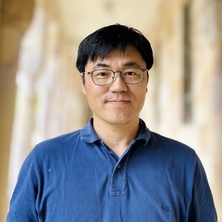
Dr. Dan Dongseong Kim is Deputy Director of UQ Cybersecurity and an Associate Professor (Reader in the commonwealth system) (continuing appointment) in Cyber Security at The University of Queensland (UQ), Brisbane, Australia. Before UQ, he was a faculty member (permanent academic staff; Senior Lecturer 2015-2018, Lecturer 2011-2014) in Cyber Security in the Department of Computer Science and Software Engineering at The University of Canterbury (UC), Christchurch, New Zealand from 2011 to 2018. From 2008 to 2011, he was a postdoc at Duke University, Durham, North Carolina in the US. He was a visiting scholar at the University of Maryland, College Park, Maryland in the US in 2007. His research interests are in Cyber Security and Dependability for various systems and networks. Please visit his research team webpage: https://sites.google.com/view/dsteam/
Publications
Google Scholars (8200+ citations, h-index: 47, i10-index: 135): https://scholar.google.com/citations?user=dIIYVQkAAAAJ&hl=en
Adversarial Machine Learning for Network Intrusion Detection Systems: A Comprehensive Survey, IEEE Communications Surveys & Tutorials [Impact factor in 2021: 33.84]
Toward Proactive, Adaptive Defense: A Survey on Moving Target Defense, IEEE Communications Surveys & Tutorials 2020 [Impact Factor 2018-19: 22.973]
A Survey on Threat Situation Awareness Systems: Framework, Techniques, and Insights, ACM Computing Surveys, 2022 [Impact Factor 2021-22: 10.282, ranked 4/137 in Computer Science Theory & Methods]
Evaluating the effectiveness of shuffle and redundancy MTD techniques in the cloud. Computers & Security (2021) [Impact factor: 4.438]
Threat-Specific Security Risk Evaluation in the Cloud. IEEE Trans. Cloud Comput. 9(2): 793-806 (2021) [Impact factor: 4.714]
Dynamic Security Metrics for Measuring the Effectiveness of Moving Target Defense Techniques, Computers & Security, Elsevier, 2018 [Impact factor: 4.438]
Assessing the Effectiveness of Moving Target Defenses using Security Models. IEEE Transactions on Dependable and Secure Computing (IEEE TDSC), 2016. [CORE Rank A, Impact factor: 6.404]
Recovery from software failures caused by Mandelbugs. IEEE Transactions on Reliability, 2016. [CORE Rank A, Impact factor: 2.79]
Scalable Security Models for Assessing Effectiveness of Moving Target Defenses, IEEE/IFIP DSN 2014 [CORE Rank A*]
Sensitivity Analysis of Server Virtualized System Availability. IEEE Transactions on Reliability, 61(4): 994-1006, 2012. [CORE Rank A, Impact factor: 2.293]
Scalable Optimal Countermeasure Selection using Implicit Enumeration on Attack Countermeasure Trees, IEEE/IFIP DSN 2012 [CORE Rank A*]
Research Sponsors (past and current)
NSF (US), IBM T.J. Watson (US), US Army Research Lab./DEVCOM-Pacific (US), NEC (Japan), Tait Comm. (NZ), MBIE (NZ), NPRP (Qatar), ADD (Republic of Korea), NRF (Republic of Korea), etc.
Ph.D. graduates (selected)
1. Ke He (Ph.D., University of Auckland, May 2024, co-supervisor): Adversarial Attacks, Defences and Visualisation for AI-based NIDS. (Lecturer at The University of Canterbury, New Zealanad).
2. Kok Onn Chee (Ph.D., University of Queensland, Jan 2024: Principal Advisor): Security Modelling and Analysis of Internet of Things against Evolving Attacks.
3. Minjune Kim (Ph.D., University of Queensland, 2023: Principal Advisor): Security and performance evaluation of software defined networking adopting moving target defenses (Senior Research Engineer at CSRIO's Data61, Australia).
4. Dilli P. Sharma (Ph.D., University of Canterbury, 2020; senior supervisor at UC, -> co-supervisor at UQ): Software-defined networking based moving target defenses. (Postdoc at U. of New Brunswick, Canada -> Postdoc at the University of Toronto, Canada -> Postdoc, York U., Canada).
5. Taehoon Eom (Ph.D., 2020, KAU, Korea, co-supervisor): Security modeling and analysis for performance enhancement in software defined network (Researcher at KAU-> Research Professor at KAU -> Artificial Intelligence Industry Cluster Agency (AICA), South Korea).
6. Hooman Alavizadeh (Ph.D., Massey University, NZ, 2019, co-supervisor): Effective Security Analysis for Combinations of MTD Techniques on Cloud Computing (a Postdoc, Massey University -> Postdoc at UNSW Canberra->Lecturer at U of Sydney-> Lecturer (continuing academic staff), La Trobe University, Australia).
7. Kieran Morris (Ph.D., ECE, University of Canterbury, NZ, 2019, co-supervisor): Reliability and resilience evaluation of distribution automation (first employment: Tait communications, NZ-> Noted Ltd -> Transpower, NZ).
8. Simon (Enochson) Yusuf (Ph.D., Computer Science, NZ, University of Canterbury, Dec 2018, senior supervisor): Dynamic Cyber Security Modeling and Analysis (Postdoc at UQ-> Lecturer (continuing academic staff) at Federal University Kashere (FUK), Gombe, Nigeria -> Lecturer at Whitecliffe College, New Zealand. )
9. Mengmeng Ge (Ph.D., Computer Science, University of Canterbury, 2018; senior supervisor): Graphical security modeling and assessment for the Internet of things (Senior Lecturer, Monash University, Australia).
10. Iman Elmir (Ph.D., Hassan 1st Univ. Morocco, 2017, co-supervisor): Security Modeling and Analysis of Intrusion Tolerant Data Centers
11. Jin B. Hong (Ph.D., Computer Science, University of Canterbury, April 2015, senior supervisor): Scalable and Adaptable Security Modeling and Analysis. (First employment: Postdoc, UC, NZ -> Lecturer, then Senior Lecturer in Cybersecurity at U of Western Australia)
12. Nguyen Tuan Anh (Ph.D., August 2015, KAU, co-supervisor): Availability Modeling and Analysis of Data Center Systems using Stochastic Reward Nets. (Postdoc, Kunkuk University, South Korea -> an Academic Research Professor, Kunkuk University, South Korea -> Viettel Group, Vietnam -> Director of Robot Software and Control, VinDynamics)
Cyber Security Research Experience
Dan Dongseong Kim has been working on various topics in computer and network security since 2001. Dan started his research with crypto algorithms design, implementation, and testing for hardware devices such as FPGA/ASICs. Then, he worked on machine learning/data mining approaches for (host-based, network-based) intrusion detection from 2001 onward. His master's thesis was a machine learning (ML)-based network intrusion detection. He worked on various computer and network security topics such as an intelligent SIEM (it was called enterprise security management at that time), authentication protocols for RFID systems, security and privacy for Wireless Sensor Networks (WSNs), etc. His Ph.D. topics were security and privacy for WSNs. He spent one year as a visiting scholar at The University of Maryland (UMD), College Park, Maryland in the US in 2007 under the supervision of Prof. Virgil D. Gligor.
He started working on dependability more seriously in addition to Cyber Security in 2008 when he started his postdoc research at Duke University under the supervision of the Hudson Chaired Professor Kishor S. Trivedi. He worked on research projects funded by the US NSF, NEC Japan, and IBM T.J. Watson in the area of dependability (availability/performance) of data centers/cloud computing and cybersecurity modeling & analysis.
Since he became a faculty member at The University of Canterbury, New Zealand in August 2011, he explored deeply the area of graphical models for cybersecurity, metrics, measurement, and efficient evaluation methods for automated cybersecurity modeling and analysis and applied those key ideas to Cloud computing, Internet of Things (IoT), Moving Target Defenses (MTD), cyber deception, and automated cyber-attacks generation. He has focused more on practical adversarial machine learning attacks and robust defence in network intrusion detection systems for IoT and autonomous vehicles since he joined the UQ in 2019. He worked with diverse groups of people from various countries including Australia, Bangladesh, Brazil, China, Germany, Hong Kong, India, Iran, Italy, Japan, Saudi Arabia, South Korea, Mongolia, Morocco, Malaysia, Nepal, New Zealand, Nigeria, Pakistan, Qatar, USA, UK, and Vietnam.
Academic Genealogy
As for his academic genealogy, his Ph.D. thesis advisor was
Jong Sou Park (Pennsylvania State University, Ph.D., 1994); his one was
Paul Thomas Hulina (Pennsylvania State University, Ph.D., 1969); then it runs back through
Jon Gustav Bredeson (Northwestern University, Ph.D., 1967),
Seifollah Louis Hakimi (The University of Illinois at Urbana-Champaign (UIUC), Ph.D., 1959),
Mac Van Valkenburg (Stanford University, Ph.D., 1952),
Oswald Garrison Villard, Jr. (Stanford University, Ph.D., 1949),
Frederick Emmons Terman (widely credited as being the father of Silicon Valley) (Massachusetts Institute of Technology (MIT), 1924, Sc.D.) and
Vannevar Bush (Jointly Harvard/MIT, D. Eng., 1916) to
Arthur Edwin Kennelly (Professor at Harvard/MIT) (who was working in Thomas Edison's West Orange Laboratory from December 1887 to March 1894) and Dugald C. Jackson.
His postdoc advisor is Professor Kishor S. Trivedi (UIUC, Ph.D., 1974) who is a Life Fellow of IEEE and the Hudson Distinguished Professor of Electrical and Computer Engineering at Duke University, USA. Please visit the academic tree from Duglad C. Jackson up to the ancestors at the academic tree (link).
Faculty of Engineering, Architecture and Information Technology
Chair & Director - Cyber Security
School of Electrical Engineering and Computer Science
Faculty of Engineering, Architecture and Information Technology
Availability:
Available for supervision
Media expert
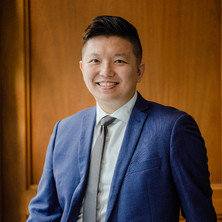
Professor Ryan Ko is Chair Professor of Cyber Security, Centre Director of UQ Cyber Research Centre, Director of Research at the School of Electrical Engineering and Computer Science, and an elected member of the Academic Board at the University of Queensland, Australia. He holds a Bachelor of Engineering (Computer Engineering)(Hons.) (2005), and PhD (2011) from Nanyang Technological University (NTU), Singapore.
Ko has held senior scientific leadership, executive, and directorship roles across industry and academia, and has more than 15 years of board, governance and advisory experience across government, industry and NGOs across Australia, New Zealand, Singapore, and USA. Prior to academia, he held scientific research positions at Hewlett Packard Labs and was a systems engineer with the semiconductor manufacturer Micron Technology.
He currently serves on the Audit and Risk Committee for the board of the global not-for-profit ORCID, and has served on boards and advisory groups for AustCyber, Queensland Government, Meat and Livestock Australia (MLA), and the NZX-listed (NZE:LIC) Livestock Improvement Cooperation (LIC).
He has also served as expert advisor to INTERPOL, the government of Tonga, NZDF, NZ Minister for Communications' Cyber Security Skills Taskforce, and is a Technical Advisor (one of four nationally-appointed) for judges relating to the Harmful Digital Communications Act 2015, Ministry of Justice. He has also served as independent technical expert for Australian law firms in court cases, litigations and class actions.
He is a registered external expert for the Tertiary Education Quality and Standards Agency (TEQSA), and a member of the Australian Computer Society (ACS) Accreditation Committee. He has experience reviewing course proposals and served in governance roles for higher education institutes.
He is Adjunct Professor at the Singapore Institute of Technology, and Affiliate Faculty Member at NIATEC at the Idaho State University, USA.
He has been a co-founder of 4 start-ups, including First Watch Ltd (NZ) – an industrial cybersecurity spin-off based on his patented OT security and provenance research at the University of Waikato.
Since joining UQ in 2019, he has served as:
Deputy Head of School (External Engagement) (2021-2022)
Founding Discipline Leader of the Cyber Security and Software Engineering discipline (2020-2021)
Group Leader - Cyber Security (2019)
Ko has successfully established several university-wide, multi-disciplinary academic research and education programmes, including establishing and leading:
UQ Cyber Research Centre - interdisciplinary cyber scurity research centre involving 60+ academics and their respective teams from the 6 Schools (EECS, Business, Economics, Law, Social Science, Mathematics & Physics), the Centre for Policy Futures, and 4 Faculties since 2019.
UQ's interdisciplinary postgraduate programme (MCyber, PGDipCyber, GCertCyber) involving four UQ faculties in 2019,
NZ's first cyber security graduate research programme and lab (Cybersecurity Researchers of Waikato (CROW)) in 2012,
NZ's first Master of Cyber Security (encompassing technical and law courses), the NZ Cyber Security Challenge since 2014, and
NZ Institute for Security and Crime Science – Te Puna Haumaru as its founding director, the Evidence Based Policing Centre (at Wellington with NZ Police and ESR), and Master of Security and Crime Science in 2017 with the University of Waikato, NZ.
Over his academic career, Ko has been awarded A$20+million in competitive grants as lead Chief Investigator, and ~A$40+million as co-investigator. Prior to UQ, he was the highest funded computer scientist in New Zealand, as Principal Investigator and Science Leader of the largest MBIE-awarded cloud security research funding for STRATUS (NZ$12.2 million; 2014-2018). STRATUS' research was awarded 'Gold' by MBIE (i.e. top performing project, 2017), adopted by INTERPOL and featured in NZ's Department of Prime Minister and Cabinet's NZ Cyber Security Strategy 2016 annual report.
Ko has a track record developing international and national cyber security curricula, including:
Co-creation of the gold-standard (ISC)2 Certified Cloud Security Professional (CCSP) curriculum (2014-2015)
Authoring the draft of the NZQA's Level 6 Cybersecurity Diploma qualification as part of the NZ Cyber Security Skills Taskforce on behalf of the Department of Prime Minister and Cabinet.
Ko has also experience developing competitions and coaching competitive cyber security teams, including:
Co-founding the NZ Cyber Security Challenge in 2014, and leading the NZCSC from 2014 to 2018. NZCSC is now the premier national cyber security competition in NZ.
Co-founding the Oceania Cybersecurity Challenge (OCC) in 2020, and leading the competition from 2022 to present. OCC is now the regional qualifiers for the International Cybersecurity Challenge
Co-founding the International Cybersecurity Challenge (ICC) as part of the Steering Committee in 2022. ICC has been held in Athens (2022) and San Diego (2023). It is aiming to be the world cup of cyber competitions.
Head Coach of Team Oceania for the ICC. 2022 Results: Overall 4th; 2023 Results: Overall 2nd in the world.
He contributed to the establishment of the Government of Tonga CERT and CERT NZ, and has been a keynote speaker regularly on cyber and cloud security research across the globe, including the OECD, Republic of Korea National Assembly (2018), INTERPOL (2017), TEDx Ruakura (2017), and the NZ Members of Parliament (2016).
Within the ISO/IEC JTC 1/SC 27, Prof Ko was Head of Delegation for the Singapore national body, served as Editor, ISO/IEC 21878 “Security guidelines for design and implementation of virtualized servers”, and hosted the ISO/IEC JTC 1/SC 27 meetings at Hamilton, NZ, in 2017. He is currently one of the editors of the ISO/IEC PWI 5181 Data Provenance Reference Model. In 2022, Ko co-chaired the development of the Singapore standard TR 106:2022 Tiered cybersecurity standards for enterprises in collaboration with the SPSTC and Singapore Cyber Security Agency.
Ko serves as an assessor for the Australian Research Council (ARC), Irish Research Council, Nederlandse Organisatie voor Wetenschappelijk Onderzoek (NWO), Natural Sciences and Engineering Research Council of Canada (NSERC), and NZ MBIE College of Assessors (since 2015).
Ko has externally examined 11 PhD and 3 Masters theses for universities in Australia, New Zealand, Canada, Hong Kong and Singapore.
For his contributions to the field, he was elected Fellow of the Australian Computer Society, Fellow of the Queensland Academy of Arts and Sciences, and Fellow of Cloud Security Alliance (CSA) (2016). He was awarded the Singapore Government (Enterprise Singapore)’s Young Professional Award (2018) for his leadership at ISO, and awarded the inaugural CSA Ron Knode Service Award 2012 for the establishment of Cloud Data Governance and Cloud Vulnerabilities Research Working Groups. He is also recipient of the 2015 (ISC)2 Information Security Leadership Award.
For his research and teaching excellence, he was awarded the University of Queensland Awards for Excellence - Leadership (Commendation) (2023), EAIT Nominations for Most Effective Teacher (both semesters of 2020, 2021, 2022, 2023), University of Waikato's Early Career Excellence Award (2014), Faculty Teaching Excellence Awards (2014, 2015, 2018), and the Nola Campbell eLearning Excellence Award (2014). During his PhD, he was also awarded A*STAR SIMTech's Best Student Award (2009), and clinched the 1st Prize of the IEEE Services Cup 2009 at IEEE ICWS (CORE A*) in Los Angeles, CA.
Earlier in his career, Ko was a systems engineer at Micron, and subsequently founded two start-ups (one was a social enterprise which became an events/conventions management contractor with IMG at mega-events in Singapore, including the inaugural Youth Olympics in 2010).
He is an active science communicator and is regularly interviewed and featured by Australian (ABC News, SBS News, 7 News, 9 News, Courier Mail, Network 10, AFR), Singaporean (Channel NewsAsia, CNA Radio938), NZ (NZ Herald, Dominion Post, Stuff.co.nz, Waikato Times, TVNZ, Central TV) and international media on topics of cyber security, cybercrime and data privacy.
School of Electrical Engineering and Computer Science
Faculty of Engineering, Architecture and Information Technology
Availability:
Available for supervision
Media expert
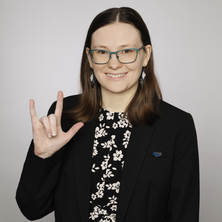
Dr Jessica Korte is passionate about the ways good technology can improve lives. To ensure technology is “good”, she advocates involving end users in the design process; especially when those people belong to “difficult” user groups - which usually translates to “minority” user groups. Her philosophy for technology design (and life in general) is that the needs of people who are disempowered or disabled by society should be considered first; everyone else will then benefit from technology that maximises usability. Her research areas include Human-Computer Interaction, Machine Learning, and Participatory & Collaborative Design.
Jessica was drawn to research by a desire to explore some of the ways technology and design can empower and support people from marginalised groups. She has worked with Deaf children and members of the Deaf community to create a technology design approach, and successfully organised and run international workshops on Pushing the Boundaries of Participatory Design, leading to the World’s Most Inclusive Distributed Participatory Design Project.
Jessica has recently been awarded a TAS DCRC Fellowship to create an Auslan Communication Technologies Pipeline, a modular, AI-based Auslan-in, Auslan-out system capable of recognising, processing and producing Auslan signing.
Jessica is currently looking to recruit research students with an interest in exploring topics in an Auslan context, including machine learning, natural language processing, chatbots, video GAN, or procedural animation.
School of Electrical Engineering and Computer Science
Faculty of Engineering, Architecture and Information Technology
Availability:
Available for supervision
Hang is a Postdoctoral Research Fellow in IELab within the School of Electrical Engineering and Computer Science at the University of Queensland, Australia, where he works closely with Prof. Guido Zuccon, A/Prof. Bevan Koopman, and Dr. Ahmed Mourad. Prior to Ph.D, he received his Bachelor of Science degree in Computer Science at the University of Minnesota Twin-Cities, United States, 2016.
Hang's research interests span Information Retrieval (IR), Large Language Models (LLMs), Natural Language Processing (NLP), Agentic Search, Retrieval-Augmented Generation (RAG), and Machine Learning (ML). In particular, he is interested in developing intelligent search and information-access systems that combine effective retrieval with the reasoning and generation capabilities of LLMs. His research explores topics including neural and dense retrieval, retrieval enhancement and feedback, LLM-based relevance assessment, agentic and conversational search, RAG system design and evaluation, and the efficient and reliable integration of LLMs into real-world information retrieval pipelines.
Hang publishes at premier academic venues in IR (e.g. SIGIR, ECIR, WSDM, WWW, TOIS, IJDL). His work was supported by Grains Research and Development Corporation, through the AgAsk project during Ph.D.
Affiliate of Centre for Living Experience Research
Centre for Living Experience Research
Faculty of Health, Medicine and Behavioural Sciences
Affiliate of Centre for Neurorehabilitation, Ageing and Balance Research
Centre for Neurorehabilitation, Ageing and Balance Research
Faculty of Health, Medicine and Behavioural Sciences
Conjoint Associate Professor
School of Health and Rehabilitation Sciences
Faculty of Health, Medicine and Behavioural Sciences
Availability:
Available for supervision
Jacki Liddle is a research fellow and occupational therapist researching quality of life, participation and life transitions. She uses innovative technology, along with qualitative and quantitative research methods to investigate the needs and experiences of people living with neurological conditions (dementia, Parkinson's disease, stroke), older people and their caregivers. She has worked with a multi-disciplinary team co-designing technology with people living with dementia and their care partners to support communication. Currently, she is in a conjoint position with Princess Alexandra Hospital, supporting the development, conduct and application of research that improves outcomes for patients.
She has also been involved in developing technology to measure outcomes including lifespace, time use, and activity and role participation to help monitor and improve community outcomes. Dr Liddle's PhD focused on researching the experiences related to retirement from driving for older people, which led to the development of the CarFreeMe program to improve outcomes related to driving cessation. Versions of the program for older drivers, people living with dementia and people with traumatic brain injury have been developed and trialled.
School of Electrical Engineering and Computer Science
Faculty of Engineering, Architecture and Information Technology
Affiliate of Dow Centre for Sustainable Engineering Innovation
Dow Centre for Sustainable Engineering Innovation
Faculty of Engineering, Architecture and Information Technology
Availability:
Available for supervision
Media expert
Dr Kai Li Lim is the inaugural St Baker Fellow in E-Mobility at the UQ Dow Centre for Sustainable Engineering Innovation. Specialising in data science, engineering, and emerging technologies, Dr Lim focuses on real-time vehicle telematics, infrastructure management, and computer vision-based autonomous driving.
At UQ, Dr Lim's research centres on electric vehicle (EV) usage and charging patterns to inform adoption policies and strategies. His work includes examining trends for incentive design and assessing the environmental and economic impacts of EVs. Dr Lim's current focus is on charging reliability and addressing EV drivers' pain points. His research has been featured in academic, industry, and media publications, facilitating discussions with various stakeholders.
Dr Lim has published a range of articles, book chapters, and conference papers in reputable venues. He has delivered invited talks and appeared in media outlets such as ABC, Courier Mail, and The Conversation. Collaborating with various UQ schools, including Civil Engineering, Electrical Engineering and Computer Science (EECS), Economics, and Environment, Dr Lim has secured funding for projects on topics like carbon emissions offset after EV uptake and evaluating price incentives for EV charging using real-time data.
In addition to his work at UQ, Dr Lim collaborates closely with the UC Davis Electric Vehicle Research Center, where he recently completed a six-month visiting fellowship on EV charging. He engages in speaking events and networking opportunities centred on sustainability and transportation innovation, delivering keynote speeches at conferences and industry roundtables.
Dr Lim holds a BEng (Hons) degree in electronic and computer engineering from the University of Nottingham, an MSc degree in computer science from Lancaster University, and a PhD degree from The University of Western Australia, supported by the Australian Government under the Research Training Programme.
Faculty of Engineering, Architecture and Information Technology
Availability:
Available for supervision
Dr Pia Lois-Morales is Senior Research Fellow at The University of Queensland's Sustainable Minerals Institute, where she recently joined to advance research in geometallurgy, advanced ore characterisation using data analysis, physics frameworks and AI. She previously served as Assistant Professor at the University of Chile, leading research in geometallurgy, process mineralogy and mineral processing while developing innovative methodologies, industry collaborations and training. Her research focuses on integrating advanced characterisation techniques, geometallurgical modelling and AI to better understand and predict ore behaviour across the mining value chain, supporting more efficient, sustainable and data-driven mineral resource development.
School of Electrical Engineering and Computer Science
Faculty of Engineering, Architecture and Information Technology
Availability:
Available for supervision
Media expert
Brian C. Lovell, born in Brisbane, Australia in 1960, received his BE in Electrical Engineering (Honours I) in 1982, BSc in Computer Science in 1983, and PhD in Signal Processing in 1991, all from the University of Queensland (UQ). Currently, he is the Project Leader of the Advanced Surveillance Group at UQ. Professor Lovell served as the President of the International Association of Pattern Recognition from 2008 to 2010, is a Senior Member of the IEEE, a Fellow of the IEAust, Fellow of the Asia-Pacific AI Association, and has been a voting member for Australia on the Governing Board of the International Association for Pattern Recognition since 1998.
He is an Honorary Professor at IIT Guwahati, India; an Associate Editor of the Pattern Recognition Journal; an Associate Editor-in-Chief of the Machine Learning Research Journal; a member of the IAPR TC4 on Biometrics; and a member of the Awards Committee and Education Committee of the IEEE Biometrics Council.
In addition, Professor Lovell has chaired and co-chaired numerous international conferences in the field of pattern recognition, including ICPR2008, ACPR2011, ICIP2013, ICPR2016, and ICPR2020. His Advanced Surveillance Group has collaborated with port, rail, and airport organizations, as well as several national and international agencies, to develop technology-based solutions for operational and security concerns.
His current research projects are in the fields of:
Artificial Intelligence
StyleGAN
Stable Diffusion
Deep Learning
Biometrics
Robust Face Recognition using Deep Learning
Masked Face Recognition for COVID-19 Pandemic
Adversarial Attacks on AI Systems
Digital Pathology
Neurofibroma Detection and Assessment
Object Detection with Deep Learning
I am actively recruiting PhD students in Artificial Intelligence to work with my team. If you are interested and have a strong record from a good university, with a publication in a good conference such as CVPR, ICCV, ECCV, or MICCAI please send your CV to me. Full Scholarships (Tuition and Living) can be awarded within one month for truly exceptional candidates.
School of Electrical Engineering and Computer Science
Faculty of Engineering, Architecture and Information Technology
Affiliate of Centre for Enterprise AI
Centre for Enterprise AI
Faculty of Engineering, Architecture and Information Technology
Availability:
Available for supervision
Media expert
I am currently a senior lecturer and an ARC DECRA fellow at the University of Queensland, where I conduct research in the field of Information Retrieval. My research focuses on efficient and effective representations for large-scale search engines, including indexing, compression, and retrieval. I am also interested in understanding how to measure improvements in the end-to-end search pipeline, including system-oriented effectiveness measurements and user behaviour analysis. I have a broad interest in empirical experimentation, operating systems, data structures, and algorithms.
Previous Positions
From February 2020 to January 2022 I worked as a postdoctoral research fellow on an ARC discovery project with Professor Alistair Moffat at the University of Melbourne.
I completed my PhD at RMIT University under the guidance of Professor J. Shane Culpepper and Professor Falk Scholer.
Dr Sabine Matook is an Information Systems Professor at the UQ Business School, University of Queensland. Dr Matook received her doctoral degree from the Technische Universität (TU) Dresden, Germany.
Research
Sabine's scientific work focuses on data and IT artifacts in the two areas of information systems development (ISD) and social media. In these fields, Professor Matook's work examines how humans and technology function and interact with each other and with the environments in which they operate. Her core focus is on data, and Professor Matook applies analytical techniques and scientific procedures to datasets, extracting insights for organizational operations. In her research, she designs, builds, and deploys analytic frameworks, reference models, and AI tools to generate information for strategic planning and decision-making.
Within the context of ISD, she seeks to understand why and how data, information needs, and the behaviors of teams and individuals dynamically impact the design and development of the IT artifact, including technology-mediated teams (e.g., human-AI hybrids). Her interests also motivate work on algorithmic technologies for social artificial intelligence in social media. Based on Professor Matook's data-driven findings, key organizational decision-makers gain insights into how to respond to sudden virtual events, prevent data threats, and protect personal information.
In 2022, Sabine was recognized for her excellence in science and her scientific publications with the 2022 UQ Business School Research Award. Already in 2009, Professor Matook received this scientific honour for her research and development work.
Sabine is a Senior Research Fellow with the Weizenbaum Institute for the Networked Society - The German Internet Institute. She has also held visiting positions at the University of Arizona (Eller College of Management), Georgia State University (J. Mack Robinson College of Business), the University of Louisville, Technische Universität Dresden (Germany), Vienna University of Economics and Business Administration (Austria), and the University of La Serena (Chile).
Her research is funded by the Australian Research Council (ARC) Discovery Project (single CI) Grants in the fields of Sabine's expertise, especially information systems development and social media.
Sabine's journal articles, published and presented at ICIS 2023, coauthored with Nadia Bello Rinaudo and Alan Dennis, about "AI Algorithms and Time Experience in Social Media: Explaining Discontinued Use," received the Best-Paper Runner-up award (selected from more than 200 accepted short papers).
Dr. Matook's work has appeared in MIS Quarterly, Journal of Management Information Systems, European Journal of Information Systems, Information Systems Journal, the Journal of Strategic Information Systems, the International Journal of Operations & Production Management, the Journal of Business Research, Decision Support Systems, and the Scandinavian Journal of Information Systems. Over the years, Sabine Matook has presented numerous research papers at international conferences, including the ICIS, ECIS, and PACIS.
Teaching and Learning
Sabine Matook is a passionate educator and a champion for work-integrated learning in higher education to train the next generation of scientists.
In February 2024, Sabine was recognised by the 2023 Australian Awards for University Teaching (AAUT) with a Citation for Outstanding Contributions to Student Learning for "For innovatively designing a digital work-integrated learning partnership approach that enhances students' employability in Business Information Systems while inspiring them to ‘give-back’ to community organisations."
She received the 2022 UQ Citation for Outstanding Contributions to Student Learning and the 2021 Teaching Excellence Award of the UQ Faculty BEL on "Enhancing Employability". She was also awarded the 2021 UQ Business School Award for "Innovation in Large Courses".
She is a Senior Fellow of Advance HE -- which indicates an advanced level of professional standing regarding her expertise in teaching and learning in higher education. In 2022, Sabine was appointed to the HEA@UQ Review Panel as an Assessor.
Sabine Matook produced in 2023 a train-the-trainer workshop for low-code development for the AIS Digital Academy.
Sabine also engages in the scientific scholarship of teaching with a focus on digital employability through citizen development. Her work is currently under review in high-quality academic journals, whereas Sabine published initial findings at the 2021 Australasian Conference on Information Systems and, in 2024, at the Journal of Information Technology and, in 2025, at Business & Information Systems Engineering.
An opinion piece at The Conversation about "How work-integrated learning helps to make billions in uni funding worth it" and an article in the Campus Section of the Times Higher Education about "Helping students to see the future career value of their work-integrated learning" reached a large readership and influenced the practices of science educators in Australia.
Service
Professor Matook is an active and engaged member of the scientific community in Australia and globally. She received multiple awards and recognitions for your extensive contributions to science.
Sabine Matook received the 2021 AIS Technology ATLAS Award. This award is given to scientists who have made the most significant contributions toward the intellectual infrastructure of the Association for Information Systems (AIS). In 2022, Sabine was awarded the AIS Vision Award to recognize her scientific contributions to the vision of the Association for Information Systems.
She is an Associate Editor for MIS Quarterly (MISQ), a Senior Editor for the European Journal of Information Systems (EJIS) and for the former journal AIS Transactions on Replication Research (TRR), a member of the editorial review board for Information System Research andJournal of Management Information Systems, and has been an Associate Editor for Information Systems Journal (ISJ).
Sabine Matook is the AIS Council Secretary for The Association for Information Systems (Sep 2021- 2027).
In 2019, Dr. Matook served on the Expert Panel 'Information Systems' that reviewed the 2019 Australian Business Deans Council Journal Quality List, and in 2022, she served on the Expert Panel that reviewed the 2020 journal ranking list of the Australian Council of Professors and Heads of Information Systems (ACPHIS)
Sabine Matook was the program chair for the European Conference on Information Systems (ECIS) in 2022 and 2021 and 2019. In addition, she served repeatedly as track chair for the International Conference on Information Systems (ICIS) [2025, 2023, 2029, 2015], the European Conference on Information Systems (ECIS) [2024-2026,2020], Pacific-Asian Conference on Information Systems (PACIS) in [2024, 2022, 2020], and the Australasian Conference on Information Systems [2018, 2019].
School of Electrical Engineering and Computer Science
Faculty of Engineering, Architecture and Information Technology
Availability:
Available for supervision
Media expert
I study design as a collaborative process that materialises alternative social futures. Those futures are sometimes new products, systems, services, infrastructures and technologies. But they can also be social contracts, agreements, processes, ways of working and new possibilities for our collective lives together.
I currently lead research projects in three broad domains: designing advocacy, designing the materials of participation, and augmenting skill and expertise through design.
The designing advocacy project has worked with a range of stakeholders with reduced agency such as people with mental health needs, chronic illnesses, injured workers, and other stigmatised or at-risk groups. We have developed methods for the inclusion of their perspectives in design processes, insights about their specific conditions and needs, critical analyses of how they are conceptualised from the perspectives of technologists and service providers, and design proposals for services and technologies that amplify their agency.
The designing the materials of participation project develops formats and processes for participatory design—the inclusion of stakeholders in the design of systems that will affect the organisation of their work and life. In this project we study how technologies and systems are used in microanalytic detail, analysing how tools and materials shape people's interactions. We use this understanding as a basis for the design of new methods and processes (and sometimes new matierals) for involving people in the design process, and giving them greater autonomy over the systems they will use.
The augmenting skill and expertise through design project studies specialist work practices for the purposes of developing technology support for that work. We have worked with aeromedical teams, audiologists, passport officers, emergency first responders, quick service chefs, primary school teachers, and other professional contexts of use to understand the local and particular skills that enable those workplaces to function effectively and collaboratively. We use these understandings to inform the deisgn of technologies and work practices that support, and preserve, those core professional skills.
The constants across these projects relate to the design process—the methods used to understand people, identify design opportunities, facilitate collaboration between project stakeholders, champion users' contexts and requirements, prototype early solutions, evaluate concepts in the field, and build new technologies. This results in a variety of research contributions: new design methods and perspectives that have been tailored for specific contexts of use, identification of the potentials and limitations of different approaches to design and analysis, the discovery of context-specific issues for the design of new systems, new understandings of people, their work and contexts of use, and the design and evaluation of bespoke technologies.
Program Lead, Innovation Pathways (FaBA) of UQ Business School
School of Business
Faculty of Business, Economics and Law
Professor
School of Business
Faculty of Business, Economics and Law
Availability:
Available for supervision
Media expert
Janet R. McColl-Kennedy is Professor of Marketing, UQ Business School, and Lead, Innovation Pathways Program, FaBA, Trailblazer Universities program, The University of Queensland, Brisbane, Australia.
Multi-award winner Professor McColl-Kennedy is an Honorary Visiting Professor and Fellow, Cambridge Service Alliance, Institute for Manufacturing, Department of Engineering, University of Cambridge, UK. Research Collaborators | Cambridge Service Alliance.
Janet embodies scholarly excellence. She is an elected Fellow of the prestigious Academy of the Social Sciences in Australia (ASSA) from 2022 for her distinguished contribution to social sciences. She is also a Distinguished Fellow of the Australian and New Zealand Marketing Academy (ANZMAC) having "demonstrated outstanding contributions to the Academy and also demonstrated eminence in the Marketing discipline through research, scholarship, education and leadership". Fellows — ANZMAC. Given her expertise in Service Innovation, Professor McColl-Kennedy is an appointed Ambassador for the International Society of Service Innovation Professionals (ISSIP) https://www.linkedin.com/company/international-society-of-service-innovation-professionals-issip-/posts/?feedView=all
In 2024 Professor McColl-Kennedy was appointed to the Australian Research Council (ARC) College of Experts based on her exemplary sustained track record of obtaining and leading her teams to the successful completion of their programs of research. https://www.arc.gov.au/about-arc The ARC College of Experts plays a very important role for the ARC and the research community more broadly. Appointees assign external assessors and help rank and moderate ARC grant applications that have been submitted under the National Competitive Grants Program (NCGP). They also assist with recruitment of new assessors and provide advice for peer review reforms to the ARC. This appointment is recognition of her international standing and contributions to research both in Australia and internationally.
In 2025 she was awarded the Christopher Lovelock Career Contributions to the Services Discipline Award. This highly prestigious award is presented annually by AMA SERVSIG to the individual whose teaching, research and service have had the greatest long-term impact on the development of the services discipline. Contributions to the services discipline should be significant, frequent, and include recent contributions. 2025 Christopher Lovelock Award Winner – SERVSIG
Professor McColl-Kennedy was recognised in the "Highly Cited Researcher Awards for 2021", released by Clarivate™. This outstanding achievement is for those who are pioneers in their field, demonstrated by the production of multiple highly cited papers that rank in the top 1% by citations for the field and year in the Web of Science™. In 2023 and 2024 she was ranked in the World's Best Business and Management Scientists by Research.com. https://research.com/scientists-rankings/business-and-management/au
Professor Janet McColl-Kennedy has made a significant research contribution to the discipline of Marketing, specifically in her research area of “Services”. With over 240 publications (98 international refereed journal articles, 22 book chapters/books, 27 industry articles, white papers and reports, 14 workbooks and 81 international refereed conference papers/abstracts), Professor McColl-Kennedy is not only a leading senior marketing academic in Australia, she is internationally recognised as a leading researcher in Service Science. Her research interests focus on customer experience management and measurement, the role of digital technology, AI, customer insights and choice preferences. She has particular expertise in health care services. Professor McColl-Kennedy is dedicated to nurturing the next generation of researchers mentoring over 20 PhD and honours students.
Janet leads several cross disciplinary and international research teams, obtaining over $93.7 million in competitive research grants, including 20 years of continuous funding from the prestigious Australian Research Council (ARC).
She has a H index of 64 (Google scholar) 43 (Scopus) and over 23,387 citations (Google Scholar).
Professor McColl-Kennedy has held several senior leadership positions in the UQ School of Management and UQ Business School, including Marketing Discipline Leader for 10 years from 1996 to 2005, Research Director, UQ Business School from January 2006 to June 2008 and from April 2009 to January 2010, Director International in the School of Business from January to December 2010 and Associate Director, Research (Engagement and Impact) in 2019, the Founding Co-Lead of the Service Innovation Alliance Research Hub from 2018-2025 and appointed Director of Research again in January 2020 until January 2023.
Professor McColl-Kennedy has held Visiting Professorships at Indiana University, USA, Bocconi University Milan, Italy, University of New South Wales, Sydney, and University of Cambridge, UK.
Professor McColl-Kennedy’s work consistently appears in prestigious journals in her field such as the Journal of Retailing, Journal of the Academy of Marketing Science, Leadership Quarterly, Journal of Service Research, Harvard Business Review, European Journal of Marketing, Journal of Business Research, Journal of Service Management, Psychology and Marketing, Journal of Services Marketing, Journal of Marketing Management and Industrial Marketing Management.
In recognition of her international research reputation she is an inaugural member of the Advisory Board of the Cambridge Service Alliance, University of Cambridge, UK, a global alliance between leading businesses and universities. Founded by Cambridge University Institute for Manufacturing and Judge Business School, the Cambridge Service Alliance was formed in 2010 and is designed to bring together some of the world’s best firms and researchers devoted to delivering today the insights, education and approaches needed for the Complex Service Solutions of tomorrow. For more information on Cambridge Service Alliance see http://www.ifm.eng.cam.ac.uk/research/service/.
Her latest work focuses on measuring and managing customer experience (CX) See https://managementink.wordpress.com/2018/12/21/gaining-customer-experience-insights-that-matter/
Appointed to the Advisory Board of CTF Service Research Center, Karlstad University, Sweden from 2012 ongoing. Global companies on the board include Ericsson, Tetra Pak, Volvo and IKEA.
Appointed to the Internationally Scientific Advisory Board (ISAB), Norwegian School of Economics (NHH), Norway from 2014 -2022.
Appointed as Academic Scholar, Cornell Institute for Healthy Futures, Cornell University, New York, USA, 2016 -2019.
Appointed Research Faculty in the Center for Service, Arizona State University, USA in 2018 ongoing.
RESEARCH AWARDS
* April 2024 – Ranked in 2024 World's BestBusiness and Management Scientists. (See World's Best Business and Management Scientists: H-Index Business and Management Science Ranking in Australia 2024 | Research.com). Ranked second top Marketing Professor in all of Australia.
* June 2023 - Received the inaugural Bo Edvardsson Industry Impact in Services award, QUIS18, VinUniversity, Hanoi, Vietnam.
* November 2022 – Elected Fellow of the Academy of The Social Sciences in Australia (FASSA) https://socialsciences.org.au/
* June 2020 – Awarded highly commended paper. Finalist (with two others) for the 2019 Journal of Service Research best paper award.
[McColl-Kennedy, J.R., M. Zaki, K. Lemon, F. Urmetzer and A. Neely (2019), “Gaining Customer Experience Insights that Matter”, Journal of Service Research, 22, 1, pp.8-26.]
* December 2019 awarded the 2019 University of Queensland Business School's “Research Team Engagement Award" for outstanding achievement in research - Service Innovation Alliance (SIA) interdisciplinary research group.
*July 2019 – “Robert Johnston Highly Commended Paper award of 2018”. “Awarded for your outstanding research” by the Journal of Service Management Editorial Review Board. Award presented at Frontiers in Service Conference, 19 July 2019, Singapore.
[Bolton, R., J.R. McColl-Kennedy, L. Cheung, A.S. Gallan, C. Orsingher, L. Witell, M. Zaki (2018), “Customer Experience Challenges: Bringing Together Digital, Physical and Social Realms”, Journal of Service Management, 29, 5, pp. 776-808.]
* November 2018 - Awarded the Cross-Discipline Research Award by the UQ Business School for outstanding achievement in research (29 November 2018).
* September 2018 - "the most influential marketing academic in Australia". Professor McColl-Kennedy is named "the leading researcher in the field of Marketing in Australia", "Australia’s Research Field Leaders” The Australian, 26 September, 2018, page 12.
* June 2017 - Best Article Finalist – “Highly Commended Paper of 2016” Journal of Service Research article.
[Patterson, P. G., M. K. Brady and J.R. McColl-Kennedy (2016), "Geysers or Bubbling Hot Springs? A Cross-cultural Examination of Customer Rage From Eastern and Western Perspectives, Journal of Service Research, 19, 3, pp. 243-259.]
* February 2016 – “Highly Commended Paper of 2015”. Short listed for the Journal of Service Management (JOSM) - 2015 - Robert Johnston Award with two others).
[McColl-Kennedy, J.R., P.G. Patterson, M.K. Brady, L. Cheung and D. Nguyen (2015), “To Give or Not to Give Professional Services to Non-paying Clients: Professionals’ Giving Backstory”, Journal of Service Management, 26 (3): 426-459.]
* October 2015 our paper Bolton, R.N., Gustafsson, A., McColl-Kennedy, J.R., Sirianni, N.J. and Tse, D.K. (2014), “Small Details that Make Big Differences: a Radical Approach to Consumption Experience as a Firm's Differentiating Strategy”, Journal of Service Management, Vol. 25, No. 2, pp. 253-274 made it into the top 20 most cited Marketing articles since 2011 list.
* March 2015 - Highly Recommended paper - Short listed (in the top four best papers) for the best 2014 article in Journal of Service Management."As of November / December 2014 , this highly cited paper received enough citations to place it in the top 1% of the academic field of Economics & Business based on a highly cited threshold for the field and publication year." Source: ISI Web of Science.
[ Bolton, R.N., Gustafsson, A., McColl-Kennedy, J.R., Sirianni, N.J. and Tse, D.K. (2014), “Small Details that Make Big Differences: a Radical Approach to Consumption Experience as a Firm's Differentiating Strategy”, Journal of Service Management, Vol. 25, No. 2, pp. 253-274.]
* March 2013 - Highly Recommended - Short listed (in the top five best papers) for the best 2012 article in Journal of Service Research. [McColl-Kennedy, J.R., Vargo, S.L., Dagger, T.S., Sweeney, J.C. and van Kasteren, Y. (2012). “Health Care Customer Value Cocreation Practice Styles”, Journal of Service Research, Vol.15, No. 4, pp. 370-389 – the lead article.]
* 2011 Appointed Fellow of ANZMAC (Australian and New Zealand Marketing Academy) since 2011, having “demonstrated outstanding contributions to the Academy and also demonstrated eminence in the Marketing discipline through research, scholarship, education and leadership”. https://anzmac.org/fellows/
* 2011 Winner of the Distinguished Researcher Award (Australian and New Zealand Marketing Academy). “This is an annual award for a member of the ANZMAC community judged to have made the most significant contribution to advancing our knowledge of marketing through their research”.
* 2011 Short listed (with two other papers) for the Accenture Award. The award is given each year to the author(s) of the article published in the California Management Review in 2009 that has "made the most important contribution to improving the practice of management". [Patterson, P.G., McColl-Kennedy, J.R., Smith, A.K. and Lu, Z. (2009), “Customer Rage: Triggers, Tipping Points and Take-Outs”, California Management Review, Vol. 52, No. 1, pp. 6-28.]
* 2011 “Outstanding author contribution” winner, Emerald Literary Network, Award for Excellence for 2010 chapter "Service encounter needs theory: A dyadic, psychosocial approach to understanding service encounters". [Bradley, G.L., McColl-Kennedy, J.R., Sparks, B.A., Jimmieson, N.L. and Zapf, D. (2010), “Service Encounter Needs Theory: A Dyadic, Psychosocial Approach to Understanding Service Encounters”, in Zerbe, W.J., Härtel, C.E.J., and Ashkanasy, N.M. (Eds.) Research on Emotion in Organizations, Volume 6: Emotions in Creativity, Learning, and Change, Emerald Group Publishing/JAI Press, Bingley, UK, pp. 221-258.]
* 2010 Honorable mention - Short listed for best "Services" article published in 2009 by AMA SERVSIG [McColl-Kennedy, J.R., Patterson, P.G., Smith, A.K. and Brady, M. (2009). “Customer Rage Episodes: Emotions, Expressions and Behaviors”, Journal of Retailing, Vol. 85, No. 2, pp. 222-237.]
* 2010 Awarded best paper in AMJ [Tombs, A.G. and McColl-Kennedy, J.R. (2010), “Social and Spatial Influence of Customers on Other Customers in the Social-servicescape”. Australasian Marketing Journal, Vol. 18, No. 3, pp. 120-131.]
* 2009 Best paper award 2009 EIASM Naples Forum on Service, Capri Italy (McColl-Kennedy et al 2009)
* 2008 Best paper award 2008 ANZMAC conference (McColl-Kennedy and Patterson 2008)
* 2003 Best paper award European Marketing Conference (EMAC) 2003
* 2001 Best paper award AMA SERVSIG Conference 2001
MAJOR GRANTS – Leads cross disciplinary international research teams
*2022-2024 ARC Linkage Projects Grant [LP2102000586] [$1,258,024 including $596,349 cash ($496,349 cash from ARC and $100,000 cash from partner organisations)] “Transforming Primary Healthcare Service Delivery: A Digital-Human Approach” Team: (Professor Janet McColl-Kennedy (Lead CI), UQ Emeritus Professor Mieke van Driel Kalwun Health Service, Associate Professor Lisa Hall UQ School of Public Health, Professor Damian Hine UQ GCI/QAAFI, Dr Mohamed Zaki Cambridge Service Alliance, The University of Cambridge, Dr Christoph Breidbach UQ Business School, Ms Tracey Johnson CEO Inala Primary Care and Adjunct Professor Paresh Dawda)
*2016-2022 ARC Discovery Projects Grant [DP160100421] [$330,000] “Modelling Multidimensional Multiparty Decisions to Improve Outcomes for Customers and Service Providers: New Theory and Measurement Tools” (Professor Janet McColl-Kennedy (Lead CI), Assoc. Professor Len Coote, Professor Claire Wainwright, (UQ Medical School) Professor Scott Bell (UQ Medical School), Professor Michael Brady, Florida State University)
*2015-2021 ARC Linkage Projects Grant [LP150100629] [$1.1 million including $180,000 from ARC] “Examining the Effectiveness of Patient-centred Practices on Health Outcomes” (Professor Pennie Frow Uni of Sydney (Lead CI), Professor Janet McColl-Kennedy, UQ, Professor Adrian Payne UNSW, Dr Rahul Govind UNSW)
*2011-2015 ARC Discovery Projects Grant [DP110102312] [$350,000] 'Pro Bono Service: Drivers, Delight, Dark Side and Downside for the Professional' (Professor Janet McColl-Kennedy (Lead CI), Professor Paul G. Patterson UNSW, Professor Michael K. Brady Florida State University and Dr Doan Nguyen The University of Queensland.)
*2008-2010 ARC Discovery Projects Grant [DP0879469] [$220,000] 'Balancing the needs of customers and employees following service failure: A dyadic psychosocial approach' (with Graham Bradley and Beverley Sparks, Griffith University; Nerina Jimmieson, University of Queensland; and Dieter Zapf , Frankfurt University.)
* 2007-2012 ARC Linkage Projects Grant [LP0775220] [$116,000] "Customer Co-production in Ongoing Health Service Delivery: A Longitudinal Study' (Professor Janet McColl-Kennedy UQ (Lead CI), Dr Tracey Dagger, University of Queensland, Professor Jill Sweeney, University of Western Australia, Bev Mirolo and Maryanne Hargraves, Haematology and Oncology Clinics of Australasia Pty Ltd).
* 2006-2008 ARC Discovery Projects Grant [DP0664410] [$240,000] "Customer Rage Spectrum Emotions in Service Failure Encounters: Linking Experience, Expression, Behaviour and Organisational Responses" Professor Janet McColl-Kennedy UQ (Lead CI), Professor P.G. Patterson, University of New South Wales, Associate Professor A.K. Smith George Washington University, USA, Professor M.K. Brady (Florida State).
* 2004-2007 ARC Discovery Projects Grant [DP0450736] [$210,000] "'The Impact of Customer-Focused Business Strategies on Organisational Performance in a Professional Service Context" (Assoc Professor J. Sweeney University of Western Australia (Lead CI), Professor G. Soutar, University of Western Australia and Professor Janet McColl-Kennedy UQ).
TEACHING
Professor McColl-Kennedy brings a wealth of experience from over 30 years of teaching at university level. She has taught classes at both the undergraduate level and postgraduate level, as well as undertaking executive training, across all modes of delivery including intensive, weekend, and weekly modes. She has taught in Australia, Singapore, Beijing, China, Seoul, Korea, Milan, Italy and in the USA.
Awards: 2020 Excellence Award in Blended Learning – Team Award UQ Business School
Awarded to: Master of Leadership in Service Innovation Team comprising of Assoc Professor David Solnet, Ryan Waters, Darren Mead, Carrie Finn, Anna Black, Elizabeth Sara Dominguez, Buddy Nuku, Michelle Goward, Professor Janet McColl-Kennedy, Dr Teegan Green, Assoc Prof Tim Kastelle, Assoc Professor Pierre Benckendorff, Dr Russell Manfield, Dr Ida Asadi Someh, Assoc Professor Nicole Hartley, Ms Daniela Berg, and Dr Richard O'Quinn.
She has a sustained track record of high teaching evaluations in executive teaching and masters courses including MBA.
Professor McColl-Kennedy has supervised 50 masters dissertations and 15 PhD students to successful completion. Professor McColl-Kennedy has examined PhD theses from the University of Melbourne, University of New South Wales, University of Sydney, University of Auckland, Macquarie University, Sydney, and Griffith University, among others.
Affiliate Professor of School of Chemistry and Molecular Biosciences
School of Chemistry and Molecular Biosciences
Faculty of Science
Affiliate of ARC COE for Innovations in Peptide and Protein Science
ARC COE for Innovations in Peptide and Protein Science
Institute for Molecular Bioscience
Affiliate Associate Professor
Institute for Molecular Bioscience
Professorial Research Fellow
Australian Institute for Bioengineering and Nanotechnology
Availability:
Available for supervision
Media expert
Professor Mobli is a structural biologist and a group leader at the University of Queensland's Australian Institute for Bioengineering and Nanotechnology (AIBN). He is well known internationally for his contributions to the basic theory of multidimensional nuclear magnetic resonance and its applications to resolving the molecular structure of peptides and proteins, as well as studying their physiochemical properties and function. Mehdi's contributions to the field has been recognised by being appointed an Executive Editor of the AMPERE society's journal "Magnetic Resonance", and to the advisory board of the international Biological Magnetic Resonance Data Bank (BMRB) as well as serving on the board of directors of the Australia and New Zealand Society for Magnetic Resonance (ANZMAG). He is a former ARC Future Fellow and recipient of the ASBMB MERCK medal, the Australia Peptide Society's Tregear Award, the ANZMAG Sir Paul Callaghan medal and the Lorne Proteins Young Investigator Award (now Robin Anders Award).
Prof. Mobli's research group focuses on characterising the structure and function of receptors involved in neuronal signalling, with a particular focus on developing new approaches for the discovery and characterisation of modulators of these receptors through innovations in bioinformatics, biochemistry and and biophysics. This work has led to publication of more than 100 research articles attracting over 6,000 citations.
School of Electrical Engineering and Computer Science
Faculty of Engineering, Architecture and Information Technology
Availability:
Available for supervision
Peyman Moghadam is an Adjunct Associate Professor at the University of Queensland (UQ). He is a Principal Research Scientist at CSIRO Data61 as well as Professor (Adjunct) at the Queensland University of Technology (QUT). He leads the Embodied AI Research Cluster at CSIRO Data61, working at the intersection of Robotics and Machine learning. He is also the Spatiotemporal AI portfolio Leader at the CSIRO's Machine Learning and Artificial Intelligence (MLAI) Future Science Platform and oversees research and development of MLAI methods for scientific discovery in spatiotemporal data streams. In 2022, he served as a Visiting Professor at ETH Zürich. In 2019, he held a Visiting Scientist appointment at the University of Bonn. Peyman has led several large-scale multidisciplinary projects and won numerous awards, including CSIRO's Julius Career Award, National, and Queensland state iAward for Research and Development, CSIRO’s Collaboration Medal and the Lord Mayor’s Budding Entrepreneurs Award. His current research interests include self-supervised learning for robotics, embodied AI, 3D multi-modal perception (3D++), robotics, and computer vision.
Program Convenor (Master of Business Analytics) of UQ Business School
School of Business
Faculty of Business, Economics and Law
Affiliate of Centre for the Business and Economics of Health
Centre for the Business and Economics of Health
Faculty of Business, Economics and Law
Affiliate of Centre for Enterprise AI
Centre for Enterprise AI
Faculty of Engineering, Architecture and Information Technology
Senior Lecturer
School of Business
Faculty of Business, Economics and Law
Availability:
Not available for supervision
Media expert
Dr. Morteza Namvar is a Senior Lecturer at the UQ Business School and a member of Future of health - Business School - University of Queensland. He specializes in Machine Learning (ML), Natural Language Processing (NLP), and Large Language Models (LLMs) in business contexts. With a foundation in computer science and IT engineering, he brings interdisciplinary expertise to his research, focusing on the application of ML-driven solutions in organizational and healthcare settings.
Morteza is deeply committed to advancing ML, NLP, and LLM research in business and healthcare, mentoring PhD and HDR students in leveraging these technologies to drive innovation, automation, and efficiency across various industries. He has successfully secured competitive funding for multiple ML and NLP projects and has published extensively in leading IS and computer science journals and conferences.
Beyond research, Morteza is passionate about educating the next generation of ML practitioners. His teaching focuses on hands-on ML development using Python, equipping students with the technical skills and confidence needed to excel in the rapidly evolving field of machine learning.
Faculty of Engineering, Architecture and Information Technology
Availability:
Available for supervision
Dr Evgenii Nekhoroshev is a Postdoctoral Research Fellow at the School of Chemical Engineering and a member of the Pyrometallurgy Innovation Centre led by Prof. Evgueni Jak.
He graduated with a Master in Chemistry (chemical thermodynamics) from Lomonosov's Moscow State University, Deparment of Chemistry in 2012. His Master's Thesis was "Thermodynamic optimization of the NaOH-Al(OH)3-Na2SiO3-H2O system for applications in Bayer's process of bauxite treatment" as part of a bigger project initiated in collaboration with Rusal company aimed at utilisation/valorisation of red mud residues accumulated during the production of aluminium oxide from bauxite ores.
In 2019, he completed a PhD in Metallurgical Engineering at Ecole Polytechnique of Montreal, Canada within The Centre For Research in Computational Thermodynamics (CRCT), where he acquired expertise in FactSage software, multicomponent database development, and was included in the list of official collaborators of FactSage. His PhD thesis was "Thermodynamic optimization of the Na2O-K2O-Al2O3-CaO-MgO-B2O3-SiO2 system" sponsored by Glass Consortium including Corning and SCHOTT glass producers. The purpose of the database he developed was to assist the industry in designing new glasses with special properties: chemically hardened glasses (smartphones), technical glasses with high thermal and chemical resilience (boron-containing glasses), chemically inert glasses, etc.
Short after receiving his PhD, Dr Evgenii Nekhoroshev accepted a position at The University of Queensland as part of the Pyrometallurgy Innovation Centre's team where he has an official title of Theme Leader in Thermodynamic Computations, combining his broad expertise in metallurgy, chemical engineering, applied mathematics, and programming.
Dr Evgenii Nekhoroshev has always been passionate about formalisation and automation of big research tasks. He started working on developing an automated solver for thermodynamic optimisation during his PhD thesis which was improved and finalised using the ideas of Prof. Evgueni Jak about real-time derivative matrix optimization and sensitivity analysis applicable to large multicomponent systems. His contribution to the Centre allowed to make transition to a continuous optimization approach when experimental and modelling streams of work in the Centre are efficiently combined together. It allows to include the most recent experimental datasets into a self-consistent database update with minimal time delays.
Faculty of Engineering, Architecture and Information Technology
Availability:
Available for supervision
Media expert
Dr Nguyen is a Lecturer in Robotics at the School of Mechanical and Mining Engineering, The University of Queensland. His research focuses on advancing autonomous robot capabilities in complex, large-scale environments through 1) principled and scalable fusion of complementary sensing modalities with distilled prior knowledge from learning processes for localisation & mapping, and 2) cooperative strategies for multi-robot systems. These research directions address challenging scenarios such as inspection, exploration, and manipulation, where robust localisation & mapping form a solid foundation upon which collaborative schemes can unlock new levels of efficiency and scalability.
Dr Nguyen was previously a Research Assistant Professor at the Centre for Advanced Robotics Technology Innovation (CARTIN), Nanyang Technological University (NTU), following the Wallenberg–NTU Presidential Postdoctoral Fellowship, where he led collaborative research efforts between NTU and KTH Royal Institute of Technology. He received his PhD from the School of EEE, NTU, with the best thesis (Doctoral Innovation Award) in 2020. He graduated with a Bachelor of Engineering (Honours) from Vietnam National University – Ho Chi Minh City University of Technology in 2014. He is an active member of IEEE Robotics and Automation Society (RAS), and is currently an Associate Editor of IEEE Robotics and Automation Letters (RA-L) in the area of Localisation & Mapping.
Faculty of Health, Medicine and Behavioural Sciences
Honorary Senior Fellow
School of Public Health
Faculty of Health, Medicine and Behavioural Sciences
Availability:
Available for supervision
Dr Huy Nguyen is a biostatistician and epidemiologist whose 25+ year career has spanned clinical medicine and advanced quantitative research across Vietnam, Japan, the United Kingdom, the United States and Australia. He trained as a medical doctor at Thai Nguyen and Hanoi Medical University, before completing postgraduate qualifications in statistics, research methods and public health at Flinders University and a PhD in Statistical Modelling and Epidemiology at Queensland University of Technology, for which he received the Outstanding PhD Thesis Award. He has held academic and biostatistics roles at Hanoi Medical University, St Luke's International University, the University of Adelaide, Griffith University, and Federation University Australia, and currently serves as Senior Research Fellow (Biostatistics) at the Poche Centre for Indigenous Health, University of Queensland, with honorary and adjunct appointments at Federation University, St Luke's, UMass Chan Medical School, and Mekong University.
Huy's research focuses on the design and statistical analysis of clinical trials and large observational studies, with particular expertise in causal inference, longitudinal and survival modelling, and Frequentist and Bayesian methods applied to chronic and infectious disease epidemiology. He has served as statistician or statistical/technical advisor on seven clinical trials (six ANZCTR-registered) – most recently as Technical/Statistical Advisor on the Wellcome Trust-funded E-Dengue cluster-randomised trial to reduce dengue incidence in Vietnam's Mekong Delta – and has contributed statistical expertise to over 30 funded research projects supported by the NHMRC, NIH, CDC, and Wellcome Trust, including NIH/Fogarty-funded non-communicable disease research and training in partnership with UMass Chan Medical School.
He has published nearly 100 peer-reviewed articles in international journals – including The Lancet, eClinicalMedicine, The Lancet Regional Health – Western Pacific, PLOS Medicine, and Cardiovascular Research.
Huy has supervised 1 postdoctoral fellow, 6 PhD candidates (2 completed, 4 in progress), 25 Master's students, and 17 Honours/Bachelor students.