Director Higher Degree Research of School of Dentistry
School of Dentistry
Faculty of Health, Medicine and Behavioural Sciences
Affiliate of Centre for Orofacial Regeneration, Reconstruction and Rehabilitation (COR3)
Centre for Orofacial Regeneration, Reconstruction and Rehabilitation
Faculty of Health, Medicine and Behavioural Sciences
Associate Professor
School of Dentistry
Faculty of Health, Medicine and Behavioural Sciences
Availability:
Available for supervision
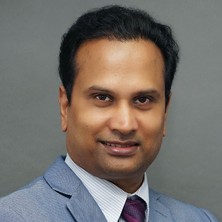
Dr. Jaya Seneviratne is a Senior Lecturer in Periodontology affiliated to the School of Dentistry, University of Queensland, Australia. Currently he serves as the Director of Higher Degree Research. Dr. Seneviratne is an internationally recognized academic and a researcher in the field of dentistry. His track record encompasses over 100 publications in renowned international journals, including all top journals in dental research, 12 book chapters and an edited book “Microbial Biofilms: OMICS Biology, Antimicrobials and Clinical Implications” Taylor & Francis CRC Press, 2017. He has successfully secured over US$ 7.11 million from competitive grants for his research and development work. Dr. Seneviratne served as the Secretary of the IADR-Asia Pacific Region (APR) from 2019-2022. He was also the Chairman of the Session Committee for the 2023 IADR General Meeting in Bogota, Colombia. Previously, he held the key positions as the Chairman of the IADR Constitution Committee and a member of the IADR Fellowship and Membership Committees. Currently, he is an Editorial board member of the Journal of Dental Research and Critical Reviews in Microbiology. Dr. Seneviratne has supervised both undergraduate and postgraduate students, mentoring them excel in their research work. His research mentees have received numerous prestigious awards from the IADR. His primary research interests include oral microbiome, oral biofilms, oral-systemic link and infection control.
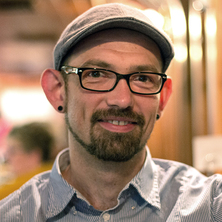
Dr Andrii Slonchak is a head of Systems Virology Laboratory at QIMR Berghofer. Andrii Slonchak obtained his PhD in Molecular Biology in 2010 from the Institute of Molecular Biology and Genetics (Kyiv, Ukraine). In 2013 he joined the University of Queensland, where he completed his postdoctoral training in the RNA Virology Laboratory under the mentorship of Prof. Alexander Khromykh. In 2023 he was awarded ARC Future Fellowship, and in 2025 appointed Team Head of the Systems Virology Laboratory at QIMR Berghofer.
The Systems Virology Laboratory investigates virus-host and virus-vector interactions at molecular, cellular and organism levels using a combination of advanced multi-omics techniques, bioinformatics, molecular virology and RNA structural biology. We utilise advanced model systems such as stem cell derived organoids to study viral pathogenesis and apply single-cell and spatial transcriptomics combined with computational modelling to map cellular responses to arboviruses and uncover viral strategies for immune evasion. We aim to identify regulatory pathways driving viral replication, transmission and pathogenesis that can be targeted for development of effective defence strategies against medically significant arboviruses like Dengue, Zika, West Nile and Japanese encephalitis viruses.
Centre Director of Centre for Nutrition and Food Sciences
Centre for Nutrition and Food Sciences
Queensland Alliance for Agriculture and Food Innovation
Affiliate of Centre for Geoanalytical Mass Spectrometry
Centre for Geoanalytical Mass Spectrometry
Faculty of Science
Centre Director, Nutrition & Food Science
Queensland Alliance for Agriculture and Food Innovation
Availability:
Not available for supervision
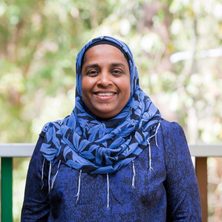
Professor Yasmina Sultanbawa's research is focused within the agribusiness development framework, specifically in the area of food processing, preservation, food safety and nutrition. Her current research includes the minimisation of post harvest losses through value addition and the search for natural preservatives to replace current synthetic chemicals. In addition, her research area also includes the challenge of nutrition security, in particular micronutrient deficiency (hidden hunger), lack of diet diversity and nutritional losses in the food supply chain, which are addressed by her work with underutilized Australian plant species and potential new crops. Her work on Australian native plant foods is focused on incorporation of these plants in mainstream agriculture and diet diversification Working with indigenous communities to develop nutritious and sustainable value added products from native plants for use in the food, feed, cosmetic and health care industries is a key strategy. The creation of employment, economic and social benefits to these remote communities is an anticipated outcome. She considers it a privilege to engage with these communities and is very passionate that her work will have a positive socio-economic impact.
Research Focus
Functional ingredients (natural additives)
Functional food/feed/nutraceutical ingredients with enhanced nutritional and phytochemical profiles are obtained from specialty crops (Australian native plant foods) and industry co/by-products. Natural additives are obtained from raw materials of vegetable, fruit, herbs/spices or microbiological origin. An example is plant extracts which can provide e.g. antioxidants, shelf-life extension (natural antimicrobials), trace-nutrients (vitamins/ minerals) and novel flavours. Innovative technology solutions
Novel packaging systems
Development of active, biodegradable packaging material with natural additives for shelf life extension, smart packaging with nanosensors for the effective detection of food contaminants, microperforated packaging systems with optimised modified atmospheres for fresh foods and high barrier packaging material for herbs and spices are practical objectives of her research. Engineered nano-delivery systems for plant bioactives Develop nano-platforms for targeted delivery and controlled release of plant bioactives including antioxidant and antimicrobial products, through testing of in vitro activities and shelf life under various conditions.
Photodynamic treatment
Photodynamic treatment or photosensitization is a novel light and photo dye based approach which offers promising alternatives to conventional methods for the control of microorganisms. Plant bioactives such as curcumin has been successfully used to control mycrotoxigenic fungi. This technology has potential as a decontamination tool to reduce the microbial load in food and feed.
Food safety
Her research focus in this field includes intervention strategies to inhibit and prevent food-borne pathogens and spoilage organisms in fresh food and beverages, elucidating mechanisms of antimicrobial action, shelf-life extension with natural antimicrobials, retaining bioactivity during processing and storage, search for natural inhibitors from Australian native plants, use of bioactive honey from Leptospermum polygalifolium (Jelly bush) in treating microbial wound infections.
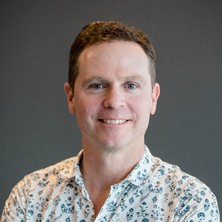
Mark is a Professor of food microbiology and serves as the current Discipline Head of Food Science & Technology in the School of Agriculture and Food Sustainability. Between 2019 and 2025 he held the position of Deputy Head of School where he played (and continues to play) a significant role in staff mentoring and the preparation of academic staff for probation and promotion. Mark is also currently a Deputy Lead of the Innovative Ingredients program at the Food and Beverage Accelerator (FaBA), funded by the Australian Trailblazer university program scheme. He leads a research team focused on food safety, quality, and fermentation. After completing his PhD at Queensland University of Technology (QUT) he underwent postdoctoral training at Cornell University, USA (1999-2000), and at the CRC for Diagnostic Technologies, QUT (2000-01). He subsequently supported his position through a Dairy Australia Fellowship (2001-03) and an NHMRC New Investigator Grant (2004-06). In 2007, he joined UQ as an academic specialising in food microbiology.
Mark's research is currently funded by Hort Innovation, and he has received past funding from ARC Discovery, ARC Linkage, ARC Industrial Transformation Research Hub and ARC Industry Transformation Training Centre schemes. He has also been supported by Agrifutures Australia, Dairy Innovation Australia Ltd (DIAL), and the Geoffrey Gardiner Dairy Foundation (GGDF). His research primarily focuses on foodborne pathogen source tracking using WGS, lactic acid bacteria applications, plant-based dairy alternative fermentations, beer fermentation microbiology, precision fermentation and biocontrol food applications targeting pathogens like Campylobacter and Listeria monocytogenes. He has successfully supervised 25 PhD and MPhil students to completion.
Mark was the Director of the Master of Food Science & Technology program from 2008-2018. He contributes to teaching in food microbiology, food safety, and food biotechnology subjects at UQ. He is a Fellow of both the Australian Society for Microbiology (FASM) and the Australian Institute of Food Science and Technology (FAIFST), and serves on the editorial boards the Journal of Food Protection and Fermented Foods. He was the recipient of the 2017 Keith Farrer Award of Merit and the 2023 President's Award from the Australian Institute of Food Science and Technology (AIFST) for service to the food industry and the Institute. Additionally, Mark currently holds the position of President of the Australian Association for Food Protection (AAFP), an affiliate of the International Association for Food Protection (IAFP). He is also currently co-Convenor of the AIFST Education Special Interest Group, coordinating national activities to promote and support excellence in food science and technology education across tertiary and vocational education and training sectors.
Affiliate of ARC Training Centre for Environmental and Agricultural Solutions to Antimicrobial Resis
ARC Training Centre for Environmental and Agricultural Solutions to Antimicrobia
Institute for Molecular Bioscience
Senior Research Fellow
Queensland Alliance for Agriculture and Food Innovation
Availability:
Available for supervision
Dr Turni leads a national and international reference laboratory for respiratory bacterial pathogens where identification, serotyping, genotyping, sequencing and antimicrobial sensitivity testing is performed. Her team works with the poultry, pig and cattle industries, as well as major veterinary pharmaceutical companies around the world. The group performs vaccine efficacy trials, provides advice on vaccine strain selection, performs antimicrobial sensitivity testing and evaluates candidate novel antimicrobial agents. Essentially, the services provided by the group underpins the entire Australian prevention and control programs for the major bacterial respiratory diseases of pigs, poultry and cattle.
Her research has extended beyond vaccines and antibiotic sensitivity to determining optimal sample sites for collecting pathogens, understanding the association of different pathogens with disease, development of animal infection models, classification of bacteria and epidemiology of pathogens. Conny supervises PhD students with diverse projects such as antimicrobial sensitivity studies, risk factors and profiling of pathogenic Escherichia coli associated with avian collibacillosis, alternatives to antibiotics, development of on farm test for a virus and study of epidemiology of a new species of bacteria. She works in collaboration with a team of epidemiologist, veterinarian and virologist on projects in Australia and overseas.
Professorial Research Fellow & Group Leader - Bacteriology Discovery
Institute for Molecular Bioscience
Availability:
Available for supervision
Overview
Professor Waldemar Vollmer is a microbiologist working on the structure and biogenesis of the bacterial cell wall in various model bacteria and a range of pathogenic and environmental bacteria. He is particularly interested in how bacteria enlarge their cell wall when they grow and divide, and how antibiotics inhibit cell wall synthesis to kill bacteria. Antimicrobial resistance (AMR) is a global problem that is predicted to claim 10 million lives annually by the year 2050 if no new antibiotics are developed. Currently the pipeline of antibiotic development is almost empty and mostly limited to slightly modified versions to existing antibiotics. Professor Vollmer addresses the problem of AMR by generating tailored assays for the development of novel antibiotics that target AMR bacteria.
Collaborations: Professor Vollmer collaborates world-wide with more than 50 researchers at top national and international institutions on cell wall topics in over 30 different bacteria. These topics include: structure and composition of the cell wall and its role in maintaining cell morphology; molecular mechanisms of cell envelope biogenesis; role of new cell wall modifying enzymes in the interaction of pathogenic bacteria with components of the immune system; mechanisms of antibiotic resistance and targeting of cell wall biogenesis by new antibiotics.
Funding and Publications: Professor Vollmer has been awarded more than $15 million funding from research councils and charities in Germany, UK, Europe and USA. He has published more than 200 articles in international journals and has been recognised as a Highly Cited Researcher in Microbiology.
Honours and Awards: Professor Vollmer has been elected to Fellow of the American Academy of Microbiology (2014) and European Academy of Microbiology (2018). He received the annual Academic Distinction Awards from the Vice Chancellor of Newcastle University (2014), has been awarded a Distinguished Scientist Visiting Scholarships at Ben-Gurion University of the Negev (Israel, 2012) and a Visiting Professorship at the University of Cagliari (Italy, 2015), and won a Wellcome Trust Senior Investigator Award (2014). He has co-organised the 2018 Gordon Conference (GRC) "Bacterial Cell Surfaces" (Mt Snow, USA) and the 2016 EMBO Workshop "Bacterial Cell Division: Orchestrating the Ring Cycle" (Prague, Czech Republic).
Short Biography: Prof Waldemar Vollmer has studied chemistry at the University of Applied Sciences in Reutlingen (Germany) and University of Basel (Switzerland). In 1998 he obtained a PhD degree (Dr.rer.nat.) from the University of Tübingen (Germany) for his work on cell wall synthesis in the model bacterium Escherichia coli undertaken at the Max Planck Institute for Developmental Biology. During his postdoctoral studies at the Rockefeller University (New York, USA) he discovered novel cell wall enzymes that are crucial for the virulence of the pathogenic bacterium Streptococcus pneumoiae. In 2003 he was appointed Assistant Professor at the University of Tübingen and moved 2007 to the Centre for Bacterial Cell Biology at Newcastle University (UK), where he worked as Professor of Bacterial Biochemistry on various bacterial cell wall topics in a range of different bacteria. Since April 2023 he is Professorial Research Fellow and Group Leader at the Centre for Superbug Solutions, Institute for Molecular Bioscience (IMB) at the University of Queensland.
Australian Centre for Water and Environmental Biotechnology
Faculty of Engineering, Architecture and Information Technology
Availability:
Available for supervision
Andrew Ward is an ARC Industry Fellow at the Australian Centre for Water and Environmental Biotechnology (ACWEB), at The University of Queensland. He holds a PhD degree from the School of Chemical Engineering (The University of Adelaide) and his thesis focused on the optimisation of halophilic anaerobic digestion of algal biomass. At ACWEB projects he has worked on include Nutrient recovery via electrodialysis and Anammox for both domestic wastewater and agricultural wastewater treatment. He previously received an Advance Queensland Industry Research Fellowship to investigate the use of algae and bacterial aggregated flocs for the remediation of wastewater. Andrew has just received and ARC Industry Fellowship to investigate the use of microalgae and its role in energy and nutrient recovery from a circular economy perspective. Andrew has significant industrial experience working with large water utilities and industry partners scaling up research to pilot and demonstration scale. Andrew is currently lead investigator and manages Urban Utilities wastewater microalgae research program.
Faculty of Engineering, Architecture and Information Technology
Affiliate of ARC Research Hub to Advance Timber for Australia's Future Built Environment (ARC Advanc
ARC Research Hub to Advance Timber for Australia's Future Built Environment
Faculty of Engineering, Architecture and Information Technology
Availability:
Available for supervision
Media expert
I have a multidisciplinary background in chemical and civil engineering, chemistry and materials science. Currently, I am the UQ leader of the National Centre for Timber Durability and Design Life, based at USC. I apply my expertise to understand the effects of fungal decay and moisture intrusion in timber connections, as well as the improvement of the fire performance of timber. I supervise 6 PhD students.
Affiliate of Centre for Environmental Responsibility in Mining
Centre for Environmental Responsibility in Mining
Faculty of Engineering, Architecture and Information Technology
Senior Research Fellow
Sustainable Minerals Institute
Faculty of Engineering, Architecture and Information Technology
Availability:
Available for supervision
I have over 10 years of research and work experience in the field of mining land rehabilitation, acquiring a total of>3.5 million in fund support from the Australian government, research council and mining companies. My extensive experience in industrial engagement, field trial design and application also increased my growth as the leader in sustainable mining waste management.
I am an Advanced Queensland research fellow in the leading global research group of Ecological Engineering of Mine Wastes at the Sustainable Mineral Institute (SMI). My research interest is investigating important molecular and cellular processes in eukaryotes that first arose in bacteria and archaea, and microbial metabolic activities control numerous geochemical cycles in soil formation for sustainable mineral waste management. I have intensive work experience on multiple representative mining wastes, including Cu-Au, Pb-Zn, Iron ore, Uranium mine waste rock and bauxite tailings and residues.
My research strength lies in my multidisciplinary work and research program spans the interface between environmental microbiology, geochemistry, and plants. My expertise includes 1) mineral characterization, 2) soil and rhizosphere element cycling, 3) next-generation sequencing and online-controlled bioreactor techniques. Through the integrated application of environmental 'omics approaches, stable isotope analysis and imaging would give new insights into the fundamental element cycling processes of mined land mining wastes, and upon which I could develop novel biotechnology and methodology to prime sustainable mined land management and bioinoculum product with the field validated designated performance.
I have a keen interest in the evolutionary relationships that underpin symbioses, particularly those involved in plant disease. There are countless examples of how diseases have impacted different crops throughout history, and this is an ongoing issue that deleteriously impacts food security. My research involves developing a better understanding of the epidemiology of plant diseases and pests, and delivering improved diagnostics and field management. Working with collaborators and international experts, my work involves research on a broad range of plants that are affected by bacteria, fungi, oomycetes, viruses, nematodes and arthropod pests. I have a strong interest in the biotic factors that govern soil health and the methods by which we can promote the development of beneficial microbial communities.
The aim of Allie's research is to improve soil health for sustainable agricultural production and environmental protection. Her research spans the areas of plant-soil-microbe interactions, soil microbiology, nutrients cycling and the recylcing of organic wastes, currently focusing on (i) the development of advanced and novel methodologies for investigation of plant-soil-microbe interactions; (ii) dynamics of nutrients (N, P, K) and carbon in soils including greenhouse gas emissions; and (iii) soil carbon sequestration and persistence.