Faculty of Health, Medicine and Behavioural Sciences
Availability:
Available for supervision
Media expert
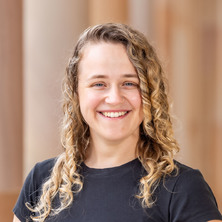
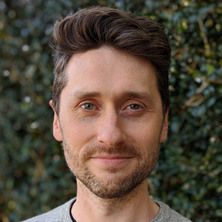
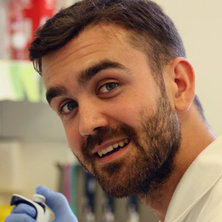
Professor Emma Hamilton-Williams’ career focuses on understanding how immune tolerance is disrupted leading to the development of the autoimmune disease type 1 diabetes. She received her PhD from the Australian National University in 2001, followed by postdoctoral training in Germany and the Scripps Research Institute in the USA.
In 2012, she started a laboratory at the Frazer Institute, University of Queensland where she investigates the gut microbiota as a potential trigger or therapy target for type 1 diabetes, as well as developing an immunotherapy for type 1 diabetes. The overall aim of her research is to find new ways to prevent or treat the underlying immune dysfunction causing autoimmunity.
She is Chief Scientific Officer for an Australia-wide pregnancy-birth cohort study of children at increased risk of type 1 diabetes, which aims to uncover the environmental drivers of this disease. Her laboratory uses big-data approaches including proteomics, metabolomics and metagenomics to understand the function of the gut microbiota linked to disease.
She recently conducted a clinical trial of a microbiome-targeting biotherapy aimed at restoring a healthy microbiome and immune tolerance, with an ultimate aim of preventing type 1 diabetes.
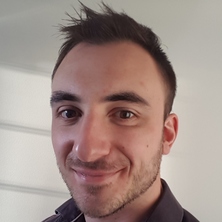
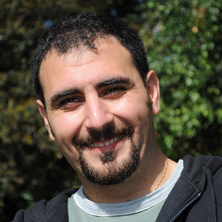
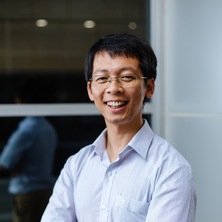
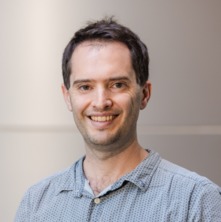
Valentin was awarded a PhD from the French National Institute of Higher Education in Agricultural Sciences and the University of Montpellier (France) in 2018. His thesis focused on methodological developments for genetic differentiation analysis in the Next Generation Sequencing era in a neutral and adaptive context. Since 2019, he works as a post-doctoral researcher at the University of Queensland in the Program in Complex Trait Genomics group under the supervision of Professor Peter Visscher. His current research focuses on studying the within and between-population genetic variation in human complex traits.
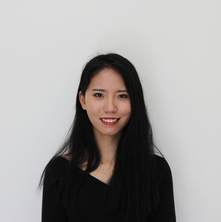
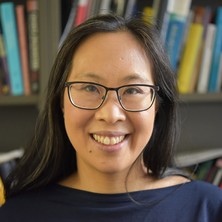
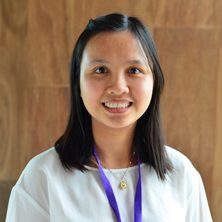
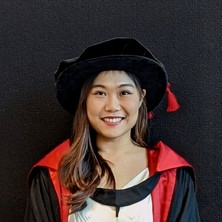
Clara Jiang is a postdoctoral research fellow at the Institute for Molecular Bioscience, the University of Queensland. Clara’s research focuses on using genomic and transcriptomic analysis to investigate the genetic basis of cardiovascular and psychiatric disorders, with a particular focus on female health, as well as using statistical genomic approaches to explore possible opportunities for drug repurposing. Clara graduated from the University of Queensland with Bachelor of Advanced Science (First Class Honours) in 2017, and was awarded the University Medal. Clara was awarded her PhD at the University of Queensland in 2021, where she utilised bioinformatic approaches and molecular experiments to decipher the genetic aetiology of breast cancer, specifically the regulatory role of transposons or ‘jumping genes’ in modulating the transcriptional landscape in the cancer state. Clara is also a UQ Wellness ambassador and an advocate for promoting equity, diversity and inclusion in academia.
Affiliate of ARC COE for Plant Success in Nature and Agriculture
ARC COE for Plant Success in Nature and Agriculture
Faculty of Science
Senior Research Fellow
School of Agriculture and Food Sustainability
Faculty of Science
Availability:
Available for supervision
Media expert
I am centre-wide sernior research fellow in the ARC Centre of Excellence for Plant Success in Nature and Agriculture, based here at UQ. Currently I lead a small but growing team of computational biologists focusing on new techniques for predicting complex quantitative traits through causal molecular networks using AI and ML approaches.
Areas of interest:
Machine Learning, AI and high performance computing to learn and exploit functional connectivity in biological data
Gene Expressions networks
Multiplex networks, information propagation and perturbation
Genomic Prediction
Our goal is to aid crop and forestry breeders in selecting parental lines more accurately, which gives us a pathway to improving certain plant species. I also spend time developing new data analysis techniques that are being applied to human disease and conditions such as Autism and substance addiction.
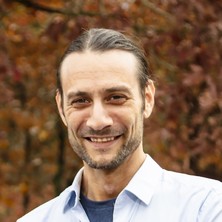
David completed his PhD at Australian National University in 2017, focusing on the genome-wide basis of foliar terpene variation in Eucalyptus. He then undertook a postdoc at Oak Ridge National Laboratory, a US Dept of Energy lab with a focus on big data. After a stint as a staff scientist at Oak Ridge, David arrived at the Centre of Excellence in 2023 in the role of a Senior Research Fellow. He currently supervises 3 PhD students and one full time postdoctoral researcher at UQ.
Faculty of Health, Medicine and Behavioural Sciences
Availability:
Available for supervision
Media expert
I am a developmental neuroscientist and bioinformatician interested in the molecular evolution of the mammalian brain. I completed a PhD on the molecular development of vasculature in the primate retina at the Australian National University, followed by a postdoctoral position at the Institut de la Vision in France that was supported by a NHMRC CJ Martin fellowship, where I investigated the role of guidance factors in the formation of commissural neurons within the mammalian hindbrain. My current research focuses on the development and evolution of the mammalian forebrain, in particular understanding the regulatory mechanisms and molecular evolutionary processes that control specification of cortical neuron subtypes.
Affiliate Professor of School of Chemistry and Molecular Biosciences
School of Chemistry and Molecular Biosciences
Faculty of Science
Affiliate of ARC COE for Innovations in Peptide and Protein Science
ARC COE for Innovations in Peptide and Protein Science
Institute for Molecular Bioscience
Affiliate Associate Professor
Institute for Molecular Bioscience
Professorial Research Fellow
Australian Institute for Bioengineering and Nanotechnology
Availability:
Available for supervision
Media expert
Professor Mobli is a structural biologist and a group leader at the University of Queensland's Australian Institute for Bioengineering and Nanotechnology (AIBN). He is well known internationally for his contributions to the basic theory of multidimensional nuclear magnetic resonance and its applications to resolving the molecular structure of peptides and proteins, as well as studying their physiochemical properties and function. Mehdi's contributions to the field has been recognised by being appointed an Executive Editor of the AMPERE society's journal "Magnetic Resonance", and to the advisory board of the international Biological Magnetic Resonance Data Bank (BMRB) as well as serving on the board of directors of the Australia and New Zealand Society for Magnetic Resonance (ANZMAG). He is a former ARC Future Fellow and recipient of the ASBMB MERCK medal, the Australia Peptide Society's Tregear Award, the ANZMAG Sir Paul Callaghan medal and the Lorne Proteins Young Investigator Award (now Robin Anders Award).
Prof. Mobli's research group focuses on characterising the structure and function of receptors involved in neuronal signalling, with a particular focus on developing new approaches for the discovery and characterisation of modulators of these receptors through innovations in bioinformatics, biochemistry and and biophysics. This work has led to publication of more than 100 research articles attracting over 6,000 citations.
Affiliate Senior Research Fellow of Institute for Molecular Bioscience
Institute for Molecular Bioscience
Senior Research Fellow
School of Public Health
Faculty of Health, Medicine and Behavioural Sciences
Availability:
Available for supervision
Dr Sally Mortlock is a genetic epidemiologist and NECST Research Fellow who leads the Genetic Epidemiology stream at the Australian Women and Girls Health Research (AWaGHR) Centre, University of Queensland. Her research integrates genomics with life course epidemiology to understand how genetic, environmental, and lifestyle factors shape women’s health across the lifespan.
Her work focuses on reproductive and menstrual health, particularly endometriosis and related conditions, with the aim of improving understanding of disease mechanisms, risk, diagnosis, and personalised approaches to care.
Research areas include:
Genetic epidemiology and reproductive genomics
Women’s health across the life course
Endometriosis and reproductive disorders
Longitudinal cohort studies and life course epidemiology
Genetic risk prediction and causal inference methods (including Mendelian randomisation)
Multi-omics and biological pathway analysis
Dr Mortlock previously spent seven years as lead computational biologist within the Genomics of Reproduction Disorders group at the Institute for Molecular Bioscience, contributing to internationally recognised research in reproductive genomics. She now combines this expertise with large-scale longitudinal health data, including genetic resources within the Australian Longitudinal Study on Women’s Health, to investigate women’s health trajectories over time.
Affiliate of Centre for Motor Neuron Disease Research
Centre for Motor Neuron Disease Research
Faculty of Health, Medicine and Behavioural Sciences
Affiliate of Centre for Population and Disease Genomics
Centre for Population and Disease Genomics
Institute for Molecular Bioscience
Senior Research Fellow & Group Leader
Institute for Molecular Bioscience
Availability:
Available for supervision
Media expert
Dr Quan Nguyen is a Group Leader at the Institute for Molecular Bioscience (IMB), The University of Queensland, where he leads the Genomics and Machine Learning (GML) Laboratory. His research focuses on understanding pathological processes within tissues to identify biomarkers for early diagnosis, patient stratification, and prediction of treatment response. His work integrates statistical machine learning techniques with advanced genomic technologies, combining single-cell and spatiotemporal sequencing data with tissue imaging to uncover causal links between genotypes and phenotypes across biological scales, from single cell, to tissue microenvironment, organ, multi-organ and population level. By studying cell-cell interactions, his research also contributes to the discovery of novel drug targets and improved understanding of drug mechanisms and toxicity. The GML Laboratory also develops spatiotemporal experimental platforms for large-scale biomarker profiling and validation in preclinical models and patient cohorts.
Dr Nguyen completed a PhD in Bioengineering at the University of Queensland in 2013, postdoctoral training in Bioinformatics at RIKEN institute in Japan in 2015, a CSIRO Office of Chief Executive (OCE) Research Fellowship in 2016, an IMB Fellow in 2018, an Australian Research Council DECRA fellowship, 2019-2021), and is a National Health and Medical Research Council Leadership Fellow (EL2 2022-2026 and L1 2027-2031). He has authored 86 publications in top-tier journals, like Cell, Nature Genetics, and Nature Method, averaging ~45.5 citations per paper, and led the development of 14 software tools with over 250,000 downloads. His recognised expertise is demonstrated through 14 national/international awards, numerous invited talks (21 international, 42 national), invited grant reviews for funding bodies in nine countries, and active editorial roles for BMC Cancer and Genome Medicine. His commitment to propelling the field forward is evident in leading roles within key consortia and forums and his dedication to organise training workshops and conferences. He has secured over $31 million in grant funding as a chief investigator from national and international funding agencies (e.g., ARC, NHMRC, MRFF, DoD, NCI) and from industry partners, with approximately $11million directly supporting his lab's groundbreaking work.
Queensland Alliance for Agriculture and Food Innovation
Availability:
Available for supervision
Dr Loan Nguyen is an applied genomics researcher focused on discovering genomic insights and translating them into practical tools for sustainable agriculture and livestock production. Her expertise integrates long-read sequencing, genome assembly, transcriptomics, molecular biology, bioinformatics and animal science.
Her pioneering contributions include developing an epigenetic clock for age prediction in cattle, and implementing portable sequencing for livestock traceability in Australia. She applies genomic approaches to address key challenges in agriculture, including genetic improvement, causative variant discovery, low-coverage sequencing, SNP array development and on-farm genomic decision-making.
Dr Nguyen’s achievements have been recognised through a prestigious ARC Industry Fellowship. Her work is advancing applied genomics to improve productivity, traceability, sustainability and food security in Australia and internationally.
Queensland Alliance for Agriculture and Food Innovation
Availability:
Available for supervision
Dr. Ong is an exceptional and driven researcher in the field of Animal Health, and her work revolves around studying pathogen genomes, transcriptomes, and host-associated metagenomes to enhance animals' resistance to diseases and improve their overall health and productivity.
One remarkable aspect of Dr. Ong's expertise is her versatility and enthusiasm for both wet lab and dry lab (bioinformatics) work. She finds equal joy in conducting hands-on experiments in the wet lab and diving into data analysis and computational work in the bioinformatics domain. This multidisciplinary approach empowers her to gain comprehensive insights into her research subjects and tackle complex challenges from various angles. Dr. Ong's vast skillset encompasses molecular biology and expertise in utilizing 2nd and 3rd generation sequencing technologies, along with her proficiency in bioinformatics tools and techniques. This diverse knowledge allows her to explore and employ cutting-edge methodologies, providing her with a unique advantage in her research endeavors.
One of Dr. Ong's significant achievements was conducting the first cattle reproductive tract metagenomic study in Australia. This groundbreaking study likely contributed valuable information about the reproductive health of cattle and opened new avenues for further research in this area. Additionally, her contributions extend to the assembly of complete genomes for multiple pathogens, such as Campylobacter fetus and Bovicola ovis. This accomplishment is instrumental in understanding these pathogens' genetic makeup, evolution, and mechanisms of infection, which is vital in developing targeted strategies to combat diseases affecting animals.
In The Ortiz-Barrientos Lab we seek to understand how natural selection drives the origin of traits and new species. We combine empirical and theoretical approaches from across multiple disciplines.
We are located in beautiful Brisbane, Australia, in the School of The Environment at The University of Queensland.
Please explore our pages to learn about research, culture, and the team of scientists that bring their passion and creativity to discovering how nature works.
I am a molecular virologist and ARC DECRA Fellow at the School of Chemistry and Molecular Biosciences, where I am Deputy Team Leader of the Infection and Immunity theme. My research focuses on RNA virus evolution, host immunity, and RNA technologies for vaccines and therapeutics, linking four connected themes:
Virus discovery and evolution: identifying and characterising novel viruses across diverse hosts using metatranscriptomics, phylogenetics, and comparative genomics, with particular focus on orthoflaviviruses and orthomyxoviruses
Host–virus interactions: understanding how innate immune and RNAi pathways shape infection outcomes in mammalian and arthropod systems
Reverse genetics: developing CPER-based systems, reporter viruses, and replicons for mechanistic virology and rapid hypothesis testing
RNA platforms: engineering self-amplifying RNA to tune stability, expression, and immune sensing for vaccines and therapeutics
I completed my PhD (2016–2021) at UQ's School of Biological Sciences under Prof. Sassan Asgari, where I characterised the virome of Aedes mosquitoes and their interactions with the endosymbiont Wolbachia. In 2021, I joined Prof. Alexander Khromykh's RNA Virology Laboratory at SCMB. There, I contributed to the development of the SARS-CoV-2 CPER reverse-genetics system and have worked routinely with PC3 pathogens, including West Nile virus, Japanese encephalitis virus, and SARS-CoV-2. In 2026, I commenced an ARC DECRA Fellowship to investigate how modified nucleotides shape RNA structure, immune sensing, and function in next-generation RNA technologies. My current work is funded by the ARC and NHMRC.
I provide bioinformatics and phylogenetics support within UQ and internationally, and welcome collaborations involving small RNA analysis, virus discovery and metatranscriptomics.
I served on the organising committee of MicroSeq (2023–2025), an Australasian conference promoting microbial sequencing research by early-career researchers. I am the Communications Officer for ASM Queensland (2024–) and an incoming Committee of Management member for the Australasian Virology Society (2026–).
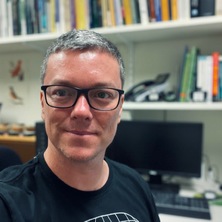
Ralph Patrick is a researcher focussed on understanding the molecular drivers of ageing and age-associated diseases and developing new therapeutic approaches to help alleviate diseases of ageing. He is trained as a computational biologist, with a BSc (Hons) and PhD from the University of Queensland (UQ). After completion of his PhD in 2016, he worked as a postdoctoral scientist at the Victor Chang Cardiac Research Institute (VCCRI) in Sydney for nearly six years. At the VCCRI, a major focus of his research was mapping out how the individual cells of the heart respond to a heart attack at the gene expression level and how these compare to other forms of chronic heart disease. Following the VCCRI, he joined the Ageing and Cellular Reprogramming lab at the IMB in 2022 as a postdoctoral fellow. His work at the IMB focusses on understanding the epigenetic and transcription factor drivers of the ageing process and leveraging this knowledge to develop new strategies for restoring youthful cell states. Any potential collaborators or students interested in this research area are welcome to contact him.
Dr Tanuka Sen is a Research Fellow at the Institute for Molecular Biosciences, The University of Queensland, where her research focuses on understanding bacterial pathogenesis and developing innovative strategies to combat antimicrobial resistance.
Dr. Sen completed her PhD in Biochemistry and Biomedical Science at the Australian National University before undertaking postdoctoral research at the University of Oxford, where she developed single-cell microscopy approaches to visualise the dynamics of bacterial virulence plasmids in real time. She has contributed to research on bacterial toxin-antitoxin systems, plasmid biology, antimicrobial resistance, and genome analysis.
Her research integrates microbiology, molecular biology, bacterial genetics, advanced fluorescence microscopy, bioinformatics, and antimicrobial drug discovery to investigate bacterial virulence, plasmid biology, host-pathogen interactions, and the mechanisms of action of novel antimicrobial compounds. She is particularly interested in translating fundamental discoveries into new approaches to combat antibiotic-resistant pathogens.
Research expertise includes:
Antimicrobial resistance (AMR)
Antimicrobial drug discovery and mode of action
Bacterial pathogenesis and virulence
Infection biology
Fluorescence and confocal microscopy
Single-cell and live-cell imaging
Functional genomics and bioinformatics
Plasmid biology and horizontal gene transfer
Bacterial genetics and molecular microbiology
She welcomes opportunities for interdisciplinary research, student supervision, industry engagement, and collaborations that advance antimicrobial innovation and improve global health.
Associate Member of Centre for Community Health and Wellbeing
Centre for Community Health and Wellbeing
Faculty of Health, Medicine and Behavioural Sciences
Affiliate of Centre for Cardiovascular Health and Research
Centre for Cardiovascular Health and Research
Faculty of Health, Medicine and Behavioural Sciences
Affiliate of The Centre for Population and Disease Genomics
Centre for Population and Disease Genomics
Institute for Molecular Bioscience
National Heart Foundation Future Leader Fellow, Senior Principal Research Fellow –Group Leader
Institute for Molecular Bioscience
Availability:
Available for supervision
Media expert
My group's research uses large-scale genomic data to address knowledge gaps in disease, with a particular focus on cardiovascular disease.
Research programme
1. Cardiovascular disease research using big-data and genomics: with the goal of improving prevention and treatment of cardiovascular disease. By focusing on underrepresented groups, including women, my research aims to also address inequity in cardiovascular outcomes. I am the lead of the South Asian Genes and Health in Australia (SAGHA) study, which aims to increase representation of Australian South Asians in cardiovascular and genomics research. See saghaus.org for further details.
2. Drug genomics: I'm interested in using genomic approaches to predict drug effects, including identification of drug repurposing opportunities as well as identifying unknown adverse effects of medication.
3. Liver transplant research: In this collaboration with the QLD Liver Transplant Unit, we are using genomics to understand the effect of normo-thermic perfusion (a new organ storage method) on liver function, with the long-term goal of improving our ability to predict transplant outcomes.
Career summary: I was awarded my PhD from University College London (UK) in cardiovascular genetics. I began my post-doctoral fellowship under the mentorship of Prof Peter Visscher at the Queensland Brain Institute in 2013. Between 2016-2018, I was the lead analyst for the International Heart Failure Genetics Consortium (HERMES). In 2018, I was awarded an NHMRC Early Career Researcher Fellowship to investigate the relationship between cardiovascular and brain-related disorders using large-scale genetic and genomic data, under the mentorship of Prof Naomi Wray, and subsequently two consecutive National Heart Foundation Future Leader Fellowships, establishing the Genomics in Health lab in 2023.
Recognition:
2025 UQ Research Culture Award for Advancing Inclusive Research Environments
2024 Australian Academy of Science Ruth Stephens Gani Medal for outstanding contribution to genetics research
2023 1 of 5 global finalists for the Nature Inspiring Women in Science (Scientific Achievement Award)
2023 Lifesciences QLD Rose-Anne Kelso Award
2023: Named in Australia's Top 25 Women in Science by Newscorp
2022 Queensland Young Tall Poppy Award
2022 UQ Foundation Research Excellence Award
2021/2022 Australian Superstar of STEM,
2020 Genetic Society of Australasia Early Career Award
2020 Women in Technology Rising Star Science Award