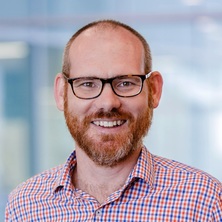
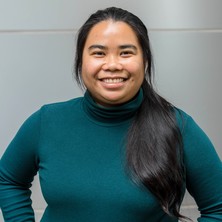
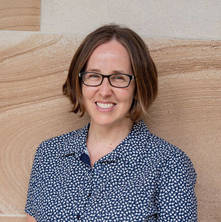
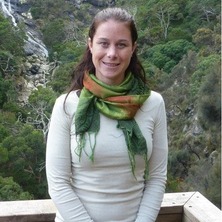
Jeffrey Mak (PhD) is an organic chemist at the Institute for Molecular Bioscience. His publications cover a range of disciplines such as biological and medicinal chemistry, total synthesis, and physical organic chemistry. Dr Mak was selected as a Rising Star of Chemistry by the Australian Journal of Chemistry (2022).
Jeffrey Mak was awarded the Harriett Marks Bursary and a UQ University Medal before undertaking doctorate studies in natural product total synthesis with Prof. Craig Williams. This culminated in the first total synthesis of two caged diterpenes, (−)-neovibsanin G and (−)-14-epi-neovibsanin G. Next, he joined Prof. David Fairlie's group at the Institute for Molecular Bioscience. He is currently active in the fields of chemical biology and drug development. He is recognised for his development of ligands that modulate mucosal associated invariant T (MAIT) cells, which are a newly characterised subset of immune cells important in antibacterial defence (Accounts of Chemical Research, 2021). In 2014, he was part of an Australian team that discovered the identity of the ligands that activate MAIT cells, as published in Nature, playing a key role in the chemical synthesis and characterisation of the unstable and structurally unprecedented ligands (Nature Communications, 2017). He was selected as a CAS SciFinder Future Leader by the Chemical Abstract Service (a division of the American Chemical Society, 2017). In 2018, Dr Mak was chief investigator on a UQ Early Career Researcher Grant for developing new drug leads that target MAIT cells. Other recent awards include RSC Twitter Poster Conference (Chemical Biology) 1st Prize (2018), and a CASS Travel Award (2018).
Dr Mak has lectured in the undergraduate course Advanced Organic Chemistry (CHEM3001, 2017-2023). He has also served as a member of the UQ Cultural Inclusion Council, and as an ACS Wikipedia Fellow to systematically improve the chemistry and scientific content on Wikipedia (2018).
Student projects
Projects in medicinal chemistry, synthesis, and chemical biology are available (depending on lab space) for enthusiastic organic chemistry students at all levels (PhD, Masters, Honours, Undergraduate). These include the design and synthesis of:
Stable analogues of immunostimulating bacterial ligands towards vaccines and anti-cancer immunotherapies
Chemical biology tools for exploring MAIT cell activation
Highly selective histone deacetylase (HDAC) inhibitors as new drug leads
Previous student publications:
Mak JYW* et al. (2024) Potent Immunomodulators Developed from an Unstable Bacterial Metabolite of Vitamin B2 Biosynthesis. Angewandte Chemie, e202400632.
Mak JYW et al. (2021) HDAC7 inhibition by phenacetyl and phenylbenzoyl hydroxamates. Journal of Medicinal Chemistry, 64 (4), 2186-2204.
Awad W, Ler GJM et al. (2020) The molecular basis underpinning the potency and specificity of MAIT cell antigens. Nature Immunology, 21 (4), 400-411.
Ler GJM, Xu W, Mak JYW, Liu L et al. (2019) Computer modelling and synthesis of deoxy and monohydroxy analogues of a ribitylaminouracil bacterial metabolite that potently activates human T cells. Chemistry – A European Journal, 25 (68), 15594-15608.
Affiliate Professor of School of Chemistry and Molecular Biosciences
School of Chemistry and Molecular Biosciences
Faculty of Science
Affiliate of ARC COE for Innovations in Peptide and Protein Science
ARC COE for Innovations in Peptide and Protein Science
Institute for Molecular Bioscience
Affiliate Associate Professor
Institute for Molecular Bioscience
Professorial Research Fellow
Australian Institute for Bioengineering and Nanotechnology
Availability:
Available for supervision
Media expert
Professor Mobli is a structural biologist and a group leader at the University of Queensland's Australian Institute for Bioengineering and Nanotechnology (AIBN). He is well known internationally for his contributions to the basic theory of multidimensional nuclear magnetic resonance and its applications to resolving the molecular structure of peptides and proteins, as well as studying their physiochemical properties and function. Mehdi's contributions to the field has been recognised by being appointed an Executive Editor of the AMPERE society's journal "Magnetic Resonance", and to the advisory board of the international Biological Magnetic Resonance Data Bank (BMRB) as well as serving on the board of directors of the Australia and New Zealand Society for Magnetic Resonance (ANZMAG). He is a former ARC Future Fellow and recipient of the ASBMB MERCK medal, the Australia Peptide Society's Tregear Award, the ANZMAG Sir Paul Callaghan medal and the Lorne Proteins Young Investigator Award (now Robin Anders Award).
Prof. Mobli's research group focuses on characterising the structure and function of receptors involved in neuronal signalling, with a particular focus on developing new approaches for the discovery and characterisation of modulators of these receptors through innovations in bioinformatics, biochemistry and and biophysics. This work has led to publication of more than 100 research articles attracting over 6,000 citations.
Affiliate of Centre for Chemistry and Drug Discovery
Centre for Chemistry and Drug Discovery
Institute for Molecular Bioscience
Principle Research Fellow and Group Leader
Institute for Molecular Bioscience
Availability:
Available for supervision
Media expert
Associate Professor Muttenthaler is a medicinal chemist working at the interface of chemistry and biology with a strong passion for translational research. His research focuses on bioactive peptides and exploring Nature's biodiversity to develop advanced molecular tools, diagnostics, and therapeutics. His background in drug discovery and development, as well as his interdisciplinary training in the fields of chemistry, molecular biology and pharmacology, assist him in characterising these often highly potent and selective compounds to study their interactions with human physiology for medical innovations in pain, cancer, gut disorders and neurological diseases.
I am an Organic Chemist and research the design and preparation of new medicines for diseases including arthritis and cancer
Dr. Robert C. Reid was awarded B.Sc. Hons 1 (1986) and Ph.D. (1990) degrees from the University of Sydney, Department of Organic Chemistry. He studied the stereospecific total synthesis of complex natural products with Professor Max J. Crossley and then undertook postdoctoral studies with Professor Sir Jack E. Baldwin FRS at the Dyson Perrins Laboratory, Oxford University UK (1990-93) studying the biosynthesis of penicillins. He is a Senior Research Fellow at the Institute for Molecular Bioscience (formerly known as the Centre for Drug Design and Development) at the University of Queensland with Professor David Fairlie. Research interests include Organic Synthesis, medicinal chemistry, drug design and development, nonpeptidic GPCR antagonists, natural products, protease inhibitors, other enzyme inhibitors, and peptidomimetics.
Faculty of Health, Medicine and Behavioural Sciences
Availability:
Available for supervision
Dr Ben Ross is a chemist with interests in medicinal chemistry, computer-aided drug design, virtual screening, synthetic chemistry, enzyme inhibitors, ion channel modulators, antivirals, amyloid diseases, neurodegenerative diseases, and cancer.
Follow Dr Ben Ross and his team on Twitter: @RossChemLab ||| Google Scholar: Benjamin P. Ross ||| ResearcherID: A-9573-2012 ||| ORCID: 0000-0002-1899-8484 ||| Scopus Author ID:7401608823 ||| Group Web Page: www.drbenross.com
Research Interests
The main focus of Dr Ben Ross's research is the application of computer-aided drug design and synthetic chemistry to create new drug candidates for cancer, viral infections, and neurodegenerative diseases such as Alzheimer’s disease. His team's novel molecules are evaluated using a variety of biochemical, biophysical, and cell-based screening assays, as well as animal models of disease, both within their lab and in partnership with local and international collaborators. Consideration of drug-likeness is an integral part of the design process, since good ADMET properties are crucial for their molecules to reach the clinic.
Biography
Ben Ross graduated with a First-Class Honours Degree in Chemistry (1999) and then moved to the UQ School of Pharmacy where he gained a Doctorate in the field of Medicinal Chemistry (2004). He worked in the School of Molecular and Microbial Sciences as a Postdoctoral Research Fellow with Dr Ross McGeary for two years (2004-2006) during which he completed the synthesis of a variety of biologically useful molecules. In June 2006 Ben was appointed to a Lectureship within the UQ School of Pharmacy. In the first half of 2012 he was a Guest Researcher in the Department of Biochemistry and Structural Biology, Lund University, Sweden. In 2013 Ben was promoted to Senior Lecturer at UQ. A general theme of his research is medicinal chemistry, specifically the application of synthetic chemistry and molecular modeling to discover novel molecules with application as drugs or tools for research. Ben's team has published extensively in journals having a moderate-to-high impact factor in their specialised area of research (e.g. Journal of Medicinal Chemistry, Nanoscale, Food Chemistry).
Selected Primary Research Articles
Bifunctional Succinylated ε-Polylysine Coated Mesoporous Silica Nanoparticles for pH-Responsive and Intracellular Drug Delivery Targeting the Colon. C.T.H. Nguyen, R.I. Webb, L.K. Lambert, E. Strounina, E.C. Lee, M.-O. Parat, M.A. McGuckin, A. Popat, P.J. Cabot, B.P. Ross*. ACS Applied Materials & Interfaces 2017, 9, 9470-9483. doi:10.1021/acsami.7b00411 (2016 JIF 7.5, Quartile 1)
Discovery and Structure-Activity Relationships of a Highly Selective Butyrylcholinesterase Inhibitor by Structure-Based Virtual Screening. S.N. Dighe, G.S. Deora, E. De la Mora, F. Nachon, S. Chan, M.-O. Parat, X. Brazzolotto*, B.P. Ross*. Journal of Medicinal Chemistry 2016, 59, 7683-7689. doi:10.1021/acs.jmedchem.6b00356 (Featured on the front cover of the journal: http://pubs.acs.org/toc/jmcmar/59/16) (2016 JIF 6.3, Quartile 1)
GAG mimetic functionalised solid and mesoporous silica nanoparticles as viral entry inhibitors of herpes simplex type 1 and type 2 viruses. E.C. Lee, N. Davis-Poynter*, C.T.H. Nguyen, A.A. Peters, G.R. Monteith, E. Strouina, A. Popat*, B.P. Ross*. Nanoscale 2016, 8, 16192-16196. doi:10.1039/C6NR03878F (2016 JIF 7.4, Quartile 1)
Metal chelation, radical scavenging and inhibition of Aβ42 fibrillation by food constituents in relation to Alzheimer’s disease. S. Chan, S. Kantham, V.M. Rao, M.K. Palanivelu, H.L. Pham, P.N. Shaw, R.P. McGeary, B.P. Ross*. Food Chemistry 2016, 199, 185-194. doi:10.1016/j.foodchem.2015.11.118 (2016 JIF 4.5, Quartile 1)
"Click" Assembly of Glycoclusters and Discovery of a Trehalose Analogue that Retards Aβ40 Aggregation and Inhibits Aβ40-induced Neurotoxicity. H. Rajaram, M.K. Palanivelu, T.V. Arumugam, V.M. Rao, P.N. Shaw, R.P. McGeary, B.P. Ross*. Bioorganic & Medicinal Chemistry Letters 2014, 24, 4523-4528. doi:10.1016/j.bmcl.2014.07.077 (2014 JIF 2.4, Quartile 3)
Enzyme-Responsive Controlled Release of Covalently Bound Prodrug from Functional Mesoporous Silica Nanospheres. A. Popat, B.P. Ross, J.Liu, S. Jambhrunkar, F. Kleitz*, S.Z. Qiao*. Angewandte Chemie International Edition 2012, 51, 12486-12489. doi:10.1002/anie.201206416 (2010 JIF 13.7, Quartile 1)
PhD vacancies - PhD opportunities
Australian and international students with backgrounds in chemistry, biochemistry, and pharmacy are encouraged to contact Dr Ben Ross to discuss possible Honours or PhD projects and scholarships.
Sources of funding include: UQ Scholarships; NHMRC Postgraduate Scholarships; Endeavour Scholarships and Fellowships; Malaysia Ministry of Higher Education (MOHE) Scholarships; Ministry of Education Saudi Arabia; and the China Scholarship Council (CSC), as well as many other funding schemes. Contact Dr Ben Ross via email to discuss the best strategy to obtain a scholarship.
Teaching and Service Activities
Dr Ben Ross is the Research Higher Degrees Coordinator for the School of Pharmacy, and an Academic Advisor for Year 2 of the BPharm(Hons) program. He also coordinates and teaches within the following undergraduate BPharm(Hons) courses:
Queensland Alliance for Agriculture and Food Innovation
Availability:
Available for supervision
Dr Viviene Santiago is a Postdoctoral Research Fellow in the Natural Toxins group within the Centre for Animal Science, Queensland Alliance for Agriculture and Food Innovation (QAAFI) and is based at the Health and Food Sciences Precinct (Coopers Plains). With a robust foundation in organic and analytical chemistry, her research primarily focuses on natural products chemistry from terrestrial, marine, and microbial sources.
Dr Santiago joined QAAFI as a Postdoctoral Research Fellow in 2023. Her current research involves developing a delivery system for bioactive compounds aimed at reducing enteric methane emissions in cattle and exploring atypical sugars in novel foods such as stingless bee honey. Over the years, she has cultivated a keen interest in utilising liquid chromatography-mass spectrometry (LC-MS) and molecular networking techniques to investigate chemical diversity from different sources such as natural toxins in certain plants and atypical sugars in stingless bee honey.
Dr Santiago earned her Ph.D. from The University of Queensland, where her dissertation focused on applying advanced molecular networking techniques, such as the Global Natural Products Social Molecular Networking (GNPS), to explore the chemical diversity of Australian microbes. Her academic journey also includes a Master’s and a Bachelor’s degree in Chemistry from the University of the Philippines – Diliman. These academic experiences have equipped her with a comprehensive understanding of natural products chemistry, enabling her to make significant contributions to both academia and industry.
Mariusz Skwarczynski completed his Ph.D. in Chemistry in 1999 at Wroclaw University of Technology (Poland). His postdoctoral training began at Tokushima Bunri University (Japan), and then Kyoto Pharmaceutical University (Japan). In 2008 he joined Professor Istvan Toth’s group at The University of Queensland (Australia) to work on new vaccine development strategies. Currently his group activity is mainly focused on nanotechnology-based peptide vaccine delivery approaches and adjuvants discovery. He is Regional Editor of Australia in Vaccines, and Associate Editor in Frontiers in Pharmacology. He has published over 190 peer-reviewed publications, including 18 book chapters and three books.
Queensland Alliance for Agriculture and Food Innovation
Availability:
Available for supervision
Media expert
Professor Heather Smyth helps industry understand what makes food taste great - and how to deliver it consistently. Her research integrates sensory science, flavour chemistry, food structure, and consumer insights to identify the drivers of consumer acceptance and translate these into product innovation and optimisation.
She works across the agri-food value chain - linking primary production, processing and formulation to consumer experience - supporting the development of differentiated, high-value Australian products. Her research spans formulated foods, horticultural produce, meat, seafood and cereals, as well as premium foods including wine, coffee and high-value speciality crops. She has a particular interest in supporting ‘Brand Australia’ by defining and communicating the unique quality, provenance and sensory characteristics of Australian foods. Professor Smyth is a Fellow of the Australian Institute of Food Science and Technology (AIFST).
Professor Smyth is particularly focused on anticipating future consumer needs and supporting industry to respond, guiding the development of products and agri-food systems that align with evolving expectations around quality, health, sustainability and experience.
I began my scientific career with a Bachelor of Science in Biochemistry and Chemistry, followed by a Bachelor of Science with First Class Honours in Chemistry from Massey University, New Zealand. My honours project focused on developing hydrogels for controlled peptide release in the gut. I then pursued a PhD at Massey University, working on synthetic anti-cancer drugs based on cyclodextrins.
After completing my PhD, I worked as a Research Officer at the New Zealand Veterinary Pathology Epicentre, refining my diagnostic research skills. I continued my career as a Postdoctoral Fellow at Kansas State University, contributing to the detection and surveillance of zoonotic diseases in the swine industry.
Currently, at The University of Queensland, I integrate my expertise in synthetic peptides with vaccine development. My research bridges medical and agricultural biotechnology, focusing on innovative adjuvants and vaccines that span medicinal chemistry, nanotechnology, and immunology, aiming to enhance both health outcomes and agricultural practices.
Professor István Tóth is Chair in Biological Chemistry at The University of Queensland (UQ), Brisbane, Australia, and Affiliated Professorial Research Fellow at the Institute of Molecular Biosciences, UQ. He graduated with a degree in Chemical Engineering from the Technical University, Budapest, Hungary and was awarded his PhD for his Alkaloid Chemistry research. Professor Tóth undertook a postdoctoral fellowship at Carleton University, Ottawa Canada before returning to Hungary to work as a Research Associate, then Scientific Group Leader at the Central Research Institute for Chemistry, Hungarian Academy of Science. He joined the School of Pharmacy at the University of London in 1987 as a Senior Lecturer and Royal Society sponsored Senior Research Fellow. He became a Reader in Medicinal Organic Chemistry in 1994 and was awarded a Doctor of Science degree (DSc 1994) for his work in Drug Delivery (Hungarian Academy of Sciences), before relocating to the University of Queensland in 1998 where he has built a productive research group. Professor Tóth was a visiting professor at the School of Pharmacy, University of London (1994-2004) and at the Department of Bioengineering and Therapeutic Science, University of California, San Francisco (2011-2013). Professor Tóth’s major research interests are: drug delivery, immunoadjuvants, carbohydrates, lipids, peptides, nucleosides, and nucleotides. This research has attracted over $85 million in competitive grants, research contracts and investment funds in the past 10 years. Professor Tóth has over 500 peer-reviewed publications, 45 patents, and an excellent track record in research commercialisation. He is a one of key founders of Alchemia, Implicit Bioscience Pty Ltd, Neurotide Pty Ltd and TetraQ (the commercial arm of Centre of Integrated Preclinical Drug Development). Professor Tóth is an elected RACI Fellow and Fellow of the Queensland Academy of Arts and Sciences. and Feklloiw of the Hungarian Academy of Sciences (since 2016) In 2009 he was awarded the Adrian Albert award for sustained and outstanding research in medicinal biochemistry, and a Business/Higher Education Round Table (BHERT) Award for Outstanding Achievement in International Collaborative Research and Development he obtained the Doctor Honoris Causa degree at Semmelweis university budapest Hungary (2019). Professor Tóth was appointed as a member of the ARC College of Experts (2008-2010). He was the founding (2007) then the elected (2008-2009) President of the Australian Chapter of Controlled Release Society.
Associate Professor - Pollution Science in Aquatic and Marine Environments
School of the Environment
Faculty of Science
Availability:
Available for supervision
Media expert
Associate Professor Ryan Turner is the Director of the Reef Catchments Science Partnership at the University of Queensland (a partnership with the Department of the Environment, Tourism, Science and Innovation). Ryan was previously the Department's Principal Scientist for Water Quality and Investigations and held an Adjunct Associate Professor role at Queensland University of Technology in the Managing for Resilient Landscapes, Institute for Future Environments. For 14 years, Ryan managed multimillion-dollar water quality monitoring programs that assessed the impacts of sediments, nutrients, and pesticides in numerous catchments along the Queensland coast, which discharge into the Great Barrier Reef and Moreton Bay. Ryan has served on several steering committees and technical advisory panels, including the Great Barrier Reef Foundation's Technical Advisory Panel. He has published extensively (>80 papers and reports) and led several collaborative research projects between the Queensland Government and academia. Ryan previously supervised analytical chemistry and microbiology laboratories in the private and public sectors. Ryan has developed numerous methodologies and standard operating procedures for analytical and monitoring techniques (water quality, sediments and soils). Ryan’s passion for the future of water security is what keeps him striving forward.
Educated at the University of Copenhagen, Denmark, and the Australian National University, Canberra. Career at the Université de Lausanne, Switzerland, and the Universität Marburg, Germany. Professor and Chair of Organic Chemistry and Head of the Organic Chemistry Section, The University of Queensland from 1985. Emeritus professor from 2008. Chair of the National Committee for Chemistry of the Australian Academy of Science 2009-2014. Editor-in-Chief, Australian Journal of Chemistry 2008-15. Editor, Journal of Analytical and Applied Pyrolysis (Elsevier, IF 3.65) 2016-. Visiting Professor Université de Pau, France, 2011-19; Visiting Professor University of Kuwait 2014-18; Visiting Professor / Special Appointed Professor Hiroshima University 2014-18. Fellow of the Australian Academy of Science. Centenary Medal of the Australian Commonwealth 2003 for research in organic and physical chemistry. David Craig Medal of the Academy of Science 2014 for research in chemistry. JSPS Fellowship (Japan) 2014. Honorary doctorate, University of Pau, France, 2014. A.J. Birch Medal of the Royal Australian Chemical Institute (RACI) for ecellence in research in organic chemistry, 2014. Leighton Medal of the RACI 2018.
Research on Unusual Molecules and Reactive Intermediates: Synthesis and Reaction Mechanism. Heterocyclic chemistry. Pyrolysis reactions. Photochemistry
Research in the Wentrup group is concerned with the discovery of novel types of molecules with new and unusual bonding patterns. Such molecules are mostly highly reactive, and special methods are required both for their generation and for their detection. The group has developed these methods over many years and acquired world-class equipment for these purposes, including flash vacuum thermolysis apparatus, cryostats for matrix isolation of reaction products at cryogenic temperatures (down to 7 K), matrix and solution photochemistry equipment, infrared, UV and mass spectrometers, as well as modern computational facilities.
This research has resulted in the synthesis and characterization of many novel compounds, including extended cumulenes of the types RN=C=C=C=X, which themselves are used in the synthesis of many novel types of molecules, some of them of potential pharmaceutical interest (quinolone antibiotics; diazepines).
The research group has a world reputation in the field of carbene and nitrene chemistry, involving reactive intermediates with sextet carbon or nitrogen. These species are also very useful in synthesis, for example in the preparation of diazepines and diazepinones, a family of pharmaceutically interesting compounds. Numerous mechanistic studies and synthetic applications of ketenes have been carried out in our group.
Active collaborations are ongoing with scientists in Australia (UQ and CSIRO), China (Suzhou), France (Pau), Germany (Oldenburg), Japan (Hiroshima), Spain (Donostia - San Sebastian), and Portugal (Coimbra).
Craig M. Williams was born in Adelaide, Australia. He received his B.Sc. (Hons) degree in chemistry in 1994 from Flinders University. In 1997, he was awarded his Ph.D. in organic chemistry from the same institution under the supervision of Professor Rolf H. Prager. He undertook post-doctoral studies as an Alexander von Humboldt Fellow working with Professor Armin de Meijere at the Georg-August-Universität, Göttingen, Germany, from 1997 to 1999. In early 1999, he accepted a second post-doctoral fellowship at the Australian National University with Professor Lewis N. Mander.
Professor Williams has held an academic position at the University of Queensland since 2000, and during this time has won a number of awards including a Thieme Chemistry Journals Award in 2007, an Australian Research Council Future Fellowship award in 2011, and the Award for Outstanding Contribution to Research (SCMB, UQ, 2019). The Williams research group explores numerous interests within the discipline of organic chemistry (e.g. medicinal chemistry, fundamental molecules, natural productisolation, microelectronics, drug and agrichemical development, impact sensitive molecules) enabled by organic synthesis refined through the construction of biologically active complex natural products (diterpenes, polyketides, alkaloids), and designs synthetic methodology to assist in this endeavour (synthetic transformations and reagents). Professor Williams especially enjoys teaching whole molecule retrosynthesis to undergraduate and post-graduate students.
Queensland Alliance for Agriculture and Food Innovation
Availability:
Available for supervision
Dr. Norhasnida Zawawi is an Honorary Senior Fellow at the Queensland Alliance for Agriculture and Food Innovation (QAAFI), University of Queensland, Australia, where she contributed to the discovery of trehalulose, a rare low-GI sugar in stingless bee honey. She is currently Head of the Halal Science Laboratory at the Halal Products Research Institute and Senior Lecturer at Universiti Putra Malaysia (UPM), leading the Halal Healthcare and Wellness Research Programme.
She has played key roles in developing honey standards, including contributions to the FSANZ-approved native bee honey standard (2024), and previously served with the Department of Standards Malaysia and Apimondia Asia. Dr. Zawawi is an Editorial Board Member of the Pertanika Journal of Tropical Agricultural Science and a reviewer for high-impact journals such as Food Chemistry and Journal of Apicultural Research.
With over RM 1 million in research funding, 46 Scopus-indexed publications, and an H-index of 20, her work bridges food science, halal innovation, and bee product research.
Dr. Zawawi’s future research is centred on advancing functional foods and halal-certified bioactive products, with a strong emphasis on native bee honey and plant-based milk alternatives. Her goals include:
Exploring bioactive compounds and unique compositions of stingless bee honey, plant seed beverages, and other alternative foods to enhance human health.
Integrating omics technologies to identify molecular markers of efficacy and quality in halal-certified functional foods.
Promoting sustainable innovation in the halal wellness industry through translational research and commercialisation pathways.
Expanding global collaborations to support cross-disciplinary research in food science, nutrition, and halal product development.
These goals reflect her commitment to bridging traditional knowledge with cutting-edge science, enhancing public health, and supporting the growth of the native bee honey and halal food industries worldwide.
Affiliate of ARC Training Centre for Environmental and Agricultural Solutions to Antimicrobial Resis
ARC Training Centre for Environmental and Agricultural Solutions to Antimicrobia
Institute for Molecular Bioscience
Adjunct Senior Fellow
Institute for Molecular Bioscience
Availability:
Available for supervision
Dr Zyta Ziora received PhD (Wroclaw University of Science & Technology, Poland) in chemistry and has wide range of experience in development of antimalarial therapeutics (the University of Montpellier, France), antibacterial agents, enzyme inhibitors and drug candidates against Alzheimer disease (Kyoto Pharmaceutical University, Japan). Her research time is currently dedicated mainly to projects devoted to the modification of existing antibiotics, and complexing them with additional antimicrobial agents, like metal ions, to produce more potent alternatives and by this to overcome the drug resistance of superbugs. She is also working on alternative to antibiotics nature-derived compounds with antimicrobial and anticancer potency, such poliphenolic derivatives to control tyrosinase function.