Faculty of Health, Medicine and Behavioural Sciences
Availability:
Not available for supervision
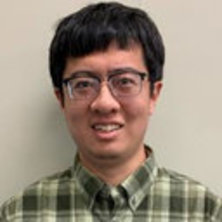
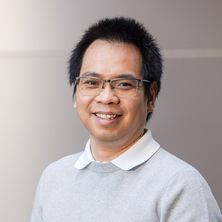
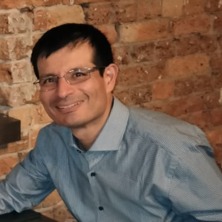
Yang is currently a Adjunct Research Fellow at Prince Charles Hospital Northside Clinical Unit, UQ Faculty of Health, Medicine and Behavioural Sciences. He has extensive experience in analysing large-scale national and international health surveys and hospitalisaiton datasets with complex statistical models. He is interested in answering a couple of research questions in the population level (e.g. the associations between modifiable behaviors and chronic diseases; the inequalities in chronic disease risk).
I got my BSc degree from the University of Natural Sciences in Vietnam. I spent the next two years working on characterisation of multi-drug resistant Mycobacterium tuberculosis with Dr Maxine Caws at the Oxford University Clinical Research Unit in Ho Chi Minh City, Vietnam. I went to the Wellcome Trust Sanger Institute and the University of Cambridge, UK to do my PhD in Prof. John Wain lab where I studied molecular mechanisms affecting the stability of IncHI1 multidrug resistant plasmids in Salmonella Typhi. I then moved to Australia to join the group of Prof. Mark Schembri at the School of Chemistry and Molecular Biosciences, University of Queensland. I am now working on identifying novel virulent factors in uropathogenic E. coli, especially in the newly emerged but globally spread ST131 clone, using high-throughput transposon mutagenesis and next-gen sequencing. I also maintain my interest in plasmid biology and have started projects to study multidrug resistant plasmids carrying blaCTX-M-15 or blaNDM-1 resistant genes.
Faculty of Health, Medicine and Behavioural Sciences
Availability:
Available for supervision
Profile Summary
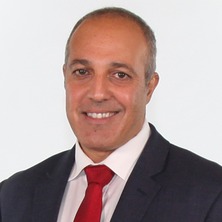
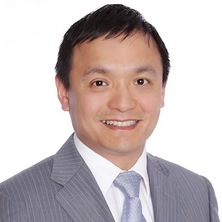
Dr Sandro Porceddu is an internationally recognised radiation oncologist and a leading authority in head and neck and skin cancer. With over 20 years experience in medicine his areas of clinical expertise include head and neck cancer, skin cancer, sarcoma and lymphoma. He is currently a senior radiation oncologist and Director of radiation oncology research at the Princess Alexandra Hospital, Brisbane, Professor of Medicine, University of Queensland and Associate Editor for the International Head and Neck journal, Oral Oncology.
Dr Porceddu is a nationally and internationally recognised cancer advocate through his involvement in high-level committees, engagement with key policymakers, community education and media roles.
Career Summary
Professor Porceddu completed his medical degree at Monash University before undertaking his residency at Monash Medical Centre, Melbourne. He commenced his specialist training in radiation oncology at the Peter MacCallum Cancer Centre in 1996 and was made Fellow of the Royal Australian and New Zealand College of Radiologists, Faculty of Radiation Oncology in 2000. After working as a consultant radiation oncologist at PeterMac for several years he moved to the Princess Alexandra Hospital in 2004.
Professional Committees and Organisations
Professor Porceddu has been the President of the Clinical Oncology Society of Australia (COSA), the peak organisation for cancer-related health professionals, and the Trans Tasman Radiation Oncology Group (TROG), one of the largest cancer collaborative trials group in Australia/New Zealand. He has served on numerous national and international professional and academic committees including the board of the Cancer Council of Australia, the National Cancer Expert Reference Group for the Commonwealth and the International Union for the Control of Cancer (UICC) TNM Expert Advisory Panel.
Currently, he is the Chair of the Cancer Council Queensland Co-operative Oncology Group, a committee that provides over $1.2M per annum to support clinical research throughout Queensland and is on the board of the of the Head and Neck Cancer InterGroup (HNCIG), a group of leading world cancer experts dedicated to promoting the global harmonisation of head and neck cancer research and treatment.
Academic Highlights
Professor Porceddu runs an active clinical research program with over 150 peer-review articles, book chapters, published abstracts, invited reviews and commentaries. He has received invitations to speak at major international conferences such as the American Society of Clinical Oncology (ASCO) meeting and publish in prestigious journals such as the Lancet Oncology and Journal of Clinical Oncology.
Awards
Trans Tasman Radiation Oncology Group Outstanding Contribution
American Head and Neck Society Chris O’Brien Travelling Scholar
Pre-eminent status by Queensland Health
Rouse Fellowship, Royal Australian and New Zealand College of Radiologists
Teaching
Dr Porceddu has had a life-long commitment to teaching and is a supervisor and mentor to Doctor of Philosophy and Master of Philosophy candidates, Clinical Research Fellows, MBBS Honours students, resident, registrars and other allied health professionals.
Professor and Principal Specialty Supervisor in Medicine (Secondment)
Prince Charles Hospital Northside Clinical Unit
Faculty of Health, Medicine and Behavioural Sciences
Professor in Cardiology (Secondment)
Prince Charles Hospital Northside Clinical Unit
Faculty of Health, Medicine and Behavioural Sciences
Availability:
Available for supervision
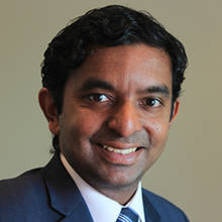
Dr Isuru Ranasinghe is a Senior Staff Specialist Cardiologist and Professor in Cardiology at the Prince Charles Hospital and the Northside Clinical Unit of the Faculty of Medicine at UQ. He leads research in clinical cardiology, cardiovascular epidemiology and healthcare safety and quality. Dr Ranasinghe has recipient of nationally competitive scholarships and fellowships including the NHMRC Postgraduate Scholarship, the NHMRC Neil-Hamilton-Fairley Early Career Fellowship and the National Heart Foundation of Australia Future Leader Fellowship.
Faculty of Health, Medicine and Behavioural Sciences
Availability:
Available for supervision
Media expert
Dr Abbas Shafiee is leading a multidisciplinary program in Regenerative Dermatology and Biofabrication. His research integrates stem cell biology, organoid technology, and bioengineering to develop advanced human models and regenerative therapies for skin repair and disease.
Dr Shafiee completed his PhD in stem cell biology, discovering a previously unknown vascular stem cell population, termed the Meso-Endothelial Bipotent Progenitor, and mapping its molecular signatures (Stem Cell Reports 2018). This seminal discovery advanced the understanding of human vascular development and regeneration.
He subsequently joined Distinguished Professor Dietmar Hutmacher’s group, where he developed humanised tissue-engineered bone and tumour models that mimic cancer metastasis and tumor–stroma interactions. These models (International Journal of Cancer (2018), Biomaterials (2018, 2020), and Bone Research (2019), Acta Biomaterialia (2020), Bone (2022)) provided unprecedented insights into human-specific cancer biology and preclinical drug testing.
Dr Shafiee joined Metro North Health (MNH) in 2020 to lead a research program and develop, implement, and evaluate the applications of 3D printing, scanning, cell therapies, and biofabrication technologies in skin wound settings, and dermatology research. His team has developed vascularised and immune-integrated skin organoids and 3D-printed bioengineered grafts that accelerate wound closure with minimal scarring (Biomaterials 2021; Advanced Healthcare Materials (2022; 2025); Small 2024; Burns & Trauma 2025). These breakthroughs underpin new patient-specific skin disease models, and drug screening platforms (Acta Biomaterialia 2025). He is the lead inventor on an international patent protecting an Optimized Method for Generating Human Skin Organoids (WO/2025/097221), which forms the foundation for emerging commercial and translational partnerships. This body of work led to the establishment of the International Consortium for Organoid Research in Dermatology, a global network accelerating discovery and translation in skin biology, rare genetic skin diseases, and regenerative dermatology.
Dr Shafiee has secured >AUD $2.4M as Chief Investigator (>AUD $1.1M as CIA) in competitive research funding from national, international, philanthropic, and industry-supported schemes. Dr Shafiee has supervised more than ten PhD, Masters, honours students and contributed to multiple professional, editorial, and scientific leadership roles. He has authored over 88 peer-reviewed publications (>5,500 citations, h-index 40) and delivered more than 50 invited, keynote, and plenary presentations internationally. He serves on multiple professional and editorial boards, including Australian Wound & Tissue Repair Society (AWTRS), Burns & Trauma, and Engineered Regeneration. In recognition of his pioneering contributions to regenerative medicine and science communication, he has received multiple honours, including the 2024 Frazer Institute Rising Star Award, the 2025 AWTRS EMCR Award, and the 2025 Queensland Young Tall Poppy Science Award, and selection as a 2026 TEDx speaker, recognising his leadership in translating complex science to global audiences.
He actively engages with the media, schools, and community programs to inspire future scientists and raise public awareness of regenerative medicine and organoid technologies. His outreach has reached millions nationwide through major media coverage (e.g., The Australian, 7NEWS, ABC NEWS) .
Research areas:
Human iPSC-derived skin organoids and skin-on-chip models
Vascularization and immune integration in skin tissue engineering
Rare genetic skin diseases and personalized regenerative therapies
Translational biofabrication and wound healing technologies
Organoid-based preclinical drug discovery platforms
Honours, Masters, and PhD opportunities are available for motivated students interested in regenerative dermatology, biofabrication, and organoid biology.
Faculty of Health, Medicine and Behavioural Sciences
Affiliate of Centre for Living Experience Research
Centre for Living Experience Research
Faculty of Health, Medicine and Behavioural Sciences
NHMRC Emerging Leadership Fellow
School of Health and Rehabilitation Sciences
Faculty of Health, Medicine and Behavioural Sciences
Availability:
Available for supervision
Dr Kirstine Shrubsole is an NHMRC Emerging Leadership Fellow at the Queensland Aphasia Research Centre. She holds a Bachelor of Speech Pathology (First Class Honours) from The University of Queensland, and completed her PhD in 2018. Kirstine has a research focus on improving implementation of evidence into practice in speech pathology and multidisciplinary services, with a special interest in stroke and aphasia rehabilitation. She has demonstrated that practice change is achievable for healthcare teams working in aphasia, leading to positive outcomes for patients, clinicians, and organisations.
Kirstine has published over 60 peer-reviewed journal articles, and has been awarded over $14 million in competitive research funding. Kirstine previously worked as the Conjoint Research Fellow in Speech Pathology (Princess Alexandra Hospital and The University of Queensland), providing research capacity building and mentoring to speech pathologists and supporting multidisciplinary research. Kirstine is the co-founder and Deputy Lead of the Collaboration of Aphasia Triallists’ Implementation Science in Aphasia working group, and a research affiliate of the Centre for Research Excellence in Aphasia Rehabilitation and Recovery.
Kirstine is completing a NHMRC Emerging Leadership Fellowship on the following topic:
The Aphasia Implementation Toolkit Project: Developing an implementation intervention to improve services for stroke survivors with aphasia
She is a chief investigator on three MRFF grants, including:
Unspoken, Unheard, Unmet: Improving Access to Preventative Health Care through Better Conversations about Care
Bridging the Digital Divide: Building Health Self-Efficacy through Communication-Accessible Online Environments
Enhancing utility of neuropsychological evaluation for earlier and effective diagnosis of dementia in Parkinson's disease
Faculty of Health, Medicine and Behavioural Sciences
Availability:
Not available for supervision
Media expert
Professor Peter Sly is the Director, Children's Health and Environment Program. Professor Sly is a NHMRC Leadership Fellow (L3) and an emeritus paediatric respiratory physician with extensive research experience in respiratory physiology, developmental immunology and children's environmental health. Professor Sly’s research aims to understand the mechanisms underlying chronic childhood lung diseases in order to improve clinical management and to delay or prevent their onset, with consequent reductions in adult lung diseases. A combination of basic science, longitudinal cohort studies and translation of research findings into clinical practice, including clinical trials, are included in three main areas: asthma, cystic fibrosis and children’s environmental health
Professor Sly is an advisor to the World Health Organisation Department of Public Health, Environmental and Social Determinants of Disease and currently serves on International Advisory Boards and committees, including: WHO network of Collaborating Centres in Children’s Environmental Health; Canadian Healthy Infant Longitudinal Development (CHILD) Study, Canada; the Infant Lung Health Study, Paarl, South Africa; and A SHARED Future: Achieving Strength, Health, and Autonomy, through Renewable Energy Development for the Future.
Faculty of Health, Medicine and Behavioural Sciences
Centre Director of ARC COE for the Digital Child (UQ Node)
ARC COE for the Digital Child
Faculty of Health, Medicine and Behavioural Sciences
Affiliate of ARC COE for Children and Families Over the Lifecourse
ARC COE for Children and Families Over the Lifecourse
Faculty of Humanities, Arts and Social Sciences
Availability:
Available for supervision
Media expert
My group works to understand and improve sleep for children and families. Sleep is a key ‘pillar of health’ alongside nutrition and activity. It is critical for healthy development, growth, learning, social and emotional functioning, and community participation.
I am the UQ Node Director for the ARC Centre of Excellence for Children and Families over the Life Course (the Life Course Centre). The Life Course Centre is committed to understanding and overcoming the problems of disadvantage, and to helping improve the lives of disadvantaged children and families. The Centre brings together researchers across multiple disciplines in four leading Universities, and significant government and non-government agencies to address these questions.
I am also the UQ Node director for the ARC centre of Excellence for the Digital Child. The Digital Child aims to support children growing up in the rapidly changing digital world, and provide strong evidence and guidance for children, families, educators, government and other concerned with children’s wellbeing.
We collaborate with many other groups around broader issues of sleep and technology, sleep and the environment (including disasters), mental health and wellbeing, pain, disability, and new technologies and approaches. Our work has been supported by the ARC, NHMRC, the MRFF, the NIH, and the DSTG. We use a wide range of methods and measures, including direct physiological and behavioural measurement (inc. ECG, EEG, EMG, actigraphy, computerized tests, simulations, environmental monitoring etc.), quantitative methods (inc. experimental and secondary data approaches), and qualitative methods including co-design and co-conduct approaches.
My team has additional expertise in evaluation of health and other services for government and other agencies, the design of complex interventions, and community consultation and engagement.
Faculty of Health, Medicine and Behavioural Sciences
Availability:
Not available for supervision
Media expert
Dr Smith is a very early career academic and Registrar in Intensive Care Medicine & Anaesthesia at Toowoomba Hospital. Despite being at an early stage in his medical and research career, Sam has already gained valuable experience and enthusiasm in medical education and research, crossing clinical and methodological domains.
Dr Smith gained his primary medical qualification at James Cook University, graduating in 2019 with Honours and awards in research/ Evidence Based Medicine, rural medicine, and surgery. His Honours research, supervised by Professor Jonathan Golledge, focussed on the economic impacts of readmission after surgery for peripheral artery disease (PAD). For this research, he was awarded the Professor Philip Walker Scholarship in Vascular Research, allowing him to present his findings internationally. He has co-authored papers in vascular and cardiothoracic surgery, tropical infectious diseases, and care of critically unwell and trauma patients.
Aside from clinical duties, Sam is also active in teaching, guest lecturing at James Cook University and the University of Queensland, as well as teaching medical students in the clinical setting. In his clinical practice, Sam has interests in critical care medicine, vascular access, POCUS and incorporating best evidence into daily practice. Sam is always very keen to share his enthusiasm for all things evidence-based with students or really anyone who will listen.
Qualifications
MBBS (Hons.)
MPH&TM
Graduate Certificate in Clinical Education (current)
Faculty of Health, Medicine and Behavioural Sciences
Availability:
Available for supervision
Media expert
MS has 35 years clinical research experience in pathogenesis and management of hypertension (HT), including endocrine varieties such as primary aldosteronism (PA). Working within the Greenslopes Hospital Hypertension Unit (GHHU), he helped demonstrate that PA is 10 times more common than previously thought and to account for approximately 10% of HT, making it the commonest specifically treatable, potentially curable variety, and in the description of a new familial form (FH-II) which recently led to the elucidation of its genetic basis (a gain of function mutation in CLCN2, published in Nature Genetics). The combined GHHU/Princess Alexandra Hospital HT Unit (PAHHU, which MS set up in 2000) has possibly the largest series (>2500) worldwide of patients with PA who have been thoroughly documented and meticulously studied, helping MS to become internationally recognized as an authority on pathogenesis/genetics, diagnostic workup and management of PA. In 2006, MS served as member of an international Task Force sponsored by the US Endocrine Society to develop the first guideline for diagnosis and management of PA (published in J Clin Endocrinol Metab and cited >1200 times with an update published in 2016 and cited >1900 times). He is currently Co-Chair of the working group for the third guideline. MS conceived, developed and validated the seated saline suppression test which has since become the favoured method for definitively confirming the diagnosis of PA in most Australian and in a rapidly growing number of overseas institutions. He has also made major contributions to the understanding of how various physiological and pharmacological factors affect the aldosterone/renin ratio as a screening test for PA and in optimizing approaches to adrenal venous sampling, the most reliable method of differentiating unilateral (surgically curable) from bilateral varieties.
Publications: MS has published 1 book, 20 textbook chapters and >250 papers in peer-reviewed scientific journals. His journal publications have been cited >14,000 times ("h" index 59).
Grant Support: Since 2019, MS has received ~$16 million in research grant support. He is currently a CI on two MRFF grants and an NHMRC CCRE.
Invited Presentations and Collaboration: MS has been invited to speak at major meetings 137 times (99 international) and has collaborated with researchers in >20 international Units and all Australian states. In 2018, was one of six investigators awarded a highly prestigious Leducq Foundation Transatlantic Networks of Excellence Program grant ($USD 6 million) to study the role of potassium in hypertension.
Committee Highlights: MS is past President of the Asian-Pacific Society of Hypertension and of the High Blood Pressure Research Council of Australia. During his time as HBPRCA President, initiatives that were introduced under his presidency included launching of a successful bid for 24h ABPM to be assigned an item number to enable a Medicare rebate of ABPM services. He was a Member of the NHF BP & Vascular Disease Advisory Committee 1998-2013.
Community Engagement: As President since 1995 of the Queensland Hypertension Association, a non-profit organization dedicated to promoting self-care in the management of hypertension, MS has overseen all of its activities, including bimonthly educational sessions and preparation of educational material for the general community and health professionals. On numerous occasions, MS has provided information to the community on issues related to hypertension by media interview.
Peer Review: Previously serving on Editorial Boards for of J Clin Endocrinol Metab, J Hypertens, Clin Exper Pharmacol Physiol, and Nephology, MS is currently Editor-in-Chief of J Hum Hypertens and a member of the Editorial Board for Hypertension. He has assessed 100’s of manuscripts for major international journals and served as grant application assessor on many occasions for major international and national funding bodies (including the NHMRC).
Other Awards and Honours: (1) John W.H. Tyrer Prize for Research in Internal Medicine, (2) Robert Vandongen Memorial Lecturer (University of WA), 2002, (3) Honorary Professor to the Xinjiang Institute of Hypertension, 2005, (4) Visiting Professor to the Tung Wah Eastern Hospital, Hong Kong, 2008, (5) Gaston Bauer Lecturer, Cardiac Society of Australia and New Zealand, 2012, (5) Nimmo Visitor, Royal Adelaide Hospital, 2015, (6) Paul Korner Award, Hypertension Australia, 2024.
Affiliate of Centre for Cardiovascular Health and Research
Centre for Cardiovascular Health and Research
Faculty of Health, Medicine and Behavioural Sciences
Affiliate Senior Research Fellow of School of Biomedical Sciences
School of Biomedical Sciences
Faculty of Health, Medicine and Behavioural Sciences
Senior Principal Research Fellow
Institute for Molecular Bioscience
Availability:
Available for supervision
Media expert
Critical Care Medicine focuses on supporting patients, often with one or multiple organ failures. Based at the largest Australian cardiac hospital, our research investigates better ways to support patients with heart and/or lung failure. We explore technological, pharmacological and engineering advances that could help our patients to live longer and better. Our group is world-renowned for clinically relevant large animal models, including heart failure, respiratory failure (ARDS), heart transplantation, sepsis, cardiogenic shock, and more. All our studies use hospital-grade equipment and follow the same clinical guideline to maximise translation. We actively take on honours, MPhil and PhD students from multi-disciplinary backgrounds (science, engineering, medicine, allied health), with a successful track record in supporting our students to secure their own grants and funding. Students are expected to contribute to other studies of the group. For more information about the group, please visit ccrg.org.au, and email if you are interested to join us.
Faculty of Health, Medicine and Behavioural Sciences
Emeritus Professor
Frazer Institute
Faculty of Health, Medicine and Behavioural Sciences
Availability:
Available for supervision
Media expert
John Upham is a clinical scientist and physician with longstanding research interests in the immunological basis of asthma and chronic lung disease, the role of dendritic cells in allergy and virus infections of the lung, and the development of novel approaches to severe asthma treatment.
John is highly influential in his field, with > 195 publications, > 5,400 citations and an H index of 46. Since 2009, he has 112 publications (1st/senior author on 45%) with a Field-Weighted Citation Impact of 2.03. Moreover, 21.5% of publications are in the top 10% of most-cited publications worldwide (field-weighted). His publications have been cited in >20 different subject areas, demonstrating translation to fields other than Medicine. His research has international reach with citations in 80 countries (Scopus Dec 2018).
In the last 10 years, he has secured over $24 million in research funding. John has been awarded 8 NHMRC Project grants (4 as CIA in the last 5 years), 2 NHMRC CRE (“Closing the gap in Indigenous Lung Health” and “Severe Asthma”), and 1 NHMRC Development Grant. He currently holds NHMRC grants of $7.5 million, including $2.96 million as CIA. John was regularly an invited (9x), plenary (3x) and Chair (9x) at national and international conferences in the last 5 years. In recognition of his international standing and influence in the field, he was elected Fellow of the American Academy of Allergy, Asthma & Immunology (2004) and the Thoracic Society of Australia and New Zealand (2015).
Faculty of Health, Medicine and Behavioural Sciences
Availability:
Available for supervision
Karl Winckel is a conjoint pharmacist working between the School of Pharmacy and Pharmaceutical Sciences Unversity of Queensland and the Princess Alexandra Hospital. Karl is an Advanced Practice credentialed pharmacist (stage 3) with clinical pharmacy experience in a wide range of clinical areas including cardiology, general medicine and care of the elderly. However Karl's main interest lies in education and training. Karl has coordinated and continues to coordinate training for doctors, pharmacists and nurses at the Princess Alexandra Hospital, and teaches into undergraduate and postgraduate clinical pharmacy courses at the University of Queensland. Karl co-coordinates 25-28 undergraduate student research project placements per year at the Princess Alexandra Hospital pharmacy department. Karl has co-authored 19 journal article and 1 book chapter in the last 5 years. Karl is also heavily involved in clinical education and training seminars with Advanced Pharmacy Australia (AdPha) , also known as the Society of Hospital Pharmacists Australia (SHPA). Karl's research interests lie primarily in the clinical use of clozapine, and anticoagulants.
Faculty of Health, Medicine and Behavioural Sciences
Availability:
Available for supervision
Media expert
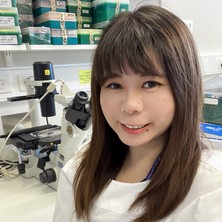
Dr. Ayaho Yamamoto is the Group Leader of Laboratory Science at the Children's Health and Environmental Program and is a research fellow in the field of Biomedical Science. Her research focuses on understanding the mechanistic links between environmental exposures and adverse respiratory outcomes. In particular, she focuses on the cellular responses following air pollution exposure and/or viral infection on human respiratory epithelium, and the age differences in immune defence mechanisms. Investigate on early intervention strategies with dietary antioxidants to improve respiratory health and reduce the risk of long-term chronic diseases.
Dr. Yamamoto has a Bachelor of Science in Environmental Health and Public Health; her research focused on childhood asthma. She has a Master of Science in Biomedical Science and Pharmacology; the research focus was to understand the mechanisms and to test new drugs for osteoporosis and chondrosarcomas metastasis. She has worked in a Uni-based start-up company for drug development.
Faculty of Health, Medicine and Behavioural Sciences
Availability:
Available for supervision
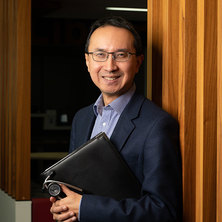
Professor Ian Yang is a Thoracic Physician and Director of Thoracic Medicine at The Prince Charles Hospital, and Head of the PCH-Northside Clinical Unit, School of Clinical Medicine, Faculty of Medicine, The University of Queensland, Brisbane, Australia.