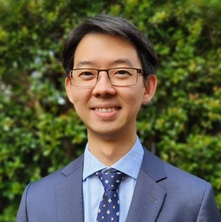
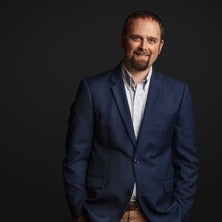
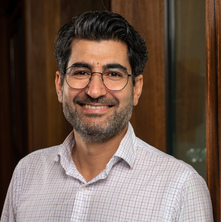
Dr Ye Wheen Lim's research combines cell biology, developmental biology and bio-nanotechnology to understand how nanoparticles interact with and cross biological barriers in physiological environments. His current research focuses on nanoparticle trafficking, nano-bio interactions and trans-endothelial transport, using zebrafish genetic models, advanced microscopy and cellular assays to define the mechanisms governing nanoparticle transport across blood vessels and other tissue interfaces. His work integrates fundamental cell biology with in vivo models to inform the development and therapeutic delivery of nanomedicines. Dr Lim has expertise in caveolae and membrane biology, endocytosis, cell mechanics, zebrafish biology, advanced microscopy and nanoparticle transport. His research has contributed to understanding the cellular mechanisms underlying biological barriers, including the blood vasculature and blood-brain barrier, as well as the development of lipid-based nanoparticles.
Affiliate of ARC Research Hub for Advanced Manufacture of Targeted Radiopharmaceuticals (AMTAR)
ARC Research Hub for Advanced Manufacture of Targeted Radiopharmaceuticals
Australian Institute for Bioengineering and Nanotechnology
Postdoctoral Research Fellow, AMTAR
Australian Institute for Bioengineering and Nanotechnology
Availability:
Available for supervision
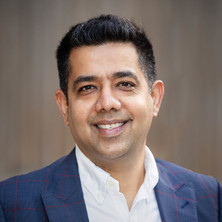
Dr Malcolm Lim is an experienced Cancer Biologist and His research interest spans cancer biology, biomarker discovery and theranostic nanomedicine.
He received his PhD from the University of Queensland (UQ) in 2022. His research, conducted in the labs of Professors Sunil Lakhani and Kristofer Thurecht, involved evaluating the efficacy of using nanomedicine for precision delivery of chemo- or radiotherapeutics against biomarkers in brain metastases. For this work, he developed a clinically-relevant brain metastasis mouse model. His research was recognised with the UQ Dean’s Award for Outstanding Thesis 2022. (DOIs: 10.1021/acs.molpharmaceut.3c00558, 10.3791/64216)
Currently, Malcolm serves as a Postdoctoral Research Fellow at the ARC Research Hub for Advanced Manufacture of Targeted Radiopharmaceuticals (AMTAR) and the Thurecht’s Lab at UQ-Centre for Advanced Imaging (CAI) in Australian Institute for Bioengineering and Nanotechnology (AIBN), where he will apply his multidisciplinary expertise to explore radiobiology and radiation-induced biological responses and to advance targeted pharmaceuticals for challenging cancers.
Prior to joining AMTAR, Malcolm served as a Postdoctoral Researcher where he investigated the molecular mechanisms underlying Early Breast Cancers at the Molecular Breast Pathology Lab, UQ-Centre for Clinical Research, under the mentorship of Professors Sunil Lakhani and Peter Simpson. Before his academic career, Malcolm had five years of experience as a histologist, which provided him with a broad skillset in the field.
Dr Malcolm’s research is well-documented in numerous publications in biomedical research journals despite his career stage, reflecting his passion to advancing cancer research.
Australian Institute for Bioengineering and Nanotechnology
Availability:
Available for supervision
Media expert
Professor Stephen Mahler is a Senior Group Leader at the Australian Institute for Bioengineering and Nanotechnology and Director of the Australian Research Council Training Centre for Biopharmaceutical Innovation (CBI), University of Queensland. Professor Mahler is a biotechnologist with a focus on R&D of recombinant-DNA derived protein biopharmaceuticals, drug delivery systems and nanomedicines. Professor Mahler has a record of translational research success and engages extensively with industry associated with the biomedical sciences both nationally and internationally.
Research within CBI covers three thematic research areas; discovery of new biopharmaceuticals, engineering cells for production of protein-based biopharmaceuticals and advanced manufacturing for industrial production. A current research interest is at the interface of the life sciences and materials science, using a synthetic biology approach for creating novel therapeutic entities as well as new systems for drug delivery.
Professor Mahler has a strong interest in education and training and was formerly Head of the Chemical and Biological Engineering Plan at the University of Queensland (2010-2016). Other educational initiatives include development of Masters Programs and a Continuing Professional Development program in the area of biopharmaceuticals. The CPD program is available to stakeholders in the industry, both in Australia and internationally.
Affiliate of Centre for Extracellular Vesicle Nanomedicine
Centre for Extracellular Vesicle Nanomedicine
Faculty of Health, Medicine and Behavioural Sciences
Research Fellow
Australian Institute for Bioengineering and Nanotechnology
Availability:
Available for supervision
Media expert
Dr Mostafa Kamal Masud is a CCQ Next Generation Cancer Research Fellow at the Australian Institute for Bioengineering & Nanotechnology (AIBN), the University of Queensland (UQ). In 2020, he received his PhD in Medical Biotechnology Diagnostics and Nanobiotechnology from AIBN, UQ. He received his MS and B.Sc. (Hons.) in Chemistry from Shahjalal University of Science and Technology (SUST), Sylhet-3114, Bangladesh. After completing his PhD, he was awarded a prestigious JSPS Postdoctoral Fellowship (success rate >10%) from Japan and served as a Postdoctoral Fellow at Japan's National Institute for Materials Science (NIMS).He recently been awarded a highly prestigious ARC DECRA fellowship for the period 2024-2026 and a QLD Cancer Council fellowship for the period 2024–2028. His research focuses on the development of novel nanostructures and nanodiagnostic technologies to address critical issues in medical diagnosis. As an early career researcher, he has an excellent track record with more than 60 peer-reviewed publications in prestigious and high-impact journals in the area that achieve <2800 citations with an h-index of 29 (Scholar google link: https://bit.ly/2Vtv67l). He has developed new classes of superparamagnetic nanostructures and fabricated novel biosensors for the detection of disease-specific biomolecular targets e.g., for miRNA, DNA, exosome and protein biomarker detection that have proven to be easy and effective, allowing for rapid diagnosis with minimal equipment. He made a major contribution to nanotechnology integrated-analytical and diagnostic fields by providing analytical and technological input as well as developing key collaborations with clinicians and biologists for translational research. His strategy is to create nano-architecture point-of-care diagnostic technology for early diagnosis of cancer that could hopefully lead to a healthy and happier life for humans.
Affiliate of Centre for Motor Neuron Disease Research
Centre for Motor Neuron Disease Research
Faculty of Health, Medicine and Behavioural Sciences
Affiliate of Centre for Population and Disease Genomics
Centre for Population and Disease Genomics
Institute for Molecular Bioscience
Senior Research Fellow & Group Leader
Institute for Molecular Bioscience
Availability:
Available for supervision
Media expert
Dr Quan Nguyen is a Group Leader at the Institute for Molecular Bioscience (IMB), The University of Queensland, where he leads the Genomics and Machine Learning (GML) Laboratory. His research focuses on understanding pathological processes within tissues to identify biomarkers for early diagnosis, patient stratification, and prediction of treatment response. His work integrates statistical machine learning techniques with advanced genomic technologies, combining single-cell and spatiotemporal sequencing data with tissue imaging to uncover causal links between genotypes and phenotypes across biological scales, from single cell, to tissue microenvironment, organ, multi-organ and population level. By studying cell-cell interactions, his research also contributes to the discovery of novel drug targets and improved understanding of drug mechanisms and toxicity. The GML Laboratory also develops spatiotemporal experimental platforms for large-scale biomarker profiling and validation in preclinical models and patient cohorts.
Dr Nguyen completed a PhD in Bioengineering at the University of Queensland in 2013, postdoctoral training in Bioinformatics at RIKEN institute in Japan in 2015, a CSIRO Office of Chief Executive (OCE) Research Fellowship in 2016, an IMB Fellow in 2018, an Australian Research Council DECRA fellowship, 2019-2021), and is a National Health and Medical Research Council Leadership Fellow (EL2 2022-2026 and L1 2027-2031). He has authored 86 publications in top-tier journals, like Cell, Nature Genetics, and Nature Method, averaging ~45.5 citations per paper, and led the development of 14 software tools with over 250,000 downloads. His recognised expertise is demonstrated through 14 national/international awards, numerous invited talks (21 international, 42 national), invited grant reviews for funding bodies in nine countries, and active editorial roles for BMC Cancer and Genome Medicine. His commitment to propelling the field forward is evident in leading roles within key consortia and forums and his dedication to organise training workshops and conferences. He has secured over $31 million in grant funding as a chief investigator from national and international funding agencies (e.g., ARC, NHMRC, MRFF, DoD, NCI) and from industry partners, with approximately $11million directly supporting his lab's groundbreaking work.
Affiliate Professor of School of Biomedical Sciences
School of Biomedical Sciences
Faculty of Health, Medicine and Behavioural Sciences
Affiliate of Centre for Cardiovascular Health and Research
Centre for Cardiovascular Health and Research
Faculty of Health, Medicine and Behavioural Sciences
Affiliate of The Centre for Cell Biology of Chronic Disease
Centre for Cell Biology of Chronic Disease
Institute for Molecular Bioscience
National Heart Foundation of Australia Future Leader Fellow - Group Leader
Institute for Molecular Bioscience
Availability:
Available for supervision
Media expert
Professor Nathan Palpant is a cardiovascular scientist whose research integrates human genetics, computational genomics, stem-cell biology and drug discovery to understand the mechanisms of cardiovascular disease and translate these discoveries into new diagnostics and therapies.
His research focuses on why individuals differ in their susceptibility to heart disease, severity of myocardial injury and response to treatment. His laboratory studies inherited and environmental determinants of cardiovascular disease using population-scale genomics, human pluripotent stem-cell models and experimental models of cardiac injury. Major areas of research include myocardial infarction and cardioprotection, heart failure, inherited cardiovascular disease, cardiometabolic disease, complex-disease subtyping and precision medicine.
His research aims to connect fundamental discovery with clinical and commercial translation. His laboratory identified ASIC1a as a therapeutic target for myocardial injury, leading to first-in-class cardioprotective therapeutics now undergoing clinical development through Infensa Bioscience. He has also established Rosella Therapeutics to develop a new class of macrocyclic peptide therapeutics targeting cardiac muscle function to treat heart failure.
His broader research program develops genomic approaches for resolving biological subtypes of complex disease, functional genomics approaches for interpreting rare cardiovascular disease variants, and human stem-cell platforms for understanding genetic and environmental determinants of disease and drug response.
Australian Institute for Bioengineering and Nanotechnology
Availability:
Available for supervision
Dr Giovanni Pietrogrande is based at the Australian Institute for Bioengineering and Nanotechnology (AIBN), where he is the Synthetic Neuroimmunology Theme Leader.
He leads the development of advanced human brain and spinal cord organoid models to study neuroinflammation, demyelination and neurodegeneration, with a particular focus on how microglia, oligodendrocytes and other neural cells interact to drive diseases such as multiple sclerosis and motor neuron disease, and on using this knowledge to identify and test new therapeutic strategies. His research program is supported by competitive funding from HNMRC, MS Australia, MND Research Australia and FightMND, underscoring the translational impact and clinical relevance of his work.
Together with his team, he works on a broad range of problems, from engineering next-generation immune-based cell therapies and endowing central nervous system organoids with a functional immune system, to modelling their interactions with immune cells to fully reproduce neurodegenerative and neuroinflammatory pathologies. The group also leverages synthetic biology to design new strategies to rebalance neuroinflammation, promote remyelination and repair neural circuits.
Affiliate of ARC Training Centre for Environmental and Agricultural Solutions to Antimicrobial Resis
ARC Training Centre for Environmental and Agricultural Solutions to Antimicrobia
Institute for Molecular Bioscience
Affiliate of Centre for Extracellular Vesicle Nanomedicine
Centre for Extracellular Vesicle Nanomedicine
Faculty of Health, Medicine and Behavioural Sciences
Professor
School of Pharmacy and Pharmaceutical Sciences
Faculty of Health, Medicine and Behavioural Sciences
Availability:
Available for supervision
Research Interests
Advanced Drug Delivery and Nanomedicine 1.Advanced drug delivery methods (controlled release dosage forms such as tablets, granules and microspheres) 2. Biomaterials as next generation adjuvant for vaccine delivery 3. Surface modified nanomaterials (Silica, Polymer, Liposomes) 4. Programmable nanoparticales for oral drug delivery and targeting 5. Translocation of nanoparticles after oral drug delivery (In-vitro and In-vivo)
Qualifications
Master of Pharmaceutical Science, Gujarat University
Faculty of Health, Medicine and Behavioural Sciences
Availability:
Available for supervision
I am a Principal Investigator (PI) and a senior research officer (SRO) at Mater research – UQ with excellent clinical and research laboratory skills and expertise in conducting and analyzing laboratory assays and resolving complex research and clinical laboratory problems. I can describe myself as determined, reliable, studious, conscientious, attentive, industrious, diligent, and focused on the timely, quality completion of all lab procedures. I am able to work well under pressure and time constraints within high-volume environments both independently and in collaboration within a team. I am also a highly self-motivated and career-oriented individual with a genuine interest in addressing cancer molecular mechanisms with the goal of developing novel cancer therapeutics and immunotherapy focusing on tumor microenvironment, immunoregulation and signaling pathways in cancer and metastasis.
Faculty of Health, Medicine and Behavioural Sciences
Availability:
Available for supervision
Dr Ben Ross is a chemist with interests in medicinal chemistry, computer-aided drug design, virtual screening, synthetic chemistry, enzyme inhibitors, ion channel modulators, antivirals, amyloid diseases, neurodegenerative diseases, and cancer.
Follow Dr Ben Ross and his team on Twitter: @RossChemLab ||| Google Scholar: Benjamin P. Ross ||| ResearcherID: A-9573-2012 ||| ORCID: 0000-0002-1899-8484 ||| Scopus Author ID:7401608823 ||| Group Web Page: www.drbenross.com
Research Interests
The main focus of Dr Ben Ross's research is the application of computer-aided drug design and synthetic chemistry to create new drug candidates for cancer, viral infections, and neurodegenerative diseases such as Alzheimer’s disease. His team's novel molecules are evaluated using a variety of biochemical, biophysical, and cell-based screening assays, as well as animal models of disease, both within their lab and in partnership with local and international collaborators. Consideration of drug-likeness is an integral part of the design process, since good ADMET properties are crucial for their molecules to reach the clinic.
Biography
Ben Ross graduated with a First-Class Honours Degree in Chemistry (1999) and then moved to the UQ School of Pharmacy where he gained a Doctorate in the field of Medicinal Chemistry (2004). He worked in the School of Molecular and Microbial Sciences as a Postdoctoral Research Fellow with Dr Ross McGeary for two years (2004-2006) during which he completed the synthesis of a variety of biologically useful molecules. In June 2006 Ben was appointed to a Lectureship within the UQ School of Pharmacy. In the first half of 2012 he was a Guest Researcher in the Department of Biochemistry and Structural Biology, Lund University, Sweden. In 2013 Ben was promoted to Senior Lecturer at UQ. A general theme of his research is medicinal chemistry, specifically the application of synthetic chemistry and molecular modeling to discover novel molecules with application as drugs or tools for research. Ben's team has published extensively in journals having a moderate-to-high impact factor in their specialised area of research (e.g. Journal of Medicinal Chemistry, Nanoscale, Food Chemistry).
Selected Primary Research Articles
Bifunctional Succinylated ε-Polylysine Coated Mesoporous Silica Nanoparticles for pH-Responsive and Intracellular Drug Delivery Targeting the Colon. C.T.H. Nguyen, R.I. Webb, L.K. Lambert, E. Strounina, E.C. Lee, M.-O. Parat, M.A. McGuckin, A. Popat, P.J. Cabot, B.P. Ross*. ACS Applied Materials & Interfaces 2017, 9, 9470-9483. doi:10.1021/acsami.7b00411 (2016 JIF 7.5, Quartile 1)
Discovery and Structure-Activity Relationships of a Highly Selective Butyrylcholinesterase Inhibitor by Structure-Based Virtual Screening. S.N. Dighe, G.S. Deora, E. De la Mora, F. Nachon, S. Chan, M.-O. Parat, X. Brazzolotto*, B.P. Ross*. Journal of Medicinal Chemistry 2016, 59, 7683-7689. doi:10.1021/acs.jmedchem.6b00356 (Featured on the front cover of the journal: http://pubs.acs.org/toc/jmcmar/59/16) (2016 JIF 6.3, Quartile 1)
GAG mimetic functionalised solid and mesoporous silica nanoparticles as viral entry inhibitors of herpes simplex type 1 and type 2 viruses. E.C. Lee, N. Davis-Poynter*, C.T.H. Nguyen, A.A. Peters, G.R. Monteith, E. Strouina, A. Popat*, B.P. Ross*. Nanoscale 2016, 8, 16192-16196. doi:10.1039/C6NR03878F (2016 JIF 7.4, Quartile 1)
Metal chelation, radical scavenging and inhibition of Aβ42 fibrillation by food constituents in relation to Alzheimer’s disease. S. Chan, S. Kantham, V.M. Rao, M.K. Palanivelu, H.L. Pham, P.N. Shaw, R.P. McGeary, B.P. Ross*. Food Chemistry 2016, 199, 185-194. doi:10.1016/j.foodchem.2015.11.118 (2016 JIF 4.5, Quartile 1)
"Click" Assembly of Glycoclusters and Discovery of a Trehalose Analogue that Retards Aβ40 Aggregation and Inhibits Aβ40-induced Neurotoxicity. H. Rajaram, M.K. Palanivelu, T.V. Arumugam, V.M. Rao, P.N. Shaw, R.P. McGeary, B.P. Ross*. Bioorganic & Medicinal Chemistry Letters 2014, 24, 4523-4528. doi:10.1016/j.bmcl.2014.07.077 (2014 JIF 2.4, Quartile 3)
Enzyme-Responsive Controlled Release of Covalently Bound Prodrug from Functional Mesoporous Silica Nanospheres. A. Popat, B.P. Ross, J.Liu, S. Jambhrunkar, F. Kleitz*, S.Z. Qiao*. Angewandte Chemie International Edition 2012, 51, 12486-12489. doi:10.1002/anie.201206416 (2010 JIF 13.7, Quartile 1)
PhD vacancies - PhD opportunities
Australian and international students with backgrounds in chemistry, biochemistry, and pharmacy are encouraged to contact Dr Ben Ross to discuss possible Honours or PhD projects and scholarships.
Sources of funding include: UQ Scholarships; NHMRC Postgraduate Scholarships; Endeavour Scholarships and Fellowships; Malaysia Ministry of Higher Education (MOHE) Scholarships; Ministry of Education Saudi Arabia; and the China Scholarship Council (CSC), as well as many other funding schemes. Contact Dr Ben Ross via email to discuss the best strategy to obtain a scholarship.
Teaching and Service Activities
Dr Ben Ross is the Research Higher Degrees Coordinator for the School of Pharmacy, and an Academic Advisor for Year 2 of the BPharm(Hons) program. He also coordinates and teaches within the following undergraduate BPharm(Hons) courses:
Faculty of Health, Medicine and Behavioural Sciences
Availability:
Available for supervision
Media expert
Dr Abbas Shafiee is leading a multidisciplinary program in Regenerative Dermatology and Biofabrication. His research integrates stem cell biology, organoid technology, and bioengineering to develop advanced human models and regenerative therapies for skin repair and disease.
Dr Shafiee completed his PhD in stem cell biology, discovering a previously unknown vascular stem cell population, termed the Meso-Endothelial Bipotent Progenitor, and mapping its molecular signatures (Stem Cell Reports 2018). This seminal discovery advanced the understanding of human vascular development and regeneration.
He subsequently joined Distinguished Professor Dietmar Hutmacher’s group, where he developed humanised tissue-engineered bone and tumour models that mimic cancer metastasis and tumor–stroma interactions. These models (International Journal of Cancer (2018), Biomaterials (2018, 2020), and Bone Research (2019), Acta Biomaterialia (2020), Bone (2022)) provided unprecedented insights into human-specific cancer biology and preclinical drug testing.
Dr Shafiee joined Metro North Health (MNH) in 2020 to lead a research program and develop, implement, and evaluate the applications of 3D printing, scanning, cell therapies, and biofabrication technologies in skin wound settings, and dermatology research. His team has developed vascularised and immune-integrated skin organoids and 3D-printed bioengineered grafts that accelerate wound closure with minimal scarring (Biomaterials 2021; Advanced Healthcare Materials (2022; 2025); Small 2024; Burns & Trauma 2025). These breakthroughs underpin new patient-specific skin disease models, and drug screening platforms (Acta Biomaterialia 2025). He is the lead inventor on an international patent protecting an Optimized Method for Generating Human Skin Organoids (WO/2025/097221), which forms the foundation for emerging commercial and translational partnerships. This body of work led to the establishment of the International Consortium for Organoid Research in Dermatology, a global network accelerating discovery and translation in skin biology, rare genetic skin diseases, and regenerative dermatology.
Dr Shafiee has secured >AUD $2.4M as Chief Investigator (>AUD $1.1M as CIA) in competitive research funding from national, international, philanthropic, and industry-supported schemes. Dr Shafiee has supervised more than ten PhD, Masters, honours students and contributed to multiple professional, editorial, and scientific leadership roles. He has authored over 88 peer-reviewed publications (>5,500 citations, h-index 40) and delivered more than 50 invited, keynote, and plenary presentations internationally. He serves on multiple professional and editorial boards, including Australian Wound & Tissue Repair Society (AWTRS), Burns & Trauma, and Engineered Regeneration. In recognition of his pioneering contributions to regenerative medicine and science communication, he has received multiple honours, including the 2024 Frazer Institute Rising Star Award, the 2025 AWTRS EMCR Award, and the 2025 Queensland Young Tall Poppy Science Award, and selection as a 2026 TEDx speaker, recognising his leadership in translating complex science to global audiences.
He actively engages with the media, schools, and community programs to inspire future scientists and raise public awareness of regenerative medicine and organoid technologies. His outreach has reached millions nationwide through major media coverage (e.g., The Australian, 7NEWS, ABC NEWS) .
Research areas:
Human iPSC-derived skin organoids and skin-on-chip models
Vascularization and immune integration in skin tissue engineering
Rare genetic skin diseases and personalized regenerative therapies
Translational biofabrication and wound healing technologies
Organoid-based preclinical drug discovery platforms
Honours, Masters, and PhD opportunities are available for motivated students interested in regenerative dermatology, biofabrication, and organoid biology.
Faculty of Engineering, Architecture and Information Technology
Availability:
Available for supervision
Dr Mauro Torres is a Lecturer in the School of Chemical Engineering at the University of Queensland, and leads a research group working at the interface of engineering and biology. designing living cells so that they behave in reliable, controllable ways
Background
Many of our most important medicines are made by cells, and a growing number of new treatments are living cells. Dr Torres's research changes how cells work by engineering the molecular mechanisms controlling how cells grow, produce therapeutic products, and respond to their surroundings, so they can be put to use more effectively. The same set of tools applies across very different goals: 1) Make biological medicines more efficiently, 2) Build cells that act as effective therapeutics, and 3) Develop tools for controlling gene expression. These goals focus of transforming how we make protein-, cell and gene therapeutics.
Dr Torres holds a PhD in Molecular Biology at the University of Manchester, and undergraduate in Chemical Engineering. His interdisciplinary background defines his approach to problems spanning the two fields. Before joining UQ, he was awarded a Leverhulme Trust Early Career Fellowship, which supported the establishment of his independent research group at Manchester. His current programme extends these principles to synthetic biology and to the engineering of cells for manufacturing biologics and advanced therapies, with industrial partnership as main focus for translating research into manufacturing settings.
Dr Torres welcomes new academic collaborations and enquiries from prospective research students.
Research areas
Mammalian synthetic biology including designing genetic circuits that confer predictable, controllable behaviour on mammalian cells.
Metabolic and secretory engineering for reprogramming cellular metabolism and the secretory pathway to improve the production of complex biologics in industrial cell lines.
Cell engineering for advanced therapies including stem cells for enhancing their immunomodulatory function and therapeutic output.
Biomanufacturing of cell and gene therapies for improving the production of the cells and viral vectors used in advanced therapeutic products.
Collaboration and supervision
Dr Torres actively seeks new academic collaborations, both within his field and across disciplines, and is particularly interested in working with researchers in immunology, disease biology, clinical translation, bioprocessing, and computational modelling. He also welcomes applications from prospective PhD and MPhil students with backgrounds in engineering, biotechnology, or the molecular life sciences. Enquiries, accompanied by a curriculum vitae and a brief statement of research interests, are warmly received.
My research interests are centred around the structure and function of venom and silk polypeptides produced by arthropods, and their use in biotechnology and medicine. I am a Postdoctoral Fellow in the King laboratory in the Institute for Molecular Bioscience, the University of Queensland, Australia. Currently, I am investigating the composition, function and evolution of neglected insect venoms produced by assassin bugs (Hemiptera: Reduviidae), robber flies (Diptera: Asilidae) and nettle caterpillars (Lepidoptera: Limacodidae).
Faculty of Health, Medicine and Behavioural Sciences
Availability:
Not available for supervision
Dr. Akila Wijerathna-Yapa is an interdisciplinary Biotechnology scientist and Postdoctoral Research Fellow at the Frazer Institute, University of Queensland, with over 12 years of expertise spanning Biochemistry, Molecular Biology, and Bioinformatics. Holding a PhD in Biochemistry from The University of Western Australia, an MSc in Molecular Biology from The Hebrew University of Jerusalem, an MBA from the University of Staffordshire, and B.Sc. (Hons.) Sp. Biotechnology from The Wayamba University of Sri Lanka, he brings a rare combination of deep scientific expertise and strategic project management insight to the life sciences.
Dr. Wijerathna-Yapa's research is defined by his ability to integrate advanced technologies—including mass spectrometry-based proteomics, peptidomics, metabolomics, lipidomics, NMR spectroscopy, and transcriptomics—to unravel molecular complexities and translate multi-omics data into actionable insights. His work spans molecular biology, cell culture bioprocess optimisation, clinical biomarker discovery, and spatial biology, with postdoctoral experience at The University of Queensland and Dalhousie University, and collaborative partnerships with leading research institutions across Sri Lanka, China, Israel, Australia, and Canada.
With a strong foundation in advanced statistical data analysis and a proven track record in project management and scientific communication, Dr. Wijerathna-Yapa bridges the gap between scientific discovery and practical innovation. He has authored over 25 peer-reviewed publications and has been recognised with prestigious international awards including the Australian Government Global Talent Independent visa and fellowships from the Higher Education Academy (FHEA, UKPSF). He is passionate about leveraging interdisciplinary knowledge to drive transformative advancements in biotechnology and life sciences.