Faculty of Health, Medicine and Behavioural Sciences
Affiliate of Centre for Extracellular Vesicle Nanomedicine
Centre for Extracellular Vesicle Nanomedicine
Faculty of Health, Medicine and Behavioural Sciences
Availability:
Available for supervision
Media expert
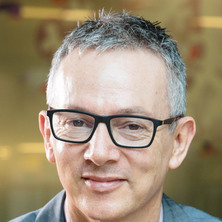
Professor Jürgen Götz (PhD, Dr. habil, FAHMS, GAICD) is Foundation Chair of Dementia Research, Director of the Clem Jones Centre for Ageing Dementia Research at the Queensland Brain Institute (University of Queensland), NHMRC Leadership Fellow and Ultrasound Team Leader. In 2023 he became the Lesleigh Green - Bill and Nancy Green Endowed Chair in Dementia Research. Jürgen Götz performed undergraduate studies at the Biocenter of the University of Basel, before joining the laboratory of Nobel Laureate Georges Köhler to obtain his PhD degree in immunology. Subsequently, he took up postdoctoral positions at UCSF (San Francisco) and Sandoz Ltd (now Novartis, Basel), and worked as Research Group Leader (venia legendi, Dr. habil.) at the University of Zurich (Switzerland). Before taking up his current position, Jürgen Götz was a Professor and Chair of Molecular Biology at the University of Sydney.
Jürgen Götz is a highly cited researcher (Clarivate) and an expert in basic and translational research in Alzheimer’s disease (AD), focusing on the cellular and molecular mechanisms of how Tau and Aβ cause neurodegeneration, using transgenic and cellular models, and exploring low-intensity ultrasound as a novel treatment modality for AD and other brain diseases (>220 publications, including in leading journals such as Science, Cell, Lancet and Neuron; h-index = 86, 27,800+ citations, Google Scholar). Jürgen Götz and his team have built a clinical trial-ready therapeutic ultrasound device and started a first-in-human safety trial in 12 Alzheimer patients (April 2023).
Faculty of Health, Medicine and Behavioural Sciences
Availability:
Available for supervision
Hebe Gouda is an epidemiologist with research experience in Papua New Guinea, Indonesia and Egypt. She has a Masters of Public Health and a PhD from the University of Cambridge. She currently focuses on three related streams of research including: 1) Measuring mortality and disease burden with a particular focus on the epidemiological transition in low and middle income countries; 2) Evaluating health systems approaches and responses to population health burdens and 3) Measurement, data and information: the ethics and epistemology of population health research methods.
Affiliate of Centre for Innovation in Pain and Health Research (CIPHeR)
Centre for Innovation in Pain and Health Research
Faculty of Health, Medicine and Behavioural Sciences
ATH - Senior Lecturer
Frazer Institute
Faculty of Health, Medicine and Behavioural Sciences
Availability:
Available for supervision
Frederick Graham (BNurs, PhD) is a Clinical Nurse Consultant and a Senior Research Fellow with the Centre for Health Services Research at the University of Queensland. As an academic-nurse, Fred is clinical lead of a hospital-wide Dementia and Delirium Nursing Service at Princess Alexandra Hospital where he has worked as clinical expert in the care of people with dementia and delirium for more than 15 years. As a senior research fellow under the mentorship of Professor Ruth Hubbard, his research focuses on reorganising care environments and building workforce capacity to provide therapeutic care to this vulnerable cohort with a specific focus on accelerating knowledge translation in managing symptoms of agitation through innovative experiential learning, models of care, environmental design, leisure activity, and recognition of pain-related symptomology.
Fred qualified as registered nurse from The Queensland University of Technology and has worked in acute-care wards at Princess Alexandra Hospital. He has clinically led multiple quality initiatives focussed on improving acute-care for patients with cognitive impairment including education and change champion initiatives, models of specialised care, resource development to facilitate person-centred care and development of a chart for evaluating analgesic trials through monitoring pain-related behaviour. These initiatives led Fred to undertake his PhD with Professor Elizabeth Beattie at QUT, titled “Do hospital nurses recognise pain in older agitated patients with cognitive impairment. A descriptive correlational study using virtual simulation.”, which was awarded QUT Outstanding Doctoral Thesis Award 2021. He has subsequently published his PhD results in the top gerontological and nursing journals in the world. Fred currently holds a Queensland Health Early Career Nursing Fellowship under the mentorship Professor Amanda Henderson, Nursing practice Development Unit PAH. He also has three Metro South Research Support Grant schemes including the Metro South Health Future Research Leader Fellowship under the mentorship of Professor Ruth Hubbard which will investigate pain-related phenotypes through a longitudinal response to treatment study.
As an emerging research leader and early career researcher, Fred is passionate teacher and encourages nurses to consider higher degree by research pathways in the clinical careers. He is currently supervising two higher research nursing students and a mentoring nurse practitioner student at UQ.
Faculty of Health, Medicine and Behavioural Sciences
Availability:
Available for supervision
Dr Gratten completed his undergraduate studies and PhD at The University of Queensland, before undertaking postdoctoral training in evolutionary and quantitative genetics at the University of Sheffield. He then returned to Australia and shifted research focus to psychiatric and neurological genetics, taking up a position as research fellow at the Queensland Brain Institute. In 2013, he was recruited to UQ's Centre for Neurogenetics and Statistical Genomics, and in 2017 was awarded an NHMRC Career Development Fellowship (Level 2). He established the Cognitive Health Genomics group at Mater Research Institute in 2018, with the goal to improve understanding of the etiology of psychiatric and neurological disorders through analysis and integration of whole genome datasets. He has received >$5M in research funding from the NHMRC, Autism Cooperative Research Centre and both Australian (BICARE) and international (Brain & Behavior Research Foundation) philanthropic funders.
Australian Institute for Bioengineering and Nanotechnology
Availability:
Available for supervision
Media expert
Professor Peter Gray is a pioneer of biotechnology research and development in Australia. In 2003 he was appointed AIBN’s inaugural Director and has since overseen the institute’s growth to 450 people and an annual turnover of $40million. Before joining AIBN, he was Professor and Head of Biotechnology at UNSW.
Professor Gray has held academic positions at University College London and the University of California, Berkeley. He has had commercial experience in the US, working for Eli Lilly and Co and the Cetus Corporation. His research collaborations include groups at Stanford University; the University of California, Berkeley; and the University of British Columbia, Vancouver.
He serves on several boards and government committees. He is on the board of Engineering Conferences International, New York, a group that runs global, multi-disciplinary engineering conferences, many of which have played key roles in developing emerging industry sectors. The conferences include cell culture engineering; vaccine technology; and scale-up and manufacturing of cell-based therapies. Professor Gray also serves on the board of Biopharmaceuticals Australia Pty Ltd, the company established to build a GMP grade biopharmaceuticals manufacturing facility in Brisbane, and has been heavily involved in negotiations that led to DSM Biologics becoming the facility’s operator.
Professor Gray is a Fellow and Vice-President of the Australian Academy of Technological Sciences and Engineering and a Fellow of the Australian Institute of Company Directors. He has chaired, served on organising committees for, and given plenary and keynote addresses at many key international conferences. In 2006 he attracted to Sydney and chaired the International Biotechnology Symposium – the first time a conference in the four-yearly series was held in the southern hemisphere. Professor Gray is a founder and past president of the Australian Biotechnology Association (Ausbiotech).
Professor Gray has graduated more than 60 PhD students from his research group, in fields including secondary metabolite bioprocesses; bioconversion of cellulosic substrates; mammalian cell expression of complex proteins; nanoparticles for drug delivery; and the development of stem-cell based bioprocesses. He has twice been listed by Engineers Australia among the top 100 most influential engineers in Australia, and in 2001 was awarded the Australian Government’s Centenary Medal.
Senior Lecturer, Medical Education (Personalised Learning & USMLE Prep)
MD Curriculum & Assessment
Faculty of Health, Medicine and Behavioural Sciences
Availability:
Available for supervision
Dr Christian Gray is a Senior Lecturer in Medical Education (Personalised Learning & USMLE Prep) at The University of Queensland Medical School. His work focuses on personalised learning, assessment and preparation for medical licensing examinations, with a particular interest in understanding how individual students learn, prepare and adapt.
Dr Gray joined UQ in 2019, having previously been a Lecturer in Infection and Immunity and Immunology Discipline Lead at Peninsula Medical School, University of Plymouth, UK. He holds a PhD from the University of Newcastle, Australia, and a Postgraduate Diploma in Academic Practice from the University of Plymouth, and is a Fellow of the Higher Education Academy.
Prior to moving into medical education, Dr Gray undertook postdoctoral research across a range of areas in immunology, including tumour immunology, rheumatoid arthritis, pneumococcal immunity, mastitis resistance in dairy cattle and vaccine development. His biomedical research has been published in journals including Blood, Cancer Research, The Journal of Immunology, Clinical Cancer Research and Mucosal Immunology.
At UQ, Dr Gray's scholarship focuses on how students prepare for high-stakes assessment and medical licensing examinations and how assessment and learning data can be used to understand student readiness and learning behaviour. Within the UQ-Ochsner medical program, he has developed and coordinated structured preparation for USMLE Step 1. His research includes longitudinal investigation of student preparation and question-bank engagement, including changes associated with the transition of USMLE Step 1 to pass/fail reporting.
His work in medical licensing assessment extends internationally. He has contributed chapters to Cambridge University Press texts providing guidance for students preparing for and taking the UK Medical Licensing Assessment Applied Knowledge Test (MLA AKT). His broader educational scholarship includes personalised learning, support for students experiencing academic difficulty, inclusive approaches to learning and assessment, and understanding how learners adapt their preparation in response to assessment.
More broadly, Dr Gray's research interests extend to learning and learning behaviour across higher education, including the emerging role of artificial intelligence and its relationship with cognitive and non-cognitive aspects of learning. He currently supervises doctoral research in this area.
Faculty of Health, Medicine and Behavioural Sciences
Availability:
Available for supervision
Media expert
Ristan is an Honorary Associate Professor School of Medicine Southern Clinical School and MRI-UQ. Previously she has been Senior Biostatistician at Mater Research and Senior Lecturer in Epidemiology and Biosecurity with the School of Veterinary Science UQ. She is an epidemiologist, medical researcher and veterinarian who has been involved in medical and veterinary clinical research, academic teaching and veterinary practice for over 25 years. She completed her Bachelor of Arts majoring in Pure Mathematics in 1972, Bachelor of Veterinary Science in 1979, Master of Veterinary Science in 1995, PhD in the School of Medicine, The University of Queensland in 2004, and membership of the Epidemiology Chapter of the Australia and New Zealand College of Veterinary Scientists in 2005. Her areas of research interest include Congenital Hyperinsulinism of Infancy, bone metabolism in Cystic Fibrosis, Vitamin D in Type 1 Diabetes, as well as study design and data analysis. These latter interests have led to collaborations with clinicians and scientists in a wide variety of fields of research, for example human viral respiratory infection, paediatric liver disease, Pseudomonas spp infection in humans and horses, and many others. Since 1990, Dr Greer has been variously a lecturer and researcher with The University of Queensland School of Medicine, Queensland Children’s Medical Research Institute and affiliated institutions, and taught epidemiology in the School of Veterinary Science where she inaugurated the first course in research methodology for postgraduate students.
Faculty of Health, Medicine and Behavioural Sciences
Availability:
Not available for supervision
Judith Greer is an immunologist with a strong interest in the nervous system and autoimmune diseases affecting the nervous system.
She is a graduate of the University of Queensland, having completed her PhD on cancer immunology. She then undertook postdoctoral training at Harvard Medical School in the USA, during which time her interests shifted towards immune responses and interactions within the nervous system (neuroimmunology), an area in which she has worked ever since. She isa Principal Research Fellow at the UQ Centre for Clinical Research, located at the Royal Brisbane & Women's Hospital.
Her research is directly particularly towards trying to identify brain components that are targetted by the immune system in people with a variety of disorders, particularly multiple sclerosis (MS), which is traditionally thought to be an autoimmune disease, but also in psychosis, where we are now starting to understand that autoimmune targetting of the brain can play a role in some patients. She is interested in how the specificity of autoimmune responses within the nervous system relates to the symptoms experienced by patients, and in developing new ways to specifically turn off the damaging immune responses in the brain. Another focus of her research is to improve on pre-clinical models of MS, so as to enhance the translation of new therapeutic approaches for MS to the clinic.
Judith is also interested in research training, and held leadership positions in this area in the School of Medicine and the Faculty of Medicine at UQ from 2000 - 2023. She is also committed to improving the field of neuroimmunology, and has been a member of the International Advisory Board of the International Society for Neuroimmunology and is the Asia-Pacific representative for the Global Schools of Neuroimmunology. Judith co-founded a society, Neuroimmunology Australia, to better support those working in this field, and was Convenor and Chair of the 14th International Congress of Neuroimmunology, which was held in Brisbane in 2018 (the only time this congress has been held outside of the Northern Hemisphere).
Conjoint Head, Mater Clinical Unit and Principal Specialty Supervisor, Medicine and Director of Infe
Medical School (Greater Brisbane Clinical School)
Faculty of Health, Medicine and Behavioural Sciences
Availability:
Available for supervision
Media expert
Associate Professor Paul Griffin is the Director of Infectious Diseases at Mater Health Services in Brisbane and Associate Professor of Medicine at the University of Queensland Medical School. He has fellowships in Infectious Diseases from the Royal Australasian College of Physicians, in Clinical Microbiology from the Royal College of Pathologists of Australasia and from the Australasian College of Tropical Medicine.
Paul is the Principal Investigator and Medical Director at Nucleus Network, a specialized contract research organisation specializing in early and late phase trials in infectious diseases where he has been the principal investigator on in excess of 125 clinical trials, predominantly in Infectious Diseases including novel vaccines and Malaria human challenge studies. This includes 8 vaccines for COVID-19 and a number of COVID-19 therapies.
As a Clinical Microbiologist, he maintains an active interest in diagnostic microbiology with a focus on clinical applications of faecal microbiome metagenomic sequencing.
In addition to a teaching role at the University of Queensland, Paul is also the chair of the Advanced Training Committee in Infectious Diseases with the Royal Australasian College of Physicians, the committee that oversees the training of Infectious Diseases specialists in Australia.
Finally, as a director and scientific advisory board member of the immunisation coalition, Paul has an active interest in vaccine education and advocacy and has become a trusted media authority and spokesperson across the nation during the COVID-19 pandemic.
Faculty of Engineering, Architecture and Information Technology
Research Fellow
Australian Institute for Bioengineering and Nanotechnology
Availability:
Available for supervision
Dr. Wenyi Gu’s early education was conducted in China which include his undergraduate and master’s degrees in veterinary medicine. In 1996, he migrated to Australia and pursued his PhD study in biochemistry & molecular biology at the Australian National University (ANU). After a short period of work at John Curtin Medical School ANU as a junior scientist, he moved to Brisbane in 2001 for his post-doc at the University of Queensland and currently a post-doctoral research fellow at AIBN. He held a Peter Doherty Fellowship (2006-2009) and was further supported by NHMRC to spend 7 months at Harvard University as a visiting fellow in 2008. Since his post-doctoral research he has been working in the area of using RNAi to treat viral diseases and cancers. He also has a strong background in immunology and vaccine development.
Affiliate of Centre for Extracellular Vesicle Nanomedicine
Centre for Extracellular Vesicle Nanomedicine
Faculty of Health, Medicine and Behavioural Sciences
Principal Research Fellow
Frazer Institute
Faculty of Health, Medicine and Behavioural Sciences
Availability:
Available for supervision
Media expert
As Director of IMPACT (Immunocellular Manufacturing Platform for Advanced Cell Therapies), a MRFF-NCRI initiative, I lead a research program with extensive expertise in immunology, particularly in natural killer (NK) cells, focused on developing innovative approaches for treating hard-to-cure diseases like metastatic cancers. Our mission is to improve patient outcomes and extend lives. Recognized as an international leader in my field, I've been instrumental in identifying novel regulators of our immune functions, and developing NK cell-based immunotherapies.
My dedication to my field has been recognized through numerous peer-reviewed grants as sole-CI or CIA/Principal Investigator, including a NHMRC ECF Peter Doherty Fellowship, an NHMRC Project Grant, a US DoD grant, and a MRFF EMCR, among others. Since 2009, I've amassed a portfolio of >130 publications in renowned journals like JEM, Molecular Therapy, Nat Comms, and Nat Immunol. My body of work and contributions have been acknowledged with awards such as the 2019 Researcher of the Year by Cure Cancer Australia, 2020 QLD Young Tall Poppy Science, 2020 UQ Frazer Institute's Rising Star, 2022 Frazer Institute's Mentor of the Year, 2023 TRI – Connecting with the Clinic, and the 2025 Dr. Jian Zhou Foundation Award for Translational Medicine, among others. In addition, I currently serve as Deputy Editor of Immunology and Cell Biology.
Since 2024 I have served as Chair of Research and Non-Executive Director of Cure Cancer Australia, the national peak body for early- and mid-career cancer research funding, where I chair the research committee and oversee grant assessment panels. I also Co-Chair the Frazer Institute's Industry Engagement and Commercialisation Committee, shaping the Institute's approach to IP management, spin-out governance, and industry partnerships. Committed to translating fundamental discoveries into real-world therapies, I co-founded the venture-backed biotechnology company Sicario Tx, focused on advancing NK cell-based immunotherapies. I have also served as a scientific consultant and collaborator for national and international biotech companies, including Biotheus (now part of BioNTech's oncology pipeline), Prescient Therapeutics, and Microba Life Sciences, contributing to their development programs.
At present, I am a Group Leader / Principal Research Fellow & Associate Professor with the University of Queensland's Frazer Institute, where I direct IMPACT — UQ's cell therapy manufacturing and translational platform, operating as an academic CRO for academic and industry partners, from cell engineering and manufacturing through to trial-enabling preclinical studies. My research group is based at the Translational Research Institute (TRI). Here, I lead a high-performing research team with a keen focus on developing and innovating immunotherapy approaches for a spectrum of diseases.
Faculty of Health, Medicine and Behavioural Sciences
Availability:
Available for supervision
Dr Karan Gulati is a Research Group Leader and the Deputy Director of Research at the School of Dentistry, UQ. He is also the Deputy Director of Centre for Orofacial Regeneration, Reconstruction and Rehabilitation (COR3) at UQ Dentistry.
Dr Gulati is a pioneer in electrochemically nano-engineered dental implants with over 13 years of extensive research experience using nano-engineering towards various bioactive and therapeutic applications. Dr Gulati completed his PhD from the University of Adelaide (Australia) in 2015 and was awarded the Dean’s Commendation for Doctoral Thesis Excellence. His career has been supported by prestigious fellowships from NHMRC (National Health and Medical Research Council, Australia), JSPS (Japan Society for the Promotion of Science, Japan), Erasmus+ (Germany) and the University of Queensland. At 10 years post-PhD, Dr Gulati has edited 3 books, published 7 chapters and >79 publications (h-index 44), and presented >110 times in various reputed conferences.
Director, Research Training of Faculty of Health Medicine & Behavioural Sciences
Faculty of Health, Medicine and Behavioural Sciences
Affiliate of Dermatology Research Centre
Dermatology Research Centre
Faculty of Health, Medicine and Behavioural Sciences
Director of HDR Students of Frazer Institute
Frazer Institute
Faculty of Health, Medicine and Behavioural Sciences
Professor
Frazer Institute
Faculty of Health, Medicine and Behavioural Sciences
Availability:
Available for supervision
I am a clinician scientist and academic leader with research in melanoma cell biology and experimental melanoma therapy. I received my degree in medicine from the University of Heidelberg, Germany (1990-1998). I graduated summa cum laude with a PhD in Cell Biology from the University of Heidelberg (1993-1999) and trained in clinical dermatology at the University of Hamburg, Germany (1999-2003). In 2003 I moved to Philadelphia, PA, to work as a post-doctoral fellow in Meenhard Herlyn’s lab at The Wistar Institute (2003-2007). From there I was recruited as an associate faculty member to the Centenary Institute/University of Sydney (2007-2013). In 2013 I commenced a position as Associate Professor for Cutaneous Oncology at University of Queensland Diamantina Institute (now Frazer Institute) and was promoted to full Professor in April 2016.
Research Fellow: Microbial Genomics and Bioinformatics
Frazer Institute
Faculty of Health, Medicine and Behavioural Sciences
Availability:
Available for supervision
I am a bioinformatician developing computational methods and open-source software that make pathogen genome sequencing faster, cheaper, and more clinically useful. My research applies long-read (Oxford Nanopore) and short-read whole-genome sequencing to detect antimicrobial resistance, reconstruct microbial genomes, and trace how infections spread.
A core part of my work is building widely used, open-source bioinformatics tools and reproducible analysis pipelines that researchers and laboratories around the world rely on. I also contributed to the World Health Organization catalogue of tuberculosis drug-resistance mutations, a global reference for genome-based diagnosis.
Working closely with clinical and public-health laboratories, I help translate these methods out of research and into real diagnostic and outbreak-response settings — including sequencing pathogens directly from patient samples, without the delays of laboratory culture.
My areas of expertise include:
- Pathogen genomics and genomic epidemiology
- Antimicrobial resistance and drug-resistance prediction
- Long-read sequencing, genome assembly, and metagenomics
- Culture-free, direct-from-sample diagnostics
- Open-source scientific software development (Rust and Python)
You can explore my open-source tools on my GitHub profile (https://github.com/mbhall88).
Affiliate of National Centre for Youth Substance Use Research
National Centre for Youth Substance Use Research
Faculty of Health, Medicine and Behavioural Sciences
Emeritus Professor
Faculty of Health, Medicine and Behavioural Sciences
Availability:
Not available for supervision
Media expert
Wayne Hall is Emeritus Professor at the National Centre for Youth Substance Use Research (NCYSUR) at the University of Queensland (January 2021-). He was a Visiting Professor at the National Addiction Centre, Kings College London (2009-2019), the London School of Hygiene and Tropical Medicine (2010-2021); and the National Drug and Alcohol Research Centre, UNSW (since 2001).
Wayne was formerly Professorial Fellow (2017-2020) in and Director of the National Centre for Youth Substance Abuse Research (2014-2016), an NHMRC Australia Fellow in addiction neuroethics at the University of Queensland Centre for Clinical Research and the Queensland Brain Institute, UQ (2009-2015); Professor of Public Health Policy in the School of Population Health (2005-2010); Director of the Office of Public Policy and Ethics at the Institute for Molecular Bioscience (2001-2005) at the University of Queensland; and Director of the National Drug and Alcohol Research Centre, UNSW (1994-2001).
In 2016 Wayne was made a Fellow of the Academy of Health and Medical Sciences. Wayne has advised the World Health Organization on: the health effects of cannabis use; the effectiveness of drug substitution treatment; the scientific quality of the Swiss heroin trials; the contribution of illicit drug use to the global burden of disease; and the ethical implications of genetic and neuroscience research on addiction.
Affiliate of Centre for the Business and Economics of Health
Centre for the Business and Economics of Health
Faculty of Business, Economics and Law
Professor
School of Public Health
Faculty of Health, Medicine and Behavioural Sciences
Availability:
Not available for supervision
Prof Lisa Hall is Professor in Epidemiology at the University of Queensland in Brisbane, Australia.
Teaching: Lisa has experience lecturing at both undergraduate and postgraduate levels, in a range of public health and research methods courses. She is a Senior Fellow of the Higher Education Academy. At UQ she was the Director of Teaching and Learning within the School of Public Health from 2021-2024.
Research: Lisa is an active health services researcher with expertise in epidemiology, implementation science and economic evaluation. Lisa’s work examines not only the effectiveness, but also the cost-effectiveness, feasibility and sustainability of health services. Her current research focuses on the interface between evidence, policy and implementation to improve the surveillance and prevention of healthcare associated infections.
Prof Hall’s research is pragmatic and “Real world”. It is multidisciplinary and collaborative, with an emphasis on translation. She has established active multidisciplinary collaborations with a wide range of leading researchers, policymakers and clinicians. Since 2013, A/Prof Hall has been named as a Chief Investigator on grants and consultancies worth over $19 million. Key grants include:
Researching Effective Approaches to Cleaning in Hospitals (REACH): A national stepped wedge trial of examining the cost-effectiveness of an environmental cleaning bundle. This NHMRC Partnership Grant project with the Wesley Medical Research Institute used an implementation science framework to improve uptake of best practice cleaning approaches by environmental services staff.
National Centre for Infections in Cancer – This NHMRC Centre of Research Excellence, has now received Synergy grant funding. Based at the Peter MacCallum Cancer Centre in Melbourne, it aims at improving infection surveillance and prevention in cancer patients. This is novel work examining what clinical guidelines, therapeutics and surveillance approaches should be implemented to improve monitoring and survival in this vulnerable patient population.
“There's no place like home”: national scale up of the paediatric low risk febrile neutropenia program - National collaborative project based out of Murdoch Children’s Research Institute – MRFF funded
General Practitioner Antimicrobial Stewardship Programme Study (GAPS Trial). A cluster randomised trial examining the economic and clinical effectiveness of a multi-modal intervention to reduce antibiotic prescribing in primary care. Collaboration between UQ, QUT and Bond with Commonwealth Department of Health funding.
Development of the Monitoring and Evaluation Framework for the National Antimicrobial Resistance Strategy - Commonwealth Department of Health funding
Policy Experience: Lisa has significant policy experience at statewide and national levels. Prior to returning to academia in 2013, Lisa was a senior manager at the state health department of Queensland - responsible for the design, implementation and evaluation of infection prevention programs and policy. She was a technical expert on the Australian Commission of Safety and Quality in Healthcare (ACSQHC) Healthcare Associated Infection Advisory Committee, a role she has held continuously from 2009 to 2024.
Faculty of Health, Medicine and Behavioural Sciences
Availability:
Available for supervision
Media expert
Professor Emma Hamilton-Williams’ career focuses on understanding how immune tolerance is disrupted leading to the development of the autoimmune disease type 1 diabetes. She received her PhD from the Australian National University in 2001, followed by postdoctoral training in Germany and the Scripps Research Institute in the USA.
In 2012, she started a laboratory at the Frazer Institute, University of Queensland where she investigates the gut microbiota as a potential trigger or therapy target for type 1 diabetes, as well as developing an immunotherapy for type 1 diabetes. The overall aim of her research is to find new ways to prevent or treat the underlying immune dysfunction causing autoimmunity.
She is Chief Scientific Officer for an Australia-wide pregnancy-birth cohort study of children at increased risk of type 1 diabetes, which aims to uncover the environmental drivers of this disease. Her laboratory uses big-data approaches including proteomics, metabolomics and metagenomics to understand the function of the gut microbiota linked to disease.
She recently conducted a clinical trial of a microbiome-targeting biotherapy aimed at restoring a healthy microbiome and immune tolerance, with an ultimate aim of preventing type 1 diabetes.