Faculty of Health, Medicine and Behavioural Sciences
Availability:
Available for supervision
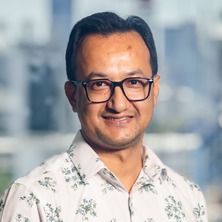
Dr Shakti Shrestha is Deputy Director of Research and Lecturer in Pharmacy Practice and Medicines Management at the School of Pharmacy and Pharmaceutical Sciences, The University of Queensland (UQ). His research program focuses on optimising medication use in older people and those with life‑limiting illness, with particular interests in deprescribing, medication safety, dementia and palliative care, quality use of medicines, and the implementation of evidence into practice.
Shakti conceived and co‑led the development of De‑TOPPLE, a deprescribing decision‑support framework designed to improve medication optimisation for older adults with limited life expectancy. He also served as a Research Fellow and Queensland site coordinator for the MRFF‑funded EMBRACE trial, evaluating strategies to enhance the implementation of evidence‑based psychotropic prescribing recommendations in Australian residential aged care. His broader research spans medicines optimisation, medication‑related quality of life, pharmacy practice, health services research, and implementation science, forming a coherent program aimed at reducing medication‑related harm and improving care outcomes for older populations, particularly those with palliative care needs.
He has published widely across ageing, medication safety, deprescribing and pharmacy practice, and received the 2025 Best Publication by an Early Career Researcher Award from the UQ School of Pharmacy and Pharmaceutical Sciences. He supervises PhD, postgraduate and undergraduate research projects in medicines optimisation, polypharmacy, deprescribing and medication use in older populations, integrating his research expertise into teaching and research training.
Shakti’s academic and research work is informed by extensive experience across pharmacy practice, clinical research, residential aged care and higher education in Australia, the United Kingdom and Nepal. He was awarded the 2018 Australian Research Training Scholarship for his PhD in Clinical Pharmacy and Pharmacy Practice at UQ and the 2022 Career Development Scholarship, through which he gained further clinical trail experience across Queensland Hospital and Health Services. He holds a Master of Science in Clinical Pharmacology with Distinction from the University of Aberdeen (UK), and Bachelor of Pharmaceutical Sciences with Distinction from Pokhara University (Nepal). During his Master's training in the UK, he gained research experience working with SITS-ISTR (Safe Implementation of Thrombolysis in Stroke-International Stroke Thrombolysis Registry) data within NHS Grampian.
Affiliate Professor of School of Chemistry and Molecular Biosciences
School of Chemistry and Molecular Biosciences
Faculty of Science
Affiliate of Centre for Cardiovascular Health and Research
Centre for Cardiovascular Health and Research
Faculty of Health, Medicine and Behavioural Sciences
Professorial Research Fellow
Frazer Institute
Faculty of Health, Medicine and Behavioural Sciences
Availability:
Available for supervision
Media expert
PLEASE NOTE THAT ANY AUTHORSHIP ALTERATIONS LISTING ME AS SIMPSON-FRASER BELOW ARE INCORRECT. ALL PUBLICATIONS ARE FIONA SIMPSON. MY PROFESSIONAL NAME IS FIONA SIMPSON.
Our laboratory is involved in cross-discipline research studying endocytosis, cancer, pharmacology and immunology to improve therapies used in cancer treatment.
Affiliate Associate Professor of School of Biomedical Sciences
School of Biomedical Sciences
Faculty of Health, Medicine and Behavioural Sciences
Affiliate of Centre for Extracellular Vesicle Nanomedicine
Centre for Extracellular Vesicle Nanomedicine
Faculty of Health, Medicine and Behavioural Sciences
Professor
Frazer Institute
Faculty of Health, Medicine and Behavioural Sciences
Availability:
Available for supervision
Media expert
Peter Simpson is a recognised expert in the molecular and pathological characterisation of breast and lung cancers. His research is based at the UQ Centre for Clinical Research (UQCCR), where he is the Head of the Cancer Theme and is a Research Group Leader in Cancer Genomics. He has published >150 articles (>12,000 citations, H-index 52; Scopus, May2025) including in Nature, Nature Medicine, Annals of Oncology and the American Journal of Respiratory and Critical Care Medicine. He co-manages the Brisbane Breast Bank (BBB), a tissue bank created to facilitate clinical breast cancer research, and the Debutant lung cancer Program.
Pete also holds a teaching appointment in UQ, where he is passionate about the science and clinical applications of Pathology. He teaches into the UQ Medical Program (Year 1 and 2), as well as to undergraduates. He has co-authored a chapter ‘Breast Diseases’ in the latest edition (11th) of the internationally acclaimed Medical text book Robbins and Cotran Pathologic Basis of Disease.
Outside UQ, Pete is a Fellow of the Faculty of Science in the Royal College of Pathologists of Australasia (FFSc RCPA), a member of the kConFab Executive (https://www.kconfab.org/), a member of the Lobular Breast Cancer Alliance Scientific Advisory Board (https://lobularbreastcancer.org/), and a member of the International Cancer Genome Consortium (Breast Cancer group).
Pete enjoys supervising students at all levels in their careers and collaborating within multidisciplinary teams spanning clinical (e.g. pathology, oncology) and science teams (e.g. in ‘omics, bioinformatics and machine learning).
Faculty of Health, Medicine and Behavioural Sciences
Availability:
Not available for supervision
Media expert
Professor Peter Sly is the Director, Children's Health and Environment Program. Professor Sly is a NHMRC Leadership Fellow (L3) and an emeritus paediatric respiratory physician with extensive research experience in respiratory physiology, developmental immunology and children's environmental health. Professor Sly’s research aims to understand the mechanisms underlying chronic childhood lung diseases in order to improve clinical management and to delay or prevent their onset, with consequent reductions in adult lung diseases. A combination of basic science, longitudinal cohort studies and translation of research findings into clinical practice, including clinical trials, are included in three main areas: asthma, cystic fibrosis and children’s environmental health
Professor Sly is an advisor to the World Health Organisation Department of Public Health, Environmental and Social Determinants of Disease and currently serves on International Advisory Boards and committees, including: WHO network of Collaborating Centres in Children’s Environmental Health; Canadian Healthy Infant Longitudinal Development (CHILD) Study, Canada; the Infant Lung Health Study, Paarl, South Africa; and A SHARED Future: Achieving Strength, Health, and Autonomy, through Renewable Energy Development for the Future.
Affiliate of Centre for Innovation in Pain and Health Research (CIPHeR)
Centre for Innovation in Pain and Health Research
Faculty of Health, Medicine and Behavioural Sciences
Associate Professor
School of Health and Rehabilitation Sciences
Faculty of Health, Medicine and Behavioural Sciences
Availability:
Available for supervision
Media expert
Michelle Smith is a Associate Professor in Physiotherapy and a Titled Sports and Exercise Physiotherapist. She is Program Director for the Masters of Sports Physiotherapy and Masters of Musculoskeletal Physiotherapy programs at UQ, Co-director of the International Ankle Consortium, Co-director of the Sports Injury Rehabilitation and Prevention for Health (SIRPH) research unit and Associate Editor of Physical Therapy and Sport.
The overarching theme of Michelle's research is lower limb joint health. Her research focuses on the prevention and management of lower limb joint injuries and pathologies across the lifespan to enable unrestricted participation in sport, physical activity and work. There are three key areas of her research:
To improve understanding of ankle injuries and osteoarthritis across the lifespan: Ankle sprains are the most common injury seen in emergency departments and are a primary cause of ankle osteoarthritis, which in light of its post-traumatic nature, often affects young adults. To optimise outcomes and participation for people with ankle pathologies, my research characterises impairments and participation restrictions in the continuum from ankle injury to osteoarthritis and establishes the efficacy of interventions to manage these conditions.
To understand the effectiveness and implementation of injury prevention strategies: While neuromuscular exercise program and taping/bracing have been shown to decrease injury risk, translation of research into practice is limited. My research investigates the implementation of injury prevention initiatives in adolescent athletes and involves stakeholders to better understand barriers and facilitators.
To evaluate the implementation of lower limb osteoarthritis interventions: Exercise and education for hip and knee osteoarthritis have been shown to improve quality of life and functional outcomes. My research investigates the implementation of such programs in public hospitals and private physiotherapy practices on patient outcomes and service delivery.
Michelle has presented her research and delivered keynote and invited presentations at national and international multi-disciplinary conferences. She teaches across the undergraduate and postgraduate physiotherapy curriculum in the areas of musculoskeletal health and sports injuries. She has been recognised for her high teaching quality and impact at both School and Faculty levels through receipt of Teaching Excellence Awards. She is the Chair of the School of Health and Rehabilitation Sciences External Engagement Committee and Deputy Chair of the Sports and Exercise Physiotherapy Group of the Austrailan Physiotherapy Association. She is a member of the Outcome Measures in Rheumatology (OMERACT) Foot and Ankle Working Group, International Foot and Ankle Osteoarthritis Consortium, and Australian Foot and Ankle Research Network.
Faculty of Health, Medicine and Behavioural Sciences
Availability:
Not available for supervision
Media expert
Dr Smith is a very early career academic and Registrar in Intensive Care Medicine & Anaesthesia at Toowoomba Hospital. Despite being at an early stage in his medical and research career, Sam has already gained valuable experience and enthusiasm in medical education and research, crossing clinical and methodological domains.
Dr Smith gained his primary medical qualification at James Cook University, graduating in 2019 with Honours and awards in research/ Evidence Based Medicine, rural medicine, and surgery. His Honours research, supervised by Professor Jonathan Golledge, focussed on the economic impacts of readmission after surgery for peripheral artery disease (PAD). For this research, he was awarded the Professor Philip Walker Scholarship in Vascular Research, allowing him to present his findings internationally. He has co-authored papers in vascular and cardiothoracic surgery, tropical infectious diseases, and care of critically unwell and trauma patients.
Aside from clinical duties, Sam is also active in teaching, guest lecturing at James Cook University and the University of Queensland, as well as teaching medical students in the clinical setting. In his clinical practice, Sam has interests in critical care medicine, vascular access, POCUS and incorporating best evidence into daily practice. Sam is always very keen to share his enthusiasm for all things evidence-based with students or really anyone who will listen.
Qualifications
MBBS (Hons.)
MPH&TM
Graduate Certificate in Clinical Education (current)
Faculty of Health, Medicine and Behavioural Sciences
Centre Director of ARC COE for the Digital Child (UQ Node)
ARC COE for the Digital Child
Faculty of Health, Medicine and Behavioural Sciences
Affiliate of ARC COE for Children and Families Over the Lifecourse
ARC COE for Children and Families Over the Lifecourse
Faculty of Humanities, Arts and Social Sciences
Availability:
Available for supervision
Media expert
My group works to understand and improve sleep for children and families. Sleep is a key ‘pillar of health’ alongside nutrition and activity. It is critical for healthy development, growth, learning, social and emotional functioning, and community participation.
I am the UQ Node Director for the ARC Centre of Excellence for Children and Families over the Life Course (the Life Course Centre). The Life Course Centre is committed to understanding and overcoming the problems of disadvantage, and to helping improve the lives of disadvantaged children and families. The Centre brings together researchers across multiple disciplines in four leading Universities, and significant government and non-government agencies to address these questions.
I am also the UQ Node director for the ARC centre of Excellence for the Digital Child. The Digital Child aims to support children growing up in the rapidly changing digital world, and provide strong evidence and guidance for children, families, educators, government and other concerned with children’s wellbeing.
We collaborate with many other groups around broader issues of sleep and technology, sleep and the environment (including disasters), mental health and wellbeing, pain, disability, and new technologies and approaches. Our work has been supported by the ARC, NHMRC, the MRFF, the NIH, and the DSTG. We use a wide range of methods and measures, including direct physiological and behavioural measurement (inc. ECG, EEG, EMG, actigraphy, computerized tests, simulations, environmental monitoring etc.), quantitative methods (inc. experimental and secondary data approaches), and qualitative methods including co-design and co-conduct approaches.
My team has additional expertise in evaluation of health and other services for government and other agencies, the design of complex interventions, and community consultation and engagement.
Faculty of Health, Medicine and Behavioural Sciences
Availability:
Not available for supervision
Media expert
Emeritus Professor Mark Smithers is a surgical oncologist who specialises in surgery for oesophago-gastric diseases, melanoma, advanced skin cancer and soft tissue sarcoma. He was the Director of the Upper GI and Soft Tissue Unit at the Princess Alexandra Hospital, in Brisbane, Australia from 1998 - 2023. Commencing his academic career with the University of Queensland in 1987, he progressed to be the Mayne Chair in Surgery and head of the Academy of Surgery. He is the second University of Queensland Medical graduate to be appointed to this role. His research has been focussed on the development and assessment of outcomes from minimally invasive upper GI surgery, and trials assessing the role of perioperative multidisciplinary therapy for esophageal and gastric cancer. As well he has led, or been involved with, clinical trials from phase I to III, for all stages of melanoma through his role as the Chair of the Queensland Melanoma Project. More recently he has been involved with the assessment of access to, and outcomes from, surgery for cancer in Queensland, Australia.
He has overseen the administration and development of the surgery curriculum, and the teaching, in the Academy of Surgery, in the UQ Faculty of Medicine. He was on a number of committees relevant to the implementation of the UQ MD design course. He has held various leadership and committee roles with the Royal Australasian College of Surgeons, as well as leadership roles, including the Presidency, in the Australian and New Zealand Oesophago Gastric Surgeons Association. He has also been on the committees of international organisations related to oesophageal and gastric surgery. He has published 250 articles, eight book chapters, and has been on the editorial board of a number of surgical journals.
He has been recognised for his clinical and academic roles by the award of Member of the Order of Australia (AM). The citation reads, "for service to medicine in the fields of gastro-intestinal and melanoma surgery, to medical education and to professional organisations". The Royal Australasian College of Surgeons awarded him the Sir Hugh Devine medal, for services to surgery and the community. This is the College’s highest honour. Internationally, he has been awarded an honorary fellowship of the Royal College of Surgeons of Edinburgh and recently, in the United States, he was elected as an Honarary Fellow of the American Surgical Association.
Faculty of Health, Medicine and Behavioural Sciences
Affiliate of Queensland Digital Health Centre
Queensland Digital Health Centre
Faculty of Health, Medicine and Behavioural Sciences
Professorial Research Fellow
Frazer Institute
Faculty of Health, Medicine and Behavioural Sciences
Availability:
Not available for supervision
Media expert
Professor Soyer is an academic dermatologist with over 30 years experience in the field. He was appointed as the inaugural Chair in Dermatology by The University of Queensland (UQ) in 2007 and was Director of the Princess Alexandra Hospital (PAH) Dermatology Department from 2008-2023. His clinical background drives a strong focus on translational skin cancer research.
Professor Soyer is internationally recognised in the field of dermatology with particular expertise in the areas of preventative dermatooncology, dermatopathology and dermatologic imaging (dermoscopy and reflectance confocal microscopy). Within the dermatology discipline he is a pioneer and world leader in the field of dermoscopy of pigmented skin lesions, a non-invasive diagnostic method. He has led the development of the morphologic classification system currently used worldwide.
His main research focus is skin cancer (both melanoma and keratinocyte skin cancer), with a particular interest in technological innovations and their ability to impact early detection strategies and expand the concept and applications of teledermatology and teledermoscopy. A $9.9M infrastructure grant awarded in 2018 by the Australian Cancer Research Foundation (ACRF) has enabled establishment of the collaborative Australian Centre of Excellence in Melanoma Imaging and Diagnosis (ACEMID); installing 15 3D total body imaging systems, linked by a research network, across Australia’s east cost to facilitate research in the early detection of melanoma. ACRF ACEMID is currently conducting Australia’s largest melanoma cohort study targeting 15,000 participants, with the multi-modal research data being collected and stored in a national research repository. This unprecedented data resource will allow many unanswered research questions in the field to be addressed and will facilitate advancements in artificial intelligence, resulting in the development of reliable, evidence-based solutions to transform melanoma early detection.
Professor Soyer has an extensive publication record with over 680 publications to date, with more than 700 citations per year (in the last 5 years) and an h-index of 96 (Google Scholar). His textbook entitled "Dermoscopy - The Essentials 3rd Edition", co-authored with G Argenziano, R Hofmann-Wellenhof and I Zalaudek is considered a world-leading textbook in the field.
Professor Soyer has been awarded two competitive fellowships while at UQ: a Medical Research Future Fund (MRFF) Next Generation Clinical Researchers Program Practitioner Fellowship (2018-2022) and an NHMRC Practitioner Fellowship (2012-2016). The NHMRC Practitioner Fellowship was acknowledged in the NHMRC ‘10 of the Best NHMRC research projects 2016’ publication. He has also been awarded 1 NHMRC European Union Collaborative Research Grant (CIA), 1 NHMRC Synergy Grant (CIC), 1 NHMRC Clinical Trials and Cohort Studies Grant (CIC), 1 MRFF Targeted Health System and Community Organisation Research Grant (CIC), 3 NHMRC Centre of Research Excellence Grants (CIA, CIB, CIE), 4 NHMRC Project Grants (CIA, CIA, CIB, CID), 2 NHMRC Partnership Grants (CIA, CIB), 2 ARC Discovery Project Grants (CIB, CID), and a Queensland Genomic Health Alliance (QGHA) Demonstration Project Grant (CIA), with many additional projects funded through other competitive, industry and philanthropic funding sources. In total, through his involvement as an investigator, he has achieved over $43M in research funding for UQ since 2014.
Faculty of Health, Medicine and Behavioural Sciences
Availability:
Available for supervision
Associate Professor Spurling works at The University of Queensland General Practice Clinical Unit (0.4 FTE) and at the Southern Queensland Centre of Excellence in Aboriginal and Torres Strait Islander primary health care (Inala COE – 0.6 FTE). He has research interests in social determinants of health and access to primary health care, especially where his research skills can be of service to Aboriginal and Torres Strait Islander peoples. His other research interests are quality use of medicines and respiratory infections, with particular methodological interests in systematic reviews and mixed-methods research in general practice. His most recent research interest concerns access to opioid dependence treatment in general practice.
He completed medical training at the University of Queensland, did his junior doctor years in regional Queensland and completed a Diploma of Tropical Medicine and Hygiene in London in 1998. In 2001, he spent 12 months working on a project in Central America with Médecins Sans Frontières. He completed general practice specialty training with the RACGP in 2004, which included an academic registrar term. In 2004, he was fortunate to meet Professor Noel Hayman, one of Queensland’s first Aboriginal medical graduates and Clinical Director of the Inala COE, who offered him a GP position in 2004. He has shared his full-time work as a GP academic at the Inala COE and UQ GPCU ever since.
Associate Professor Spurling has developed clinical interests in serving the Aboriginal and Torres Strait Islander community in Inala, serving Spanish-speaking refugees, diabetic retinopathy, and, most recently, addiction medicine. He has been mentoring GP registrars and medical students at the Inala COE since 2004. As a member of the UQ GPCU academic staff, he regularly takes tutorial groups and lectures in cardiovascular medicine, respiratory infections, Aboriginal and Torres Strait Islander health and social determinants of health for medical students doing their general practice rotation.
Associate Professor Spurling supervises five postgraduate students (PhD students). He has been awarded over A$18M in research grants and has published over 80 peer-reviewed papers.
Faculty of Health, Medicine and Behavioural Sciences
Availability:
Available for supervision
Christine graduated with a Bachelor of Pharmacy degree (honours class 1) from the University of Queensland in 1996.
She registered as a pharmacist in Australia in 1997 and in the United Kingdom in 2003 and has worked at the Redlands, Princess Alexandra and Wesley Hospitals in Brisbane and the Western Infirmary in Glasgow. In 2002 she was awarded a PhD from the University of Queensland, with a thesis focusing on improving usage of the immunosuppressant agent tacrolimus in solid organ transplant recipients.
In 2004 she was the recipient of a National Health and Medical Research Council (NHMRC) Neil Hamilton Fairley fellowship. This award enabled her to training overseas in the field of Pharmacometrics within the Department of Medicine and Therapeutics at the University of Glasgow (Scotland) and the Department of Pharmaceutical Biosciences at Uppsala University (Sweden).
On her return to Brisbane, Christine was the recipient of a Lions Medical Research Fellowship and was the chief investigator on a three year NHMRC Project Grant. She has also been a team member on an Amgen-Transplant Society of Australia and New Zealand Research Grant and a Cellcept Australia Research Grant. Over her research career Christine has attracted grants and awards totaling more than 2 million AUD from various funding agencies.
Research Interests
Christine has a wide range of interests in the fields of Quality Use of Medicine and Pharmacometrics. Her work to date has primarily been directed towards optimising usage of immunosuppressant drugs in solid organ transplant recipients and antibiotics in patients with life-threatening infections.
Christine has published over 120 peer reviewed papers and 150 conference abstracts on these topics. Her publications have been cited on more than 8200 occasions.
Christine has successfully supervised to completion fourteen higher research degree students and enjoys helping students meet their career goals.
Christine’s current projects include:
Individualising immunosuppressant therapy in autoimmune disease to improve patient outcomes
Comparing the efficacy and safety of continuous versus intermittent administration of beta-lactams in critically ill patients
Examining the relationship between immunosuppression and non-melanoma skin cancer in renal transplant recipients
Improving individualisation of immunosuppressant therapy in adult kidney transplant recipients
Improving gentamycin dosing in paediatric oncology patients
Examining tobramycin monitoring in cystic fibrosis patients in Australia and the United Kingdom
Investigating the relationship between prednisolone exposure and drug-related toxicity in paediatric and adult kidney transplant recipients
Comparing different therapeutic drug monitoring methods for dosage adjustment of once daily intravenous tobramycin treatment in children with cystic fibrosis
Projects currently available for interested research higher degree students include:
Dose optimisation of busulfan in paediatric bone marrow transplant recipients
Investigating the relationship between immunosupressant exposure and drug-related toxicity in transplant recipients
Examining Bayesian forecasting methods to predict immunosuppressant exposure
Examining the international use of immunosuppressant and anti-rheumatic drugs
Examining the influence of plasma exchange on immunosuppressant drug exposure
Christine invites potential honours and post-graduate students to contact her via email to discuss research opportunities.
Teaching interests
Co-ordinates:
PHRM3052- Biological Fate of Drugs
PHRM2500- Pharmacokinetics and Medicines Management
PHRM7001- Quality Use of Medicines, Drug Pharmacokinetics and Drug Pharmacodynamics
Faculty of Health, Medicine and Behavioural Sciences
Availability:
Available for supervision
Assoc. Prof. Stephan is an anatomist and forensic anthropologist with research interests in skeletal analysis and identification in the medicolegal setting. Specifcally these research interests include: craniofacial identification, radiographic comparison, trauma, unmingling of skeletons, biological profile estimations and standards of practice. Carl heads the Laboratory for Human Craniofacial and Skeletal Identification (HuCS-ID Lab), and is Chief Anatomist at The University of Queensland (UQ) School of Anatomy.
Carl is a Fellow of The American Academy of Forensic Sciences and recent past President of the International Association of Craniofacial Identification. Carl served as Special Issue Managing Guest Editor for Forensic Science International, Latest Progress in Craniofacial Identification, 2018. He has been Editorial Board Member of the Journal of Forensic Sciences (2013-23) and Associate Editor of Forensic Anthropology (2016-20). Carl founded the SBMS Skeletal Collection and Skeletisation Program at UQ in late 2014, re-energising forensic osteology within the UQ School of Anatomy and more broadly within the School of Biomedical Sciences.
Carl's prior appointments include forensic anthropology analyst with the Iraq Mass Graves Investigation Team (USA Army Corps of Engineers on behalf of the USA Department of Justice) and ORISE researcher at the USA Department of Defence Central Identification Laboratory in Hawaii. He often now serves as an external consultant to the USA Defence POW/MIA Accounting Agency (DPAA). At UQ and as Chief Anatomist and School of Anatomy manager, Carl works very closely with the SBMS Gross Anatomy Facility, in all matters of anatomy teaching, research and governance management.
Working in joint with the GAF Manager, Carl has cross adapted ISO17025 style practices and auditing procedures to the UQ School of Anatomy space and introduced the first Code-of-Practice for Use of Human Tissues within the UQ School of Anatomy since its inauguration (1927). These accreditation-style policies and procedures are further implemented and expanded in the HuCS-ID Lab, providing vital learning experiences and skill sets for Honours and Higher Research Degree students wanting to pursue careers in forensic science. New data analytic, casework and research tools developed by the HuCS-ID Lab and in the statistical environment of R, are freely and routinely released for others to use at the website: CRANIOFACIALidentification.com.
Carl's research outputs currently exceed 100 total scientific publications, including more than 85 full-length research articles.
Affiliate of Centre for the Business and Economics of Health
Centre for the Business and Economics of Health
Faculty of Business, Economics and Law
Affiliate of Centre for Innovation in Pain and Health Research (CIPHeR)
Centre for Innovation in Pain and Health Research
Faculty of Health, Medicine and Behavioural Sciences
Affiliate of RECOVER Injury Research Centre
RECOVER Injury Research Centre
Faculty of Health, Medicine and Behavioural Sciences
Professor and Whiplash Program
School of Health and Rehabilitation Sciences
Faculty of Health, Medicine and Behavioural Sciences
Availability:
Available for supervision
Media expert
Michele Sterling is a NHMRC Leadership Fellow (leadership level 2), Professor in the Recover Injury Research Centre, Program Lead of the Musculoskeletal Injury research program and Director of the NHMRC Centre of Research Excellence (CRE) in Better Health Outcomes for Compensable Injury. She is a Musculoskeletal Physiotherapist and a Fellow of the Australian College of Physiotherapists. She is internationally recognised for her research on whiplash-associated disorders. Michele’s research focusses on the mechanisms underlying the development of chronic pain after injury, predictive algorithms for outcomes and developing effective interventions for musculoskeletal injury and pain. She has received over $50M in research funding from the NHMRC, MRFF, ARC and industry partners, including 7 NHMRC project grants, and 2 Centres of Research Excellence. Michele holds editorial roles with several leading journals and textbooks, including being a Section Editor of PAIN and co-editors of the 4th and 5th editions of the seminal physiotherapy textbook 'Grieve's Musculoskeletal Physiotherapy). Michele has published over 325 scientific works and has received numerous awards for her research including the Research Australia Research Translation award in 2023. Examples of recognition as a national and international leader in the field include:
2024- Secretary of the Executive Council - International Association for the Study of Pain (IASP)
2022-2024 Chair Scientific Program Committee World Pain Congress, Amsterdam 2024
2023-2027 NHMRC Leadership Fellow (Level 2) for research of road traffic injury.
2023 Research Australia Research Translation award
2016-2022 Council member International Association for the Study of Pain (IASP)
Centre Director of Centre for Motor Neuron Disease Research
Centre for Motor Neuron Disease Research
Faculty of Health, Medicine and Behavioural Sciences
Associate Professor
School of Biomedical Sciences
Faculty of Health, Medicine and Behavioural Sciences
Availability:
Available for supervision
Media expert
Associate Professor Steyn is a leading expert in neurodegenerative disease research, specializing in the metabolic and physiological aspects of Motor Neurone Disease (MND). He currently directs a comprehensive translational research program at the University of Queensland, focusing on the interplay between metabolism and disease progression in MND, and leads key projects investigating the impact of metabolic dysfunction, appetite dysregulation, and hypermetabolism on patient outcomes. His work prioritizes the integration of pre-clinical models, clinical studies, and innovative digital health technologies to advance understanding of the heterogeneity in MND, patient care and therapeutic development.
Associate Professor Steyn’s career began with detailed investigations into the hypothalamic regulation of energy homeostasis, growth, and reproduction. He developed industry-standard methodologies for evaluating hormone release patterns in rodent models, particularly concerning growth hormone regulation. In 2015, he transitioned to focus on neurodegenerative diseases, establishing a research platform at UQ that has significantly advanced the analysis of metabolic phenotypes in MND.
His current research projects include the MEND-MND study, which explores how altered energy metabolism influences disease progression, and the EATT4MND study, which examines the consequences of appetite loss and impaired body weight regulation on disease outcomes. Through collaboration with industry partners, he is also developing novel therapeutic strategies and refining wearable digital health technologies for precise, real-time monitoring of disease progression, including the validation of actigraphy-based measures as clinical trial biomarkers.
Affiliate of Centre for Cell Biology of Chronic Disease
Centre for Cell Biology of Chronic Disease
Institute for Molecular Bioscience
Affiliate of ARC COE in Quantum Biotechnology (QUBIC)
ARC COE in Quantum Biotechnology
Faculty of Science
NHMRC Leadership Fellow
Institute for Molecular Bioscience
Availability:
Available for supervision
Media expert
Professor Jennifer Stow is a molecular cell biologist, an NHMRC Leadership Fellow and head of the Protein Trafficking and Inflammation research laboratory in The University of Queensland’s Institute of Molecular Bioscience (IMB). Her previous leadership appointments include as Division Head and Deputy Director (Research) at IMB (12 years) and she currently serves on national and international advisory boards, editorial boards and steering committees, and as an elected Associate Member of the European Molecular Biology Organisation (EMBO).
Jenny Stow received her undergraduate and PhD qualifications at Melbourne’s Monash University before undertaking postdoctoral training in the Department of Cell Biology at Yale University School of Medicine, USA. With training as a microscopist in kidney research, she gained further experience at Yale as a postdoc in the lab of eminent cell biologist and microscopist, Dr Marilyn Farquhar, where protein trafficking was both a theme and a passion. Jenny then took up her first faculty appointment as an Assistant Professor in the Renal Unit at Massachusetts General Hospital (MGH) and Harvard Medical School in Boston USA, where her research uncovered new roles for a class of enzymes, GTPases, in regulating trafficking within cells. At MGH her research also formed part of a highly successful NIH Renal Cell Biology Program. In late 1994, Jenny moved her research lab back to Australia, to The University of Queensland, in late 1994 as a Wellcome Trust International Medical Research Fellow. As part of IMB since, the Stow lab has continued a focus on protein trafficking, including pioneering live-cell imaging, to spearhead their work on trafficking in inflammation, cancer and chronic disease. Major discoveries include identifying new proteins and pathways for recycling adhesion proteins in epithelial cells, inflammatory cytokine secretion in macrophages and immune signalling through Toll-like receptors in inflammation and infection. Small GTPases of the Rab family, signalling adaptors and kinases feature among the molecules studied in the Stow lab for their functional roles and their potential as drug targets in inflammation and cancer. A keen focus is to understand the role of the fluid uptake pathway, macropinocytosis, in controlling inflammation, cancer and mucosal absorption.
Professor Stow has been awarded multiple career fellowships including from American Heart Association, Wellcome Trust and NHMRC. She has published >200 papers, cited over 15,500 times and she is the recipient of awards and honours, most recently including the 2019 President's Medal from the Australia and New Zealand Society for Cell and Developmental Biology. She is also academic head of IMB Microscopy, a world-class fluorescence microscopy and image analysis facility. Her research is funded by a variety of agencies and industry partnerships, in addition to NHMRC and ARC, including through the ARC Centre of Excellence in Quantum Biotechnology, QUBIC. The Stow lab work with national and international collaborators and welcome students and postdoctoral trainees to participate in their research. We value having a diverse, inclusive and supportive culture for research and celebrate the many diverse and wonderful successes of Stow lab alumni.
Faculty of Health, Medicine and Behavioural Sciences
Availability:
Available for supervision
Media expert
MS has 35 years clinical research experience in pathogenesis and management of hypertension (HT), including endocrine varieties such as primary aldosteronism (PA). Working within the Greenslopes Hospital Hypertension Unit (GHHU), he helped demonstrate that PA is 10 times more common than previously thought and to account for approximately 10% of HT, making it the commonest specifically treatable, potentially curable variety, and in the description of a new familial form (FH-II) which recently led to the elucidation of its genetic basis (a gain of function mutation in CLCN2, published in Nature Genetics). The combined GHHU/Princess Alexandra Hospital HT Unit (PAHHU, which MS set up in 2000) has possibly the largest series (>2500) worldwide of patients with PA who have been thoroughly documented and meticulously studied, helping MS to become internationally recognized as an authority on pathogenesis/genetics, diagnostic workup and management of PA. In 2006, MS served as member of an international Task Force sponsored by the US Endocrine Society to develop the first guideline for diagnosis and management of PA (published in J Clin Endocrinol Metab and cited >1200 times with an update published in 2016 and cited >1900 times). He is currently Co-Chair of the working group for the third guideline. MS conceived, developed and validated the seated saline suppression test which has since become the favoured method for definitively confirming the diagnosis of PA in most Australian and in a rapidly growing number of overseas institutions. He has also made major contributions to the understanding of how various physiological and pharmacological factors affect the aldosterone/renin ratio as a screening test for PA and in optimizing approaches to adrenal venous sampling, the most reliable method of differentiating unilateral (surgically curable) from bilateral varieties.
Publications: MS has published 1 book, 20 textbook chapters and >250 papers in peer-reviewed scientific journals. His journal publications have been cited >14,000 times ("h" index 59).
Grant Support: Since 2019, MS has received ~$16 million in research grant support. He is currently a CI on two MRFF grants and an NHMRC CCRE.
Invited Presentations and Collaboration: MS has been invited to speak at major meetings 137 times (99 international) and has collaborated with researchers in >20 international Units and all Australian states. In 2018, was one of six investigators awarded a highly prestigious Leducq Foundation Transatlantic Networks of Excellence Program grant ($USD 6 million) to study the role of potassium in hypertension.
Committee Highlights: MS is past President of the Asian-Pacific Society of Hypertension and of the High Blood Pressure Research Council of Australia. During his time as HBPRCA President, initiatives that were introduced under his presidency included launching of a successful bid for 24h ABPM to be assigned an item number to enable a Medicare rebate of ABPM services. He was a Member of the NHF BP & Vascular Disease Advisory Committee 1998-2013.
Community Engagement: As President since 1995 of the Queensland Hypertension Association, a non-profit organization dedicated to promoting self-care in the management of hypertension, MS has overseen all of its activities, including bimonthly educational sessions and preparation of educational material for the general community and health professionals. On numerous occasions, MS has provided information to the community on issues related to hypertension by media interview.
Peer Review: Previously serving on Editorial Boards for of J Clin Endocrinol Metab, J Hypertens, Clin Exper Pharmacol Physiol, and Nephology, MS is currently Editor-in-Chief of J Hum Hypertens and a member of the Editorial Board for Hypertension. He has assessed 100’s of manuscripts for major international journals and served as grant application assessor on many occasions for major international and national funding bodies (including the NHMRC).
Other Awards and Honours: (1) John W.H. Tyrer Prize for Research in Internal Medicine, (2) Robert Vandongen Memorial Lecturer (University of WA), 2002, (3) Honorary Professor to the Xinjiang Institute of Hypertension, 2005, (4) Visiting Professor to the Tung Wah Eastern Hospital, Hong Kong, 2008, (5) Gaston Bauer Lecturer, Cardiac Society of Australia and New Zealand, 2012, (5) Nimmo Visitor, Royal Adelaide Hospital, 2015, (6) Paul Korner Award, Hypertension Australia, 2024.
Faculty of Health, Medicine and Behavioural Sciences
Availability:
Available for supervision
Media expert
Jenny was appointed Professor of Occupational Therapy in 1997. At the end of 2015, Jenny took early retirement from UQ. In January 2016, she was awarded the title of Emeritus Professor of The University of Queensland. Jenny is now using her time to facilitate and enable a new generation of clinical occupational therapists to appraise and utilise research evidence in their practice, and to conduct clinical research and generate new evidence to inform practice. In addition, she continues to guide a growing group of research higher degree students, while focusing more time upon her own research in the area of chronic pain.
Her research has primarily focused upon the impact which chronic pain has upon a person's life; the attendant measurement of that pain, and the efficacy of different treatment approaches. Jenny was recognised as a Distinguished Member of the Australian Pain Society in 2014, for her contribution to pain management education and research in Australia.
Faculty of Health, Medicine and Behavioural Sciences
Availability:
Available for supervision
Professor David Sturgess is the Deputy Director of Anaesthesia (Professional Development) at the Princess Alexandra Hospital, Brisbane, Australia. He is also a Councillor (Non-executive Director) of the Australia and New Zealand College of Anaesthetists (ANZCA), as well as Medical lead & Co-chair of the Queensland Health Statewide Anaesthesia and Perioperative Network (SWAPNet).
Professor Sturgess' doctoral thesis focused upon the non-invasive evaluation of heart function during life threatening infection. This culminated in award of a Doctorate of Philosophy (PhD), in the Discipline of Anaesthesiology and Critical Care, from The University of Queensland. Professor Sturgess maintains a keen interest in haemodynamic monitoring and echocardiography.
The scope of his current research interests has broadened and is best collated under the theme of Perioperative Medicine. Professor Sturgess' research brings together elements of the inflammatory response, critical care equipment and inter-professional collaboration.
Postgraduate research student supervision and published collaborations include exploration of the interactions between opioids, regional anaesthesia and cancer recurrance; perioperative nutrition and hyperglycaemia; analysis and interpretation of large observational perioperative datasets; risk stratification of acute coronary syndromes using echocardiography; neuraxial anatomy and haemodynamics relevent to peripartum anaesthesia; implementation science and perioperative temperature monitoring and management.
Affiliate of Centre for Cardiovascular Health and Research
Centre for Cardiovascular Health and Research
Faculty of Health, Medicine and Behavioural Sciences
Affiliate Senior Research Fellow of School of Biomedical Sciences
School of Biomedical Sciences
Faculty of Health, Medicine and Behavioural Sciences
Senior Principal Research Fellow
Institute for Molecular Bioscience
Availability:
Available for supervision
Media expert
Critical Care Medicine focuses on supporting patients, often with one or multiple organ failures. Based at the largest Australian cardiac hospital, our research investigates better ways to support patients with heart and/or lung failure. We explore technological, pharmacological and engineering advances that could help our patients to live longer and better. Our group is world-renowned for clinically relevant large animal models, including heart failure, respiratory failure (ARDS), heart transplantation, sepsis, cardiogenic shock, and more. All our studies use hospital-grade equipment and follow the same clinical guideline to maximise translation. We actively take on honours, MPhil and PhD students from multi-disciplinary backgrounds (science, engineering, medicine, allied health), with a successful track record in supporting our students to secure their own grants and funding. Students are expected to contribute to other studies of the group. For more information about the group, please visit ccrg.org.au, and email if you are interested to join us.
Faculty of Health, Medicine and Behavioural Sciences
Availability:
Not available for supervision
Media expert
Dr Daniel Sullivan is a Clinical Psychologist and Adjunct Lecturer in the Child Health Research Centre, The University of Queensland. In his clinical role, Dr Sullivan leads a program of research to design Australia's first psychology extended scope of practice model of care for limited pharmacotherapy management, with an emphasis on deprescribing hypnotic medicines in the public sector sleep psychology setting (ExPEDiTe Sleep project). As a member of the Let’s Yarn about Sleep group at the University of the Sunshine Coast, Dr Sullivan is working to improve sleep health equity for First Nations Australians through community co-designed, culturally responsive sleep programs which harmonise sleep science with Indigenous Australian perspectives and knowledges about sleep.
Dr Sullivan’s research and clinical expertise is in the behavioural aspects of sleep; he is an Editor of the journal Research Directions: Sleep Psychology (Cambridge University Press) and is board certified by the US-based Board of Behavioral Sleep Medicine. Dr Sullivan completed postgraduate training in sleep at the University of Sydney (MSc), and his PhD in Clinical Psychology at Griffith University, where his doctoral research examined psychological factors involved in sleep-related headaches.