Faculty of Health, Medicine and Behavioural Sciences
Availability:
Available for supervision
Media expert
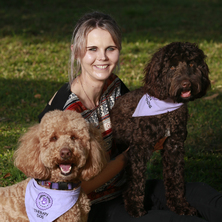
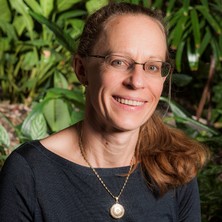
Jess has worked as a paediatric occupational therapist in private practice since graduating from her undergraduate degree. She gained additional training in animal-assisted therapy (canine and equine) in 2015 and became interested in the role animals could play in facilitating client motivation and engagement within therapy sessions. This interest led Jess to complete her PhD exploring the efficacy of canine-assisted occupational therapy with autistic children. Since completing her PhD Jess has continued her research into the impact of human-animal interaction to human and animal health and wellbeing resulting in a number of publications. In line with this research Jess is also the Co-director of The University of Queensland Animal-Assisted intervention Alliance, and the Community Engagement Manager for Animal Therapies Ltd. Jess is also qualified as a personal trainer and has clinical and research experience working to support people with disability engage in physical activity. Jess is a current researcher and coach within the UQ ParaSTART Program.
Affiliate of Clem Jones Centre for Ageing and Dementia Research
Clem Jones Centre for Ageing Dementia Research
Faculty of Health, Medicine and Behavioural Sciences
Professorial Research Fellow and Group Leader
Queensland Brain Institute
Faculty of Health, Medicine and Behavioural Sciences
Availability:
Available for supervision
Media expert
Queensland Brain Institute
Dr Massimo A. Hilliard received his PhD in Biological Chemistry and Molecular Biology in 2001 from the University of Naples, Italy. His experimental work, performed at the Institute of Genetics and Biophysics of the CNR (Italian National Council of Research), was aimed at understanding the neuronal and genetic basis of aversive taste behavior (bitter taste) in C. elegans.
During his first postdoc at the University of California, San Diego, using the Ca2+ indicator Cameleon he published the first direct visualisation of chemosensory activity in C. elegans neurons. In his second postdoctoral work at the University of California, San Francisco and at The Rockefeller University, he switched from neuronal function to neuronal development, focusing in particular on how neurons establish and orient their polarity with respect to extracellular cues.
From September 2007, he is at the Queensland Brain Institute where he established an independent laboratory.
Faculty of Health, Medicine and Behavioural Sciences
Availability:
Available for supervision
Media expert
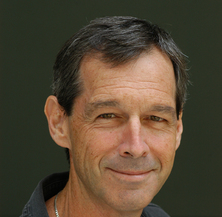
Paul W. Hodges DSc MedDr PhD BPhty(Hons) FAA FACP APAM(Hon) is an National Health and Medical Research Council (NHMRC) Leadership Fellow (Level 3), Professor and Director of the Centre for Innovation in Pain and Health Research (CIPHeR) at The University of Queensland (UQ). He is lead chief investigator on an NHMRC Synergy Grant that includes colleagues from the Universities of Queensland, Adelaide and South Australia, and the South Australian Health and Medical Research Institute. Paul is a Fellow of the Australian Academy of Science, which is a Fellowship of the nation’s most distinguished scientists, elected by their peers for outstanding research that has pushed back the frontiers of knowledge. He is also a Fellow of the Australian College of Physiotherapists, the Australian Academy of Health and Medical Science, and was made an Honoured member of the Australian Physiotherapy Association, their highest honour.
Paul is a recognised world leader in movement control, pain and rehabilitation. His unique comprehensive research approach from molecular biology to brain physiology and human function has led to discoveries that have transformed understanding of why people move differently in pain. His innovative research has also led to discoveries of changes in neuromuscular function across a diverse range of conditions from incontinence to breathing disorders. These observations have been translated into effective treatments that have been tested and implemented internationally.
Paul has received numerous national and international research awards that span basic and clinical science. These include the premier international award for spine research (ISSLS Prize) on five occasions; three times in Basic Science (2006, 2011, 2019) and twice in Clinical Science (2018, 2021). International awards in basic science include the SusanneKlein-Vogelbach Award (2010) and the Delsys Prize for Innovation in Electromyography (2009). National medical research awards include the NHMRC Achievement Award (2011). He has also received national community-based leadership awards including the Young Australian of the Year Award in Science and Technology (1997), Future Summit Australian Leadership Award (2010), and Emerging Leader Award (Next 100 Awards, 2009).
Paul is the Chair of the Terminology Task Force for the International Association for the Study of Pain, Chair of the Consensus for Experimental Design in Electromypgraphy for the International Society for Electrophysiology and Kinesiology and has been the Chair/Co-Chair for several major international conferences. He has led major international consortia to bring together leaders from multiple disciplines to understand pain.
Faculty of Health, Medicine and Behavioural Sciences
Availability:
Not available for supervision
Media expert
I am an academic and consultant working in global health with a focus on health technology assessment (HTA), health systems and services research, and the use of medicines in populations. I have a particular interest in the use of data and research for evidence-informed decision making and implementation science in the context of low and middle income countries, especially in sub-Saharan Africa. I have worked on international health projects in Indonesia and am currently working on several projects in HTA and medicines use in Ghana and sub-Saharan Africa. I work with an extensive network of clinicians and health professionals to investigate the use of medicines and adverse effects in general practice, cancer, psychiatry, neurology, and internal medicine. I have honorary or visiting appointments at the University of Queensland (UQ, Brisbane, Australia), Imperial College London (UK, International Decision Support Initiative) and Kwame Nkrumah University of Science and Technology (KNUST, Kumasi, Ghana). I have a BSc(Hons) and MPH from UQ and a PhD from Monash University. I have lived or worked in Australia (Brisbane, Melbourne), Canada (Toronto), Indonesia (Yogyakarta), UK (London), and Ghana (Accra, Kumasi). I worked as a consultant in HTA in Australia for many years evaluating submissions to subsidise medicines on the Pharmaceutical Benefits Scheme (PBS). I am an experienced teacher having coordinated courses, lectured, and tutored in undergraduate and postgraduate programs. I was a Foundation Coordinator in the UQ Master of Pharmaceutical Industry Practice (from 2019). I am an advisor on diverse PhD and student research projects.
Faculty of Health, Medicine and Behavioural Sciences
Availability:
Available for supervision
Media expert
Melanie Hoyle is a Lecturer in Occupational Therapy at The University of Queensland. She completed her PhD is 2022 and Masters in Occupational Therapy Studies in 2004. These degrees were on the back of previously completed studies in science, psychology, health management and health promotion. Melanie has practiced in a broad range of clinical areas, with diverse population groups. She is passionate about partnering with people to support participation in occupations and improve life satisfaction regardless of health condition. Presently her research interests are concentrated on factors that impact on people’s participation in the community and her PhD focused on exploring these influences with people who have experience stroke. She also has research interests in the impact of the NDIS on consumer and clincians experiences in service provision, assistive technology and home-modifications and their influence on participation outcomes, and facilitating leisure opportunities for people with disabilities.
Faculty of Health, Medicine and Behavioural Sciences
Availability:
Not available for supervision
Media expert
Professor Ruth E. Hubbard is the leading frailty expert in Australia, with dual research and clinical leadership roles.
As Masonic Chair of Geriatric Medicine, supported by Aegium Foundation, she created the Australian Frailty Network, a national partnership of researchers, clinicians, professional associations and consumers, with the vision of delivering a national response to frailty that enables frailty-informed care for all older Australians.
As the Director of General and Geriatric Medicine & Consultant Geriatrician at the Princess Alexandra Hospital in Brisbane, Queensland, she has led the establishment of frailty-focused models of care including a peri-operative geriatric medicine service, geriatrician-led care in the Emergency Department and specialised dementia care wards for people with challenging behaviours.
Prof Hubbard has generated $43mill funding, more than 200 publications, 100 conference appearances, eight book chapters and Consensus Statements supporting national and international policy.
She qualified from St. Mary’s Hospital, London and trained in Cardiff, Wales, completing an MSc in Medical Education and an MD on frailty pathophysiology before undertaking a post-doctoral fellowship in Dalhousie University, Nova Scotia.
Faculty of Health, Medicine and Behavioural Sciences
Availability:
Available for supervision
Dr Brett Hughes graduated from the University of NSW with a Bachelor of Medical Science and Bachelor of Medicine and Surgery in 1997. He completed his postgraduate training in Canberra and Brisbane and was admitted as a Fellow of the Australian College of Physicians as a Specialist Medical Oncologist in 2005.
Dr Hughes is currently a Senior Staff Specialist Medical Oncologist at the RBWH and TPCH. He is also an Associate Professor at the University of Queensland since 2015. As the previous Clinical Director of Oncology (201-2017) and current Cancer Care Services Research lead at TPCH, Dr Hughes has established both an independent TPCH Oncology unit and continuing TPCH’s reputation as a lung cancer research centre of excellence.
Dr Hughes is an active senior member of the Thoracic Oncology Group Australasia (TOGA) and the Trans Tasman Radiation Oncology Group (TROG). He is also heavily involved in many pivotal multicentre trials of cancer therapy at both TPCH and RBWH with his principal research interests in Lung cancer, Head & Neck cancer, Mesothelioma, cutaneous SCC and Thyroid cancer. He has published over 100 peer review papers. Dr Hughes is also involved in undergraduate and post graduate teaching in his fields of research interest.
Faculty of Health, Medicine and Behavioural Sciences
Availability:
Available for supervision
The research interests of the Hume Laboratory centre on the biology of macrophages and osteoclasts. These are cells of haematopoietic origin that are closely related to each other but have distinctly different activities.
David Hume was a group leader at the Institute for Molecular Bioscience (1988-2007) and subsequently Director of the Roslin Institute at the University of Edinburgh in Scotland from 2007-2017. He is currently a Professorial Research Fellow at the Mater Research Institute-UQ, located at the Translational Research Institute
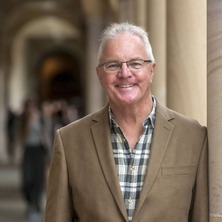
Associate Professor Richard Hutch is an Honorary Associate Professor and Reader in Religion and Psychological Studies in the School of Historical and Philosopical Inquiry. His research interests include psychology of religion, sport and spirituality, self-narrations and life-writing, and death and dying.
His current research projects include:
The American Civil Rights Movement: A Personal Narrative
Sport, Spirituality and Productive Ageing
History and Phenomenology of Religion
TO NOTE: Richard Hutch presented the keynote address at a symposium on the American Civil Rights Movement held at Gettysburg College, Gettysburg, Pennsylvania, in the United States on the 150th anniversary of the end of the Civil War, 9 April 1865. It was also the 50th anniversary of the "Summer Community Organization and Political Education" project (SCOPE), which was sponsored by the Southern Christian Leadership Conference (SCLC), founded and led by Martin Luther King, Jr. Richard volunteered for the SCOPE project in rural counties in Alabama and Louisiana in the summer of 1965. The project spearheaded a massive voter registration drive throughout the South after "Bloody Sunday," the violent racial conflict that occurred at the beginning of the Selma to Montgomery march on March 7th that year. Through the efforts of SCOPE volunteers and others, who often faced life-threatening incidents of racial violence (as Richard himself did), the Voting Rights Act of 1965 was finally passed by the American Congress and signed by the President in August. The keynote address at Gettysburg College presented Richard's experiences in the South during his harrowing time there. He was honoured by his alma mater on the occasion with the establishment of an archive in his name in the Musselman Library at Gettysburg College, including the journal he kept during his summer in the South and other unique materials from the Civil Rights Movement. It can be noted at the town of Gettysburg was the site where the Civil War "Battle of Gettysburg" took place in July, 1863. Northern Union troops pushed the Southern Confederate troops from their so-called "high-water mark" back south across the Mason-Dixon Line (which separated "slave" states from "free" states, and was drawn on maps just beyond the southern border of the state of Pennsylvania near Gettysburg). The battle represented the beginning of the end of the Civil War, with the final defeat of the Confederacy by Abraham Lincoln's Union Army two years later on 9 April, 1865 at 3:15 in the afternoon, when church bells rang out throughout the North.
Associate Professor Hutch was the Director of Studies for the Faculty of Arts (2001-05) and Head of the School of History, Philosophy, Religion and Classics (2005-08) at the University of Queensland. Before taking up his appointment at UQ in 1978, he was Assistant Professor of Religious Studies at Southern Illinois University in the United States (1974-78). He graduated from Gettysburg College (BA, 1967), Yale University (BD, 1970) and the University of Chicago (MA, 1971; PhD, 1974).
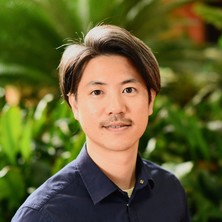
Dr Daniel Liang-Dar Hwang is a genetic epidemiologist and statistical geneticist by training. His research interests include sensory nutrition, causal modelling, and personalized nutrition. Dr Hwang applies statistical models to big data to understand genetic and environmental factors contributing to individual differences in taste and olfactory perception and their relationship with dietary behaviour and chronic conditions (See his research in The Conversation and InSight+). He develops methods for increasing statistical power for gene discovery, estimating intergenerational causal relationships, and personalized intervention. He also works with clinicians to investigate impaired chemosensory perception in cancer patients and COVID-19.
Daniel has a B.Sc from the National Taiwan University, majoring in Biochemical Science and Technology, and an M.Biotech from the University of Pennsylvania. Following graduation, he worked as a research technician in Danielle Reed's lab at the Monell Chemical Senses Center, where he first developed a keen interest in genetics and chemosensory perception. Later, he was awarded scholarships to complete an M.Sc in Nutrition at the University of Washington, under the supervision of Glen Duncan, and a PhD in Genetic Epidemiology at the QIMR Berghofer Medical Research Institute, under the supervision of Nicholas Martin and Margaret Wright. He then joined David Evans's group as a postdoc at the University of Queensland Diamantina Institute (now the Frazer Institute). Dr Hwang is an ARC DECRA Fellow at the Institute for Molecular Bioscience. He is also an Affiliated Scientist at the Monell Chemical Senses Center.
Dr Hwang has published more than 60 peer-reviewed publications. His work has been cited in international health policy guidelines and a WHO report on the intervention for childhood obesity, as well as in a global patent for personalized wine selection. He is on the editorial boards of BMC Medicine and Twin Research and Human Genetics. Dr Hwang is a Leadership Team member of the Global Consortium for Chemosensory Research, a global initiative to understand the relationship between smell loss and COVID-19 and foster the advancement of chemosensory science. He currently leads an international collaborative project investigating the impact of COVID-19 vaccinations on long-COVID symptoms. Dr Hwang is a member of the National Committee for Nutrition of the Australian Academy of Science. He contributes to the implementation of the decadal plan for the science of nutrition in Australia.
Faculty of Health, Medicine and Behavioural Sciences
Affiliate of Australian Women's and Girls' Health Research Centre
Australian Women and Girls' Health Research Centre
Faculty of Health, Medicine and Behavioural Sciences
Affiliate of Centre for Research on Exercise, Physical Activity and Health
Centre for Research on Exercise, Physical Activity and Health
Faculty of Health, Medicine and Behavioural Sciences
NHMRC Emerging Leadership Fellow
School of Public Health
Faculty of Health, Medicine and Behavioural Sciences
Availability:
Available for supervision
Media expert
Gregore is a behavioural epidemiologist and Principal Investigator of the HABITAT Study, an ongoing cohort focused on urban environments, physical activity, inequalities, and healthy ageing. His research explores how physical activity and sedentary behaviour change over time, from early childhood to older age, particularly during major life transitions, and how these patterns relate to health outcomes and inequalities.
He has a strong interest in improving the measurement of physical activity in population surveys and in applying life-course perspectives to better understand behavioural trajectories and inform strategies to reduce health disparities. Gregore has published more than 160 peer-reviewed papers, secured $4 million in competitive research funding (including>$1 million as Chief Investigator), and actively contributes to national and international initiatives to strengthen physical activity surveillance and public health policy.
Gregore is a Teaching and Research academic at the School of Public Health, where he leads a multidisciplinary research group with PhD and Master’s students working on physical activity epidemiology and life course research projects. He is also an NHMRC Emerging Leadership Fellow (EL1; 2022–2026) and serves as Deputy Editor for the Journal of Physical Activity and Health.
Faculty of Health, Medicine and Behavioural Sciences
Affiliate of Dermatology Research Centre
Dermatology Research Centre
Faculty of Health, Medicine and Behavioural Sciences
NHMRC Leadership Fellow
Frazer Institute
Faculty of Health, Medicine and Behavioural Sciences
Availability:
Available for supervision
Media expert
Professor Janda is a NHMRC Leadership Fellow (2025-29), and after leading the Centre of Health Services Research between 2023 and 2026, she now serves UQ as the Deputy Director, Frazer Institute, and Professor in Behavioural Science at the Faculty of Health, Medicine & Behavioural Sciences. Professor Janda leads the NHMRC Centre for Reserch Excellence in Skin Imaging and Precision Diagnosis (2021-2026) and the NHMRC funded Synergy Roadmap Towards Melanoma Screening (2022-2027). She trained as a health and clinical psychologist, and now is a behavioural scientist with a research background in cancer prevention and quality of life research. Prof Janda has strong clinical collaborations, and a passion for consumer-centered digital interventions that make self-management of health-related issues easier for people. Her work focuses on applied health and clinical research problems, making a difference to cancer prevention, early detection and treatment outcomes.
Previousely, until 2017, she led the Health Determinants and Health Systems Theme at The Institute of Health and Biomedical Innovation (IHBI), Queensland University of Technology (QUT). Before her NHMRC Leadership Fellowship, her research was funded through an NHMRC Translating Research into Precatice Fewllowhip (2018-2020), NHMRC Career Development Fellowship Level II (2013-2017), NHMRC Career Development Fellowship I (2009-12) and NHMRC Early Career Fellowship (2004-8). She was a research fellow for the Melanoma Screening trial with the Cancer Council Queensland before joining QUT in 2006.
Director Higher Degree Research of School of Nursing, Midwifery and Social Work
School of Nursing, Midwifery and Social Work
Faculty of Health, Medicine and Behavioural Sciences
Senior Lecturer
School of Nursing, Midwifery and Social Work
Faculty of Health, Medicine and Behavioural Sciences
Availability:
Available for supervision
Dr Jacqueline Jauncey-Cooke is the Director of Higher Degree Research in the School of Nursing, Midwifery and Social Work. With a background in paediatric intensive care nursing Jacqui has established a multidisciplinary research program inclusive of clinical trials aimed at optimising chjild and family outcomes. She also has a series of research exploring workforce strategies within the paediatric setting which are producing measurable improvements. Jacqui holds an Associate Editor position in a paedatric focused Q1 journal, contributes to ANMAC accreditation panels and is an active member of the Australian College of Critical Care Nurses. Jacqui contributes to teaching within the School with a focus on evidence based practice, mental health and working with Aboriginal and Torres Strait Islander People. Jacqui is an agent for the UQ RAP Network and a proud member of the Ally network.
Australian Institute for Bioengineering and Nanotechnology
Availability:
Available for supervision
Media expert
Amal specialises in investigating the therapeutic aspects of focused ultrasound assisted gene therapy for neurodegenerative diseases. He completed his PhD (2016-2020) at CAI/AIBN (UQ) under Prof. Kristofer Thurecht, studying the effect of different ligand densities on the distribution of nanocarriers in vitro and in vivo. He joined Prof. Terry Rabbitts’s lab at the Institute of Cancer Research London as a Postdoctoral Fellow (2020-2022), working on an intracellular antibody-assisted small molecule discovery project funded by Blood Cancer UK and by the Kay Kendall Leukemia Fund. His current research focuses on the therapeutic aspects of focused ultrasound-mediated gene therapy for neurodegenerative diseases funded by the FightMND Foundation, in collaboration with Professor Kris Thurecht, Dr. Kara Vine-Perrow, Prof. Justin Yerbury, and Prof. Anthony White at the University of Queensland and the University of Wollongong.
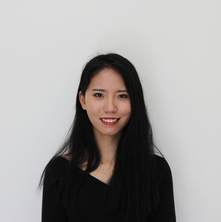
Clara Jiang is a postdoctoral research fellow at the Institute for Molecular Bioscience, the University of Queensland. Clara’s research focuses on using genomic and transcriptomic analysis to investigate the genetic basis of cardiovascular and psychiatric disorders, with a particular focus on female health, as well as using statistical genomic approaches to explore possible opportunities for drug repurposing. Clara graduated from the University of Queensland with Bachelor of Advanced Science (First Class Honours) in 2017, and was awarded the University Medal. Clara was awarded her PhD at the University of Queensland in 2021, where she utilised bioinformatic approaches and molecular experiments to decipher the genetic aetiology of breast cancer, specifically the regulatory role of transposons or ‘jumping genes’ in modulating the transcriptional landscape in the cancer state. Clara is also a UQ Wellness ambassador and an advocate for promoting equity, diversity and inclusion in academia.
Department of Kidney and Transplant Services, Division of Medicine, Building 31, Princess Alexandra Hospital
david.johnson2@health.qld.gov.au
David Johnson is full-time Director of the Metro South Kidney and Transplant Service (MSKATS) and Medical Director of the Queensland Kidney Transplant Service (QKTS) at Princess Alexandra Hospital, Professor of Medicine and Professor of Population Health at University of Queensland, and Director of the Centre for Kidney Disease Research in Brisbane, Australia. He has a number of international leadership responsibilities, including Co-Chair of the International Society of Nephrology Global Kidney Health Atlas (ISN GKHA), Co-Chair of the International Society for Peritoneal Dialysis (ISPD) Guidelines on Peritonitis Prevention and Treatment, Co-Chair of the Global PDOPPS Steering Committee, Chair of SONG-PD, Chair of the Australasian Kidney Trials Network (AKTN), Immediate Past President of the Australian and New Zealand Society of Nephrology (ANZSN), Past President of the ISPD (2018-2020), Past Councillor of the ISN (2013-2019), and member of the ISN-ACT, ISN Research and ISN Monitor groups. He is currently a chair or member of 11 national and 11 international guideline groups and is ranked by Expertscape as the “top-rated expert in dialysis in the world during the years 2013-2023.” He has influenced policy and practice through his leadership as Deputy Chair of the Australian Better Evidence And Translation in Chronic Kidney Disease (BEAT-CKD) program, Chair of the Primary Healthcare Education Advisory Committee to Kidney Health Australia (PEAK), Co-Chair of the Australasian Creatinine and eGFR Consensus Working Party, Co-Chair of the Australasian Proteinuria Consensus Working Party, Member and Past-Chair of the ANZDATA Registry Peritoneal Dialysis Working Group, and Past-Chair of the Queensland Statewide Renal Clinical Network.
Having published over 1300 original manuscripts in peer-reviewed journals and presented over 570 abstracts at national and international scientific meetings, he brings critical expertise in designing and conducting multi-centre, multi-national randomised controlled trials (RCTs), developing national and international registries, using innovative research methodologies (such as registry-based RCTs) and implementing trial findings into practice. He has held lead roles in high-impact, large, multi-centre RCTs that have informed global clinical practice, including CKD-FIX, IDEAL, balANZ, HONEYPOT, TESTING, HERO, BEST-FLUIDS and IMPENDIA. He is currently principal investigator of the TEACH-PD and INCH-HD trials, and chair of the PHOSPHATE and INCH-HD and co-chair of the STEP-PD Trial Global Steering Committees. He helped establish the Australian Peritonitis Registry and led the highly successful National PD Peritonitis Quality Improvement Project, which reduced national peritonitis rates by two-thirds. He also led the universal implementation of automated laboratory reporting of eGFR in ANZ which increased national detection rates by 40%. Globally, he has co-led the ISN-GKHA project which for 10 years has enabled data-driven advocacy, informed WHO and UN policy, driven policy change in many countries and fundamentally changed how kidney care is measured, discussed and planned worldwide.
He has won numerous awards for both his basic science and clinical research science studies, including the ANZSN TJ Neale Award for “outstanding contributions to nephrologic science” (2005), the US National Kidney Foundation International Distinguished Medal (2014), the Canadian Society of Nephrology Dimitrios Oreopoulos Award (2017), the Asia-Pacific Society of Nephrology Priscilla Kincaid-Smith Award (2021) and the International Society for Peritoneal Dialysis Oreopoulos Award (2026). He was a Queensland finalist in the Australian of the Year Awards in 2009 and was awarded a Public Service Medal by the Governor-General of Australia in 2011 for outstanding public service, particularly research into the early detection and management of kidney disease.