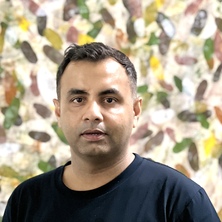
I am a medicinal chemist, and my research focuses on developing chemical modification strategies to enhance the drug-like properties of bioactive peptides, modulating protein-protein interactions, and designing chemical tools to explore biological mechanisms.
Faculty of Health, Medicine and Behavioural Sciences
Affiliate of Dermatology Research Centre
Dermatology Research Centre
Faculty of Health, Medicine and Behavioural Sciences
Availability:
Available for supervision
Media expert
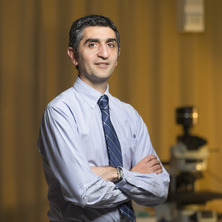
Professor Khosrotehrani is a clinical scientist, dircetor of the Frazer institute, the university of Queensalnd, sharing his passion for academic medicine and translation of science discorveries into real world solutions for patients. Prof Khosrotehrani is a dermatologist, interested in skin biology, regenerative medicine and skin cancer. He leads the Experimental Dermatology Group at the University of Queensland Frazer Institute within the Translational Research Institute in Brisbane, Australia. Dr Khosrotehrani obtained his MD from the Cochin-Port Royal School of Medicine at René Descartes University, Paris, France, where he specialized in Dermatology. He is a former graduate of the Ecole Normale Supérieure and the Institut Pasteur of Paris (Université Paris VI, Pierre et Marie Curie) where he obtained a PhD in Physiology and Physiopathology. He is a fellow of the Australian College of Dermatologists and a practising dermatologist at the Princess Alexandra Hospital, Prince Charles Hospital and the Skin and Cancer Foundation’s Queensland Institute of Dermatology.
As the inaugural St Baker-Soyer chair of Dermatology at the University of Queensland, Professor Khosrotehrani is a national leader in the discipline of Dermatology. He is a board director at the Australasian College of Dermatologists and the Queensland Skin and Cancer Foundation and the director of the Dermatology Department at the Princess Alexandra Hospital. He has held multiple leadership roles as past-President of the Australasian Society for Dermatology Research, Editor in chief of the Australasian Journal of Dermatology and board member of the International Society of investigative Dermatology.
During his post-doctoral training at Tufts-New England Medical Center, Boston, USA, Dr. Khosrotehrani helped establish the contribution of fetal stem cells to tissue repair by demonstrating their multipotent capacity with a specific potency towards the endothelial lineage. The originality of this work was acknowledged by the NHMRC through an achievement award (2011) and an NHMRC excellence award (2016). The main focus of his laboratory is on regenerative medicine and stem cell biology in particular in injury response in skin wounds and skin cancer and how these responses contribute to cancer initiation and progression. Translating his laboratory findings, Dr Khosrotehrani is leading innovative clinical trials in wound healing, keratinocyte cancers and melanoma.
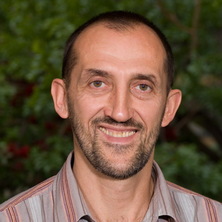
Alexander Khromykh has PhD degree in Molecular Virology. He worked as Postdoctoral Fellow at the University of Ottawa in Canada. He then joined Sir Albert Sakzewski Virus Research Centre in Brisbane and became a laboratory Head in 2001. He moved his laboratory to St Luica campus in 2005 to take an appointment with the School of Chemistry and Molecular Biosciences (SCMB). He was the founding Director of the SCMB’s Centre for Infectious Disease Research and is currently the Deputy Director of the Australian Infectious Diseases Research Centre. He is also the Director of Centre of Excellence and a member of COVID-19 and Zika virus Task Forces in the Global Virus Network.
Senior Lecturer and Principal Speciality Supervisor (General Practice)
General Practice Clinical Unit
Faculty of Health, Medicine and Behavioural Sciences
Availability:
Available for supervision
Media expert
As an academic GP I have a broad range of teaching and research interests, but the unifying thread is expertise in understanding and applying evidence to clinical practice. I taught Evidence-based practice for over 2 decades, and being part of numerous styles of systematic reviews has refined my critical appraisal skills. Therefore I bring methodological skills to a research team, and then the ability to understand the impact of findings and communicate them to various audiences. I enjoy the role of science communication, primarily via articles in The Conversation and dozens of interviews on mainstream and alternative media.
Affiliate of Centre of Research Excellence on Achieving the Tobacco Endgame
Centre of Research Excellence on Achieving the Tobacco Endgame
Faculty of Health, Medicine and Behavioural Sciences
Professor of Psychiatry
PA Southside Clinical Unit
Faculty of Health, Medicine and Behavioural Sciences
Availability:
Available for supervision
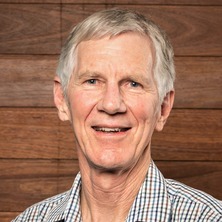
Professor Kisely is a psychiatrist and public health physician with health services research experience in the UK, Australia & Canada. After graduating from the University of Bristol, he worked in New Zealand in various medical and surgical specialties, before starting psychiatric training in Auckland. He finished his psychiatric training in Western Australia & Manchester, including a Masters degree by research on atypical chest pain. While working as a lecturer in psychiatry he completed a research Doctorate on the effect of physical disorder on psychiatric outcome in primary care. Professor Kisely worked at the Universities of Western Australia and Dalhousie University in Canada before returning to Australia in 2007.
Associate Professor
Srinivas Kondalsamy Chennakesavan
Director of Research
Medical School (Rural Clinical School)
Faculty of Health, Medicine and Behavioural Sciences
Availability:
Available for supervision
Media expert
Associate Professor Srinivas Kondalsamy Chennakesavan is Head of Research at The University of Queensland Rural Clinical School and an internationally recognised researcher in rural health, Indigenous health, public health, epidemiology and health services research. With a background in medicine and public health, his research focuses on improving health outcomes for rural, remote and underserved populations through innovative, community-centred and translational research.
His work addresses major health challenges affecting rural and remote communities, particularly Aboriginal and Torres Strait Islander peoples, with a focus on chronic disease prevention and management, health service innovation, population health surveillance, digital health, workforce development, healthy ageing and implementation science. He is widely recognised for developing practical models of care that translate research evidence into measurable improvements in health outcomes, service delivery and policy.
Associate Professor Chennakesavan has secured more than A$11.3 million in National Health and Medical Research Council (NHMRC) and Medical Research Future Fund (MRFF) funding, and over A$12 million in total competitive research income from national and international funding agencies. He has served as Chief Investigator, Associate Investigator and collaborator on major research programs spanning chronic disease prevention, Indigenous health, cardiovascular disease, digital health, healthy ageing, frailty and rural health service redesign. His research has directly informed policy, clinical practice and health service planning across Australia.
A defining feature of his work is the development and evaluation of community-based screening, surveillance and chronic disease management programs for Indigenous and other underserved populations living in rural and remote settings. These models have improved the early detection and management of chronic disease while strengthening local healthcare capacity. Through international collaborations, elements of this work have been adapted and implemented in resource-constrained settings in South Africa and India.
His interdisciplinary approach combines clinical medicine, epidemiology, biostatistics, health informatics and digital technologies to address complex healthcare challenges. He has expertise in designing technology-enabled models of care that improve access to prevention, diagnosis, treatment and long-term disease management for geographically dispersed populations.
Associate Professor Chennakesavan's research has achieved significant international impact. His publications have been cited extensively by leading organisations including the World Health Organization (WHO), the Organisation for Economic Co-operation and Development (OECD), and National Institute for Health and Care Excellence (NICE) guidelines, reflecting the global relevance of his work in primary healthcare, chronic disease management, rural health and health system strengthening.
He is committed to collaborative and community-engaged research and works closely with health services, Aboriginal Community Controlled Health Organisations, governments, clinicians, consumers and academic partners. His work has contributed to the development of sustainable, culturally safe and evidence-based models of care that advance health equity and improve healthcare access.
Associate Professor Chennakesavan is a globally recognised rural health researcher and thought leader whose work has influenced research, policy, and healthcare delivery both nationally and internationally. As a Council Member of the World Organization of Family Doctors (WONCA) Rural Health Working Party, he contributes to shaping the global rural health agenda, advancing strategies to strengthen healthcare access, workforce capacity, and research impact across underserved populations. He also serves as Chair of the Queensland Rural Health Innovation and Research Collaborative (QRHIRC), leading one of Australia's largest rural health research networks and bringing together universities, health services, policymakers, and communities to drive innovation, build research capacity, and translate evidence into meaningful improvements in rural and remote healthcare outcomes.
An experienced mentor and supervisor, Associate Professor Chennakesavan has supported the development of numerous higher degree research candidates, medical students, clinicians and early-career researchers. He regularly serves on NHMRC, MRFF and international peer-review panels, contributing to the assessment of major competitive funding schemes and helping shape future directions in health and medical research.
Affiliate of Australian Institute for Bioengineering and Nanotechnology
Australian Institute for Bioengineering and Nanotechnology
NHMRC Emerging Leadership Fellow
Frazer Institute
Faculty of Health, Medicine and Behavioural Sciences
Availability:
Available for supervision
Media expert
Dr Kevin M. Koo is currently a National Health and Medical Research Council (NHMRC) Investigator Fellow and Prostate Cancer Foundation of Australia (PCFA) Future Leader Fellow at The University of Queensland (UQ). Dr Koo was awarded his PhD (Dean’s Award for Outstanding Thesis & Springer Thesis Prize) from the Australian Institute for Bioengineering & Nanotechnology (AIBN), UQ in 2018.
Post-PhD, he begun a productive postdoctoral career with dual industry/academia appointments: as the Head of Assay Development/Lab Director in XING Technologies Pty Ltd (a Brisbane-based biotech start-up) to undertake product development projects for commercialization of disease in vitro diagnostics, and as an Honorary Fellow/Principal Research Scientist at UQ Centre for Clinical Research (UQCCR) to continue his academic research in precision cancer nanodiagnostics. His research skills and experiences are honed through dedicated career time spent in both academic research and regulated industry environments.
Dr Koo's research encompasses multi-disciplinary fields of molecular biomarker and nanobiosensor development, translation, and commercialization for precision disease management applications. Presently, he is working on the design and development of integrated multi-bioanalyte sensing technologies to resolve the various challenges around holistic disease pathway understanding and clinical biomarker profiling.
Dr Koo's research endeavours have been recognized by a Metrohm Australia-New Zealand Young Chemist Award (2018), Australian Institute of Policy & Science (AIPS) Queensland Young Tall Poppy Science Award (2023) and UQ Faculty of Medicine "Rising Star of the Year" Excellence Award (2024).
Teaching
UQ School of Chemistry and Molecular Biosciences (SCMB)
Faculty of Health, Medicine and Behavioural Sciences
Availability:
Available for supervision
Media expert
I am a developmental neuroscientist and bioinformatician interested in the molecular evolution of the mammalian brain. I completed a PhD on the molecular development of vasculature in the primate retina at the Australian National University, followed by a postdoctoral position at the Institut de la Vision in France that was supported by a NHMRC CJ Martin fellowship, where I investigated the role of guidance factors in the formation of commissural neurons within the mammalian hindbrain. My current research focuses on the development and evolution of the mammalian forebrain, in particular understanding the regulatory mechanisms and molecular evolutionary processes that control specification of cortical neuron subtypes.
Principal Research Fellow and Brazil Family Chair in Spatial Medicine'
Frazer Institute
Faculty of Health, Medicine and Behavioural Sciences
Availability:
Available for supervision
Media expert
Associate Professor Arutha Kulasinghe leads the Clinical-oMx Lab at the Frazer Institute, University of Queensland, is the inaugural Founding Scientific Director of the Queensland Spatial Biology Centre (QSBC) at the Wesley Research Institute, and holds the Inaugural Brazil Family Chair in Spatial Medicine. A/Prof Kulasinghe has pioneered spatial transcriptomics, proteomics, and interactomics in the Asia-Pacific region, contributing to world-first studies in lung cancer, head and neck cancer, and tissue atlasing studies of infectious diseases across pandemics. His research aims to understand the underlying pathobiology by using an integrative multi-omics approach. A/Prof Kulasinghe has authored over 120 peer-reviewed publications, including in The Lancet Microbe, Journal of Clinical Oncology and Nature Genetics. He is the recipient of the Cure Cancer "Researcher of the Year (2023)," named in the "Top Innovators Award (2024)" by the Australian, Research Australia UNSW Frontiers Award (2026), and InDaily Queensland "40 under 40" (2026) by Solstice Media. He has also been recognised on The Courier-Mail's Queensland Power Lists for Technology and Medicine, named among the scientists and CEOs shaping Queensland's technology future, and among the state's most influential figures in health. A/Prof Kulasinghe is supported by the MRFF, NHMRC, US DoD, Cancer Australia, Cure Cancer, pharma, and numerous hospital and philanthropic organisations.
Senior Research Fellow of Institute for Molecular Bioscience
Institute for Molecular Bioscience
Affiliate of Dermatology Research Centre
Dermatology Research Centre
Faculty of Health, Medicine and Behavioural Sciences
Senior Research Fellow
Frazer Institute
Faculty of Health, Medicine and Behavioural Sciences
Availability:
Available for supervision
Media expert
Dr Snehlata Kumari is a group leader and the head of the Skin Inflammation and Immunity Laboratory at the Frazer Institute, University of Queensland, in Brisbane, Australia. Her international career and academic training spanned Germany, India, and Australia. She is a board member of the Australasian Society for Dermatology Research (ASDR) and a councillor on the International Psoriasis Council.
She has discovered novel signalling mechanisms that regulate the balance between homeostasis and inflammation in the skin. These findings highlight new mechanisms by which inflammatory diseases are initiated and propagated via NF-κB, TNF, IL-20 family cytokines, and necroptotic and apoptotic signalling pathways. Her research work has been published in top-tier journals, including Nature (3x), Nature Communications, Cell Metabolism, and Immunity.
Her scientific contributions have received international recognitions and honours, including the German National Academy of Sciences, the German Research Foundation (DFG), the European Society for Dermatological Research, the Japanese Society for Investigative Dermatology, and the Young Women Investigators Award from the International Cytokine and Interferon Society.
Overall aims and research focus
- Immunomodulatory mechanisms regulating inflammation and immunity.
- Cellular and cell-soluble factor interactions in inflammatory diseases, including Psoriasis, Hidradenitis Suppurative, and Atopic Dermatitis.
Australian Institute for Bioengineering and Nanotechnology
Availability:
Available for supervision
Media expert
Dr Nyoman Kurniawan is a Senior Research Fellow in the Centre for Advanced Imaging and the Facility Manager for Preclincal 16.4T Microimaging 9.4T MRI scanners.
Dr Kurniawan’s research areas are:
Diffusion magnetic resonance imaging of mouse neuroanatomy, with view to study neurological disease model, including:
developmental abnormalities
spinal cord diseases
Development of 3D mouse brain, human spinal cord and cephalopod brain atlases using high resolution structural and diffusion MRI
Faculty of Health, Medicine and Behavioural Sciences
Availability:
Available for supervision
I am a postdoctoral researcher within Associate Professor Nathalie Dehorter's group at the Queensland Brain Institute. I was awarded a PhD in Neuroscience from Monash University in 2024 where my PhD centred on using genetic and electrophysiological methods to manipulate and record from circuits within the visual system and leveraging these techniques for translational applications.
Within Associate Professor Dehorter's group I have extended my technical expertise to further explore how neuromodulation and electrophysiology within the brain is altered in neurodevelopmental and neurodegenerative disorders.
Affiliate Research Fellow of School of Chemistry and Molecular Biosciences
School of Chemistry and Molecular Biosciences
Faculty of Science
Affiliate of Centre for Cardiovascular Health and Research
Centre for Cardiovascular Health and Research
Faculty of Health, Medicine and Behavioural Sciences
Availability:
Available for supervision
Media expert
Dr Larisa Labzin is an ARC Future Fellow and leads the viruses and innate immunity lab at the Institute for Molecular Bioscience. Her lab studies how our innate immune system detects viral infections and deciphers diverse signals to mount an appropriate immune response, with a focus on influenza and SARS-CoV-2. The Labzin group aims to identify new therapeutic targets to prevent and treat viral infections and diseases in humans and animals.
The lab has four key research areas: (1) how viral tropism and life cycle shape innate immune sensing and inflammation; (2) how pre-existing antibodies influence innate responses to viruses and vaccines; (3) how innate immune signalling differs across patient risk groups and species; and (4) how viral-triggered inflammation drives vascular dysfunction and thrombosis. As cell biologists, the Labzin Lab studies the primary cellular targets of these viruses (respiratory epithelial cells, macrophages, and endothelial cells) using imaging, molecular biology, gene editing, and immunological approaches.
Dr Labzin started her career in innate immunity with Honours at the Institute for Molecular Bioscience (IMB) at UQ with Prof. Matt Sweet before relocating to Germany to undertake her PhD with Prof. Eicke Latz, a world leader in innate immunity (2015, University of Bonn). She was subsequently awarded an EMBO Fellowship and NHMRC CJ Martin Fellowship to undertake postdoctoral training at the MRC-Laboratory of Molecular Biology in Cambridge, UK, from 2016 to 2019. She returned to Australia in 2019 as a CJ Martin Fellow to start her independent research team at the IMB under the mentorship of Prof. Kate Schroder. She was heavily involved in science communication during the COVID-19pandemic and was a 2022 QLD Tall Poppy recipient and winner of the 2022 Australian Society of Immunology Public Engagement Award.
Faculty of Health, Medicine and Behavioural Sciences
Availability:
Not available for supervision
Dr Melissa Lai is a Neonatologist at the Grantley Stable Neonatal Unit, Royal Brisbane and Women's Hospital, and serves as co-chair of the RBWH Neonatal Research Group. She is the site lead for a dynamic set of clinical trials and quality improvement projects, and helps to build research capacity and collaboration across institutions. Awarded in 2021, Dr Lai's PhD investigated the neurodevelopmental effects of infant massage in premature infants with a primary outcome measuring neonatal EEG power. Other clinical areas of interest include data management, clinician performed ultrasound and retrieval coordination. She is currently building an innovative body of work related to improving and supporting the provision of mother's own milk, and introducing new technologies into the neonatal intensive care environment.
Affiliate of Centre for Extracellular Vesicle Nanomedicine
Centre for Extracellular Vesicle Nanomedicine
Faculty of Health, Medicine and Behavioural Sciences
Conjoint Professorial Research Fellow and Staff Specialist Anatomical Pathology
Frazer Institute
Faculty of Health, Medicine and Behavioural Sciences
Availability:
Available for supervision
Media expert
Sunil Lakhani is Executive Director Research and Senior Staff Specialist, Pathology Queensland, and Head of the Molecular Breast Group at the University of Queensland Centre for Clinical Research (UQCCR) at the Royal Brisbane and Women’s Hospital.
Prior to his move to Australia in 2004, he was Professor of Breast Pathology at The Institute of Cancer Research and The Royal Marsden Hospital, London, UK
His current research interests include lobular carcinoma and its variants, normal and stem cells, tumours with a basal phenotype, familial breast cancer and biology and therapeutic development for brain and distant metastases.
He was series editor for the 4th Edition WHO Tumour Classification Books and volume editor for the 4th Ed WHO Classification of Tumours of the Breast (2012). He is currently Standing member of the Board for the 5th Ed WHO Tumour Classification Books. He is also on the editorial board of a number of pathology and experimental research journals.