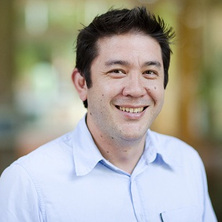
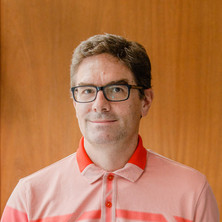
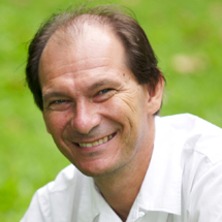
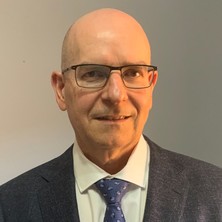
Professor Pitsis is a globally renowned expert in the strategic design and management of complex and high-risk projects. These projects range from Olympic infrastructure, deep tech quantum computing. Most recently, he is working on AI agent adoption and trust and its role in decision-making under extremely volatile conditions. He is an ideal person to speak on making the impossible possible, and the strategic and managerial constraints and opportunities of engaging and investing in high-risk, but high-reward, projects.
He is the recipient of several awards for his research. Most recently, he and his co-authors were Finalists for the 2025 Responsible Research in Management Award, co-sponsored by the Academy of Management Fellows Group and the Community for Responsible Research in Business and Management (RRBM) at The Academy of Management Annual Conference for their research on ColaLife, a temporary organisation that successfully eradicated childhood mortality due to diarrhoea in Zambia. Other awards have included the Emerald Science Citation of Excellence and the Paper of the Year Award (Human Relations).
He has published in several FT50 and other highly regarded academic and practitioner journals (including Academy of Management Learning and Education, Organization Science, Organization Studies, Long Range Planning, Journal of Management Studies, Human Relations, California Management Review, and Management Learning, amongst others). He is also a co-author of critically acclaimed and best-selling texts in management and innovation.
He has appeared on the radio (ABC) and television (BBC), in addition to podcasts in the UK and the USA. He has also provided strategic advice and leadership development for several major projects and organisations, including the Royal Air Force (Plan Astra), Royal Australian Air Force (Air Force Improvement Program), Reserve Bank of Australia, Reserve Bank of India, Commonwealth Bank of Australia, BorgWarner (Sevcon), TNT, KONNE, just to name a few.
School of Electrical Engineering and Computer Science
Faculty of Engineering, Architecture and Information Technology
Availability:
Available for supervision
Media expert
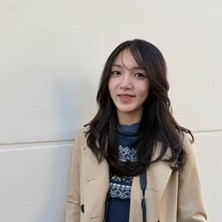
Dr Alina Bialkowski is a computer vision & machine learning researcher developing interpretable machine learning models to increase the performance and transparency of Artificial Intelligence (AI) decision-making. Her research interests include quantifying and extracting actionable knowledge from data to solve real-world problems and giving human understanding to AI models through feature visualisation and attribution methods. She has applied these techniques to various multi-disciplinary applications such as medical imaging (including imaging strokes in the brain using the new sensing modality of electromagnetic imaging), modelling human attention in driving, intelligent transport systems (ITS), intelligent surveillance, and sports analytics.
Dr Bialkowski holds a PhD and BEng (Electrical Engineering) from the Queensland University of Technology, Australia. Her doctoral studies were in characterising group behaviours from visual and spatio-temporal data to enhance statistics and visualisation in sports analytics as well as intelligent surveillance systems. She spent a year at Disney Research Pittsburgh where she developed techniques to automatically analyse team sports, followed by 2.5 years as a postdoctoral researcher at the University College London, developing deep neural networks to better understand human perception and attention in driving, before joining UQ in late 2017.
The impact of her research is evidenced by the high number of citations to her work (>1600 citations and an h-index of 20 according to Google Scholar) and awards including a best paper prize in 2017 at WACV (a top computer vision conference). In addition to high impact journals and conferences, her work has resulted in 6 international patents filed with Disney Research, Toyota Motor Europe, University College London, and The University of Queensland.
Affiliate of Centre for Digital Cultures & Societies
Centre for Digital Cultures & Societies
Faculty of Humanities, Arts and Social Sciences
Lecturer in Digital Media and Cultures
School of Communication and Arts
Faculty of Humanities, Arts and Social Sciences
Availability:
Available for supervision
I am a media studies scholar studying current smart technologies and consequent ontological conundrums we face as these machines become smarter than us at telling how things are within ourselves and around our worlds. My previous research on the Internet of Things (IoT) was about these hidden arrangements of things in our background that machines constantly remind us of as those we should always be a little paranoid of, and how this normalized paranoia leads us to accept the IoT as a new smarter technique of self-governance. My first book Internet-ontologies-Things: Smart Objects, Hidden Problems, and their Symmetries (2023) argues these popular narratives of smart lives as our strategic and speculative responses to such common feelings: "Something is there, so embedded in our bodies, homes, and neighbourhoods. We feel it but cannot grasp it!"
Digital ontology is the term that best describes the nature of my research but it's less relevant to a pure philosophical inquiry about how things are in the world. Ontology in my practical and critical concern is rather related to the new capitalist ideology (or realism) that runs media industries’ current speculative economy. So, my critical reading of the ontological turn in humanities and social sciences focuses on its strategic dimension. How does this turn draw our attention to the things that our too-human perception always fails to pay the right attention to? How does this in turn mobilize our constant speculation about things beyond our perceptions and control, not only as the inexhaustible source of our anxieties but also as the inexhaustible resource of cultural production?
My current research interests include Digital Ontology, New Materialism, Speculative (Capitalist) Realism, Quantum Physics as Cultural Imagination, Science and Technology Studies, Actor-Network Theory, French Philosophers (e.g. Foucault, Deleuze, and Badiou), Eco- and Geo-philosophy/criticism, new materialist film and videogame studies.
Affiliate Associate Professor of School of Chemistry and Molecular Biosciences
School of Chemistry and Molecular Biosciences
Faculty of Science
Principal Research Fellow
Australian Institute for Bioengineering and Nanotechnology
Availability:
Available for supervision
Present Position
I am an ARC Future Fellow at the Centre for Advanced Imaging and associated with the University of Oxford as a Senior Visiting Research Fellow.
Previous Positions
August 2007 to March 2013: Scientific Coordinator and Applications manager of the Centre of Advanced Electron Spin Resonance (CAESR) at the Oxford University, UK.
2002-July 2007: Project leader (“Ober-assistent”) in the Physical Chemistry Department at the Swiss Federal Institute of Technology (ETH), Zürich. I was a project leader in the electron paramagnetic resonance group of Prof. Arthur Schweiger.
1999-2002: Postdoctoral position at ETH, Zurich. In the group of Prof. Arthur Schweiger I used CW and pulse EPR as a tool to investigate the geometric and electronic properties of transition metal complexes.
1996-1999: Doctor of Philosophy from the Chemistry Department of the University of Newcastle, Australia, Advanced Coal Characterization by Nuclear Magnetic Resonance. The project was funded by the Collaborative Research Centre for Black Coal Utilization and I was supervised by the University of Newcastle (Prof. Marcel Maeder), BHP Research Melbourne (Dr. Brian Smith) and Callcott Coal Consulting (Dr. Tom Callcott).
1995: Researcher at BHP Central Research Laboratories, Newcastle, Australia. I developed experimental techniques to measure the conductivity and the permeability of coal as it pertains to coke ovens.
1992-1995: Researcher at Oakbridge Research Center, Newcastle, Australia. I worked on high temperature Nuclear Magnetic Resonance (NMR) for coal characterization (for my Bachelor of Science Honors thesis). This was a collaboration between the CSIRO Coal and Energy Division (North Ryde, Sydney), Oakbridge Research Centre and the University of Newcastle.
Keywords
structural biology · protein interactions · metalloenzymes · metal complexes · electron transfer · Iron sulphur clusters · pulse EPR · CW EPR · DEER · PELDOR ·HYSCORE · ENDOR · ESEEM · density functional theory · molecular dynamics
Australian Institute for Bioengineering and Nanotechnology
ARC Early-Career Industry Fellow
School of Chemical Engineering
Faculty of Engineering, Architecture and Information Technology
Availability:
Available for supervision
Biography: Dr. Peng Chen is currently a Senior Lecturer at the School of Chemical Engineering, and a Group Leader at the Australian Institute for Bioengineering and Nanotechnology (AIBN), The University of Queensland (UQ). Dr. Chen's research focuses on the development of low-cost, efficient, and eco-friendly perovskite solar cells. Dr Chen received his PhD degree from the School of Chemical Engineering at UQ in 2020. He then moved to AIBN for Australian Centre for Advanced Photovoltaics (ACAP) Research Fellow (2020-2022), ARC DECRA Fellow (2023-2025), and ARC Early-Career Industry Fellowship (2026-2028, joint appointment at Chemical Engineering and AIBN).
Research highlights: Over the past decade at UQ, Dr Chen has contributed to >70 peer-reviewed publications in top journals, including Science (×1), Nature Nanotechnology (×1), Nature Energy (×1), Nature Reviews Clean Technology (×1), Nature Communications (×2), Advanced Materials (×5), Angewandte Chemie International Edition (×7), Journal of the American Chemistry Society (×2), Advanced Energy Materials (×4), ACS Nano (×3), Advanced Functional Materials (×4), Nano Energy (×3), etc. His publications have attracted >8800 citations with a H-index of 40 (Google Scholar). He has attracted over $8 million competitive research funds from ARC, ARENA, and Commonwealth Departments.
2018, Conceptual design of bilayer 2D/3D heterostructures for stable perovskite solar cells (Advanced Functional Materials 2018, 28, 1706923; ~900 citations; ESI Highly Cited Paper)
2021, Synthesis of ultrastable perovskite-MOF glassy composites for light-emitting applications (Science 2021, 374, 621; ESI Highly Cited Paper)
2024, Setting a certified world-record efficiency of 16.65% for lead-free perovskite solar cells (Nature Nanotechnology 2025, 20, 779; ESI Highly Cited Paper)
2026, Reporting a record efficiency of 15.27% for inorganic tin-based perovskite solar cells (Advanced Materials 2026, 38, e19143; Inside Front Cover)
2026, Focused review on the development of tin-based perovskite solar cells (Nature Reviews Clean Technology 2026, 2, 740-755)
Course coordinator: CHEE4006/4007 Research Project, and CHEE4026/4027 Research Thesis; Course Lecturer: ENGG1500 Thermodynamics: Energy and Enivronment; Guest Lecturer: MATE7016 Materials for Energy Conversion and Storage.
Affiliate of Dow Centre for Sustainable Engineering Innovation
Dow Centre for Sustainable Engineering Innovation
Faculty of Engineering, Architecture and Information Technology
Honorary Professor
School of Chemical Engineering
Faculty of Engineering, Architecture and Information Technology
Honorary Professor
Australian Institute for Bioengineering and Nanotechnology
Availability:
Available for supervision
Media expert
Biography:
Professor Lianzhou Wang FAA FTSE is an Honorary Professor and former Australian Research Council (ARC) Australian Laureate Fellow at the School of Chemical Engineering, Australian Institute for Bioengineering and Nanotechnology (AIBN), The University of Queensland (UQ). He received his PhD degree from Shanghai Institute of Ceramics, Chinese Academy of Sciences in 1999. Before joining UQ in 2004, he has worked at two leading national research institutions (NIMS and AIST) of Japan as a research fellow for five years. Since joining UQ, he has worked as ARC Queen Elizabeth II Fellow (2006), Senior Lecturer (2007), Associate Professor (2010), Professor (2012-now) and ARC Future Fellow (2012-16), and ARC Australian Laureate Fellow (2020-25) at the Chemical Engineering School and AIBN. He was also the Director of Nanomaterials Centre (Nanomac), and Senior Group Leader of AIBN until 2025, before moving to the Hong Kong Polytechnic University.
Research:
Professor Wang's research focuses on the synthesis, characterisation and application of semiconductor nanomaterials for use in renewable energy conversion/storage systems including photocatalytsts for solar hydrogen and valuable chemical production, rechargeable batteries and low cost solar cells. In the past 20 years at UQ, as a Chief Investigator, he has attracted a large number of competitive research funds from ARC, CRC, CSIRO and industry. Prof. Wang has contributed 3 edited books, 14 edited book chapters, more than 600 journal publications (including top ranking journals such as Science, Nature Energy, Natue Nanotech, Nature Rev. Mater., Chem. Rev., Chem Soc. Rev., Nature Commmun, Angew. Chem., Adv. Mater., J. Am Chem. Soc., etc.), filed 20 patents and delivered over 150 plenary/keynote/invited presentations. His publications have received >68,000 citations with a H-index of 138 (Google Scholar). Prof. Wang is serving as Editor/Associate Editor/Editorial Board member of more than 10 international journals including Advanced Materials (Wiley Publishing group, Impact factor 32.09). He has been named on the list of the Clarivate’ Highly Cited Researchers (Top 0.1% researcher in the world) numerous times.
Prof. Wang has won a number of prestigious Fellowships/awards including STA Fellowship of Japan, ARC QEII Fellowship of 2006, UQ Research Excellence Award of 2008, Scopus Young Researcher Award of 2011, ARC Future Fellowship of 2012, UQ Research Supervision Award of 2018, ARC Australian Laureate Fellowship of 2019, Research Excellence Award in Chemcial Engieering of 2019, and ARC Industry Laureate Fellowship of 2024.
Prof. Wang is the elected fellow of the Australian Academy of Science (FAA), the Australian Academy of Technological Sciences & Engineering (FTSE), Academia Europaea (MAE) and Royal Society of Chemistry (FRSC). On professional services, he has served as the chair of National Committee for Materials Science and Engineering, Australian Academy of Sciences, and the President of Australian Materials Research Society between 2022-25.
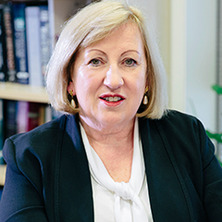
Professor Tamara Davis is an astrophysicist who studies the elusive “dark energy” that’s accelerating the universe. She completed her PhD in 2004 at the University of New South Wales on theoretical cosmology and event horizons, then worked on supernova cosmology in two postdoctoral fellowships, the first at the Australian National University (collaborating with Lawrence Berkeley Laboratory) and the second at the University of Copenhagen. In 2008 she moved to Queensland and began mapping the galaxies in the Universe. She led the Dark Theme within the Australian Research Council Centre of Excellence for All-sky Astrophysics, and the Australian Dark Energy Survey - partnering with the international Dark Energy Survey. As of 2024 she is Deputy Director of the Australian Research Council Centre of Excellence for Gravitational Wave Discovery.
Her accolades include the Astronomical Society of Australia's Louise Webster Medal for early career research impact, the L'Oréal Women in Science Fellowship (Australia), the Australian Institute of Physics Women in Physics Lectureship, the Australian Academy of Science’s Nancy Millis Medal for outstanding female leadership in science, an Australian Research Council Laureate Fellowship, the Astronomical Society of Australia's Ellery Lectureship. She is a Fellow of the Australian Academy of Science (FAA) and a Member of the Order of Australia (AM).
Faculty of Engineering, Architecture and Information Technology
Availability:
Available for supervision
Media expert
Jin Zou is an Emeritus Professor in the School of Mechanical and Mining Engineering (Materials Engineering) and an affiliated Professor in the Centre for Microscopy and Microanalysis at the University of Queensland, Australia. Professor Zou earned his Master’s degree from the University of Science and Technology, Beijing in 1985 and PhD from the University of Sydney in 1994. Through his postgraduate studies, Professor Zou was trained as a transmission electron microscopist. After his PhD, he worked in the Australian Key Centre for Microscopy and Microanalysis at the University of Sydney for 10 years with several Australian fellowships, including an Australian Postdoctoral fellowship and a Queen Elizabeth II fellowship. Professor Zou moved to UQ to take up a teaching-and-research position from July 2003. In 2009, Professor Zou won an inaugural ARC Future Fellowship (FT3 - Professor level). In 2021, Professor Zou became an Emeritus Professor.
Over the years, Professor Zou's research interest has been focused on the understanding of the evolution of advanced, smart and nano-scaled materials and the understanding of fundamental properties of these materials through detailed correlating their fabrication and demonstrated properties with their morphological, structural and chemical characteristics (determined by electron microscopy); and on the formation of high-performance functional nanomaterials and their advanced applications, particular in the fields of energy and environmental protection. So far, Professor Zou published over 750 SCI articles with most of them published in leading international journals, which have attracted over 41,000 citations and led to an H-index of 101.
Faculty of Health, Medicine and Behavioural Sciences
Associate Professor and NHMRC Emerging Leadership Fellow
Frazer Institute
Faculty of Health, Medicine and Behavioural Sciences
Availability:
Available for supervision
Media expert
Associate Professor Mitchell Stark is a molecular biologist and Group Leader (Principal Research Fellow) from the Dermatology Research Centre (DRC) based at the Frazer Institute, The University of Queensland (UQ; Brisbane, Australia). He leads the pre-melanoma genomics program at the Frazer Institute and his group has extensive experience in the use of next-generation sequencing, spatial transcriptomics, bioinformatics, and functional analysis for a variety of applications. The Stark Lab’s major research streams include: miRNA biomarkers for melanoma progression and the development a Genomics Atlas of pre-skin cancer lesions, which aim to provide to greater understand melanoma progression from naevi and early invasive melanoma, with a goal to discover novel predictive biomarkers that offer increased precision to the clinical management of patients.
He has been engaged in melanoma and nevus research for 25+ years and over this time he has been working towards understanding the aetiology of melanoma, studying gene dysregulation during tumor progression along with predisposition to melanoma in families with high risk for melanoma development. Dr Stark has a total of 102 career publications including 1 book chapter, 88 journal articles, 12 reviews/perspectives and 1 patent (WO/2016/029260) which have been cited a total of 7,053/10,208 times (Scopus/Google; h-index: 38/44) and has published in respected journals such as Nature, Nature Genetics, Cancer Research, and Journal of Investigative Dermatology. He has been awarded a career total of ~$10M as an Investigator (PI/co-PI/co-Investigator) including a prestigious NHMRC Peter Doherty Early Career Research Fellowship (2016-2019) and a recent NHMRC Investigator award (2025-2029), along with several research grants as Principal Investigator (e.g., Advance QLD Innovation Partnership, Department of Defence CDMRP – Melanoma Research Program).
Australian Institute for Bioengineering and Nanotechnology
Principal Research Fellow - CAI
Australian Institute for Bioengineering and Nanotechnology
Availability:
Available for supervision
Associate Professor Blakey is a group leader at the Australian Institute for Bioengineering and Nanotechnology and the Centre for Advanced Imaging. During his appointment at UQ he has been a recipient of a Vice Chancellor’s Research and Teaching Fellowship, an ARC Future Fellowship, a Linkage Projects International Fellowship, and a Queensland Government Smart State Fellowship. Prior to joining UQ he worked at Polymerat, a materials biotechnology startup company now listed on the ASX as AnteoTech.
School of Electrical Engineering and Computer Science
Faculty of Engineering, Architecture and Information Technology
Affiliate of Centre for Enterprise AI
Centre for Enterprise AI
Faculty of Engineering, Architecture and Information Technology
Affiliate of ARC COE for Children and Families Over the Lifecourse
ARC COE for Children and Families Over the Lifecourse
Faculty of Humanities, Arts and Social Sciences
Availability:
Available for supervision
Media expert
Yadan Luo is currently a Senior Lecturer with Data Science Discipline, School of EECS, The University of Queensland. She received her BSc degree from University of Electronic Science and Technology of China, and her PhD in Computer Science from School of ITEE, The University of Queensland in 2017 and 2021 respectively. Her research interests mainly include machine learning from imperfect data, by leveraging domain adaptation, domain generalization, few-/zero-shot learning and active learning to empower the applications in computer vision and multimedia data analysis areas. Her work of image analysis published at Pattern Recognition Journal in 2018 is placed in the top 1% of the academic field of Engineering and is recognised as a Highly Cited Paper by Web of Science. Yadan was awarded the Google PhD Fellowship 2020 as a recognition of her research in the machine learning area and her strong potential of influencing the future of technology. She was also a recipient of ICT Young Achiever Award, Women in Technology (WiT.org) 2018 and a few other research awards.
[For Prospective Students] I am continuously looking for highly-motivated Ph.D. students to work on machine learning & multimedia data analysis, specifically for addressing domain shifts and generalisation issues. Please send me your CV if interested.
Affiliate of Centre for Motor Neuron Disease Research
Centre for Motor Neuron Disease Research
Faculty of Health, Medicine and Behavioural Sciences
Affiliate of Queensland Digital Health Centre
Queensland Digital Health Centre
Faculty of Health, Medicine and Behavioural Sciences
Professor
School of Electrical Engineering and Computer Science
Faculty of Engineering, Architecture and Information Technology
Availability:
Available for supervision
Media expert
Markus graduated from the Vienna University of Technology in Technical Physics in 1995 and was awarded his Doctorate in 1999 after which he worked as postdoctoral research associate and then Assistant Professor at the Department of Radiodiagnostics, Medical University Vienna (AT). From 2004 he worked as Senior Researcher at the Donders Institute for Brain, Cognition and Behaviour (Radboud University Nijmegen, NL) and at the Erwin L. Hahn Institute for Magnetic Resonance Imaging (University Essen-Duisburg, DE). In 2014 he relocated to the University of Queensland to lead the Ultra-high Field Human MR Research program at the Centre for Advanced Imaging and was awarded an ARC Future Fellowship. Since 2019 he is Professor Biomedical Engineering in the School of Electrical Engineering and Computer Science with a focus on Medical Imaging and MR Physics research. He served in various roles including Director for the National Imaging Facility – Queensland Node, Deputy Head of School – Research, and member of the ARC College of Experts, and is currently serving as Discipline Lead for Imaging, Sensing and Biomedical Engineering.
Affiliate of Centre for Cell Biology of Chronic Disease
Centre for Cell Biology of Chronic Disease
Institute for Molecular Bioscience
Affiliate of ARC COE in Quantum Biotechnology (QUBIC)
ARC COE in Quantum Biotechnology
Faculty of Science
NHMRC Leadership Fellow
Institute for Molecular Bioscience
Availability:
Available for supervision
Media expert
Professor Jennifer Stow is a molecular cell biologist, an NHMRC Leadership Fellow and head of the Protein Trafficking and Inflammation research laboratory in The University of Queensland’s Institute of Molecular Bioscience (IMB). Her previous leadership appointments include as Division Head and Deputy Director (Research) at IMB (12 years) and she currently serves on national and international advisory boards, editorial boards and steering committees, and as an elected Associate Member of the European Molecular Biology Organisation (EMBO).
Jenny Stow received her undergraduate and PhD qualifications at Melbourne’s Monash University before undertaking postdoctoral training in the Department of Cell Biology at Yale University School of Medicine, USA. With training as a microscopist in kidney research, she gained further experience at Yale as a postdoc in the lab of eminent cell biologist and microscopist, Dr Marilyn Farquhar, where protein trafficking was both a theme and a passion. Jenny then took up her first faculty appointment as an Assistant Professor in the Renal Unit at Massachusetts General Hospital (MGH) and Harvard Medical School in Boston USA, where her research uncovered new roles for a class of enzymes, GTPases, in regulating trafficking within cells. At MGH her research also formed part of a highly successful NIH Renal Cell Biology Program. In late 1994, Jenny moved her research lab back to Australia, to The University of Queensland, in late 1994 as a Wellcome Trust International Medical Research Fellow. As part of IMB since, the Stow lab has continued a focus on protein trafficking, including pioneering live-cell imaging, to spearhead their work on trafficking in inflammation, cancer and chronic disease. Major discoveries include identifying new proteins and pathways for recycling adhesion proteins in epithelial cells, inflammatory cytokine secretion in macrophages and immune signalling through Toll-like receptors in inflammation and infection. Small GTPases of the Rab family, signalling adaptors and kinases feature among the molecules studied in the Stow lab for their functional roles and their potential as drug targets in inflammation and cancer. A keen focus is to understand the role of the fluid uptake pathway, macropinocytosis, in controlling inflammation, cancer and mucosal absorption.
Professor Stow has been awarded multiple career fellowships including from American Heart Association, Wellcome Trust and NHMRC. She has published >200 papers, cited over 15,500 times and she is the recipient of awards and honours, most recently including the 2019 President's Medal from the Australia and New Zealand Society for Cell and Developmental Biology. She is also academic head of IMB Microscopy, a world-class fluorescence microscopy and image analysis facility. Her research is funded by a variety of agencies and industry partnerships, in addition to NHMRC and ARC, including through the ARC Centre of Excellence in Quantum Biotechnology, QUBIC. The Stow lab work with national and international collaborators and welcome students and postdoctoral trainees to participate in their research. We value having a diverse, inclusive and supportive culture for research and celebrate the many diverse and wonderful successes of Stow lab alumni.
Faculty of Health, Medicine and Behavioural Sciences
Deputy Associate Dean (Research) and Associate Professor
Faculty of Health, Medicine and Behavioural Sciences
Director of HDR Students of School of Biomedical Sciences
School of Biomedical Sciences
Faculty of Health, Medicine and Behavioural Sciences
Affiliate of Centre for Motor Neuron Disease Research
Centre for Motor Neuron Disease Research
Faculty of Health, Medicine and Behavioural Sciences
Affiliate of Centre for Innovation in Pain and Health Research (CIPHeR)
Centre for Innovation in Pain and Health Research
Faculty of Health, Medicine and Behavioural Sciences
Affiliate of Centre for Sensorimotor Performance
Centre for Sensorimotor Performance
Faculty of Health, Medicine and Behavioural Sciences
Associate Professor
School of Biomedical Sciences
Faculty of Health, Medicine and Behavioural Sciences
Availability:
Available for supervision
Taylor Dick is an Associate Professor in The School of Biomedical Sciences and Director of the Neuromuscular Biomechanics Laboratory within the School of Biomedical Sciences. She leads a highly interdisciplinary research program at the nexus of biomechanics, bio-inspired assistive devices, and neuromuscular physiology. Using a combination of experimental and modelling tools, her research answers fundamental questions about how movement underpins evolution, health, and disease.
Upon completing her PhD in 2016 (Simon Fraser University, Canada), in collaboration with Harvard’s Concord Field Station, she undertook post-doctoral training in biomedical engineering (University of North Carolina, 2016-17) where she combined her expertise in biomechanics and muscle physiology to discover how bio-robotic devices influence locomotor energetics and the neuromechanical mechanisms that enable stability during unexpected perturbations. This has since provided inspiration for the optimization of bio-robotic assistive devices, in response to the behaviour of their physiological targets. In 2017, she was appointed a research and teaching academic at the University of Queensland (UQ) where she has developed a uniquely integrative and multi-disciplinary approach to studying locomotion and neuromuscular function with applications across discovery and translation. Her research program integrates musculoskeletal anatomy, neural control, and biomechanics to understand the diverse movements of humans and animals. By combining high-resolution and innovative experimental paradigms with modelling and simulation techniques, her team, a rich blend of biomechanists, physiologists, mathematicians, engineers, and computer scientists, investigates the complex interactions between biological systems that enable the remarkable diversity in human and animal movement.
Taylor has established herself internationally as an emerging leader in biomechanics research. This reputation is supported by prestigious awards, invited talks and review papers, and media attention. Her research has been funded through competitive grant schemes and industry partnerships, with total research support exceeding $3.6 million. Her contributions to research and mentorship have been recognized with a 2024 Queensland Tall Poppy Award, 2024 International Union of Physiologists Junior Faculty Award; 2024 International Society of Electrophysiology and Kinesiology Kevin P. Granata Award, and the 2021 International Society of Biomechanics Jaquelin Perry Emerging Scientist Award. Taylor has been nominated (2020 and 2021) for the Faculty of Medicine Rising Star of the Year Award. Taylor is an elected Executive Council member of the International Society of Biomechanics (ISB) and the elected Chairperson of the Comparative Neuromuscular Biomechanics Technical group. She is a passionate promotor of STEM for young girls—having co-developed the led a government-funded nationwide program to boost girls’ engagement in STEM, BRInC https://www.canberra.edu.au/about-uc/faculties/health/brinc
She currently advises 12 PhD candidates, 1 Master’s student, and 5 Honours students. She has successfully advised 5 PhD, 2 Master’s and 9 Honours students to completion since commencing her faculty position at UQ in 2017.
For more information about her program of research, visit her lab website: https://biomedical-sciences.uq.edu.au/research/groups/neuromuscular-biomechanics
Xiuwen Zhou received her PhD in 2014 from the University of Geneva (Switzerland), where she worked with Prof Tomasz A. Wesolowski, who is recognized as the co-inventor of Frozen-Density Embedding Theory (FDET) alongside Nobel laureate Prof. Arieh Warshel (co-winner of the 2013 Nobel Prize in Chemistry). Then she moved to the University of Queensland (UQ) as a visiting scholar, supported by two awarded fellowships, i.e., a Swiss National Science Foundation (SNSF) Early Postdoc Mobility Fellowship (2015) and an Australian-APEC Women in Research Fellowship (2016). She then took up a UQ Development Fellowship in 2017, working as a teaching and research fellow at UQ School of Mathematics and Physics. Later, she was awarded an Australian Research Council Discovery Early Career Researcher Award (ARC DECRA) commencing in 2019.
Affiliate Professor of School of Chemistry and Molecular Biosciences
School of Chemistry and Molecular Biosciences
Faculty of Science
Affiliate of ARC COE for Innovations in Peptide and Protein Science
ARC COE for Innovations in Peptide and Protein Science
Institute for Molecular Bioscience
Professorial Research Fellow and Group Leader
Australian Institute for Bioengineering and Nanotechnology
Availability:
Available for supervision
Media expert
Megan O’Mara is a Professor and Group Leader at the Australian Institute for Bioengineering and Nanotechnology (AIBN), UQ. Her group uses multiscale modelling techniques to understand how changes in the biochemical environment of the cell membranes alters membrane properties and modulates the function of membrane proteins. She has research interests in multidrug resistance, computational drug design and delivery, biopolymers, and personalized medicine. Megan completed her PhD in biophysics at the Australian National University in 2005 before moving to the University of Calgary, Canada, to take up a Canadian Institutes of Health Research Postdoctoral Fellowship. In 2009, she returned to Australia to join University of Queensland’s School of Chemistry and Molecular Biosciences as a UQ Postdoctoral Fellow, before commencing an ARC DECRA in 2012 where she continued her computational work on membrane protein dynamics. In 2015, Megan joined the Research School of Chemistry, Australian National University in 2015 as Rita Cornforth Fellow and Senior Lecturer. In 2019 she was promoted to Associate Professor and was Associate Director (Education) of the Research School of Chemistry ANU in 2019-2021. In April 2022 she relocated to AIBN.
Dr Botella's research interests are in genetic engineering, molecular biology and signal transduction in plants.
Dr. Jimmy Botella is Professor of Plant Biotechnology at the University of Queensland. He obtained a degree in Quantum Chemistry from the University of Madrid (Spain) and a PhD in Biochemistry from the University of Malaga (Spain). After postdoctoral positions at Michigan State University and Pennsylvania State University he joined the University of Queensland in 1995. At UQ he founded the Plant Genetic Engineering Laboratory (PGEL) specialising in the fields of tropical and subtropical agricultural biotechnology for almost 15 years. J. Botella has eleven international patents in the field of Plant Biotechnology and is a founding member of two biotechnology companies (Coridon Ltd. and Origo Biotech).
Dr Botella is a member of the Plant Molecular Biology and Biotechnology research group.
Some highlights of the Plant Genetic Engineering Laboratory’s research:
Production and field trial of the world’s first genetically modified pineapples with genetic constructs to control flowering time. These pineapples will allow farmer control over harvesting times.
Development of a new technology to confer protection against nematode infestation.
Discovery of a gene that can confer resistance to the devastating fungus Fusarium oxysporum in plants.
Development of a new technology to confer protection against pathogenic fungi in plants.
Research interests
Dr. Botella’s research has two major foci: basic cell biology and applied biotechnology. In cell biology he is interested in studying the function of the Heterotrimeric G proteins in plants. This family of proteins is extremely important in humans but their role in pant systems is still largely unknown. Dr. Botella’s research has strongly contributed to the current body of knowledge available in plants with critical contributions such as the discovery and characterization of the first plant gamma subunits and the establishment of these subunits as the critical element conferring function specificity to all plant G proteins. Dr. Botella’s team has also discovered the important role that these proteins play in defense against pathogens. New and unpublished data has now revealed that G proteins are important yield enhancing factors in crops such as rice. Another research interest resides in the communication between plants and insects. There is plenty of knowledge of how important smell, volatiles emitted by the plant, is for foraging insects in order to determine their host preferences. Nevertheless, most of the available studies have been performed using synthetic chemicals in artificial experimental settings. Dr. Botella’s team and collaborators have genetically engineered plants to produce different volatile mixes in the flowers in order to perform in vivo behavioral studies in insects.
Biotechnology research at the Plant Genetic Engineering Laboratory mostly arises from discoveries made in basic research. The PGEL focuses in tropical and subtropical crops. These crops have attracted little attention in terms of biotechnology but are essential sources of food and energy for a large part of the world’s population, especially in Asia and the Indian subcontinent. The PGEL has developed a number of platform technologies that can be applied to multiple crops in order to confer resistance to pathogens, modify plant architecture and control flowering time.
Current research projects include:
Plant heterotrimeric G proteins: New roles in defence, stomatal control and ABA perception.
Putting smells into context: using in vivo technologies to understand plant-insect odour communication.
Use of host-derived RNA interference technology to control plant pathogens (especially pathogenic fungi and nematodes).
School of Electrical Engineering and Computer Science
Faculty of Engineering, Architecture and Information Technology
Availability:
Available for supervision
I work with manipulating and measuring the spatial/polarisation and spectral/temporal properties of light, mostly as it travels through multimode fibre. This has applications in optical telecommunications, biomedical imaging, quantum mechanics and astronomical instrumentation but is also just a lot of fun.
There's a good chance that at any point in time I'm using a spatial light modulator in some way to acheive these goals.
2012-2014 : Postdoctoral researcher, The University of Sydney, Australia
2009-2012 : Doctor of Philosophy, University of Cambridge, UK
2008-2009 : Codan Limited, Microwave Design Engineer, The University of Queensland, Australia
2007 : Master of Engineering (ME), The University of Queensland, Australia
2002-2006 : Bachelor of Engineering (BE), Bachelor of Science (BSc), The University of Queensland, Australia
EOS Chair in Optical and Microwave Engineering and Professor
School of Electrical Engineering and Computer Science
Faculty of Engineering, Architecture and Information Technology
Availability:
Available for supervision
Christophe Fumeaux received the Diploma and Ph.D. degrees in physics from the ETH Zurich, Switzerland, in 1992 and 1997, respectively.
From 1998 to 2000, he was a Postdoctoral Researcher with the School of Optics, University of Central Florida, Orlando. In 2000, he joined the Swiss Federal Office of Metrology, Bern, Switzerland, as a Scientific Staff Member. From 2001 to 2008, he was a Research Associate and Lecturer with the Laboratory for Electromagnetic Fields and Microwave Electronics at ETH Zurich. From 2008 to 2023, he has been a Professor with The University of Adelaide, Australia. In 2023, he joined the School of Electrical Engineering and Computer Science at The University of Queensland, as Chair Professor in Optical and Microwave Engineering. His main research interests concern applied electromagnetics, antenna engineering, and the application of RF design principles across the electromagnetic spectrum.
Prof. Fumeaux was the recipient of the ETH Medal for his doctoral dissertation. From 2011 to 2015, he was a Future Fellow of the Australian Research Council. He was the recipient of the 2018 Edward E. Altshuler Prize, the2014 IEEE Sensors Journal and the 2004 ACES Journal best paper awards. He also received best conference paper awards at the 2012 Asia-Pacific International Symposium on Electromagnetic Compatibility (APEMC 2012) and the 17th Colloque International sur la Compatibilité Electromagnétique (CEM 2014). More than ten of his students have received student awards with joint papers at IEEE conferences. He was the recipient of the University of Adelaide Stephen Cole the Elder Award for Excellence in Higher Degree by Research Supervisory Practice in 2018. He served as an Associate Editor for the IEEE Transactions on Microwave Theory and Techniques from 2010 to 2013. From 2013 to 2016 he served as a Senior Associate Editor and later as the Associate Editor-in-Chief for the IEEE Transactions on Antennas and Propagation. From 2017 to early 2023, he served as the Editor-in-Chief for the IEEE Antennas and Wireless Propagation Letters. He is a Fellow of the IEEE and the 2025 President of the IEEE Antennas and Propagation Society.