Faculty of Health, Medicine and Behavioural Sciences
Availability:
Available for supervision
Media expert
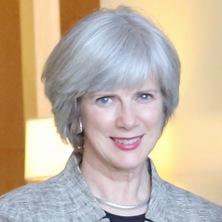
Prof Katharina Ronacher obtained an MSc degree in Medical Biochemistry from the University of Vienna (Austria). Thereafter, she was awarded a prestigious fellowship from the Austrian Ministry of Science and Technology to complete a PhD at the University of Cape Town (South Africa). She completed her post-doctoral fellowship at Stellenbosch University, where she was subsequently offered a faculty position. Prof Ronacher was Senior Scientist on several large clinical research trials funded by the Bill and Melinda Gates Foundation, the European Union and the US National Institutes of Health with focus on identification of biomarkers for tuberculosis (TB) treatment response. In parallel, she established her independent research group investigating how endocrine factors impact immune responses to TB, for which she received uninterrupted funding from national and international funding bodies since 2008. In 2015, she was awarded a NIH R01 grant for her ground-breaking research into the underlying immunological and metabolic mechanisms of increased susceptibility of diabetes patients to TB. With this grant she has lead the international ALERT Consortium with clinical field sites in South Africa and at the Texas/Mexico border.
She relocated to Brisbane in 2017, where she now heads the Infection, Immunity and Metabolism group at the Mater Research Institute – University of Queensland, but continues to collaborate with clinicians and researchers in South Africa, the USA and Europe and holds an affiliate appointment as Professor Extraordinary at Stellenbosch University.
Prof Ronacher's current research investigates the underlying immunological mechanisms contributing to more severe bacterial and viral respiratory infections in obesity and diabetes. Her research provides critical insights into the role of cholesterol and its derivatives in regulation of inflammation in the lung and how this knowledge can be exploided for novel therapeutic approaches to treat respiratory infections.
Faculty of Health, Medicine and Behavioural Sciences
Availability:
Not available for supervision
Media expert
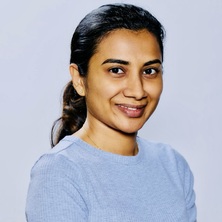
Tanya is a certified practising speech-language pathologist who has a particular clinical and research interest in both paediatric and adult language. She has experience in conducting mixed-methods studies.
Tanya’s research interests include exploring family-centred models of care and client outcomes using the International Classification of Functioning, Disability and Health framework when working with young children who are ‘late talkers’ or who have a developmental language delay/disorder and their families.
Tanya is also passionate about the provision of accessible health information to adults who have aphasia post-stroke and to their family members. Tanya undertook her doctoral research within the Communication Disability Centre (CDC) at The University of Queensland. She is particularly interested in patient education and ensuring people with aphasia, their family, and friends receive appropriate health information and access to services across the continuum of care.
Faculty of Health, Medicine and Behavioural Sciences
Availability:
Available for supervision
Dr Rosengren is an Associate Professor at the School of Biomedical Sciences, University of Queensland. He completed his PhD, which focused on structure-activity relationships of antimicrobial peptides, under the supervision of Professor David Craik at the Institute for Molecular Bioscience, UQ, in 2003. After two years of post-doctoral work at IMB he moved to Sweden in 2005 to take up a position as Assistant Professor at Linnaeus University, Kalmar. During 2008-2009 he held a joint appointment between Linnaeus University and Uppsala University. In 2009 he was awarded the Swedish “Docent” title before returning to University of Queensland as a Senior Research Officer, funded by an NHMRC Career Development Award and an ARC Future Fellowship. Dr Rosengren’s research focuses on structure activity relationships of bioactive peptides, in particular peptide hormones and the use of NMR spectroscopy in the design of novel peptide drug leads.
Faculty of Health, Medicine and Behavioural Sciences
Availability:
Available for supervision
Dr Ben Ross is a chemist with interests in medicinal chemistry, computer-aided drug design, virtual screening, synthetic chemistry, enzyme inhibitors, ion channel modulators, antivirals, amyloid diseases, neurodegenerative diseases, and cancer.
Follow Dr Ben Ross and his team on Twitter: @RossChemLab ||| Google Scholar: Benjamin P. Ross ||| ResearcherID: A-9573-2012 ||| ORCID: 0000-0002-1899-8484 ||| Scopus Author ID:7401608823 ||| Group Web Page: www.drbenross.com
Research Interests
The main focus of Dr Ben Ross's research is the application of computer-aided drug design and synthetic chemistry to create new drug candidates for cancer, viral infections, and neurodegenerative diseases such as Alzheimer’s disease. His team's novel molecules are evaluated using a variety of biochemical, biophysical, and cell-based screening assays, as well as animal models of disease, both within their lab and in partnership with local and international collaborators. Consideration of drug-likeness is an integral part of the design process, since good ADMET properties are crucial for their molecules to reach the clinic.
Biography
Ben Ross graduated with a First-Class Honours Degree in Chemistry (1999) and then moved to the UQ School of Pharmacy where he gained a Doctorate in the field of Medicinal Chemistry (2004). He worked in the School of Molecular and Microbial Sciences as a Postdoctoral Research Fellow with Dr Ross McGeary for two years (2004-2006) during which he completed the synthesis of a variety of biologically useful molecules. In June 2006 Ben was appointed to a Lectureship within the UQ School of Pharmacy. In the first half of 2012 he was a Guest Researcher in the Department of Biochemistry and Structural Biology, Lund University, Sweden. In 2013 Ben was promoted to Senior Lecturer at UQ. A general theme of his research is medicinal chemistry, specifically the application of synthetic chemistry and molecular modeling to discover novel molecules with application as drugs or tools for research. Ben's team has published extensively in journals having a moderate-to-high impact factor in their specialised area of research (e.g. Journal of Medicinal Chemistry, Nanoscale, Food Chemistry).
Selected Primary Research Articles
Bifunctional Succinylated ε-Polylysine Coated Mesoporous Silica Nanoparticles for pH-Responsive and Intracellular Drug Delivery Targeting the Colon. C.T.H. Nguyen, R.I. Webb, L.K. Lambert, E. Strounina, E.C. Lee, M.-O. Parat, M.A. McGuckin, A. Popat, P.J. Cabot, B.P. Ross*. ACS Applied Materials & Interfaces 2017, 9, 9470-9483. doi:10.1021/acsami.7b00411 (2016 JIF 7.5, Quartile 1)
Discovery and Structure-Activity Relationships of a Highly Selective Butyrylcholinesterase Inhibitor by Structure-Based Virtual Screening. S.N. Dighe, G.S. Deora, E. De la Mora, F. Nachon, S. Chan, M.-O. Parat, X. Brazzolotto*, B.P. Ross*. Journal of Medicinal Chemistry 2016, 59, 7683-7689. doi:10.1021/acs.jmedchem.6b00356 (Featured on the front cover of the journal: http://pubs.acs.org/toc/jmcmar/59/16) (2016 JIF 6.3, Quartile 1)
GAG mimetic functionalised solid and mesoporous silica nanoparticles as viral entry inhibitors of herpes simplex type 1 and type 2 viruses. E.C. Lee, N. Davis-Poynter*, C.T.H. Nguyen, A.A. Peters, G.R. Monteith, E. Strouina, A. Popat*, B.P. Ross*. Nanoscale 2016, 8, 16192-16196. doi:10.1039/C6NR03878F (2016 JIF 7.4, Quartile 1)
Metal chelation, radical scavenging and inhibition of Aβ42 fibrillation by food constituents in relation to Alzheimer’s disease. S. Chan, S. Kantham, V.M. Rao, M.K. Palanivelu, H.L. Pham, P.N. Shaw, R.P. McGeary, B.P. Ross*. Food Chemistry 2016, 199, 185-194. doi:10.1016/j.foodchem.2015.11.118 (2016 JIF 4.5, Quartile 1)
"Click" Assembly of Glycoclusters and Discovery of a Trehalose Analogue that Retards Aβ40 Aggregation and Inhibits Aβ40-induced Neurotoxicity. H. Rajaram, M.K. Palanivelu, T.V. Arumugam, V.M. Rao, P.N. Shaw, R.P. McGeary, B.P. Ross*. Bioorganic & Medicinal Chemistry Letters 2014, 24, 4523-4528. doi:10.1016/j.bmcl.2014.07.077 (2014 JIF 2.4, Quartile 3)
Enzyme-Responsive Controlled Release of Covalently Bound Prodrug from Functional Mesoporous Silica Nanospheres. A. Popat, B.P. Ross, J.Liu, S. Jambhrunkar, F. Kleitz*, S.Z. Qiao*. Angewandte Chemie International Edition 2012, 51, 12486-12489. doi:10.1002/anie.201206416 (2010 JIF 13.7, Quartile 1)
PhD vacancies - PhD opportunities
Australian and international students with backgrounds in chemistry, biochemistry, and pharmacy are encouraged to contact Dr Ben Ross to discuss possible Honours or PhD projects and scholarships.
Sources of funding include: UQ Scholarships; NHMRC Postgraduate Scholarships; Endeavour Scholarships and Fellowships; Malaysia Ministry of Higher Education (MOHE) Scholarships; Ministry of Education Saudi Arabia; and the China Scholarship Council (CSC), as well as many other funding schemes. Contact Dr Ben Ross via email to discuss the best strategy to obtain a scholarship.
Teaching and Service Activities
Dr Ben Ross is the Research Higher Degrees Coordinator for the School of Pharmacy, and an Academic Advisor for Year 2 of the BPharm(Hons) program. He also coordinates and teaches within the following undergraduate BPharm(Hons) courses:
Affiliate of Centre for the Business and Economics of Health
Centre for the Business and Economics of Health
Faculty of Business, Economics and Law
Affiliate of Centre for Innovation in Pain and Health Research (CIPHeR)
Centre for Innovation in Pain and Health Research
Faculty of Health, Medicine and Behavioural Sciences
Senior Research Fellow
School of Health and Rehabilitation Sciences
Faculty of Health, Medicine and Behavioural Sciences
Availability:
Available for supervision
Media expert
Dr Megan Ross (she/her) is a Specialist Research Physiotherapist and Senior Research Fellow at RECOVER Injury Research Centre, The University of Queensland. She is part of a research team, led by Professor Trevor Russell, which focuses on developing more effective and efficient health services supported by technology innovation. Megan’s current research projects include exploring consumer perspectives of the telerehabilitation service delivery model, factors that influence the uptake and utilisation of telerehabilitation, and exploring the acceptability and usability of digital health innovations. Megan has a broad range of research skills that span both quantitative and qualitative methods and co-design approaches, including systematic reviews, cross-sectional and longitudinal study designs and data analysis, discrete choice experiments, interviews and focus group discussions and thematic analysis.
Dr Ross received a Bachelor of Physiotherapy (with First Class Honours) in 2012 and a PhD in Physiotherapy in 2020 from The University of Queensland. Megan is the inaugural Chair of the Australian Physiotherapy Association’s LGBTQIA+ Advisory Committee, is Deputy Chair of the Australian Physiotherapy Associations’ National Advisory Committee and sits on the Queensland Gender Affirming Network Steering Committee. Dr Ross leads a program of research in the area of LGBTQIA+ experiences of, and access to healthcare with a focus on physiotherapy and allied health. Megan is passionate about ensuring safe and affirming access to healthcare for people with diverse gender identities, sexual orientations and sex characteristics and has received over $1M AUD in funding, including a CIA MRFF grant to co-design, implement and evaluate an LGBTQIA+ affirming model of primary care. The overarching objective of Dr Ross’s work is to improve access to, provision of, and experiences with health care and ultimately contribute to improved health and wellbeing for the LGBTQIA+ communities.
Faculty of Health, Medicine and Behavioural Sciences
Availability:
Available for supervision
Media expert
I currently have a number of research interests, both in Biomedical and well as in Teaching-Focussed Research.
Biomedical projects have traditionally been done with collaborators, and some of the projects have included:
mechanisms of action of animal venoms and toxins, and we have used the organ bath laboratory and pharmacologoical techniques as bioassays
study of bitter tasting compounds on pig digestive processes, to better understand activation of bitter taste receptors in vivo
Teaching-focussed interested are around university student behaviour with regard to learning activities and engagement. Universities around the world are grappling with shifts in effective and engaging educational strategies, as well as student expectations, in their delivery of content. In an age where students can do on-line courses at universities far from Australia, academics are carefully considering student engagement and success here at UQ.
Lecture slots currently have the bulk of contact hours in most courses, with ~39 lectures per course across a semester. These are largely recorded and used as a teaching resource. Student attendance to the traditional lecture spaces has decreased significantly across all campuses, with a UQ average of ~60% across all courses. This type of analysis has recently led to UQ offering smaller venues for larger courses in which there have been patterns of partial attendance.
My work seeks to better understand what motivates students to attend these spaces in their traditional sense and in the transition to an increasing number of flipped classroom models and blended learning, where the academics are less on the stage, and are instead facilitating activities for learning, while students will be engaged in learning content largely outside the lecture slots.
"Embracing the Unknown" Experience in third year science courses is also an interest, in which research work and its associated uncertainties cause varying levels of anxiety in some students. Best understanding this process and supporting students through it is also an interest of mine.
Affiliate of Centre for the Business and Economics of Health
Centre for the Business and Economics of Health
Faculty of Business, Economics and Law
Affiliate of Centre for Innovation in Pain and Health Research (CIPHeR)
Centre for Innovation in Pain and Health Research
Faculty of Health, Medicine and Behavioural Sciences
Affiliate of Centre for Neurorehabilitation, Ageing and Balance Research
Centre for Neurorehabilitation, Ageing and Balance Research
Faculty of Health, Medicine and Behavioural Sciences
Affiliate of RECOVER Injury Research Centre
RECOVER Injury Research Centre
Faculty of Health, Medicine and Behavioural Sciences
Affiliate of Queensland Digital Health Centre
Queensland Digital Health Centre
Faculty of Health, Medicine and Behavioural Sciences
Centre Director
School of Health and Rehabilitation Sciences
Faculty of Health, Medicine and Behavioural Sciences
Availability:
Available for supervision
Media expert
Trevor Russell is a Professor of Physiotherapy and the Director of the RECOVER Injury Research Centre where he leads a stream of research on Technology Enabled Rehabilitation. He is also co-director of both the Centre for Research in Telerehabilitation and the Telerehabilitation Clinic at the University of Queensland. His research focusses on the use of digital technologies for the remote delivery of health services with a particular focus on telerehabilitation technologies. Specifically his research aims to develop innovative computer based hardware and software solutions to enable the provision of rehabilitation services remotely via the Internet; to further the evidence base of technology enabled rehabilitation through controlled clinical trials; to evaluate the treatment efficacy of specific technology enabled interventions; investigate cost-benefit factors related to technology enabled services; and develop best practice guidelines for the implementation of technology enabled services in the rehabilitation sciences. His work is amongst the earliest and most extensive in this field.
Faculty of Health, Medicine and Behavioural Sciences
Associate Professor
School of Human Movement and Nutrition Sciences
Faculty of Health, Medicine and Behavioural Sciences
Availability:
Available for supervision
Media expert
Dr. Steven Rynne is an Associate Professor in Sport Pedagogy and Coaching as well as the Director of Engagement and Partnerships with the School of Human Movement and Nutrition Sciences at The University of Queensland, Australia. The major theme that runs throughout Steven’s work is learning in sport. Within this broad theme he has worked and conducted research with a variety of peak domestic and international sporting bodies aimed at fostering high performance through learning (e.g. how elite coaches learn their craft) and understanding outcomes for sport participants (e.g. sport for reconciliation). Steven teaches undergraduate and graduate students, is a cycling coach and registered HPE teacher, and has been immersed in junior and community sport settings for more than two decades.
Faculty of Health, Medicine and Behavioural Sciences
Availability:
Not available for supervision
Media expert
Professor Pankaj Sah is Director of the Queensland Brain Institute (QBI) at The University of Queensland (UQ). He is renowned for his work in understanding the neural circuitry of the amygdala, an area of the brain that plays a central role in learning and memory formation. Dysfunction of the amygdala leads to a host of anxiety-related disorders. His laboratory uses a combination of molecular tools, electrophysiology, anatomical reconstruction, calcium imaging and behavioural studies to examine the electrophysiological signatures of different brain regions and their impact on disease. Recently, his laboratory has been working with patients undergoing electrode implantation for deep brain stimulation, which is used to treat a variety of disorders such as Parkinson's disease, Tourette's syndrome and essential tremor. Professor Sah trained in medicine at The University of New South Wales and, after completing his internship, gained a PhD from the Australian National University. Following postdoctoral work at the University of California, San Francisco, and UQ, he established his own laboratory at the University of Newcastle in 1994. He then joined the John Curtin School of Medical Research at the Australian National University as a group leader in 1997. He was recruited to QBI as a founding member in 2003, and has been Director since July 2015. Professor Sah has published over 110 papers in international peer-reviewed journals. He is also the Editor-in-Chief of the Nature Partner Journal npj Science of Learning, the first journal to bring together the findings of neuroscientists, psychologists, and education researchers to understand how the brain learns.
Affiliate Professor of Child Health Research Centre
Child Health Research Centre
Faculty of Health, Medicine and Behavioural Sciences
Conjoint Professor in Allied Health
School of Health and Rehabilitation Sciences
Faculty of Health, Medicine and Behavioural Sciences
Affiliate of Queensland Cerebral Palsy Rehabilitation and Research Centre
Queensland Cerebral Palsy Rehabilitation and Research Centre
Faculty of Health, Medicine and Behavioural Sciences
Availability:
Available for supervision
Leanne Sakzewski is the Professor of Allied Health Research, a conjoint position with the School of Health and Rehabilitation Science at The University of Queensland and Children's Health Queensland. Leanne completed her undergraduate training in the field of occupational therapy at the University of Queensland. Prior to entering research, she practiced as a senior occupational therapist for eighteen years in paediatric rehabilitation and child development. She completed her PhD in 2010 from The University of Queensland in the field of upper limb rehabilitation for children with cerebral palsy, and achieved a Dean's Commendation for outstanding Research Higher Degree.
Research interests
Leanne's research interests are in the conduct of randomised clinical trials in the field of cerebral palsy and childhood onset acquired brain injuries. In particular, she has focused on randomised controlled trials of:
* upper limb training approaches for infants and children with unilateral cerebral palsy;
* intensive models of motor training to improve gross motor and manual abilities for children with bilateral cerebral palsy;
* participation-focused intervention to increase physically active leisure for children with cerebral palsy;
* social skills group-based program for adolescents with brain injuries.
Affiliate of Centre for Neurorehabilitation, Ageing and Balance Research
Centre for Neurorehabilitation, Ageing and Balance Research
Faculty of Health, Medicine and Behavioural Sciences
Associate Professor in Physio
School of Health and Rehabilitation Sciences
Faculty of Health, Medicine and Behavioural Sciences
Availability:
Available for supervision
Media expert
Martin is an Associate Professor of Physiotherapy within the School of Health and Rehabilitation Science. He teaches into both the undergraduate and graduate entry masters programs. In addition, Martin coordinates the clinical placements across both programs.
Martin has a passion for supporting physiotherapy students throughout their journey, from preclinical studies to clinical placements. He has developed a series of strategies to help support the diverse cohort in thriving as student physiotherapists and gaining a sense of belonging to the profession. Martin has been involved in several curriculum reviews that have focussed on enhancing the student experience, and has initiated strategies that have proactively and reactively supported students (such as student mentoring, early observational placements and student-staff activities). He has a particular passion for supporting students from a culturally and linguistically diverse background.
In research, Martin leads a laboratory investigating neuroplasticity. The human nervous system is no longer thought of has hard-wired, and is in fact capable of rapid change throughout life. This plasticity is important for learning, memory and recovery from brain injury. Martin is interested in using emerging brain stimulation and imaging techniques to "artificially" induce plasticity in the human brain, to ultimately improve the treatment outcomes for various neurological conditions, particularly stroke. These stimulation techniques include transcranial magnetic stimulation (TMS) and transcranial direct current stimulation (tDCS). A key current focus of Martin's research is investigating the link between sleep and neuroplasticity, and whether the beneficial aspects of sleep (for promoting neuroplasticity) can be artificially induced with brain stimulation.
He completed a BSc in 1994 and received a First Class Honours in Physiology in 1995 from the University of Adelaide. He then completed a Bachelor of Physiotherapy Degree at the University of South Australia. Returning to research in 2005, he undertook a PhD at the University of Adelaide, which he completed in 2009. He was named "Young Scientist of the Year" in 2007 as a result of his PhD research. He was awarded a University of Queensland Postdoctoral Fellowship in 2010, and then a NHMRC Postdoctoral Research Fellowship in 2011 to investigate more intensely how the brains of stroke patients rewire. He has been awarded ~$4M in funding, principally from the NHMRC and US Department of Defence.
Faculty of Health, Medicine and Behavioural Sciences
Centre Director of Centre for Extracellular Vesicle Nanomedicine
Centre for Extracellular Vesicle Nanomedicine
Faculty of Health, Medicine and Behavioural Sciences
Availability:
Available for supervision
Media expert
I am Professor, NHMRC Investigator Fellow (EL2) and group leader (Exosome Biology Laboratory) at UQ Centre for Clinical Research. I am nationally and internationally (>20 invitations to international meetings in the last 5 years) acknowledged key opinion leader on Extracellular Vesicle (rated 3th worldwide (Top 0.015%) and 1st in Australia in expertise for “Extracellular Vesicles and Exosomes” on Expertscape) and biomarker discovery (140 publications, and >8000 citations in the last 7 year). I have made a major conceptual contribution to EV biology with diagnostic and therapeutic implications. In the last 8 years, my primary research and commercialisation activities have focused on the identification and validation of biomarkers, and development of In Vitro Multivariate Index Assays for clinically relevant complications (including ovarian cancers, and obstetrical syndromes) and their translation into clinical applications. In Academia, I have pursued these objectives through the development and leadership of clinical translation research teams and facilities, both in Australia and overseas. For example, I had a leadership role in established the Centre for Clinical Diagnostics (CCD). Within the UQCCR, I established an exosome research team to evaluate the clinical utility of extracellular vesicles as liquid biopsies, IVDs and therapeutics. Much of our effort in this field of endeavour has involved optimising isolation methods for extracellular vesicles and their analytical analysis - including the use of protein solution array (e.g. Luminex), mass spectrometry profiling (using MS/MS SWATH) and more recently miRNA analysis.
Specialist Anatomical Pathologist, Managing Director, Aquesta Specialised Uropathology
Full Professor, University of Queensland Faculty of Medicine
Visiting Medical Officer, Greenslopes Private Hospital
Hemamali graduated with honours from the University of Sri Lanka, Colombo Medical School and completed Pathology specialty training in Queensland. She held a number of consultant posts in both hospital and private practice. In 2008 she established Aquesta Uropathology which now provides diagnostic uropathology services to the majority of urologists in Queensland and Northern New South Wales. In addition to this she maintains a large second opinion consultation practice with requests obtained from throughout Australia and from overseas.
She is active in Genitourinary Pathology research with collaborators in Australia, USA, Canada, Karolinska Institute in Sweden and the Wellington School of Medicine in New Zealand. She held the position of Secretary of the International Society of Urological Pathology from 2015 to 2019.
She was a contributor to the 2004, 2015 and 2022 World Health Organization (WHO) books on Classification of Tumours: Pathology and Genetics of Tumours of the Urinary and Male Reproductive System. She participated in the 2015 revision of the WHO Tumour Classification in Zurich, Switzerland (4th edition) as member, Prostate Tumour Panel. She was a representative of the Expert Groups formulating structured reporting protocols for the Royal College Pathologists of Australasia on kidney, testis and prostate cancer and is currently chairperson of the structured reporting protocols for Genitourinary cancer. She is also currently the Convener for the RCPA Uropathology Quality Assurance Program.
2015 - Current: Visiting Medical Officer, Greenslopes Private Hospital
2003 - 2021: Visiting Medical Officer, Princess Alexandra Hospital
June 2001 - Oct 2008: Specialist Anatomical Pathologist, Sullivan Nicolaides Pathology, Brisbane
1993 - 1997: Specialist Anatomical Pathologist, Royal Brisbane Hospital
1998 - 2001: Senior Anatomical Pathologist, North Brisbane Hospitals Board
Research Interests
Granular tumour necrosis
Diagnosis of limited adenocarcinoma on prostate needle biopsy
Ductal adenocarcinoma of prostate
Mucinous adenocarcinoma of prostate
Radical prostatectomy handling and reporting
Micropapillary urothelial cancer
Mimics of bladder cancer
Awards and other Esteem Indicators
2017 Admitted to Fellowship of the Royal College of Pathologists, London (FRC Path) for sustained excellence in published works
2022 Awarded the Grawitz Medal of the International Society of Urological Pathology for distinguished service to the discipline of Urological Pathology
2023 Author of the publication Percentage grade 4 tumour predicts outcome for prostate adenocarcinoma in needle biopsies from patients with advanced disease: Ten year data from the TROG 03.04 RADAR Trial. Pathology 54: 49- 54, awarded the prize of
Article of the Year by the Royal College of Pathologists of Australasia.
2024 Distinguished Fellowship Award of the Royal College Pathologists of Australasia
For distinguished service to the discipline of Urological Pathology
Faculty of Health, Medicine and Behavioural Sciences
Affiliate of Child Health Research Centre
Child Health Research Centre
Faculty of Health, Medicine and Behavioural Sciences
Availability:
Not available for supervision
Dr Selwin Samuel is a dental academic and early-career researcher with a diverse background spanning clinical dentistry, forensic odontology, immunology, and translational biomedical science. He completed his PhD at The University of Queensland, focusing on bone immunology and infectious complications in spinal cord injury, and currently serves as a Course Coordinator and Lecturer at the UQ School of Dentistry.
Faculty of Health, Medicine and Behavioural Sciences
Affiliate Professor
Medical School (Greater Brisbane Clinical School)
Faculty of Health, Medicine and Behavioural Sciences
Availability:
Not available for supervision
Lay detail
Emeritus Professor of Psychology; Affiliate Professor, Medical School
Former Professor of Cognitive Engineering and Human Factors (Joint appointment: School of Psychology, School of ITEE, School of Clinical Medicine) and Leader, Cognitive Engineering Research Group (CERG)
Responsible for development and operation of the University of Queensland Usability Laboratory (UQUL).
Director of ARC Key Centre for Human Factors and Applied Cognitive Psychology, 2004-2007.
Fellow of the Academy of the Social Sciences in Australia (ASSA).
Fellow of the USA-based Human Factors and Ergonomics Society (HFES).
Fellow of the International Ergonomics Association (IEA)
Background:
Adjunct Professor, Department of Mechanical and Industrial Engineering, University of Illinois at Urbana-Champaign, 1997-2006.
Professor of Computer Science (HCI), Swinburne University of Technology, 1997-2001.
Assistant and then tenured Associate Professor of Psychology, M&IE, and Aviation, University of Illinois at Urbana-Champaign, 1985-1996.
Editorial responsibilities
Associate Editor, Human Factors in Healthcare, 2021-2023
Regional Editor, Cognition Technology and Work, 2000-present.
Consulting Editor, Journal of Experimental Psychology: Applied, 2005-2011, 2013-2018
Editorial Board, Journal of Cognitive Engineering and Decision Making, 2005-present.
Editorial Board, Human Factors, 1986-1997, 2005-2013, 2016-present.
Associate Editor, Human Factors, 2014-2015.
Associate Editor, Journal of Experimental Psychology: Applied: 2012-2013.
Associate Editor, International Journal of Human-Computer Studies, 2002-2005.
Dr. Yomani Sarathkumara’s research focuses on characterising humoral immune responses to Epstein-Barr virus (EBV) in EBV-associated diseases.
During her PhD at James Cook University, Australia, she identified novel antibody biomarkers for EBV-associated cancers, including natural killer/T-cell lymphoma and Hodgkin lymphoma, using well-characterised hospital-based case-control samples from the AsiaLymph study—a large, multicentre epidemiological investigation of lymphoma and related haematologic malignancies conducted across Asia in collaboration with the U.S. National Cancer Institute (NCI). She also identified antibody markers predictive of clinical responses in EBV-positive lymphoma patients treated with EBV-specific T-cell immunotherapy in Phase I clinical trials conducted by Baylor College of Medicine, USA.
Her Honours research at Northumbria University, UK, focused on identifying antibody responses to a fungal antigen associated with Pigeon Fancier's Lung disease. For her Master’s by Research (MPhil) from 2016–2018, conducted in collaboration with the University of Peradeniya, Sri Lanka, and Hokkaido University, Japan, she demonstrated that hantavirus exposure is a major risk factor for developing chronic kidney disease of unknown aetiology (CKDu) in Sri Lanka—a significant public health concern in agricultural communities. This study earned the President’s Award for Scientific Research - 2019 in Sri Lanka.
Following her PhD, Dr. Sarathkumara joined the University of Queensland (UQ) as a Postdoctoral Research Fellow under the supervision of Professor Denise Doolan. Building on her doctoral work, she is currently investigating the potential role of EBV in triggering autoimmune diseases such as multiple sclerosis (MS), aiming to identify diagnostic and predictive antibody biomarkers. This work is conducted in collaboration with the University of Texas and the Oklahoma Medical Research Foundation, USA. In parallel, she is also examining antibody responses in individuals with acute EBV infection through a collaboration with UMass Chan Medical School, University of Massachusetts, USA.
Her research integrates high-throughput serological profiling, statistical modelling, and immunoassay development, and is supported by strong international collaborations.