Affiliate of Centre for Environmental Responsibility in Mining
Centre for Environmental Responsibility in Mining
Faculty of Engineering, Architecture and Information Technology
Research Fellow/Senior Research officer
Sustainable Minerals Institute
Faculty of Engineering, Architecture and Information Technology
Availability:
Available for supervision
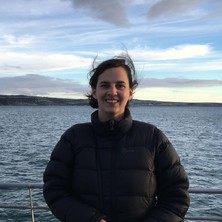
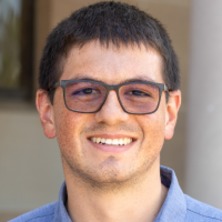
Dr Nevenka Bulovic is a water resource engineer and her current research focus is on improving the climate resilience of the mining sector in the face of climate change. This work applies state-of-the-art climate models to assess risks to water availability, mine site rehabilitation and pollution risks. Nevenka's other research passion is in using remotely sensed data and novel approaches for improving knowledge on hydroclimate in data sparse regions such as Australia and the Andes.
Affiliate of Minerals Industry Safety and Health Centre
Minerals Industry Safety and Health Centre
Faculty of Engineering, Architecture and Information Technology
Affiliate of Centre for Social Responsibility in Mining
Centre for Social Responsibility in Mining
Faculty of Engineering, Architecture and Information Technology
Affiliate of Julius Kruttschnitt Mineral Research Centre
Julius Kruttschnitt Mineral Research Centre
Faculty of Engineering, Architecture and Information Technology
Centre Director of Future Autonomous Systems and Technologies
Future Autonomous Systems and Technologies
Faculty of Engineering, Architecture and Information Technology
Professor
School of Mechanical and Mining Engineering
Faculty of Engineering, Architecture and Information Technology
Availability:
Available for supervision
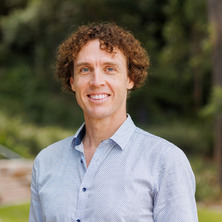
Professor Italo Onederra serves as the Director of the Centre for Future Autonomous Systems and Technologies (FAST) at the School of Mechanical and Mining Engineering. He leads a research group focused on improving mineral extraction methods with reduced environmental impact through advanced preconditioning and fragmentation techniques. Recognised internationally as a specialist in explosives and blasting engineering technology, Italo holds a Bachelor of Engineering (Civil) with honours from the University of Melbourne, and a Master of Engineering Science and PhD from the University of Queensland. With over 25 years of R&D experience and consulting work in Australia, South America, Africa, and Europe, Italo has demonstrated leadership and impact in both research and industry. He has published numerous articles in peer-reviewed journals and conferences, contributed to technical reports and books, and co-invented novel nitrogen oxide-free explosives based on hydrogen peroxide. Italo is also known for developing fragmentation modelling techniques, which have been incorporated into commercial software used globally by industry and academia, as well as pioneering the use of physics engines in blast movement modelling to improve ore control and maximise recovery.
Affiliate of Centre for Social Responsibility in Mining
Centre for Social Responsibility in Mining
Faculty of Engineering, Architecture and Information Technology
Senior Research Fellow
Sustainable Minerals Institute
Faculty of Engineering, Architecture and Information Technology
Availability:
Available for supervision
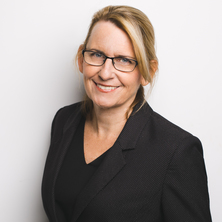
John Burton has 35 years’ research experience on the social impacts of resource extraction. His past work was centred on the Pacific region, with long-term field experience in Papua New Guinea, New Caledonia, Solomon Islands and West Papua. He taught at universities in Papua New Guinea 1985-91 and 2015-19. As both a free-lance consultant and an academic, John has done impact assessments and landowner identification studies for many of the large extractive industry companies in our region. John also practises as a Native Title anthropologist in Australia. He served as Senior Anthropologist in the Torres Strait Regional Authority, 2001-2003, and has worked on various Torres Strait issues, including the Regional Sea Claim and Traditional Boundary Mapping, from 2004 to the present. He has contributed to a range of successful Native Title determinations for the Jirrbal, Babaram, Muluridji, Warrungu and other peoples in North Queensland, 2005-2019.
Affiliate of Centre for Biodiversity and Conservation Science
Centre for Biodiversity and Conservation Science
Faculty of Science
Senior Lecturer in Design (Built Environment)
School of Architecture, Design and Planning
Faculty of Engineering, Architecture and Information Technology
Availability:
Available for supervision
Media expert
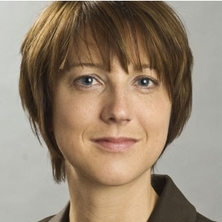
Dr Ray Maher is Director of Research at the School of Architecture Design and Planning at The University of Queensland. Ray collaborates broadly across institutions while leading research and capacity-building projects with government and industry. His work focuses on sustainable development strategy, urban development and design, Sustainable Development Goals, decision-support tools, circular economy, and addressing ‘wicked’ problems using systems, design, and futures thinking. Ray’s research is engagement-focused, interdisciplinary, and applied, which builds the capacity of stakeholders.
Ray is Lead Chief Investigator on research funding totalling over $1m, and a Chief Investigator on research funding totalling over $5m. He has 32 traditional and non-traditional research outputs with state, national, and regional impact.
Affiliate of Centre for Social Responsibility in Mining
Centre for Social Responsibility in Mining
Faculty of Engineering, Architecture and Information Technology
Affiliate of Julius Kruttschnitt Mineral Research Centre
Julius Kruttschnitt Mineral Research Centre
Faculty of Engineering, Architecture and Information Technology
Professor
School of Chemical Engineering
Faculty of Engineering, Architecture and Information Technology
Availability:
Available for supervision
Media expert
Biography:
Anh Nguyen is a professor at the School of Chemical Engineering where he held the BMA (BHP Billiton Mitsubishi Alliance) Chair from 2007 till 2017. He previously held academic positions at the University of Newcastle (Australia), the University of Utah (USA) and the Technical University of Kosice (Czechoslovakia). He was awarded an ARC (Australian Research Council) Queen Elizabeth II Fellowship and an Alexander von Humboldt Fellowship (Germany). His relevant publications include a research book on the colloidal science of flotation, 3 edited volumes, 15 book chapters (invited) and over 350 papers in refereed journals. He has an editorial role on Advances in Colloid and Interface Science, and International Journal of Mineral Processing.
Research:
Professor Nguyen’s research interests embrace various colloid and interfacial science and engineering aspects. His current research focuses on colloid and interface science of particles, bubbles and drops in surfactant solutions and saline water. The ultimate applications include coal and minerals processing, saline water usage and treatment, foliar fertilisers, smart self-cleaning materials, hydrophobic hydration and hydrates of natural gas, and particle separation. His research funding has come from industry partners (BMA, BHP Billiton, Xstrata, Rio Tinto, OneSteel, Agrichem) and agencies (ARC and ACARP). He is the Leader of the Mineral Processing and Interfacial Processes group.
Teaching and Learning:
Professor Nguyen aims to encourage critical thinking, understanding and application of fundamental principles. The objective is to engage students by providing a stimulating learning process and environment at both undergraduate and postgraduate levels, relevant to the changing focus of national and global economic importance. He has taught a number of courses, including colloid and surface chemistry, particle processing and technology, unit operation, coal and mineral processing, flotation, computing and design laboratory, process modelling and simulation. He is currently an academic and international advisor for chemical and metallurgical engineering.
Projects:
Saline Water: molecular phenomena and engineering of saline water-air interfaces, water desalination, salt flotation, coal flotation in sea water and tailings processing. Foliar Fertilizers and Pesticides: self-assembly of colloids from evaporating droplets on leaf surfaces.
Gas Hydrates: role of hydrophobic hydration and additives in gas hydrate formation for storage and transportation.
Nanomaterials: surface self-assembly of surfactants and nanobubbles
Hydrometallurgy: role of colloidal forces and surface chemistry in bacteria attachment in bioleaching, and leaching of minerals in brine solutions.
Mineral Processing: role of microhydrodynamics and colloidal forces in bubble-particle collection in flotation, surface electrochemistry of sulfide flotation, flotation of ultrafine particles, flotation of coarse particles and composite particles.
Foam and Froth: drainage and stability of thin films of saline water, role of particle shape and hydrophobicity in foam drainage and stability, foamed cements.
Molecular (MC and MD) modeling and validation by VSFG spectroscopy of the partition of salt ions and surfactants at the interfaces of liquid films relevant to flotation, bubble columns and oil processing.
Faculty of Engineering, Architecture and Information Technology
Affiliate of Centre for Social Responsibility in Mining
Centre for Social Responsibility in Mining
Faculty of Engineering, Architecture and Information Technology
Availability:
Available for supervision
Media expert
Corinne seeks to understand the organizing practices and processes that gradually and invisibly create risks that can worsen over time to become catastrophic. These ‘insidious risks’ were the focus of Corinne’s PhD in the UQ Business School where she identified three ways, on a spectrum of ways these risks are managed: blinkered, law-abiding and attentive. With more than 30 years’ experience in the mining sector, government, consulting and research, Corinne built upon her earth sciences background in mine rehabilitation and closure to become a qualitative researcher through her PhD. This provided a new lens and insights on how organisations manage elongated insidious risks, not only for mine affected water and land disturbance in mining but also during the progressive failure of the insurance market for extreme weather, in her postdoctoral research. In a voluntary capacity Corinne formed and led an ISO standards working group to finalise ISO 24419 Managing Mining Legacies in 2023 providing the first international standard on this topic together with case studies and a bibliography. She represents AusIMM in her standards work. Since 2019 Corinne has been a Board Member of the Victorian Government’s Mine Land Rehabilitation Authority providing oversight for three brown coal mine closures in the Latrobe Valley. Prior to her PhD Corinne developed the field of research in managing abandoned/legacy mines in the Centre for Mined Land Rehabilitation, SMI following her Churchill Fellowship research in 2009.
Birgitta Ebert’s research focuses on developing biotechnology concepts to address critical challenges such as pollution, climate change and overexploitation of natural resources.
She specializes in improving microbial catalysts for eco-friendly chemical and material production by leveraging metabolic engineering, synthetic biology, systems analysis, and modelling. Her goal is to create microbial cell factories that convert renewable resources and waste into valuable products, reducing reliance on petrochemicals. She collaborates closely with chemists and chemical engineers to enhance the integration of chemical and biological processes for improved efficiency and sustainability.
Birgitta has a background in Chemical Engineering and a PhD in Systems Biotechnology from TU Dortmund University (Germany). She led a research group in Systems Metabolic Engineering at the Institute of Applied Microbiology at RWTH Aachen University (Germany) from 2012 to 2019. In 2016, she expanded her expertise in Synthetic Biology by joining the Keasling lab at the University of California in Berkeley and the Joint BioEnergy Institute in Emeryville (USA).
Since April 2019, she has been at the Australian Institute for Bioengineering and Nanotechnology at the University of Queensland, applying her expertise to engineer microbial cell factories for fermentation-based manufacturing.
Affiliate of Minerals Industry Safety and Health Centre
Minerals Industry Safety and Health Centre
Faculty of Engineering, Architecture and Information Technology
Affiliate of Dow Centre for Sustainable Engineering Innovation
Dow Centre for Sustainable Engineering Innovation
Faculty of Engineering, Architecture and Information Technology
Affiliate of Australian Research Council Centre of Excellence for Green Electrochemical Transformati
ARC COE for Green Electrochemical Transformation of Carbon Dioxide
Faculty of Engineering, Architecture and Information Technology
Director of Research of School of Chemical Engineering
School of Chemical Engineering
Faculty of Engineering, Architecture and Information Technology
Professor
School of Chemical Engineering
Faculty of Engineering, Architecture and Information Technology
Availability:
Not available for supervision
Biography:
Tom Rufford is an Associate Professor in the UQ School of Chemical Engineering and chief investigator in the ARC Centre of Excellence for Green Electrochemical Transformation of CO2 (GETCO2). Tom completed his BE and PhD degrees in Chemical Engineering at the University of Queensland in 2000 and 2009, respectively. Tom’s PhD thesis investigated the use of porous carbon materials derived from waste coffee grounds for energy storage via hydrogen or supercapacitors on board electric vehicles. From 2001 to 2005 he worked as a process engineer and technologist on the crude distillation columns, naptha reformers and hydrogen purification plant at Shell’s Geelong Oil Refinery. From 2010 to late 2012, Tom was a research fellow at the University of Western Australia working on natural gas processing and LNG production research projects with the UWA’s Chevron Chair in Gas Process Engineering, Prof. Eric May. He returned to UQ as a teaching and research academic in December 2012.
Dr Rufford is a chartered member of the IChemE and Engineers Australia (chemical engineering).
Dr Rufford has published more than 80 scientific papers in international journals and an edited book on carbon materials. He has been a visiting researcher at the National Institute of Advanced Industrial Science and Technology in Tsukuba, Japan, and an Endeavour Research Fellow visiting the Institute of Metals Research of the Chinese Academy of Sciences in Shenyang, China.
Research:
Associate Professor Rufford conducts research on gas processing and purification for cleaner energy production and utilization. His research interests include electrochemical processes including energy storage and CO2 reduction, natural gas process engineering, porous carbons, and solid-fluid interactions in coal seam gas reservoirs. Current and recent projects include studies on electrochemical CO2 reduction, development of gas diffusion electrode materials, helium recovery and nitrogen rejection from natural gas, low permeability coals, and the capture of methane emissions from liquefied natural gas (LNG) production plants.
Teaching and Learning:
Tom teaches into the BE and BE/ME chemical engineering programs at UQ. He's taught core chemical engineering courses such as heat and mass transfer, unit operations, and the capstone design project courses CHEE4001 and CHEE7103. In 2024 he is teaching into CHEE3004 Unit Operations in Semester 1 and CHEE7103 BE/ME Design Project in Semester 2.
Affiliate of Centre for Environmental Responsibility in Mining
Centre for Environmental Responsibility in Mining
Faculty of Engineering, Architecture and Information Technology
Affiliate of W.H. Bryan Mining and Geology Research Centre
WH Bryan Mining Geology Research Centre
Faculty of Engineering, Architecture and Information Technology
Affiliate of Centre for Social Responsibility in Mining
Centre for Social Responsibility in Mining
Faculty of Engineering, Architecture and Information Technology
Professor
Sustainable Minerals Institute
Faculty of Engineering, Architecture and Information Technology
Professor
School of the Environment
Faculty of Science
Availability:
Available for supervision
Professor Southam is a Professor in Geomicrobiology. He is an interdisciplinary researcher who crosses the traditional boundaries between biological and geological sciences to examine bacterial transformations of materials composing the earth’s crust, and the impact these transformations have had over geologic time. Field sites have ranged from Yellostone National Park, to Axel Heiberg Island in the Canadian high arctic, to the ultradeep gold mines in the Republic of Southam Africa (up to 4 km below land surface, to the Amazon Basin. Following his appointment as a Canada Research Chair in Geomicrobiology and Director of Environment and Sustainability at Western University, Canada, Dr. Southam has moved to the University of Queensland where he is leading projects on:
Mineral carbonation, using acid generating bacteria to enhance weathering of ultramafic mine waste, promoting mineral carbonation (CO2 sequestration);
Bioremediation of iron mine sites, by enhancing the biogeochemical cycling of iron to promote the formation of ferruginous duricrusts (canga), and
Bioleaching, focussing on low-grade copper in arid through tropical ecosystems (Australia and Brazil);
Gold exploration, examining the fundamental roles that bacteria play in catalysing the formation of placer gold.
Professor Ram Dalal is a Professor in the School of Agriculture and Food Science at the University of Queensland, Brisbane, Australia. He has contributed significantly to create awareness in the farming, scientific and general community to the seriousness and insidious nature of soil degradation. As a consequence, restorative practices for sustainable land management were developed and promoted. The international nature of the program was demonstrated by the fact that it was part of the Tropical Soil Biology and Fertility Program. It is now nationally recognized by policy makers and politicians that land degradation and sustainable land management are the national and international priorities. These projects have made significant contribution towards these issues.
In the last 30 years Dr Dalal has worked towards sustainable land management systems, nitrogen management and soil carbon dynamics. He was the co-leader of soil carbon program in the CRC for Greenhouse Accounting (199-2006), leader of soil carbon changes following land clearing funded by the Australian Greenhouse Office (1998-2002), reviewer for the IPCC Good Practice Guidance (2006) for the land sector, and leader of the National Soil Carbon Program (2012-2015) and Soil Constraints Initiative - Management of Sodic, Magnesic or Dispersive Soils (2015). He has been a consultant and project research contributor to the International Atomic Energy Agency (2004-2009). Recently, he has led a number of projects on estimating soil carbon stock following land use change from native vegetation to croplands, grazing lands, and management of croplands and grazing lands and rangelands (2009-2015) funded by the Department of Environment and Heritage, Department of Agriculture, Fisheries and Forestry and Department of Agriculture, Commonwealth of Australia. In addition, he has also been involved in estimating nitrous oxide and methane emissions/ uptake from different ecosystems including agriculture, grassland, plantation forestry and estuarine/ mangrove systems (2000 – 2015). He led the National Soil Carbon Program from 2012 to 2015.
Affiliate of Centre for Environmental Responsibility in Mining
Centre for Environmental Responsibility in Mining
Faculty of Engineering, Architecture and Information Technology
Senior Research Fellow
Sustainable Minerals Institute
Faculty of Engineering, Architecture and Information Technology
Availability:
Available for supervision
Lorna Hernandez Santin is a restoration ecologist whose research focuses on understanding, monitoring, and improving ecosystem recovery and biodiversity outcomes following disturbance. Her work integrates restoration ecology, fauna ecology, conservation biology, environmental monitoring, remote sensing, and spatial analysis to support evidence-based restoration and nature-positive outcomes.
As Acting Group Leader of the Ecosystem & Biodiversity Group within the Centre for Environmental Responsibility in Mining, Lorna contributes to research that assesses mining impacts on flora and fauna, develops approaches to restore ecosystem services, supports recolonisation by native species, and improves the long-term sustainability of disturbed landscapes. See the group’s website for more information: [smi.uq.edu.au].
Lorna collaborates with industry, government, and research partners to improve how restoration success is defined, measured, and achieved. Her research supports the application of the mitigation hierarchy and adaptive management, helping organisations avoid and minimise impacts, implement effective restoration strategies, and evaluate ecological recovery using robust monitoring approaches. This work aims to improve biodiversity outcomes throughout the mine life cycle, from project planning and impact mitigation to rehabilitation, mine closure, and post-closure recovery. Her research also explores the use of emerging technologies, including drone- and satellite-based remote sensing, hyperspectral imaging, and automated species detection, to improve environmental monitoring and restoration assessment.
Current research interests include:
Mine rehabilitation and ecological restoration
Fauna ecology and biodiversity conservation
Restoration assessment and ecosystem recovery trajectories
Restoration frameworks, standards, targets, and completion criteria
Ecological indicators and monitoring frameworks
Environmental monitoring using field-based methods and remote sensing technologies, including imagery collected from drones, aircraft, and satellites using RGB, multispectral, and hyperspectral sensors
Species detection, habitat assessment, and spatial modelling using remote sensing approaches
Landscape ecology and spatial analysis
Evidence-based approaches to mine closure and environmental management
Her broader research experience includes wildlife ecology, conservation biology, habitat suitability modelling, species distributions, movement ecology, and biodiversity monitoring across Australia and the Americas.
Dr Anthony Halog: Expert in Circular Economy, Life Cycle Thinking, and Sustainable Systems
Dr. Anthony B. Halog is a professor at the University of Queensland specialising in circular economy, sustainability engineering, industrial ecology, and life cycle assessment (LCA/LCSA). His current work focuses on designing low-carbon, net-zero, and resource-efficient systems to address climate change, waste reduction, and sustainable development.
Dr. Halog works across energy, materials, food, waste, and policy systems, applying systems thinking, life cycle sustainability assessment, digital twins, and artificial intelligence for sustainability. His research helps governments, industries, and communities make evidence-based decisions that reduce emissions, improve resource efficiency, and avoid unintended environmental impacts.
A core focus of his work is transforming linear value chains into circular value chains, supporting green hydrogen, bioenergy, circular bioeconomy, agricultural waste valorisation, waste-to-energy, and sustainable materials. These solutions contribute to decarbonisation, climate resilience, sustainable supply chains, and the green economy.
Key areas of expertise
Circular economy and industrial ecology
Life cycle assessment and sustainability metrics
Green hydrogen, bioenergy, and clean energy transitions
Sustainable waste management and circular bioeconomy
Systems modelling, AI-enabled tools, and sustainability policy
Dr. Halog collaborates with policymakers, industry partners, SMEs, and Indigenous communities in Australia and internationally to deliver practical climate solutions and support the transition to decarbonised circular economies.
Lynda is Deputy Provost of the University, with responsibility for assisting in the operations of the Provost portfolio and initiatives sponsored by the Offices of the Vice-Chancellor and Provost. This includes providing direction for strategic projects and working across functions, units, colleges, and campuses to execute goals for the Provost. As a member of the Senior Leadership and Academic Board, Lynda provides administrative leadership with a particular focus on industrial and employee relations issues as they relate to academic staff.
Lynda holds a Bachelor of Economic and Social Science (Hons) in sociology from the University of Wales (University College of Swansea), and a BA Honours degree and PhD in sociology from Central Queensland University.
Prior to taking up the position of Deputy Provost, she served as Head of the School of Social Science from 2020 to 2026. She has also held research-focussed and Teaching and Research positions, including an Australian Research Council Future Fellowship from 2011 to 2015.
As a sociologist, Lynda has undertaken research in the broad area of community, neighbourhoods and housing, examining how how structural and policy processes impact upon neighbourly and community relations, and attachments to home and place. She has led a large program of research on ‘un-neighbourliness’ using large-scale, survey, interview and administrative data to examine the nature, causes and outcomes of problems between neighbours and their effects on neighbouring more broadly. She has also served as international Partner Investigator on the ESRCs’ Connected Communities consortium (Crow et al) and the Wales Institute of Social and Economic Research, Data and Methods (WISERDII).
Affiliate of Centre for Biodiversity and Conservation Science
Centre for Biodiversity and Conservation Science
Faculty of Science
Availability:
Available for supervision
Dr McDonald-Madden is an ARC Research Fellow in the School of Geography, Planning and Environmental Management at the University of Queensland and a Chief Investigator on the ARC Centre of Excellence for Environmental Decisions, NESP Threatened Species Hub and is a founding member of UQ Centre for Biodiversity and Conservation Science. Her research is focused on improving environmental decision-making in complex systems.
To resolve questions in environmental decision-making her team uses a suite of analysis techniques that are largely novel to ecology and conservation. The foundation of our work is ‘Decision Theory’, a concept initially used to maximise the effectiveness of scarce military resources while dealing with the uncertainties always present in war. By investigating the use of techniques from fields such as manufacturing sciences, artificial intelligence research and economic theory her group hope to improve decision-making in the face of complexity that is inherent, but often ignored, in environmental problems, incorporating the social context of decisions, the complexity of interacting species and the uncertainty faced by decisions makers.
Eve’s groups work spans all forms of conservation decision-making including population management, organisational and government reporting, the management of interacting species, ecosystem services and conservation planning.
Dr McDonald-Madden completed her PhD at the University of Queensland (2009), prior to that she worked for the Victorian Government on biodiversity research and management whist completing a graduate diploma in Mathematics. She has two young children.
Affiliate of Centre for Environmental Responsibility in Mining
Centre for Environmental Responsibility in Mining
Faculty of Engineering, Architecture and Information Technology
Senior Research Fellow
Sustainable Minerals Institute
Faculty of Engineering, Architecture and Information Technology
Availability:
Available for supervision
Dr. Shaygan is a soil scientist who works on multidisciplinary projects. She obtained both her BSc and MSc degrees in Agronomy from the University of Tehran, followed by a Master of Environmental Management from the University of Queensland. Dr. Shaygan completed her PhD in Soil Science at the University of Queensland. Prior to joining SMI in 2017, she worked with the NSW Department of Primary Industries.
Dr. Shaygan's research focuses on the rehabilitation of degraded landscapes and mine sites, mine cover design, quantification and modelling of water flow, solute and nutrient transport in porous media, soil erosion, characterization of soil hydrological and mechanical properties, and soil salinity management. In addition, she investigates the integration of biofuel crops into mine closure strategies, with a particular focus on the use of Pongamia trees for land rehabilitation, carbon sequestration, and biofuel production.
Her research interests include but are not limited to: (i) salinity management, (ii) land rehabilitation, (iii) water flow and solute/nutrient transport in porous media, (iv) erosion processes, (v) Pongamia tree growth and responses to different environmental conditions, and (vi) soil hydrological modelling.
Since joining SMI, Dr. Shaygan has secured over $3.8 million in grant funding, including more than $1 million as Lead Chief Investigator (Lead CI). Her research projects have been supported by the mining industry (e.g., Stanmore Resources and Anglo American), the Queensland Government, and the Australian Coal Association Research Program (ACARP).
Affiliate of Minerals Industry Safety and Health Centre
Minerals Industry Safety and Health Centre
Faculty of Engineering, Architecture and Information Technology
Affiliate of ARC Research Hub to Advance Timber for Australia's Future Built Environment (ARC Advanc
ARC Research Hub to Advance Timber for Australia's Future Built Environment
Faculty of Engineering, Architecture and Information Technology
Director of HDR Students of School of Civil Engineering
School of Civil Engineering
Faculty of Engineering, Architecture and Information Technology
Associate Professor - Structural Engineering
School of Civil Engineering
Faculty of Engineering, Architecture and Information Technology
Availability:
Available for supervision
Media expert
Dr David Lange joined the School of Civil Engineering at the University of Queensland in early 2018. Originally from the the UK, he has a Masters and a PhD, both from the University of Edinburgh. Following completion of his studies, he spent a number of years working in the UK developing fire safety strategies for a range of premises including laboratory and commercial facilities, and residential buildings; as well as conducting fire risk assessments and risk engineering projects in a range of industrail areas including HPR facilities. He then spent 6 years working as a senior research scientist for SP / RISE in Sweden, conducting research in a range of different areas such as fire resistance, facade fire safety, crisis management and infrastructure resilience. His work at the University of Queensland covers a broad range of areas related to fire safety.
David is a Registered Professional Engineering in Queensland (RPEQ), a registered engineer in New South Wales, as well as a Chartered Engineer (CPEng) at the member grade of Fellow with Engineers Australia (FIEAust). He is on the National Engineers Register (NER) in Australia and is an APEC Engineer and an International Professional Engineering registered in Australia (IntPE). He is also a member of the SFPE.
His current research projects are in the areas of:
Fire safety of timber buildings
Design of buildings for vertical fire spread
Lithium Ion Battery fire safety
Structural fire engineering
Fire engineering design
Application and development of risk analysis techniques in fire safety engineering
Affiliate Professor of Australian Institute for Bioengineering and Nanotechnology
Australian Institute for Bioengineering and Nanotechnology
Professor
School of Chemistry and Molecular Biosciences
Faculty of Science
Availability:
Available for supervision
I obtained a Diploma in Chemistry from the University of Bern in Switzerland in 1992. Upon receiving the award of an International Postgraduate Research Scholarship (IPRS) I joined The University of Queensland (UQ) in 1993 to carry out research towards a PhD in Biochemistry(supervisors: Assoc. Profs. Peter Nixon and Ron Duggleby). I graduated in 1997 and continued postdoctoral research at UQ under the guidance of Profs John de Jersey, Susan Hamilton and Graeme Hanson. During this period, I was awarded Fellowships from both the Wellcome Trust and UQ. In 2000 I spent several months in the Department of Chemistry at the University of Newcastle-upon-Tyne, England, collaborating with Prof. Geoff Sykes, and later that year I commenced a Senior Postdoctoral Fellowship in the Chemistry Department at Stanford University (advisor: Prof. Edward Solomon). In 2003 I was appointed to a Lectureship in (Bio)Physical Chemistry at UQ. In 2006 I was promoted to Senior Lecturer. Following the award of a UQ Foundation Research Excellence Award (in 2007) I was promoted to Associate Professor (in 2008), and between 2011 and 2013 I was also on a fractional professorial appointment (50%) at Maynooth University, Ireland. From 2013 to 2017 I held a Future Fellowship from the Australian Research Council, and during this period I was promoted to Full Professor at UQ (2015). I also hold affiliate professorships in the Sustainable Minerals Institute and the Australian Institute for Bioengineering and Nanotechnology, both located at UQ.
I have successfully focused my research on the investigation of enzyme-catalysed reactions, their optimisation for applications in biotechnology and the synthesis of small molecules that mimic their structure and catalytic function (i.e. biomimetics). I advanced understanding of the contribution of metals to enzyme-catalysed reactions and employed state-of-the-art technologies (e.g. cryo-EM, ancestral gene reconstruction) to develop enzyme inhibitors as leads for novel biocides (herbicides, fungicides, antibacterial compounds) and engineer enzymes with enhanced catalytic properties for industrial applications in the advanced manufacturing sector (i.e. cell-free enzyme cascades, next-gen fertilisers). My work into enzyme mechanisms, regulation and engineering received international acclaim evidenced by invitations to provide plenary and keynote lectures and review articles in prestigious journals. I have published over 250 peer-reviewed articles, including over 40 papers in the ACS staple (J. Am. Chem. Soc, ACS Catalysis, ACS Sus. Chem. Eng., Inorg. Chem, Chem. Rev., Acc. Chem. Rev.) as well as landmark studies in Nature, Nature Catalysis, Nature Communications and Proc. Natl. Acad. Sci. (USA). For my leadership in enzymology I was awarded a Future Fellowship by the Australian Research Council, a Foundation Research Excellence Award by UQ and, most recently, the prestigious role as Ambassador for the Technical University of Munich (TUM), an honour bestowed upon me also for my leading role in building an extensive network of collaborations between UQ and TUM in the areas of bioengineering and bioeconomy. The network has since evolved into the Global Bioeconomy Alliance.