Faculty of Health, Medicine and Behavioural Sciences
Adjunct Senior Fellow
School of Nursing, Midwifery and Social Work
Faculty of Health, Medicine and Behavioural Sciences
Availability:
Available for supervision
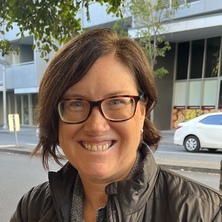
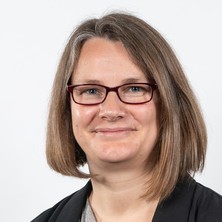
Jules Richards is a Nurse Practitioner who has worked with young people experiencing persistent pain for over twenty years. She has a PhD in creative writing, in which she explored the lived experience of pain through a fictional narrative. Her work focuses on transdisciplinary approaches that build connections between the creative arts, education and health. She is currently undertaking a post-doctoral research fellowship through the University of Queensland.
Faculty of Health, Medicine and Behavioural Sciences
Availability:
Available for supervision
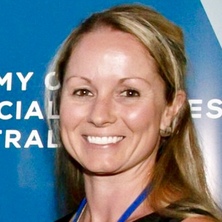
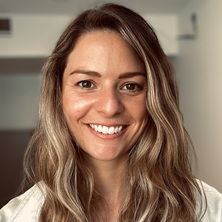
Dr Anelise Silveira is a physiotherapist and early career researcher specializing in musculoskeletal (MSK) conditions, particularly upper extremity disorders. She has a strong interest in non-pharmacological randomized controlled trials (RCTs), systematic reviews (including meta-analysis and network meta-analysis), and co-designing research protocols with people with lived experience to ensure relevance and impact.
Currently, she is a Postdoctoral Research Fellow in Clinical Trials at the STARS Education and Research Alliance and the School of Health and Rehabilitation Sciences, The University of Queensland. Anelise is also affiliated with the Centre for Innovation in Pain and Health Research (CIPHeR), the ANZMUSC Clinical Trials Network, the Queensland Orthopaedic Physiotherapy Network (QOPN), and the Canadian Physiotherapy Association (CPA).
She has contributed to 12 successful grant applications securing over AUD$688,000 and published 19 peer-reviewed papers. She has mentored 10 orthopaedic surgery residents in completing research projects, 4 physical therapists in conducting systematic reviews, 2 physiotherapists in clinical skill development, and numerous research personnel in data collection, RCT procedures, and project management. She previously served as Research Director for the College of Health Sciences at the University of Alberta in Canada, where she also completed her PhD in Epidemiology in 2024. Her doctoral work focused on improving care and return-to-work outcomes for workers with shoulder injuries. Anelise relocated to Australia in March 2025 to begin her fellowship and is welcoming PhD and Master’s students interested in upper-extremity MSK research.
Director, Higher Degree Research of School of Psychology
School of Psychology
Faculty of Health, Medicine and Behavioural Sciences
Affiliate of Centre for Innovation in Pain and Health Research (CIPHeR)
Centre for Innovation in Pain and Health Research
Faculty of Health, Medicine and Behavioural Sciences
Associate Professor
School of Psychology
Faculty of Health, Medicine and Behavioural Sciences
Availability:
Available for supervision
Media expert
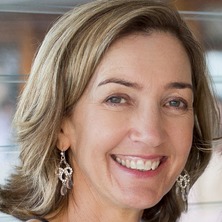
I am an endorsed Clinical and Health Psychologist, and my main area of research interest is in optimising non-pharmacological treatment options for chronic pain. My program of research is primarily focused on implementing randomised controlled trials designed to evaluate the efficacy and mechanisms of cognitive-behavioural and mindfulness-based interventions for heterogeneous chronic pain conditions. My concurrent line of research aims to further our understanding of the experience of chronic pain via converging methodologies (including experimental pain paradigms and electroencephalogram), as well as advance our capacity to accurately assess its multidimensional nature. I have led the development, application, and evaluation of Mindfulness-Based Cognitive Therapy for chronic pain, and I disseminated this treatment approach for research and clinical use via my sole-authored book, published by Wiley in 2017. My US-based collaborators and I have a number of on-going NIH and foundation funded treatment trials underway at the University of Washington, Seattle. I am also an Affiliate Associate Professor at the University of Washington.
Affiliate of National Centre for Youth Substance Use Research
National Centre for Youth Substance Use Research
Faculty of Health, Medicine and Behavioural Sciences
Affiliate of Centre for Health Outcomes, Innovation and Clinical Education (CHOICE)
Centre for Health Outcomes, Innovation and Clinical Education
Faculty of Health, Medicine and Behavioural Sciences
Professor
School of Psychology
Faculty of Health, Medicine and Behavioural Sciences
Availability:
Available for supervision
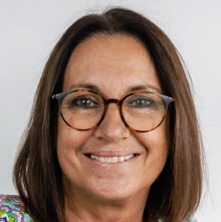
Professor Leanne Hides is the Director of the NHMRC Centre of Research Excellence on Meaningful Outcomes in Substance Use Treatment and the Deputy Director of the National Centre for Youth Substance Use Research (NCYSUR)
Professor Hides is a clinical psychologist with over 25 years of experience working on the interface of alcohol and other drug (AOD) clinical research and practice. Her translational research program co-designs, trials and implements innovative AOD treatments into clinical practice. She has been a chief investigator on over 40 randomised controlled trials (RCTs) on substance use and mental health treatment (23 as lead CI including 11 NHMRC-funded RCTs). She also develops web and mobile-phone based programs (16 RCTs). Most of this research has been conducted with industry partners (e.g., Lives Lived Well, Qld Health).
Hides has been in research only positions since 2010, funded by prestigious fellowships including an NHMRC Senior Research Fellowship (2017-21), ARC Future Fellowship (2012-16) and a Vice Chancellor’s Senior Research Fellowship (Queensland University of Technology, 2010-13). Her research has been supported by $46m in grants ($37 nationally competitive) including 15 NHMRC ($14.5m; 3 as CIA including a Centre for Research Excellence), 3 MRFF ($7m) and 2 ARC ($1m) grants. Professor Hides has 248 career publications, including 243 journal articles with over 10,000 citations.
Prof Hides' current research interests include:
Developing and testing new models for understanding youth substance use and comorbidity
Improving the treatment of youth substance use and comorbidity by:
Integrating more strengths-based approaches
Identifying and enhancing mechanisms of change
Combining psychological and pharmacological treatments,
Integrating mobile phone and web-based interventions
Understanding the relationship between youth wellbeing and mental disorders
Development of mobile phone and web-based interventions targeting the mental health and wellbeing of young people
Ray’s night out: mobile app targeting risky alcohol use
music eScape: mobile app using music to improve affect regulation
Breakup Shakeup: mobile app for coping with relationship breakups
Keep it Real: web-based program targeting psychotic-like experiences in substance users
Routine outcome monitoring (ROM) plus feedback in SMART Recovery Australia: a feasibility study examining SMART ROM (led by A/Prof Kelly, UoW).
Person-Reported Outcome Assessment, Continuous Tracking + Feedback (PROACT+F): digital platform supporting the routine collection of person-reported outcome measures and the delivery of personalised feedback in healthcare services. See: https://proact-f.psy.uq.edu.au/
Training, supervision, and dissemination of evidence-based practice
Nationally Competitive Funding
NHMRC Centre for Research Excellence (led by Prof Hides, UQ): Meaningful Outcomes in Substance use Treatment. See https://mo-cre.centre.uq.edu.au/
Commonwealth Department of Health (Connor & Hides), National Centre for Youth Substance Use Research (NCYSUR) National Addiction Centre
MRFF Health and Healthy Lifestyles (led by Prof Bonevski, Flinders University): "Escape the vape" Designing health communications for prevention of e-cigarette use in young people
MRFF Health and Healthy Lifestyles (led by Prof Newton, Matilda Centre Uni Syd): A new scalable e-health appraoch to prevent e-cigarette use amongh adolescents: The OurFutures Vaping Program
NHMRC Ideas Grant (led by Prof Johnson): Understanding and Treating Videogame Addiction in Young People
Alcohol and Drug Foundation Research Grant (led by Prof Kelly): Building peer and provider capacity to effectively deliver SMART Family & friends meetings: A two stage mixed- methods evaluation.
MRFF Million Minds (led by Prof March, USQ): Translating evidence-based interventions into population-level digital models of care for child & adolescent mental health
NHMRC Project (led by Prof Hides): Brief interventions to prevent future alcohol-related harm in young people presenting to emergency departments.
NHMRC Project (led by Prof Hides: Randomised controlled trial of a telephone-delivered social well-being and engaged living (SWEL) intervention for disengaged at-risk youth
NHMRC Project (led by Prof Teesson, University of Sydney)- Internet-based universal prevention for anxiety, depression and substance use in young Australians
NHMRC Project (led by Prof Teesson, University of Sydney)- Healthy, wealthy and wise: The long-term effectiveness of an online universal program to prevent substance use and mental health problems among Australian youth
Paul Ramsay Foundation (led by Prof Teesson, University of Sydney): The Healthy Lifestyles program: An innovative online primary and secondary prevention intervention
NHMRC Project (led by Prof Kavanagh, QUT) - Trial of a new low-cost treatment to support self-management of Alcohol Use Disorder: Functional Imagery Training
NHMRC Project (led by Prof Toombs, University of QLD) - Indigenous Network Suicide Intervention Skills Training (INSIST): Can a community designed and delivered framework reduce suicide/self-harm in Indigenous youth?
NHMRC Project (led by Prof Collins, University of Newcastle) Efficacy and cost-effectiveness of varying levels of technology-delivered personalised feedback on dietary patterns in motivating young Australian adults to improve diet quality and eating habits: The Advice, Ideas and Motivation for My Eating study
NHMRC Project (led by Prof Cotton, University of Melbourne) - Rates, patterns and predictors of long-term outcome in a treated first-episode psychosis cohort
Affiliate of Centre for Living Experience Research
Centre for Living Experience Research
Faculty of Health, Medicine and Behavioural Sciences
Research Fellow
School of Health and Rehabilitation Sciences
Faculty of Health, Medicine and Behavioural Sciences
Availability:
Available for supervision
Kyla is a speech-language pathologist and Research Fellow within the Centre for Living Experience Research (LEX) and the Queensland Aphasia Research Centre at The University of Queensland. Her main research interests are in aphasia rehabilitation, communication within aged care and qualitative health consumer research/ co-design. Her research focuses on understanding the lived experiences of individuals with communication disability to inform and develop meaningful interventions that focus on real-life outcomes.
She is an advocate for designing research processes that are communicatively accessible and inclusive of individuals with communication disability.
Faculty of Health, Medicine and Behavioural Sciences
Availability:
Available for supervision
Dr Josephine Okurame is a Lecturer and AI Researcher at The University of Queensland. She brings a multidisciplinary background that spans health research, artificial intelligence, education, equity focused pathways, and community engaged scholarship. Her work sits at the intersection of widening participation, underserved populations, and the translation of research into practical outcomes for learners, professionals, and communities.
Josephine’s research centres on improving access, representation, and success for students from underserved and rural backgrounds, particularly within health and medical training pathways. Her scholarship draws on mixed methods approaches and emphasises the integration of lived experience, systems thinking, and evidence informed policy and practice. She has a growing interest in the ethical use of artificial intelligence in academia, with a focus on responsible integration into teaching, research design, research communication, and academic capacity building. Her interests explore how AI can support equity, transparency, and accessibility while maintaining academic integrity and human centred decision making.
With a strong foundation in teaching and research capacity building, Josephine supports students, clinicians, and early career researchers to engage in meaningful research activity. She has experience in mentoring, curriculum informed research integration, and developing research confidence amongs inidividuals who are new to research environments. Her work strengthens the link between education, workforce development, and service delivery.
Josephine also has a strong interest in research communication and knowledge translation. She focuses on making complex evidence understandable and actionable for diverse audiences, including educators, community stakeholders, and policy contributors. Her broader academic vision centres on equitable systems, sustainable career pathways, and strengthening the pipeline between education, community need, and workforce outcomes.
Through her role at UQ, she contributes to research, teaching, and collaboration that support the long term goal of a more inclusive and responsive health workforce.
Faculty of Health, Medicine and Behavioural Sciences
Availability:
Available for supervision
Jacob is a Clinical Psychologist and Research Fellow in the School of Psychology, at the University of Queensland. Jacob works on projects under the Meaningful Outcomes in Substance use Treatments Centre of Research Excellence (MO-CRE) and the National Centre for Youth Substance use Research (NCYSUR).
Jacob completed his PhD in Clinical Psychology at Griffith University in 2022, where his projected examined the motivational influencers on alcohol and drug preloading behaviours across youth populations in entertainment districts. After completion of his PhD, Jacob developed further clinical specilisation into the treatment of substance use disorders, behavioural addictions, post-traumatic stress disorders (PTSD), obsessive compulsive disorder (OCD) and long-term emotional dysregulation. While focusing on his clinical career, Jacob honed his scientist-practitioner skills, published several journal articles and presented in conference proceedings.
Jacob's research interests lie in the overlap between mental health and substance use difficulties, improving outcomes in AOD treatment services through brief interventions, as well, the motivational predictors of alcohol and substance use with relation to preloading and broader policy implications.
Current projects:
Examining alcohol and substance use trends in youth college populations
Exploring the potential role of lived experience peer workers in early AOD treatment
Investigating and testing theoretical components and predictors of alcohol and drug preloading behaviours
Affiliate of Centre for Living Experience Research
Centre for Living Experience Research
Faculty of Health, Medicine and Behavioural Sciences
Affiliate Research Fellow of T.C. Beirne School of Law of T.C. Beirne School of Law
School of Law
Faculty of Business, Economics and Law
Affiliate of Queensland Aphasia Research Centre (QARC)
Queensland Aphasia Research Centre
Faculty of Health, Medicine and Behavioural Sciences
Research Fellow
School of Health and Rehabilitation Sciences
Faculty of Health, Medicine and Behavioural Sciences
Availability:
Available for supervision
I am a sociologist, lawyer, and advocate working across law, health, policy and social science. My research examines human rights, decision-making and legal capacity, and how legal and administrative systems actually work for people with disabilities, including in health care and transition to adulthood, the NDIS, aged care, banking and finance, income support, and voting. I am interested in personhood and capacity in areas of life where people may be less able to make legally recognised decisions, and in the gaps between policy intentions and lived realities. My particular focus is people with profound intellectual and multiple disabilities, who are too often invisible in regulation, policy, governance and research. I come to this work with living experience as a parent and supporter of an adult daughter with profound disability.
I lead Profound Pathways (MRFF, 2026 to 2030), a consumer-led national program co-designing guidelines for health care transition and decision-making for young adults with profound intellectual and multiple disabilities; the CommGUIDE workstream of the Conversations about Care project, developing national guidelines on communication support in aged care; and the regulatory review for the NDRP-funded Safe Homes project on personalised housing and support for people with intellectual disability. I am a founding member of the Centre for Living Experience Research, a Board Director of ASID and Child Unlimited, and Co-Chair of the ALEC Consumer Panel and the ARC Life Course Centre Community Advisory Committee.
My work is built on co-production with people with disability and their relational networks, and on inclusion in research for those least often included. Across research, governance and advocacy, my aim is systems that better recognise and include people with profound disability.
Affiliate of Centre for Living Experience Research
Centre for Living Experience Research
Faculty of Health, Medicine and Behavioural Sciences
Affiliate of Queensland Aphasia Research Centre (QARC)
Queensland Aphasia Research Centre
Faculty of Health, Medicine and Behavioural Sciences
Research Fellow
School of Health and Rehabilitation Sciences
Faculty of Health, Medicine and Behavioural Sciences
Availability:
Available for supervision
Dr Jade Dignam is a Research Fellow and Certified Practicing Speech Pathologist with the Queensland Aphasia Research Centre, with 17 years’ experience in aphasia rehabilitation. Jade conducts research into post-stroke aphasia and has expertise in the development and evaluation of aphasia interventions, treatment dose, and determining predictors of treatment response. Jade's research aims to improve clinical outcomes for people with aphasia by increasing access to evidence-based, intensive comprehensive aphasia therapy.
Faculty of Health, Medicine and Behavioural Sciences
Availability:
Available for supervision
Dwan is the Group Leader Environmental Epidemiology, Centre for Safe Air Postdoctoral Research Fellow and the Director of the WHO Collaborating Centre for Children's Health and Environment. Dwan has a particular interest in children's environmental health. Her current research explores the following:
Bushfire smoke
Air pollution, especially indoor air quality
Environmentally persistent free radicals
Green space
Climate change and health
The EMBER (Environmental Measures of Bushfire smoke Exposure and Respiratory health) study is a comprehensive investigation into how bushfire smoke affects the respiratory health of children, adults, and firefighters. It integrates environmental sampling, in‑home air quality monitoring, biomarker assessment, and repeated lung‑function testing to build a full picture of smoke exposure from source to health impact. EMBER also uses advanced tools—such as drone technology—to characterise pollutant profiles during fire events, generating evidence to inform public health policy and better protect communities during increasingly frequent smoke events. Learn more at: research.uq.edu.au/ember
Smoke kits: This project responds to the growing health risks posed by increasingly frequent bushfires by developing practical, community‑focused tools to reduce smoke exposure. Recognising that current guidance—such as staying indoors—may not adequately protect families, the initiative creates affordable clean‑air kits that include materials for a DIY filter fan, a user‑friendly handbook, and accessible resources for families. Through hands‑on workshops and broader community outreach, the program supports households in using these kits effectively, aiming to strengthen public health resilience during smoke events.
The EPFR project investigates how environmentally persistent free radicals—combustion‑derived pollutants we have previously identified in Australian homes—contribute to adverse health effects, particularly in children. By examining their presence indoors and their formation during events like bushfires, the project aims to understand how these long‑lived pollutants drive key health impacts associated with air pollution. This work focuses on characterising exposure in Australian households and uncovering how EPFRs influence human health, ultimately supporting efforts to reduce harmful environmental exposures.
Building the Autonomy of Indigenous Communities to Make their Data Work for Decision-Making: This project empowers Indigenous communities in Canada to use their own health and environmental data for better decision-making by hosting a series of Knowledge Symposiums on key topics like children’s environmental health, water contamination, microplastics, and Indigenous health economics. These symposiums bring together community members, researchers, and experts to share knowledge, build local capacity, and co-develop practical tools and strategies. By centering Indigenous voices and fostering data autonomy, the project not only addresses urgent health concerns but also demonstrates leadership in community-driven research, strengthening your profile as a researcher committed to impactful, collaborative, and culturally grounded work.
WHO Collaborating Centre for Children's Health and Environment
Our Collaborating Centre focuses on supporting the World Health Organization in strengthening countries’ capacity to protect children from the health impacts of climate and environmental change. Activities include assisting WHO to assess air quality and climate‑related health risks to children in the Western Pacific Region, developing and revising competency‑based training materials in children’s environmental health, and updates to existing WHO training packages. The workplan also contributes to coordination across the network of WHO Collaborating Centres by providing input to the Collaborative Framework of Action on children’s environmental health and by producing research reviews and thematic analyses on climate‑ and chemical‑related risks to support WHO policies and guidance. Learn more here: https://child-health-research.centre.uq.edu.au/research/who-collaborating-centre-for-children-s-health-and-environment
Affiliate of ARC COE for Children and Families Over the Lifecourse
ARC COE for Children and Families Over the Lifecourse
Faculty of Humanities, Arts and Social Sciences
Head of School
Faculty of Health, Medicine and Behavioural Sciences
Availability:
Available for supervision
Media expert
Professor Karen Healy AM is Head of the School of Nursing, Midwifery and Social Work at the University of Queensland. A leading social work academic, she is deeply committed to health equity, family inclusion, integrated care, and social justice. Her research examines and develops community-based responses to child and family welfare and to health and wellbeing across the life course with people experiencing adversity and disadvantage. She also conducts research on trust breaches and repair in a range of community group and non-government organisations.
Karen has established and leads a program of research partnerships with government, non-government and lived-experience organisations, underpinning a collaborative program of work with strong policy and practice impact. She has led award-winning initiatives such as Young Mothers for Young Women, a midwifery–social work–peer support program for young parents. Working closely with Micah Projects, Karen leads a team conducting the first Australian practice trial of Family Connections, a family inclusive approach to keeping child safe and families together. She has also contributed to the development of integrated care models for people experiencing homelessness, combining physical, mental, and maternal health services. She is the author of several influential books on social work theory, methods and communication.
Professor Healy chairs Clinical Care and Governance for Anglicare Southern Queensland, which provides health and community services across the life course.
In 2016, she was appointed a Member of the Order of Australia (AM) for her contribution to social work in child protection, higher education, and research. In September 2018, she was appointed a Principal Fellow of the Higher Education Academy (UK).
I am a Senior Principal Research Fellow at The University of Queensland's Institute for Social Science Research. My research focuses on improving outcomes for Aboriginal and Torres Strait Islander peoples and remote communities through policy-relevant research, evaluation, and systems reform. Working in partnership with communities, Aboriginal community-controlled organisations, governments, and service providers, to examine how context, governance, and community control shape the effectiveness of programs and services our work has influenced policy, service improvement, and research practice across health, wellbeing, education, employment, and community development, with a strong commitment to Aboriginal data sovereignty and community-engaged research.
My research contribution is characterised by long-term partnerships, co-design, and a commitment to Aboriginal data sovereignty. Combining rigorous evaluation, systems thinking, and community-engaged research to generate evidence that is meaningful to communities, actionable for service providers, and relevant to policymakers addressing complex social, economic, and health challenges in remote Australia.
Affiliate of Centre for Neurorehabilitation, Ageing and Balance Research
Centre for Neurorehabilitation, Ageing and Balance Research
Faculty of Health, Medicine and Behavioural Sciences
Conjoint Research Fellow in Consumer and Community Involvement
Faculty of Health, Medicine and Behavioural Sciences
Availability:
Available for supervision
Lisa is a speech pathologist and conjoint research fellow with Metro North Health and The University of Queensland and works with the Queensland Aphasia Research Centre (QARC). Her research focuses on examining experiences, determining priorities, and co-designing meaningful solutions with lived-experience experts, and improving consumer partnerships. Lisa’s PhD used a novel application of Experience-Based Co-Design, to co-design aphasia services for QARC, who have adopted her findings as a future focus of the centre.
Affiliate Research Fellow of School of Nursing, Midwifery and Social Work
School of Nursing, Midwifery and Social Work
Faculty of Health, Medicine and Behavioural Sciences
Research Fellow
School of Law
Faculty of Business, Economics and Law
Affiliate of ARC COE for Indigenous Futures
ARC COE for Indigenous Futures
Faculty of Business, Economics and Law
Availability:
Available for supervision
Media expert
Lorelle Holland is a proud Mandandanji woman who grew up on Turrbal Country with her four sisters and parents. She is a dedicated and passionate Registered Nurse with over three decades of experience across clinical, management, education, and research roles in the health care sector. A highlight of her nursing career was working as a Remote Area Nurse in the Northern Territory, providing care alongside Aboriginal communities.
Lorelle currently holds the position of Research Fellow at the ARC Centre of Excellence for Indigenous Futures, and is an Affiliate at the School of Nursing, Midwifery and Social Work at The University of Queensland. She hopes to inspire the next generation of health equity researchers to enable thriving Indigenous futures.
Lorelle’s standpoint as an Aboriginal woman, combined with her extensive nursing experience and public health education, offers a broad and nuanced perspective on the complex interplay between environment, health systems, interdisciplinary collaboration, and the social determinants of health. She advocates for the decolonisation of health interventions, grounded in the United Nations Declaration on the Rights of Indigenous Peoples (UNDRIP), which affirms the rights of Indigenous peoples to lead transformative change through their own knowledges, strengths, and sovereignty.
Lorelle completed her PhD studies with the Child Health Research Centre within UQ’s Faculty of Health, Medicine and Behavioural Sciences. Her research explores critical race theory, child development and the complex health needs of Aboriginal and Torres Strait Islander youth disproportionately affected by detention and family separation during critical developmental periods. Her work is guided by transformative epistemologies and decolonising methodologies, centring youth and their communities in the co-design of culturally responsive, holistic assessment and diversionary pathways to counter youth detention practices.
Dr Stefanie Plage is an ARC DECRA Fellow at the School of Social Science researching health and social care in the context of housing instability. Prior to her DECRA Fellowship, she was a Research Fellow with the Life Course Centre at the School of Social Science at UQ. Her expertise is in qualitative research methods, including longitudinal and visual methods. Her research interests span the sociology of emotions, disadvantage and health and illness. Stefanie has taught introductory and advanced courses in sociology and medical sociology, research design and qualitative inquiry, including the use of software for qualitative research (i.e. NVivo). Her work is multi-disciplinary. She completed her PhD at the Centre for Social Research in Health at The University of New South Wales. In her study she employed a mix of longitudinal qualitative interviews and visual elicitation methods to explore the lived experience of people with cancer.
As part of her DECRA, UQ offers a PhD opportunity. While the DECRA itself is not focussed on Aboriginal and Torres Strait Islander peoples, the project will support a PhD Candidate to address their experiences. The scholarship is advertised here https://study.uq.edu.au/study-options/phd-mphil-professional-doctorate/projects/dying-dignity-caring-people-without-home-end-life . Please reach out to Stefanie directly for more information.
Affiliate of Health and Wellbeing Centre for Research Innovation
Health and Wellbeing Centre for Research Innovation
Faculty of Health, Medicine and Behavioural Sciences
Research Fellow
School of Human Movement and Nutrition Sciences
Faculty of Health, Medicine and Behavioural Sciences
Availability:
Available for supervision
Media expert
Dr Kathryn Fortnum is an Early Career Researcher working as a Post-doctoral Research Fellow in the Health and Wellbeing Centre for Research Innovation (School of Human Movement and Nutrition Sciences), a collaboration between The University of Queensland and Health and Wellbeing Queensland; and affiliate researcher in the Queensland Centre for Olympic and Paralympic Studies (UQ). As an ESSA Accredited Exercise Physiologist, Dr Fortnum has extensive experience working with children and young people living with mental illness, neurological conditions, and neurodevelopmental disorders across inpatient and community settings.
Her research focuses on enhancing physical health, mental wellbeing, and participation outcomes for children and young people, with a commitment to improving equitable access to the tools and opportunities that foster lifelong health and resilience.
Dr Fortnum’s areas of expertise include:
Physical activity and physical literacy
Clinical and applied research
Qualitative methodologies
Systematic reviews and evidence synthesis
Co-design and participatory approaches including engaging consumers with lived experience
Program design and evaluation
Rapid translation of research into evidence-based practice through partnerships with community and clinical services
Implementation science, centred on scaling effective interventions into real-world contexts (emerging)
Her work aims to bridge the gap between evidence and practice, producing research that is both scientifically robust and directly meaningful for the individuals, families, clinicians, and organisations she collaborates with.
Affiliate of Centre for the Business and Economics of Health
Centre for the Business and Economics of Health
Faculty of Business, Economics and Law
Senior Research Fellow
School of Business
Faculty of Business, Economics and Law
Availability:
Not available for supervision
I am an experienced systems thinking practitioner/senior researcher with The University of Queensland’s Centre for the Business and Economics of Health, and a Non-Executive Director of the Sunshine Coast Hospital and Health Service with 15 year’s state and national Board experience. I hold a PHD, an MBA, Econometrics Hons and Bach. Econ from UQ and am an Oxford Said Business School and London Business School alum. With both an industry and research background, I am dedicated to helping organisations use system thinking tools to diagnose, understand and analyse and develop solutions for the critical challenges before them. In the rapidly changing healthcare environment, systems tools and methods have been used with great success to transform organisations through fostering an integrative approach to patient-centred care, improving efficiency, and promoting co-ordinating operations, amongst other positive results. Systems thinking’s holistic approach to understanding the interconnectedness of system elements and the underlying dynamics of systems can help explain why health systems behave the way they do and offer valuable insights into leverage points for sustainable change. In my senior research role, the systems thinking interventions I have led have required wide collaboration across the health industry’s peak bodies including Queensland Health leadership, CEO’s and Executives, HHS researchers and clinicians, QAS, OCNMO, Community Controlled Indigenous Health Organisations, Consumer groups and other health agencies. Many of the reports I have written for industry and government that have directly influenced policy e.g. the use of systems thinking workshops to inform QLDs nursing and midwifery ratios.
I am proficient with system thinking methods, both qualitative and quantitative, and specialise in working collaboratively with organisations to deploy these methods to explore the broader context of their complex problems and develop holistic solutions. Systems often involve feedback loops where actions produce consequences that affect future actions. A systems thinking approach to problem solving focusses on understanding how those changes may propagate through the system, and where those effects actually impact.
I enjoy working with industry partners to impart systems thinking skills. This usually involves facilitating participatory workshops which use scripted activities to enable stakeholders at the coalface to translate their expert knowledge into meaningful systems maps used to communicate to others, enhance understanding of system behaviour and inform leverage points for improvement. Complex systems tend to have multiple processes which cross multiple boundaries. This can encourage a silo mentality promoting” firefighting” fixes over systemic solutions. These are often costly and can mask unintended consequences. Systems thinking methods encourage thinking across boundaries wherein the system maps and system solutions are codesigned from a shared understanding.
Health is systemic and integrative, multidimensional, and multilevel. I can help your organisation to explore problems from a systems perspective to (a) identify leverage points for intervention, (b) discover a richer understanding of the implications of interventions and policy, (c) foster more robust interventions and (d) strengthen stakeholder buy-in and policy ownership through encouraging a shared vision and collaborative style.
Underpinning my research skillset is my 15 years’ experience of Boards and 25 years of senior leadership experience in Industry. I am a member of the UQBS Future of Health Hub. In my past corporate finance/Treasury roles, both public and private, I have had extensive experience in project leadership (as treasury systems design/implementation and as CIA on grants), governance (Chair/member of Governance Committees), regulation and strategic oversight (Treasurer, JBS Australia), cash and foreign exchange risk management, policy frameworks and financial and enterprise risk management. I have 15 years’ experience on Boards, six and a half as Board Chair. In 2019, I completed the London Business School’s Leading Change Course which gave me unique insights into ways, aimed at helping healthcare leaders face the unprecedented challenges before them with agility and vision. I have lived experience in compliance and ethics, risk and assurance, strategy formation, financial oversight, and culture resets. All this experience has benefitted my industry facing roles, enabling me to better support industry partners to evaluate and discern, collaborative effectively, make evidence-based decisions with confidence, understand the consequences of feedback in systems, consider broader impacts on healthcare systems and communities and foster a culture of innovation.
I hold a first-class honours degree in Econometrics, a full two year MBA and completed a PhD in 2015 investigating the impact of the carbon tax on Australia’s Red Meat Industry using system dynamics. My interest in the topic was born of working for 25 years in the red meat processing sector. I entered the industry in 1984, accepting the newly formed role of Group Treasurer, Australia Meat Holdings, to steer Australia's major processing companies through an industry wide rationalisation. In later years, I undertook the role of Risk Manager and Co-Treasurer for JBS Australia's operations, a $3billion enterprise nationally. Responsibilities included currency and cashflow management and loan negotiation. Prior to 1984, I was second in charge of the Queensland Government Treasury Department with responsibility for management of Queensland Government debt and foreign currency exposures under the leadership of Sir Leo Hielscher.
Susan Joy Beetson is a Ngemba computer science and information systems researcher, practitioner, and educator whose work advances Indigenous Knowledges through technology, data, AI, human-centred computing, Indigenous Data Sovereignty, Indigenous Data Governance, social media network analysis, business process transformation, technology provenance, and Indigenous-informed automated decision-making. Susan grew up in the very remote Aboriginal communities of Brewarrina and Gongolgon and brings more than 30 years of corporate computer science, information technology management, and process transformation experience together with a decade of higher education teaching and research across information systems, interactive technologies, human-centred computing, Indigenous studies, and engineering curriculum. She is a Research Academic in the Indigenous Business Hub at The University of Queensland, a Chief Investigator with the Australian Research Council Centre of Excellence for Indigenous Futures, and a Chief Investigator with the iSista Care research program with the Southern Cross University.
Susan’s Culture Hubs research develops community-owned digital infrastructure that enables Aboriginal families and communities to hold, govern, teach, and mobilise cultural and historical Knowledges on their own terms. This work brings together Indigenous Cultural and Intellectual Property, data provenance, digital entrepreneurship, language, cultural learning, repatriation of Knowledges, and community-governed technology design. Rather than positioning Aboriginal Knowledges inside Western-designed systems, the Culture Hubs work begins from Aboriginal authority, Country, kinship, relational accountability, and the rights of Traditional Custodians to determine how Knowledges are stored, accessed, validated, and used across digital environments.
Susan’s PhD research, Ngemba Tracks and Networks, examines culturally different social media network phenomena through a Ngemba lens and extends dominant social network theories that were largely developed through Eurocentric assumptions about identity, connection, interaction, and community. Her doctoral work explores dyadic phenomena, Indigenous self-representation, culturally grounded networking practices, and the social, institutional, and political conditions shaping Aboriginal peoples’ lives online and offline. As a Ngemba researcher grounded in lived experience, Country, and community accountability, Susan critically and reflexively examines virtual, interactive, immersive, and emerging technological spaces, including AI, XR, and other data-driven systems.
A Chief Investigator in the $37.5 million Australian Research Council Centre of Excellence for Indigenous Futures and the $2.46 million NHMRC-GACD SISTACARE Strengthening Health Systems grant, where Susan's leadership spans stakeholder engagement and co-design, digital clinical decision systems, implementation, and quality improvement. She was awarded the Science & Technology Australia's #SuperstarsOfStem program, was named a Women in Technology Australia First Nations Changemaker finalist, and was recognised by Cosmos as one of 52 Indigenous peoples changing the world. Susan is also an inaugural auIGF/Identity Digital Indigenous Fellow in internet policy and governance, a guest academic editor for Information Systems Journal and the Journal of Australian Indigenous Issues, and an invited national and international speaker on Indigenous Knowledges, AI, data governance, digital futures, and Indigenous-led technology design.