Core Member of Centre for Community Health and Wellbeing
Centre for Community Health and Wellbeing
Faculty of Health, Medicine and Behavioural Sciences
Associate Professor
School of Human Movement and Nutrition Sciences
Faculty of Health, Medicine and Behavioural Sciences
Availability:
Available for supervision
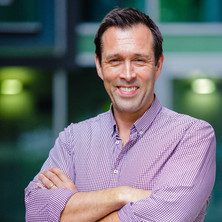
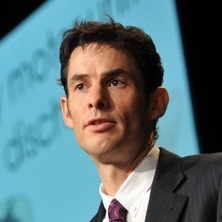
Nick joined the School in January 2008. He completed his under-graduate degree (Human Movement Studies) and PhD at Leeds Metropolitan University, UK. His first post-doctoral position was at Liverpool Hope University College, UK where he lectured in Exercise Science (1997-2001). Prior to moving to UQ he was a Senior and Principal Lecturer in Exercise Science and Health within the Carnegie Faculty, Leeds Metropolitan University.
Research Interests:
Nick is an internationally recognised expert in measuring, understanding and influencing occupational physical activity, sedentary behavior, health and productivity. Recent funded work has included leading multi-disciplinary teams in developing and testing innovative health solutions for office workers, truck drivers and veterans. Nick regularly presents to international conferences and academic groups, provides consultancy services to industry, and supervises PhD and other post-graduate projects.
Faculty of Health, Medicine and Behavioural Sciences
Affiliate of Health and Wellbeing Centre for Research Innovation
Health and Wellbeing Centre for Research Innovation
Faculty of Health, Medicine and Behavioural Sciences
Affiliate of Centre for Neurorehabilitation, Ageing and Balance Research
Centre for Neurorehabilitation, Ageing and Balance Research
Faculty of Health, Medicine and Behavioural Sciences
Principal Research Fellow
School of Human Movement and Nutrition Sciences
Faculty of Health, Medicine and Behavioural Sciences
Associate Professor
School of Health and Rehabilitation Sciences
Faculty of Health, Medicine and Behavioural Sciences
Availability:
Available for supervision
Media expert
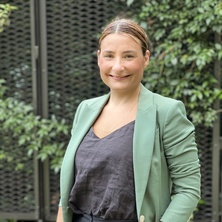
Associate Professor Sjaan Gomersall is Associate Director and Principal Research Fellow at the Health and Wellbeing Centre for Research Innovation at School of Human Movement and Nutrition Sciences and a Teaching and Research academic in Physiotherapy at the School of Health and Rehabilitation Sciences at The University of Queensland. Established in 2022, the Health and Wellbeing Centre for Research Innovation (HWCRI) is a collaborative, co-funded research centre by The University of Queensland and Health and Wellbeing Queensland. The HWCRI combines world class research expertise in physical activity, nutrition and health at The University of Queensland, with the reach and capacity of Health and Wellbeing Queensland to integrate, deliver and evaluate evidence-based programs that provide scalable, equitable access to improve the health and wellbeing of all Queenslanders (and beyond).
Associate Professor Gomersall is an expert in physical activity, sedentary behaviour and health. Her research has focused on understanding, measuring and influencing physical activity and sedentary behaviour using a variety of methods and with a range of populations, with a focus on adults, the prevention and management of chronic disease and physical activity promotion in healthcare settings. Sjaan has a strong track record for multi-disciplinary collaborations and industry partnerships, with specific expertise in partnering with healthcare organisations to build capacity in research and physical activity behaviour change, to evaluate the impact of healthcare services and to co-design and test innovative solutions to gaps in service delivery. Dr Gomersall is a nationally and internally recognised leader in physical activity and health. She is the President of the International Society for Physical Activity and Health, Co-Lead and co-founder of the Physical Activity in Healthcare Special Interest Group for the Asia-Pacific Society for Physical Activity, a Consultant for Physical Activity for the World Health Organisation and an Associate Editor for the Journal of Activity, Sedentary and Sleep Behaviours.
Affiliate of Health and Wellbeing Centre for Research Innovation
Health and Wellbeing Centre for Research Innovation
Faculty of Health, Medicine and Behavioural Sciences
Senior Research Fellow
School of Human Movement and Nutrition Sciences
Faculty of Health, Medicine and Behavioural Sciences
Availability:
Available for supervision
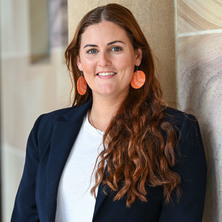
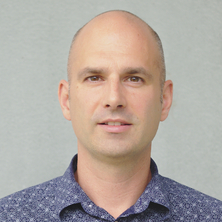
Dr Ana Goode is an implementation scientist, with expertise in designing, implementing and evaluating broad-reach (e.g. telephone, SMS, digital) health behaviour change interventions in applied 'real-world' settings. Her program of research brings together training and research experience in health psychology, health promotion and public health.
Her work focusses on the adaptation and translation of evidence-based health behaviour change (e.g. physical activity, dietary change and weight loss) programs into practice at a local, state and national level. She has a particular interest in end-user and stakeholder engagement and design thinking.
She is currently the lead implementation scientist of the BeUpstanding program; an evidence-based online program to reduce sitting time in the workplace.
Within her role she leads the Healthy Lifestyle Consultancy group, where she provides knowledge leadership in health promotion, including consultancy and training services to workplaces, health providers and practitioners.
Associate Member of Centre for Community Health and Wellbeing
Centre for Community Health and Wellbeing
Faculty of Health, Medicine and Behavioural Sciences
Professor
School of Human Movement and Nutrition Sciences
Faculty of Health, Medicine and Behavioural Sciences
Affiliate of Health and Wellbeing Centre for Research Innovation
Health and Wellbeing Centre for Research Innovation
Faculty of Health, Medicine and Behavioural Sciences
Affiliate of Queensland Digital Health Centre
Queensland Digital Health Centre
Faculty of Health, Medicine and Behavioural Sciences
Availability:
Available for supervision
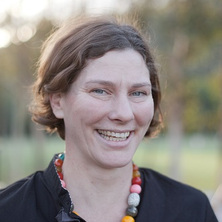
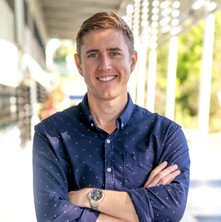
Genevieve is a Professor of Physical Activity and Health at the University of Queensland. Her research examines sedentary behaviour and physical activity across the 24-hour day, their effects on health, wellbeing and performance, and how these behaviours can be changed sustainably. Her work focuses particularly on desk-based workers and people with or at risk of type 2 diabetes.
Co-design with stakeholders and end users is central to her research. She works with government, clinical, public health, industry, community and workplace partners to translate evidence into policy and practice. She leads BeUpstanding, an online workplace health and wellbeing initiative that supports teams of desk-based workers to reduce sedentary time, and Small Steps for Big Changes Australia, which evaluates a diabetes prevention program in the Australian context. Through Project TARA, she is also helping develop and evaluate digital health and learning experiences that can be tailored and adapted to support the translation of evidence into practice.
Faculty of Health, Medicine and Behavioural Sciences
Availability:
Available for supervision
Media expert
Paul W. Hodges DSc MedDr PhD BPhty(Hons) FAA FACP APAM(Hon) is an National Health and Medical Research Council (NHMRC) Leadership Fellow (Level 3), Professor and Director of the Centre for Innovation in Pain and Health Research (CIPHeR) at The University of Queensland (UQ). He is lead chief investigator on an NHMRC Synergy Grant that includes colleagues from the Universities of Queensland, Adelaide and South Australia, and the South Australian Health and Medical Research Institute. Paul is a Fellow of the Australian Academy of Science, which is a Fellowship of the nation’s most distinguished scientists, elected by their peers for outstanding research that has pushed back the frontiers of knowledge. He is also a Fellow of the Australian College of Physiotherapists, the Australian Academy of Health and Medical Science, and was made an Honoured member of the Australian Physiotherapy Association, their highest honour.
Paul is a recognised world leader in movement control, pain and rehabilitation. His unique comprehensive research approach from molecular biology to brain physiology and human function has led to discoveries that have transformed understanding of why people move differently in pain. His innovative research has also led to discoveries of changes in neuromuscular function across a diverse range of conditions from incontinence to breathing disorders. These observations have been translated into effective treatments that have been tested and implemented internationally.
Paul has received numerous national and international research awards that span basic and clinical science. These include the premier international award for spine research (ISSLS Prize) on five occasions; three times in Basic Science (2006, 2011, 2019) and twice in Clinical Science (2018, 2021). International awards in basic science include the SusanneKlein-Vogelbach Award (2010) and the Delsys Prize for Innovation in Electromyography (2009). National medical research awards include the NHMRC Achievement Award (2011). He has also received national community-based leadership awards including the Young Australian of the Year Award in Science and Technology (1997), Future Summit Australian Leadership Award (2010), and Emerging Leader Award (Next 100 Awards, 2009).
Paul is the Chair of the Terminology Task Force for the International Association for the Study of Pain, Chair of the Consensus for Experimental Design in Electromypgraphy for the International Society for Electrophysiology and Kinesiology and has been the Chair/Co-Chair for several major international conferences. He has led major international consortia to bring together leaders from multiple disciplines to understand pain.
Faculty of Health, Medicine and Behavioural Sciences
Availability:
Available for supervision
Media expert
François received his PhD in human movement sciences from Aix-Marseille university (France - 2003). His research focuses on the neural control of movement in health and disease. He has developed a neural framework based on the non-invasive recording of motor neurons to reveal the modular organization of movement control at the spinal motor neuron level. He has published >220 articles in peer-reviewed journals and received > 2.5 M€ funding as PI. As Full Professor at Nantes Université (France), he led a research Lab until he moved to Université Côte d’azur (France), in 2021. He is a senior fellow of the Institut Universitaire de France (IUF, 2025-2030). François is currently Professor (full) in Human Movement Sciences at the University of Côte d’azur (Nice, France) where he leads the LAMHESS lab. Francois serves on the editorial board of Journal of Electromyography and Kinesiology, Scandinavian Journal of Medicine and Science in Sport, and Journal of Applied Physiology. He is an expert for the Consensus for Experimental Design in Electromyography (CEDE) project, which is an international initiative which aims to guide decision-making in recording, analysis, and interpretation of electromyographic data.
Core Member of Centre for Community Health and Wellbeing
Centre for Community Health and Wellbeing
Faculty of Health, Medicine and Behavioural Sciences
ARC DECRA
Southern Queensland Rural Health
Faculty of Health, Medicine and Behavioural Sciences
Availability:
Available for supervision
Overview
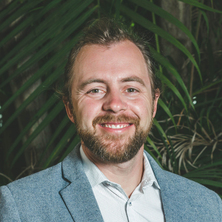
Dr Adam Hulme studies complex adaptive systems and applies methods and models from the systems and complexity sciences to policy-resistant issues in various domains. His current interests lie in the areas of regional, rural and remote health and public health more broadly. Dr Hulme prefers to adopt a systems thinking or holistic perspective over a reductionist one, as doing so is to consider the whole system, or multiple interacting elements of it, as the primary unit of analysis. As an expert in systems modelling and analysis, Dr Hulme has applied an extensive list of over 20 qualitative and quantitative systems science approaches to address complex problems that threaten to disrupt performance and safety within various sociotechnical systems contexts. This includes the use of System Dynamics modelling and simulation, which is a relatively distinctive approach and practiced deeply by a select few inter/nationally. He is the #1 mid-career researcher in Australia (#10 nationally), for the topic ‘systems analysis’, placing him in the top 0.033% of 208,280 published authors worldwide on this topic (Expertscape).
Background
Dr Hulme is a Research Fellow and School Research Chair at Southern Queensland Rural Health (SQRH), Toowoomba, Queensland. He has qualifications in Sports and Exercise Science (BSc HONS; England), Health Promotion (MA; Australia), and obtained a PhD in Sports Injury Epidemiology and Systems Human Factors in August 2017 (Ballarat, Victoria, Australia). His doctoral program was completed at the Australian Collaboration for Research into Injury in Sport and its Prevention (Federation University Australia), which is recognised by the International Olympic Committee (IOC) as a world leading research centre.
Following his PhD, Dr Hulme spent four years as a Post-Doctoral researcher at the Centre for Human Factors and Sociotechnical Systems (CHFSTS) at the University of the Sunshine Coast (USC). In this role, he conceived, led, developed, and published the world’s first Agent-Based Model (ABM; complex systems microsimulation) of running injury causation in the sports sciences alongside an international multidisciplinary author team. Dr Hulme has also published multiple peer reviewed systems modelling and analysis applications to address various systems problems in leading international journals.
As a result of his achievements, Dr Hulme was offered employment as a full-time Research Fellow on an Australian Research Council (ARC) Discovery project though the CHFSTS. It was during this time that he worked on the theoretical development and testing of state-of-the-art systems-based safety management methods in an effort to overcome known limitations with traditional and reductive scientific approaches. Dr Hulme has applied systems-based risk assessment and incident analysis methods to multiple work domains, including defence, construction, healthcare, manufacturing, mining, sports, transportation (e.g., road, rail, aviation, maritime), and general workplace safety.
Current role
In his current role at SQRH, Dr Hulme is advancing the complexity science and systems thinking research agenda in the area of regional, rural and remote health. He is using conceptual-qualitative and computational-quantitative System Dynamics modelling to holistically map and analyse the behaviours that occur within complex rural health systems. Dr Hulme was recently awarded a highly competitive ARC Discovery Early Career Research Award (DE 2024) to explore how climate change and extreme weather events may further impact the rural health workforce maldistribution crisis using systems science methodologies. He warmly welcomes collaborations with other researchers, both within and outside of the UQ network, and is readily available to discuss potential HDR projects that involve systems and complexity science applications to any problem in most domains.
Faculty of Health, Medicine and Behavioural Sciences
Affiliate of Australian Women's and Girls' Health Research Centre
Australian Women and Girls' Health Research Centre
Faculty of Health, Medicine and Behavioural Sciences
Affiliate of Centre for Research on Exercise, Physical Activity and Health
Centre for Research on Exercise, Physical Activity and Health
Faculty of Health, Medicine and Behavioural Sciences
NHMRC Emerging Leadership Fellow
School of Public Health
Faculty of Health, Medicine and Behavioural Sciences
Availability:
Available for supervision
Media expert
Gregore is a behavioural epidemiologist and Principal Investigator of the HABITAT Study, an ongoing cohort focused on urban environments, physical activity, inequalities, and healthy ageing. His research explores how physical activity and sedentary behaviour change over time, from early childhood to older age, particularly during major life transitions, and how these patterns relate to health outcomes and inequalities.
He has a strong interest in improving the measurement of physical activity in population surveys and in applying life-course perspectives to better understand behavioural trajectories and inform strategies to reduce health disparities. Gregore has published more than 160 peer-reviewed papers, secured $4 million in competitive research funding (including>$1 million as Chief Investigator), and actively contributes to national and international initiatives to strengthen physical activity surveillance and public health policy.
Gregore is a Teaching and Research academic at the School of Public Health, where he leads a multidisciplinary research group with PhD and Master’s students working on physical activity epidemiology and life course research projects. He is also an NHMRC Emerging Leadership Fellow (EL1; 2022–2026) and serves as Deputy Editor for the Journal of Physical Activity and Health.
Faculty of Health, Medicine and Behavioural Sciences
Availability:
Available for supervision
Media expert
The research focuses on the evaluation and management of neck pain from a physical therapy perspective
The research in the Cervical Spine and Whiplash Research Unit in the School of Health and Rehabilitation Sciences has an applied clinical focus. Two models of neck pain are being investigated, idiopathic neck pain and neck pain following trauma. The research questions and investigates the possible physical and psychological processes underlying the pain and functional disturbances associated with neck disorders to better identify and quantify the impairments or disturbances in the sensory, muscle, sensorimotor and psychological systems.
Whiplash associated disorders
Processes associated with chronic whiplash associated disorders have been researched, identifying problems in the sensory, motor and postural control systems. A prospective study of prognostic indicators for whiplash from within 4 weeks of injury to recovery or chronicity (6 months post injury) identified sensory, motor and psychological processes associated with recovery and non recovery. A multicentre, international collaborative project is underway to test the sensitivity and specificity of these indicators. This research questions the current classification system for whiplash associated disorders. One RCT of management of chronic whiplash associated disorders has been completed. Currently an RCT is underway to test whether a pragmatic multi-professional management program for acute whiplash will lessen the incidence of transition to chronicity.
Cervicogenic headache
Research into cervicogenic headache has established the physical criteria which characterise cervicogenic headache. A specific pattern of articular and muscle impairment clearly identifies cervicogenic headache from other types of benign intermittent frequent headache with symptomatic overlap (eg tension-type headache and frequent migraine without aura). An RCT has been conducted to investigate the efficacy of physiotherapy treatment methods designed to address these impairments. Current research is investigating cervicogenic headache in the elderly.
Impairment in the neck muscle system and sensorimotor control
The nature of impairments in the cervical muscle system associated with neck pain is being researched. Impairments in the motor control of the deep and superficial neck muscles have been identified in cognitive, functional and automatic tasks. The changes appear to be generic reactions to neck pain syndromes regardless of aetiology. Two randomised controlled trials have been conducted testing the effectiveness of a specific exercise regime developed from this research. The possible physiological mechanisms underlying the effectives of different therapeutic exercise strategies are currently being researched to ensure best evidence-based practice in the field of therapeutic exercise for cervical disorders.
Faculty of Health, Medicine and Behavioural Sciences
Affiliate of Centre for Cardiovascular Health and Research
Centre for Cardiovascular Health and Research
Faculty of Health, Medicine and Behavioural Sciences
Affiliate of Centre for Community Health and Wellbeing
Centre for Community Health and Wellbeing
Faculty of Health, Medicine and Behavioural Sciences
Affiliate of Centre for Research on Exercise, Physical Activity and Health
Centre for Research on Exercise, Physical Activity and Health
Faculty of Health, Medicine and Behavioural Sciences
Availability:
Available for supervision
Media expert
Associate Professor Shelley Keating is an Accredited Exercise Physiologist (AEP) and an Associate Professor in Clinical Exercise Physiology at the School of Human Movement and Nutrition Sciences, University of Queensland. With a strong grounding in exercise metabolism and body composition, Shelley leads a program of research aimed at changing the way we prioritise, access and deliver lifestyle intervention for people with obesity, metabolic dysfunction-associated steatotic liver disease (MASLD), type 2 diabetes and liver cirrhosis. She leads a multidisciplinary research program advancing the integration of exercise into standard cardiometabolic and hepatology care pathways. Her program is co-designed with clinicians, health services, and people living with MASLD to develop sustainable, meaningful exercise solutions that can be embedded into routine hepatology care. A/Prof Keating is also a member of the Global NASH/MASH Council and the EASL Global Liver Advocacy Network, contributing to international advocacy and multidisciplinary collaboration in steatotic liver disease.
A/Prof Keating is the Director of the Exercise Physiology and Liver Disease Translation Group (EP-Liver), which is advanding liver health through exercise, implementation and partnership. The Exercise Physiology and Liver Disease Translation Group conducts clinical trials and implementation research to integrate exercise physiology into the prevention, assessment and management of steatotic liver disease and cirrhosis, with the goal of advancing liver health across the disease spectrum.
The Exercise Physiology and Liver Disease Translation Group (EP-Liver) has three core pillars:
Transforming Workforce: Builds workforce capacity and implementation frameworks that embed exercise physiology within multidiciplinary care for steatotic liver disease and cirrhosis.
Translating Evidence: Generates and translates clinical trial evidence on exercise as a therapeutic intervention for steatotic liver disease and cirrhosis into guidelines and models of care.
Amplifying Voices: Centres the perspectives of people living with steatotic liver disease and cirrhosis through co-design and engagement, ensuring models of care are equity-informed.
Faculty of Health, Medicine and Behavioural Sciences
Availability:
Not available for supervision
Sheleigh Lawler is a health psychology expert, with research interests in understanding and intervening on health behaviours, particularly the psychosocial sequelae in relation to disease and intervention outcomes. Her breadth of knowledge across public health, health promotion and health psychology allows for a unique perspective, particularly on understanding the importance of communication. Her work involves multi-disciplinary teams of researchers, industry partners, and government organisations.
Faculty of Health, Medicine and Behavioural Sciences
Professor
School of Human Movement and Nutrition Sciences
Faculty of Health, Medicine and Behavioural Sciences
Availability:
Available for supervision
Media expert
Professor Mallett has enjoyed a distinguished career in elite coaching and academia. Prof. Mallett was an Olympic and World Championship medal-winning coach and won a National university teaching award (2011). In 2017, he was awarded the prestigious August-Wilhelm Scheer Professorial Fellowship at Technische Universität München (TUM) in Germany. He developed a world-renowned online program in sports coaching and consults nationally and internationally to many elite sporting organisations. Prof. Mallett is a leading international scholar in two broad and interrelated research areas - sport psychology and coaching; specifically:
Understanding the person-in-context
Multi-layered understanding of the person-in-context (personality profiling of coaches and athletes)
Motivation of elite coaches and athletes (Self-Determination Theory - SDT);
Autonomy-supportive learning environments in sport (Self-Determination Theory - SDT);
Mental toughness in elite sport (coaches and athletes).
Players' leadership: A Social Identity Approach (SIA)
High Performance coach learning and development:
How high performance coaches learn in the workplace;
Coaches as sculptors, architects, performers and leaders.
In 2016, Professor Mallett led and completed an international research project examining what can we learn from some of the world's most successful coaches. Prof. Mallett was Chair and Co-Chair of the Research Committee for the International Council for Coaching Excellence (ICCE) from 2010-2019.
Background
Professor Cliff Mallett joined the School of Human Movement Studies in 2000 after a career in physical education and also in elite coaching as a National High Performance Coach in track and field with the Australian Institute of Sport (AIS) and the Queensland Academy of Sport (QAS). He teaches undergraduate and graduate students and actively researches in the area of elite sport. Prof. Mallett regularly consults with elite coaches and athletes as well as coach developers in several national sporting organisations and international organisations.
Faculty of Health, Medicine and Behavioural Sciences
Availability:
Available for supervision
A/Prof. Alejandro Melendez-Calderon has an interdisciplinary background in engineering and rehabilitation with extensive experience in rehabilitation technologies (e.g. robotics, wearables, biofeedback) and computational approaches to understand human neuromuscular control (unimpaired, stroke and SCI population). He has over 20 years of experience gained in academic, clinical and industrial environments. He is one of a select few experts who has working experience in area of Rehabilitation Engineering at top academic, industrial and clinical environments around the world (Australia, Switzerland, USA, UK, Italy, Denmark). This diversity of working environments provides him with a solid understanding of the development and clinical translation processes of rehabilitation technologies - from conception in academia, to transfer, commercialization and adoption in clinical settings.
He is Principal Research Fellow and Theme co-lead of Rehabilitation and Outcomes at the Jamieson Trauma Institute (Jun 2022-present), and an Honorary Associate Professor at the School of Health and Rehabilitation Sciences at the University of Queensland (May 2026-present).
Work experience | Clinical - He leads the Rehabilitation Innovation and Technology Assessment (RITA) service across STARS (Metro North Health) and Princess Alexandra Hospital (Metro South Health); RITA aims to close the gap between the potential of existing/emerging technologies and their practical, sustainable integration into everyday rehab care. He was previously a Senior Research Scientist and Head of Technology at the cereneo Advanced Rehabilitation Institute / cereneo Center for Neurology and Rehabilitation (Switzerland; 2017-2019), where he led and conducted research in the area of neuromechanics of movement deficits after stroke. He was also an Adjunct Assistant Professor at the Department of Physical Medicine & Rehabilitation, Northwestern University (USA; 2014-2020) and a postdoctoral research fellow at the Shirley Ryan AbilityLab (formerly Rehabilitation Institute of Chicago) (2012-2013), where he conducted research in cross-modal multisensory interactions and assessment of neuromuscular impairments. Medical industry - He led the areas of Robotic Hand Rehabilitation and Assessments, and work on adaptive control of robotic trainers (arm and legs) at Hocoma AG (Switzerland; 2014-2016), one of the world-leading manufacturers of robotic and wearable technologies for rehabilitation. Academic research - He was previously a Senior Lecturer within the School of Information Technology and Electrical Engineering, University of Queensland (Australia, Jan 2020-May 2026), where he led the NeuroRehabilitation and Medical Robotics group. He was a Guest Researcher at ETH Zurich (Switzerland; 2016-2019), where he conducted research in biomechanics and motor control/learning. He received his PhD degree from Imperial College London (UK; 2007-2011) for research in robotics, rehabilitation and human motor control.
Interests | A/Prof. Melendez-Calderon has a scientific interest in understanding principled mechanisms of human behavior, in particular related to movement control/learning and physical interaction; his technical interests are in robotics and computational modeling for medical diagnostics, assistive applications & (bio)medical education.
Faculty of Health, Medicine and Behavioural Sciences
ARC Future Fellow
School of Social Science
Faculty of Humanities, Arts and Social Sciences
Availability:
Available for supervision
Media expert
I am an ARC Future Fellow at UQ with interdisciplinary research interests spanning social and biological sciences. My research examines how environmental and societal structures shape skeletal growth, metabolism, and health, drawing on technical expertise in skeletal histology applied across bioarchaeology, forensics, palaeontology, biology, and biomedicine. I also offer ad hoc skeletal histology consultation in forensic cases. My research has attracted ~$1.7M in competitive funding as PI (>$3.3M including collaborative grants), including an ARC DECRA and Future Fellowship.
I currently serve as Editor‑in‑Chief of Anthropological Review, Editorial Board Member of Annals of Human Biology, and Vice‑President of the Australasian Society for Human Biology. In 2024, I received the Linnean Society of London’s Trail‑Crisp Medal for contributions to microscopy in natural history.
My career spans academic, government, and industry roles in Australia, the UK, and the Netherlands, including positions at Naturalis Biodiversity Center, the Australian Government, ANU, Imperial College London, and the University of Kent, where I completed my BSc (Hons), PhD, and PGCHE. My previous service includes Treasurer of the Australasian Society for Human Biology and editorial roles with The Proceedings of the Royal Society of Queensland, Scientific Reports, and Anthropological Review.
Faculty of Health, Medicine and Behavioural Sciences
Honorary Senior Fellow
School of Public Health
Faculty of Health, Medicine and Behavioural Sciences
Availability:
Available for supervision
Dr Huy Nguyen is a biostatistician and epidemiologist whose 25+ year career has spanned clinical medicine and advanced quantitative research across Vietnam, Japan, the United Kingdom, the United States and Australia. He trained as a medical doctor at Thai Nguyen and Hanoi Medical University, before completing postgraduate qualifications in statistics, research methods and public health at Flinders University and a PhD in Statistical Modelling and Epidemiology at Queensland University of Technology, for which he received the Outstanding PhD Thesis Award. He has held academic and biostatistics roles at Hanoi Medical University, St Luke's International University, the University of Adelaide, Griffith University, and Federation University Australia, and currently serves as Senior Research Fellow (Biostatistics) at the Poche Centre for Indigenous Health, University of Queensland, with honorary and adjunct appointments at Federation University, St Luke's, UMass Chan Medical School, and Mekong University.
Huy's research focuses on the design and statistical analysis of clinical trials and large observational studies, with particular expertise in causal inference, longitudinal and survival modelling, and Frequentist and Bayesian methods applied to chronic and infectious disease epidemiology. He has served as statistician or statistical/technical advisor on seven clinical trials (six ANZCTR-registered) – most recently as Technical/Statistical Advisor on the Wellcome Trust-funded E-Dengue cluster-randomised trial to reduce dengue incidence in Vietnam's Mekong Delta – and has contributed statistical expertise to over 30 funded research projects supported by the NHMRC, NIH, CDC, and Wellcome Trust, including NIH/Fogarty-funded non-communicable disease research and training in partnership with UMass Chan Medical School.
He has published nearly 100 peer-reviewed articles in international journals – including The Lancet, eClinicalMedicine, The Lancet Regional Health – Western Pacific, PLOS Medicine, and Cardiovascular Research.
Huy has supervised 1 postdoctoral fellow, 6 PhD candidates (2 completed, 4 in progress), 25 Master's students, and 17 Honours/Bachelor students.
Faculty of Health, Medicine and Behavioural Sciences
Affiliate of Centre for Innovation in Pain and Health Research (CIPHeR)
Centre for Innovation in Pain and Health Research
Faculty of Health, Medicine and Behavioural Sciences
Availability:
Available for supervision
Shaun O’Leary, BPHTY (Hon), MPHTY (Msk), PhD, is an Associate Professor in Physiotherapy between the School of Health and Rehabilitation Sciences at the University of Queensland, and the Royal Brisbane and Women’s Hospital Physiotherapy Department, in Brisbane, Australia. He is also a Specialist Musculoskeletal Physiotherapist (as awarded by the Australian College of Physiotherapists (ACP) in 2008). Shaun is a longstanding member of the Australian Physiotherapy Association and Fellow of the ACP. Shaun is across clinical education at all levels of physiotherapy training. He has had a major teaching role in the University of Queensland’s postgraduate specialty Masters of Physiotherapy (Musculoskeletal and Sports Physiotherapy) programs since 2001, and nationally has served the ACP as an examiner, and former council member and Chair of the Fellowships Program Standing Committee. In 2021 Shaun was awarded a Senior Fellowship within the Higher Education Academy (SFHEA). Shaun has over 130 publications relating to the management of musculoskeletal conditions (including >110 research articles, 6 book chapters, 2 books translated to multiple languages), > 50 conference presentations, nearly AUD$6 million career grant funding, and have delivered over 60 clinical workshops worldwide, and received clinical research awards nationally and internationally, and supervised 13 research higher degrees.