Faculty of Health, Medicine and Behavioural Sciences
Affiliate of Centre for Innovation in Pain and Health Research (CIPHeR)
Centre for Innovation in Pain and Health Research
Faculty of Health, Medicine and Behavioural Sciences
Availability:
Available for supervision
Media expert
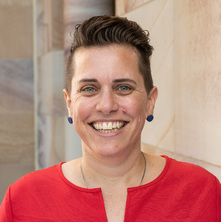
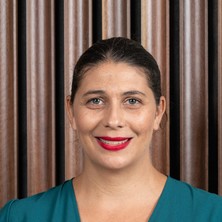
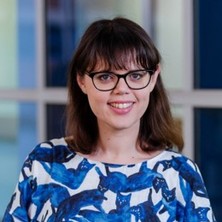
Professor Kylie Tucker is Deputy Head of School in the School of Biomedical Sciences at The University of Queensland and leads the Faculty of Health, Medicine and Behavioural Sciences People Portfolio. She is passionate about creating environments where academics can thrive, grow and make meaningful contributions throughout their careers.
Kylie's work sits at the intersection of academic leadership, career development, promotion readiness and professional identity. Through leadership programs, workshops and facilitated peer learning, she creates psychologically safe spaces where academics can reflect on their careers, identify their strengths and values, craft coherent professional narratives, and build meaningful networks that support their future growth. Her emerging platform, Academic Identity and Impact, is founded on the belief that academics must first understand their identity before they can fully understand and articulate their impact.
Alongside these leadership activities, Kylie leads a positive and collaborative research environment that brings together fundamental scientists and clinical researchers to advance knowledge of human movement, rehabilitation and musculoskeletal health. Her research has transformed understanding of how pain influences movement, advanced approaches to estimating muscle forces, and improved assessment of childhood movement control and adolescent skeletal maturity.
More recently, Kylie has drawn on her expertise in movement science to investigate the mechanisms underlying adolescent idiopathic scoliosis. Affecting approximately one child in every Australian classroom, scoliosis remains a condition with no known cause and limited evidence to guide non-invasive intervention. Her research group has identified novel, targetable muscle characteristics that can be detected early in curve progression, creating new opportunities to improve treatment and reduce the need for spinal fusion surgery.
Kylie remains deeply committed to teaching and educational leadership, having taught muscles and movement control across multiple UQ programs to cohorts ranging from small specialist classes to more than 1,400 students. Within the School of Biomedical Sciences she has served as Deputy Director of Teaching and Learning (2018–2020), inaugural Chair of the REMEDE Committee (2021–2023), Director of Teaching and Learning (2024–2025), and Deputy Head of School (2026–present).
Kylie also co-facilitates UQ's flagship Career Progression for Women program and is committed to helping academics develop confidence, clarity and connection in their careers. Across all her leadership roles, she is known for fostering supportive academic cultures that empower individuals to understand their strengths, articulate the value they bring, and maximise their impact.
Internationally, Kylie is now Past-President of the International Society of Electrophysiology and Kinesiology (ISEK) (2026–2028), a global organisation dedicated to advancing the study of human movement and the neuromuscular system. She has contributed to the leadership of the Society since 2018.
Faculty of Health, Medicine and Behavioural Sciences
Availability:
Available for supervision
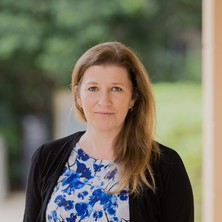
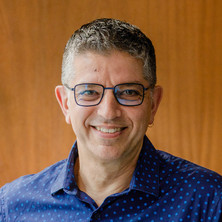
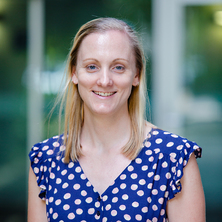
Karen Tuesley is an early career researcher and Lecturer in epidemiology at the School of Public Health, University of Queensland. Karen’s research focuses on women’s health and cancer epidemiology using large longitudinal datasets. Her PhD research used large-scale data to explore the associations between the use of chronic disease medications and the risk of ovarian cancer. She also researches long-term health outcomes for women after gynaecological surgery. Karen works with large observational studies with longitudinal data and is experienced with different analytic techniques and methods including emulated trials and Mendelian randomisation.
Affiliate Professor of School of Pharmacy and Pharmaceutical Sciences
School of Pharmacy and Pharmaceutical Sciences
Faculty of Health, Medicine and Behavioural Sciences
Affiliate of ARC Research Hub for Advanced Manufacture of Targeted Radiopharmaceuticals (AMTAR)
ARC Research Hub for Advanced Manufacture of Targeted Radiopharmaceuticals
Australian Institute for Bioengineering and Nanotechnology
Affiliate of Centre for the Business and Economics of Health
Centre for the Business and Economics of Health
Faculty of Business, Economics and Law
Affiliate of Centre for Innovation in Pain and Health Research (CIPHeR)
Centre for Innovation in Pain and Health Research
Faculty of Health, Medicine and Behavioural Sciences
Professorial Research Fellow
School of Business
Faculty of Business, Economics and Law
Availability:
Available for supervision
Media expert
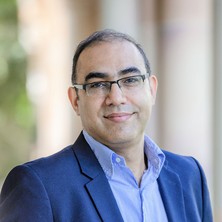
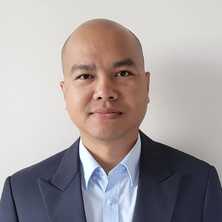
I am the lead of the Effective and Efficient Healthcare program at the Centre for the Business and Economics of Health at The University of Queensland. I also lead Health Technology Assessment for the Centre, which involves evaluating submissions made to the Australian Government to reimburse new medicines and medical devices through the Pharmaceutical benefits Scheme (PBS) and the Medicare Benefits Schedule (MBS). My research is focused on the economic evaluation of health interventions to inform decision making and promote value-based health care. I have pioneered the application of Value of Information (Research) analysis to enhance the efficiency of clinical trials and maximise the return on investment from medical research.
I have extensive experience working with key stakeholders including consumers, clinicians, decision makers and researchers. I am chief investigator on over $45 million Category 1 grants from the NHMRC, MRFF and ARC. In addition, I lead several projects for the Department of Health and other peak organisations.
I chair the International Society for Pharmacoeconomics and Outcomes Research (ISPOR)-Oncology GroupI, and I am the past chair of the Clinical Oncology Society of Australia's (COSA)-Epidemiology Group and the Australian Clinical Trials Alliance (ACTA)-Research Prioritisation Group. I am an Associate Editor for Value in Health, and an Editorial Board Member for Medical Decision Making and PharmacoEconomics-open journals.
Faculty of Health, Medicine and Behavioural Sciences
Availability:
Available for supervision
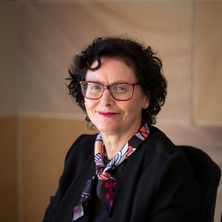
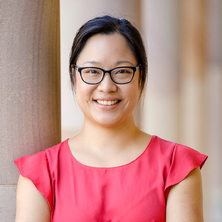
Dr Turpin’s research centres on the clinical/professional reasoning of occupational therapists across the spectrum of experience from new graduates to experts, as well as the subjective experiences of people with disabilities. She specialises in the use of qualitative research methods and uses a variety of qualitative research methods in her own research, as well advising others on these research methods. Dr Turpin has written books and book chapters on occupational therapy models of practice, evidence-based practice, and clinical reasoning, as well as publications on various aspects of people's experience. Dr Turpin has been a teaching and research academic at The University of Queensland for more than 30 years. The connection between theory and practice is central to her research and teaching. As occupational therapists attend to both thinking and experience, they need to use rigorous thinking and a deep understanding of human experience in their practice.
Associate Member of Centre for Community Health and Wellbeing
Centre for Community Health and Wellbeing
Faculty of Health, Medicine and Behavioural Sciences
Chair in Physical Activity and Disability
School of Human Movement and Nutrition Sciences
Faculty of Health, Medicine and Behavioural Sciences
Affiliate of Health and Wellbeing Centre for Research Innovation
Health and Wellbeing Centre for Research Innovation
Faculty of Health, Medicine and Behavioural Sciences
Availability:
Available for supervision
Media expert
Professor Sean Tweedy leads the Para Sport and Adapted Physical Activity Research Group in the School of Human Movement and Nutrition Sciences, University of Queensland. Through his applied research program he aims to generate the knowledge required to empower people with disabilities to pursue self-directed goals through safe, effective engagement in sport and physical activity. Sean’s research addresses three main areas of need:
People with disabilities are among the most inactive people in society and consequently have a disproportionately high incidence of preventable diseases such as cardiovascular disease and type II diabetes mellitus. Sean’s research program aims to develop evaluate and translate evidence-based methods for increasing physically active behaviour among community dwelling adults with disabilities.
Para athletes have impairments which adversely affect sports performance, but the extent to which performance is affected varies greatly with some athletes having impairments that cause severe disadvantage in sport and others that cause relatively minor disadvantage. To ensure that competition is fair and that athletes who succeed are not simply those that have less severe impairments, Para athletes compete in classes, each comprising athletes who have impairments that cause a similar amount of disadvantage in sport. Methods for allocating class are not well established and Sean is Principal Investigator for the International Paralympic Committee’s Classification Research and Development Centre (physical impairments) which aims to develop best practice and evidence-based methods for allocating athletes to classes;
In Australia, the right of people with disability to participate in sport and recreation is protected but only if the accommodations they require - equipment and/or expertise - are deemed to be "reasonable”. Unfortunately people with severe disabilities and high support needs often require equipment and/or expertise which cannot reasonably be expected of community sport and recreation providers. Sean’s research program aims to develop, evaluate and translate methods for safe, effective engagement in physically demanding, competitive sport for people with severe disabilities and high support needs. ParaSTART is his flagship program in this area - https://habs.uq.edu.au/parastart
Faculty of Health, Medicine and Behavioural Sciences
Availability:
Available for supervision
Media expert
Zephanie is a Senior Research Fellow and occupational therapist based at the Child Health Research Centre, and a member of the management team of the Centre for Children’s Burns and Trauma Research, Brisbane. She has a clinical background specialising in paediatrics and burn care. She has worked clinically and in management positions at Royal Children’s Hospital, Brisbane, in private practice and in research capacity building positions in hospitals and health services.
Since 2013 Zephanie’s research has focussed on developing and validating patient-reported outcome measures, as well as using these measures therapeutically for clinical decision making. She led the development of four versions of the Brisbane Burn Scar Impact Profile which have been translated into Czech and are undergoing cross-cultural validation for Brazilian Portuguese. She has a vision of providing all children and their caregivers with an opportunity to communicate their needs and priorities during treatment in a paediatric hospital or health service.
Her current program of work includes collaborative work with children, their caregivers and health professionals to co-design and test the effectiveness and implementation of technology-based interventions in clinical settings to improve quality of life. These interventions include a web-based intervention for paediatric health professionals to support the psychosocial health of families with a child who has experienced physical trauma, and an electronic intervention for children with skin conditions and their caregivers that provides feedback about the patient's health-related quality of life to health professionals. Zephanie also has a continued interest in investigating the effectiveness and implementation of novel interventions to prevent or improve the impact of skin conditions in children and their families. This includes the use of ablative fractional CO2 laser, medical needling, pressure garment and silicone therapy, medical hypnosis and interventions to promote adherence and reduce the burden of treatment.
Faculty of Health, Medicine and Behavioural Sciences
Availability:
Available for supervision
Media expert
Dr. Susannah Tye joined the Queensland Brain Institute in 2017 and has established a research program within the Asia Pacific Centre for Neuromodulation (QLD, Australia). Before returning to Australia, Dr. Tye directed the Translational Neuroscience Laboratory at the Mayo Clinic (2012-2017). While there she led efforts to develop brain stimulation devices (for rodents and humans) that can quantify neural activity and neurotransmitter dynamics in the living brain. This body of work now forms the basis of the neuropsychiatric arm of the Mayo Clinic’s Deep Brain Stimulation Consortium. Her specific research expertise are in utilising voltammetric (electrochemical) recording techniques to monitor rapid, synaptic neurotransmission in the living brain.
Dr. Tye has over ten years of experience studying neuromodulation in preclinical rodent models and human patients. Her long-term goal is to bridge preclinical and clinical studies to maximise translational impact, specifically in terms of improving patient outcomes for those with severe refractory psychiatric illness. Towards this end, she maintains many international collaborations with both clinical and basic science researchers. Dr. Tye also has a longstanding interest in mentoring young scientists to help them expand their skills in preclinical and basic science research and achieve a successful research career.
Senior Lecturer and Specialty Supervisor - General Practice
General Practice Clinical Unit
Faculty of Health, Medicine and Behavioural Sciences
Availability:
Available for supervision
Dr Chloe Tyson is a General Practitioner, medical educator, and researcher with expertise in general practice, antidepressant deprescribing, lifestyle medicine, complex and chronic care, and preventive healthcare. She is a Senior Lecturer in the General Practice Clinical Unit at the University of Queensland Medical School, where she works across undergraduate teaching, assessment, and learning-resource development.
Her current research follows the RELEASE antidepressant tapering plans into everyday general practice: how GPs use them, what gets in the way, and what would make deprescribing more workable. That work is supported by an RACGP Academic Post (2025–2026). Clinically, she works with people whose problems do not fit a standard appointment, using a lifestyle-medicine approach to persistent fatigue, gut and hormonal problems, inflammation, and other unresolved chronic presentations.
Her broader interests include:
General practice and primary care implementation
Antidepressant deprescribing and withdrawal-informed tapering
Lifestyle medicine and whole-person care
Complex and chronic conditions
Preventive health and health optimisation
Mental health in primary care
Medical education, assessment and resource development
Dr Tyson is committed to strengthening general practice as a setting for complex care, deprescribing, and whole-person medicine, and to building that capacity in the next generation of doctors.
Faculty of Health, Medicine and Behavioural Sciences
Availability:
Available for supervision
Media expert
Children deserve the best of our healthcare. As Professor and Chair in Paediatric Nursing, conjoint between the University of Queensland (UQ) and Children’s Health Queensland, Amanda is working to optimise health service delivery for children in hospital, so they are able to receive the treatment they need, without complications. She also aims to improve the capacity, capability and excellence of consumer-focussed, powerful research across paediatric healthcare.
At UQ, Amanda leads the Paediatric Nursing and Patient Safety research group, which is based across the School of Nursing, Midwifery and Social Work and the Children's Health Research Centre.
Amanda is also co-Chair of the Children's Inpatient Research Colloraborative of Australia and New Zealand (CIRCAN), which facilitates hospital-based paediatric research studies across metropolitan, regional and rural hospitals in Australasia. She is also Director of Child UnLimited, an Australian network of researchers, clinicians, advocates and families with a shared vision: to improve the clinical care and quality of life of children, adolescents and young adults living with a chronic illness or disability.
Affiliate of Centre for Digital Cultures & Societies
Centre for Digital Cultures & Societies
Faculty of Humanities, Arts and Social Sciences
Senior Lecturer
School of Social Science
Faculty of Humanities, Arts and Social Sciences
Availability:
Available for supervision
Media expert
Mair Underwood is an anthropologist in the School of Social Science who specialises in bodies. In particular she explores how body modifications (such as tattoo or bodybuilding) are used to create, reflect and disrupt social boundaries such as those of gender and class. She is especially interested in the social lives of image and performance enhancing drugs: how they acquire meaning through social interactions and how they alter social interactions.
She also has an interest in assessment practice and has conducted research into assessment techniques that promote student engagement and academic integrity and compiled them into a searchable database called the UQ Assessment Ideas Factory
Mair is passionate about community engagement and engages with the community through her YouTube profile and podcasts such as this one with VPA Australia https://www.vpa.com.au/podcast
Mair Underwood coordinates two courses:
SOSC2190 Human Bodies, Culture and Society
SOCY1060 Gender, Sexuality and Society: An Introduction
Affiliate of Centre for Innovation in Pain and Health Research (CIPHeR)
Centre for Innovation in Pain and Health Research
Faculty of Health, Medicine and Behavioural Sciences
Emeritus Professor
School of Health and Rehabilitation Sciences
Faculty of Health, Medicine and Behavioural Sciences
Availability:
Available for supervision
Media expert
I am a Professor Emeritus in Sports Physiotherapy in the School of Health and Rehabilitation Sciences where I am the Director of the Master of Physiotherapy (Musculoskeletal and Sports Physiotherapy Majors) and co-Director of the Sports Injury Rehabilitation and Prevention for Health Research unit. My research is mainly focussed on non-surgical management of persistent musculoskeletal problems like tendon related pain/disability (tendinopathy) and knee cap pain (patellofemoral pain). I also delve into the underlying mechanisms of these conditions and other common sporting injuries (e.g., ankle sprains) – a leading cause of ankle osteoarthritis.
Since gaining my PhD in 2000, I have been awarded over $30million in competitive research funding as a chief investigator to study these conditions – 5 NHMRC project grants, 2 NHMRC CRE, 2 NHMRC program grants, 2 NHMRC MRFF grants and an ARC Linkage grant. I have also conducted over half a million dollars of commercially sponsored research.
I have authored 2 books, 26 book chapters and over 382 peer reviewed publications (h-index 68). My top tendinopathy papers are cited over 10 times more than average for the field – most are published in the top sports/general medicine and physiotherapy journals . I have 2 highly cited papers – in the top 1% of the academic field of Clinical Medicine 2022. I have presented my work world wide in over 300 workshops, seminars and keynote presentations.
I enjoy my role in mentoring early/mid career academics and supervising researh higher degree students – having supervised 40 PhD and 2 MPhil candidates to completion. In this capacity I lead the physiotherapy research higher degree seminar series where our students engage in presenting their work and hearing from top international researchers on a range of relevant topics. One reason why my work was recently recognised by the school award for research mentoring.
Faculty of Health, Medicine and Behavioural Sciences
Availability:
Available for supervision
Dwan is the Group Leader Environmental Epidemiology, Centre for Safe Air Postdoctoral Research Fellow and the Director of the WHO Collaborating Centre for Children's Health and Environment. Dwan has a particular interest in children's environmental health. Her current research explores the following:
Bushfire smoke
Air pollution, especially indoor air quality
Environmentally persistent free radicals
Green space
Climate change and health
The EMBER (Environmental Measures of Bushfire smoke Exposure and Respiratory health) study is a comprehensive investigation into how bushfire smoke affects the respiratory health of children, adults, and firefighters. It integrates environmental sampling, in‑home air quality monitoring, biomarker assessment, and repeated lung‑function testing to build a full picture of smoke exposure from source to health impact. EMBER also uses advanced tools—such as drone technology—to characterise pollutant profiles during fire events, generating evidence to inform public health policy and better protect communities during increasingly frequent smoke events. Learn more at: research.uq.edu.au/ember
Smoke kits: This project responds to the growing health risks posed by increasingly frequent bushfires by developing practical, community‑focused tools to reduce smoke exposure. Recognising that current guidance—such as staying indoors—may not adequately protect families, the initiative creates affordable clean‑air kits that include materials for a DIY filter fan, a user‑friendly handbook, and accessible resources for families. Through hands‑on workshops and broader community outreach, the program supports households in using these kits effectively, aiming to strengthen public health resilience during smoke events.
The EPFR project investigates how environmentally persistent free radicals—combustion‑derived pollutants we have previously identified in Australian homes—contribute to adverse health effects, particularly in children. By examining their presence indoors and their formation during events like bushfires, the project aims to understand how these long‑lived pollutants drive key health impacts associated with air pollution. This work focuses on characterising exposure in Australian households and uncovering how EPFRs influence human health, ultimately supporting efforts to reduce harmful environmental exposures.
Building the Autonomy of Indigenous Communities to Make their Data Work for Decision-Making: This project empowers Indigenous communities in Canada to use their own health and environmental data for better decision-making by hosting a series of Knowledge Symposiums on key topics like children’s environmental health, water contamination, microplastics, and Indigenous health economics. These symposiums bring together community members, researchers, and experts to share knowledge, build local capacity, and co-develop practical tools and strategies. By centering Indigenous voices and fostering data autonomy, the project not only addresses urgent health concerns but also demonstrates leadership in community-driven research, strengthening your profile as a researcher committed to impactful, collaborative, and culturally grounded work.
WHO Collaborating Centre for Children's Health and Environment
Our Collaborating Centre focuses on supporting the World Health Organization in strengthening countries’ capacity to protect children from the health impacts of climate and environmental change. Activities include assisting WHO to assess air quality and climate‑related health risks to children in the Western Pacific Region, developing and revising competency‑based training materials in children’s environmental health, and updates to existing WHO training packages. The workplan also contributes to coordination across the network of WHO Collaborating Centres by providing input to the Collaborative Framework of Action on children’s environmental health and by producing research reviews and thematic analyses on climate‑ and chemical‑related risks to support WHO policies and guidance. Learn more here: https://child-health-research.centre.uq.edu.au/research/who-collaborating-centre-for-children-s-health-and-environment
Faculty of Engineering, Architecture and Information Technology
Affiliate of Research Centre in Creative Arts and Human Flourishing
Research Centre in Creative Arts and Human Flourishing
Faculty of Humanities, Arts and Social Sciences
Associate Professor
School of Electrical Engineering and Computer Science
Faculty of Engineering, Architecture and Information Technology
Availability:
Available for supervision
Media expert
Human-centred design of interactive systems
Stephen Viller is a researcher and educator in human-centred design methods, particularly applied to designing social, domestic and mobile computing technologies, and understanding how people's interactions in everyday settings inform the design of such technologies. He has over 30 years of experience in Computer Supported Cooperative Work (CSCW), Interaction Design, and Human-Computer Interaction (HCI) research, where he has focused on bridging disciplines and diverse methodological perspectives. He has concentrated on qualitative methods, particularly observational fieldwork, contextual interviews, diary studies and field trips, but also increasingly on more ‘designerly’ approaches such as cultural probes, low-fidelity prototypes, speculative design.
Stephen is an Associate Professor in the School of Electrical Engineering & Computer Science (EECS), where he leads the Human-Centred Computing discipline. He is also UQ's Theme Leader for the Digital Worlds and Disruptive Technologies theme in the UQ-Exeter Institute, and national chair of CHISIG, the Computer-Human Interaction Special Interest Group of the Human Factors and Ergonomics Society of Australia (HFESA). From 2016-2019 he was the EECS (ITEE at the time) Director of Coursework Studies (Chair of T&L committee) and from 2011-2016 he was Program Director of the Bachelor of Multimedia Design and Master of Interaction Design. His publications span various interdisciplinary journals and conferences in HCI/CSCW and technology design. He has a BSc (Hons) Computation (UMIST), MSc Cognitive Science (Manchester) and PhD Computing (Lancaster).
Affiliate of Future Autonomous Systems and Technologies
Future Autonomous Systems and Technologies
Faculty of Engineering, Architecture and Information Technology
Lecturer
School of Mechanical and Mining Engineering
Faculty of Engineering, Architecture and Information Technology
Availability:
Available for supervision
Dr T. Thang Vo-Doan is a Lecturer of the School of Mechanical and Mining Engineering at the University of Queensland. He was a postdoctoral researcher at the Institute of Biology I, University of Freiburg, Germany (2019-2023). He was also a Research Fellow at Nanyang Technological University (NTU), Singapore (2016-2018). He was awarded his PhD in Mechanical Engineering from the School of Mechanical & Aerospace Engineering, NTU in 2016. He received his M.Eng. degree in Manufacturing Engineering and B.Eng. degree in Mechanical Engineering from Ho Chi Minh City University of Technology, Vietnam in 2010 and 2008 respectively. He was awarded the prestigious Human Frontier Science Program Cross-disciplinary Fellowship (2019-2022).
He directs the UQ Biorobotics lab after joining in the University of Queensland. Current research activities of the lab focus on insect-machine hybrid robots, bio-inspired robotics, insect structures and functions, biomechanics, fast lock-on tracking, and brain imaging in untethered insects.
Affiliate of Centre for Innovation in Pain and Health Research (CIPHeR)
Centre for Innovation in Pain and Health Research
Faculty of Health, Medicine and Behavioural Sciences
Lecturer in Physiotherapy
School of Health and Rehabilitation Sciences
Faculty of Health, Medicine and Behavioural Sciences
Availability:
Available for supervision
Dr Viana Vuvan is a titled Musculoskeletal Physiotherapist and Lecturer in Physiotherapy at The University of Queensland. Viana has a strong clinical background in musculoskeletal physiotherapy, with experience in managing a wide range of musculoskeletal and sports-related injuries. Viana has a special interest in the management of upper limb musculoskeletal disorders and enjoys sharing her experience with students in the undergraduate and postgraduate physiotherapy programs. Viana is an active member of the Sports Injury Rehabilitation and Prevention for Health (SIRPH) research unit and the Neck and Head Research Unit (NAHRU) at the University of Queensland.
Viana’s research is focused on improving the management of persistent musculoskeletal pain conditions, such as tendinopathies, and better understanding the mechanisms underlying their chronicity. Viana’s PhD research focused on lateral elbow tendinopathy and explored the factors contributing to pain, disability and chronicity within this group. Additionally, Viana has explored similar mechanisms in other tendinopathies, including Achilles, patellar tendinopathy, plantar fasciopathy, as well as in whiplash associated disorders. She has shared her research at numerous state-wide, national and international conferences, and has been awarded for her presentations at several conferences.
Affiliate of Centre for Living Experience Research
Centre for Living Experience Research
Faculty of Health, Medicine and Behavioural Sciences
Affiliate of University of Queensland Centre for Hearing Research (CHEAR)
Centre for Hearing Research
Faculty of Health, Medicine and Behavioural Sciences
Affiliate of Parenting and Family Support Centre
Parenting and Family Support Centre
Faculty of Health, Medicine and Behavioural Sciences
Senior Lecturer
School of Health and Rehabilitation Sciences
Faculty of Health, Medicine and Behavioural Sciences
Availability:
Available for supervision
I am a speech pathology and hearing researcher specialising in equitable access to early communication intervention. My work focuses on improving how services are designed, delivered, and experienced to support better outcomes for children, families, and underserved communities.
My research sits within health services research and implementation science, with a strong emphasis on real-world impact. I am particularly interested in understanding and addressing disparities in access and engagement across diverse populations.
Key areas of expertise include:
Early intervention for children who are deaf or hard of hearing and/or other communicaiton disability
Access to services and service engagement
Health equity for culturally and linguistically diverse and rural populations
Communication participation and inclusion
Stigma in hearing loss and communication disability
Telehealth and innovative models of care
I use a range of approaches, including mixed methods research, co-design, and large-scale data analysis, to work collaboratively with communities, clinicians, and service providers. My goal is to generate evidence that informs policy and practice, leading to more accessible, inclusive, and effective communication services across the lifespan.
Faculty of Health, Medicine and Behavioural Sciences
Availability:
Available for supervision
Media expert
Dr Jacqueline Walker joined the School of Human Movement and Nutrition Sciences in November 2015 and is working as a Senior Lecturer. She completed her doctoral degree in paediatric nutrition at The University of Queensland in March 2013, focusing on energy balance and body composition in children with cerebral palsy. Prior to this, she completed her undergraduate studies in exercise science and nutrition and dietetics at The University of Sydney. Jacqueline has worked as a dietitian for a number of years in acute hospital settings, community clinical settings and private practice, specialising in paediatric dietetics.
Centre Director of Centre for Living Experience Research
Centre for Living Experience Research
Faculty of Health, Medicine and Behavioural Sciences
Affiliate of Queensland Aphasia Research Centre (QARC)
Queensland Aphasia Research Centre
Faculty of Health, Medicine and Behavioural Sciences
Affiliate of University of Queensland Centre for Hearing Research (CHEAR)
Centre for Hearing Research
Faculty of Health, Medicine and Behavioural Sciences
NHMRC Emerging Leadership Fellow
School of Health and Rehabilitation Sciences
Faculty of Health, Medicine and Behavioural Sciences
Availability:
Available for supervision
Media expert
I am a research leader who believes the best science is built with the people it is designed to serve. As a two-time NHMRC Emerging Leadership Fellow and Certified Practising Speech Pathologist, I lead a transdisciplinary team of more than 20 researchers at the University of Queensland. We work in partnership with consumers, clinicians, communities, government, and industry to co-produce interventions, technologies, systems, and standards that drive real change and serve the public good.
My research themes include: (a) Design and implementation of a national audit system to drive quality improvement in post-stroke aphasia services; (b) Development and implementation of methodological standards to improve aphasia research quality and reduce research wastage; (c) Development of technology-enhanced interventions to support self-management, promote equitable access to information and services, and empower people with communication support needs; (d) Development of fit-for-purpose training and resources for aged care workers to help older Australians have better conversations about aged care.
I am Director of the Centre for Living Experience Research and lead the Qualitative Collective, and the School of Health and Rehabilitation Sciences Communication Research and Engagement Theme (CommRET). I am a UQ Research Integrity Advisor.
Affiliate of Australian Women's and Girls' Health Research Centre
Australian Women and Girls' Health Research Centre
Faculty of Health, Medicine and Behavioural Sciences
Senior Lecturer in Biostatistics
School of Public Health
Faculty of Health, Medicine and Behavioural Sciences
Availability:
Available for supervision
Media expert
Dr Michael Waller: is a biostatistician working on the Australian Longitudinal Study of Womens Health (ALSWH). He has previous experience working on cancer screening, and military health studies. His current research focus is using linked data sources to assess dementia rates and risk factors.