Queensland Alliance for Agriculture and Food Innovation
Availability:
Available for supervision
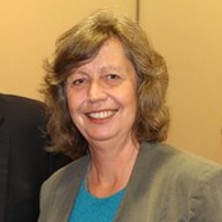
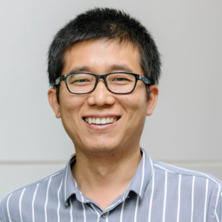
Since joining the Centre for Nutrition and Food Science in 2004, my work has focussed on food structure and how it changes during digestion and fermentation. I use NMR spectroscopy and wet chemistry techniques, to characterise polysaccharides particularly: starch, plant cell walls, dietary fibre and cellulose. My research has resulted in the publication of 93 papers with over 6000 citations and a H-index of 39 (scopus). I regularly review papers for Food Hydrocolloids and Carbohydrate polymers. I have co-supervised eight PhDs to completion and am currently co-supervising four PhD students and am principal supervisor to one PhD and two masters students.
After graduating with a Bachelor of Science (Honours, 1997, UQ) and PhD in Inorganic Chemistry (2002, UQ) I worked with Prof David Fairlie (h-index 104, 42, 140 citations) to study peptide synthesis and high-field, multi-dimensional NMR.
I have practical experience with in vitro digestion and fermentation and work with our in-house batch fermentation system designed to compare the fermentability of a number of complex dietary fibres using human faecal inoculum. Using this methodology, I have studied how the chemistry and architecture of dietary fibres affects the digestion and fermentation of starches and dietary fibres. My Skills in NMR spectroscopy have enabled me to develop methods for quantifying starch molecular order and to quantify Short Chain Fatty acids and other fermentation metabolites.
Queensland Alliance for Agriculture and Food Innovation
Availability:
Not available for supervision
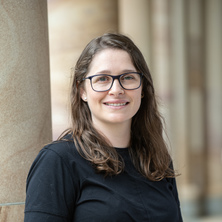
Professor Mary Fletcher is a natural product organic chemist, and led the Natural Toxin group within the Centre for Animal Science, Queensland Alliance for Agricultural and Food Innovation (QAAFI) 2010-2024,before being appointed Emeritus Professor in 2024. She previously worked as a research chemist at both The University Queensland and Queensland Primary Industries (Biosecurity Queensland), before joining the Queensland Alliance for Agricultural and Food Innovation in 2010. Prof Fletcher's current interest focuses on bioactives that reduce enteric methane and the application of slow release delivery systems appropriate to rangeland grazing systems. Prof Fletcher has an industry recognised expertise as an applied organic chemist with a specialist interest in the identification and analysis of natural toxins and other bioactives in a range of plants, fungi and agricultural products. Such toxins and bioactives can affect both human and animal health posing risks to livestock production, food safety and market access.
Prof Fletcher is also an Affiliate Professor in the School of Chemistry and Molecular Biosciences (http://www.scmb.uq.edu.au/index.html), and an Affiliated Scientist at the Biosciences eastern & central Africa-International Livestock Research Institute (BecA-ILRI) Hub in Nairobi, Kenya (http://hub.africabiosciences.org/).
Prof Fletcher is a Fellow of the Royal Australian Chemical Institute and in 2016 was elected President of the Queensland Branch of the Royal Australian Chemical Institute (http://www.raci.org.au/branches/qld-branch).
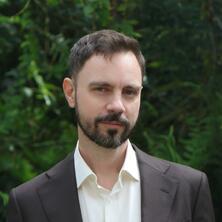
Venoms play a range of adaptive roles in the animal kingdom from predation to defense to competitor deterrence. Remarkably, despite their biological importance and uniqueness, the evolution of venom systems is poorly understood. New insights into the evolution of venom systems and the importance of the associated toxins cannot be advanced without recognition of the true biochemical, ecological, morphological and pharmacological diversity of venoms and associated venom systems. A major limitation has been the very narrow taxonomical range studied. Entire groups of venomous animals remain virtually unstudied. My research is inherently interdisciplinary, integrating ecological, evolutionary, and functional genomics approaches in order to understand the evolution of venom systems. Studies range from discovering the shock-inducing hypotensive and anticoagulant venom of the iconic Komodo Dragon through to exploring the unique temperature specific adaptations of Antarctic octopus venoms.
Affiliate of Centre for Organic Photonics and Electronics
Centre for Organic Photonics and Electronics
Faculty of Science
Availability:
Available for supervision
Media expert
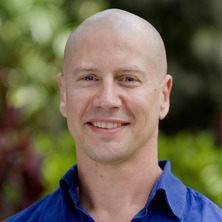
Dr Mile Gao is a physicist specialising in condensed matter physics, with a focus on charge carrier dynamics in organic semiconductor devices. His research advances the development of novel measurement techniques to improve the understanding of organic light-emitting diodes (OLEDs) and organic photovoltaics (OPVs). He has pioneered several charge carrier mobility measurement methods, including Metal-Insulator-Semiconductor CELIV (MIS-CELIV), photo-MIS-CELIV, injection-CELIV, and photo-injection-CELIV. These techniques enable precise characterisation of charge transport and generation processes in diode-like structures, addressing key challenges in organic optoelectronics.
Dr. Mile's work has led to significant insights into charge injection, extraction, and mobility in organic semiconductors, with implications for improving device efficiency and stability. His research is highly interdisciplinary, combining physics, materials science, and device engineering.
He has published extensively in high-impact journals and holds a patent for his contributions to the field. As an ARC DECRA Fellow at The University of Queensland, he also teaches and supervises students in advanced experimental techniques for semiconductor characterisation.
Faculty of Health, Medicine and Behavioural Sciences
Availability:
Available for supervision
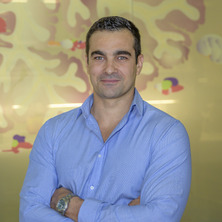
Dr Giacomotto, NHMRC Emerging Leader, is a young group leader focusing on translational research, genes and diseases, imaging/automatic systems, drug discovery, chemical biology, and medical applications. His work focuses on translating little discoveries made in a single cell or in a model organism to applications or treatments for humans. He has already made discoveries that benefit human health, such as treatment for muscular dystrophies. He is working with a wide diversity of models, including cell lines and mouse models, but he recently spent a lot of time working with the zebrafish model. He believes that this small fish will have an important impact on the seek of treatments for neuromuscular and neurological disorders. Those diseases are very difficult to reproduce in a single cell, making the search for chemical treatments difficult. This fish opens a new avenue for the screening of bioactive compounds and for understanding the progression of these terrible disorders. He believes in translational research, the zebrafish is for him a fantastic complementary model to cell lines in order to recapitulate human diseases and run large-scale experiments. He is working on developing future therapeutical strategies to alleviate the suffering of human patients.
Dr Giacomotto recently established his group at Griffith Research Institute for Drug Discovery (Discovery Biology, Griffith University) and remain an active honorary fellow of the Queensland Brain Institute (The University of Queensland). Dr Giacomotto is currently recruiting. Don't hesitate to contact him for further information.
The molecular evolution of cytochrome P450 Enzymes: biological catalysts of unprecedented versatility.
Cytochrome P450 enzymes (CYPs, P450s) especially those responsible for drug metabolism in humans, are the unifying theme of the research in our lab. These fascinating enzymes are catalysts of exceptional versatility, and functional diversity. In humans they are principally responsible for the clearance of a practically unlimited variety of chemicals from the body, but are also critical in many important physiological processes. In other organisms (plants, animals, bacteria, fungi, almost everything!) they carry out an unprecedented range of functions, such as defense, chemical communication, neural development and even pigmentation. P450s are involved in the biosynthesis of an unequalled range of potent, biologically active natural products in microbes, plants and animals, including many antibiotics, plant and animal hormones, signalling molecules, toxins, flavours and fragrances. We are studying how P450s have evolved to deal with novel substrates by reconstructing ancestral precursors and evolutionary pathways, to answer such questions as how did the koala evolve to live on eucalyptus leaves, a toxic diet for most mammals.
The capabilities of P450s are only just coming to be fully recognized and structural studies on P450s should yield critical insights into how enzyme structure determines function. For example, recently we discovered that P450s are present within cells in the Fe(II) form, a finding that has led to a radical revision of the dogma concerning the P450 catalytic cycle, and has implications for the control of uncoupling of P450 activity in cells. Importantly, the biotechnological potential of P450s remains yet to be exploited. All of the specific research themes detailed below take advantage of our recognized expertise in the expression of recombinant human cytochrome P450 enzymes in bacteria. Our group is interested in finding out how P450s work and how they can be made to work better.
Artificial evolution of P450s for drug development and bioremediation: a way of exploring the sequence space and catalytic potential of P450s. The demonstrated catalytic diversity of P450 enzymes makes them the ideal starting material for engineering sophisticated chemical reagents to catalyse difficult chemical transformations. We are using artificial (or directed) evolution to engineer enzymes that are more efficient, robust and specialized than naturally occurring enzymes with the aim of selecting for properties that are commercially useful in the areas of drug discovery and development and bioremediation of pollutants in the environment. The approach we are using also allows us to explore the essential sequence and structural features that underpin all ~12000 known P450s so as to determine how they work.
Synthetic biology of enzymes for clean, green, solar-powered chemistry in drug development, bioremediation and biosensors. We have identified ancestral enzymes that are extremely thermostable compared to their modern counterparts, making them potentially very useful in industry, since they can withstand long incubations at elevated temperatures. They can be used as ‘off the shelf’ reagents to catalyse useful chemistry, such as in in drug discovery and development, fine chemicals synthesis, and cleaning up the environment. Working with drug companies, we are exploring how they can be best deployed in chemical processes and what structural features make them efficient, robust and specialized. We are also immobilizing P450s in virus-like-particles as ‘designer’ reagents that can be recovered from reactions and reused. To make such processes cheaper and more sustainable, we are using photosynthesis to power P450 reactions for clean, green biocatalysis in microalgae.
Biosketch:
After graduating from UQ with first class Honours in Biochemistry, Elizabeth took up a Royal Commission for the Exhibition of 1851 Overseas Scholarship to pursue doctoral work at Oxford University then undertook postdoctoral work at the Center in Molecular Toxicology and Department of Biochemistry at Vanderbilt University School of Medicine with Prof. F.P. Guengerich. She returned to UQ in 1993 to take up a position in Pharmacology and joined the School of Chemistry and Molecular Biosciences in 2009 as a Professor of Biochemistry.
Dr Lisbeth Grondahl's research interests are in the areas of Biomaterials Science and Tissue Engineering. In particular, she works on the development of novel materials and on surface modification of materials for improved bioactivity.
Current projects include:
Surface modification of biodegradable scaffolds for tissue engineering
Production of drug delivery devices for accelerated bone regeneration
Development of composite materials for use as bone biomaterials
Faculty of Health, Medicine and Behavioural Sciences
Availability:
Available for supervision
Dr Karan Gulati is a Research Group Leader and the Deputy Director of Research at the School of Dentistry, UQ. He is also the Deputy Director of Centre for Orofacial Regeneration, Reconstruction and Rehabilitation (COR3) at UQ Dentistry.
Dr Gulati is a pioneer in electrochemically nano-engineered dental implants with over 13 years of extensive research experience using nano-engineering towards various bioactive and therapeutic applications. Dr Gulati completed his PhD from the University of Adelaide (Australia) in 2015 and was awarded the Dean’s Commendation for Doctoral Thesis Excellence. His career has been supported by prestigious fellowships from NHMRC (National Health and Medical Research Council, Australia), JSPS (Japan Society for the Promotion of Science, Japan), Erasmus+ (Germany) and the University of Queensland. At 10 years post-PhD, Dr Gulati has edited 3 books, published 7 chapters and >79 publications (h-index 44), and presented >110 times in various reputed conferences.
Dr Anthony Halog: Expert in Circular Economy, Life Cycle Thinking, and Sustainable Systems
Dr. Anthony B. Halog is a professor at the University of Queensland specialising in circular economy, sustainability engineering, industrial ecology, and life cycle assessment (LCA/LCSA). His current work focuses on designing low-carbon, net-zero, and resource-efficient systems to address climate change, waste reduction, and sustainable development.
Dr. Halog works across energy, materials, food, waste, and policy systems, applying systems thinking, life cycle sustainability assessment, digital twins, and artificial intelligence for sustainability. His research helps governments, industries, and communities make evidence-based decisions that reduce emissions, improve resource efficiency, and avoid unintended environmental impacts.
A core focus of his work is transforming linear value chains into circular value chains, supporting green hydrogen, bioenergy, circular bioeconomy, agricultural waste valorisation, waste-to-energy, and sustainable materials. These solutions contribute to decarbonisation, climate resilience, sustainable supply chains, and the green economy.
Key areas of expertise
Circular economy and industrial ecology
Life cycle assessment and sustainability metrics
Green hydrogen, bioenergy, and clean energy transitions
Sustainable waste management and circular bioeconomy
Systems modelling, AI-enabled tools, and sustainability policy
Dr. Halog collaborates with policymakers, industry partners, SMEs, and Indigenous communities in Australia and internationally to deliver practical climate solutions and support the transition to decarbonised circular economies.
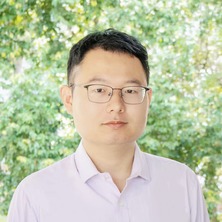
Jianying Han (PhD) is an Early Career Research Fellow and Natural Product Chemist at the Institute for Molecular Bioscience, specialising in the discovery of structurally novel and biologically active small molecules from unique microbial resources. His research focuses on unlocking the chemical diversity of underexplored microorganisms, particularly rare Actinobacteria and other environmentally derived microbes. Dr Han integrates microbial cultivation strategies, genome-guided discovery, and advanced chemical analysis to activate silent biosynthetic pathways and reveal new classes of natural products. His work employs innovative approaches including high-throughput cultivation matrices, co-cultivation, precursor-directed biosynthesis, and microbial biotransformation to expand the chemical space accessible from microbial metabolites. Through these strategies, He aims to identify new bioactive compounds with potential applications in agriculture, biotechnology, and pharmaceutical discovery, while contributing to the development of Australia’s microbial resources and bioeconomy.
Affiliate Associate Professor of School of Chemistry and Molecular Biosciences
School of Chemistry and Molecular Biosciences
Faculty of Science
Principal Research Fellow
Australian Institute for Bioengineering and Nanotechnology
Availability:
Available for supervision
Present Position
I am an ARC Future Fellow at the Centre for Advanced Imaging and associated with the University of Oxford as a Senior Visiting Research Fellow.
Previous Positions
August 2007 to March 2013: Scientific Coordinator and Applications manager of the Centre of Advanced Electron Spin Resonance (CAESR) at the Oxford University, UK.
2002-July 2007: Project leader (“Ober-assistent”) in the Physical Chemistry Department at the Swiss Federal Institute of Technology (ETH), Zürich. I was a project leader in the electron paramagnetic resonance group of Prof. Arthur Schweiger.
1999-2002: Postdoctoral position at ETH, Zurich. In the group of Prof. Arthur Schweiger I used CW and pulse EPR as a tool to investigate the geometric and electronic properties of transition metal complexes.
1996-1999: Doctor of Philosophy from the Chemistry Department of the University of Newcastle, Australia, Advanced Coal Characterization by Nuclear Magnetic Resonance. The project was funded by the Collaborative Research Centre for Black Coal Utilization and I was supervised by the University of Newcastle (Prof. Marcel Maeder), BHP Research Melbourne (Dr. Brian Smith) and Callcott Coal Consulting (Dr. Tom Callcott).
1995: Researcher at BHP Central Research Laboratories, Newcastle, Australia. I developed experimental techniques to measure the conductivity and the permeability of coal as it pertains to coke ovens.
1992-1995: Researcher at Oakbridge Research Center, Newcastle, Australia. I worked on high temperature Nuclear Magnetic Resonance (NMR) for coal characterization (for my Bachelor of Science Honors thesis). This was a collaboration between the CSIRO Coal and Energy Division (North Ryde, Sydney), Oakbridge Research Centre and the University of Newcastle.
Keywords
structural biology · protein interactions · metalloenzymes · metal complexes · electron transfer · Iron sulphur clusters · pulse EPR · CW EPR · DEER · PELDOR ·HYSCORE · ENDOR · ESEEM · density functional theory · molecular dynamics
Queensland Alliance for Agriculture and Food Innovation
Availability:
Available for supervision
Media expert
Dr April Hastwell is a plant molecular biologist with the School of Agriculture and Food Science at The University of Queensland, Australia. The focus of her research group is on roles of short signalling peptides in root development including in molecular networks controlling the beneficial legume-rhizobia symbiosis and nodule development.
Queensland Alliance for Agriculture and Food Innovation
Availability:
Available for supervision
I work at the interface of sensory science and analytical chemistry to understand how food production, processing and environmental conditions influence food quality, provenance, authenticity and consumer perception. My research supports agrifood industries, including meat, seafood and broader food production sectors, by linking measurable chemical changes with sensory attributes such as flavour, aroma, texture and appearance.
I am interested in partnering with producers, processors, industry bodies and technology providers to evaluate how different growing, treatment, feeding, farming, harvesting or processing methods affect product quality and consumer perceptibility. This includes industry trials focused on climate-smart crops, sustainable production systems, improved animal and seafood production methods, provenance claims and product differentiation. My goal is to help translate scientific measurement into practical insights that support innovation, product integrity and consumer confidence.
Faculty of Health, Medicine and Behavioural Sciences
Availability:
Not available for supervision
Senior Research Fellow
Room 7048, Level 7, Pharmacy Australia Centre of Excellence Phone:+61 7 334-61898; Fax: +61 7 334-61999 Email: a.hewavitharana@pharmacy.uq.edu.au
Amitha obtained her B.Sc. from the University of Colombo (Sri Lanka), M.Sc. from the university of Victoria (B.C., Canada) and PhD in analytical chemistry from the University of Alberta (Canada). Following that, she held brief research positions at the Massey University (New Zealand) and NZ Leather Research Institute. She then held a research scientist position at the NZ Dairy Research Institute (NZDRI, currently Fonterra Research) for 4 years before moving to Australia in 1997.
In Australia, she commenced her career as a lecturer in analytical chemistry at the University of Western Sydney, and then at Queensland University of Technology (QUT) until 2001. Following that, she held research positions in CSIRO (food science) and in QHSS (investigative chemistry) before joining the school of pharmacy in 2004.
Affiliate of Centre for Environmental Responsibility in Mining
Centre for Environmental Responsibility in Mining
Faculty of Engineering, Architecture and Information Technology
Affiliate of Centre for Geoanalytical Mass Spectrometry
Centre for Geoanalytical Mass Spectrometry
Faculty of Science
Professorial Research Fellow
Sustainable Minerals Institute
Faculty of Engineering, Architecture and Information Technology
Availability:
Available for supervision
Media expert
Professor Longbin Huang is a Full Professor and leader of an interdisciplinary research group in Ecological Engineering in Mining. His research focuses on mine waste rehabilitation, ecological engineering, and geomicrobial soil formation, integrating ecological, microbiological, and environmental processes to address sustainability challenges in the mining sector, with influence spanning industry, academia, and policy. Professor Huang leads cutting-edge research in: Geo-microbial ecology, Mineral bioweathering, Microbially and rhizosphere driven soil formation from Tailings Minerals.
Professor Huang's work has advanced nature-based solutions for transforming mine tailings, waste rock, and bauxite residues into sustainable ecosystems. Supported by approximately AUD $23 million in competitive and industry-funded research over the past 15 years, his team has developed and demonstrated innovative rehabilitation technologies with field-scale applications. These include a pioneering technology for the treatment and dealkalization of bauxite residues, which has been commercialized through the University of Queensland startup Bioculum Pty Ltd, and novel approaches for preventing acid mine drainage generation in mine waste materials.
Professor Huang has published over 190 scholarly outputs, including journal articles, conference papers, patents, and book chapters. His research has attracted broad international recognition and has contributed significantly to the advancement of mine waste management, ecological restoration, and sustainable mining practices worldwide.
He is highly experienced in industry-partnered research and translation of knowledge into field-based technologies for tackling large environmental challenges in the mining industry, for example, technologies for tackling global tailings problem. Since 2010, he has led many large and industry-partnered research projects attracting about $23M funding. The research aims to deliver transformative knowledge and practices (i.e., technologies/methdologies) in the rehabilitation of mine wastes (e.g., tailings, mineral residues, spoils, waste rocks) and mined landscapes for non-polluting and ecologically and financially sustainable outcomes. Prof Huang has successfully demonstrated innovative methodology and technology to achieve nature-based outcomes in treating and rehabilitating tailings and waste rocks. Prof Huang’s research program was featured in Rio Tinto’s media releases as one of the four most successful global R&D partnerships in 2024. Prof Huang led the development of the first field-feasible technology to treat and dealkalize alkaline bauxite residues for sustainable rehabilitation. His industry-partnered research was recognised in 2019 UQ’s Partners in Research Excellence Award (Resilient Environments) (Rio Tinto and QAL). Prof Huang is also developing new knowledge and technologies for achieving non-polluting and ecologically sustainable rehabilitation of, for example, coal mine spoils and tailings, Fe-ore tailings, bauxite tailings (from mining bauxite), and Cu/Pb-Zn tailings.
Membership of Board, Committee and Society
Professional associations and societies
2010 – Present Australian Soil Science Society.
2023 – Present AuSIMM
2015 – 2025 Present American Society of Mining and Reclamation (ASMR)
Editorial boards/services
2025 - present: Member of Editorial Board, Energy & Environment Nexus
Affiliate Senior Research Fellow of School of Chemistry and Molecular Biosciences
School of Chemistry and Molecular Biosciences
Faculty of Science
Senior Research Fellow
Queensland Alliance for Agriculture and Food Innovation
Availability:
Available for supervision
Dr Natasha Hungerford is an organic chemist and has extensive experience in natural products chemistry. She is a Senior Research Fellow leading the Natural Toxin group within the Centre for Animal Science, Queensland Alliance for Agricultural and Food Innovation (QAAFI) and is based at the Health and Food Sciences Precinct (Cooper's Plains). She joined QAAFI in 2016 and specialises in natural plant toxins and their impacts on livestock and human health, including food safety and regulations. Collaborative projects with government/industry have spanned mitigation of toxin impacts on cattle, to evaluation of toxins in honey (and health impacts). Subsequent examinations of stingless bee honey serendipitously led to the ground-breaking discovery of the rare sugar trehalulose as a major component of these honeys. Dr Hungerford continues to lead and manage projects to address agricultural industry challenges, including reducing methane gas emissions for a carbon neutral beef industry and international stingless bee honey development.
Dr Hungerford achieved her PhD in 1998, through the UQ School of Chemistry and Molecular Biosciences, and subsequently conducted postdoctoral research in natural products chemistry and in synthetic organic chemistry, at the University of Oxford, Australian National University, The University of Sydney, Griffith University and Memorial Sloan-Kettering Cancer Center.
Australian Institute for Bioengineering and Nanotechnology
Availability:
Available for supervision
Dr Kaneti focuses on the design of novel nanoporous carbon and inorganic materials with controlled structural parameters (size, shape, and porosity) to optimize their functional performance toward energy storage and conversion, sensing, and bio-related applications. In particular, he is interested in the rational design and construction of metal-organic frameworks and mesoporous materials and has demonstrated the novel self-assembly of inorganic 1D nanomaterials into 2D sheet-like structures using template-assisted approaches for renewable energy conversion applications. Finally, he has conducted several theoretical studies using density functional theory simulations to understand the adsorption of gas molecules on various crystal facets of metal oxides.
Dr Yusuf Valentino Kaneti received his PhD degree from the University of New South Wales (UNSW), Sydney, Australia. After that, he joined the Monash University/University of new South Wales as a part-time postdoctoral fellow with the Laboratory of Simulation and Modeling of Particulate Systems (SIMPAS). In December 2015, he was awarded the Endeavour Australia Fellowship and participated in a 4-month research exchange at the Graduate School at Shenzhen, Tsinghua University (China) between February-July 2016 and worked on the development of anode materials for sodium-ion batteries using metal-organic framework-derived composites. In September 2016, he joined the National Institute for Materials Science (NIMS), specifically at the International Center for Materials Nanoarchitectonics (MANA) as a Japan Society for Promotion of Science (JSPS) Postdoctoral Fellow. His JSPS research focuses on the fabrication of metal-organic frameworks and mesoporous materials for energy and environmental applications. In October 2018, Dr Kaneti was awarded the MANA Research Fellowship and worked at the Nanotubes group in NIMS with research projects focusing on the self-assembly of 1D nanomaterials into 2D nanostructures and vice versa for energy storage and conversion applications. Currently, he is working as an Advance Queensland Industry Research Fellow at the Australian Institute for Bioengineering and Nanotechnology, The University of Queensland.
Dr Kaneti has published 1 book chapter and 137 peer-reviewed journal articles (~60% as first and/or corresponding author). These include publications in leading Materials Science and Chemistry journals, such as Chem. Rev., Chem. Soc. Rev., Adv. Mater., ACS Nano, Angew. Chem. Int. Ed., Matter, Mater. Horiz., and Small. These papers have attracted >12,000 citations with h-index of 58 (Google Scholar as of Dec. 2023). His work is well regarded in the field, as it is cited at rate of 3.94 times above the average for articles in the same field (SciVal, Dec. 2023). Currently, Dr Kaneti has 20 ESI Highly Cited Papers (Top 1% most cited papers worldwide) according to Web of Science (Dec. 2023). He has obtained several competitive grants from a range of research funding schemes, securing ~8M AUD in the last five years, including three ARC (3 LPs and 1 ARC Industry Hub) and one JST-ERATO grants as Chief Investigator [CI], one Advance Queensland as sole CI and two Australia-Japan Foundation Grants (funded by Department of Foreign Affairs and Trade). Furthermore, he has also secured two competitive UQ research grants/awards, including one UQ Global Seed Funding and UQ Grand Agriculture Seed Funding, both as the lead CI. His standing in the field of functional nanomaterials is further evidenced by his recognition as a 2023 Clarivate Highly Cited Researcher (Cross-Field, Thompson Reuters) and inclusion in Top 2% most cited scientists in a single year (2019-2022) across all fields by Stanford University (USA). Currently. Dr Kaneti is serving as the Youth Editorial Board Member for Nano-Micro Letters (Springer), Editorial Advisory Board Member for Langmuir (ACS) and Editorial Board member for three MDPI journals (Batteries, Crystals, and Gases) and an Associate Editor for Frontiers of Materials (Carbon-Based Materials).
Dr Kaneti has previously collaborated with several international companies. He has worked with NBC Meshtec Inc. (Japan) to develop mesoporous iron oxide catalysts for room-temperature carbon monoxide oxidation. He has also collaborated with the Japan Atomic Energy Agency (JAEA) to develop mesoporous alumina and alumina-titania composite adsorbents toward medical radioisotope production. Furthermore, he has work with Sensync Inc. (Indonesia) to develop metal oxide-based sensors using biomass precursors for the detection of toxic gases and to understand the underlying sensing mechanisms of these sensors toward such gases. Currently, Dr Kaneti is collaborating with AI Fluidics. Pty Ltd. (Australia) to develop point-of-care diagnostics device incorporating microfluidics and electrochemical biosensors for the detection of coronavirus RNA.