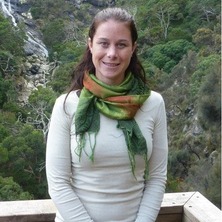
My research interests are in the field of Chemistry education, particularly how students learn in the chemistry laboratory.
I teach biological inorganic chemistry at a second and Masters level, as well as a broad range of topics in first year chemistry. I also teach the ethics of chemistry in second year.
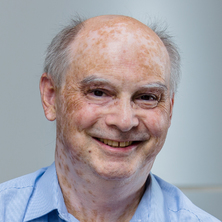
Mariusz Skwarczynski completed his Ph.D. in Chemistry in 1999 at Wroclaw University of Technology (Poland). His postdoctoral training began at Tokushima Bunri University (Japan), and then Kyoto Pharmaceutical University (Japan). In 2008 he joined Professor Istvan Toth’s group at The University of Queensland (Australia) to work on new vaccine development strategies. Currently his group activity is mainly focused on nanotechnology-based peptide vaccine delivery approaches and adjuvants discovery. He is Regional Editor of Australia in Vaccines, and Associate Editor in Frontiers in Pharmacology. He has published over 190 peer-reviewed publications, including 18 book chapters and three books.
Faculty of Engineering, Architecture and Information Technology
Availability:
Available for supervision
Dr. Alex Smith is a Research Fellow in Glycotherapeutics at UQ's School of Chemical Engineering. His interests are in understanding structure: function relationships between complex carbohydrates (such as heparan sulphate) and proteins, and how these interactions can inform the development of glycotherapeutic agents to treat a wide variety of injuries and diseases.
I began my scientific career with a Bachelor of Science in Biochemistry and Chemistry, followed by a Bachelor of Science with First Class Honours in Chemistry from Massey University, New Zealand. My honours project focused on developing hydrogels for controlled peptide release in the gut. I then pursued a PhD at Massey University, working on synthetic anti-cancer drugs based on cyclodextrins.
After completing my PhD, I worked as a Research Officer at the New Zealand Veterinary Pathology Epicentre, refining my diagnostic research skills. I continued my career as a Postdoctoral Fellow at Kansas State University, contributing to the detection and surveillance of zoonotic diseases in the swine industry.
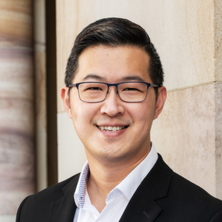
Currently, at The University of Queensland, I integrate my expertise in synthetic peptides with vaccine development. My research bridges medical and agricultural biotechnology, focusing on innovative adjuvants and vaccines that span medicinal chemistry, nanotechnology, and immunology, aiming to enhance both health outcomes and agricultural practices.
Studied organic chemistry at the University of Sydney, moved to UQ in 1993, then worked for Bayer in Germany, before moving back to Australia in 1996. Worked in Melbourne at the Victorian College of Pharmacy (now MIPS). I then returned to UQ in 2000 to the Fairlie lab where we design and synthesise new chemical entities to tackle human disease. Since 2012 I have been on extended medical leave and am currently an Adjunct Research Fellow, researching proteins from flaviviruses such as Dengue, West Nile, and Zika viruses, and the coronaviruses SARS, MERS, and SARS-CoV-2.
Affiliate of Centre for Cardiovascular Health and Research
Centre for Cardiovascular Health and Research
Faculty of Health, Medicine and Behavioural Sciences
Affiliate Senior Research Fellow of School of Biomedical Sciences
School of Biomedical Sciences
Faculty of Health, Medicine and Behavioural Sciences
Senior Principal Research Fellow
Institute for Molecular Bioscience
Availability:
Available for supervision
Media expert
Critical Care Medicine focuses on supporting patients, often with one or multiple organ failures. Based at the largest Australian cardiac hospital, our research investigates better ways to support patients with heart and/or lung failure. We explore technological, pharmacological and engineering advances that could help our patients to live longer and better. Our group is world-renowned for clinically relevant large animal models, including heart failure, respiratory failure (ARDS), heart transplantation, sepsis, cardiogenic shock, and more. All our studies use hospital-grade equipment and follow the same clinical guideline to maximise translation. We actively take on honours, MPhil and PhD students from multi-disciplinary backgrounds (science, engineering, medicine, allied health), with a successful track record in supporting our students to secure their own grants and funding. Students are expected to contribute to other studies of the group. For more information about the group, please visit ccrg.org.au, and email if you are interested to join us.
Professor István Tóth is Chair in Biological Chemistry at The University of Queensland (UQ), Brisbane, Australia, and Affiliated Professorial Research Fellow at the Institute of Molecular Biosciences, UQ. He graduated with a degree in Chemical Engineering from the Technical University, Budapest, Hungary and was awarded his PhD for his Alkaloid Chemistry research. Professor Tóth undertook a postdoctoral fellowship at Carleton University, Ottawa Canada before returning to Hungary to work as a Research Associate, then Scientific Group Leader at the Central Research Institute for Chemistry, Hungarian Academy of Science. He joined the School of Pharmacy at the University of London in 1987 as a Senior Lecturer and Royal Society sponsored Senior Research Fellow. He became a Reader in Medicinal Organic Chemistry in 1994 and was awarded a Doctor of Science degree (DSc 1994) for his work in Drug Delivery (Hungarian Academy of Sciences), before relocating to the University of Queensland in 1998 where he has built a productive research group. Professor Tóth was a visiting professor at the School of Pharmacy, University of London (1994-2004) and at the Department of Bioengineering and Therapeutic Science, University of California, San Francisco (2011-2013). Professor Tóth’s major research interests are: drug delivery, immunoadjuvants, carbohydrates, lipids, peptides, nucleosides, and nucleotides. This research has attracted over $85 million in competitive grants, research contracts and investment funds in the past 10 years. Professor Tóth has over 500 peer-reviewed publications, 45 patents, and an excellent track record in research commercialisation. He is a one of key founders of Alchemia, Implicit Bioscience Pty Ltd, Neurotide Pty Ltd and TetraQ (the commercial arm of Centre of Integrated Preclinical Drug Development). Professor Tóth is an elected RACI Fellow and Fellow of the Queensland Academy of Arts and Sciences. and Feklloiw of the Hungarian Academy of Sciences (since 2016) In 2009 he was awarded the Adrian Albert award for sustained and outstanding research in medicinal biochemistry, and a Business/Higher Education Round Table (BHERT) Award for Outstanding Achievement in International Collaborative Research and Development he obtained the Doctor Honoris Causa degree at Semmelweis university budapest Hungary (2019). Professor Tóth was appointed as a member of the ARC College of Experts (2008-2010). He was the founding (2007) then the elected (2008-2009) President of the Australian Chapter of Controlled Release Society.
Affiliate of Centre for Innovation in Pain and Health Research (CIPHeR)
Centre for Innovation in Pain and Health Research
Faculty of Health, Medicine and Behavioural Sciences
Affiliate of The Centre for Chemistry and Drug Discovery
Centre for Chemistry and Drug Discovery
Institute for Molecular Bioscience
Affiliate of Centre for Marine Science
Centre for Marine Science
Faculty of Science
Availability:
Available for supervision
Media expert
I am an NHMRC Leadership Fellow with joint apointments at the Institute for Molecular Bioscience (IMB) and School of Pharmacy, UQ. My research interests lie in the fields of peripheral pain mechanisms, target identification and analgesic drug discovery. I investigate the contribution of ion channels to sensory neuronal physiology using highly subtype-selective toxins isolated from venomous animals with the aim to develop novel analgesics with improved efficacy and tolerability.
My research interests are centred around the structure and function of venom and silk polypeptides produced by arthropods, and their use in biotechnology and medicine. I am a Postdoctoral Fellow in the King laboratory in the Institute for Molecular Bioscience, the University of Queensland, Australia. Currently, I am investigating the composition, function and evolution of neglected insect venoms produced by assassin bugs (Hemiptera: Reduviidae), robber flies (Diptera: Asilidae) and nettle caterpillars (Lepidoptera: Limacodidae).
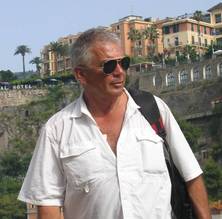
Educated at the University of Copenhagen, Denmark, and the Australian National University, Canberra. Career at the Université de Lausanne, Switzerland, and the Universität Marburg, Germany. Professor and Chair of Organic Chemistry and Head of the Organic Chemistry Section, The University of Queensland from 1985. Emeritus professor from 2008. Chair of the National Committee for Chemistry of the Australian Academy of Science 2009-2014. Editor-in-Chief, Australian Journal of Chemistry 2008-15. Editor, Journal of Analytical and Applied Pyrolysis (Elsevier, IF 3.65) 2016-. Visiting Professor Université de Pau, France, 2011-19; Visiting Professor University of Kuwait 2014-18; Visiting Professor / Special Appointed Professor Hiroshima University 2014-18. Fellow of the Australian Academy of Science. Centenary Medal of the Australian Commonwealth 2003 for research in organic and physical chemistry. David Craig Medal of the Academy of Science 2014 for research in chemistry. JSPS Fellowship (Japan) 2014. Honorary doctorate, University of Pau, France, 2014. A.J. Birch Medal of the Royal Australian Chemical Institute (RACI) for ecellence in research in organic chemistry, 2014. Leighton Medal of the RACI 2018.
Research on Unusual Molecules and Reactive Intermediates: Synthesis and Reaction Mechanism. Heterocyclic chemistry. Pyrolysis reactions. Photochemistry
Research in the Wentrup group is concerned with the discovery of novel types of molecules with new and unusual bonding patterns. Such molecules are mostly highly reactive, and special methods are required both for their generation and for their detection. The group has developed these methods over many years and acquired world-class equipment for these purposes, including flash vacuum thermolysis apparatus, cryostats for matrix isolation of reaction products at cryogenic temperatures (down to 7 K), matrix and solution photochemistry equipment, infrared, UV and mass spectrometers, as well as modern computational facilities.
This research has resulted in the synthesis and characterization of many novel compounds, including extended cumulenes of the types RN=C=C=C=X, which themselves are used in the synthesis of many novel types of molecules, some of them of potential pharmaceutical interest (quinolone antibiotics; diazepines).
The research group has a world reputation in the field of carbene and nitrene chemistry, involving reactive intermediates with sextet carbon or nitrogen. These species are also very useful in synthesis, for example in the preparation of diazepines and diazepinones, a family of pharmaceutically interesting compounds. Numerous mechanistic studies and synthetic applications of ketenes have been carried out in our group.
Active collaborations are ongoing with scientists in Australia (UQ and CSIRO), China (Suzhou), France (Pau), Germany (Oldenburg), Japan (Hiroshima), Spain (Donostia - San Sebastian), and Portugal (Coimbra).
Craig M. Williams was born in Adelaide, Australia. He received his B.Sc. (Hons) degree in chemistry in 1994 from Flinders University. In 1997, he was awarded his Ph.D. in organic chemistry from the same institution under the supervision of Professor Rolf H. Prager. He undertook post-doctoral studies as an Alexander von Humboldt Fellow working with Professor Armin de Meijere at the Georg-August-Universität, Göttingen, Germany, from 1997 to 1999. In early 1999, he accepted a second post-doctoral fellowship at the Australian National University with Professor Lewis N. Mander.
Professor Williams has held an academic position at the University of Queensland since 2000, and during this time has won a number of awards including a Thieme Chemistry Journals Award in 2007, an Australian Research Council Future Fellowship award in 2011, and the Award for Outstanding Contribution to Research (SCMB, UQ, 2019). The Williams research group explores numerous interests within the discipline of organic chemistry (e.g. medicinal chemistry, fundamental molecules, natural productisolation, microelectronics, drug and agrichemical development, impact sensitive molecules) enabled by organic synthesis refined through the construction of biologically active complex natural products (diterpenes, polyketides, alkaloids), and designs synthetic methodology to assist in this endeavour (synthetic transformations and reagents). Professor Williams especially enjoys teaching whole molecule retrosynthesis to undergraduate and post-graduate students.
Affiliate of ARC Research Hub for Advanced Manufacture of Targeted Radiopharmaceuticals (AMTAR)
ARC Research Hub for Advanced Manufacture of Targeted Radiopharmaceuticals
Australian Institute for Bioengineering and Nanotechnology
Postdoctoral Research Fellow/Research Fellow - ARC Research Hub for Advanced Manufacture of Targeted
Australian Institute for Bioengineering and Nanotechnology
Availability:
Available for supervision
Dr James Wood's research focuses primarily on the design and synthesis of organic ligands to complex inorganic radioisotopes for radiopharmaceutical applications. His work spans across the design and synthesis of these ligands, through to radiolabelling of these compounds and assessing them within animal models. He is particularly interested in applications of these ligands that grant greater flexability or utility to diagnostic and therapeutic platforms.
James works within the ARC Research Hub for Advanced Manufacture of Targeted Radiopharmaceuticals at the Centre for Advanced Imaging, working with industry partners to excelerate the production of novel radiopharmaceuticals.