Associate Member of Centre for Community Health and Wellbeing
Centre for Community Health and Wellbeing
Faculty of Health, Medicine and Behavioural Sciences
Lecturer in Clinical Exercise Physiology
School of Human Movement and Nutrition Sciences
Faculty of Health, Medicine and Behavioural Sciences
Affiliate of Centre for Cardiovascular Health and Research
Centre for Cardiovascular Health and Research
Faculty of Health, Medicine and Behavioural Sciences
Availability:
Available for supervision
Media expert
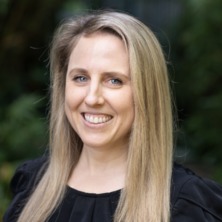
Dr Jenna L. Taylor obtained her PhD in Exercise Physiology from The University of Queensland in 2019 as an NHMRC postgraduate research scholar. She then completed a 3-year postdoctoral research fellowship in the United States at The Mayo Clinic with the Department of Cardiovascular Medicine. She is now a Lecturer in Clinical Exercise Physiology with the School of Human Movement and Nutrition Sciences at UQ and heads up the Physiology and Ultrasound Laboratory for Science and Exercise (PULSE). Her interest in cardiovascular disease stems from her clinical experience as an exercise physiologist and dietitian working in a hospital-based cardiac rehabilitation program. Broadly, her research interests involve the effect of exercise training and intensity on improving cardiovascular and brain health, in the settings of healthy ageing and risk reduction for cardiovascular disease and vascular dementia. She is currently the PI on an NIH-funded Clinical Trial (1R21AG073726) investigating the influence of exercise training and intensity on cognitive function and cerebral blood flow regulation in patients with cardiovascular disease.
Faculty of Health, Medicine and Behavioural Sciences
Availability:
Available for supervision
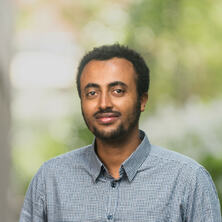
Dr Yonas Tefera is a Research Fellow in psychiatric epidemiology at the Queensland Centre for Mental Health Research (QCMHR), University of Queensland. He specialises in leveraging epidemiological methods and conducting advanced analyses of large-scale population-level administrative datasets related to hospital admissions and primary care. As an epidemiologist, his expertise spans pharmacoepidemiology and health services research. In his current work, he leads linked data analysis of health service data, including hospital, emergency department, community mental health services, and public dental care for people living with mental illness. In addition to health service use, his linked data alnalyses include outcomes for individuals engaged with mental health tribunals and placed on treatment orders. Dr Tefera's interests encompass psychiatric epidemiology, psychopharmacology, pharmacoepidemiology, and the use of advanced statistical and machine learning approaches to understand and enhance care for individuals living with mental illness or substance use problems.
He completed his PhD at Monash University in late 2025, focusing on opioid and psychotropic medicine use among injured Australian workers with back and neck musculoskeletal disorders. His work examined high-risk medicine use patterns, such as initiation, persistence, and co-prescribing of opioids and psychotropics, as well as their impacts on work-related outcomes in this population. His research has improved the understanding of value-based healthcare in Australian workers' compensation schemes. Dr Tefera possesses substantial expertise in diverse clinical research methodologies, robust evidence synthesis, and quantitative data analysis, including causal inference techniques. His experience includes survey-based studies, analysis of multinational surveys, international aggregate datasets, and linked administrative and claims data, as well as injury compensation datasets.
Before undertaking his PhD, Dr Tefera trained as a clinical pharmacist and worked as a lecturer, clinical preceptor, and mentor at the University of Gondar in Ethiopia, teaching courses such as pharmacotherapy, drug informatics, evidence-based medicine, and pharmacoepidemiology. He earned a Master of Public Health with distinction from the University of Manchester and a Master of Science in Clinical Pharmacy from the University of Gondar. His academic excellence has been recognised with several honours, including the Outstanding Student Cup Award from the Ethiopian Pharmaceutical Association and the first-place award for achieving the highest score in his graduating class at the University of Gondar. Additionally, he has received multiple travel grants to present his research at national and international conferences, such as the International Pharmaceutical Federation's World Pharmaceutical Congress and the International Society for Pharmacoepidemiology's Asian Conference on Pharmacoepidemiology.
Faculty of Health, Medicine and Behavioural Sciences
Availability:
Available for supervision
Media expert
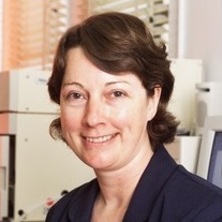
Professor Susan Tett is a registered pharmacist with research interests in Quality Use of Medicines (improving how medicines are used) and clinical pharmacokinetics (optimising medicine doses)
Sue completed her PhD in 1988. Since this time she has been in research positions and in academia at Sydney University, St Vincent’s Hospital, Sydney and at the University of Queensland. She has over 150 peer reviewed research publications and over 200 conference presentations and is on Editorial Board of Clinical Pharmacokinetics. Sue was Head of the School of Pharmacy, University of Queensland 1996-2004 and Deputy Executive Dean & Associate Dean Research for the Faculty of Health Sciences 2006-2010, including periods as Acting Executive Dean.
Susan Tett has been a member of many Australian national and State advisory committees, including Pharmaceutical Health and Rational use of Medicines Committee 1996-2004, Pharmaceutical Sub-Committee of the Australian Drug Evaluation Committee 1995-2004, Pharmaceutical Industry Working Group 2003-10 , Pharmaceutical Partnerships Program Committee of the Industry Research & Development Board 2003-09, and has participated in NHMRC Project Grant Review Panels and Fellowships Panels. She was also Councillor for the Pharmaceutical Society of Australia (Queensland Branch) and was the Australian Pharmacist of the Year in 1999, for her contributions to pharmacy education and research.
Sue’s research interests are directed towards optimising the clinical use of medications. General areas of research include quality use of medicines, clinical pharmacokinetics and pharmacodynamics. Sue supervises a number of postgraduate students and is actively involved in innovation in the pharmacy profession, pushing the professional boundaries. She is committed to enhancing the role of the health care team in optimising consumer health outcomes.
Faculty of Health, Medicine and Behavioural Sciences
Availability:
Available for supervision
Media expert
Professor Thomas’ research is focused on the study of the biology and clinical use of human dendritic cells in autoimmune disease. It has explored basic mechanisms of immunity and dendritic cell function in autoimmune disease.
Professor Thomas is a graduate of the University of Western Australia. She received her MBBS in 1984, and then trained in Perth as a rheumatologist. She commenced a research fellowship with Peter Lipsky at Southwestern Medical Center, University of Texas in 1990, where she first identified and characterised human circulating dendritic cell precursors. She is now Professor of Rheumatology at The University of Queensland's Frazer Institute, Translational Research Institute, consultant Rheumatologist at Princess Alexandra Hospital and fellow of the Australian Academy of Health and Medical Sciences. In 2020 she was awarded Member of the Order of Australia. She has founded two spin-off companies Dendright (2006-2021), and Liperate in 2022.
Her research seeks to understand autoimmune disease and restoration of immune tolerance. Through this work, she developed dendritic cell-based citrullinated antigen-specific immunotherapy in the first proof-of-concept trial in Rheumatoid Arthritis. She then developed a liposome immunotherapy that targets dendritic cells to induce antigen-specific tolerance, opening new opportunities for the control and prevention of autoimmune disease. Dendright progressed a liposome-based tolerance strategy for rheumatoid arthritis to a phase I trial, and Liperate is planning to open a trial of a liposome-based tolerance strategy for type 1 diabetes in 2024. She has contributed major insights into immune tolerance mechanisms and interaction between microbiome and the immune system to trigger or control spondyloarthropathy.
Senior Lecturer and Speciality Lead (General Practice)
Medical School
Faculty of Health, Medicine and Behavioural Sciences
Senior Research Fellow
Medical School
Faculty of Health, Medicine and Behavioural Sciences
Higher Degree by Research Scholar
General Practice Clinical Unit
Faculty of Health, Medicine and Behavioural Sciences
Availability:
Available for supervision
Dr Hayley Thomas is a clinical senior lecturer and senior research fellow with the General Practice Clinical Unit. She is a fellow of the Royal Australian College of General Practitioners and works clinically as a general practitioner (GP). Her previous research has focused upon whole person approaches to care and the GP-patient relationship. Dr Thomas is currently leading a project exploring the experience of Christian spirituality in eating disorders, supported by a grant from The John Templeton Foundation.
Centre Director of Queensland Alliance for Environmental Health Science
Queensland Alliance for Environmental Health Sciences
Faculty of Health, Medicine and Behavioural Sciences
Centre Director of Minderoo Centre for Plastics and Human Health
Minderoo Centre for Plastics and Human Health
Faculty of Health, Medicine and Behavioural Sciences
Affiliate of ARC Training Centre for Bioplastics and Biocomposites
ARC Training Centre for Bioplastics and Biocomposites
Faculty of Engineering, Architecture and Information Technology
Affiliate of Centre for Marine Science
Centre for Marine Science
Faculty of Science
Centre Director - QAEHS
School of Pharmacy and Pharmaceutical Sciences
Faculty of Health, Medicine and Behavioural Sciences
Availability:
Available for supervision
Media expert
Professor Kevin Thomas is an internationally recognised environmental health scientist whose research over three decades has focused on a fundamental challenge: how can we identify, measure and understand the environmental exposures that matter for human and ecosystem health?
His research has pioneered new approaches to measuring environmental exposure, from environmental contaminants and complex mixtures to wastewater-based epidemiology, plastics and human health. He pioneered wastewater-based epidemiology as a population-level approach to monitoring community health and behaviour, and has advanced the measurement of micro- and nanoplastics, plastic-associated chemicals, PFAS and other contaminants of emerging concern.
A central focus of his research is making previously invisible exposures measurable. He combines high-resolution mass spectrometry, non-target analysis and advanced approaches to chemical and polymer characterisation to identify and quantify known and previously unrecognised exposures across environmental, population and human matrices.
His current research focuses on the human chemical and particulate exposome—integrating measurements of chemicals, plastics and other environmental stressors with exposure and health data to understand how complex mixtures of environmental exposures affect human health.
Professor Thomas is Director of the Queensland Alliance for Environmental Health Sciences (QAEHS) at The University of Queensland and Director of the Minderoo Centre for Plastics and Human Health. He is also Deputy Director and Queensland Node Leader of the ARC Industrial Transformation Training Centre for Hyphenated Analytical Separation Technologies (HyTech), and is affiliated with the ARC Training Centre for Bioplastics and Biocomposites and the Centre for Marine Science.
His research programme spans four interconnected areas:
Plastics and human health. Developing analytical approaches to identify and quantify micro- and nanoplastics and associated chemicals in environmental and human matrices, and to understand human exposure and potential health effects.
Emerging contaminants and exposomics. Developing high-resolution mass spectrometric and non-target approaches to identify known and previously unknown chemical exposures, including PFAS and other persistent and mobile contaminants.
Wastewater-based epidemiology. Using wastewater as a population-level biological sample to monitor community health, drug and tobacco use, emerging chemical threats and other indicators of population behaviour and health.
Antimicrobial resistance and environmental health. Identifying chemical and biological drivers of antimicrobial resistance in environmental mixtures, and developing approaches to understand their sources, exposure pathways and risks.
Professor Thomas has authored more than 400 pper-reviewed publications and has supervised researchers across environmental chemistry, analytical science, wastewater epidemiology, plastics and human exposure. His research brings together analytical science, environmental health and population-level measurement, with extensive collaboration across government, industry and international research organisations.
Across his research, a consistent focus has been making previously invisible environmental exposures measurable. This has taken his work from known contaminants to complex mixtures, population-level measurements and, increasingly, the chemical and particulate exposome of humans.
Faculty of Health, Medicine and Behavioural Sciences
Availability:
Available for supervision
Media expert
Professor Rachel Thomson is a Head of the Greenslopes Clinical Unit, Thoracic Physician and clinical researcher working at Greenslopes Private Hospital.
She has an international reputation in the area of Pulmonary Nontuberculous mycobacterial disease. She has published widely in the area and is regularly invited to speak at international and national meetings.https://medical-school.uq.edu.au/research/ntm-research-group
Her current research focuses on immunological and environmental aspects of susceptibility to NTM infection, characteristics of the lung and gut microbiome in NTM, and improving treatment outcomes.
In a clinical capacity, Professor Thomson is able to offer patients expert management of their disease at Pulmedica, Greenslopes Private Hospital, at public clinics at The Prince Charles Hospital and the MetroSouth Clinical TB service of the Princess Alexandra Hospital and via telehealth for patients across Australia. Patients can also access novel treatments through clinical trials in both the private and public sector.
Prof Thomson also has a special interest in respiratory problems of the elite athlete. This includes asthma management, vocal cord dysfunction, and the requirements of national and international doping organisations for asthma medications.
Affiliate of ARC COE for Children and Families Over the Lifecourse
ARC COE for Children and Families Over the Lifecourse
Faculty of Humanities, Arts and Social Sciences
Affiliate of Child Health Research Centre
Child Health Research Centre
Faculty of Health, Medicine and Behavioural Sciences
ARC Australian Laureate Fellow - Group Leader
Queensland Brain Institute
Faculty of Health, Medicine and Behavioural Sciences
Availability:
Available for supervision
Media expert
Karen Thorpe is Australian Research Council, Laureate Professor and Group Leader in Child Development, Education and Care at the Queensland Brain Institute, University of Queensland. Her research is grounded in the understanding that early learning experiences shape brain development and are critical in establishing trajectories of health, social inclusion and learning across the lifespan. A particular focus of her work is early care and education environments including parenting, parent work, quality of care and education, and the early years workforce.
Karen leads a multi-disciplinary team of developmental scientists undertaking large scale longitudinal studies with embedded studies to explicate mechanisms that enable or limit children’s life chances. She was Foundation Psychologist on the Avon Longitudinal Study of Parents and Children at the University of Bristol, UK; led the evaluation of the Preparing School Trial for Queensland Government; led the Queensland team of the E4Kids study of quality in Australian Early Education and Care and a recent data linkage project with Queensland Government to track participants through their school journey. In partnership with Queensland Government, Goodstart Early Learning and the Creche and Kindergarten Association she led a large population study of the Australian ECEC workforce (ARC Linkage). Her current research, as a chief investigator on the ARC Centre of Excellence for Children and Families across the life course, and through an ARC Laureate fellowship, is to examine barriers to providing high quality early learning services in developmentally vulnerable communities.
In 2013 and again in 2019 Karen was named by the Australian Financial Review as among Australia's 100 Women of Influence for the impacts of her research on educational and family policy. In 2020 she was recognised by Australian Government, Advance Global Awards for her international contribution to education. Karen chairs the Australian Early Years Reference Council for Evidence for Learning, Australia whose remit is to build a strong evidence-base in early childhood education and care with focus on translation into policy and practice. She is also director on the board of the Australian Research Council for Children and Youth and advisor to the national board of Beyond Blue – Be You.
Faculty of Health, Medicine and Behavioural Sciences
ATH - Lecturer
PA Southside Clinical Unit
Faculty of Health, Medicine and Behavioural Sciences
Availability:
Not available for supervision
I graduated in 2013 with a MBBS from the University of Queensland. Currently, I work as a Junior Registrar in General Surgery (Pre-training position) at the Logan Hospital in Queensland, Australia. I love teaching medical students and involve myself in meaningful research during my spare time.
I am committed to practicing evidence based, safe and honest medicine in the field of Surgery.
Affiliate of Australian Women's and Girls' Health Research Centre
Australian Women and Girls' Health Research Centre
Faculty of Health, Medicine and Behavioural Sciences
Principal Research Fellow
School of Public Health
Faculty of Health, Medicine and Behavioural Sciences
Availability:
Not available for supervision
Media expert
A/Prof Leigh Tooth is a Principal Research Fellow who specialises in research on maternal and child health and general women's health, in particular on women carers, health inequalities and the socio-economic determinants of health, quality of life and comorbidity.
A/Prof Leigh Tooth is currently Principal Research Fellow and Deputy Director of the Australian Longitudinal Study on Women's Health (ALSWH). She chairs the Data Access Committee of the ALSWH. She is CI on the NHMRC funded Centre for Research Excellence on Women and Non-communicable Disease (CRE WaND): Prevention and Detection (2019–2024). She was CI on the NHMRC funded Mothers and their Children’s Health Study (MatCH) (2014-2018). MatCH is investigating the relationship between mothers’ health history, since 1996, and the family environment to children’s health and development outcomes, including health service utilisation. She is also leading a program of research into health inequalities and the socio-economic determinants of health, and women carers. Her other current research interests are quality of life and comorbidity. Her previous research experiences include a NHMRC Public Health Fellowship (1999-2003), during which she investigated the short and long term functional and community outcomes of people following stroke, and being a NHMRC Fellow with the Longitudinal Studies Unit in the School of Public Health at the University of Queensland researching statistical methodology and teaching into the epidemiology program. She has a PhD and first class honours degree in Occupational Therapy from the University of Queensland.
Faculty of Engineering, Architecture and Information Technology
Availability:
Available for supervision
Dr Mauro Torres is a Lecturer in the School of Chemical Engineering at the University of Queensland, and leads a research group working at the interface of engineering and biology. designing living cells so that they behave in reliable, controllable ways
Background
Many of our most important medicines are made by cells, and a growing number of new treatments are living cells. Dr Torres's research changes how cells work by engineering the molecular mechanisms controlling how cells grow, produce therapeutic products, and respond to their surroundings, so they can be put to use more effectively. The same set of tools applies across very different goals: 1) Make biological medicines more efficiently, 2) Build cells that act as effective therapeutics, and 3) Develop tools for controlling gene expression. These goals focus of transforming how we make protein-, cell and gene therapeutics.
Dr Torres holds a PhD in Molecular Biology at the University of Manchester, and undergraduate in Chemical Engineering. His interdisciplinary background defines his approach to problems spanning the two fields. Before joining UQ, he was awarded a Leverhulme Trust Early Career Fellowship, which supported the establishment of his independent research group at Manchester. His current programme extends these principles to synthetic biology and to the engineering of cells for manufacturing biologics and advanced therapies, with industrial partnership as main focus for translating research into manufacturing settings.
Dr Torres welcomes new academic collaborations and enquiries from prospective research students.
Research areas
Mammalian synthetic biology including designing genetic circuits that confer predictable, controllable behaviour on mammalian cells.
Metabolic and secretory engineering for reprogramming cellular metabolism and the secretory pathway to improve the production of complex biologics in industrial cell lines.
Cell engineering for advanced therapies including stem cells for enhancing their immunomodulatory function and therapeutic output.
Biomanufacturing of cell and gene therapies for improving the production of the cells and viral vectors used in advanced therapeutic products.
Collaboration and supervision
Dr Torres actively seeks new academic collaborations, both within his field and across disciplines, and is particularly interested in working with researchers in immunology, disease biology, clinical translation, bioprocessing, and computational modelling. He also welcomes applications from prospective PhD and MPhil students with backgrounds in engineering, biotechnology, or the molecular life sciences. Enquiries, accompanied by a curriculum vitae and a brief statement of research interests, are warmly received.
School of Electrical Engineering and Computer Science
Faculty of Engineering, Architecture and Information Technology
Availability:
Available for supervision
Dr Tosolini is a cell biologist with a focus at the intersection of axonal transport, neurotrophic factors, motor neurons and skeletal muscle, in the context of motor neuron disease (MND)/amyotrophic lateral sclerosis (ALS). His research to date has focused on utilising the connectivity between skeletal muscle and motor neurons for the enhanced delivery of therapeutic agents to the spinal cord (e.g., viral-mediated gene therapy). Building upon these foundations, his postdoctoral training focused on defining the axonal transport dynamics in a number of different experimental conditions, including stimulation with different neurotrophic factors (e.g., BDNF, GDNF), α motor neuron subtypes (i.e., fast motor neurons vs slow motor neurons), and alterations to such factors in MND/ALS pathology.
Dr Tosolini has joined the laboratories of A/Prof. Shyuan Ngo (AIBN) and Dr. Derek Steyn (SBMS) to undertake a novel project looking at assessing a novel therapeutic compound in mouse models of ALS, and in as well as in ALS patient-derived muscle cultures. This project is in collaboration with Dr. Giovanni Nardo at Laboratory of Molecular Neurobiology, Department of Neuroscience, Istituto di Ricerche Farmacologiche Mario Negri IRCCS, Milan, Italy.
Dr Tosolini completed his PhD in 2015 in the discipline of Anatomy at the School of Medical Sciences, University of New South Wales (UNSW). His PhD project focused on characterising the connectivity between various skeletal muscles and their innervating motor neuron pools, to optimally deliver agents (e.g., retrograde tracers, virus) to the spinal cord motor neurons via retrograde axonal transport. For the work produced in his PhD, Dr Tosolini was awarded a place on the Faculty of Medicine's Dean's List.
In 2016, Dr Tosolini joined the Schiavo Laboratory at University College London (UCL), UK as a Post-Doctoral Research Associate to undertake a project focused on: 1) understanding factors influencing axonal transport dynamics in distinct in vitro and in vivo models of motor neuron disease (MND)/amyotrophic lateral sclerosis (ALS), and 2) revealing the signalling elements governing neuronal trans-synaptic transfer.
In 2020, Dr Tosolini was awarded a Junior Non-Clinical Post-Doctoral Fellowship by the Motor Neuron Disease Association, UK to expand his work on evaluating axonal transport dynamics in mouse models of motor neuron disease (MND) as well as in diverse human induced pluripotent stem cell (hiPSC)-derived motor neurons. This project is a direct continuation of my post-doctoral training in the Schiavo laboratory, and included a novel collaboration with Prof. Rickie Patani (Francis Crick Institute, London, UK), to evaluate axonal transport dynamics of diverse organelles in mouse and human models of MND/ALS.
Faculty of Health, Medicine and Behavioural Sciences
Availability:
Available for supervision
Marion has several years teaching and learning and leadership experience in the higher education sector. She is also a Board Director for Metro South Hospital and Health Services and Chairs the Metro South Safety & Quality committee. She is also a Council member of a local school. Marion completed a Bachelor of Nursing (Hons) in Sydney and then worked across NSW, Vic and QLD with experience in critical care and acute medical surgical areas, specialising in cardiology and emergency nursing. She completed a Master of Nursing in Women’s Health through QUT and a PhD at Griffith University. Marion has broad experience is leading curriculum design, implementation and review and has been involved in numerous research projects around students’ experiences of university and supporting and assessing students’ learning. Her research interests include nurse education, the student experience of university, assessment of learning, supporting casual academic staff and clinical decision making in practice. Marion also supervises several PhD students across a range of interests and research methodologies.
Affiliate of Centre for Innovation in Pain and Health Research (CIPHeR)
Centre for Innovation in Pain and Health Research
Faculty of Health, Medicine and Behavioural Sciences
Clinical Associate Professor
School of Health and Rehabilitation Sciences
Faculty of Health, Medicine and Behavioural Sciences
Availability:
Available for supervision
Media expert
Julia is a Lecturer and Researcher at the University of Queensland. She has been researching whiplash and neck pain since 2000 and in 2004 completed her PhD focusing on the necks influence on sensorimotor control. She has continued her research in this area in idiopathic neck pain, headache, the elderly and post concussion. She has over 100 publications in this area, written several book chapters and is one of the authors of the book “Management of neck disorders- an evidenced based approach”. Julia works part-time as a physiotherapist in a private practice managing patients such as those with, whiplash, cervicogenic dizziness and post concussion syndrome and been involved as a clinician on several whiplash RCTs. Julia is also an assessor at the Whiplash Physical Diagnostic Clinic. Julia has been an invited speaker at many national and international conferences and workshops in the area of neck pain, whiplash, concussion and dizziness.
Faculty of Health, Medicine and Behavioural Sciences
Availability:
Available for supervision
Media expert
A/Professor Tripathi is a Vascular and Endovascular Surgeon in Brisbane and Wide Bay areas. He is an Adjunct Professor at University of Sunshine Coast and Associate Professor at Faculty of Medicine and School of Biomedical Sciences at University of Queensland.
He is a Fellow of the Royal Australasian College of Surgeons in Vascular Surgery, a senior member of Royal Australasian College of Surgeons' Academy of Surgical Educators and of the Section of Academic Surgery.
He is a Distinguished Fellow of Society for Vascular Surgery (USA) and of American Venous Forum (AVF). He was conferred with an Honorary Membership of European Venous Forum for his outstanding contribution to art and science of venous surgery in 2018. He is also the 2017 recipient of Asterios Katsamouris Lecture by the European Society for Cardiovascular Surgery. He was inducted into Sigma Xi Honors Research Society in 2017. He frequently lectures to professional societies and leading vascular and Endovascular conferences throughout the world.
Dr Tripathi’s academic recognition includes distinguished visiting Professorships to Division of Vascular and Endovascular Surgery of Stanford University, Palo Alto, California, USA and Mayo Clinic and Mayo School of Medicine, Rochester, USA, University of Saint Louis, St Louis, USA, Karolinska University Hospitals, Stockholm, Sweden, University of British Columbia, Vancouver, Canada and University of Lisbon, Portugal.
Dr. Tripathi is an associate editor of Journal of Endovascular Therapy and sits on the editorial boards of Journal of Vascular Surgery, Journal of Cardiovascular Surgery, Vascular, Phlebology, Aorta, International Angiology, Asian Journal of Surgery, Endovascular Today and Vascular Disease Management. He is a distinguished reviewer for European Journal of Vascular and Endovascular Surgery and Journal of Vascular Interventional Radiology.
Faculty of Health, Medicine and Behavioural Sciences
Affiliate of Centre for Innovation in Pain and Health Research (CIPHeR)
Centre for Innovation in Pain and Health Research
Faculty of Health, Medicine and Behavioural Sciences
Availability:
Available for supervision
Media expert
Professor Kylie Tucker is Deputy Head of School in the School of Biomedical Sciences at The University of Queensland and leads the Faculty of Health, Medicine and Behavioural Sciences People Portfolio. She is passionate about creating environments where academics can thrive, grow and make meaningful contributions throughout their careers.
Kylie's work sits at the intersection of academic leadership, career development, promotion readiness and professional identity. Through leadership programs, workshops and facilitated peer learning, she creates psychologically safe spaces where academics can reflect on their careers, identify their strengths and values, craft coherent professional narratives, and build meaningful networks that support their future growth. Her emerging platform, Academic Identity and Impact, is founded on the belief that academics must first understand their identity before they can fully understand and articulate their impact.
Alongside these leadership activities, Kylie leads a positive and collaborative research environment that brings together fundamental scientists and clinical researchers to advance knowledge of human movement, rehabilitation and musculoskeletal health. Her research has transformed understanding of how pain influences movement, advanced approaches to estimating muscle forces, and improved assessment of childhood movement control and adolescent skeletal maturity.
More recently, Kylie has drawn on her expertise in movement science to investigate the mechanisms underlying adolescent idiopathic scoliosis. Affecting approximately one child in every Australian classroom, scoliosis remains a condition with no known cause and limited evidence to guide non-invasive intervention. Her research group has identified novel, targetable muscle characteristics that can be detected early in curve progression, creating new opportunities to improve treatment and reduce the need for spinal fusion surgery.
Kylie remains deeply committed to teaching and educational leadership, having taught muscles and movement control across multiple UQ programs to cohorts ranging from small specialist classes to more than 1,400 students. Within the School of Biomedical Sciences she has served as Deputy Director of Teaching and Learning (2018–2020), inaugural Chair of the REMEDE Committee (2021–2023), Director of Teaching and Learning (2024–2025), and Deputy Head of School (2026–present).
Kylie also co-facilitates UQ's flagship Career Progression for Women program and is committed to helping academics develop confidence, clarity and connection in their careers. Across all her leadership roles, she is known for fostering supportive academic cultures that empower individuals to understand their strengths, articulate the value they bring, and maximise their impact.
Internationally, Kylie is now Past-President of the International Society of Electrophysiology and Kinesiology (ISEK) (2026–2028), a global organisation dedicated to advancing the study of human movement and the neuromuscular system. She has contributed to the leadership of the Society since 2018.
Faculty of Health, Medicine and Behavioural Sciences
Availability:
Available for supervision
Karen Tuesley is an early career researcher and Lecturer in epidemiology at the School of Public Health, University of Queensland. Karen’s research focuses on women’s health and cancer epidemiology using large longitudinal datasets. Her PhD research used large-scale data to explore the associations between the use of chronic disease medications and the risk of ovarian cancer. She also researches long-term health outcomes for women after gynaecological surgery. Karen works with large observational studies with longitudinal data and is experienced with different analytic techniques and methods including emulated trials and Mendelian randomisation.