Faculty of Health, Medicine and Behavioural Sciences
Affiliate of Ian Frazer Centre for Childhood Immunotherapy Research
Ian Frazer Centre for Children's Immunotherapy Research
Faculty of Health, Medicine and Behavioural Sciences
Affiliate Senior Research Fellow of Frazer Institute
Frazer Institute
Faculty of Health, Medicine and Behavioural Sciences
Affiliate of Child Health Research Centre
Child Health Research Centre
Faculty of Health, Medicine and Behavioural Sciences
Availability:
Available for supervision
Media expert
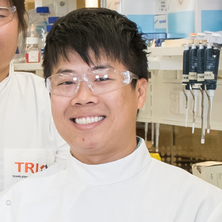
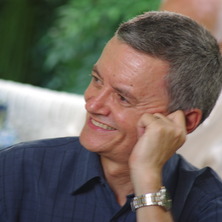
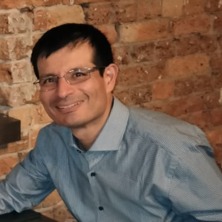
Associate Professor Kelvin Tuong is an NHMRC Emerging Leadership Fellow and Deputy Director and group Leader of the Ian Frazer Centre for Children’s Immunotherapy Research (IFCCIR), Child Health Research Centre. He is interested in single-cell analysis of immune cells and harnessing adaptive immune receptors for understanding immune cell development and function in health and in cancer.
A/Prof Tuong was born and raised in Singapore and moved to Brisbane, Australia, after completing national service in Singapore and obtaining a Diploma in Biomedical Laboratory Technology (Ngee Ann Polytechnic).
A/Prof Tuong was originally trained as a molecular cell biologist and gradually transitioned into bioinformatics during his post-doctoral training. He has been very prolific for an early career researcher, having published >70 articles since 2013, with nearly a third of them as first/co-first or last author and has a stellar track record of pushing out highly collaborative work in prestigious journals including Nature, Cell, Science, Nature Medicine, Nature Biotechnology J Exp Med etc. He has the rare combination of having excellent laboratory and bioinformatics skill sets which provide him a strong command of both fundamental immunology and computational approaches.
A/Prof Tuong completed his undergraduate Bachelor's degree in Biomedical science with Class I Honours, followed by his PhD in macrophage cell biology and endocrinology at UQ (Prof Jenny Stow lab and Emiritus Prof George Muscat lab, IMB, UQ). He then went on to a post-doc position with Emiritus Prof Ian Frazer (co-inventor of the Gardasil cervical cancer vaccine, UQ Frazer Institute, Translational Research Institute) where he worked on HPV immunology, cervical cancer and skin cancer. In his time in the Frazer lab, he developed an interest in bioinformatics analyses as a means to tackle and understanding immunology problems in health and disease. He then moved to the UK and joined Prof Menna Clatworthy's lab at the University of Cambridge and Prof Sarah Teichmann's lab at the Wellcome Trust Sanger Institute. He has focused his interests on single-cell analyses of tissue immune cells, including T and B cells and their specific receptors (TCR/BCR). He has developed bespoke bioinformatics software, including one tailored for single-cell B Cell Receptor sequencing analysis, Dandelion, which he used in one of the largest combined single-cell transcriptomic, surface proteomic and TCR/BCR sequencing dataset in the world, published in Nature Medicine, and more recently in Nature Biotechnology where we introduced a TCR-based pseudotime trajectory analysis method.
A/Prof Tuong is now leading the Computational Immunology group at the IFCCIR and his lab is focused on investigating how pediatric immunity is perturbed during cancer at the cellular level and how this information can be used for creating novel warning systems for children with cancer. For potential students/post-docs/trainees interested in joining the team, please contact A/Prof Tuong at z.tuong@uq.edu.au.
Affiliate of ARC COE for Children and Families Over the Lifecourse
ARC COE for Children and Families Over the Lifecourse
Faculty of Humanities, Arts and Social Sciences
Affiliate of Parenting and Family Support Centre
Parenting and Family Support Centre
Faculty of Health, Medicine and Behavioural Sciences
Professorial Research Fellow
School of Psychology
Faculty of Health, Medicine and Behavioural Sciences
Availability:
Available for supervision
Media expert
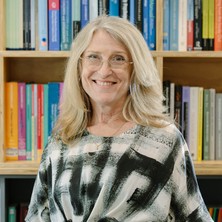
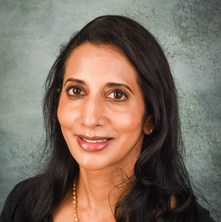
Karen Turner is a clinical psychologist and research academic. She is Deputy Director at the Parenting and Family Support Centre. Her research activity focuses on the impact of evidence-based parenting support on child, family and community outcomes. She is a foundational co-author of the Triple P – Positive Parenting Program and has published more than 50 professional manuals, parent workbooks, tip sheet series, and video programs, which are currently being used in 27 countries, in 20 languages. She has also co-written television segments and four interactive online parenting programs. She has clinical and research experience relating to parent wellbeing, child development, and the prevention and treatment of a variety of childhood behavioural and emotional problems, including work with feeding disorders, pain syndromes and conduct problems. Her research has also focused on the development and evaluation of brief primary care interventions in the prevention of behaviour disorders in children, and the dissemination of these interventions to the professional community. She has also conducted series of research into: online delivery of parenting programs; the cultural tailoring of mainstream parenting programs for Indigenous families; and enhancing the training and post-training environment for Indigenous professionals. Her current work includes further resource development for primary care settings, early education settings, and an ongoing focus on making evidence-based parenting support programs more accessible for First Nations families, and in low-resource and developing communities.
Faculty of Health, Medicine and Behavioural Sciences
Availability:
Available for supervision
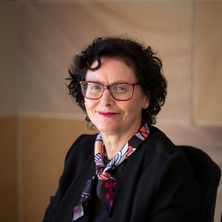
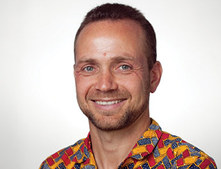
Dr Turpin’s research centres on the clinical/professional reasoning of occupational therapists across the spectrum of experience from new graduates to experts, as well as the subjective experiences of people with disabilities. She specialises in the use of qualitative research methods and uses a variety of qualitative research methods in her own research, as well advising others on these research methods. Dr Turpin has written books and book chapters on occupational therapy models of practice, evidence-based practice, and clinical reasoning, as well as publications on various aspects of people's experience. Dr Turpin has been a teaching and research academic at The University of Queensland for more than 30 years. The connection between theory and practice is central to her research and teaching. As occupational therapists attend to both thinking and experience, they need to use rigorous thinking and a deep understanding of human experience in their practice.
Faculty of Health, Medicine and Behavioural Sciences
Availability:
Available for supervision
Media expert
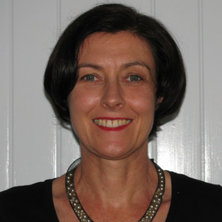
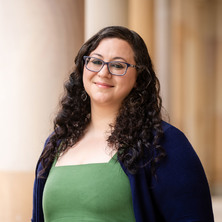
Zephanie is a Senior Research Fellow and occupational therapist based at the Child Health Research Centre, and a member of the management team of the Centre for Children’s Burns and Trauma Research, Brisbane. She has a clinical background specialising in paediatrics and burn care. She has worked clinically and in management positions at Royal Children’s Hospital, Brisbane, in private practice and in research capacity building positions in hospitals and health services.
Since 2013 Zephanie’s research has focussed on developing and validating patient-reported outcome measures, as well as using these measures therapeutically for clinical decision making. She led the development of four versions of the Brisbane Burn Scar Impact Profile which have been translated into Czech and are undergoing cross-cultural validation for Brazilian Portuguese. She has a vision of providing all children and their caregivers with an opportunity to communicate their needs and priorities during treatment in a paediatric hospital or health service.
Her current program of work includes collaborative work with children, their caregivers and health professionals to co-design and test the effectiveness and implementation of technology-based interventions in clinical settings to improve quality of life. These interventions include a web-based intervention for paediatric health professionals to support the psychosocial health of families with a child who has experienced physical trauma, and an electronic intervention for children with skin conditions and their caregivers that provides feedback about the patient's health-related quality of life to health professionals. Zephanie also has a continued interest in investigating the effectiveness and implementation of novel interventions to prevent or improve the impact of skin conditions in children and their families. This includes the use of ablative fractional CO2 laser, medical needling, pressure garment and silicone therapy, medical hypnosis and interventions to promote adherence and reduce the burden of treatment.
Faculty of Health, Medicine and Behavioural Sciences
Availability:
Available for supervision
Media expert
Dr. Susannah Tye joined the Queensland Brain Institute in 2017 and has established a research program within the Asia Pacific Centre for Neuromodulation (QLD, Australia). Before returning to Australia, Dr. Tye directed the Translational Neuroscience Laboratory at the Mayo Clinic (2012-2017). While there she led efforts to develop brain stimulation devices (for rodents and humans) that can quantify neural activity and neurotransmitter dynamics in the living brain. This body of work now forms the basis of the neuropsychiatric arm of the Mayo Clinic’s Deep Brain Stimulation Consortium. Her specific research expertise are in utilising voltammetric (electrochemical) recording techniques to monitor rapid, synaptic neurotransmission in the living brain.
Dr. Tye has over ten years of experience studying neuromodulation in preclinical rodent models and human patients. Her long-term goal is to bridge preclinical and clinical studies to maximise translational impact, specifically in terms of improving patient outcomes for those with severe refractory psychiatric illness. Towards this end, she maintains many international collaborations with both clinical and basic science researchers. Dr. Tye also has a longstanding interest in mentoring young scientists to help them expand their skills in preclinical and basic science research and achieve a successful research career.
Faculty of Health, Medicine and Behavioural Sciences
Availability:
Available for supervision
Media expert
Children deserve the best of our healthcare. As Professor and Chair in Paediatric Nursing, conjoint between the University of Queensland (UQ) and Children’s Health Queensland, Amanda is working to optimise health service delivery for children in hospital, so they are able to receive the treatment they need, without complications. She also aims to improve the capacity, capability and excellence of consumer-focussed, powerful research across paediatric healthcare.
At UQ, Amanda leads the Paediatric Nursing and Patient Safety research group, which is based across the School of Nursing, Midwifery and Social Work and the Children's Health Research Centre.
Amanda is also co-Chair of the Children's Inpatient Research Colloraborative of Australia and New Zealand (CIRCAN), which facilitates hospital-based paediatric research studies across metropolitan, regional and rural hospitals in Australasia. She is also Director of Child UnLimited, an Australian network of researchers, clinicians, advocates and families with a shared vision: to improve the clinical care and quality of life of children, adolescents and young adults living with a chronic illness or disability.
Affiliate of Centre for Digital Cultures & Societies
Centre for Digital Cultures & Societies
Faculty of Humanities, Arts and Social Sciences
Senior Lecturer
School of Social Science
Faculty of Humanities, Arts and Social Sciences
Availability:
Available for supervision
Media expert
Mair Underwood is an anthropologist in the School of Social Science who specialises in bodies. In particular she explores how body modifications (such as tattoo or bodybuilding) are used to create, reflect and disrupt social boundaries such as those of gender and class. She is especially interested in the social lives of image and performance enhancing drugs: how they acquire meaning through social interactions and how they alter social interactions.
She also has an interest in assessment practice and has conducted research into assessment techniques that promote student engagement and academic integrity and compiled them into a searchable database called the UQ Assessment Ideas Factory
Mair is passionate about community engagement and engages with the community through her YouTube profile and podcasts such as this one with VPA Australia https://www.vpa.com.au/podcast
Mair Underwood coordinates two courses:
SOSC2190 Human Bodies, Culture and Society
SOCY1060 Gender, Sexuality and Society: An Introduction
Faculty of Health, Medicine and Behavioural Sciences
Availability:
Available for supervision
Media expert
Owen Ung is a breast and endocrine surgeon, Director of the Metro North Comprehensive Breast Cancer Institute (CBCI) and Program lead for the Breast Reconstruction at the Herston Biofabrication Institute (HBI). He is a committed clinician, researcher and educator.
Affiliations:
Professor of Surgery, University of Queensland
Royal Brisbane and Women’s Hospital (RBWH)
Surgical Treatment and Rehabilitation Service (STARS)
Brisbane, Queensland, Australia.
Professional representations:
Vice President Royal Australasian College of Surgeons (RACS).
President of Breast Surgery International (BSI), and executive member of the International Surgical Society (ISS).
Fellow of the Australian Institute of Company Directors (FAICD).
Director Medical Insurance Group Australia (MIGA)
Drector Specialist Services Medical Group
Owen has obtained extensive administrative and management experience through his various clinical leadership roles and representations at numerous state, national and international levels. He has over 90 peer reviewed publications and is a lead investigator for a number of significant trials of international significance.
Faculty of Health, Medicine and Behavioural Sciences
Emeritus Professor
Frazer Institute
Faculty of Health, Medicine and Behavioural Sciences
Availability:
Available for supervision
Media expert
John Upham is a clinical scientist and physician with longstanding research interests in the immunological basis of asthma and chronic lung disease, the role of dendritic cells in allergy and virus infections of the lung, and the development of novel approaches to severe asthma treatment.
John is highly influential in his field, with > 195 publications, > 5,400 citations and an H index of 46. Since 2009, he has 112 publications (1st/senior author on 45%) with a Field-Weighted Citation Impact of 2.03. Moreover, 21.5% of publications are in the top 10% of most-cited publications worldwide (field-weighted). His publications have been cited in >20 different subject areas, demonstrating translation to fields other than Medicine. His research has international reach with citations in 80 countries (Scopus Dec 2018).
In the last 10 years, he has secured over $24 million in research funding. John has been awarded 8 NHMRC Project grants (4 as CIA in the last 5 years), 2 NHMRC CRE (“Closing the gap in Indigenous Lung Health” and “Severe Asthma”), and 1 NHMRC Development Grant. He currently holds NHMRC grants of $7.5 million, including $2.96 million as CIA. John was regularly an invited (9x), plenary (3x) and Chair (9x) at national and international conferences in the last 5 years. In recognition of his international standing and influence in the field, he was elected Fellow of the American Academy of Allergy, Asthma & Immunology (2004) and the Thoracic Society of Australia and New Zealand (2015).
Affiliate of Australian Women's and Girls' Health Research Centre of Australian Women and Girls' Hea
Australian Women and Girls' Health Research Centre
Faculty of Health, Medicine and Behavioural Sciences
Associate Professor
Frazer Institute
Faculty of Health, Medicine and Behavioural Sciences
Clinical Associate Professor
Frazer Institute
Faculty of Health, Medicine and Behavioural Sciences
Availability:
Not available for supervision
Associate Professor Lata Vadlamudi is a Senior Staff Specialist in Neurology at the Royal Brisbane and Women’s Hospital; Epileptologist within the Comprehensive Epilepsy Program; Metro North Clinician Research Fellow; and Brain, Neurology and Mental health Theme Leader at the University of Queensland Centre for Clinical Research.
She obtained her medical degree from the University of Queensland and completed physician training in the field of Neurology. Further specialized training in epilepsy was undertaken in Melbourne, Sydney and the Mayo Clinic, USA. Her PhD was obtained from the University of Melbourne.
Clinical interests include management of women with epilepsy, particularly during pregnancy with a dedicated women and epilepsy clinic. Other interests include integrating genomics into clinical care with current research projects including developing a Queensland neuro-genomics service to underpin the era of precision-based medicine; and an MRFF-funded project personalising epilepsy regimes with stem cells and artificial intelligence models for superior treatment outcomes.
Awards have included the University of Queensland Centre for Clinical Research Clinician Researcher of the Year, Metro North Clinician Research Fellowship; Highly Commended Clinical Research Award by Metro North Hospital and Health Service, Epilepsy Queensland Health Award for contributions to the medical care of people with epilepsy; and Leonard Cox Award from the Australian and New Zealand Association of Neurologists for outstanding contribution to research in the field of Neurology.
Faculty of Health, Medicine and Behavioural Sciences
Availability:
Available for supervision
Media expert
Professor Bruno van Swinderen received his PhD in Evolutionary and Population Biology in 1998 from Washington University in St. Louis, Missouri. His graduate work was on general anesthesia in a Caenorhabditis elegans model, applying both quantitative genetics and molecular genetic approaches. For his postdoc at The Neurosciences Institute (NSI) in San Diego, California (1999-2003), he switched to Drosophila melanogaster to develop methods of studying perception in the fruit-fly model. He ran a lab at NSI from 2003 to late 2007.
Professor van Swinderen established a new laboratory at the Queensland Brain Institute in February 2008.
Bruno van Swinderen's group use Drosophila as a genetic model system to study mechanisms of perception in the brain and are interested in three phenomena: selective attention, sleep, and general anesthesia. Their focus is on visual perception and how it is affected by these different arousal states. Their current effort is in understanding how sleep regulates selective attention and predictive processing. Toward this goal, they use various novel visual paradigms in a Drosophila molecular genetics context. The lab is also focussed on understanding presynaptic mechamisms of general anaesthesia, with a view to uncovering new strategies to improve recovery from this common medical procedure.
Faculty of Health, Medicine and Behavioural Sciences
Availability:
Available for supervision
Associate professor David Vesey is a leading research scientist in The University of Queensland Centre for Kidney Disease Research at the Translational Research Institute and a senior scientist within the Department of Kidney and Transplant Services at the Princess Alexandra Hospital. He is a graduate of Kings College and Imperial Collage, London University. Postdoctoral studies were at London University and The University of Queensland.
His main research interests are in the area of kidney tubulointerstitial fibrosis, inflammation and cancer – particularly the role that cytokines and growth factors play in these processes. Current projects include the role of protease activated receptor-2 in kidney inflammation and fibrosis, and the mechanism of heavy metal toxicity in the kidney. He manages the Princess Alexandra Hospital Endotoxin Testing Service which routinely tests samples from dialysis units throughout Queensland.
Affiliate of Centre for Innovation in Pain and Health Research (CIPHeR)
Centre for Innovation in Pain and Health Research
Faculty of Health, Medicine and Behavioural Sciences
Affiliate of The Centre for Chemistry and Drug Discovery
Centre for Chemistry and Drug Discovery
Institute for Molecular Bioscience
Affiliate of Centre for Marine Science
Centre for Marine Science
Faculty of Science
Availability:
Available for supervision
Media expert
I am an NHMRC Leadership Fellow with joint apointments at the Institute for Molecular Bioscience (IMB) and School of Pharmacy, UQ. My research interests lie in the fields of peripheral pain mechanisms, target identification and analgesic drug discovery. I investigate the contribution of ion channels to sensory neuronal physiology using highly subtype-selective toxins isolated from venomous animals with the aim to develop novel analgesics with improved efficacy and tolerability.
Affiliate of Centre for Innovation in Pain and Health Research (CIPHeR)
Centre for Innovation in Pain and Health Research
Faculty of Health, Medicine and Behavioural Sciences
Emeritus Professor
School of Health and Rehabilitation Sciences
Faculty of Health, Medicine and Behavioural Sciences
Availability:
Available for supervision
Media expert
I am a Professor Emeritus in Sports Physiotherapy in the School of Health and Rehabilitation Sciences where I am the Director of the Master of Physiotherapy (Musculoskeletal and Sports Physiotherapy Majors) and co-Director of the Sports Injury Rehabilitation and Prevention for Health Research unit. My research is mainly focussed on non-surgical management of persistent musculoskeletal problems like tendon related pain/disability (tendinopathy) and knee cap pain (patellofemoral pain). I also delve into the underlying mechanisms of these conditions and other common sporting injuries (e.g., ankle sprains) – a leading cause of ankle osteoarthritis.
Since gaining my PhD in 2000, I have been awarded over $30million in competitive research funding as a chief investigator to study these conditions – 5 NHMRC project grants, 2 NHMRC CRE, 2 NHMRC program grants, 2 NHMRC MRFF grants and an ARC Linkage grant. I have also conducted over half a million dollars of commercially sponsored research.
I have authored 2 books, 26 book chapters and over 382 peer reviewed publications (h-index 68). My top tendinopathy papers are cited over 10 times more than average for the field – most are published in the top sports/general medicine and physiotherapy journals . I have 2 highly cited papers – in the top 1% of the academic field of Clinical Medicine 2022. I have presented my work world wide in over 300 workshops, seminars and keynote presentations.
I enjoy my role in mentoring early/mid career academics and supervising researh higher degree students – having supervised 40 PhD and 2 MPhil candidates to completion. In this capacity I lead the physiotherapy research higher degree seminar series where our students engage in presenting their work and hearing from top international researchers on a range of relevant topics. One reason why my work was recently recognised by the school award for research mentoring.
Faculty of Health, Medicine and Behavioural Sciences
Availability:
Available for supervision
Dwan is the Group Leader Environmental Epidemiology, Centre for Safe Air Postdoctoral Research Fellow and the Director of the WHO Collaborating Centre for Children's Health and Environment. Dwan has a particular interest in children's environmental health. Her current research explores the following:
Bushfire smoke
Air pollution, especially indoor air quality
Environmentally persistent free radicals
Green space
Climate change and health
The EMBER (Environmental Measures of Bushfire smoke Exposure and Respiratory health) study is a comprehensive investigation into how bushfire smoke affects the respiratory health of children, adults, and firefighters. It integrates environmental sampling, in‑home air quality monitoring, biomarker assessment, and repeated lung‑function testing to build a full picture of smoke exposure from source to health impact. EMBER also uses advanced tools—such as drone technology—to characterise pollutant profiles during fire events, generating evidence to inform public health policy and better protect communities during increasingly frequent smoke events. Learn more at: research.uq.edu.au/ember
Smoke kits: This project responds to the growing health risks posed by increasingly frequent bushfires by developing practical, community‑focused tools to reduce smoke exposure. Recognising that current guidance—such as staying indoors—may not adequately protect families, the initiative creates affordable clean‑air kits that include materials for a DIY filter fan, a user‑friendly handbook, and accessible resources for families. Through hands‑on workshops and broader community outreach, the program supports households in using these kits effectively, aiming to strengthen public health resilience during smoke events.
The EPFR project investigates how environmentally persistent free radicals—combustion‑derived pollutants we have previously identified in Australian homes—contribute to adverse health effects, particularly in children. By examining their presence indoors and their formation during events like bushfires, the project aims to understand how these long‑lived pollutants drive key health impacts associated with air pollution. This work focuses on characterising exposure in Australian households and uncovering how EPFRs influence human health, ultimately supporting efforts to reduce harmful environmental exposures.
Building the Autonomy of Indigenous Communities to Make their Data Work for Decision-Making: This project empowers Indigenous communities in Canada to use their own health and environmental data for better decision-making by hosting a series of Knowledge Symposiums on key topics like children’s environmental health, water contamination, microplastics, and Indigenous health economics. These symposiums bring together community members, researchers, and experts to share knowledge, build local capacity, and co-develop practical tools and strategies. By centering Indigenous voices and fostering data autonomy, the project not only addresses urgent health concerns but also demonstrates leadership in community-driven research, strengthening your profile as a researcher committed to impactful, collaborative, and culturally grounded work.
WHO Collaborating Centre for Children's Health and Environment
Our Collaborating Centre focuses on supporting the World Health Organization in strengthening countries’ capacity to protect children from the health impacts of climate and environmental change. Activities include assisting WHO to assess air quality and climate‑related health risks to children in the Western Pacific Region, developing and revising competency‑based training materials in children’s environmental health, and updates to existing WHO training packages. The workplan also contributes to coordination across the network of WHO Collaborating Centres by providing input to the Collaborative Framework of Action on children’s environmental health and by producing research reviews and thematic analyses on climate‑ and chemical‑related risks to support WHO policies and guidance. Learn more here: https://child-health-research.centre.uq.edu.au/research/who-collaborating-centre-for-children-s-health-and-environment
Visscher joined the University of Queensland in 2011, where he is Professor of Quantitative Genetics. He is a Laureate Fellow of the Australian Research Council. Visscher was elected a Fellow of the Australian Academy of Science in 2010, a Fellow of the Royal Society (London) in 2018 and a Foreign Member of the Royal Netherlands Academy of Arts and Sciences in 2018.
Visscher’s research is about genetic variation for complex traits (including quantitative traits and disease) in populations, with the broad aim to understand and quantify the causes and consequences of human trait variation.
Prof Peter Visscher, Prof Naomi Wray and Prof Jian Yang together comprise the Executive Team of the Program in Complex Trait Genomics (PCTG). PCTG comprises a critical mass of more than 30 post-doctoral researchers plus research assistants and students, all supported by external grant funding. Their skills lie in the ability to develop and apply statistical methods within the framework of quantitative, population and statistical genetics and to use theory to understand and predict results from data analyses. They play leading roles in the international research consortia. The focus of current research activities is in the detection and fine-mapping of loci underlying complex traits (including common disease), based upon theoretical studies and applications of methods to large datasets, in population genetics studies using theoretical approaches and high-density genetic marker data, and in systems genomics studies.
Faculty of Health, Medicine and Behavioural Sciences
Affiliate of Centre for Cardiovascular Health and Research
Centre for Cardiovascular Health and Research
Faculty of Health, Medicine and Behavioural Sciences
Professorial Research Fellow
Queensland Brain Institute
Faculty of Health, Medicine and Behavioural Sciences
Availability:
Available for supervision
Media expert
The Vukovic laboratory investigates how brain function is sculpted and influenced by the immune system. Specifically, we examine the role of brain’s main resident immune cell population (i.e. microglia), as well as various peripheral immune cells, on learning and memory in mice. We are interested in defining the contribution of immune cells to such higher cognitive tasks, including for neuroinflammatory conditions where learning and memory deficits can occur, e.g. following traumatic brain injury, cancer treatment, and ageing. We have established an array of genetic and pharmacological tools alongside robust behavioural assays to directly probe the function of these immune cells in both the healthy and diseased brain. The ultimate goal of our work is to link cellular and molecular events to altered behaviour, and to harness the brain’s intrinsic regenerative potential for stimulating optimal cognitive function.
A neuroimmunologist, Dr Vukovic received her PhD in 2008 from The University of Western Australia after working on the repair of injured nerve cell connections. She joined QBI in 2009 to work in Professor Perry Bartlett’s laboratory as a Postdoctoral Research Fellow, before being awarded a Queensland Government Smart Futures Fellowship to continue her research into the importance of adult neurogenesis for behaviour and how microglia influence this process in ageing. Dr Vukovic demonstrated that microglia can exert a dual and opposing influence over adult neurogenesis (the birth of new neurons) in the hippocampus under different physiological conditions, namely exercise and ageing, and that signalling through the chemokine receptor, CX3CR1, critically contributes towards this (Vukovic et al., 2012, J Neurosci). Dr Vukovic also generated novel evidence that ongoing neurogenesis in the adult hippocampus is critical for new learning but does not play a role in memory recall (Vukovic et al., 2013, J Neurosci).
Dr Vukovic was awarded an ARC Discovery Early Career Researcher Award (2015-2018) and was jointly appointed as a group leader by the UQ School of Biomedical Sciences (SBMS) and QBI in 2015. She heads the Neuroimmunology and Cognition team investigating the interactions between the brain and the immune system in health and disease.
Currently, the group is working on three main projects:
Identification of microglia-derived molecules that support neuronal survival and stimulate neural stem/progenitor cell expansion
Characterisation of immune cell contribution to changes in neuronal connectivity
Immune cell responses to cancer treatment, and their effect on learning and memory
Affiliate of Centre for Innovation in Pain and Health Research (CIPHeR)
Centre for Innovation in Pain and Health Research
Faculty of Health, Medicine and Behavioural Sciences
Lecturer in Physiotherapy
School of Health and Rehabilitation Sciences
Faculty of Health, Medicine and Behavioural Sciences
Availability:
Available for supervision
Dr Viana Vuvan is a titled Musculoskeletal Physiotherapist and Lecturer in Physiotherapy at The University of Queensland. Viana has a strong clinical background in musculoskeletal physiotherapy, with experience in managing a wide range of musculoskeletal and sports-related injuries. Viana has a special interest in the management of upper limb musculoskeletal disorders and enjoys sharing her experience with students in the undergraduate and postgraduate physiotherapy programs. Viana is an active member of the Sports Injury Rehabilitation and Prevention for Health (SIRPH) research unit and the Neck and Head Research Unit (NAHRU) at the University of Queensland.
Viana’s research is focused on improving the management of persistent musculoskeletal pain conditions, such as tendinopathies, and better understanding the mechanisms underlying their chronicity. Viana’s PhD research focused on lateral elbow tendinopathy and explored the factors contributing to pain, disability and chronicity within this group. Additionally, Viana has explored similar mechanisms in other tendinopathies, including Achilles, patellar tendinopathy, plantar fasciopathy, as well as in whiplash associated disorders. She has shared her research at numerous state-wide, national and international conferences, and has been awarded for her presentations at several conferences.