Faculty of Health, Medicine and Behavioural Sciences
Availability:
Available for supervision
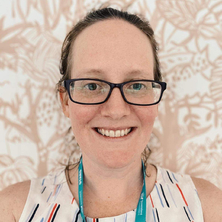
Dr Sakshi Chopra is a Postdoctoral Research Fellow and early career researcher at the Frazer Institute, The University of Queensland, specialising in frailty, chronic disease prevention and digital models of care. She has an established research track record with 27 publications in Q1 journals, reflecting her strong and rapidly growing academic trajectory. Dr Chopra is currently co‑designing the ‘Focus on Frailty’ digital education platform, a comprehensive program featuring 12 lessons that support healthcare professionals in delivering best‑practice frailty prevention and management in hospital settings. She has also collaborated with stakeholders from 35 universities across Australia to develop the national consensus statements for frailty prevention and management in community‑dwelling older adults. Her recent funding supports consumer‑led research exploring older people’s experiences of emergency care. Dr Chopra also contributes to research capacity building as co‑supervisor of three PhD students working across hospital and community frailty care.
Faculty of Health, Medicine and Behavioural Sciences
Adjunct Senior Fellow
Child Health Research Centre
Faculty of Health, Medicine and Behavioural Sciences
Availability:
Available for supervision
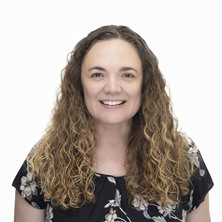
Dr Fiona F Russo MBA, PhD, SFHEA is a nationally and internationally recognised researcher in consumer and community engagement in health services, policy, and research. Her work centres on amplifying the lived experience of families—particularly those impacted by disability—to inform and improve health and disability service design and delivery. Dr Russo’s research spans paediatric health, disability services, and public health, with a strong emphasis on co-design and participatory methodologies. Dr Russo has Lived Experience of Disability as the mother of a daughter with complex disability.
Faculty of Health, Medicine and Behavioural Sciences
Affiliate of Health and Wellbeing Centre for Research Innovation
Health and Wellbeing Centre for Research Innovation
Faculty of Health, Medicine and Behavioural Sciences
Affiliate of Centre for Neurorehabilitation, Ageing and Balance Research
Centre for Neurorehabilitation, Ageing and Balance Research
Faculty of Health, Medicine and Behavioural Sciences
Principal Research Fellow
School of Human Movement and Nutrition Sciences
Faculty of Health, Medicine and Behavioural Sciences
Associate Professor
School of Health and Rehabilitation Sciences
Faculty of Health, Medicine and Behavioural Sciences
Availability:
Available for supervision
Media expert
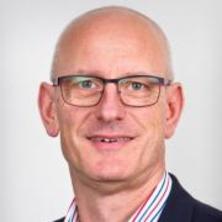
Associate Professor Sjaan Gomersall is Associate Director and Principal Research Fellow at the Health and Wellbeing Centre for Research Innovation at School of Human Movement and Nutrition Sciences and a Teaching and Research academic in Physiotherapy at the School of Health and Rehabilitation Sciences at The University of Queensland. Established in 2022, the Health and Wellbeing Centre for Research Innovation (HWCRI) is a collaborative, co-funded research centre by The University of Queensland and Health and Wellbeing Queensland. The HWCRI combines world class research expertise in physical activity, nutrition and health at The University of Queensland, with the reach and capacity of Health and Wellbeing Queensland to integrate, deliver and evaluate evidence-based programs that provide scalable, equitable access to improve the health and wellbeing of all Queenslanders (and beyond).
Associate Professor Gomersall is an expert in physical activity, sedentary behaviour and health. Her research has focused on understanding, measuring and influencing physical activity and sedentary behaviour using a variety of methods and with a range of populations, with a focus on adults, the prevention and management of chronic disease and physical activity promotion in healthcare settings. Sjaan has a strong track record for multi-disciplinary collaborations and industry partnerships, with specific expertise in partnering with healthcare organisations to build capacity in research and physical activity behaviour change, to evaluate the impact of healthcare services and to co-design and test innovative solutions to gaps in service delivery. Dr Gomersall is a nationally and internally recognised leader in physical activity and health. She is the President of the International Society for Physical Activity and Health, Co-Lead and co-founder of the Physical Activity in Healthcare Special Interest Group for the Asia-Pacific Society for Physical Activity, a Consultant for Physical Activity for the World Health Organisation and an Associate Editor for the Journal of Activity, Sedentary and Sleep Behaviours.
Faculty of Health, Medicine and Behavioural Sciences
Centre Director of Centre for Living Experience Research
Centre for Living Experience Research
Faculty of Health, Medicine and Behavioural Sciences
Affiliate of Queensland Aphasia Research Centre (QARC)
Queensland Aphasia Research Centre
Faculty of Health, Medicine and Behavioural Sciences
Affiliate of University of Queensland Centre for Hearing Research (CHEAR)
Centre for Hearing Research
Faculty of Health, Medicine and Behavioural Sciences
NHMRC Emerging Leadership Fellow
School of Health and Rehabilitation Sciences
Faculty of Health, Medicine and Behavioural Sciences
Availability:
Available for supervision
Media expert
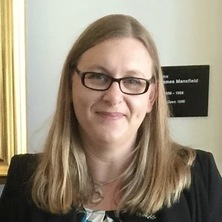
I am a research leader who believes the best science is built with the people it is designed to serve. As a two-time NHMRC Emerging Leadership Fellow and Certified Practising Speech Pathologist, I lead a transdisciplinary team of more than 20 researchers at the University of Queensland. We work in partnership with consumers, clinicians, communities, government, and industry to co-produce interventions, technologies, systems, and standards that drive real change and serve the public good.
My research themes include: (a) Design and implementation of a national audit system to drive quality improvement in post-stroke aphasia services; (b) Development and implementation of methodological standards to improve aphasia research quality and reduce research wastage; (c) Development of technology-enhanced interventions to support self-management, promote equitable access to information and services, and empower people with communication support needs; (d) Development of fit-for-purpose training and resources for aged care workers to help older Australians have better conversations about aged care.
I am Director of the Centre for Living Experience Research and lead the Qualitative Collective, and the School of Health and Rehabilitation Sciences Communication Research and Engagement Theme (CommRET). I am a UQ Research Integrity Advisor.
Faculty of Health, Medicine and Behavioural Sciences
Availability:
Available for supervision
Dr Lizzie Beadle is a clinical psychologist, neuropsychologist, and researcher. Her research is focused on neuropsychological rehabilitation, changes to self-awareness and identity after brain injury, and use of technology in rehabilitation. She has practiced as a psychologist from acute through to community services. She is experienced in translation of research in to clinical practice. She is passionate about supporting a lifelong love of learning in students and clinicians. She is also passionate about supporting greater medical and lifestyle choice and control for individuals with disabilities.
Affiliate of Centre for Neurorehabilitation, Ageing and Balance Research
Centre for Neurorehabilitation, Ageing and Balance Research
Faculty of Health, Medicine and Behavioural Sciences
Conjoint Research Fellow in Consumer and Community Involvement
Faculty of Health, Medicine and Behavioural Sciences
Availability:
Available for supervision
Lisa is a speech pathologist and conjoint research fellow with Metro North Health and The University of Queensland and works with the Queensland Aphasia Research Centre (QARC). Her research focuses on examining experiences, determining priorities, and co-designing meaningful solutions with lived-experience experts, and improving consumer partnerships. Lisa’s PhD used a novel application of Experience-Based Co-Design, to co-design aphasia services for QARC, who have adopted her findings as a future focus of the centre.
Faculty of Health, Medicine and Behavioural Sciences
Affiliate of Centre for Extracellular Vesicle Nanomedicine
Centre for Extracellular Vesicle Nanomedicine
Faculty of Health, Medicine and Behavioural Sciences
Availability:
Not available for supervision
Professor Andreas Obermair is a gynaecological oncologist in public and private practice in Brisbane, Australia. He graduated from the University of Vienna, Austria (1990) and then went on to complete his specialist training in obstetrics and gynaecology (1999). He enrolled in gynaecological oncology sub-speciality training in 2000 (Brisbane and Perth) and since 2003 has been a part time staff specialist in gynaecological oncology at the Royal Brisbane and Women’s Hospital.
Professor Obermair is a NHMRC Investigator Fellow with the University of Queensland and is also the Director of Research in the Queensland Centre for Gynaecological Cancer where he drives a program of investigator-initiated surgical clinical trials. His mission is to make surgical treatments more humane, kinder and at the same time more effective.
His main research interests include clinical trials and hereditary (familial) gynaecological cancer. His main effort focusses on assembling a world-class team to conduct clinical trials that change the treatment of women affected by gynaecological cancer for the better. He authored more than 220 original articles in peer reviewed journals, teaches at the national and international level and maintains his international contacts at conferences. Professor Obermair conducts his private practice from Spring Hill in Brisbane, and on the Sunshine Coast.
Affiliate of Centre for Living Experience Research
Centre for Living Experience Research
Faculty of Health, Medicine and Behavioural Sciences
Affiliate Research Fellow of T.C. Beirne School of Law of T.C. Beirne School of Law
School of Law
Faculty of Business, Economics and Law
Affiliate of Queensland Aphasia Research Centre (QARC)
Queensland Aphasia Research Centre
Faculty of Health, Medicine and Behavioural Sciences
Research Fellow
School of Health and Rehabilitation Sciences
Faculty of Health, Medicine and Behavioural Sciences
Availability:
Available for supervision
I am a sociologist, lawyer, and advocate working across law, health, policy and social science. My research examines human rights, decision-making and legal capacity, and how legal and administrative systems actually work for people with disabilities, including in health care and transition to adulthood, the NDIS, aged care, banking and finance, income support, and voting. I am interested in personhood and capacity in areas of life where people may be less able to make legally recognised decisions, and in the gaps between policy intentions and lived realities. My particular focus is people with profound intellectual and multiple disabilities, who are too often invisible in regulation, policy, governance and research. I come to this work with living experience as a parent and supporter of an adult daughter with profound disability.
I lead Profound Pathways (MRFF, 2026 to 2030), a consumer-led national program co-designing guidelines for health care transition and decision-making for young adults with profound intellectual and multiple disabilities; the CommGUIDE workstream of the Conversations about Care project, developing national guidelines on communication support in aged care; and the regulatory review for the NDRP-funded Safe Homes project on personalised housing and support for people with intellectual disability. I am a founding member of the Centre for Living Experience Research, a Board Director of ASID and Child Unlimited, and Co-Chair of the ALEC Consumer Panel and the ARC Life Course Centre Community Advisory Committee.
My work is built on co-production with people with disability and their relational networks, and on inclusion in research for those least often included. Across research, governance and advocacy, my aim is systems that better recognise and include people with profound disability.
Faculty of Health, Medicine and Behavioural Sciences
Higher Degree by Research Scholar
School of Public Health
Faculty of Health, Medicine and Behavioural Sciences
Availability:
Not available for supervision
A/Prof Mark D. Chatfield is a highly experienced statistician and team leader in the UQ Clinical Trials Centre and collaborates with researchers across the Faculty of Health, Medicine and Behavioural Sciences.
In collaboration with health and medical researchers, he has published >200 times in academic journals. He has been an investigator on 30 NHMRC/MRFF funded (>$57M) studies (mostly clinical trials). He has >20 years of experience as a biostatistician in Australia (Brisbane, Darwin, Sydney) and the UK (Cambridge, 2002-2009). He has co-supervised 8 PhD students to completion.
He plays an active role in the Australian Clinical Trials Alliance Statistics in Trials Interest Group.
Stata users around the world enjoy using his table1_mc and blandaltman commands.
He is an Honorary Fellow (Associate Professor) with Menzies School of Health Research.
Faculty of Health, Medicine and Behavioural Sciences
Availability:
Available for supervision
Emmah is an experienced occupational therapist and researcher in the field of brain injury rehabilitation. Emmah's PhD, completed in 2010, compared the effectiveness of an outpatient brain injury rehabilitation program in home and hospital settings.
Research Interests
Emmah has conducted collaborative research in the field of neurorehabilitation, partnering with consumers and clinicians to develop and trial rehabilitation approaches to enhance person-centred care, goal setting and cognitive rehabilitation. Other research interest areas include metacognitive and occupation-based treatment approaches, the use of technology in rehabilitation, outcome measurement, and community-based rehabilitation.
Research Expertise
Emmah has conducted research using quantitative and qualitative methodologies including randomised controlled trials and single case experimental design. Emmah has an interest in knowledge translation, has conducted implementation research using a range of implementation frameworks, and codesigned with end-users including consumers and clinicians.
Affiliate of Health and Wellbeing Centre for Research Innovation
Health and Wellbeing Centre for Research Innovation
Faculty of Health, Medicine and Behavioural Sciences
Senior Research Fellow
School of Human Movement and Nutrition Sciences
Faculty of Health, Medicine and Behavioural Sciences
Availability:
Available for supervision
Dr Ana Goode is an implementation scientist, with expertise in designing, implementing and evaluating broad-reach (e.g. telephone, SMS, digital) health behaviour change interventions in applied 'real-world' settings. Her program of research brings together training and research experience in health psychology, health promotion and public health.
Her work focusses on the adaptation and translation of evidence-based health behaviour change (e.g. physical activity, dietary change and weight loss) programs into practice at a local, state and national level. She has a particular interest in end-user and stakeholder engagement and design thinking.
She is currently the lead implementation scientist of the BeUpstanding program; an evidence-based online program to reduce sitting time in the workplace.
Within her role she leads the Healthy Lifestyle Consultancy group, where she provides knowledge leadership in health promotion, including consultancy and training services to workplaces, health providers and practitioners.
Faculty of Health, Medicine and Behavioural Sciences
Availability:
Available for supervision
Dr Kath Benfer is a Post-Doctoral Research Fellow with the Queensland Cerebral Palsy and Rehabilitation Research Centre, The University of Queensland. Her Post-Doctoral work focuses on community-based early detection and intervention for infants at high risk of cerebral palsy in low-resource countries (India and Bangladesh). She was awarded the prestigious Endeavour Queen Elizabeth II Diamond Jubilee Scholarship through the Australian Commonwealth Government to conduct the study. Kath’s PhD explored oropharyngeal dysphagia, gross motor function, growth and nutrition in preschool children with cerebral palsy, in both Australia and Bangladesh. Her work arising from her doctoral studies has been published in 10 peer-reviewed publications and presented widely at international conferences. Dr Benfer has over 12 years of experience as a speech pathologist within paediatric disability, with community-based child and family support services. Kath also has an interest in cross-cultural issues in child health, having worked in Bangladesh for over 2 years both as an AusAid volunteer teaching on the country’s first Bachelor of Speech Therapy degree, as well as conducting research in this context. She has completed her Master of Public Health at La Trobe University in Melbourne within the research and international health streams.
Faculty of Health, Medicine and Behavioural Sciences
Affiliate of Centre for Living Experience Research
Centre for Living Experience Research
Faculty of Health, Medicine and Behavioural Sciences
NHMRC Emerging Leadership Fellow
School of Health and Rehabilitation Sciences
Faculty of Health, Medicine and Behavioural Sciences
Availability:
Available for supervision
Dr Kirstine Shrubsole is an NHMRC Emerging Leadership Fellow at the Queensland Aphasia Research Centre. She holds a Bachelor of Speech Pathology (First Class Honours) from The University of Queensland, and completed her PhD in 2018. Kirstine has a research focus on improving implementation of evidence into practice in speech pathology and multidisciplinary services, with a special interest in stroke and aphasia rehabilitation. She has demonstrated that practice change is achievable for healthcare teams working in aphasia, leading to positive outcomes for patients, clinicians, and organisations.
Kirstine has published over 60 peer-reviewed journal articles, and has been awarded over $14 million in competitive research funding. Kirstine previously worked as the Conjoint Research Fellow in Speech Pathology (Princess Alexandra Hospital and The University of Queensland), providing research capacity building and mentoring to speech pathologists and supporting multidisciplinary research. Kirstine is the co-founder and Deputy Lead of the Collaboration of Aphasia Triallists’ Implementation Science in Aphasia working group, and a research affiliate of the Centre for Research Excellence in Aphasia Rehabilitation and Recovery.
Kirstine is completing a NHMRC Emerging Leadership Fellowship on the following topic:
The Aphasia Implementation Toolkit Project: Developing an implementation intervention to improve services for stroke survivors with aphasia
She is a chief investigator on three MRFF grants, including:
Unspoken, Unheard, Unmet: Improving Access to Preventative Health Care through Better Conversations about Care
Bridging the Digital Divide: Building Health Self-Efficacy through Communication-Accessible Online Environments
Enhancing utility of neuropsychological evaluation for earlier and effective diagnosis of dementia in Parkinson's disease
Affiliate of Centre for the Business and Economics of Health
Centre for the Business and Economics of Health
Faculty of Business, Economics and Law
Senior Research Fellow
School of Business
Faculty of Business, Economics and Law
Affiliate of Centre for Online Health
Centre for Online Health
Faculty of Health, Medicine and Behavioural Sciences
Availability:
Available for supervision
Media expert
Dr Helen Haydon is a Senior Research Fellow and Registered Psychologist at the University of Queensland. She has national standing, and an emerging international reputation, as a digital health researcher with a focus on aged and palliative care, psycho-oncology and carer wellbeing. She has led 3 applied nationwide digital health research programs: 1/ Palliative Care ECHO that connects services and upskills health professionals across Australia in palliative care; 2/ Elder ECHO, a telementoring program to support the National Aboriginal Community Controlled Health Organisation’s (NACCHO) Elder Care Support workforce in the delivery of Culturally safe aged care and; 3/ Caring for the Carer, an online intervention for carers of people with brain tumour. http://caringforthecarer.org.au/
Other research includes: evaluation of telepalliative care services (e.g. patient/ carer outcomes and perceptions and staff perceptions); voluntary assisted dying; technology supported grief and bereavement support and; digital mental health.
She is a Registered Psychologist with clinical experience working with a range of issues and diverse populations and has over ten years’ experience teaching and facilitating workshops on psychology and health communication.
Affiliate Professor of Child Health Research Centre
Child Health Research Centre
Faculty of Health, Medicine and Behavioural Sciences
Conjoint Professor in Allied Health
School of Health and Rehabilitation Sciences
Faculty of Health, Medicine and Behavioural Sciences
Affiliate of Queensland Cerebral Palsy Rehabilitation and Research Centre
Queensland Cerebral Palsy Rehabilitation and Research Centre
Faculty of Health, Medicine and Behavioural Sciences
Availability:
Available for supervision
Leanne Sakzewski is the Professor of Allied Health Research, a conjoint position with the School of Health and Rehabilitation Science at The University of Queensland and Children's Health Queensland. Leanne completed her undergraduate training in the field of occupational therapy at the University of Queensland. Prior to entering research, she practiced as a senior occupational therapist for eighteen years in paediatric rehabilitation and child development. She completed her PhD in 2010 from The University of Queensland in the field of upper limb rehabilitation for children with cerebral palsy, and achieved a Dean's Commendation for outstanding Research Higher Degree.
Research interests
Leanne's research interests are in the conduct of randomised clinical trials in the field of cerebral palsy and childhood onset acquired brain injuries. In particular, she has focused on randomised controlled trials of:
* upper limb training approaches for infants and children with unilateral cerebral palsy;
* intensive models of motor training to improve gross motor and manual abilities for children with bilateral cerebral palsy;
* participation-focused intervention to increase physically active leisure for children with cerebral palsy;
* social skills group-based program for adolescents with brain injuries.
Faculty of Health, Medicine and Behavioural Sciences
Affiliate of Centre for Living Experience Research
Centre for Living Experience Research
Faculty of Health, Medicine and Behavioural Sciences
Affiliate of Queensland Aphasia Research Centre (QARC)
Queensland Aphasia Research Centre
Faculty of Health, Medicine and Behavioural Sciences
Lecturer in Human-Centred Computing
School of Electrical Engineering and Computer Science
Faculty of Engineering, Architecture and Information Technology
Availability:
Available for supervision
I am an interaction designer.
I have an interest in design research and methods and their application to the design of technology. I believe that co-design/participatory design and human-centered design are critical approaches to ensuring that technology will truly serve the people who will be using or impacted by that technology.
A significant proportion of my work involves working with people living with dementia and post-stroke aphasia. Much of this work focuses on accessibility, usability and acceptability with the aim of creating technological solutions that are not only functional but also recognise and respond to people's intrinsic needs and experiences. A key aspect of my recent work is exploring acceptability and its ties to the Social Self-Determination model of people's needs. Through this I am looking at User Experience through a different lens, seeking to develop an understanding of how this model of people's needs can support a meaningful and impactful experience.
My interests extend across design theory and practice, human-computer interaction and user experience, and the application of the theory of these domains into practical and novel contexts. When designing technology that is to be used in everyday or applied contexts, I believe it is important to think beyond the technology itself. Therefore, in my research so far, I have worked in multidisciplinary teams crossing speech pathology, occupational therapy, computer science, and psychology. I am also committed to ensuring that technology and the process of designing technology is ethical.