Faculty of Health, Medicine and Behavioural Sciences
Availability:
Available for supervision
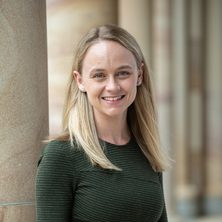
Dr Sakshi Chopra is a Postdoctoral Research Fellow and early career researcher at the Frazer Institute, The University of Queensland, specialising in frailty, chronic disease prevention and digital models of care. She has an established research track record with 27 publications in Q1 journals, reflecting her strong and rapidly growing academic trajectory. Dr Chopra is currently co‑designing the ‘Focus on Frailty’ digital education platform, a comprehensive program featuring 12 lessons that support healthcare professionals in delivering best‑practice frailty prevention and management in hospital settings. She has also collaborated with stakeholders from 35 universities across Australia to develop the national consensus statements for frailty prevention and management in community‑dwelling older adults. Her recent funding supports consumer‑led research exploring older people’s experiences of emergency care. Dr Chopra also contributes to research capacity building as co‑supervisor of three PhD students working across hospital and community frailty care.
Faculty of Health, Medicine and Behavioural Sciences
Availability:
Available for supervision
My research primarily focuses on population health, social determinants of health, homelessness and housing exclusion, rural health (including rural and remote health workforce), health service research, and Alcohol and Other Drugs research.
I use mixed-methods and co-design approach to explore the lifestyle, health, and health care for marginalised, disadvantaged, and hard-to-reach populations with a primary focus on people who experience homelessness and housing exclusion, people in rural and remote areas, and people engaged in problematic substance use.
I have a growing interest in participatory action research and systems science. As part of my interest in rural health, I also have a growing interest and focus on Aboriginal health and Health services, e-health, and rural workforce recruitment and retention. I also have interest in migrants, including refugees and asylum seekers.
Faculty of Health, Medicine and Behavioural Sciences
Lecturer
School of Public Health
Faculty of Health, Medicine and Behavioural Sciences
Availability:
Available for supervision
Dr Mikaela Wheeler is a lecturer in the School of Public Health and has clinical and research expertise as a dietitian-nutritionist in residential aged care and community settings. Using mixed methods and co-design methodology, her research focuses on improving the lives of older people through system design to tackle imminent problems, including poor nutrition, social isolation, loneliness, and specialist care for people living with dementia. In her teaching, Mikaela delivers undergraduate courses in chronic disease and nutrition across the lifespan and is part of the Advocacy and Public Health teaching team in the Medical Program.
Affiliate of Centre for Innovation in Pain and Health Research (CIPHeR)
Centre for Innovation in Pain and Health Research
Faculty of Health, Medicine and Behavioural Sciences
Affiliate of RECOVER Injury Research Centre
RECOVER Injury Research Centre
Faculty of Health, Medicine and Behavioural Sciences
Senior Research Fellow
School of Health and Rehabilitation Sciences
Faculty of Health, Medicine and Behavioural Sciences
Availability:
Available for supervision
Dr Rachel Elphinston is a Senior Research Fellow at Recover Injury Research Centre at The University of Queensland and clinical psychologist with more than a decade of industry-related experience. Her research interests focus on the psychological risk factors for pain and disability following injury, integrated pain treatments, pain medicines use, and the influence of social media. She has designed and implemented research projects examining factors associated with perceived injustice following road traffic crashes, psychosocial factors associated with prescription opioid use in individuals with chronic pain, the effectiveness of brief psychological risk-targeted telehealth interventions, and the role of social media messaging in policy implementation following the up-scheduling of codeine. She has received industry funding to co-design, develop and test feasibility of a psychological brief intervention to reduce risk of prescription opioid-related harm in patients with chronic pain. Dr Elphinston has a current appointment with Addiction and Mental Health Services in Metro South Health and has experience in working in multidisciplinary clinical and research teams to translate research into practice and design and implement new models of care. She also has experience in delivering education and training to a wide range of health professionals and supervising undergraduate and postgraduate students.
I am a Senior Principal Research Fellow at The University of Queensland's Institute for Social Science Research. My research focuses on improving outcomes for Aboriginal and Torres Strait Islander peoples and remote communities through policy-relevant research, evaluation, and systems reform. Working in partnership with communities, Aboriginal community-controlled organisations, governments, and service providers, to examine how context, governance, and community control shape the effectiveness of programs and services our work has influenced policy, service improvement, and research practice across health, wellbeing, education, employment, and community development, with a strong commitment to Aboriginal data sovereignty and community-engaged research.
My research contribution is characterised by long-term partnerships, co-design, and a commitment to Aboriginal data sovereignty. Combining rigorous evaluation, systems thinking, and community-engaged research to generate evidence that is meaningful to communities, actionable for service providers, and relevant to policymakers addressing complex social, economic, and health challenges in remote Australia.
Faculty of Health, Medicine and Behavioural Sciences
Adjunct Senior Fellow
Child Health Research Centre
Faculty of Health, Medicine and Behavioural Sciences
Availability:
Available for supervision
Dr Fiona F Russo MBA, PhD, SFHEA is a nationally and internationally recognised researcher in consumer and community engagement in health services, policy, and research. Her work centres on amplifying the lived experience of families—particularly those impacted by disability—to inform and improve health and disability service design and delivery. Dr Russo’s research spans paediatric health, disability services, and public health, with a strong emphasis on co-design and participatory methodologies. Dr Russo has Lived Experience of Disability as the mother of a daughter with complex disability.
Faculty of Health, Medicine and Behavioural Sciences
Availability:
Available for supervision
Media expert
Dr Natasha Reid is a Behavioural Scientist and Research Fellow at the Australian Frailty Network, Frazer Institute, Faculty of Medicine. Her work sits at the intersection of behaviour change theory and practice, healthy ageing, and frailty prevention, with a particular focus on designing and evaluating interventions that improve quality of life, function, and long-term wellbeing for older adults.
Natasha’s research spans community, hospital, cancer, rehabilitation, and long-term-care settings, combining large-scale epidemiological studies with the development of behaviour-change interventions at both individual and system levels. She is particularly known for her work addressing the intention–behaviour gap in real-world health settings and for advancing values-led, long-term behaviour-change approaches. She has led and contributed to national projects across primary care, frailty screening and management, transition care, and digital health. Natasha works closely with stakeholders and consumer groups to co-design and implement evidence-based strategies that can be translated into practice and policy.
Faculty of Health, Medicine and Behavioural Sciences
Availability:
Available for supervision
Media expert
Dr Nicole Stormon is a Senior Lecturer at the University of Queensland and AHPRA registered Oral health therapist. The current and inaugural Program Convenor for the School of Dentistry’s Doctor of Dental Medicine. She is also the Principal Research Fellow for Queensland Health Metro North Community and Oral Health. An alumnus of the University of Queensland for her undergraduate and postgraduate training, Nicole has become an internationally recognised leader and advocate in Oral Health Therapy.
Nicole Stormon has publications in high quality journals, numerous conference presentation and research collaborations. Health service research is a central theme of her research, with ongoing collaborations with Queensland Health to develop evidence-based and cost-effective models of dental care. She has extensive experience in the analysis of complex quantitative health service data and large longitudinal cohort studies. Additionally, Nicole is experienced in relevant health services research methods including qualitative, scoping methods and consumer engagement. Translating evidence into practice can be challenging, however her research aims to implement innovations and generate new knowledge to better patients oral health outcomes. Being a clinician herself and her effective collaborations to the health service are key to bridging the knowledge-implementation gap.
Nicole Stormon represents the oral health workforce and applies expertise, leadership and governance skills. As an advocate for oral health, she has consulted on a number of national oral health policy issues. Called as an expert witness into the Aged Care Royal Commission into oral health. She has contributed to countless written submissions and representations on national and local advocacy and policy matters. As a leader and advocate for her profession, saw through the recognition and implementation of oral health professionals in obtaining provider numbers and claiming within the Child Dental Benefits Schedule. She has contributed to ongoing public policy issues and has published evaluations of the federal funding policy the Child Dental Benefits.
Faculty of Health, Medicine and Behavioural Sciences
Availability:
Available for supervision
Nina Pocuca is a Research Fellow in the School of Psychology, The University of Queensland. Nina works on the Meaningful Outcomes in Substance use Treatments Centre of Research Excellence, which aims to implement routine outcome measures and feedback (ROMF) in the alcohol and other drug (AOD) sector to increase its capacity to deliver evidence-based and cost-effective care.
Nina completed her PhD with the National Centre for Youth Substance Use Research at Queensland University of Technology (2019), where her research examined the interplay between personality and peer norms, on alcohol use in young people. Following her PhD, Nina completed postdoctoral fellowships at the University of California San Diego (UCSD; 2019-2020) and the University of Montreal (2020-2022). Nina's postdoctoral research at UCSD focused on the association between substance use and cognitive function, while her Canadian Institutes of Health Research (CIHR)-funded postdoctoral fellowship at the University of Montreal used 25+ years of longitudinal data to examine factors associated with co-occurring mental health and substance use disorders.
Nina's interests lie in examining factors associated with co-occurring mental health and substance use, understanding the association between substance use and cognitive function, and translating research findings stemming from these areas into practice.
Current projects include:
Projects as part of the Meaningful Outcomes in Substance use Treatments Centre of Research Excellence
Co-design and acceptability testing of a drug checking/ pill testing brief intervention
Using longitudinal birth cohort data to examine the link between alcohol, cannabis and polysubstance use, and cognitive development in youth (collaboration with researchers at the University of Montreal)
Affiliate of ARC COE for Children and Families Over the Lifecourse
ARC COE for Children and Families Over the Lifecourse
Faculty of Humanities, Arts and Social Sciences
Lecturer
School of Nursing, Midwifery and Social Work
Faculty of Health, Medicine and Behavioural Sciences
Availability:
Available for supervision
Dr Kate Thompson is a Gooreng Gooreng and Yuggera woman and a Lecturer in Health and Social Work in the School of Nursing, Midwifery and Social Work (NMSW) at the University of Queensland. Her work focuses on Aboriginal and Torres Strait Islander child, youth, and family wellbeing, with expertise in cultural identity, connection, and culturally safe practice across child protection, health, and social service systems.
Kate’s research is grounded in Indigenous knowledges, qualitative methodologies, and co-design. Her PhD (conferred April 2025) examined cultural identity and connection for Aboriginal and Torres Strait Islander children in out‑of‑home care (OOHC), generating evidence to strengthen the implementation of the Aboriginal and Torres Strait Islander Child Placement Principle. She is currently a Chief Investigator on an Australian Research Council Linkage Project exploring young people’s experiences of self‑placing in OOHC.
Before entering academia, Kate worked in an Aboriginal and Torres Strait Islander community‑controlled organisation as a Foster and Kinship Care Practitioner and later as a Senior Practitioner, providing practice leadership and specialist guidance across OOHC services to support culturally safe, evidence‑informed, and legislatively aligned practice.
Kate co‑coordinates Working with Aboriginal and Torres Strait Islander peoples, families, and communities, taught to nursing, midwifery, and social work undergraduate and graduate‑entry students. She also coordinates Human Development and Social Work, taught to undergraduate social work and psychology students. Her teaching and leadership focus on embedding cultural safety and Aboriginal and Torres Strait Islander ways of knowing, being, and doing across nursing, midwifery, and social work curricula.
Kate actively contributes to curriculum transformation, governance, and community engagement through service roles including:
Faculty of Health, Medicine, and Behavioural Sciences Indigenising Curriculum Advisory Committee (member)
School of Nursing, Midwifery and Social Work Indigenising Curriculum Working Party (co‑chair)
UQ Aboriginal and Torres Strait Islander Alumni Reference Group
Australian Association for Adolescent Health (Board Director, 2020–2024), contributing to national conferences, youth‑focused forums, and professional webinars
She has also led the School of NMSW’s engagement with community through organising and facilitating stalls at the Murri School Health Expo for the past two years.
Liz Young is the Research Director of the Queensland Decarbonisation Hub and an applied researcher focused on climate transitions, sectoral decarbonisation, and policy innovation. She brings over 20 years of experience in the Queensland Government, including more than a decade in senior leadership roles shaping environmental and climate policy.
Before transitioning to academia, Liz played a central role in major state-wide initiatives such as the Clean Economy Jobs Bill, which legislated Queensland’s 2035 and 2050 emissions reduction targets; the introduction of bioregional planning as part of national environmental reforms; and the development of Queensland’s Protected Area Strategy. Her leadership has spanned a broad policy portfolio including climate adaptation, environmental planning, protected areas, First Nations economic transition, and sustainability planning for the Brisbane 2032 Olympic and Paralympic Games.
Liz holds a PhD in Political Science and an Executive Master of Public Administration (ANZSOG), and was an Australian Parliamentary Fellow. She brings deep expertise in how public policy, institutional settings, and stakeholder dynamics shape environmental outcomes, and is committed to bridging the gap between research and policy through co-production, public sector capability-building, and institutional change.
Faculty of Health, Medicine and Behavioural Sciences
Senior Principal Research Fellow
School of Psychology
Faculty of Health, Medicine and Behavioural Sciences
Availability:
Available for supervision
Media expert
Dr. Theresa Scott, Associate Professor and former NHMRC Dementia Research Development Fellow, specialises in researching functional outcomes for older people and people living, or caring for a person, with dementia in various settings. Her NHMRC fellowship focused on dementia-related driving issues, leading to the co-development of CarFreeMe, a driving cessation program delivering support to people with dementia, adapted for telehealth delivery through additional NHMRC funding.
Dr. Scott's recent NHMRC MRFF-funded project collaborates with stakeholders to create resources for driving safety assessment with persons with dementia in primary care settings, including an innovative video-based fitness to drive test. She is Chief Investigator (CIA Prof Barbara Masser) on an Australian Research Council Linkage Grant that is generating new knowledge in recruiting, retaining, and deferring older blood donors.
Her research spans qualitative and quantitative methods and emphasises participatory research, co-design, and the integration of lived experiences. Her mixed methods research aims to improve the mental health, emotional well-being, quality of life and quality of care of older Australians and people living with progressive brain diseases such as dementia and their family care partners, through innovative research and knowledge translation activities. Her work addresses ageism, dementia stigma, mental health outcomes of psychosocial interventions, for example the mental health benefits of nature connection, significantly impacting dementia care, and loneliness and isolation.
Research interests:
Ageing
Aged care
Co-design
Dementia and quality of life
Driving cessation and driving safety assessment
Mental health outcomes of psychosocial interventions
Research Projects:
Video-based Medical Fitness to Drive assessment (MRFF) http://researchers.uq.edu.au/research-project/55955
Driving cessation intervention for persons with dementia (NHMRC) http://researchers.uq.edu.au/research-project/32115
Engaging the over 50s to ensure the sustainability of our blood supply (ARC) http://researchers.uq.edu.au/research-project/61705
Associate Professor Jie Wang is a scholar in disaster resilience, risk management and inclusive communication, with a particular focus on how humans perceive and act in relation to risk, crisis and disaster, with the aim of understanding how behaviour changes can improve the resilience of people, organisations and destinations. She co‑leads the Security and Resilience Research Hub at UQ Business School and was the Co‑Director of the DFAT‑funded Australia–Indonesia Business ResilienceHub, working closely with governments, councils and industry partners in Australia and the Asia‑Pacific.
Research expertise and excellence
Her research examines risk perception, preparedness behaviours, crisis communication and resilience planning, with applications across disaster‑prone communities, tourism and small businesses. She has led or contributed to more than $500,000 in competitive and industry‑funded grants and published extensively in leading journals such as Tourism Management and Annals of Tourism Research. Her work has received multiple national and international awards, including recognition from the European Foundation for Management Development (EFMD) and Emerald Publishing, as well as the UQ Business School Early Career Researcher Excellence Award in Research.
Her research also advances accessible and inclusive travel for people with disabilities and older adults, with a focus on building destination accessibility readiness, designing disability‑inclusive communication and marketing, and developing accessibility‑aware digital and algorithmic systems to enable equitable participation in tourism.
Teaching and HDR supervision
Dr Wang is an award‑winning educator recognised for excellence in work‑integrated learning, employability and graduate research supervision. She supervises PhD, MPhil and Honours students across disaster resilience, inclusive innovation and risk communication, and was awarded the UQ BEL Faculty Award for Excellence in HDR Supervision (2023), UQ BEL Faculty Award for Excellence in Education (2018, 2025), a Commendation for UQ Citation for Outstanding Contributions to Student Learning (2019), UQ Business School Teaching and Learning Awards (2024) in Work-integrated-Learning and Employability. In 2026, she is working with faculty champions across multiple disciplines to co‑design neuroinclusive curriculum, assessment and pedagogy, grounded in the lived experiences of neurodivergent students.
She is strongly committed to mentoring the next generation of researchers and translating her teaching and research into meaningful real‑world impact.
Faculty of Health, Medicine and Behavioural Sciences
Affiliate Member of Centre for Community Health and Wellbeing
Centre for Community Health and Wellbeing
Faculty of Health, Medicine and Behavioural Sciences
Affiliate of Centre for Living Experience Research
Centre for Living Experience Research
Faculty of Health, Medicine and Behavioural Sciences
Lecturer
School of Human Movement and Nutrition Sciences
Faculty of Health, Medicine and Behavioural Sciences
Availability:
Available for supervision
Media expert
Karly is an Advanced Accredited Practising Dietitian committed to improving the lives of older people through quality nutrition care and food systems. Her research program is built on three interconnected pillars: 1) nutrition and food services in aged care, 2) gerontology and dietetics education and workforce development and 3) co-design and participatory nutrition research for healthy ageing. Karly's experience working as a dietitian with older adults in community and residential aged care, combined with her lived experience supporting loved ones through the aged care sector, provides a strong foundation for her research.
As an emerging research leader, she has a growing track record of publishing in nutrition and aged care journals, presenting at national and international conferences, contributing to media and securing research investment to advance her research program. Karly currently leads the Food and Nutrition in Aged Care Research Collaborative and has experience supervising Honours, Masters and PhD students. She is an Associate Editor of the Australasian Journal on Ageing and holds leadership roles within Dietitians Australia and the Australian Association of Gerontology.
David Fechner is passionate about reducing suffering for all sentient beings and ensuring that present and future generations can enjoy the beauty of our planet. He collaborates with Compass Group, the world’s largest foodservice provider, v2food, Australia’s leading alternative protein manufacturer, and Food Frontier, a leading advocacy body for alternative proteins, to co-design and experimentally test innovative behaviour change interventions that promote sustainable food choices across diverse dining contexts.
Conjoint Fellow, Interprofessional Collaborative Practice (IPCP)
Faculty of Health, Medicine and Behavioural Sciences
Higher Degree by Research Scholar
School of Health and Rehabilitation Sciences
Faculty of Health, Medicine and Behavioural Sciences
Availability:
Not available for supervision
Karina O'Leary is the Interprofessional Conjoint Fellow at the Surgical, Treatment and Rehabilitation Service (STARS) Education and Research Alliance. A physiotherapist with extensive experience working within public and private musculoskeletal physiotherapy settings, Karina has also worked within academic settings in education and research roles.
Delivering high quality healthcare needs high functioning interprofessional teams. Karina's focus at STARS and her research is firstly, ensuring health professional students opportunities to develop interprofessional competencies, secondly, developing educators capability to deliver interprofessional work integrated learning opportunities and thirdly designing innovative ways to develop interprofessional practice within healthcare teams.
Karina 's PhD will use an experience based co-design framework to understand interprofessional practice within a local hospital setting, then designing interventions for students, educators and healthcare teams to engance interprofessional practice.
Qualifications
PhD candidate, The University of Queensland (commenced 2021)
Graduate Certificate in Higher Education, The University of Queensland (2009)
Master of Physiotherapy, The University of Queensland (2005)
BSc (Honours) Physiotherapy, Leeds Metropolitan University (1997)
Awards and Fellowships
Heath and Behavioural Sciences Faculty Excellence in Clinical and Professional Skill Education Award (2022)
Faculty of Health, Medicine and Behavioural Sciences
Affiliate of Centre for Living Experience Research
Centre for Living Experience Research
Faculty of Health, Medicine and Behavioural Sciences
Affiliate of Queensland Aphasia Research Centre (QARC)
Queensland Aphasia Research Centre
Faculty of Health, Medicine and Behavioural Sciences
Affiliate of University of Queensland Centre for Hearing Research (CHEAR)
Centre for Hearing Research
Faculty of Health, Medicine and Behavioural Sciences
A/Prof in Speech Pathology
School of Health and Rehabilitation Sciences
Faculty of Health, Medicine and Behavioural Sciences
Availability:
Available for supervision
Media expert
Associate Professor Anthony Angwin is a speech pathologist conducting research on word learning and neurogenic communication disorders. In particular, his research interests are focussed upon the use of psycholinguistic and neuroimaging methodologies to investigate language processing and word learning in both healthy adults as well as people with Parkinson's disease, stroke and dementia.
Faculty of Health, Medicine and Behavioural Sciences
Affiliate of Centre for Cardiovascular Health and Research
Centre for Cardiovascular Health and Research
Faculty of Health, Medicine and Behavioural Sciences
Affiliate Professor of Mater Research Institute-UQ
Mater Research Institute-UQ
Faculty of Health, Medicine and Behavioural Sciences
Affiliate of Minerals Industry Safety and Health Centre
Minerals Industry Safety and Health Centre
Faculty of Engineering, Architecture and Information Technology
Centre Director of Centre for Community Health and Wellbeing
Centre for Community Health and Wellbeing
Faculty of Health, Medicine and Behavioural Sciences
Professor in Community Health and Wellbeing
School of Human Movement and Nutrition Sciences
Faculty of Health, Medicine and Behavioural Sciences
Professor in Community Health and Wellbeing
School of Public Health
Faculty of Health, Medicine and Behavioural Sciences
Availability:
Available for supervision
Media expert
My work focuses on how universities can operate as deeply embedded institutions within the societies they serve. Knowledge is created through listening, trust and genuine partnership, and impact comes from being present, responsive and collaborative. I focus on strengthening universities’ social licence by developing new ways of working with and alongside communities.
I am a Professor of Community Health and Wellbeing here at The University of Queensland, with an international reputation in community health, prevention, health services and policy. Together with my team, I lead research that shapes how communities thrive, with our work recognised through multiple awards for research excellence and real-world impact.
The cornerstone of my work is leading the Springfield Living Lab. Living labs use place-based, systems-oriented approaches to bring together research, teaching and partnerships to co-create, test and refine solutions in real-world settings over time. Springfield provides a uniquely rich environment for this work through its integrated urban design, strong local governance and commitment to innovation across health, education and technology. As Australia’s largest master-planned city, it offers a complex, real-world context for understanding how community-led approaches can translate into scalable models for broader application.
As a leader, I bring people together across disciplines, sectors and lived experience to create shared purpose and coordinated action. I support teams and organisations to imagine what is possible, map pathways forward and translate ambitious ideas into sustained impact. My leadership is values-led, collaborative and grounded in practical delivery.
I am particularly interested in how research, teaching and engagement can be better aligned to address complex societal challenges, while building cultures where people can do their best work.
I welcome opportunities to work with people and organisations committed to community connection, partnership and innovation. Together, we can strengthen trust, build capability and design approaches that are meaningful for the next generation and for society more broadly.
Affiliate of Centre for Public, International and Comparative Law
Centre for Public, International and Comparative Law
Faculty of Business, Economics and Law
Professor
School of Law
Faculty of Business, Economics and Law
Availability:
Not available for supervision
Media expert
Professor Paul Harpur OAM is a leading international and comparative disability rights legal academic, and a leader in higher education reforms.
Professor Harpur directs the the UQ Disability Collaboratory. The UQ Disability Collaboratory is a university-wide University of Queensland initiative which galvanises the university’s significant but currently distributed research expertise in order to maximise research impact and output. The Collaboratory is the primary means by which UQ enacts its commitment to research excellence in the fields of disability inclusion and was established following the University’s adoption of the Champions of Change Disability Inclusion Research and Innovation Plan. In addition to including a commitment to forming a high-impact disability research network, the Plan will further UQ’s leadership in disability inclusion research, ensuring that people with lived experience of disability play a central role in shaping research outcomes.
Beyond the UQ, Professor Harpur holds international posts, including as an Associate with the Harvard Law School's Harvard Project on Disability, an International Distinguished Fellow, with the Burton Blatt Institute, Syracuse University, Berkeley Center on Comparative Equality and Anti-Discrimination Law, and is a former Fulbright Future Scholar.
Professor Harpur is active in university-wide and sector-wide higher education change. Illustratively he has chairred the UQ Disability Inclusion Group since 2016 and sits on a range of university-wide committees. At the sector-wide level, during 2023 Dr Harpur served on the Ministerial Reference Group for the Universities Accord. He also serves on the Higher Education Standards Panel (HESP), which is a statutory body under Part 9 of the Tertiary Education Quality and Standards Agency Act 2011 (Cth). The HESP is charged to advise and make recommendations to the Minister and to the Tertiary Education Quality and Standards Agency (TEQSA) on the Higher Education Standards Framework and to TEQSA on matters including TEQSA’ strategic objectives, corporate plan, performance against that plan, reform agenda, streamlining of activities and resourcing requirements and its regulatory approaches. He also serves on the Advisory Board for the Australian Centre for Student Equity and Success, formerly the National Center for Student Equity in Higher Education. In April the Univertas 21 (U21) Senior Leaders Group adopted the U21 Framework for Equitable and Inclusive Global Engagement to guide EDI across the 30 university Network. This Framework as a committee, the U21 EDI Management Committee, to which Professor Harpur was appointed in 2025. His transformational work and service has been recognised with numerous diversity and inclusion, human resources and leadership citations and awards. In the 2024 Australia Day Honours, Professor Harpur was awarded a Medal of the Order of Australia by the Governor General of Australia (OAM). The citation for his OAM is “for service to people with disability”.
Additionally, Professor Harpur is a former Fulbright Future Scholar, former current Australian Research Council Future Fellow, and duel Paralympian. He competed in the Sydney 2000 Paralympics and the Athens 2004 Paralympics and has the Paralympics Australia Pin #614.
Professor Harpur is a TEDx speaker (“Universities as Disability Champions of Change”).