Affiliate Professor of School of Biomedical Sciences
School of Biomedical Sciences
Faculty of Health, Medicine and Behavioural Sciences
Centre Director of The Centre for Cell Biology of Chronic Disease
Centre for Cell Biology of Chronic Disease
Institute for Molecular Bioscience
Centre Director of Institute for Molecular Bioscience
Institute for Molecular Bioscience
NHMRC Leadership Fellow - GL
Institute for Molecular Bioscience
Availability:
Available for supervision
Media expert
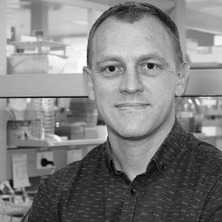
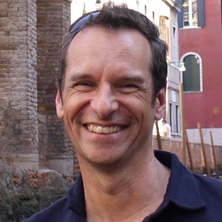
Brett Collins is an NHMRC Career Development Fellow and head of the Molecular Trafficking Lab at UQ's Institute for Molecular Bioscience. He was a lead investigator in the seminal structural studies of AP2, the protein adaptor molecule central to clathrin-mediated endocytosis, and has since defined the molecular basis for the function of critical proteins regulating membrane trafficking and signalling at the endosome organelle. His team is now focused on understanding how discrete molecular interactions between proteins and lipids control these processes in human cells.
Associate Professor Collins was awarded his PhD in 2001 and has published over 75 papers including in Cell, Nature, Nature Structural and Molecular Biology, Developmental Cell, and The Proceedings of the National Academy of Sciences USA, altogether cited more than 3100 times. He is the recipient of 3 prestigious fellowships, including a previous Career Development Award from the National Health and Medical Research Council and a Future Fellowship from the Australian Research Council, and was awarded the University of Queensland Research Excellence Award in 2008. In 2015 he was awarded the Emerging Leader Award of the ANZSCDB and in 2016 the Merck Research Medal from the ASBMB. He is currently the President of the Queensland Protein Group.
Faculty of Health, Medicine and Behavioural Sciences
Affiliate of Centre for RNA in Neuroscience
Centre for RNA in Neuroscience
Faculty of Health, Medicine and Behavioural Sciences
Availability:
Available for supervision
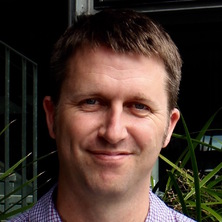
Helen obtained her PhD in the Department of Biochemistry and Molecular Biology at the University of Melbourne. She completed her postdoctoral fellowship at the Scripps Research Institute (San Diego) before being recruited to the Ludwig Institute for Cancer Research (Melbourne) and then the Walter and Eliza Hall Institute to establish her own laboratory. In 2003 she joined The University of Queensland as an inaugural Group Leader and Head of the Neural Migration Laboratory at the Queensland Brain Institute. Her research explores the fundamental cellular and molecular mechanisms governing the development of the neocortex.
Faculty of Health, Medicine and Behavioural Sciences
Affiliate of Centre for Living Experience Research
Centre for Living Experience Research
Faculty of Health, Medicine and Behavioural Sciences
Centre Director of Queensland Aphasia Research Centre (QARC)
Queensland Aphasia Research Centre
Faculty of Health, Medicine and Behavioural Sciences
Professor
School of Health and Rehabilitation Sciences
Faculty of Health, Medicine and Behavioural Sciences
Availability:
Available for supervision
Media expert
Professor David Copland is a Speech Pathologist conducting research in the areas of aphasia, language neuroscience, psycholinguistics, and neuroimaging of normal and disordered language. He is Director of the Queensland Aphasia Research Centre (https://shrs.uq.edu.au/qarc), Co-Director of the STARS Education Research Alliance (https://metronorth.health.qld.gov.au/stars/education-research-alliance), Co-Director of the NHMRC Centre of Research Excellence in Aphasia Rehabilitation and Recovery (https://www.latrobe.edu.au/research/centres/health/aphasia) and Deputy Chair of the Research and Postgraduate Studies Committee of the UQ School of Health and Rehabilitation Sciences.
Australian Institute for Bioengineering and Nanotechnology
Availability:
Available for supervision
Media expert
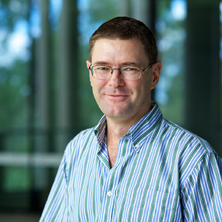
Dr Gary Cowin is the Facility Fellow for the Queensland Node of the National Imaging Facility (NIF) as part of the National Collaborative Research Infrastructure Scheme (NCRIS), based at the Centre for Advanced Imaging, The University of Queensland.
Dr Cowin's research projects are:
Ultrahigh field magnetic resonance microimaging
Simultaneous dynamic MRI and PET imaging
Multimodal MRI/PET/CT imaging
Development of magnetic resonance techniques for non-invasive determination of liver steatosis and fibrosis
Monitoring changing fat distribution in diabetes and exercise trials
Spinal cord imaging research
Prostate research
Application of ultrahigh field MRI microimaging for tissue analysis
Molecular imaging of novel contrast agents by MRI and PET
MRI zebrafish brain atlas
Lung imaging with hyperpolarized Helium in humans and animals
Investigation of the effect of gradient non-linearity on image quality
Affiliate of The Centre for Chemistry and Drug Discovery
Centre for Chemistry and Drug Discovery
Institute for Molecular Bioscience
Affiliate of Centre for Marine Science
Centre for Marine Science
Faculty of Science
Centre Director of ARC COE for Innovations in Peptide and Protein Science
ARC COE for Innovations in Peptide and Protein Science
Institute for Molecular Bioscience
UQ Laureate Fellow - GL
Institute for Molecular Bioscience
Availability:
Available for supervision
Media expert
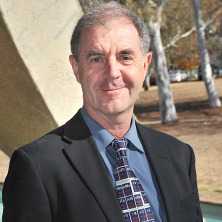
David Craik (AO, FRS, FAA) is in the Centre for Chemistry and Drug Discovery at the Institute for Molecular Bioscience, The University of Queensland, Australia. He discovered the cyclotide family of circular proteins and has characterized the structures of many animal toxins including conotoxins from cone snail venoms. He heads a research team of 35 researchers whose current work focuses on applications of circular proteins, drugs in plants, toxins and NMR in drug design.
He is author of over 810 scientific papers, including 14 in Nature publications (Nature/Nature Communications/Nature Neuoroscience/Nature Structural Biology/Nature Chemical Biology/Nature Chemistry/Scientific Reports/Nature Protocols, 1 in Science, 12 in PNAS, 9 in JACS, 3 in Chemical Reviews, and 16 in Angewandte Chemie. He has been elected as a Fellow of the Royal Society and a Fellow of the Australian Academy of Science, appointed as an Officer (AO) of the Order of Australia and has received numerous awards for his research, including the Ralph F. Hirschmann Award from the American Chemical Society (2011), Ramaciotti Medal for Excellence in Biomedical Research (2014), GlaxoSmithKline Award for Research Excellence (2014), the Vincent du Vigneaud Award from the American Peptide Society (2015),the FAOBMB Award for Research Excellence (2015) and the Cathay Award from the Chinese Peptide Society (2018). He received the Australian Academy of Science David Craig Medal in 2023. He is an Honorary Professor of Jinan University, Guangzhou and has an Honorary Doctorate from Kalmar University in Sweden.
Biography
David Craik obtained his PhD in organic chemistry from La Trobe University in Melbourne, Australia and undertook postdoctoral studies at Florida State and Syracuse Universities before taking up a lectureship at the Victorian College of Pharmacy in 1983. He was appointed Professor of Medicinal Chemistry and Head of School in 1988. He moved to University of Queensland in 1995 to set up a new biomolecular NMR, held an Australian Research Council Laureate Fellow (2015-2020) and is currently a NHMRC Fellow, as well as Director of the Australian Research Council Centre of Excellence in Peptide and Protein Science.
Key Discoveries
David Craik has made discoveries of new classes of proteins, generated new knowledge on their structure and function, and used this information to design and chemically re-engineer new classes of protein-based drug leads and agricultural pest control agents. In particular, his major achievements are:
the discovery of cyclotides, the largest known family of circular proteins. As well as a circular backbone, cyclotides contain a knotted arrangement of cross-linking disulfide bonds, making them remarkably stable. His discovery of these proteins was sparked in part from anecdotal reports of medicinal practices in Africa where women make a tea from the plant Oldenlandia affinis by boiling it in water and sipping it during labour to accelerate child birth. He determined the structure of the bioactive component of this medicinal tea and found that it had an unprecedented head-to-tail cyclic peptide backbone combined with a cystine knot.
the first structural and functional characterizations of prototypic circular proteins in higher organisms - Professor Craik was one of the first to recognize that other families of ribosomally synthesized cyclic peptides exist. As examples from bacteria and animals emerged, Professor Craik was at the forefront of their structural characterization, reporting the first structures of theta-defensins from animals and the threaded lasso peptide microcin J25 from bacteria, as well as new examples of cyclic peptides from plants.
the development of artificially cyclized peptide toxins as drug leads – he developed an orally active peptide that is 100 times more potent than the leading clinically used drug for neuropathic pain.
Research Training
Professor Craik has trained more than 70 PhD students. He was awarded UQ’s Research Supervision Excellence Award in 2007 on the basis of his mentoring and innovations in postgraduate training, including his “writing retreats” to mentor students and postdocs on science writing skills. He received the Institute for Molecular Bioscience Individual Leadership Award in 2019. He was awarded an honorary doctorate from Kalmar University, Sweden for his contributions to international student exchange programs, and is an Honorary Professor of Jinan University, Guangzhou.
Professional Activities
Professor Craik founded and chaired the 1st, 2nd and 3rd International Conferences on Circular Proteins (2009, 2012 and 2015) and was on the Scientific Program Committee for ISMAR 2021. He is on the Boards of six international journals, including Angewandte Chemie, ACS Chemical Biology, Chemical Biology and Drug Design, and ChemBioChem. He was on the Council of the American Peptide Society (2015-2021). He was the director two Brisbane-based biotech companies. He is on the Scientific Advisory Boards of James Cook University’s Centre for Biodiscovery and Molecular Development of Therapeutics (BMDT), the University of Wollongong’s Illawara Health and Medical Research Institute (IHMRI) and Enzytag. He conceived and supports two publicly accessible databases - Cybase on circular proteins (www.cybase.org.au), and conotoxins (www.conoserver.org).
Faculty of Health, Medicine and Behavioural Sciences
Higher Degree by Research Scholar
Faculty of Health, Medicine and Behavioural Sciences
Availability:
Not available for supervision
Peter Csurhes is an immunologist with a strong research track record in multiple sclerosis (MS) research within UQ that has spanned 30 years.
Together with Emeritus Professor Michael Pender, Peter’s work in a number of preclinical research studies into the role that immunity to Epstein-Barr virus (EBV) plays in MS disease pathogenesis has translated to clinical trials testing of potentially ground-breaking new T cell immunotherapeutic treatments for progressive MS. Collaborative links between QIMR Berghofer, Royal Brisbane and Women’s Hospital and commercial partners have been established and clinical trials are ongoing.
After the retirement of Professor Pender, Peter has taken on a chief investigator role, and in 2023 gained successful NHMRC MRFF funding to continue research into the biology of the Epstein-Barr virus and the role it plays in the multiple sclerosis disease process.
Peter has also been involved in studying the role of reactivity to autoantigens in MS and in diseases of the peripheral nervous system including Guillain-Barre syndrome and CIDP.
For several years he worked on the immunology of potential malaria vaccine candidates and also worked part-time for 18 months on research into EBV-related cancers within the QIMR-Berghofer Medical Research Institute.
Faculty of Health, Medicine and Behavioural Sciences
Availability:
Available for supervision
Dr Carlie Cullen leads the Glial Neurobiology, Cognition and Behaviour Research Group at Mater Research and is an Honorary Senior Research Fellow at the Menzies Institute for Medical Research, University of Tasmania. Her research vision is to understand the neurobiological mechanisms that drive healthy brain function, and what happens when the system goes awry, to inform the development of sustained and effective treatments for neurodevelopmental, neurological, and neuropsychiatric disorders. More specifically, Carlie and her team are working to demonstrate the importance of myelin formation during brain development and ongoing adaptability of myelin content in shaping the way information is processed in the brain, and subsequently how this impacts behavioural actions throughout life. By uncovering how myelination and myelin plasticity influences brain function and behaviour, Carlie hopes to determine whether these processes could be targeted to treat the pathological symptoms of neurodevelopmental disorders, neuropsychiatric disease, and other neurological conditions.
Dr Cullen attained her PhD from The University of Queensland in 2014, under the supervision of Professor Karen Moritz, Associate Professor Nickolas Lavidis and Associate Professor Thomas Burne, where she used rodent models to demonstrate that chronic exposure to even a small amount of alcohol during gestation was associated with long-lasting anxiety-like behaviour in adult offspring. Carlie then joined the laboratory of Prof. Kaylene Young at the Menzies Institute for Medical Research, University of Tasmania where she developed a passion for understanding how glial cells influence healthy brain function, cognition and behaviour. In particular, her research focussed on understanding how cells of the oligodendrocyte lineage communicate with neurons; how this communication influences learning, memory and motor behaviour and whether this interaction could be targeted to promote brain repair in diseases like multiple sclerosis (MS).
Faculty of Health, Medicine and Behavioural Sciences
Availability:
Available for supervision
Media expert
My research focuses on Action and Attention in the human brain, examining neural activity underlying the preparation for voluntary movement and the recognition of others' actions
I am a Professor of Cognitive Neuroscience in the School of Psychology, University of Queensland. My major research interests include understanding the brain processes involved in attention and the preparation and readiness for voluntary action, the "mirror neuron" system and how we perceive and understand the actions of others.
Faculty of Health, Medicine and Behavioural Sciences
Research Fellow
School of Health and Rehabilitation Sciences
Faculty of Health, Medicine and Behavioural Sciences
Availability:
Available for supervision
Dr Jonathan Davies is a chronic pain researcher working to improve how pain is understood, assessed and treated. His research focuses on pain phenotyping, precision pain care, and the psychological, physiological and contextual factors that shape pain and treatment response.
At UQ’s Centre for Innovation in Pain and Health Research, he contributes to DISCERN, an NHMRC Synergy-funded multidisciplinary research program developing and validating new approaches to pain assessment. A major focus of his work is DECIPHER PAIN, a standardised, multimodal tool designed to characterise the relative contributions of nociceptive, neuropathic and nociplastic pain and support more personalised care.
His research integrates clinical assessment, quantitative sensory testing, experimental pain methods, psychophysiology, digital health and population data. He is particularly interested in how physiological signals, behaviour, language, psychosocial context and real-world health data can be combined to better understand individual differences in pain and treatment outcomes.
His broader expertise includes placebo and nocebo effects, mindfulness, mental health, quality of life, health outcome measurement and population health. His work aims to support more precise, scalable and patient-centred approaches to pain research and care.
Director, Higher Degree Research of School of Psychology
School of Psychology
Faculty of Health, Medicine and Behavioural Sciences
Affiliate of Centre for Innovation in Pain and Health Research (CIPHeR)
Centre for Innovation in Pain and Health Research
Faculty of Health, Medicine and Behavioural Sciences
Associate Professor
School of Psychology
Faculty of Health, Medicine and Behavioural Sciences
Availability:
Available for supervision
Media expert
I am an endorsed Clinical and Health Psychologist, and my main area of research interest is in optimising non-pharmacological treatment options for chronic pain. My program of research is primarily focused on implementing randomised controlled trials designed to evaluate the efficacy and mechanisms of cognitive-behavioural and mindfulness-based interventions for heterogeneous chronic pain conditions. My concurrent line of research aims to further our understanding of the experience of chronic pain via converging methodologies (including experimental pain paradigms and electroencephalogram), as well as advance our capacity to accurately assess its multidimensional nature. I have led the development, application, and evaluation of Mindfulness-Based Cognitive Therapy for chronic pain, and I disseminated this treatment approach for research and clinical use via my sole-authored book, published by Wiley in 2017. My US-based collaborators and I have a number of on-going NIH and foundation funded treatment trials underway at the University of Washington, Seattle. I am also an Affiliate Associate Professor at the University of Washington.
Centre Director of Centre for Healthy Ageing Innovation
Centre for Healthy Ageing Innovation
Faculty of Health, Medicine and Behavioural Sciences
UQ Amplify Professorial Research Fellow
Frazer Institute
Faculty of Health, Medicine and Behavioural Sciences
Availability:
Available for supervision
Media expert
Professor Nadeeka Dissanayaka is a UQ Amplify Professorial Research Fellow. She is founder and director of the Dementia & Neuro Mental Health Research Unit at the University of Queensland Centre for Clinical Research. She is also the director of the UQ Dementia Friendly University Initiative. Her expertise include multidisciplinary areas ranging from basic science (eg: pharmacology, genetics, cognitive neuroscience, neuroimaging) to clinical science and medicine (eg: psychology, psychiatry, neurology, clinical trials and implementation science).
Ageing, Mental Health, and Neurodegenerative diseases such as Dementia and Parkinson's disease are key areas of Prof. Dissanayaka's research. Her primary research themes include:
1. Evaluation and Treatment of Behavioural and Psychological Symptoms in Dementia (BPSD), with a special focus on anxiety and depression.
2. Development of a Mental Health Benchmarking Industry Specific Tool for Residential Aged Care (MHICare Project)
3. Pychotherapeutic Interventions including artificial intelligence, virtual reality and telehealth guided by biofeedback systems for persons with cognitive impairment and Parkinson's disease
4. Neuropsychiatric Manifestations in Parkinson's disease including anxiety, depression, cognitive dysfunction, sleep and impulse control disorders.
5. Neurobiological Underpinnings of Cognitive and Emotional Impairment in Dementia and Parkinson's disease (neuroimaging studies) and drug repurposing.
Affiliate of Centre for Neurorehabilitation, Ageing and Balance Research
Centre for Neurorehabilitation, Ageing and Balance Research
Faculty of Health, Medicine and Behavioural Sciences
Conjoint Senior Research Fellow
Faculty of Health, Medicine and Behavioural Sciences
Availability:
Available for supervision
Emmah is an experienced occupational therapist and researcher in the field of brain injury rehabilitation. Emmah's PhD, completed in 2010, compared the effectiveness of an outpatient brain injury rehabilitation program in home and hospital settings.
Research Interests
Emmah has conducted collaborative research in the field of neurorehabilitation, partnering with consumers and clinicians to develop and trial rehabilitation approaches to enhance person-centred care, goal setting and cognitive rehabilitation. Other research interest areas include metacognitive and occupation-based treatment approaches, the use of technology in rehabilitation, outcome measurement, and community-based rehabilitation.
Research Expertise
Emmah has conducted research using quantitative and qualitative methodologies including randomised controlled trials and single case experimental design. Emmah has an interest in knowledge translation, has conducted implementation research using a range of implementation frameworks, and codesigned with end-users including consumers and clinicians.
Faculty of Health, Medicine and Behavioural Sciences
Honorary Professor
Queensland Brain Institute
Faculty of Health, Medicine and Behavioural Sciences
Availability:
Available for supervision
Prof Darryl Eyles is the head of the Queensland Centre for Mental Health Research Developmental Neurobiology laboratory. One of Darryl’s research directions is focused on how known risk-factors for schizophrenia change the way the brain develops. His group have established the biological plausibility of various epidemiological risk factors for this disease including developmental vitamin D deficiency, prenatal hypoxia and maternal immune activation. Strikingly all these exposures affect the early development and later differentiation of early dopamine neurons. A second major focus is on understanding the effects of increased dopamine release in selective circuits and how this may be causal in schizophrenia. A third major interest is in factors such as the gut microbiome, and how increased testosterone contribute to altered brain function related to autism.
Faculty of Health, Medicine and Behavioural Sciences
Availability:
Available for supervision
Dr Luli Faber is a teaching-focused academic in the School of Biomedical Sciences at The University of Queensland whose research examines how motivation, emotions and emotion regulation influence student learning, engagement and well-being in higher education. Her work in the Scholarship of Teaching and Learning (SoTL) focuses on identifying strategies that help undergraduate students remain motivated, manage stress, and achieve stronger academic outcomes.
Her research investigates how psychological processes during learning can be harnessed to improve student experiences and performance. In particular, she studies motivation regulation, emotion regulation, student engagement and learning strategies, with the aim of informing evidence-based teaching practices that support both academic success and student well-being. This work also guides the design of innovative learning activities that foster key graduate capabilities, including cultural capability, critical thinking and science communication.
Dr Faber’s research is conducted within the SBMS Biomedical Education Research Group and has contributed to a growing body of work examining the factors that shape student motivation and learning in biomedical science education. Her projects integrate quantitative and qualitative approaches to better understand how students navigate challenges during university study and how educators can support their learning.
Prior to moving into education research, Dr Faber conducted neuroscience research investigating synaptic transmission and plasticity in brain regions involved in emotional processing, including the amygdala and prefrontal cortex. Her work focused on the role of potassium channels, including SK channels, in regulating neuronal activity.
Honours projects are available within the SBMS Biomedical Education Research Group, including projects examining:
motivation regulation strategies that improve undergraduate learning and academic outcomes
emotion regulation strategies used by university students
factors supporting resilience and personal growth in undergraduate students
student experiences of learning about Aboriginal and Torres Strait Islander peoples' perspectives in Biomedical Science education.
Faculty of Health, Medicine and Behavioural Sciences
UQ Amplify Senior Research Fellow
School of Mathematics and Physics
Faculty of Science
Availability:
Available for supervision
Itia is an optical physicist and neuroscientist recently awarded an ARC DECRA fellowship. She is based at the Queensland Brain Institute in Brisbane. Her research focuses on studying the zebrafish brain using advanced techniques such as whole brain calcium imaging and specialized light shaping devices. Notably, she has pioneered the application of optical tweezers to simulate the zebrafish inner-ear's responses to acceleration and hearing, offering novel insights into sensory processing mechanisms. She has also engineered imaging systems for conducting optogenetic experiments with real-time feedback in zebrafish models. Beyond technique development, Itia explores the noradrenergic system in zebrafish, investigating its pivotal role in modulating sensory functions. Her interdisciplinary approach combines optical physics with neuroscience to advance our understanding of neural circuits and sensory perception mechanisms in zebrafish.
Faculty of Health, Medicine and Behavioural Sciences
Availability:
Available for supervision
Dr Jenny Fung is a Senior Research Officer in the School of Biomedical Sciences (SBMS). Her research focuses on understanding how multi-omics—including genomics, transcriptomics, and proteomics—and immune mechanisms contribute to complex diseases, with the aim of translating laboratory discoveries into improved patient outcomes.
Dr Fung completed her PhD in Endocrinology at The University of Queensland and undertook postdoctoral training at QIMR Berghofer and the Institute for Molecular Bioscience (IMB, UQ) in Professor Grant Montgomery’s laboratory. There, she used high-throughput genetic and genomic approaches to uncover key molecular mechanisms underlying endometriosis. In 2019, she joined Professor Trent Woodruff’s laboratory, where she expanded her research to neurodegenerative diseases, including motor neuron disease (MND), Huntington’s disease (HD), and frontotemporal dementia (FTD). Her work spans both preclinical and patient-focused studies, including contributions to a Phase Ib clinical trial in MND, the identification of immune and molecular biomarkers in longitudinal patient cohorts, and the evaluation of therapeutic targets using patient-derived cells.
Dr Fung has published over 40 peer-reviewed papers in journals including Nature Genetics, Nature Communications, PNAS, and Brain, Behavior, and Immunity. She is passionate about connecting laboratory discoveries with clinical impact and co-leads projects integrating multi-omics, immunology, and patient-focused research to develop new strategies for treating complex diseases.
Affiliate of Centre for Neurorehabilitation, Ageing and Balance Research
Centre for Neurorehabilitation, Ageing and Balance Research
Faculty of Health, Medicine and Behavioural Sciences
Honorary Research Fellow
School of Health and Rehabilitation Sciences
Faculty of Health, Medicine and Behavioural Sciences
Availability:
Not available for supervision
Dr Elise Gane graduated with a Bachelor of Physiotherapy (Honours Class I) and a University Medal for academic achievement from The University of Queensland in 2008. She worked as a physiotherapist at the Princess Alexandra Hospital (2009-2013), a quaternary public hospital, treating complex patients across the continuum of care from Intensive Care and post-surgical wards to inpatient rehabilitation and outpatient services. In 2014, Elise commenced her PhD with The University of Queensland, focussed on measuring the musculoskeletal side effects at the neck and shoulder that result from neck dissection surgery for head and neck cancer. Following the awarding of her PhD in early 2018, Elise was employed as a post doctoral researcher at the RECOVER Injury Research Centre (UQ) exploring return to work and social roles after road traffic crash. Since January 2019, Elise has fulfilled the role of Physiotherapy Conjoint Research Fellow between the School of Health and Rehabiltiation Sciences (UQ) and the Princess Alexandra Hospital Physiotherapy Department. In this role, Elise mentors physiotherapists in health service-based research (both qualitative and quantitative) whilst also pursuing her own research interests, including a telehealth cancer exercise program. She teaches a research course in systematic review methodology to students in the Physiotherapy Graduate Entry Masters program.
Elise's areas of research interest include codesign, implementation science, allied health led-models of care, oncology rehabiltiation, lymphoedema, chronic disease, physical activity (particularly in rehabilitation settings, chronic disease, or the workplace), and musculoskeletal health.
Faculty of Health, Medicine and Behavioural Sciences
Availability:
Available for supervision
Media expert
Professor Christian Gericke is a Neurologist and Public Health Physician. He directs the Canberra Specialist Epilepsy Centre at Deakin Private Hospital in Canberra and consults at Cadogan Medical in Brisbane.
He is Clinical Professor of Medicine at the Australian National University, Honorary Professor of Public Health at the University of Queensland, Convener of the Specialist Medical Review Council (SMRC) for the Australian Government and Visiting Scholar at the Uehiro Oxford Institute, University of Oxford. He regularly acts as an Independent Medical Expert for the Supreme Courts and the Coroners Courts in all Australian jurisdictions and for the High Court of Justice in England (King's Bench).
Previously, he worked as an academic neurologist at Calvary Mater Newcastle, the Prince Charles Hospital in Brisbane, King’s College Hospital in London, and Sheffield Teaching Hospitals.
After graduating from medical school in Berlin, he trained in neurology at the Charité, followed by fellowships in adult and paediatric epilepsy in Strasbourg and Geneva. He holds two research doctorates and master's degrees from the University of Cambridge, the London School of Economics and the University of Melbourne.
He chairs the Neuroepidemiology Section of the American Academy of Neurology (AAN) and serves on the International League against Epilepsy (ILAE) Standards and Best Practice Council.