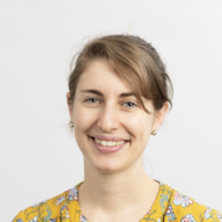
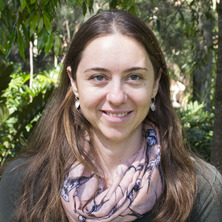
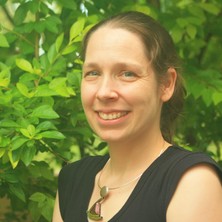
Dr Taylor Pini is a lecturer in veterinary reproduction within the School of Veterinary Science and leads the Molecular Animal Reproductive Biology Lab (MARBL). Taylor's research focuses on understanding fundamental reproductive biology across species, in order to improve the outcomes of assisted reproductive technologies (ARTs) like artificial insemination for livestock and wildlife. Some recent examples of her research work include:
Exploring sperm formation and function in kangaroos
How cooling and freezing sperm impacts cellular 'clean up' machinery
Why frozen ram semen fails to get ewes pregnant
How the cellular makeup of sperm differs across the kingdom of life
Taylor graduated with a Bachelor of Animal and Veterinary Bioscience (Hons) and a PhD in reproductive biology from The University of Sydney. After her PhD, Taylor undertook postdocs at the Colorado Center for Reproductive Medicine (USA), and with the Gametic Epigenetics Consortium against Obesity (GECKO) at The University of Sydney, before beginning at UQ in 2021. Taylor has worked across many aspects of reproduction (from pregnancy detection to sperm freezing) in a range of species, including mice, humans, sheep, horses, koalas, kangaroos, parrots and echidnas.
Taylor is a co-host and producer of the science communication podcast Repro Radio.
Looking for a research project? Taylor is currently on parental leave, but will be taking on Summer and Winter Scholarship Students (undergraduate), Science Honours Students, Masters and PhD students in 2027.
Faculty of Health, Medicine and Behavioural Sciences
Affiliate Professor of Queensland Brain Institute
Queensland Brain Institute
Faculty of Health, Medicine and Behavioural Sciences
Availability:
Available for supervision
I graduated from The University of Tasmania, and received my PhD in Developmental Biology from The University of Queensland in 2003. My PhD, performed at the Institute for Molecular Bioscience with Prof. Melissa Little, centred on understanding the cellular and molecular mechanisms underlying embryonic kidney development. My first postdoc was performed with Prof. Christine Holt at The University of Cambridge, UK, where I studied the mechanisms by which axonal growth cones navigate to their targets in the brain, using the frog Xenopus laevis as a model system. In my second postdoctoral position, with Prof. Linda Richards at the Queensland Brain Institute at The University of Queensland, my work focussed on understanding the molecular mechanisms of neural progenitor cell specification in the developing cerebral cortex. In late 2010, I took up a joint position with the Queensland Brain Institute and The School of Biomedical Sciences (SBMS) to continue my research into the mechanisms underlying neural stem cell differentiation. I have held numerous fellowships during my career, including an NHMRC Howard Florey Fellowship, an NHMRC CDF and an ARC Future Fellowship. I currently hold a continuing Teaching and Research position within SBMS, and am currently the Director for Higher Degree Research Training at SBMS.
Affiliate of ARC Training Centre for Environmental and Agricultural Solutions to Antimicrobial Resis
ARC Training Centre for Environmental and Agricultural Solutions to Antimicrobia
Institute for Molecular Bioscience
Affiliate of Centre for Extracellular Vesicle Nanomedicine
Centre for Extracellular Vesicle Nanomedicine
Faculty of Health, Medicine and Behavioural Sciences
Professor
School of Pharmacy and Pharmaceutical Sciences
Faculty of Health, Medicine and Behavioural Sciences
Availability:
Available for supervision
Research Interests
Advanced Drug Delivery and Nanomedicine 1.Advanced drug delivery methods (controlled release dosage forms such as tablets, granules and microspheres) 2. Biomaterials as next generation adjuvant for vaccine delivery 3. Surface modified nanomaterials (Silica, Polymer, Liposomes) 4. Programmable nanoparticales for oral drug delivery and targeting 5. Translocation of nanoparticles after oral drug delivery (In-vitro and In-vivo)
Qualifications
Master of Pharmaceutical Science, Gujarat University
Affiliate of ARC Training Centre for Bioplastics and Biocomposites
ARC Training Centre for Bioplastics and Biocomposites
Faculty of Engineering, Architecture and Information Technology
Centre Manager – ARC Industrial Transformation Training Centre for Bioplastics and Biocomposites
School of Chemical Engineering
Faculty of Engineering, Architecture and Information Technology
Availability:
Not available for supervision
I have a strong interest in applied research, using information to improve policy. I have a broad interest in applying population genetics to the management of wild populations, particularly through a better understanding of dispersal.
Hugh Possingham's research interests are in conservation research, operations research and ecology. More specifically his lab works on problems to secure the world's biological diversity: efficient nature reserve design, habitat reconstruction, optimal monitoring, optimal management of populations for conservation, cost-effective conservation actions for threatened species, pest control and population harvesting, survey methods for detecting bird decline, bird conservation ecology, environmental accounting and metapopulation dynamics. He has always been actively involved in conservation policy and advocacy - to learn how listen to "The 2023 Univ Canberra Krebs lecture on Science, Maths and Environmental Policy - https://www.youtube.com/watch?v=Ix2_UamShUw"
Hugh is 40% UQ in the Centre for Biodiversity and Conservation Science to our website homepage (https://cbcs.centre.uq.edu.au/); 10% Accounting for Nature and 10% co-chair of the national Biodiversity Council. He sits on c30 other boards and committees pro bono.
His research projects are in the field of decision theory in conservation biology, including co-developing Marxan MaPP - Marxan (marxansolutions.org):
Biodiversity offsetting
Biodiversity markets
Conservation policy at all levels of government
Reserve design, biodiversity management and fire regime management
Population viability analysis (PVA) - including the development of ALEX
Gilbert Price is a Senior Lecturer in Palaeontology at The University of Queensland. He is a vertebrate palaeoecologist and geochronologist, particularly interested in the evolution and emergence of our planet’s unique ecosystems and fauna, and their response to prehistoric climatic changes. His major research focus has been on the development of palaeoecological models for Australia’s Cenozoic, especially the Quaternary megafauna. Critically, this also involves the production of reliably-dated records for the fossils that he studies. You can follow Gilbert on Twitter (@TheFatWombat) and read his reserach blog at www.diprotodon.com.
Sreekar’s research focuses on using ecological theory to inform conservation decision making. He is interested in a broad range of topics, including spatial conservation planning, evidence-based conservation policy, community assembly rules, extinction synergies, and land-use management. A big question that drives his research is how to address the twin crises of climate change and biodiversity loss. His current research is centred around studying the environmental risks associated with mining and mineral processing.
He serves as an Associate Editor for the Journal of Applied Ecology and has spent the past 15 years at universities across Australia, China, Czechia, India and Singapore. Sreekar is an avid birder and enjoys this aspect of his work both professionally and recreationally.
Affiliate of Centre for Innovation in Pain and Health Research (CIPHeR)
Centre for Innovation in Pain and Health Research
Faculty of Health, Medicine and Behavioural Sciences
Associate Professor
School of Biomedical Sciences
Faculty of Health, Medicine and Behavioural Sciences
Availability:
Available for supervision
Dr Rash completed his Honours (1996) and PhD (2001) on the pharmacological activity of spider venoms at the Department of Pharmacology, Monash University in the group of Professor Wayne Hodgson. After 18 months as an Assistant Lecturer at Monash Pharmacology, he was awarded an INSERM/NH&MRC Post-doctoral Fellowship to work in the group of Prof. Michel Lazdunski at the Institute of Molecular and Cellular Pharmacology in Antibes, France. It was here that he became involved in discovery and characterisation of venom peptides that act on acid-sensing ion channels, voltage-gated sodium channels and other pain related channels. Upon returning to Australia to the Institute for Molecular Bioscience (The University of Queensland), he established an ASIC research program and was awarded an NH&MRC project grant as CIA to investigate the molecular basis of the interaction of PcTx1 and APETx2 with ASIC1a and ASIC3 respectively. Dr Rash was appointed as senior lecturer in Pharmacology in the School of Biomedical Sciences in early 2016 where he continues his research on identifying novel bioactive peptides from animal venoms, unravelling the molecular basis for their specific channel interactions and their use as research tools and potential therapeutic lead molecules.
Faculty of Health, Medicine and Behavioural Sciences
Availability:
Available for supervision
Media expert
I received my Bachelor's in Biology (2001) from Yarmouk University in Jordan, followed by postgraduate degrees from the University of Houston in Houston-Texas (2002-2007). My studies are integrative in nature, joining the best of both the Neuroscience world and Circadian Biology (the study of biological clocks). In the laboratory of Prof. Arnold Eskin, I investigated how processes as complex as learning and memory are modulated by biological clocks i.e. the circadian (about 24 hours) system, using Aplysia californica as the experimental model. After completing my Master's in Science in 2005, my research focused on the mechanism by which biological clocks modulate learning and memory. This work was performed in the laboratories of Prof. Gregg Cahill and Prof. Greg Roman, experts in chronobiology and behavioral neuroscience, respectively. Using Zebrafish as a model system, I investigated the role of melatonin, a night-time restricted hormonal signal, in modulating long-term memory consolidation. My findings, published in Science in 2007, shows that the circadian system via the cyclic night-time confined synthesis/release of melatonin “the hormone of darkness” functions as a modulator, shaping daily variations in the efficiency by which memories are processed. After receiving my Ph.D. in 2007, I joined as a postdoctoral fellow the laboratory of the pharmacologist and melatonin researcher Prof. Margarita Dubocovich. My postdoctoral work engaged in elucidating the role of melatonin in circadian physiology and pharmacology during development and ageing in rodents (Mus musculus) and non-human primates (Macaca mulatta) at the Feinberg School of Medicine (Northwestern University-Chicago) and the State University of New York (SUNY). From 2010-2015, I held a teaching/research position in the Dr. Senckenbergische Anatomy and the Dept. of Neurology at the Goethe University in Frankfurt-Germany. During this time, I was involved in teaching gross human anatomy while continuing my endeavor in understanding the mechanistics involved in shaping memory processes (acquisition, consolidation and retrieval) by the circadian system.
Deputy Director of Centre for Biodiversity and Conservation Science of Centre for Biodiversity and C
Centre for Biodiversity and Conservation Science
Faculty of Science
Affiliate of Centre for Biodiversity and Conservation Science
Centre for Biodiversity and Conservation Science
Faculty of Science
Senior Lecturer in AgroEcology
School of Agriculture and Food Sustainability
Faculty of Science
Senior Lecturer in AgroEcology
School of the Environment
Faculty of Science
Availability:
Available for supervision
Media expert
April Reside is a senior lecturer in the School of the Environment and School of Agriculture and Food Sustainability, affiliated with the Centre for Biodiversity and Conservation Science.
Dr Reside's research encompasses ecology, conservation, and policy; investigating refuges and refugia; and recovery actions and their costs for Australia’s threatened species. April also works on conservation of woodland bird communities, the impact of climate change on biodiversity, and strategies for climate change adaptation. This work has involved applying conservation planning frameworks to identify spatial priorities for climate change adaptation for biodiversity and carbon sequestration.
April has a particular fascination of flying vertebrates, and has worked on bats on three continents and nine countries. She worked as a field ecologist for non-government organisations before her PhD on understanding potential impacts of climate change on Australian tropical savanna birds. She adapted species distribution modelling techniques to account for temporal and spatial variability in the distributions of highly vagile bird species. These dynamic species distribution models take into account species’ responses to fluctuations in weather and short-term climatic conditions rather than long-term climate averages. In her first postdoctoral position, Dr Reside modelled the distribution of c.1700 vertebrates across Australia at a fine resolution, and located the future location of suitable climate for all these species for each decade until 2085. From this, she identified hotspots across Australia where species were moving to in order to track their suitable climate, informing the IUCN SSC Guidelines for Assessing Species’ Vulnerability to Climate Change by the IUCN Species Survival Commission.
April has been involved in conservation of the Black-throated Finch for over 12 years, and is Chair of the Black-throated Finch Recovery Team. She has served on Birdlife Australia's Research and Conservation Committee and Threatened Species Committee; and the Science Committee for the Invasive Species Council.
Faculty of Health, Medicine and Behavioural Sciences
Availability:
Available for supervision
Media expert
I am a neuroscientist investigating how cellular signalling and neuron–glia interactions shape brain development, neural circuit function and myelination across the lifespan, and how disruption of these processes contributes to neurodevelopmental and neurodegenerative disorders. My research focuses on neural progenitor cells, oligodendrocyte biology, myelination and neural circuit function, with the broader goal of understanding disease mechanisms and identifying therapeutic targets that can improve the treatment of neurological disorders.
I completed my PhD at the University of Tasmania, investigating ion channel signalling in oligodendrocyte progenitor cells and its role in cell survival, neural circuit function and myelination. I subsequently undertook postdoctoral research at The University of Queensland, including at the Queensland Brain Institute, where I investigated neural progenitor function, neuronal migration and cortical development in models of neurodevelopmental disorders. At Mater Research–UQ, my research has focused on oligodendrocyte dysfunction, myelination and cellular signalling in neurological disease, including multiple sclerosis-like pathology.
Across these research programs, I have developed expertise in developmental and cellular neuroscience, neural progenitor biology, neuron–glia interactions, oligodendrocyte biology, myelination and neural circuit function, using molecular and cellular approaches, advanced microscopy, electrophysiology, animal models and behavioural neuroscience. My broader research direction is to understand how dysfunction across different neural cell populations contributes to disease progression and how this knowledge can be translated into new approaches to prevent, treat or modify neurological disease.
Alongside my research, I contribute to tertiary teaching, student supervision and scientific communication across neuroscience, psychology and biomedical sciences. I am particularly interested in research-informed education and in developing the next generation of scientists by sharing scientific knowledge, technical expertise and practical research skills.
Affiliate of Centre for Biodiversity and Conservation Science
Centre for Biodiversity and Conservation Science
Faculty of Science
Professor
School of the Environment
Faculty of Science
Availability:
Available for supervision
Media expert
Professor Anthony J. Richardson uses mathematical, statistical, computational and spatial planning tools to investigate human impacts on our oceans - and to find solutions. Particular foci include:
Marine spatial planning - Where best to locate marine protected areas to minimise impacts on people, maximise ecosystem benefits, ensure they are climate-smart and connected, and enable multiple-use zoning of the ocean.
Developing models of marine ecosystems - How do lower trophic levels (plankton) regulate fisheries productivity and carbon sequestration, and how will these be impacted by climate change.
Long-term change in lower trophic levels (plankton) in the ocean. This includes both field work around Australia and global analyses.
Anthony did an undergradulate degree in Mathematics and Biology at the University of Queensland, followed by an Honours degree there. He was awarded a PhD degree from the University of Cape Town in 1998, modelling the dynamics of marine ecosystems. Since 2005, Anthony has held a joint position between UQ (School of the Environment) and CSIRO Environment. He has previously held positions at the University of Cape Town (South Africa), the University of the Western Cape (South Africa), and the Sir Alister Hardy Foundation of Ocean Science (UK).
Anthony runs a dynamic lab at the nexus between conservation science and mathematics. His focus is on using mathematical tools to better conserve biodiversity, predict impacts of climate change, and understand the functioning of marine ecosystems. If you have a background in marine ecology and are interested in applying mathematics/statistics/computational science and want to apply your skills to real-world problems, get in touch.
Affiliate of Centre for Biodiversity and Conservation Science
Centre for Biodiversity and Conservation Science
Faculty of Science
Professor
School of the Environment
Faculty of Science
Availability:
Not available for supervision
Media expert
Ecological and evolutionary genomics
My research group uses genetic markers as tools for understanding dispersal and gene flow, often with conservation implications and most frequently focusing on highly dispersive marine animals such as fishes, mussels, and corals. We also study how gene flow and natural selection affect genomic variation and limit gene exchange across genomes, populations, and species.
Faculty of Health, Medicine and Behavioural Sciences
Availability:
Not available for supervision
Dr Melanie Robitaille is a Senior Research Fellow working with the Calcium Signalling in Therapeutics Team (CaSTT) in the School of Pharmacy and Pharmaceutical Sciences. This team specializes in the development and application of novel methodologies and cellular assays in drug discovery, including the use of genetically encoded indicator for high-content imaging in live cells.
Her interests are to elucidate how calcium signals are remodelled in disease states, to identify calcium transporters as new therapeutic targets and to develop molecular and cellular screening tools to be used in drug development programs. She has an established profile in cellular and molecular biology, with high expertise in plasmid cloning, lentiviral transduction and the use of CRISPR/Cas9 to modulate gene expression.
Affiliate of Centre for Biodiversity and Conservation Science
Centre for Biodiversity and Conservation Science
Faculty of Science
Associate Professor
School of the Environment
Faculty of Science
Availability:
Available for supervision
Media expert
Research interest: Monitoring ecosystem health of coral reefs and seagrass habitats, integrating field and remote sensing image datasets, and the developing applied cost-effective mapping and monitoring approaches. Developed approaches have been adopted as standard practice globally, making a difference in conservation of these valuable habitats. The long term monitoring studies at Heron and Moreton Bay formed the basis for the development of mapping and monitoring over time and space at local to global scale. See here major research impact
Major projects:
Long term monitoring of benthic composition at Heron Reef (2002-ongoing).
Long term monitoring of seagrass composition and abundance in Moreton bay Marine Park (2000-ongoing).
Smart Sat CRC Hyperspectral Remote Sensing of Seagrass and Coral Reefs 2023-2027.
Developement of Underwater Field Spectrometry and Benthic Photo Collection and Analysis
3D GBR Habitat Mapping Project 2015 - ongoing:
Global habitat mapping project 2019-2023 Allen Coral Atlas .
Current position: Associate Professior in Marine Remote Sensing leading the Marine Ecosystem Monitoring Lab. . Academic Director Heron Island Research Station and affiliated researchers with Centre for Marine Science and Centre for Biodiversity and Conservation Science
Capacity Building and Citizen Science: Capacity: under/post graduate courses; Msc/PhD supervision, workshops/courses; Remote Sensing Educational Toolkit, and online courses (e.g. TNC).Strong supporter of citizen science based projects, as trainer, organiser and advisor for Reef Check Australia, CoralWatch, Great Reef Census and UniDive.
Queensland Alliance for Agriculture and Food Innovation
Availability:
Available for supervision
Media expert
Professor Eugeni Roura is a nutritionist with interests in digestive physiology and gut health, chemosensory science (including taste and smell) and transgenerational mechanisms relevant to chickens, pigs and humans. Eugeni holds a Veterinary and PhD degrees from the Autonomous University of Barcelona and a MPhil and post-doctoral appointments at the University of California (Davis). He developed a sixteen-year career in the feed and food industries before joining The University of Queensland (2010) where he currently leads the Nutrition & Chemosensory Science Group. The main current research areas in animal science include appetite modulation in chickens and pigs, nutrition interventions to boost embryonic/foetal development (including “in ovo”), and strategies to improve sustainability of chicken meat, egg and pork production. In human nutrition the focus is around food allergies and appendicitis. In 2011, Eugeni joined the UQ School of Biomedical Sciences as an Affiliated Lecturer. Since 2010 he has graduated 20 PhD students in Australia, published more than 100 peer-reviewed publications, and has been invited as keynote speaker to more than 50 national and international scientific meetings. He is currently serving as President of the World’s Poultry Science Association (Australia branch), Director of the AgriFutures Chicken Meat Consortium, and member of the National Committee for Nutrition (Australian Academy of Sciences), R&D and Education Committees of the Australasian Pork Research Institute Ltd., and the Federation of Oceania Nutrition Societies. He was the recipient of the Nutrition Society of Australia 2024 Medal award.