Affiliate of ARC Research Hub to Advance Timber for Australia's Future Built Environment (ARC Advanc
ARC Research Hub to Advance Timber for Australia's Future Built Environment
Faculty of Engineering, Architecture and Information Technology
Associate Professor
School of Civil Engineering
Faculty of Engineering, Architecture and Information Technology
Availability:
Available for supervision
Harnessing the power of AI and mixed reality to transform civil engineering: enhancing design accuracy, streamlining workflows, and fostering innovation.
Dr Johnny Ho joined School of Civil Engineering, The University of Queensland (UQ) in Sep 2013 as a Senior Lecturer. Before joining UQ, Dr Ho has been working in both Hong Kong and Brisbane offices of Arup from 2003 to 2007 on some large-scale infrastructure projects such as The Stonecutters Bridge in Hong Kong and Ipswich Motorway Upgrade (Wacol to Darra) in Queensland, Australia. In Sep 2007, he joined the Department of Civil Engineering, The University of Hong Kong as an Assistant Professor. Dr Ho’s research interests are on scientific study on dilatancy of High-flowability and -performance concrete due to poly-carboxylate based superplasticizers and its application to concrete-filled steel tubular (CFST) and FRP-confined concrete structures. He has developed discrete element modelling of binary packing of 2D discs and 3D spheres using Python and Swift coding. This model, combined with the rheological model of superplasticized concrete, will contribute a more scientific concrete mix design method for low-carbon-footprint, low cost and high-performance concrete (HPC) based on wet packing modelling of particles in the fresh concrete with incorporation of multi-sized fillers. Dr Ho is also interested in applying the low-carbon-footprint high-performance concrete to single- and double-skinned concrete-filled-steel-tube and FRP-confined columns with external steel confinement and/or internal concrete expansive agent.
Dr Ho has published over 100 SCI journal papers and 40 conference papers. Two of his journal papers have been awarded the Transactions Prizes in respectively 2004 and 2005 presented by The Hong Kong Institution of Engineers. In 2011, Dr Ho was awarded the Best Presenter in the 11th International Conference on Concrete Engineering and Technology in Malaysia. In 2010, one of his students was awarded The Hong Kong Institution of Engineers Outstanding Paper Award for Young Engineers/Researchers. Dr Ho has also been very successful in obtaining research and teaching grants, including a HK$1.2m General Research Fund (GRF) grant in Hong Kong in 2010, an A$286K ARC Discovery Project (DP) grant in 2015, two National Science Foundation (NSF) Grant in 2020 and 2022 of grants CNY$600K and $5m in PRC. Dr Ho has also been very successful in supervision of undergraduate student in performing their final year projects/thesis. In 2012 and 2013, two of his Final Year Project students were given the Merit Awards of the ICE (Institution of Civil Engineers) Hong Kong Graduates and Students Papers Competition for the outstanding project work. In 2017, his thesis project student were awarded The HKIE Outstanding Paper Award for Young Engineers/Researchers by the Hong Kong Institution of Engineers and was awarded HKD$5,000 cash prize and a return ticket to and accommodation in Hong Kong for presenting his awarded paper.
Dr Ho is a passionate teacher and one of the most popular lecturers amongst the students. He is responsible for teaching a broad range of structural engineering courses, which consist of Reinforced concrete design as per EC2, AS3600 and Hong Kong Code, Prestressed concrete design as per EC2 and AS3600, Structural analysis, Finite element method, Design of steel structures as per AS4100, Structural fire engineering. Dr Ho obtained very high teaching (92%) and course (85%) evaluation scores in every semester since 2013 and was awarded the "Most Effective Teacher by Dean’s Commendation Students" in the Faculty of EAIT, UQ, in 2017, 2018, 2020, 2021 and 2022.
Lately, Dr Ho's research focus has been on applying technologies on the structural analysis, experimental simulation and AI-enhanced parallel computing modelling of particle packing in concrete. A preliminary version of iStruct2D has been developed, which is a drag and drop version of structural analysis software developed mainly for undergraduate students' learning. A mixed reality virtual experimental platform for structural engineering education and research is undergoing through the use of Apple Vision Pro.
Affiliate Associate Professor of Australian Institute for Bioengineering and Nanotechnology of Austr
Australian Institute for Bioengineering and Nanotechnology
Affiliate of Centre for Extracellular Vesicle Nanomedicine
Centre for Extracellular Vesicle Nanomedicine
Faculty of Health, Medicine and Behavioural Sciences
Affiliate of Centre for Advanced Materials Processing and Manufacturing (AMPAM)
Centre for Advanced Materials Processing and Manufacturing
Faculty of Engineering, Architecture and Information Technology
Associate Professor
School of Mechanical and Mining Engineering
Faculty of Engineering, Architecture and Information Technology
Availability:
Available for supervision
Dr. Hossain is currently an Associate Professor in the School of Mechanical and Mining Engineering (SoMME) and has a joint appointment in the Australian Institute for Bioengineering and Nanotechnology (AIBN) at The University of Queensland (UQ). He currently leads a medium size research group within the Australian Centre of Materials Nanotectonics where he is the Co-Director. Dr Hossain has extensive expertise in the area of Materials Science and Engineering and one of the world’s leading researchers in the field of applied superconductivity. He has extensive expertise in a research field in which he has 12 years of experience. His research career has strongly supported by a number of awards, including the Discovery Early Career Researcher Award (DECRA) from ARC, Strategic Research Fellowship from Australian Academy of Sciences, Priming and Bridging grant award from Australian Academy of Technology and Engineering, the Vice-Chancellor’s Emerging Researcher Excellence Award and Vice-Chancellor’s Excellent Industry Partnership Award from University of Wollongong (UOW). His innovative research at the intersection of materials science, magnetism and applied superconductivity has already resulted in the elegant and efficient design of magnetic and superconducting materials for a range of applications including MRI, power cables, fusion magnets and chemical biosensors. He has devised novel strategies based on underlying physics and chemistry to design highly efficient nano-engineered materials and engineering devices which exhibit significantly enhanced superconducting and electromagnetic properties compared to current commercial counterparts.
The existing and new collaboration with leading universities, government organization and industry within Australia and abroad, including UOW, ANSTO, CERN and MIT will strengthen Australia's research profile in the field and the involvement of Dr. Hossain’s long standing industry partner Hyper Tech Reseatch Inc will ensure practical applications in an industry context.
Faculty of Engineering, Architecture and Information Technology
Centre Director of Nanomaterials Centre
NanoMaterials Centre
Faculty of Engineering, Architecture and Information Technology
Availability:
Available for supervision
Dr Jingwei Hou received his Ph.D. in Chemical Engineering from the University of New South Wales in 2015. He then joined the UNESCO Centre for Membrane Science and Technology (2015-2017) and University of Cambridge (2017-2019, affiliate of the Trinity College) for this post-doctoral research. In 2019, he returned Australia as an ARC DECRA Fellow at the School of Chemical Engineering, University of Queensland. He was named the ARC Future Fellow in 2021 and then NHMRC Emerging Leadership 2 Fellow and ARC Mid-Career Industry Fellow in 2025. He is currently an Associate Professor and the group leader of the Functional Materials Engineering (FME) Lab, leading a team of enthusiastic and talented researchers in pushing the boundaries of science.
Dr Jingwei Hou has attracted over $9m AUD external research funds as the lead CI or sole CI, and contributed over 40 plenary, keynote and invited talks. So far, he has 1 book chapter and 150+ publications in highly-ranked international peer-reviewed journals (including lead author publications in Science, Nature Communications, CHEM, Cell Report Physical Science, JACS, Angew Chem, Advanced Materials, Journal of Membrane Science, ChemComm etc), which attracted over 11k+ citations and an H index of 63. He is the Membrane Separation Theme Leader of the ARC Centre of Excellence for Green Electrochemical Transformation for Carbon Dioxide (2023-2029). His main research focuses on understanding the physical properties of the microporous materials and translating them into useful devices for membrane separation, optics, energy storage and catalysis.
Affiliate of Centre for Environmental Responsibility in Mining
Centre for Environmental Responsibility in Mining
Faculty of Engineering, Architecture and Information Technology
Affiliate of Centre for Geoanalytical Mass Spectrometry
Centre for Geoanalytical Mass Spectrometry
Faculty of Science
Professorial Research Fellow
Sustainable Minerals Institute
Faculty of Engineering, Architecture and Information Technology
Availability:
Available for supervision
Media expert
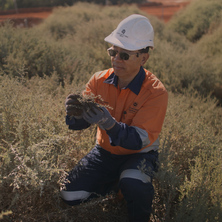
Professor Longbin Huang is a Full Professor and leader of an interdisciplinary research group in Ecological Engineering in Mining. His research focuses on mine waste rehabilitation, ecological engineering, and geomicrobial soil formation, integrating ecological, microbiological, and environmental processes to address sustainability challenges in the mining sector, with influence spanning industry, academia, and policy. Professor Huang leads cutting-edge research in: Geo-microbial ecology, Mineral bioweathering, Microbially and rhizosphere driven soil formation from Tailings Minerals.
Professor Huang's work has advanced nature-based solutions for transforming mine tailings, waste rock, and bauxite residues into sustainable ecosystems. Supported by approximately AUD $23 million in competitive and industry-funded research over the past 15 years, his team has developed and demonstrated innovative rehabilitation technologies with field-scale applications. These include a pioneering technology for the treatment and dealkalization of bauxite residues, which has been commercialized through the University of Queensland startup Bioculum Pty Ltd, and novel approaches for preventing acid mine drainage generation in mine waste materials.
Professor Huang has published over 190 scholarly outputs, including journal articles, conference papers, patents, and book chapters. His research has attracted broad international recognition and has contributed significantly to the advancement of mine waste management, ecological restoration, and sustainable mining practices worldwide.
He is highly experienced in industry-partnered research and translation of knowledge into field-based technologies for tackling large environmental challenges in the mining industry, for example, technologies for tackling global tailings problem. Since 2010, he has led many large and industry-partnered research projects attracting about $23M funding. The research aims to deliver transformative knowledge and practices (i.e., technologies/methdologies) in the rehabilitation of mine wastes (e.g., tailings, mineral residues, spoils, waste rocks) and mined landscapes for non-polluting and ecologically and financially sustainable outcomes. Prof Huang has successfully demonstrated innovative methodology and technology to achieve nature-based outcomes in treating and rehabilitating tailings and waste rocks. Prof Huang’s research program was featured in Rio Tinto’s media releases as one of the four most successful global R&D partnerships in 2024. Prof Huang led the development of the first field-feasible technology to treat and dealkalize alkaline bauxite residues for sustainable rehabilitation. His industry-partnered research was recognised in 2019 UQ’s Partners in Research Excellence Award (Resilient Environments) (Rio Tinto and QAL). Prof Huang is also developing new knowledge and technologies for achieving non-polluting and ecologically sustainable rehabilitation of, for example, coal mine spoils and tailings, Fe-ore tailings, bauxite tailings (from mining bauxite), and Cu/Pb-Zn tailings.
Membership of Board, Committee and Society
Professional associations and societies
2010 – Present Australian Soil Science Society.
2023 – Present AuSIMM
2015 – 2025 Present American Society of Mining and Reclamation (ASMR)
Editorial boards/services
2025 - present: Member of Editorial Board, Energy & Environment Nexus
Faculty of Engineering, Architecture and Information Technology
Lecturer
School of Mechanical and Mining Engineering
Faculty of Engineering, Architecture and Information Technology
Availability:
Available for supervision
My research focuses on fluid flows, in particular turbulent flows. Turbulence is present is many engineering and environmental applications and affects many aspects of our lives. The aim of my research is to better understand turbulence to be able to develop more sustainable engineering solutions and strategies.
Examples include:
Analysis of atmospheric boundary layer turbulence,
Investigation of turbulent wind impacts in renewable energy applications, including solar and wind energy,
Investigation of strategies for reducing the turbulent drag that occurs on aircraft and ships as they move through air or water.
An area of my current research interest is understanding and characterisation of turbulent canopy flows using wind tunnel experiments, field measurements and analytical modelling. Canopy flows exist in agricultural fields, forests, solar arrays and urban environments. My research aims to develop an improved understanding of the turbulent and scalar transport in these environments to inform operational strategies and design considerations in these various environmental, engineering and urban settings.
I joined the School of Mechanical and Mining Engineering at the University of Queensland as a lecturer in 2024. Prior to that, I held lecturer and postdoctoral positions at the University of Adelaide. In addition to my research and teaching activities, I co-convene the Australasian Fluid Mechanics Society (AFMS) Seminar Series, a fortnightly online seminar featuring Fluid Mechanics research, and I am on the Student/Early Career Researcher sub-committee of the AFMS.
Affiliate of Centre for Social Responsibility in Mining
Centre for Social Responsibility in Mining
Faculty of Engineering, Architecture and Information Technology
Professor
School of Chemical Engineering
Faculty of Engineering, Architecture and Information Technology
Availability:
Available for supervision
Media expert
Dr Evgueni Jak is Professor in Pyrometallurgy (see UQ U/G Metallurgy program https://my.uq.edu.au/programs-courses/requirements/plan/METAEC2455/2021) at the School of Chemical Engineering. He is co-founder and currently Leader of the Pyrometallurgy Innovation Laboratory (PYROSEARCH-see link https://pyrosearch.chemeng.uq.edu.au/). Pyrosearch currently has major research programs on copper, lead, metal recycling and iron-making thermochemistry supported by major metallurgical companies including Aurubis, Atlantic Copper, Anglo-Americal Pt, BHP (Olympic Dam, Fe ore), Boliden, Codelco, Gohper, Glencore (Kazzinc, GT), Metso, Nyrstar, Penoles, RHI-Magnesita, Rio Tinto (Kennecott Smelter, Fe Ore), SMS, SWERIM, Umicore as well as a number of other direct R&D support projects.
He graduated with Master of Engineering (metallurgy) from St Petersburg Polytechnique University, Russia in 1984, then worked in industry for a large-scale steel casting company progressing from shift engineer to an executive management position. In 1995 he completed a PhD in Pyrometallurgy at The University of Queensland, then worked at the Centre for Research in Computational Thermodynamics (CRCT), Ecole Polytechnic de Montreal, Canada – developers of the computer thermodynamic package FactSage. Dr Jak returned in 1996 to take up research and subsequently academic positions at The University of Queensland.
He is an author of over 450 scientific papers.
He is recipient of
Prestigious 2002 UQ Foundation Excellence Award,
Best paper award from Metallurgical Transactions (2004),
Gold Billiton best paper award from Transactions of IMM C, UK (2008),
Best paper award from Canadian Metallurgical Quarterly (2009),
Best paper award from Metallurgical Transactions (2010)
Editor’s choice award from Journal of Phase Equilibria and Diffusion (2017)
Best paper award from Metallurgical Transactions (2018)
TMS Extraction and Processing Science Award (2018)
Gold Billiton best paper award from Transactions of IMM C, UK (2019).
Editor’s choice award from Journal of Phase Equilibria and Diffusion for 2019
TMS Extraction and Processing Science Award (2020)
Editor’s choice award from Journal of Phase Equilibria and Diffusion for 2020
Spriggs Phase Equilibria Award from The American Ceramic Society 2025
He has a number of invited, key-note and plenary lectures at leading international conferences. Organiser of major international conferences.
Research interests include
Pyrometallurgy and high temperature processing,
Experimental phase equilibria (including development of an original method to measure high-temperature phase equilibria),
Thermodynamic modelling of slag and other high temperature systems (including co-development of the current key FactSage public oxide thermodynamic database for the Al2O3-CaO-FeO-Fe2O3-SiO2-PbO-ZnO) system,
Experimental and modelling of viscosities of slags (including development of the original experimental methodology and development of multicomponent slag viscosity models),
Freeze linings and slag-refractory interactions,
Modelling of industrial pyrometallurgical processes.
He has been Chief Investigator in a number of successful ARC grants including ARC SPIRT (1998-2000), ARC Large (1999-2001), ARC Large (2000-02), ARC Small (2000), ARC Linkage (2002-06)-the largest in this category in 2002 and the 1st 5-year ARC Linkage ever awarded, ARC Linkage (2005-07), ARC Discovery (2004-06), ARC Linkage (2007-11), ARC Discovery (2008-2010), 2 x ARC Discovery grants (2011-2013), ARC Linkage (2014-2016), ARC Linkage (2015-2018), ARC Linkage (2016-2019), ARC Linkage (2017-2020), ARC Linkage (2018-2023), ARC Linkage (2020-25), ARC LIEF 2022, Trailblazer 2023-2026
In addition to fundamental research Dr Jak has received, and continues to receive, research funding from a wide range of major Australian and international industrial companies including, Anglo American Pt (South Africa); Altonorte, Glencore (Chile); Atlantic Copper, Freeport (Spain); Aurubis (Germany, Bulgaria); Australian Coal Association Research Program (Australia); Baosteel (China); BHP Billiton Fe Ore (Australia); Boliden (Sweden); Britannia Zinc (UK); Coal in Sustainable Development (CCSD-CRC) (Australia); Codelco (Chile); CMSA (Colombia); CYMG (China); Glencore (New Caledonia); Glencore (Switzerland); Glencore Technology (Australia); Glencore Mt Isa Mines (Australia); Glencore Nordenham (Germany); Gohper (USA) Hachinohe (Japan); Kansanshi First Quantum (Zambia); Kazzinc Gelncore (Kazakhstan); Koniambo Nickel, Metaleurop Noyelles Godault (France); Metallo (Belgium); Metso (Finland and Australia); MHD (Germany); MRI (Malaysia); Nippon JLX (Saganoseki, Japan); Ni-West, BHP Billiton (Australia); Nyrstar (Australia, Belgium); Olympic Dam, BHP Billiton (Australia); Pan Pacific (Tamano, Japan); PASAR Glencore (Philippines); Penoles (Mexica); Portovesme (Italy); Queensland Nickel (Australia); RHI-Magnesita, (Austria); Sadbury Ni smelter, Glencore (Canada); SWERIM-LKAB-SSB (Sweden) Samancor Manganese (South Africa); Samancor Chromium (South Africa); Sumitomo (Japan); RioTinto Fe Ore (Australia); RioTinto (Kennecott, USA); Teck Cominco (Canada); TEMCO BHP Billiton (Australia); Umicore (Belgium).
Faculty of Engineering, Architecture and Information Technology
Affiliate of Centre for Hypersonics
Centre for Hypersonics
Faculty of Engineering, Architecture and Information Technology
Availability:
Available for supervision
Media expert
Chris James' research is in the fields of experimental hypersonics, hypersonic aerothermodynamics, and planetary entry. His research combines two important and intertwined parts of these fields: the development and understanding of hypersonic test facilities and the performing and analysing of experiments in them. Chris' 28 journal papers, 2 technical notes, and 59 conference publications cover the design, improvement, and simulation of high enthalpy hypersonic facilities such as expansion tubes and shock tunnels, the application and improvement of physical, optical, and radio-based techniques performed on these facilities, non-equilibrium radiation measurements for entry into many planets in the solar system, re-entry observation measurements, and impulse facility ablation testing.
Chris graduated from Mechanical Engineering at UQ in 2012. Following this, he completed his PhD in the Centre for Hypersonics at the University of Queensland (UQ).
During his PhD he developed very high speed Uranus and Saturn entry conditions which were used to perform the fastest experiments which have ever been performed in an expansion tube, as well as developing expansion tube simulation and analysis codes which are now widely used in the Centre for Hypersonics and around the world. He also enrolled in a cotutelle program with École Centrale Paris in Paris, France, and after being awarded an Eiffel Excellence Scholarship by the French government, he passed a year on exchange in Paris, France. In France, Chris was working on developing the capability to perform radiating simulations to support his experimental work at UQ.
Post PhD he was employed in the Centre for Hypersonics helping to develop the X3R reflected shock tunnel, while also supervising and conducting expansion tube research on the X2 expansion tube at UQ.
In 2020, Chris took on a lecturing position for the year and was awarded an Australian Research Council (ARC) DECRA early career fellowship to study Mars return conditions with heated test models at UQ from 2021 to 2023. He was the 2020 recipient of the UQ EAIT Faculty Early Career Researcher Award and in 2021 a paper he presented was awarded the 2021 American Institute of Aeronautics and Astronautics (AIAA) Ground Test Best Paper Award at the 2021 AIAA SciTech Forum.
in 2020 he participated in the University of Southern Queensland (UniSQ) led re-entry observation mission of the Japanese Aerospace Exploration Agency (JAXA) Hayabusa2 re-entry over Woomera, South Australia and in 2022 he led the UQ contingent on the once again UniSQ led re-entry observation mission of the NASA OSIRIS-REx re-entry in the US.
He is now employed at UQ as a UQ Amplify Senior Lecturer where he continues to perform research in giant planet entry through an ARC Discovery Project which he received with his colleague Professor Richard Morgan and continues to develop and improve UQ's X2 expansion tube.
Chris lectures in the School of Mechanical and Mining Engineering at UQ. He lectures both hypersonics and space engineering, covering varied topics such as high temperature gas dynamics, hypersonic test facilities, rarefied gas dynamics, orbital mechanics, rocket trajectories, spacecraft design, spacecraft thermal and power management, and planetary entry.
He has written six popular science article for The Conversation with a more than 200,000 combined reads, and has been interviewed for Youtube and radio many times. He has given invited talks at the University of Oxford and the Engineers Australia Continuing Professional Development seminar series.
Australian Institute for Bioengineering and Nanotechnology
Availability:
Available for supervision
Media expert
Amal specialises in investigating the therapeutic aspects of focused ultrasound assisted gene therapy for neurodegenerative diseases. He completed his PhD (2016-2020) at CAI/AIBN (UQ) under Prof. Kristofer Thurecht, studying the effect of different ligand densities on the distribution of nanocarriers in vitro and in vivo. He joined Prof. Terry Rabbitts’s lab at the Institute of Cancer Research London as a Postdoctoral Fellow (2020-2022), working on an intracellular antibody-assisted small molecule discovery project funded by Blood Cancer UK and by the Kay Kendall Leukemia Fund. His current research focuses on the therapeutic aspects of focused ultrasound-mediated gene therapy for neurodegenerative diseases funded by the FightMND Foundation, in collaboration with Professor Kris Thurecht, Dr. Kara Vine-Perrow, Prof. Justin Yerbury, and Prof. Anthony White at the University of Queensland and the University of Wollongong.
Affiliate of Minerals Industry Safety and Health Centre
Minerals Industry Safety and Health Centre
Faculty of Engineering, Architecture and Information Technology
Affiliate of Australian Centre for Water and Environmental Biotechnology (formerly AWMC)
Australian Centre for Water and Environmental Biotechnology
Faculty of Engineering, Architecture and Information Technology
Affiliate of ARC Training Centre for Bioplastics and Biocomposites
ARC Training Centre for Bioplastics and Biocomposites
Faculty of Engineering, Architecture and Information Technology
Associate Professor
School of Chemical Engineering
Faculty of Engineering, Architecture and Information Technology
Associate Professor
Australian Centre for Water and Environmental Biotechnology
Faculty of Engineering, Architecture and Information Technology
Availability:
Available for supervision
Media expert
Paul Jensen is a research leader in the areas of anaerobic biotechnology and resource recovery at ACWEB; and leads projects in the areas of waste treatment with a focus on recovery of renewable energy resources, production of bio-fertilizers, bio-plastics and other high value products from wastes and other low value raw materials.
Complex challenges require multi-disciplinary thinking and Paul’s team incorporates engineering, biological sciences, modelling and information processing approaches to research and technology development for a range of partners across municipal, agricultural, animal and industrial sectors.
Paul and ACWEB are recognised as both national and global experts on biogas and resource recovery technologies. They actively contributes to over 12 research and consulting projects per year with applications across the product development cycle. Importantly, the team are having real world impact, and have contributed to a range of major wastewater infrastructure projects in the last 5 years.
Chair in Well Engineering and Production Technology
UQ Gas & Energy Transition Research Centre
Faculty of Engineering, Architecture and Information Technology
Availability:
Not available for supervision
Media expert
Ray is currently Professor of Well Engineering & Production Technology in the School of Chemical Engineering and Energi Simulation Co-chair in the Centre for Natural Gas. There he is researching projects related to low permeability, unconventional reservoirs (i.e., tight gas, coal seam gas, shale gas reservoir). In addition, he is an instructor and course coordinator in several courses in the ME Petroleum Engineering program at the University of Queensland.
Outside of teaching and research, Prof Johnson is the Principal at Unconventional Reservoir Solutions, a provider of reservoir engineering, stimulation consulting, and training services to the petroleum and mining industry, focusing on unconventional resources such as gas or oil from coal, shale, or naturally fractured reservoirs.
From 2014 to 2020 Ray was an Adjunct Associate Professor at the ASP, University of Adelaide.
Australian Institute for Bioengineering and Nanotechnology
Availability:
Available for supervision
Dr Aleksandr Kakinen is an NHMRC Emerging Leadership Fellow (EL1) at AIBN, UQ. His research investigates how protein aggregation, inflammation, and infection contribute to neurodegenerative diseases, particularly Alzheimer’s and Parkinson’s disease.
His work focuses on amyloid proteins — misfolded proteins that assemble into toxic aggregates in the brain — and how these assemblies interact with inflammatory and microbial factors to influence disease progression. He combines approaches from biophysics, structural biology, molecular neuroscience, neuroinflammation, and nanomedicine to understand disease mechanisms and identify new therapeutic opportunities.
Dr Kakinen’s research program includes:
amyloid aggregation and cross-seeding mechanisms
infection- and inflammation-driven neurodegeneration
structural and biological diversity of amyloid assemblies
neuroinflammatory responses in neuronal and microglial models
brain-targeted delivery of neuroprotective molecules and peptides
He has authored over 65 peer-reviewed publications in leading journals, including Nature Communications, Advanced Science, ACS Nano, and Chemical Reviews. His current work aims to link fundamental mechanisms of protein aggregation with translational strategies for diagnosis, prevention, and treatment of neurodegenerative diseases.
Australian Institute for Bioengineering and Nanotechnology
Availability:
Available for supervision
Dr Kaneti focuses on the design of novel nanoporous carbon and inorganic materials with controlled structural parameters (size, shape, and porosity) to optimize their functional performance toward energy storage and conversion, sensing, and bio-related applications. In particular, he is interested in the rational design and construction of metal-organic frameworks and mesoporous materials and has demonstrated the novel self-assembly of inorganic 1D nanomaterials into 2D sheet-like structures using template-assisted approaches for renewable energy conversion applications. Finally, he has conducted several theoretical studies using density functional theory simulations to understand the adsorption of gas molecules on various crystal facets of metal oxides.
Dr Yusuf Valentino Kaneti received his PhD degree from the University of New South Wales (UNSW), Sydney, Australia. After that, he joined the Monash University/University of new South Wales as a part-time postdoctoral fellow with the Laboratory of Simulation and Modeling of Particulate Systems (SIMPAS). In December 2015, he was awarded the Endeavour Australia Fellowship and participated in a 4-month research exchange at the Graduate School at Shenzhen, Tsinghua University (China) between February-July 2016 and worked on the development of anode materials for sodium-ion batteries using metal-organic framework-derived composites. In September 2016, he joined the National Institute for Materials Science (NIMS), specifically at the International Center for Materials Nanoarchitectonics (MANA) as a Japan Society for Promotion of Science (JSPS) Postdoctoral Fellow. His JSPS research focuses on the fabrication of metal-organic frameworks and mesoporous materials for energy and environmental applications. In October 2018, Dr Kaneti was awarded the MANA Research Fellowship and worked at the Nanotubes group in NIMS with research projects focusing on the self-assembly of 1D nanomaterials into 2D nanostructures and vice versa for energy storage and conversion applications. Currently, he is working as an Advance Queensland Industry Research Fellow at the Australian Institute for Bioengineering and Nanotechnology, The University of Queensland.
Dr Kaneti has published 1 book chapter and 137 peer-reviewed journal articles (~60% as first and/or corresponding author). These include publications in leading Materials Science and Chemistry journals, such as Chem. Rev., Chem. Soc. Rev., Adv. Mater., ACS Nano, Angew. Chem. Int. Ed., Matter, Mater. Horiz., and Small. These papers have attracted >12,000 citations with h-index of 58 (Google Scholar as of Dec. 2023). His work is well regarded in the field, as it is cited at rate of 3.94 times above the average for articles in the same field (SciVal, Dec. 2023). Currently, Dr Kaneti has 20 ESI Highly Cited Papers (Top 1% most cited papers worldwide) according to Web of Science (Dec. 2023). He has obtained several competitive grants from a range of research funding schemes, securing ~8M AUD in the last five years, including three ARC (3 LPs and 1 ARC Industry Hub) and one JST-ERATO grants as Chief Investigator [CI], one Advance Queensland as sole CI and two Australia-Japan Foundation Grants (funded by Department of Foreign Affairs and Trade). Furthermore, he has also secured two competitive UQ research grants/awards, including one UQ Global Seed Funding and UQ Grand Agriculture Seed Funding, both as the lead CI. His standing in the field of functional nanomaterials is further evidenced by his recognition as a 2023 Clarivate Highly Cited Researcher (Cross-Field, Thompson Reuters) and inclusion in Top 2% most cited scientists in a single year (2019-2022) across all fields by Stanford University (USA). Currently. Dr Kaneti is serving as the Youth Editorial Board Member for Nano-Micro Letters (Springer), Editorial Advisory Board Member for Langmuir (ACS) and Editorial Board member for three MDPI journals (Batteries, Crystals, and Gases) and an Associate Editor for Frontiers of Materials (Carbon-Based Materials).
Dr Kaneti has previously collaborated with several international companies. He has worked with NBC Meshtec Inc. (Japan) to develop mesoporous iron oxide catalysts for room-temperature carbon monoxide oxidation. He has also collaborated with the Japan Atomic Energy Agency (JAEA) to develop mesoporous alumina and alumina-titania composite adsorbents toward medical radioisotope production. Furthermore, he has work with Sensync Inc. (Indonesia) to develop metal oxide-based sensors using biomass precursors for the detection of toxic gases and to understand the underlying sensing mechanisms of these sensors toward such gases. Currently, Dr Kaneti is collaborating with AI Fluidics. Pty Ltd. (Australia) to develop point-of-care diagnostics device incorporating microfluidics and electrochemical biosensors for the detection of coronavirus RNA.
Australian Institute for Bioengineering and Nanotechnology
Availability:
Available for supervision
Dr. Yunqing Kang received his Ph.D. from Waseda University, Japan, in 2022. Following his graduation, he has held research positions at several prestigious institutions, including the National Institute for Materials Science (NIMS) and Nagoya University, where he has been actively engaged in cutting-edge academic research. Currently, Dr. Kang is a Discovery Early Career Researcher Award (DECRA) Fellow in the Yamauchi Research Group at the AIBN. His research focuses on the design and synthesis of advanced nanostructured metallic materials to address critical challenges in energy conversion and environmental sustainability. By pioneering bottom-up self-assembly strategies, Dr. Kang precisely engineers the atomic-scale disorder in porous metals, enabling the creation of high-performance catalysts essential for the global energy transition.
Dr Kang's core expertise encompasses mesoporous metals, amorphous and high-entropy alloys, and disordered metallic architectures, with specific applications in electrocatalysis for water splitting and plastic upcycling. With over 50 publications in prestigious journals including Nature, Science Advances, and Angewandte Chemie, Dr. Kang is dedicated to advancing the fundamental understanding of material science to facilitate industrial innovation.
Faculty of Engineering, Architecture and Information Technology
Availability:
Available for supervision
Media expert
Dr Jurij Karlovšek is a recognised expert in Geotechnical and Underground Engineering, known for driving innovation through research, fostering industry collaboration, and mentoring the next generation of engineers. His work bridges technical excellence with strategic leadership across academia and industry, positioning him as a key contributor to infrastructure transformation.
He leads multidisciplinary research and teaching initiatives with deep expertise across three core domains. In the area of infrastructure innovation, Dr Karlovšek is at the forefront of sustainable infrastructure development and geotechnical resilience, contributing to the advancement of resilient urban systems and underground space utilisation. He brings specialist knowledge in tunnelling and constructability, particularly in the design and delivery of large-scale underground infrastructure projects.
In digital engineering and information modelling, he is internationally recognised for his pioneering contributions to Building Information Modelling (BIM) in tunnelling, with a strong focus on bored and mechanised tunnelling methods. His research advances the integration of digital workflows, sustainability principles, and life-cycle asset management, positioning him as a thought leader in the digitalisation of infrastructure systems.
In the field of advanced non-destructive and spatial technologies, Dr Karlovšek applies cutting-edge non-destructive testing (NDT) and spatial analysis techniques to evaluate infrastructure integrity and subsurface conditions. He leverages technologies such as Ground Penetrating Radar (GPR), SLAM, LiDAR, and InSAR to support precise monitoring, localisation, and long-term performance assessment of critical assets.
Dr Karlovsek is an EAIT Faculty Lead and Director at the Sustainable Infrastructure Research Hub, collaborating closely with the BEL Faculty. Additionally, he is the co-founder and area lead at the Infrastructure CoLab.
Within the School of Civil Engineering (SoCE), Dr Karlovsek serves as the course coordinator for key subjects:
CIVL2210 - Soil Mechanics
CIVL4525 - Sustainable Infrastructure Design
CIVL6250 - Underground Structures
At the corporate level, Dr Karlovsek is actively involved in community engagement through the creation and implementation of associations. Currently, he holds the position of Vice-President of the National Committee of the Australian Tunnelling Society (ATS) and serves as the Past Animator (Chair) of the International Tunnelling and Underground Space Association (ITA) Working Group 22 – Information Modelling in Tunnelling (BIM in Tunnelling). Locally, Dr Karlovsek contributes to committees at BrisBIM – Digital Community Group Queensland, Planning Institute of Australia Technical Group (PlanTech), Australasian BIM Advisory Board (ABAB) and the Australian Shotcrete Society National Committee.
Beyond his organizational roles, Dr Karlovsek is deeply committed to mentorship, actively guiding undergraduate and postgraduate students. He supports their research endeavors, industry engagement activities, and overall ensures a enriching and profitable educational experience for each student under his mentorship.
Since returning to academia from industry in 1998, Professor Lydia Kavanagh has become a leader in engineering education and has used her background as a professional engineer to design both curricula and courses for active learning by combining real-world projects and specialist knowledge. She has had a significant impact on the delivery of UQ’s undergraduate engineering program through creative new teaching pedagogies including the Flipped Classroom, innovative authentic approaches to assessment, and the introduction of multi-disciplinary courses. As Director of First Year Engineering for almost a decade, Lydia was responsible for a significant program of extra-curricular transition support for first year students and she co-coordinated two compulsory courses that delivered what could arguably be the world's largest flipped classroom for 600 students. Recently, she has set up a Leadership and Mentoring Program for all EAIT faculty students (undergraduate and postgraduates), and continued this into a Leaders@EAIT, an ongoing academy for these students to continue to develop leadership competencies.
Lydia is now the Deputy Associate Dean Academic (Curriculum Review and Teaching Innovation) for the Faculty of Science where she has overseen a faculty-wide overview of curriculum resulting in streamlined undergraduate and postgraduate offerings. She holds a concurrent fractional position with the Institute of Teaching and Learning Innovations, where she has developed frameworks and systems for UQ shorter form credentials.
Lydia is also heavily involved institutionally with training and mentoring academics and professional staff with teaching responsibilities through the development and implementation of the Graduate Teaching Assistant program (for PhD scholars and postdocs), Teaching@UQ (for staff new to teaching), and TeachingPlus@UQ (for emerging leaders in Teaching and Learning).
Lydia’s work was recognised with a Principal Fellowship of the HEA, an ALTC Excellence in teaching award in 2011 and she has lead and participated in Carrick/ ALTC/ OLT projects on teamwork, online learning, curriculum innovation (2x), preparing students for first year engineering, and Flipped Classrooms.
Faculty of Engineering, Architecture and Information Technology
Availability:
Available for supervision
Media expert
Dr Danish Kazmi completed his PhD in Geotechnical Engineering at The University of Queensland (UQ) in Australia. His PhD research investigated the potential use of crushed waste glass as a sustainable alternative to depleting traditional construction sands (both natural and quarried) to backfill granular columns for in-situ ground improvement. He is a global pioneer in researching the potential use of crushed waste glass to backfill granular columns for ground improvement in clayey soil.
His research primarily focuses on developing sustainable geomaterials by recycling ever-increasing wastes as alternatives to diminishing and increasingly expensive natural aggregates in geotechnical construction, helping the transition to a circular economy.
Danish is a TEDx Speaker and delivered a TEDx Talk at TEDxBrisbane. He is also one of the youngest researchers ever from his centre at UQ to receive a PhD.
Danish won the prestigious Career Development Fellowship at UQ, funded by the Australian Government. He received the coveted UQ Global Change Scholar Award. He won the Young Science Ambassador Award for the Wonder of Science Program in Australia to help promote a STEM culture in Queensland schools. He is a passionate science communicator and a double award winner at the Three Minute Thesis Competition (3MT®) at UQ’s School of Civil Engineering. His PhD research has been featured in several Australian and international magazines and has led him to win several scholarships, alongside his selection to present at well-reputed live science communication events. Danish has published three high-definition UQ-branded Video Abstracts to communicate his research to the broader society and help maximise science outreach. Danish was interviewed by Inspiring Australia as part of Australia's National Science Week celebrations to help spark the interest of students in STEM education. He has successfully initiated cross-institutional research collaborations with world-leading organisations and is an invited peer reviewer for various top-ranking scientific journals and conferences.
Danish currently works as a full-time Senior Adviser - Marine Strategic Planning at Redland City Council in Queensland Local Government. Before this role, he worked as a full-time Geotechnical Engineer in the Tunnels & Geotechnical Team (South Queensland Region) at GHD for over 2 years in the Australian industry. Previously, he worked as a full-time Lecturer in Geotechnical Engineering at UQ.
Throughout his work experience in both the Australian industry and academia (university), Danish has developed a wide-ranging skill set in civil geotechnical engineering, strategic asset planning and management, and leadership, enriched by experiences gained across the Australian public and private sectors. He is passionate about developing transformative civil and geotechnical engineering solutions through leading-edge research, leveraging university-industry collaborations.
Danish is a UQ Global Change Scholar and Green Office Representative. He is a recognised UQ Future Leader awardee. He is an accredited Mental Health First Aider and a UQ Mental Health Champion. He is also a certified Carbon Literate. Danish cares deeply about the environment and believes that planet Earth is our most valuable asset. Outside work, he enjoys volunteering for sustainability, social initiatives, and science communication, connecting with nature, and spending time at the beach.
Australian Work Experience Summary (full-time roles only)
Danish's career connects Australian academia, private-sector engineering, and public-sector strategic planning and leadership (Queensland Local Government):
Senior Adviser - Marine Strategic Planning at Redland City Council (May 2025 to date)
Geotechnical Engineer at GHD (Jan 2023 to May 2025)
Lecturer in Geotechnical Engineering at The University of Queensland (Jan 2022 to Jan 2023)
Australian Industry Experience Highlights
Lead strategic marine and coastal planning within Marine Infrastructure Asset Management, developing strategies, guidelines, and decision-support frameworks informed by marine geotechnics insights.
Implement evidence-based techniques to optimise site inspection workflows and enhance data-driven asset management, improving asset monitoring, performance, and tracking.
Manage budgets and support financial planning for capital, operational, and maintenance works delivery (CAPEX and OPEX).
Lead beach nourishment, coastal erosion mitigation, and foreshore access planning initiatives.
Drive strategic planning, communication, stakeholder engagement, cross-functional collaboration, and community service delivery initiatives.
Construction quality assurance and compliance (QA/QC), applying value engineering across project lifecycles.
Asset and dam inspections, monitoring, regulatory compliance and high-level reporting
Geotechnical site investigations (including sonic drilling, auger drilling, etc.)
Borehole and test pit logging
In-situ sampling of soils and rocks
Standard Penetration Test (SPT)
Concrete and asphalt core sampling and logging with borehole reinstatement (Airport taxiways, rigid aircraft pavement design, etc.)
Dynamic Cone Penetration Test (DCP) and PANDA® Lightweight Dynamic Cone Penetration Test
Packer Test (to determine the average hydraulic conductivity of underground rock formations)
Geotechnical instrumentation (standpipe and vibrating wire piezometers, data loggers, telemetry, etc.)
Geotechnical cost estimation, report writing and proposal development
Australian Industry Certifications or Licenses (Shortlisted)
Queensland White Card (Construction Induction)
Class C Manual Driver License (Open) (Queensland)
Professional Certificate in Asset Management Planning, issued by the Institute of Public Works Engineering Australasia (IPWEA)
Provide Cardiopulmonary Resuscitation (HLTAID009)
Provide basic emergency life support (HLTAID010)
Provide First Aid (HLTAID011)
Operate and maintain a four wheel drive vehicle (RIIVEH305F)
Undertake first response to fire incidents (MSMWHS212)
Communicate in the workplace (RIICOM201E)
Apply initial response First Aid (RIIERR205D)
Respond to local emergencies and incidents (RIIERR302E)
Comply with site work processes/procedures (RIIGOV201E)
Conduct local risk control (RIIRIS201E)
Work safely & follow WHS policies and procedures (RIIWHS201E)
Faculty of Engineering, Architecture and Information Technology
Availability:
Not available for supervision
Media expert
Associate Professor Damon Kent is an expert in the development and processing of metallic biomaterials, light structural metals and metallic composites. He applies advanced characterisation to study the links between structure and processing with the aim to control properties and performance.