Faculty of Health, Medicine and Behavioural Sciences
Availability:
Available for supervision
Media expert
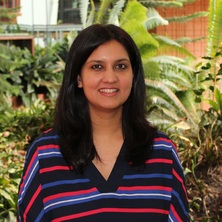
A/Prof Sumaira Hasnain graduated with her PhD in December 2010 from The University of Manchester and is an Associate Professor at Mater Research with a team of eight researchers. A/Prof Hasnain was the first globally to demonstrate that immunity can modulate protein production in secretory cells in infection and chronic diseases. Her long-term vision has been to characterise these novel immune factors and manipulate them therapeutically using pre-clinical models of immune-driven pathologies.
A/Prof Hasnain holds a patent for targeted immunotherapy in metabolic disease which has led to the formation of a spin-off company, Jetra Therapeutics and venture capitalist funding. She has a rapid upward trajectory in research, evident by extensive body of high-quality publications including in Nature Medicine, Nature Communications, Journal of Experimental Medicine, Oncogene and Gastroenterology. She has been awarded more than $9 million in competitive funding and recently gained the National Health and Medical Research Council L1 Investigator Grant. A/Prof Hasnain has won 21 awards to date, including the Commercialisation award from The University of Queensland in 2022 and the Gastroenterological Society for Australasia; Lawrie Powell Award in 2023.
Queensland Alliance for Agriculture and Food Innovation
Availability:
Available for supervision
Media expert
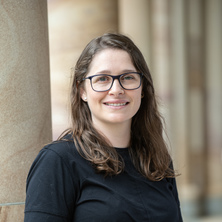
Dr April Hastwell is a plant molecular biologist with the School of Agriculture and Food Science at The University of Queensland, Australia. The focus of her research group is on roles of short signalling peptides in root development including in molecular networks controlling the beneficial legume-rhizobia symbiosis and nodule development.
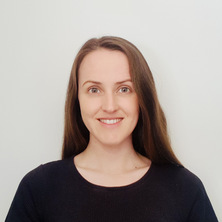
Alesha Hatton is a postdoctoral research fellow specializing in statistical genetics and genetic epidemiology at the Institute for Molecular Bioscience, University of Queensland. Currently, her research focuses on understanding the genetic and environmental aetiology underlying complex traits through use of Mendelian randomization and statistical genetics methodologies. Her PhD was in systems genomics, applying quantitative genetics methods to investigate the role of DNA methylation in complex trait variation. Alesha has a bachelor’s degree in medical mathematics from the University of Wollongong and previously was employed as a statistician at the South Australian health and Medical Research Institute.
Centre Director of ARC Training Centre for Predictive Breeding
ARC Training Centre in Predictive Breeding
Queensland Alliance for Agriculture and Food Innovation
Affiliate of ARC COE for Plant Success in Nature and Agriculture
ARC COE for Plant Success in Nature and Agriculture
Faculty of Science
ARC Future Fellow
Queensland Alliance for Agriculture and Food Innovation
Availability:
Available for supervision
Media expert
Professor Lee Hickey is a plant breeder and crop geneticist within the Queensland Alliance for Agriculture and Food Innovation at The University of Queensland, Australia. He is an ARC Future Fellow and Director of the ARC Training Centre in Predictive Breeding. His own research group specialises in plant breeding innovation to support development of more productive crops, including cereals, legumes, sugarcane, as well as horticultural and fibre crops. He has a strong interest in the integration of breeding technologies, such as genomic prediction, AI, speed breeding and genome editing. His advice for speed breeding crops is sought internationally and the technology is now adopted by plant breeding programs worldwide, which is fast-tracking development of improved crop varieties for farmers. His research outcomes have featured in >100 refereed publications, including articles in high profile journals Nature Plants, Nature Protocols and Nature Biotechnology. Lee is a prolific science communicator and his research outcomes have appeared in mainstream media such as BBC World News, National Geographic, and the New York Times. He is passionate about training the next generation of plant breeders and currently mentors 18 PhD students, while 20 of his previous graduates now work for leading plant breeding companies and high-profile research institutes around the globe.
Check out the ARC Training Centre in Predictive Breeding website here
Follow Professor Lee Hickey on X: @DrHikov
Research interests
Speed breeding techniques to reduce the length of breeding cycles
Understanding the genetics of physiological traits that support yield in different environments
Integrating breeding technologies to accelerate genetic gain in breeding programs
Affiliate of Clem Jones Centre for Ageing and Dementia Research
Clem Jones Centre for Ageing Dementia Research
Faculty of Health, Medicine and Behavioural Sciences
Professorial Research Fellow and Group Leader
Queensland Brain Institute
Faculty of Health, Medicine and Behavioural Sciences
Availability:
Available for supervision
Media expert
Queensland Brain Institute
Dr Massimo A. Hilliard received his PhD in Biological Chemistry and Molecular Biology in 2001 from the University of Naples, Italy. His experimental work, performed at the Institute of Genetics and Biophysics of the CNR (Italian National Council of Research), was aimed at understanding the neuronal and genetic basis of aversive taste behavior (bitter taste) in C. elegans.
During his first postdoc at the University of California, San Diego, using the Ca2+ indicator Cameleon he published the first direct visualisation of chemosensory activity in C. elegans neurons. In his second postdoctoral work at the University of California, San Francisco and at The Rockefeller University, he switched from neuronal function to neuronal development, focusing in particular on how neurons establish and orient their polarity with respect to extracellular cues.
From September 2007, he is at the Queensland Brain Institute where he established an independent laboratory.
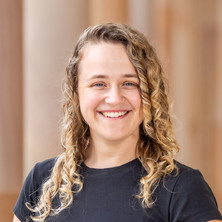
Coen is an environmental scientist and ARC DAATSIA Fellow in the School of the Environment at The University of Queensland. His research reaches across Indigenous studies, environmental sciences, animal ecology and science and technology studies in asking how research can better respond to Country.
Coen's work spans several connected areas: native stingless bee science; herpetofauna and environmental physiology; Indigenous Data Sovereignty; and the ethics and epistemology of environmental research. His current projects are focused on how culturally significant organisms are studied, monitored and cared for.
Coen is a trawlwoolway pakana related to northeast lutruwita (Hearps, Briggs family) and is accountable to the Tasmanian Aboriginal community. Coen grew up as a visitor to many lands in so-called Australia and currently is living on Yuggera land at Tulmur.
Valentin was awarded a PhD from the French National Institute of Higher Education in Agricultural Sciences and the University of Montpellier (France) in 2018. His thesis focused on methodological developments for genetic differentiation analysis in the Next Generation Sequencing era in a neutral and adaptive context. Since 2019, he works as a post-doctoral researcher at the University of Queensland in the Program in Complex Trait Genomics group under the supervision of Professor Peter Visscher. His current research focuses on studying the within and between-population genetic variation in human complex traits.
Faculty of Health, Medicine and Behavioural Sciences
Availability:
Available for supervision
Media expert
Paul W. Hodges DSc MedDr PhD BPhty(Hons) FAA FACP APAM(Hon) is an National Health and Medical Research Council (NHMRC) Leadership Fellow (Level 3), Professor and Director of the Centre for Innovation in Pain and Health Research (CIPHeR) at The University of Queensland (UQ). He is lead chief investigator on an NHMRC Synergy Grant that includes colleagues from the Universities of Queensland, Adelaide and South Australia, and the South Australian Health and Medical Research Institute. Paul is a Fellow of the Australian Academy of Science, which is a Fellowship of the nation’s most distinguished scientists, elected by their peers for outstanding research that has pushed back the frontiers of knowledge. He is also a Fellow of the Australian College of Physiotherapists, the Australian Academy of Health and Medical Science, and was made an Honoured member of the Australian Physiotherapy Association, their highest honour.
Paul is a recognised world leader in movement control, pain and rehabilitation. His unique comprehensive research approach from molecular biology to brain physiology and human function has led to discoveries that have transformed understanding of why people move differently in pain. His innovative research has also led to discoveries of changes in neuromuscular function across a diverse range of conditions from incontinence to breathing disorders. These observations have been translated into effective treatments that have been tested and implemented internationally.
Paul has received numerous national and international research awards that span basic and clinical science. These include the premier international award for spine research (ISSLS Prize) on five occasions; three times in Basic Science (2006, 2011, 2019) and twice in Clinical Science (2018, 2021). International awards in basic science include the SusanneKlein-Vogelbach Award (2010) and the Delsys Prize for Innovation in Electromyography (2009). National medical research awards include the NHMRC Achievement Award (2011). He has also received national community-based leadership awards including the Young Australian of the Year Award in Science and Technology (1997), Future Summit Australian Leadership Award (2010), and Emerging Leader Award (Next 100 Awards, 2009).
Paul is the Chair of the Terminology Task Force for the International Association for the Study of Pain, Chair of the Consensus for Experimental Design in Electromypgraphy for the International Society for Electrophysiology and Kinesiology and has been the Chair/Co-Chair for several major international conferences. He has led major international consortia to bring together leaders from multiple disciplines to understand pain.
Professor Ove Hoegh-Guldberg FAA; ARC Centre for Excellence in Coral Reef Studies; Intergovernmental Panel on Climate Change, and School of Biological Sciences.
Research Publications (>440 publications, see list and impact Google Scholar). For full Curriculum vitae, click here.
BIOGRAPHY
Ove Hoegh-Guldberg is Professor of Marine Studies at the University of Queensland in Brisbane, Australia Over the past 10 years he was Founding Director of the Global Change Institute (details here) and is Deputy Director of the Centre for Excellence in Coral Reef Studies (www.coralcoe.org.au, since 2006) and Affiliated Professor in Tropical Marine Biology at the University of Copenhagen (2016-present). Ove’s research focuses on the impacts of global change on marine ecosystems and is one of the most cited authors on climate change. In addition to pursuing scientific discovery, Ove has had a 20-year history in leading research organisations such as the Centre for Marine Studies (including 3 major research stations over 2000-2009) and the Global Change Institute, both at the University of Queensland. These roles have seen him raise more than $150 million for research and infrastructure. He has also been a dedicated communicator of the threat posed by ocean warming and acidification to marine ecosystems, being one of the first scientists to identify the serious threat posed by climate change for coral reefs in a landmark paper published in 1999 (Mar.Freshwater Res 50:839-866), which predicted the loss of coral reefs by 2050. Since that time, Ove led global discussions and action on the science and solutions to rapid climate change via high profile international roles such as the Coordinating Lead Author for the ‘Oceans’ chapter for the Fifth Assessment report of the Intergovernmental Panel on Climate Change (IPCC) and the Coordinating Lead Author on the Impacts chapter of the IPCC Special report on 1.5oC. In addition to this work, Ove conceived and led the scientific XL-Catlin Seaview Survey (details here) which has surveyed over 1000 km of coral reefs across 25 countries (details here) and which captured and analysed over 1 million survey images of coral reefs. These images and data are available to the scientific community and others via an online database: (details here).
Developing these resources is part of Ove’s current push to understand and support solutions to global change with partners such as WWF International: (details here). As scientific lead, Ove has been steering a global response to the identification of 50 sites globally that are less exposed to climate change (Beyer et al 2018, Hoegh-Guldberg et al. 2018), working with WWF International to assemble a global partnership across seven countries (Indonesia, Philippines, Solomon Islands, Cuba, East Africa, Madagascar and Fiji; Coral Reef Rescue Initiative). Scientific papers published by Ove cover significant contributions to the physiology, ecology, environmental politics, and climate change. Some of Ove’s most significant scientific contributions have been recognised by leading journals such as Science and Nature (Hoegh-Guldberg and Bruno 2010; Hoegh-Guldberg et al. 2007; Hoegh-Guldberg et al. 2019a,b), scores of invited talks and plenaries over the past 20 years, plus his appointment as significant international roles e.g. Coordinating Lead Author of Chapter 30 (“The Oceans”) for the 5th Assessment Report, as well as Coordinating Lead Author for Chapter 3 (Impacts) on the special report on the implications of 1.5oC (for the Intergovernmental Panel on Climate Change, IPCC).
Listen to a recent interview of Ove by Jonica Newby for the ABC Science Show.
Affiliate of Centre for Geoanalytical Mass Spectrometry
Centre for Geoanalytical Mass Spectrometry
Faculty of Science
Affiliate of Australian Centre for Water and Environmental Biotechnology (formerly AWMC)
Australian Centre for Water and Environmental Biotechnology
Faculty of Engineering, Architecture and Information Technology
Affiliate of Dow Centre for Sustainable Engineering Innovation
Dow Centre for Sustainable Engineering Innovation
Faculty of Engineering, Architecture and Information Technology
Professor and ARC Mid-Career Industry Fellow
Australian Centre for Water and Environmental Biotechnology
Faculty of Engineering, Architecture and Information Technology
Availability:
Available for supervision
Prof Hu is an environmental scientist and engineer. He has a track record in both undertaking ground-breaking research works and applying fundamental research to develop practical solutions. Prof Hu's research and discoveries help established previously unrecognised links between the global carbon, nitrogen and metal cycles, as shown by his publications in Nature, Nature Microbiology and Nature Communications, which have significant implications in methane emissions from aquatic environments. Prof Hu has also been working intensively with water industry partners in developing novel water technologies. Prof Hu has worked as a CI and project manager of many industry projects (total cash budget > $15 M) in collaboration with Australian and international water utilities on sulfide control and carbon and nutrients removal and recovery in wastewater, resulting in many publications including in Science, Nature Communications, Water Research, Environmental Science and Technology.
Prof Hu is an Executive Committee member of UQ’s Australian Centre for Water and Environmental Biotechnology, which is one of the top three water research centres in the world. He has played a leadership role in the joint establishment and management of the Urban Utilities Innovation Centre since 2014, which is now regarded as the best platform for demonstration and translation of novel water treatment technology in Australia.
As an expert in new technology scale-up, he has won 10+ awards for collaborative R&D projects:
Australian Water Association (AWA) Queensland R&D Excellence Award 2022 for project ‘Transforming wastewater treatment in regional Australia', as a CI
UQ Awards for Excellence 2022 - Promoting Industry Engagement in Graduate Research, as program leader
AWA Queensland Infrastructure Project Innovation Award 2021 for project ‘Australia’s first municipal sidestream anammox treatment facility’, as the UQ representative
AWA Qld R&D Excellence Award 2020 for project ‘Zero-energy sewage treatment, harnessing the power of biogas’, as a CI and project co-leader
Finalist for AWA Qld R&D Excellence Award 2020 for project ‘Urban Utilities algae research project/program’, as a project CI
AWA Qld R&D Excellence Award 2019 for project ‘An integrated approach to iron salt use in urban water systems’, as a team member
UQ Awards for Excellence - Partners in Research Excellence Awards 2017
Queensland Urban Utilities Research Innovation Award 2017
AWA National R&D Excellence Award 2017 for project ‘Nitrogen removal from wastewater while maximising resource recovery potential’, as project co-leader
Advance Queensland Research Fellowship 2016
AWA Qld R&D Excellence Award 2016 for project ‘Affordable and sustainable water recycling through optimal technology integration’, as project co-leader
Finalist for AWA Qld R&D Excellence Award 2015 for project ‘Queensland Urban Utilities Innovation Centre', as project co-leader
International Water Association (IWA) Global Project Innovation Award 2014 for Project ‘Sewer Corrosion and Odour Research (SCORe) - Putting Science in Sewers’, as a team member
Teaching
WATR 6103: Advanced Wastewater and Biosolids Treatment
WATR 6105: Integrated Urban Water Management
WATR7104 Sewer Networks - Design, Operation and Maintenance
Affiliate of Centre for Environmental Responsibility in Mining
Centre for Environmental Responsibility in Mining
Faculty of Engineering, Architecture and Information Technology
Affiliate of Centre for Geoanalytical Mass Spectrometry
Centre for Geoanalytical Mass Spectrometry
Faculty of Science
Professorial Research Fellow
Sustainable Minerals Institute
Faculty of Engineering, Architecture and Information Technology
Availability:
Available for supervision
Media expert
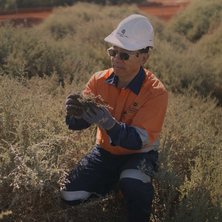
Professor Longbin Huang is a Full Professor and leader of an interdisciplinary research group in Ecological Engineering in Mining. His research focuses on mine waste rehabilitation, ecological engineering, and geomicrobial soil formation, integrating ecological, microbiological, and environmental processes to address sustainability challenges in the mining sector, with influence spanning industry, academia, and policy. Professor Huang leads cutting-edge research in: Geo-microbial ecology, Mineral bioweathering, Microbially and rhizosphere driven soil formation from Tailings Minerals.
Professor Huang's work has advanced nature-based solutions for transforming mine tailings, waste rock, and bauxite residues into sustainable ecosystems. Supported by approximately AUD $23 million in competitive and industry-funded research over the past 15 years, his team has developed and demonstrated innovative rehabilitation technologies with field-scale applications. These include a pioneering technology for the treatment and dealkalization of bauxite residues, which has been commercialized through the University of Queensland startup Bioculum Pty Ltd, and novel approaches for preventing acid mine drainage generation in mine waste materials.
Professor Huang has published over 190 scholarly outputs, including journal articles, conference papers, patents, and book chapters. His research has attracted broad international recognition and has contributed significantly to the advancement of mine waste management, ecological restoration, and sustainable mining practices worldwide.
He is highly experienced in industry-partnered research and translation of knowledge into field-based technologies for tackling large environmental challenges in the mining industry, for example, technologies for tackling global tailings problem. Since 2010, he has led many large and industry-partnered research projects attracting about $23M funding. The research aims to deliver transformative knowledge and practices (i.e., technologies/methdologies) in the rehabilitation of mine wastes (e.g., tailings, mineral residues, spoils, waste rocks) and mined landscapes for non-polluting and ecologically and financially sustainable outcomes. Prof Huang has successfully demonstrated innovative methodology and technology to achieve nature-based outcomes in treating and rehabilitating tailings and waste rocks. Prof Huang’s research program was featured in Rio Tinto’s media releases as one of the four most successful global R&D partnerships in 2024. Prof Huang led the development of the first field-feasible technology to treat and dealkalize alkaline bauxite residues for sustainable rehabilitation. His industry-partnered research was recognised in 2019 UQ’s Partners in Research Excellence Award (Resilient Environments) (Rio Tinto and QAL). Prof Huang is also developing new knowledge and technologies for achieving non-polluting and ecologically sustainable rehabilitation of, for example, coal mine spoils and tailings, Fe-ore tailings, bauxite tailings (from mining bauxite), and Cu/Pb-Zn tailings.
Membership of Board, Committee and Society
Professional associations and societies
2010 – Present Australian Soil Science Society.
2023 – Present AuSIMM
2015 – 2025 Present American Society of Mining and Reclamation (ASMR)
Editorial boards/services
2025 - present: Member of Editorial Board, Energy & Environment Nexus
Nick’s research focuses on improving the efficiency and environmental sustainability of animal production systems. He uses modern omics technologies and quantitative analysis to support genetic improvement, inform management decisions, and enhance on-farm interventions that improve productivity while reducing environmental impact.
In parallel, he studies the physiology, metabolism and conservation of native Australian fauna, with particular interest in frogs and butterflies. His work applies comparative and systems-based approaches to understand how animals function across diverse ecological contexts, including very challenging environments such as the arid zone.
Trained as a metabolic biochemist, Nick’s expertise spans the interpretation of large and complex biological datasets, molecular technologies, mitochondrial physiology, and metabolic flux. His research integrates molecular data with whole-animal function to better understand how biological systems convert energy and information into phenotypic outcomes. Within production science Nick focusses on feed conversion efficiency as it is of both commercial and environmental importance, as well as being mechanistically complex.
Before joining the School of Agriculture and Food Sustainability (AGFS) as a Teaching and Research academic, Nick worked within a multidisciplinary Systems Biology group at CSIRO. There he helped develop and apply bioinformatic approaches that integrate metabolite, protein, RNA and DNA data to model and predict phenotypes of commercial importance in cattle, sheep, pigs and poultry.
A highlight of this work was the co-development of a universal method for inferring causal regulatory molecules from genome-wide gene expression data (Hudson et al., 2009, PLoS Computational Biology). This approach has since been applied across diverse systems, including human kidney cancer and commercially important traits in livestock species.
Nick’s broader research contributions reflect an interest in complex biological function across scales. His publications have addressed mitochondrial systems biology, metabolic adaptation and hibernation physiology, population genetics methodology, and the physiological basis of economically important traits such as beef marbling and feed conversion efficiency. He has also led interdisciplinary work exploring information processing in biological and cognitive systems and the interpretation of educational data.
Nick completed his undergraduate degree in Animal Biology at the University of St Andrews and was awarded his PhD through the Zoology Department at The University of Queensland after travelling from England on a Britain–Australia Society Northcote Scholarship.
He teaches biochemistry and molecular biology to undergraduate and postgraduate students using a comparative approach that draws on both wildlife and production species. Core biochemical principles are illustrated through applied examples from agriculture, biomedicine, sports science and environmental systems, helping students understand how molecular processes scale to whole-organism function and real-world outcomes.
Affiliate Professor of Institute for Molecular Bioscience
Institute for Molecular Bioscience
Centre Director of Australian Centre for Ecogenomics (ACE)
Australian Centre for Ecogenomics
Faculty of Science
Affiliate of ARC COE for Plant Success in Nature and Agriculture
ARC COE for Plant Success in Nature and Agriculture
Faculty of Science
Affiliate of Centre for Marine Science
Centre for Marine Science
Faculty of Science
Professor
School of Chemistry and Molecular Biosciences
Faculty of Science
Availability:
Available for supervision
From a PhD in 1994 at the University of Queensland, Phil Hugenholtz developed a career in microbiology and genomics in the USA and in Australia. Phil’s last position in the USA was as Staff Scientist (2004-2010) at the Department of Energy, Joint Genome Institute. In late 2010 Phil returned home to establish the Australian Centre for Ecogenomics (ACE) at the University of Queensland. He has contributed to the field of culture-independent analysis of microorganisms through the discovery and characterisation of numerous previously unrecognised major bacterial and archaeal lineages each with greater evolutionary divergence than animals and plants combined. Phil has played important roles in the development and application of metagenomics, the genome-based characterisation of microbiomes, which has revolutionised our understanding of microbial ecology and evolution. This has resulted in several discoveries in environmental and clinical microbiology sometimes overturning decades of misdirected culture-based studies. He has applied his interest in comparative genomics and metagenomics to develop a systematic genome-based taxonomy for bacteria and archaea, which is facilitating scientific communication and endeavour. Phil has published over four hundred papers on molecular microbial ecology and evolution.
As Professorial Research Fellow at UQ and Director of ACE, Phil has affiliate appointments with the Institute for Molecular Bioscience and the UQ Diamantina Institute, which supports collaborative research at ACE. Currently, Phil’s research interests include the microbial ecology and evolution of environmental and host-associated ecosystems including marsupial and insect guts, biomining, marine and genomic mapping of the microbial tree of life.
Current research includes:
- A Genome Taxonomy Database for the Kingdom Fungi
- Tracing the emergence of cellular complexity in the phylum Planctomycetota
- Dual-function ribonucleases: unexpected agents of antibiotic resistance
- Breaking critical barriers in soil formation of bauxite residues
- Changing the classification status quo with a global genome-based taxonomy
- GBR Microbial Genomic Database
In 2018, Phil co-founded a start-up company, Microba Life Sciences (microba.com), which is focused on metagenome-based diagnostics and therapeutics.
Phil received the Young Investigators Award from the International Society of Microbial Ecology (ISME) in 2016, was elected in 2012 as a Fellow of the American Academy of Microbiology (AAM), elected a Fellow of the Australian Academy of Science in 2017, is a Member of the International Scientific Advisory Board (Fachbeirat) of the Max Planck Institute for Marine Microbiology, Bremen and is the outgoing President (2024-2026) of the International Society for Microbial Ecology (ISME). Phil has been a Clarivate Highly Cited Researcher since 2014 and one of only ~300 researchers worldwide to be highly cited in two fields (Microbiology and Biology & Biochemistry) from 2019-2024.
Faculty of Health, Medicine and Behavioural Sciences
Availability:
Available for supervision
The research interests of the Hume Laboratory centre on the biology of macrophages and osteoclasts. These are cells of haematopoietic origin that are closely related to each other but have distinctly different activities.
David Hume was a group leader at the Institute for Molecular Bioscience (1988-2007) and subsequently Director of the Roslin Institute at the University of Edinburgh in Scotland from 2007-2017. He is currently a Professorial Research Fellow at the Mater Research Institute-UQ, located at the Translational Research Institute
Dr Daniel Liang-Dar Hwang is a genetic epidemiologist and statistical geneticist by training. His research interests include sensory nutrition, causal modelling, and personalized nutrition. Dr Hwang applies statistical models to big data to understand genetic and environmental factors contributing to individual differences in taste and olfactory perception and their relationship with dietary behaviour and chronic conditions (See his research in The Conversation and InSight+). He develops methods for increasing statistical power for gene discovery, estimating intergenerational causal relationships, and personalized intervention. He also works with clinicians to investigate impaired chemosensory perception in cancer patients and COVID-19.
Daniel has a B.Sc from the National Taiwan University, majoring in Biochemical Science and Technology, and an M.Biotech from the University of Pennsylvania. Following graduation, he worked as a research technician in Danielle Reed's lab at the Monell Chemical Senses Center, where he first developed a keen interest in genetics and chemosensory perception. Later, he was awarded scholarships to complete an M.Sc in Nutrition at the University of Washington, under the supervision of Glen Duncan, and a PhD in Genetic Epidemiology at the QIMR Berghofer Medical Research Institute, under the supervision of Nicholas Martin and Margaret Wright. He then joined David Evans's group as a postdoc at the University of Queensland Diamantina Institute (now the Frazer Institute). Dr Hwang is an ARC DECRA Fellow at the Institute for Molecular Bioscience. He is also an Affiliated Scientist at the Monell Chemical Senses Center.
Dr Hwang has published more than 60 peer-reviewed publications. His work has been cited in international health policy guidelines and a WHO report on the intervention for childhood obesity, as well as in a global patent for personalized wine selection. He is on the editorial boards of BMC Medicine and Twin Research and Human Genetics. Dr Hwang is a Leadership Team member of the Global Consortium for Chemosensory Research, a global initiative to understand the relationship between smell loss and COVID-19 and foster the advancement of chemosensory science. He currently leads an international collaborative project investigating the impact of COVID-19 vaccinations on long-COVID symptoms. Dr Hwang is a member of the National Committee for Nutrition of the Australian Academy of Science. He contributes to the implementation of the decadal plan for the science of nutrition in Australia.