Faculty of Health, Medicine and Behavioural Sciences
Availability:
Available for supervision
Media expert
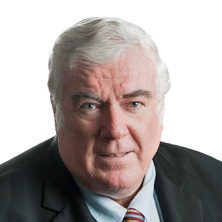
Michael (Mike) Roberts is a NHMRC Senior Principal Research Fellow and Emeritus Professor of Clinical Pharmacology & Therapeutics and Director of the Therapeutics Research Centre in the Diamantina Institute at The University of Queensland, which is based in the Translational Research Institute adjacent to the Princess Alexandra Hospital in Brisbane, Qld, Australia. He is also Professor of Therapeutics & Pharmaceutical Science at the University of South Australia with laboratories in the Basil Hetzel Institute at The Queen Elizabeth Hospital in Adelaide, South Australia.
Faculty of Health, Medicine and Behavioural Sciences
Availability:
Available for supervision
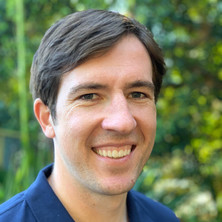
Matthew J. Roberts, BSc, MBBS, PhD, FRACS (Urol)
Consultant Urologist, Royal Brisbane and Women’s (RBWH), Surgical Treatment and Rehabilitation Service (STARS), Queensland Health
Clinician Research Fellow, Metro North Hospital and Health Service
Group Leader & Associate Professor, The University of Queensland Centre for Clinical Research
Matthew is a medical graduate of The University of Queensland and completed Urology specialty training in Queensland and New South Wales. He completed his PhD under the supervision of Professor “Frank” Gardiner investigating new biomarkers for the early detection and characterization of prostate cancer.
Matthew is a surgeon-scientist, working clinically as a urologist and robotic surgeon at RBWH & STARS with academic appointment as Clinician Research Fellow at Metro North Health (Qld) and Associate Professor at UQCCR. His clinical and research interests are in Urologic cancers (e.g. prostate cancer), focusing on novel imaging and biomarkers, clinical trials, urological infections and innovation in urology. He has authored over 140 peer reviewed manuscripts in international journals and presented research at more than 20 international urology and clinical cancer meetings. He is a member of the EAU Prostate Cancer Guidelines Committee, Prostate Cancer Outcomes Registry (PCOR)-Queensland Steering Committee, Editorial Board of the BJU International, as well as Co-Convenor of the ANZUP 2024 ASM.
Affiliate of Queensland Cerebral Palsy Rehabilitation and Research Centre
Queensland Cerebral Palsy Rehabilitation and Research Centre
Faculty of Health, Medicine and Behavioural Sciences
NHMRC Leadership Fellow
Frazer Institute
Faculty of Health, Medicine and Behavioural Sciences
Professor
Frazer Institute
Faculty of Health, Medicine and Behavioural Sciences
Availability:
Available for supervision
Media expert
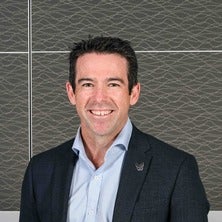
Professor Jason Roberts is Director of the University of Queensland Centre for Clinical Research (UQCCR), an Australian National Health and Medical Research Council (NHMRC) Leadership Fellow L2 at The University of Queensland. He is also a Consultant Clinical Pharmacist at the Royal Brisbane and Women’s Hospital and Interim Director of the Herston Infectious Diseases Institute (HeIDI). He is Director of the NHMRC-funded Centre for Research Excellence RESPOND which is based at UQCCR. He is a clinician-scientist with a strong interest in research and his principal research theme is optimization of antimicrobial dosing in the critically ill. Prof Roberts has authored over 650 published papers and book chapters on this topic, has been awarded over $55 million in grants and has supervised >20 PhD students to completion.
Prof Roberts was recognised as Australia’s leading researcher in two separate categories, Critical Care and Communicable Diseases, by the Australian’s 2019 Research Magazine.
He has been invited to present his results at major international conferences in critical care, infectious diseases, pharmacy, nephrology, transplant and safety. He has served on the Critical Review Panel for ATS/IDSA Guidelines of HAP, HCAP and VAP and the Australian Therapeutic Guidelines - Antibiotic and the 2021 Surviving Sepsis Guidelines. He is the Past Chair of the Working Group for Antimicrobial Use in ICU for the European Society of Intensive Care Medicine and an Executive Member of the PK/PD Group (EPASG) within the European Society for Clinical Microbiology and Infectious Diseases (ESCMID).
He is Section Editor for the International Journal of Antimicrobial Agents and an Associate Editor of the Journal or Pharmacy Practice and Research, the journal for the Society of Hospital Pharmacists of Australia and an Associate Editor for Pharmacotherapy and Aanesthesiology Pain and Critical Care Medicine journal. He has convened >50 seminars/conferences including being co-convenor for Medicines Management 2013, The National Conference for Society of Hospital Pharmacists of Australia.
He also engages with Industry to perform studies that develop optimised antibiotic dosing regimens that maximise antibiotic efficacy for testing in clinical trials or for use in special patient populations (e.g. critically ill, pneumonia, dialysis).
Faculty of Health, Medicine and Behavioural Sciences
Availability:
Not available for supervision
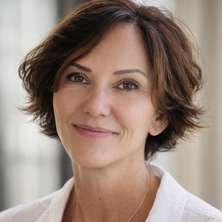
Dr Floraidh Rolf is the Deputy Director (South West) for Southern Queensland Rural Health in Charleville Queensland, as well as an educator, researcher and nurse. She is a strong supporter of social justice and activism in healthcare, in particular the duty to address gaps in the care afforded to disenfranchised and vulnerable populations.
Floraidh's background encompasses mental health, critical care, rural and remote health, and higher education. Her research interests include sociological approaches to nursing and health, power and stigma, and qualitative methodology. She is committed to supporting social change through collaborative research.
Faculty of Health, Medicine and Behavioural Sciences
Availability:
Available for supervision
Media expert
Prof Katharina Ronacher obtained an MSc degree in Medical Biochemistry from the University of Vienna (Austria). Thereafter, she was awarded a prestigious fellowship from the Austrian Ministry of Science and Technology to complete a PhD at the University of Cape Town (South Africa). She completed her post-doctoral fellowship at Stellenbosch University, where she was subsequently offered a faculty position. Prof Ronacher was Senior Scientist on several large clinical research trials funded by the Bill and Melinda Gates Foundation, the European Union and the US National Institutes of Health with focus on identification of biomarkers for tuberculosis (TB) treatment response. In parallel, she established her independent research group investigating how endocrine factors impact immune responses to TB, for which she received uninterrupted funding from national and international funding bodies since 2008. In 2015, she was awarded a NIH R01 grant for her ground-breaking research into the underlying immunological and metabolic mechanisms of increased susceptibility of diabetes patients to TB. With this grant she has lead the international ALERT Consortium with clinical field sites in South Africa and at the Texas/Mexico border.
She relocated to Brisbane in 2017, where she now heads the Infection, Immunity and Metabolism group at the Mater Research Institute – University of Queensland, but continues to collaborate with clinicians and researchers in South Africa, the USA and Europe and holds an affiliate appointment as Professor Extraordinary at Stellenbosch University.
Prof Ronacher's current research investigates the underlying immunological mechanisms contributing to more severe bacterial and viral respiratory infections in obesity and diabetes. Her research provides critical insights into the role of cholesterol and its derivatives in regulation of inflammation in the lung and how this knowledge can be exploided for novel therapeutic approaches to treat respiratory infections.
Faculty of Health, Medicine and Behavioural Sciences
Availability:
Not available for supervision
Media expert
Tanya is a certified practising speech-language pathologist who has a particular clinical and research interest in both paediatric and adult language. She has experience in conducting mixed-methods studies.
Tanya’s research interests include exploring family-centred models of care and client outcomes using the International Classification of Functioning, Disability and Health framework when working with young children who are ‘late talkers’ or who have a developmental language delay/disorder and their families.
Tanya is also passionate about the provision of accessible health information to adults who have aphasia post-stroke and to their family members. Tanya undertook her doctoral research within the Communication Disability Centre (CDC) at The University of Queensland. She is particularly interested in patient education and ensuring people with aphasia, their family, and friends receive appropriate health information and access to services across the continuum of care.
Affiliate of Centre for the Business and Economics of Health
Centre for the Business and Economics of Health
Faculty of Business, Economics and Law
Affiliate of Centre for Innovation in Pain and Health Research (CIPHeR)
Centre for Innovation in Pain and Health Research
Faculty of Health, Medicine and Behavioural Sciences
Senior Research Fellow
School of Health and Rehabilitation Sciences
Faculty of Health, Medicine and Behavioural Sciences
Availability:
Available for supervision
Media expert
Dr Megan Ross (she/her) is a Specialist Research Physiotherapist and Senior Research Fellow at RECOVER Injury Research Centre, The University of Queensland. She is part of a research team, led by Professor Trevor Russell, which focuses on developing more effective and efficient health services supported by technology innovation. Megan’s current research projects include exploring consumer perspectives of the telerehabilitation service delivery model, factors that influence the uptake and utilisation of telerehabilitation, and exploring the acceptability and usability of digital health innovations. Megan has a broad range of research skills that span both quantitative and qualitative methods and co-design approaches, including systematic reviews, cross-sectional and longitudinal study designs and data analysis, discrete choice experiments, interviews and focus group discussions and thematic analysis.
Dr Ross received a Bachelor of Physiotherapy (with First Class Honours) in 2012 and a PhD in Physiotherapy in 2020 from The University of Queensland. Megan is the inaugural Chair of the Australian Physiotherapy Association’s LGBTQIA+ Advisory Committee, is Deputy Chair of the Australian Physiotherapy Associations’ National Advisory Committee and sits on the Queensland Gender Affirming Network Steering Committee. Dr Ross leads a program of research in the area of LGBTQIA+ experiences of, and access to healthcare with a focus on physiotherapy and allied health. Megan is passionate about ensuring safe and affirming access to healthcare for people with diverse gender identities, sexual orientations and sex characteristics and has received over $1M AUD in funding, including a CIA MRFF grant to co-design, implement and evaluate an LGBTQIA+ affirming model of primary care. The overarching objective of Dr Ross’s work is to improve access to, provision of, and experiences with health care and ultimately contribute to improved health and wellbeing for the LGBTQIA+ communities.
Faculty of Health, Medicine and Behavioural Sciences
Availability:
Available for supervision
Media expert
I currently have a number of research interests, both in Biomedical and well as in Teaching-Focussed Research.
Biomedical projects have traditionally been done with collaborators, and some of the projects have included:
mechanisms of action of animal venoms and toxins, and we have used the organ bath laboratory and pharmacologoical techniques as bioassays
study of bitter tasting compounds on pig digestive processes, to better understand activation of bitter taste receptors in vivo
Teaching-focussed interested are around university student behaviour with regard to learning activities and engagement. Universities around the world are grappling with shifts in effective and engaging educational strategies, as well as student expectations, in their delivery of content. In an age where students can do on-line courses at universities far from Australia, academics are carefully considering student engagement and success here at UQ.
Lecture slots currently have the bulk of contact hours in most courses, with ~39 lectures per course across a semester. These are largely recorded and used as a teaching resource. Student attendance to the traditional lecture spaces has decreased significantly across all campuses, with a UQ average of ~60% across all courses. This type of analysis has recently led to UQ offering smaller venues for larger courses in which there have been patterns of partial attendance.
My work seeks to better understand what motivates students to attend these spaces in their traditional sense and in the transition to an increasing number of flipped classroom models and blended learning, where the academics are less on the stage, and are instead facilitating activities for learning, while students will be engaged in learning content largely outside the lecture slots.
"Embracing the Unknown" Experience in third year science courses is also an interest, in which research work and its associated uncertainties cause varying levels of anxiety in some students. Best understanding this process and supporting students through it is also an interest of mine.
Affiliate of Centre for the Business and Economics of Health
Centre for the Business and Economics of Health
Faculty of Business, Economics and Law
Affiliate of Centre for Innovation in Pain and Health Research (CIPHeR)
Centre for Innovation in Pain and Health Research
Faculty of Health, Medicine and Behavioural Sciences
Affiliate of Centre for Neurorehabilitation, Ageing and Balance Research
Centre for Neurorehabilitation, Ageing and Balance Research
Faculty of Health, Medicine and Behavioural Sciences
Affiliate of RECOVER Injury Research Centre
RECOVER Injury Research Centre
Faculty of Health, Medicine and Behavioural Sciences
Affiliate of Queensland Digital Health Centre
Queensland Digital Health Centre
Faculty of Health, Medicine and Behavioural Sciences
Centre Director
School of Health and Rehabilitation Sciences
Faculty of Health, Medicine and Behavioural Sciences
Availability:
Available for supervision
Media expert
Trevor Russell is a Professor of Physiotherapy and the Director of the RECOVER Injury Research Centre where he leads a stream of research on Technology Enabled Rehabilitation. He is also co-director of both the Centre for Research in Telerehabilitation and the Telerehabilitation Clinic at the University of Queensland. His research focusses on the use of digital technologies for the remote delivery of health services with a particular focus on telerehabilitation technologies. Specifically his research aims to develop innovative computer based hardware and software solutions to enable the provision of rehabilitation services remotely via the Internet; to further the evidence base of technology enabled rehabilitation through controlled clinical trials; to evaluate the treatment efficacy of specific technology enabled interventions; investigate cost-benefit factors related to technology enabled services; and develop best practice guidelines for the implementation of technology enabled services in the rehabilitation sciences. His work is amongst the earliest and most extensive in this field.
Affiliate Professor of Child Health Research Centre
Child Health Research Centre
Faculty of Health, Medicine and Behavioural Sciences
Conjoint Professor in Allied Health
School of Health and Rehabilitation Sciences
Faculty of Health, Medicine and Behavioural Sciences
Affiliate of Queensland Cerebral Palsy Rehabilitation and Research Centre
Queensland Cerebral Palsy Rehabilitation and Research Centre
Faculty of Health, Medicine and Behavioural Sciences
Availability:
Available for supervision
Leanne Sakzewski is the Professor of Allied Health Research, a conjoint position with the School of Health and Rehabilitation Science at The University of Queensland and Children's Health Queensland. Leanne completed her undergraduate training in the field of occupational therapy at the University of Queensland. Prior to entering research, she practiced as a senior occupational therapist for eighteen years in paediatric rehabilitation and child development. She completed her PhD in 2010 from The University of Queensland in the field of upper limb rehabilitation for children with cerebral palsy, and achieved a Dean's Commendation for outstanding Research Higher Degree.
Research interests
Leanne's research interests are in the conduct of randomised clinical trials in the field of cerebral palsy and childhood onset acquired brain injuries. In particular, she has focused on randomised controlled trials of:
* upper limb training approaches for infants and children with unilateral cerebral palsy;
* intensive models of motor training to improve gross motor and manual abilities for children with bilateral cerebral palsy;
* participation-focused intervention to increase physically active leisure for children with cerebral palsy;
* social skills group-based program for adolescents with brain injuries.
Faculty of Health, Medicine and Behavioural Sciences
Centre Director of Centre for Extracellular Vesicle Nanomedicine
Centre for Extracellular Vesicle Nanomedicine
Faculty of Health, Medicine and Behavioural Sciences
Availability:
Available for supervision
Media expert
I am Professor, NHMRC Investigator Fellow (EL2) and group leader (Exosome Biology Laboratory) at UQ Centre for Clinical Research. I am nationally and internationally (>20 invitations to international meetings in the last 5 years) acknowledged key opinion leader on Extracellular Vesicle (rated 3th worldwide (Top 0.015%) and 1st in Australia in expertise for “Extracellular Vesicles and Exosomes” on Expertscape) and biomarker discovery (140 publications, and >8000 citations in the last 7 year). I have made a major conceptual contribution to EV biology with diagnostic and therapeutic implications. In the last 8 years, my primary research and commercialisation activities have focused on the identification and validation of biomarkers, and development of In Vitro Multivariate Index Assays for clinically relevant complications (including ovarian cancers, and obstetrical syndromes) and their translation into clinical applications. In Academia, I have pursued these objectives through the development and leadership of clinical translation research teams and facilities, both in Australia and overseas. For example, I had a leadership role in established the Centre for Clinical Diagnostics (CCD). Within the UQCCR, I established an exosome research team to evaluate the clinical utility of extracellular vesicles as liquid biopsies, IVDs and therapeutics. Much of our effort in this field of endeavour has involved optimising isolation methods for extracellular vesicles and their analytical analysis - including the use of protein solution array (e.g. Luminex), mass spectrometry profiling (using MS/MS SWATH) and more recently miRNA analysis.
Specialist Anatomical Pathologist, Managing Director, Aquesta Specialised Uropathology
Full Professor, University of Queensland Faculty of Medicine
Visiting Medical Officer, Greenslopes Private Hospital
Hemamali graduated with honours from the University of Sri Lanka, Colombo Medical School and completed Pathology specialty training in Queensland. She held a number of consultant posts in both hospital and private practice. In 2008 she established Aquesta Uropathology which now provides diagnostic uropathology services to the majority of urologists in Queensland and Northern New South Wales. In addition to this she maintains a large second opinion consultation practice with requests obtained from throughout Australia and from overseas.
She is active in Genitourinary Pathology research with collaborators in Australia, USA, Canada, Karolinska Institute in Sweden and the Wellington School of Medicine in New Zealand. She held the position of Secretary of the International Society of Urological Pathology from 2015 to 2019.
She was a contributor to the 2004, 2015 and 2022 World Health Organization (WHO) books on Classification of Tumours: Pathology and Genetics of Tumours of the Urinary and Male Reproductive System. She participated in the 2015 revision of the WHO Tumour Classification in Zurich, Switzerland (4th edition) as member, Prostate Tumour Panel. She was a representative of the Expert Groups formulating structured reporting protocols for the Royal College Pathologists of Australasia on kidney, testis and prostate cancer and is currently chairperson of the structured reporting protocols for Genitourinary cancer. She is also currently the Convener for the RCPA Uropathology Quality Assurance Program.
2015 - Current: Visiting Medical Officer, Greenslopes Private Hospital
2003 - 2021: Visiting Medical Officer, Princess Alexandra Hospital
June 2001 - Oct 2008: Specialist Anatomical Pathologist, Sullivan Nicolaides Pathology, Brisbane
1993 - 1997: Specialist Anatomical Pathologist, Royal Brisbane Hospital
1998 - 2001: Senior Anatomical Pathologist, North Brisbane Hospitals Board
Research Interests
Granular tumour necrosis
Diagnosis of limited adenocarcinoma on prostate needle biopsy
Ductal adenocarcinoma of prostate
Mucinous adenocarcinoma of prostate
Radical prostatectomy handling and reporting
Micropapillary urothelial cancer
Mimics of bladder cancer
Awards and other Esteem Indicators
2017 Admitted to Fellowship of the Royal College of Pathologists, London (FRC Path) for sustained excellence in published works
2022 Awarded the Grawitz Medal of the International Society of Urological Pathology for distinguished service to the discipline of Urological Pathology
2023 Author of the publication Percentage grade 4 tumour predicts outcome for prostate adenocarcinoma in needle biopsies from patients with advanced disease: Ten year data from the TROG 03.04 RADAR Trial. Pathology 54: 49- 54, awarded the prize of
Article of the Year by the Royal College of Pathologists of Australasia.
2024 Distinguished Fellowship Award of the Royal College Pathologists of Australasia
For distinguished service to the discipline of Urological Pathology
Faculty of Health, Medicine and Behavioural Sciences
Affiliate Professor
Medical School (Greater Brisbane Clinical School)
Faculty of Health, Medicine and Behavioural Sciences
Availability:
Not available for supervision
Lay detail
Emeritus Professor of Psychology; Affiliate Professor, Medical School
Former Professor of Cognitive Engineering and Human Factors (Joint appointment: School of Psychology, School of ITEE, School of Clinical Medicine) and Leader, Cognitive Engineering Research Group (CERG)
Responsible for development and operation of the University of Queensland Usability Laboratory (UQUL).
Director of ARC Key Centre for Human Factors and Applied Cognitive Psychology, 2004-2007.
Fellow of the Academy of the Social Sciences in Australia (ASSA).
Fellow of the USA-based Human Factors and Ergonomics Society (HFES).
Fellow of the International Ergonomics Association (IEA)
Background:
Adjunct Professor, Department of Mechanical and Industrial Engineering, University of Illinois at Urbana-Champaign, 1997-2006.
Professor of Computer Science (HCI), Swinburne University of Technology, 1997-2001.
Assistant and then tenured Associate Professor of Psychology, M&IE, and Aviation, University of Illinois at Urbana-Champaign, 1985-1996.
Editorial responsibilities
Associate Editor, Human Factors in Healthcare, 2021-2023
Regional Editor, Cognition Technology and Work, 2000-present.
Consulting Editor, Journal of Experimental Psychology: Applied, 2005-2011, 2013-2018
Editorial Board, Journal of Cognitive Engineering and Decision Making, 2005-present.
Editorial Board, Human Factors, 1986-1997, 2005-2013, 2016-present.
Associate Editor, Human Factors, 2014-2015.
Associate Editor, Journal of Experimental Psychology: Applied: 2012-2013.
Associate Editor, International Journal of Human-Computer Studies, 2002-2005.
Dr. Yomani Sarathkumara’s research focuses on characterising humoral immune responses to Epstein-Barr virus (EBV) in EBV-associated diseases.
During her PhD at James Cook University, Australia, she identified novel antibody biomarkers for EBV-associated cancers, including natural killer/T-cell lymphoma and Hodgkin lymphoma, using well-characterised hospital-based case-control samples from the AsiaLymph study—a large, multicentre epidemiological investigation of lymphoma and related haematologic malignancies conducted across Asia in collaboration with the U.S. National Cancer Institute (NCI). She also identified antibody markers predictive of clinical responses in EBV-positive lymphoma patients treated with EBV-specific T-cell immunotherapy in Phase I clinical trials conducted by Baylor College of Medicine, USA.
Her Honours research at Northumbria University, UK, focused on identifying antibody responses to a fungal antigen associated with Pigeon Fancier's Lung disease. For her Master’s by Research (MPhil) from 2016–2018, conducted in collaboration with the University of Peradeniya, Sri Lanka, and Hokkaido University, Japan, she demonstrated that hantavirus exposure is a major risk factor for developing chronic kidney disease of unknown aetiology (CKDu) in Sri Lanka—a significant public health concern in agricultural communities. This study earned the President’s Award for Scientific Research - 2019 in Sri Lanka.
Following her PhD, Dr. Sarathkumara joined the University of Queensland (UQ) as a Postdoctoral Research Fellow under the supervision of Professor Denise Doolan. Building on her doctoral work, she is currently investigating the potential role of EBV in triggering autoimmune diseases such as multiple sclerosis (MS), aiming to identify diagnostic and predictive antibody biomarkers. This work is conducted in collaboration with the University of Texas and the Oklahoma Medical Research Foundation, USA. In parallel, she is also examining antibody responses in individuals with acute EBV infection through a collaboration with UMass Chan Medical School, University of Massachusetts, USA.
Her research integrates high-throughput serological profiling, statistical modelling, and immunoassay development, and is supported by strong international collaborations.
Affiliate of ARC Research Hub for Advanced Manufacture of Targeted Radiopharmaceuticals (AMTAR)
ARC Research Hub for Advanced Manufacture of Targeted Radiopharmaceuticals
Australian Institute for Bioengineering and Nanotechnology
Honorary Senior Research Fellow
Mater Research Institute-UQ
Faculty of Health, Medicine and Behavioural Sciences
Availability:
Not available for supervision
Media expert
Dr Jodi Saunus is a senior fellow who specialises in translational research on metastatic breast cancer. Based at Brisbane’s Translational Research Institute, she was recruited by Mater Research in 2022 to help facilitate patient-focused research at the interface of biomedical R&D and clinical practice.
Dr Saunus has an honours degree in biochemistry and biomedical science, a PhD in breast cancer molecular genetics, and broad post-doctoral experience in immunology, molecular cell biology, pathology informatics, and early-phase investigator-initiated clinical trials. Her current portfolio focuses finding new ways to improve the clinical management of aggressive breast cancer, with a focus on triple-negative breast cancer, and the prevention and treatment of brain metastases. This work spans across multiple disciplines and capabilities, and broadly involves:
Molecular profiling of patient-donated blood and tumour tissue samples to identify features that can predict treatment response, or represent previously uncharacterised therapeutic targets.
Using experimental models of breast cancer metastasis to learn about the molecular mechanisms exploited by cancer cells to survive and grow in brain tissue.
Developing innovative treatment strategies that work differently to conventional cancer drugs, including alpha-particle endoradiotherapy and in-situ vaccination.
With an outstanding network of collaborators from academia and clinical practice, she has secured more than $6M to fund this work and has a track record of publishing in prominent biomedical research journals (e.g., Cancer Research, Nature, Science Translational Medicine, Nature Communications and The Journal of Pathology).
Peripherally, Jodi is a strong proponent of biospecimen banking, and clinician and consumer engagement in translational research.
Faculty of Health, Medicine and Behavioural Sciences
Availability:
Available for supervision
Media expert
Associate Professor Jessica Schults is a Principal Research Fellow with the The University of Queensland School of Nursing, Midwifery and Sociall Work and the Herston Infectious Diseases Institute, Metro North Health. She is an NHMRC Emerging Leadership Fellow whose research focuses on reducing the burden of healthcare-associated infections. Jessica leads the NHMRC-funded REBUILD program, a national learning health system initiative designed to strengthen infection prevention and control across Australian healthcare services. She is Co-Principal Investigator of the MRFF-funded IVCare adaptive platform trial, and leads the first international living evidence synthesis for prevention of central line-associated bloodstream infection. A former paediatric intensive care nurse, Jessica has established a multidisciplinary research program spanning clinical trials, epidemiology, evidence synthesis, implementation science, consumer engagement, and policy translation. Her work is focused on generating evidence that is capable of delivering measurable improvements in patient outcomes and health system performance.
Jessica has strong national and international partnerships with healthcare consumers, clinicians, policymakers, professional organisations, and health services. She provides expert advice to government (ACSQHC technical advisor) and healthcare organisations on infection prevention and control and holds leadership roles across critical care and infection prevention societies, research networks and NGOs (board director ANZ Intensive Care Fouondation). She is committed to building research capacity and supporting the next generation of clinician-researchers.
I graduated with a degree in Chemical Engineering and Science in 2000 from The University of Queensland, after which I joined Proteome Systems, an Australian biotechnology company. In 2004 I moved to the ETH Zurich in Switzerland for my doctoral studies. I joined the School of Chemistry & Molecular Biosciences as a University of Queensland Postdoctoral Research Fellow in 2008 and NHMRC Career Development Fellow in 2012. I am now Associate Professor in Biochemistry.
Faculty of Health, Medicine and Behavioural Sciences
Availability:
Available for supervision
Ian Scott is the Director of Internal Medicine and Clinical Epidemiology at the Princess Alexandra Hospital and a Professor with the Faculty of Medicine. He is a consultant general physician with clinical interests in in health services evaluation and improvement, clinical guidelines, clinical decision-making, evidence-based medicine, low value care, quality use of medicines, non-invasive cardiology, advance care planning, and older patient care. He chaired the Queensland Clinical Networks Executive 2022-2024, is the inaugural chair of the Australian Deprescribing Network (2014-2023), Metro South Clinical AI Working Group, and Queensland Health Sepsis AI Working Group (both ongoing) and is a founding member of the Australian and New Zealand Affiliate of the US Society to Improve Diagnosis in Medicine (ANZA-SIDM). He was also a member of Queensland Health System Quality, Safety and Performance Management Committee (2022-2024) and the Quality and Safety Committee (2015-2020) and the Digital Health Advisory Group of the Royal Australasian College of Physicians (RACP - ongoing). He is a past President of the Internal Medicine Society of Australia and New Zealand (2003-2005) and past member of the MBS Review Taskforce for Cardiac Services (2017-2019). He has led multi-site quality improvement collaboratives in acute cardiac care including both hospitals and Divisions of General Practice. He has been involved at senior level on various high-level committees in establishing policies for Queensland Health and/or RACP on electronic discharge summaries, clinical handover, clinical indicators, evaluation of physician performance, chronic disease management, perioperative medicine, medical assessment and planning units, and patient flow through emergency departments. He has published over 300 peer-reviewed articles, presented to over 170 national and international meetings, and is a recipient of several NHMRC and government research grants.