Faculty of Health, Medicine and Behavioural Sciences
Availability:
Available for supervision
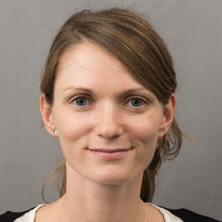
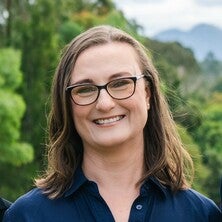
Dr Odette Leiter is a neuroscientist at the Queensland Brain Institute whose research focuses on understanding the molecular and systemic mechanisms that regulate adult hippocampal neurogenesis during exercise, brain ageing and cognitive decline. Her work has advanced understanding of how blood-borne factors influence brain plasticity and cognitive function across the lifespan, with particular expertise in blood-brain communication during exercise and ageing.
She has made significant contributions to the discovery and characterisation of platelet-derived exerkines, circulating factors released in response to exercise that promote neurogenesis and improve cognitive function. Her research has also helped establish the trace element selenium as an important mediator of exercise-induced neurogenesis, cognitive recovery following stroke, and ferroptosis-related mechanisms associated with brain ageing.
As an ARC DECRA Fellow, Dr Leiter leads an independent research program investigating systemic regulators of brain ageing and cognitive resilience. Her current research examines how age-related alterations in peripheral and molecular signalling influence adult neural stem cell function, brain plasticity and cognitive ageing, with the goal of identifying novel strategies to maitain brain health throughout life.
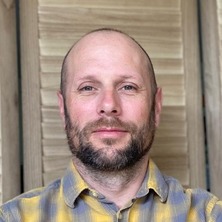
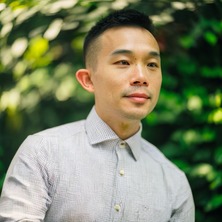
Andrew is a population biologist in the School of the Environment. A broad goal of his research is to understand the effect of environmental variability on the stability of ecological communities. At the same time, in order to deliver on this broader goal, he is working to scale up understanding from simple tractable systems to the more complex dynamics of real world-systems.
Before joining UQ, he was a Marie Curie fellow working with Jonathan Levine and Alex Hall at ETH Zurich (2018-2020), a postdoctoral fellow in Daniel Stouffer's lab at the University of Canterbury, New Zealand (2017-2018), and a CEHG (Centre for Computational, Evolutionary and Human Genomics) postdoctoral fellow in Tad Fukami's lab at Stanford University, USA (2015-2017). He did his PhD (2011-2015) with David Keith in the Centre for Ecosystem Science at UNSW Australia.
Faculty of Health, Medicine and Behavioural Sciences
Availability:
Available for supervision
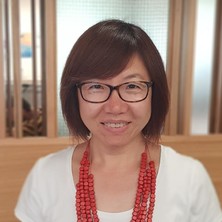
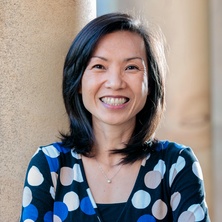
Dr. Joan Li is a Senior Lecturer and a Research Fellow with an established national and international reputation at The University of Queensland. She holds both an MD and a PhD, blending clinical and scientific expertise, which provides her with a unique perspective on research and education. While establishing an emerging profile in medical education, she maintains engagement in discipline-related biomedical research through collaboration and supervision.
With over seven years of teaching experience, Joan has actively engaged in face-to-face teaching in biomedical science and medicine courses, contributed to curriculum design, development, and course coordination for both undergraduate and postgraduate programs. She brings her strong analytical skills and critical thinking abilities, honed through her medical and biomedical research background, to her teaching practices. Driven by a genuine passion for teaching, Joan continuously strives for excellence, with specific interests in assessment, curriculum design, development and student learning experience. She has implemented innovative teaching methods, designed diverse and inclusive curricula, created new learning activities, and fostered student engagement as learning partners, with a consistent goal of improving curriculum quality and enhancing student learning outcomes.
Leveraging her medical knowledge, extensive experience in biomedical research, and growing understanding of medical education, Joan is committed to developing medical students into critical thinkers and lifelong learners with a genuine appreciation for medical practice and medical research, enabling them to better serve an ever-changing society. Drawing upon her extensive experience in developmental biology and physiology, particularly in cardiac and renal research, Joan actively supervises higher degree research students and continues to make significant contributions to discipline-related research through publications and collaborations.
Dr. Joan Li is a versatile academic professional with a rich background in biomedical research and an emerging presence in medical education research. Her dedication to teaching and learning, combined with her impressive track record in both disciplines, makes her a valuable asset to The University of Queensland and the broader academic community.
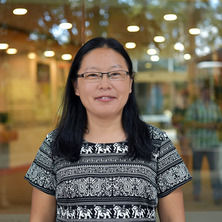
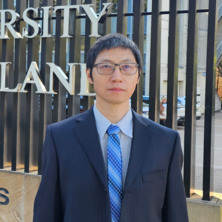
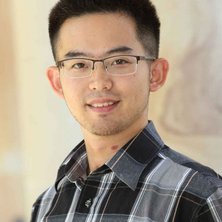
Dr. Li has been making noteworthy strides as a Research Fellow at the University of Queensland since June 2023, demonstrating his broad expertise in environmental science. His current research endeavors are focused on soil organic carbon.
Dr. Li's research portfolio is a testament to his intellectual versatility and commitment. It encompasses a variety of critical environmental issues, ranging from sustainable livelihoods for pastoralists in grassland ecosystems to geospatial pattern analysis, grassland degradation management, soil organic carbon studies, and wood decay fungi and community ecology. He also excels in employing bibliometric/scientometric and machine learning analysis in ecological studies. With such a wide gamut of expertise, Dr. Li stands at the nexus of several environmental science disciplines, poised to make substantial contributions.
In recognition of his academic excellence, Dr. Li has earned prestigious accolades. He received the Chinese Government Award for Outstanding Self-financed Students Abroad in 2021, ranking him among the top 500 worldwide. The following year, he was distinguished with the President's Award for Excellence from the Chinese Academy of Sciences, positioning him in the top 400 recipients.
Faculty of Engineering, Architecture and Information Technology
Affiliate of ARC Research Hub for Sustainable Crop Protection
ARC Research Hub for Sustainable Crop Protection
Queensland Alliance for Agriculture and Food Innovation
Honorary Associate Professor
Australian Institute for Bioengineering and Nanotechnology
Availability:
Not available for supervision
Media expert
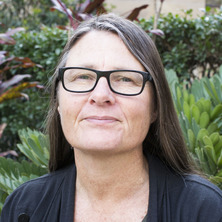
Dr Li Li is a Honorary Associate Professor at Australian Institute for Bioengineering and Nanotechnology. She received her PhD in Chemical Engineering from China University of Petroleum.
In 2007, she joined the University of Queensland (UQ) as a postdoctoral research fellow in the ARC Centre of Excellence for Functional Nanomaterials, working on nanoparticles and nanomaterials for renewable energy production and storage, environment technology and catalysis including hydrogen production and storage, environmental protection, and gas adsorption. In 2011, she was awarded UQ Postdoctoral Fellowship under the supervision of Prof. Zhi Ping (Gordon) Xu, working on engineered nanomaterials in healthcare and environment control. After Postdoctoral Fellowship, she was awarded Advance Queensland Research Fellow in 2016. Her research focuses on design and engineering functional nanomaterials for drug/gene delivery, sustainable release and oral vaccine delivery for human health and animal health management. Since 2011, she has attracted 22+ research funding including Advance Queensland Fellowship (Mid), Queensland smart future fund, UQ Postdoctoral Research Fellowship, 3 UQ grants and 2 international collaboration projects. Moreover, she has a strong linkage with industry partners on the development of functional targeted nano-delivery systems to enhance the health of farm animals.
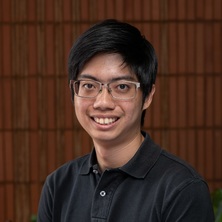
Junxian Lim is an accomplished molecular biologist at the Institute for Molecular Bioscience. With a strong background in cell biology, protein biochemistry, and pharmacology, he has established himself in the field. Collaborating with researchers at universities, institutions, as well as international industry partners like AstraZeneca and Sosei Heptares, he has contributed significantly to advancing scientific knowledge.
Throughout his doctoral studies, Junxian authored seven ground-breaking studies focused on the development of novel bioactive inhibitors targeting immune cells and inflammatory diseases. These contributions have paved the way for innovative approaches to drug development. Utilizing his expertise, he has successfully developed and characterized a diverse range of protein and cellular assays that enable in-depth investigations into immunity and inflammation. His research findings have been published in prestigious scientific journals, including Nature Communications, Cell Reports, Journal of the American Chemical Society, Diabetes, Journal of Medicinal Chemistry, and the British Journal of Pharmacology. His work has been highly cited, reflecting its impact and significance within the scientific community.
Recognized for his outstanding mentoring abilities, Junxian has supervised or co-supervised the research of two completed PhD students, six completed MPhil students, and three completed Honours students. The success of his former students is a testament to his dedication and guidance. They continue to excel and actively contribute to research endeavours around the world, spanning countries such as Australia, Singapore, Korea, India, Japan, and China.
Beyond his research and mentoring achievements, Junxian actively participates in the scientific community. He serves on the editorial boards of esteemed journals like Journal of Translational Medicine, Frontiers in Molecular Biosciences and Biology. This involvement allows him to stay at the forefront of scientific advancements and contribute to the dissemination of knowledge within his field.
Dr Ye Wheen Lim's research combines cell biology, developmental biology and bio-nanotechnology to understand how nanoparticles interact with and cross biological barriers in physiological environments. His current research focuses on nanoparticle trafficking, nano-bio interactions and trans-endothelial transport, using zebrafish genetic models, advanced microscopy and cellular assays to define the mechanisms governing nanoparticle transport across blood vessels and other tissue interfaces. His work integrates fundamental cell biology with in vivo models to inform the development and therapeutic delivery of nanomedicines. Dr Lim has expertise in caveolae and membrane biology, endocytosis, cell mechanics, zebrafish biology, advanced microscopy and nanoparticle transport. His research has contributed to understanding the cellular mechanisms underlying biological barriers, including the blood vasculature and blood-brain barrier, as well as the development of lipid-based nanoparticles.
Queensland Alliance for Agriculture and Food Innovation
Availability:
Available for supervision
Media expert
Dr. Guoquan Liu has more than ten years experience in sorghum tissue culture and genetic transformation. He developed a highly efficient sorghum particle transformation system in 2012. Since then, hundreds of transgenic plants have been regenerated from tens of constructs that are invoved in plant disease resistant genes (e.g. Lr34), report gene (gfp), specific-promoters (e.g. alpha- beta- kafirin, A2, LSG), G proteins etc.. He has trained many students how to transform sorghum including honor students, master students, and PhD students.
He has focused on improving sorghum grain yield and grain quality through biotechnologies including genetic transformation, genome-editing, synthetic biology, and plant apomixis.
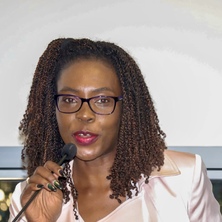
Dr. Lord leads the Spectroscopy Lab at the School of the Environment, the University of Queensland. Her interdisciplinary research is focused on
1. Modified diets for mass rearing of insects including Wolbachia, SIT and gene drive technologies
2. Monitoring and evaluation tools for vector control tools using infrared light and artificial intelligence.
3. Climate change and its impact on vector-borne diseases
As a Chief Investigator, Dr. Lord has secured research funding from several funding bodies including the Bill & Melinda Gates Foundation, USAID, NHMRC, AQIRF, and Grand Challenges Canada to develop rapid tools for large-scale disease surveillance. With her recent funding from the National Health and Medical Research Council, she is developing a smart trap for Ross River virus surveillance in partnership with Queensland Health.
Dr. Lord has published over 60 research works, and presented her findings at over 30 international conferences. Her groundbreaking research has been featured in hundreds of media outlets worldwide. Her contributions to global health have earned her numerous academic accolades, including being named a Fellow of the American Society of Tropical Medicine and Hygiene in 2024.
Beyond research, Dr. Lord leads the STEM Spotlight program, a STEM mentorship initiative that provides a safe and engaging space for students from culturally and linguistically diverse (CALD) communities. The program encourages students from underrepresented backgrounds to pursue careers in STEM while providing them the opportunity to be part of the STEM community in a safe space. In recognition of this work, she was awarded the Diversity and Inclusion Champion Award (2023) by the Department of Multicultural Affairs. Dr Lord has served/serves on numerous committees including the Australian of the year selection Committee (2023), the American Society of Tropical Medicine and Hygiene Scientific Committee, Young investigator award committee (ASTMH), Equity, Diversity and Inclusion committee (UQ).Between 2021-2024 she served as the vice president of African Professionals of Australia (QLD).
Current Research interests and PhD projects:
Techniques to enhance mass rearing of mosquitoes to support next generation vector control interventions
Affiliate of Centre for Biodiversity and Conservation Science
Centre for Biodiversity and Conservation Science
Faculty of Science
Availability:
Available for supervision
Media expert
Professor Lovelock's research focusses on the influence of environmental change, including climate change, on the ecology of coastal and marine plant communities and in providing knowledge to underpin conservation and restoration of these ecosystems now and in the future.
Affiliate of ARC Research Hub for Advanced Manufacture of Targeted Radiopharmaceuticals (AMTAR)
ARC Research Hub for Advanced Manufacture of Targeted Radiopharmaceuticals
Australian Institute for Bioengineering and Nanotechnology
Postdoctoral Research Fellow/Research Officer
Australian Institute for Bioengineering and Nanotechnology
Availability:
Not available for supervision
Over 6 years of experience in translational biomedical research, specialising in monoclonal antibody-based therapies, immuno-oncology, target discovery and theranostics in cancer. My main research focus is on targeted cancer therapies, understanding how target receptor endocytosis affects antibody drug conjugate (ADC) and radioligand therapy delivery, immune-mediated ADCC, and how combination therapies with immune checkpoint inhibitors can potentially improve therapeutic outcomes for patients.
Australian Institute for Bioengineering and Nanotechnology
Availability:
Available for supervision
Media expert
Professor Stephen Mahler is a Senior Group Leader at the Australian Institute for Bioengineering and Nanotechnology and Director of the Australian Research Council Training Centre for Biopharmaceutical Innovation (CBI), University of Queensland. Professor Mahler is a biotechnologist with a focus on R&D of recombinant-DNA derived protein biopharmaceuticals, drug delivery systems and nanomedicines. Professor Mahler has a record of translational research success and engages extensively with industry associated with the biomedical sciences both nationally and internationally.
Research within CBI covers three thematic research areas; discovery of new biopharmaceuticals, engineering cells for production of protein-based biopharmaceuticals and advanced manufacturing for industrial production. A current research interest is at the interface of the life sciences and materials science, using a synthetic biology approach for creating novel therapeutic entities as well as new systems for drug delivery.
Professor Mahler has a strong interest in education and training and was formerly Head of the Chemical and Biological Engineering Plan at the University of Queensland (2010-2016). Other educational initiatives include development of Masters Programs and a Continuing Professional Development program in the area of biopharmaceuticals. The CPD program is available to stakeholders in the industry, both in Australia and internationally.
Queensland Alliance for Agriculture and Food Innovation
Professor and Director, Centre for Animal Science
Queensland Alliance for Agriculture and Food Innovation
Availability:
Available for supervision
Media expert
Prof Tim Mahony joined QAAFI’s Centre for Animal Science in October 2010, after 15 years of conducting research projects with the Queensland Government. He obtained his PhD from James Cook University in the area of molecular microbiology. During 2001 and 2002, Prof Mahony was a visiting professor at the University of Saskatchewan.
Research interests
Dr Mahony’s research interests are in the area of molecular virology revolving around improving viral disease control in production animals such as cattle and poultry. His group is characterising the molecular interactions between invading pathogens and the subsequent host responses with the goal of developing new vaccines and diagnostic technologies. A key component of this work includes improving the basic understanding of the molecular mechanisms that underpin and drive viral virulence and evolution. Next-generation sequencing has been used to sequence the genomes of herpesviruses and adenoviruses from a variety of species including, cattle, chickens, marsupials, horses, and crocodiles. Prof Mahony’s team is also investigating the role of virally encoded microRNAs in virulence, replication, and disease development. His group was one of the first in the world to apply bacterial artificial chromosome infectious clone technology for the efficient manipulation of herpesviruses that have large DNA genomes. These strategies are also being exploited to understand viral gene function and the development of vaccines.
Currently, Prof Mahony is researching risk factors that protect and predispose feedlot cattle to developing bovine respiratory disease (BRD). He is also leading the development of new vaccines for BRD and cattle tick infestations. Prof Mahony has also led the development of new vaccine delivery technologies for the poultry industry targeting the application of in ovo strategies. Prof Mahony research into improving animal health is increasing industry productivity, food safety, and consumer confidence in food products and he is keen to explore collaborations with other scientists in this area.
Prof Mahony has a strong interest to work with post-graduate students and has supervised a number of post-graduate students from Australia and overseas. These projects have covered research areas in molecular virology, animal health, vaccine development, and pathogen-host interactions.