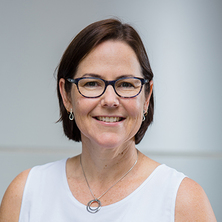
My research focuses on using host defence molecules as the basis for designing peptide-based drugs with improved safety and reduced likelihood of drug resistance to combat infectious disease caused by pathogenic bacteria and malaria parasites. Zooming in to investigate molecular interactions at the cell surface and inside infected cells allows me to describe and refine how drug candidates overcome disease organisms to produce the next generation of antimicrobial drugs.
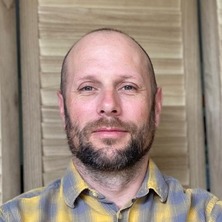
Andrew is a population biologist in the School of the Environment. A broad goal of his research is to understand the effect of environmental variability on the stability of ecological communities. At the same time, in order to deliver on this broader goal, he is working to scale up understanding from simple tractable systems to the more complex dynamics of real world-systems.
Before joining UQ, he was a Marie Curie fellow working with Jonathan Levine and Alex Hall at ETH Zurich (2018-2020), a postdoctoral fellow in Daniel Stouffer's lab at the University of Canterbury, New Zealand (2017-2018), and a CEHG (Centre for Computational, Evolutionary and Human Genomics) postdoctoral fellow in Tad Fukami's lab at Stanford University, USA (2015-2017). He did his PhD (2011-2015) with David Keith in the Centre for Ecosystem Science at UNSW Australia.
Queensland Alliance for Agriculture and Food Innovation
Professor and Director, Centre for Animal Science
Queensland Alliance for Agriculture and Food Innovation
Availability:
Available for supervision
Media expert
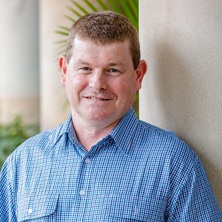
Prof Tim Mahony joined QAAFI’s Centre for Animal Science in October 2010, after 15 years of conducting research projects with the Queensland Government. He obtained his PhD from James Cook University in the area of molecular microbiology. During 2001 and 2002, Prof Mahony was a visiting professor at the University of Saskatchewan.
Research interests
Dr Mahony’s research interests are in the area of molecular virology revolving around improving viral disease control in production animals such as cattle and poultry. His group is characterising the molecular interactions between invading pathogens and the subsequent host responses with the goal of developing new vaccines and diagnostic technologies. A key component of this work includes improving the basic understanding of the molecular mechanisms that underpin and drive viral virulence and evolution. Next-generation sequencing has been used to sequence the genomes of herpesviruses and adenoviruses from a variety of species including, cattle, chickens, marsupials, horses, and crocodiles. Prof Mahony’s team is also investigating the role of virally encoded microRNAs in virulence, replication, and disease development. His group was one of the first in the world to apply bacterial artificial chromosome infectious clone technology for the efficient manipulation of herpesviruses that have large DNA genomes. These strategies are also being exploited to understand viral gene function and the development of vaccines.
Currently, Prof Mahony is researching risk factors that protect and predispose feedlot cattle to developing bovine respiratory disease (BRD). He is also leading the development of new vaccines for BRD and cattle tick infestations. Prof Mahony has also led the development of new vaccine delivery technologies for the poultry industry targeting the application of in ovo strategies. Prof Mahony research into improving animal health is increasing industry productivity, food safety, and consumer confidence in food products and he is keen to explore collaborations with other scientists in this area.
Prof Mahony has a strong interest to work with post-graduate students and has supervised a number of post-graduate students from Australia and overseas. These projects have covered research areas in molecular virology, animal health, vaccine development, and pathogen-host interactions.
Faculty of Health, Medicine and Behavioural Sciences
Availability:
Available for supervision
My research focuses on understanding the cellular and molecular mechanisms that regulate innate immune responses during infection and inflammation. I have expertise in host–pathogen interactions, macrophage biology, Toll-like receptor signalling, and intracellular trafficking, with a particular interest in how spatiotemporal regulation of immune receptors shapes antimicrobial and inflammatory responses. Through the integration of cell biology, immunology, and advanced imaging approaches, my work aims to identify mechanisms that can be leveraged for host-directed therapies against infectious diseases, including tuberculosis and bacterial infections. My research program combines fundamental discovery science with translational approaches to improve our understanding of immune regulation in health and disease.
United Nations (UN) member states in 2015 agreed to 17 global Sustainable Development Goals (SDGs) to end poverty, protect the planet and ensure prosperity for all. Dr Deirdre Mikkelsen is a microbiologist and Senior Lecturer in Food Science at the School of Agriculture and Food Sustainability, where her teaching and research contribute to several UN SDGs, including:
Goal 2 – Zero Hunger
Goal 3 – Good Health and Well-being
Goal 4 – Quality Education
Goal 12 – Responsible Consumption and Production
Goal 13 – Climate Action
Goal 15 – Life on Land
Deirdre holds a B.Sc. (First Class Honours, 1999) and a PhD in Microbiology (2005), both from UQ. She has expertise in molecular microbial ecology, bioinformatics and fermentation microbiology. Her academic journey includes research roles at the Advanced Wastewater Management Centre (2005) and from 2006 at the Centre for Nutrition and Food Sciences (CNAFS), Queensland Alliance for Agriculture and Food Innovation (QAAFI), where she held Postdoctoral and Research Fellow positions. She joined her current School in 2019.
Program Coordination and Teaching
Dr Deirdre Mikkelsen is the Program Coordinator for the following postgraduate programs:
Master of Food Science and Technology
Master of Food Science and Technology (Research Extensive)
Graduate Certificate in Food Science and Technology
She also coordinates and teaches:
FOOD2000 – Food Science
FOOD3017 – Food Safety & Quality Management
FOOD7021 – Professional Experience (Work Integrated Learning)
Professional Memberships and Engagement
Member, Australian Institute of Food Science and Technology (AIFST) – Queensland Branch Committee
Member, International Union of Food Science and Technology (IUFoST) Education Oversight Group – Australasia representative
Member, IUFoST – Food Safety Working Committee 2.2 (Education focus)
Academic Advisory Group Member, Ag Connections Agriskills Accelerator Program
Director, Higher Degrees by Research of School of Pharmacy
School of Pharmacy and Pharmaceutical Sciences
Faculty of Health, Medicine and Behavioural Sciences
Associate Professor
School of Pharmacy and Pharmaceutical Sciences
Faculty of Health, Medicine and Behavioural Sciences
Availability:
Available for supervision
Media expert
Dr Moyle’s laboratory (www.moylelab.com) uses cutting edge technologies for the synthesis of peptides, protein expression, and protein semi-synthesis to gain insights into the functional roles played by various biochemical pathways, to engineer better protein and peptide therapeutics, and to improve the delivery characteristics of various therapeutic molecules. Specific current areas of interest are detailed below:
Subunit Vaccine Development: methods to develop improved vaccines through the combination of recombinant and synthetic approaches to improve immunopotency and tailor immune responses (links to reseach articles on semisynthetic vaccines and peptide vaccines; reviews on vaccine development).
Delivery Systems for Nucleic Acid-Based Molecules: multi-component synthetic and recombinant approaches to improve the cellular uptake, and targeted delivery of various oligonucleotide molecules (e.g. siRNA, mRNA, pDNA and CRISPR-Cas9) as an exciting approach to treat or prevent various diseases (links to research articles and reviews).
Deciphering the Roles of Post-Translational Modifications: The combination of peptide synthesis and protein semisynthesis to enable the production of large amounts of site-specifically modified species, that can be used to deconvolute the roles played by various post-translational modifications (links to research articles).
Peptide/Protein Drugs and Delivery: The study of methods to improve the delivery characteristics of peptide/protein drugs (e.g. poor oral absorption, instability to chemical/enzymatic degradation, and the inability to reach their site/s of action) through chemical engineering approaches.
New Approaches for Superbugs: the development of antivirulence approaches, and formulations (e.g. various types of nanoparticles - silver, protein, mesoporous silica), which reduce the ability for microbes to cause disease, and make them more readily treated with antimicrobials, by providing access to synergistic combinations, and reducing the risk of antimicrobial resistance.
Information for Potential Students:
The Moyle lab considers applications from potential students and postdoctoral fellows with an interest in: i)infection control (including subunit vaccine and antimicrobial development); ii)delivery systems for peptide therapeutics; iii)targeted delivery systems; iv) studying the function of posttranslational modifications; and v) delivery systems for nucleic acid-based therapeutics (e.g. siRNA, shRNA, miRNA, mRNA, pDNA and CRISPR-Cas9). If you are interested in working in any of these areas please feel free to contact Dr Moyle (p.moyle@uq.edu.au). Please ensure that you supply an up to date CV; describe why you would like to work in the Moyle lab; provide a listing of publications (preferably with impact factors and citation counts); and indicate what skills you would bring to the lab. Detailed information on our laboratory is available at www.moylelab.com. Preference will be given to students and postdoctoral fellows who have their own funding.
Dr Moyle Biosketch:
Dr Moyle (H-index 30, >2600 citations; >95 publications; 13/8/2024; Google Scholar, ORCID, ResearcherID, and Publons profiles) received a PhD (Dec 2006) and a Bachelor of Pharmacy (Hons I) (Dec 2001) from The University of Queensland (UQ); graduated from the Pharmaceutical Society of Australia pre-registration pharmacist-training course (Nov 2002); and is registered with the Pharmacy Board of Australia. He currently works as an Associate Professor in the UQ School of Pharmacy, where he has been based since 2014.
Dr Moyle works in the fields of medicinal chemistry, chemical biology, and drug formulation, investigating subunit vaccine development, outcomes associated with histone post-translational modifications, and methods to improve the delivery characteristics of oligonucleotide (e.g. siRNA and pDNA), peptide, and protein therapeutics. During his PhD, Dr Moyle developed methods that enabled the synthesis of pure, lipid adjuvanted peptide vaccines, using advanced chemical ligation techniques. In addition, the conjugation of mannose to combined prophylactic/therapeutic human papillomavirus type-16 vaccines, to target dendritic cells, was demonstrated to significantly improve vaccine anti-tumour activity. This work, conducted with leading researchers at the QIMR Berghofer Medical Research Institute (Prof Michael Good & Dr Colleen Olive), established Dr Moyle’s national and international profile in the field of vaccine development, resulting in 11 peer reviewed papers, including top journals in the field (J Med Chem; J Org Chem), as well as 6 review articles and 2 invited book chapters.
Dr Moyle undertook his postdoctoral training in the laboratory of one of the world’s premier chemical biologists, Professor Tom Muir (the Rockefeller University, NY, USA; now at Princeton University, NJ, USA). During this time he developed an extensive knowledge of techniques for protein expression, bioconjugation, bioassays, and proteomics, which represent an essential skill set required for this proposal. As part of this work, Dr Moyle developed novel synthetic routes to generate site-specific ADP-ribose conjugated peptides and proteins. This research was hailed as a major breakthrough in the field, leading to several collaborations, and an exemplary publication in the prestigious chemistry journal JACS. This vast body of work identified the enzyme (PARP10) responsible for mono-ADP-ribosylation of histone H2B, and demonstrated interactions between this modification and several proteins, including BAL, which is associated with B cell lymphomas. In addition, a number of robust chemical methods were developed to enable the synthesis of a complete library of methyl-arginine containing histones, which were incorporated into synthetic chemically-defined chromatin to investigate the site-specific effects of arginine methylation on histone acetylation. This work led to a collaboration with colleagues at Rockefeller to investigate the effects of histone arginine methylation on transcription.
Teaching:
Dr Moyle teaches into the following subjects in the UQ School of Pharmacy.
PHRM3011 (Quality Use of Medicines) - course coordinator
PHRM4021 (Integrated Pharmaceutical Development)
PHRM3021 (Dosage Form Design)
PHRM2040 (Drug Discovery)
Awards:
2016 - Health and Behavioural Sciences (HABS) faculty commendation for Early Career Citations for Outstanding Contributions to Student Learning (ECCOSL)
2015 - ChemMedChem top 10 cited article of 2013 (link)
2014 - Highest ranked NHMRC development grant (2013; APP1074899)
2013 - Institute for Molecular Biology (IMB) Division of Chemistry and Structural Biology Prize
Affiliate of ARC Training Centre for Environmental and Agricultural Solutions to Antimicrobial Resis
ARC Training Centre for Environmental and Agricultural Solutions to Antimicrobia
Institute for Molecular Bioscience
Postdoctoral Research Fellow
Australian Centre for Water and Environmental Biotechnology
Faculty of Engineering, Architecture and Information Technology
Availability:
Available for supervision
Dr Lyman Tze Kin Ngiam is a bacteriophage biologist and Postdoctoral Research Fellow at the Australian Centre for Water and Environmental Biotechnology, The University of Queensland. His research focuses on understanding bacteriophage–bacterial pathogen interactions, particularly involving ESKAPE pathogens, with the goal of developing effective phage-based biocontrol and therapeutic strategies to combat the global antimicrobial resistance (AMR) crisis. Central to Dr Ngiam’s work is the study of bacteriophage biology, including phage-bacteria interactions and bacterial defence mechanisms against bacteriophage.
His current research aims to translate fundamental phage biology that can be applied as novel antimicrobial agent. This includes investigating phage optimisation strategies, such as phage training and the use of adjuvants including antibiotics and antimicrobial peptides, to improve phage efficacy and therapeutic potential. In parallel, Dr Ngiam is actively exploring the biotechnological applications of bacteriophages as sustainable bicontrol agent and diagnostics within the agricultural and livestock sectors.
Alongside his phage-based research, Dr Ngiam is also engaged in industry-based multidisciplinary and translational projects within CeASTAR, with strong emphasis on addressing antimicrobial resistance. These projects include development of surveillance tool to monitor AMR in the environment, investigation of novel compounds for disinfection of animal shed and eradication of biofilms in water distrbibution system.
Queensland Alliance for Agriculture and Food Innovation
Availability:
Available for supervision
Dr Loan Nguyen is an applied genomics researcher focused on discovering genomic insights and translating them into practical tools for sustainable agriculture and livestock production. Her expertise integrates long-read sequencing, genome assembly, transcriptomics, molecular biology, bioinformatics and animal science.
Her pioneering contributions include developing an epigenetic clock for age prediction in cattle, and implementing portable sequencing for livestock traceability in Australia. She applies genomic approaches to address key challenges in agriculture, including genetic improvement, causative variant discovery, low-coverage sequencing, SNP array development and on-farm genomic decision-making.
Dr Nguyen’s achievements have been recognised through a prestigious ARC Industry Fellowship. Her work is advancing applied genomics to improve productivity, traceability, sustainability and food security in Australia and internationally.
Australian Institute for Bioengineering and Nanotechnology
Availability:
Available for supervision
Media expert
Professor Lars Nielsen is leading the development of experimental and computational tools to analyse and design complex biological systems. His expertise in metabolic modelling and flux analysis is available nowhere else in Australia – and in few labs across the world. Professor Nielsen’s studies of biological systems as diverse as bacteria, baker's yeast, sugarcane, insects and mammals has attracted industrial partnerships with companies including Dow, Metabolix, Amyris, LanzaTech, Boeing, Virgin Australia and GE. These metabolic engineering partnerships have focussed on developing new ways of producing aviation fuel, various materials and bioactives (antibiotics, biopesticides, monoclonal antibodies). Professor Nielsen is also applying system analysis and design approaches to tissue engineering including novel strategies for generating microtissues for drug screening and using stem cells to produce red and white blood cells for transfusion.
International links
Professor Nielsen collaborates with some of the world’s pre-eminent metabolic engineers. A joint project with Prof Sang Yup Lee (KAIST, Korea) enabled several extended mutual visits to explore use of sugar for higher value products. A separate project focused on producing synthetic aviation fuel based on isoprenoids involves Professor Nielsen collaborating with global synthetic biotechnology company Amyris and leading isoprenoid metabolic engineer Professor Jay Keasling, from UC Berkeley. Professor Nielsen has secured $8million since 2006 from industry through research grants with US, European, Japanese, Korean, New Zealand and Australian companies.
Queensland Alliance for Agriculture and Food Innovation
Availability:
Available for supervision
Dr. Ong is an exceptional and driven researcher in the field of Animal Health, and her work revolves around studying pathogen genomes, transcriptomes, and host-associated metagenomes to enhance animals' resistance to diseases and improve their overall health and productivity.
One remarkable aspect of Dr. Ong's expertise is her versatility and enthusiasm for both wet lab and dry lab (bioinformatics) work. She finds equal joy in conducting hands-on experiments in the wet lab and diving into data analysis and computational work in the bioinformatics domain. This multidisciplinary approach empowers her to gain comprehensive insights into her research subjects and tackle complex challenges from various angles. Dr. Ong's vast skillset encompasses molecular biology and expertise in utilizing 2nd and 3rd generation sequencing technologies, along with her proficiency in bioinformatics tools and techniques. This diverse knowledge allows her to explore and employ cutting-edge methodologies, providing her with a unique advantage in her research endeavors.
One of Dr. Ong's significant achievements was conducting the first cattle reproductive tract metagenomic study in Australia. This groundbreaking study likely contributed valuable information about the reproductive health of cattle and opened new avenues for further research in this area. Additionally, her contributions extend to the assembly of complete genomes for multiple pathogens, such as Campylobacter fetus and Bovicola ovis. This accomplishment is instrumental in understanding these pathogens' genetic makeup, evolution, and mechanisms of infection, which is vital in developing targeted strategies to combat diseases affecting animals.
I am a molecular virologist and ARC DECRA Fellow at the School of Chemistry and Molecular Biosciences, where I am Deputy Team Leader of the Infection and Immunity theme. My research focuses on RNA virus evolution, host immunity, and RNA technologies for vaccines and therapeutics, linking four connected themes:
Virus discovery and evolution: identifying and characterising novel viruses across diverse hosts using metatranscriptomics, phylogenetics, and comparative genomics, with particular focus on orthoflaviviruses and orthomyxoviruses
Host–virus interactions: understanding how innate immune and RNAi pathways shape infection outcomes in mammalian and arthropod systems
Reverse genetics: developing CPER-based systems, reporter viruses, and replicons for mechanistic virology and rapid hypothesis testing
RNA platforms: engineering self-amplifying RNA to tune stability, expression, and immune sensing for vaccines and therapeutics
I completed my PhD (2016–2021) at UQ's School of Biological Sciences under Prof. Sassan Asgari, where I characterised the virome of Aedes mosquitoes and their interactions with the endosymbiont Wolbachia. In 2021, I joined Prof. Alexander Khromykh's RNA Virology Laboratory at SCMB. There, I contributed to the development of the SARS-CoV-2 CPER reverse-genetics system and have worked routinely with PC3 pathogens, including West Nile virus, Japanese encephalitis virus, and SARS-CoV-2. In 2026, I commenced an ARC DECRA Fellowship to investigate how modified nucleotides shape RNA structure, immune sensing, and function in next-generation RNA technologies. My current work is funded by the ARC and NHMRC.
I provide bioinformatics and phylogenetics support within UQ and internationally, and welcome collaborations involving small RNA analysis, virus discovery and metatranscriptomics.
I served on the organising committee of MicroSeq (2023–2025), an Australasian conference promoting microbial sequencing research by early-career researchers. I am the Communications Officer for ASM Queensland (2024–) and an incoming Committee of Management member for the Australasian Virology Society (2026–).
Australian Institute for Bioengineering and Nanotechnology
Availability:
Available for supervision
Media expert
Biography
Dr Huadong Peng is a Group Leader and Senior Research Fellow at the UQ's Biosustainability Hub, Australian Institute for Bioengineering and Nanotechnology (AIBN), UQ. He is a Future Academic Leader in the Australia’s Food and Beverage Accelerator (FaBA), and part of ARC Centre of Excellence in Synthetic Biology (CoESB). He earned his PhD from Monash University in Nov 2018, followed by postdoctoral training at Imperial College London and the Technical University of Denmark until Dec 2023. Prior to his PhD, he received his Master Degree from the University of Chinese Academy of Sciences in 2013 and a Bachelor Degree from China Three Gorges University in 2010. Additionally, he worked as a research associate at Novozymes (now Novonesis) from Nov 2013 to Jan 2015.
Since Jan 2024, Dr Peng has led the Yeast Engineering and Synthetic Biology (YESBio) research group (10-15 members), focusing on sustainable biomanufacturing. His research interests include 1) developing innovative synthetic biology tools, such as gene assembly methods, CRISPR-based genome editing tools, and biosensors; 2) modular metabolic engineering for advanced microbial cell factories, 3) synthetic microbial communities and 4) emerging Bio+ enabling technologies for applications in food ingredients, biochemicals, biofuels, and biomedicines.
Dr Peng secured $4.8M funding as Chief Investigator ($2.1M to his team), including the prestigious Marie Skłodowska-Curie Fellowship. He has published 40+ peer-reviewed papers in prestigious journals, including Nature Microbiology, Nature Chemical Biology, Nature Communications. He actively contributes to the scientific community through editorial roles, including Associate Editor for Frontiers in Bioengineering and Biotechnology and Youth Editor for The Innovation (IF 26), BioDesign Research and mLife. He is also an invited peer reviewer for 30+ international journals and grants such as Nature Synthesis, ACS Synthetic Biology, etc.
Dr Peng is looking for highly motivated Honours, Master and PhD students, and highly competitive full scholarship may be provided. The University of Queensland ranks in the top 50 as measured by the Performance Ranking of Scientific Papers for World Universities. The University also ranks 45 in the QS World University Rankings, 52 in the US News Best Global Universities Rankings, 60 in the Times Higher Education World University Rankings and 55 in the Academic Ranking of World Universities.
Industry
Dr Peng is keen to translate the technologies developed by his team into real-world commercial applications, including advanced microbial cell factories, synthetic microbial communities, and optimised bioprocesses. These innovations enable the delivery of sustainable bio-solutions for industrial sectors spanning agri-food, industrial biotechnology and human health. He has established close collaborations with industry partners such as Woodside Energy, Noumi Operations, and Cauldron Fermentation, and he is actively engaging with additional partners, including Levur and NeweraBio.
Dr Peng has experience consulting with multiple companies and is open to taking on casual consulting roles as opportunities arise.
Selected Funding & Awards
Dr Peng has secured $4.8M funding as Chief Investigator ($2.1M to his team), including
2025 Australia’s Food and Beverage Accelerator (FaBA)-Cauldron ferm, $2M, CIB
2025 Australia’s Food and Beverage Accelerator (FaBA)-Noumi Operations, $2M, co-CIA
2025 NCRIS Synthetic Biology Voucher Scheme, $40K, CIA
2024 UQ Biosustainability hub seed funding, $50K, CIA
2024 Australia’s Food and Beverage Accelerator seed funding, $160K, CIA
2023 Chinese Government Award for Outstanding Self-financed Students Abroad, $15K
2022 Marie Skłodowska-Curie Fellowship ($266K, 8% success rate)
Jiang W, Hernández V-D, Peng H, Liu L, Haritos VS, Ledesma-Amaro R* Metabolic engineering strategies to enable microbial utilization of C1 feedstocks. Nature Chemical Biology 2021, 17(8), 845-855. `
P Gao, Sun H., Ledesma-Amaro R., Marcellin E. and Peng H.* Advancements and Challenges in the Bioproduction of Raspberry Ketone by Precision Fermentation. Future Foods2025: 100606.
Peng, H.*; Chen, R.; Shaw, W. M.; Hapeta, P.; Jiang, W.; Bell, D. J.; Ellis, T.; Ledesma-Amaro, R*. Modular Metabolic Engineering and Synthetic Coculture Strategies for the Production of Aromatic Compounds in Yeast. ACS Synthetic Biology 2023, 12 (6), 1739-1749.
Peng, H.; He, L.; Haritos, V. S*. Flow-cytometry-based physiological characterisation and transcriptome analyses reveal a mechanism for reduced cell viability in yeast engineered for increased lipid content. Biotechnology for Biofuels 2019, 12 (1), 98.
Peng, H.; Chen, H.; Qu, Y.; Li, H.; Xu, J*. Bioconversion of different sizes of microcrystalline cellulose pretreated by microwave irradiation with/without NaOH. Applied Energy 2014, 117 (0), 142-148
I began my career working in industry for a company which specialised in in vitro diagnostic assays, for both human and veterinary health (AGEN Biomedical). There, I worked as a scientist for almost a decade in numerous departments of the commercialisation pipeline, including manufacturing, product development and research. Following this, I completed a PhD (2010) with the Australian Biosecurity Co-operative Research Centre for Emerging Infectious Disease and have since worked as a virologist at The University of Queensland.
My current research focuses on mosquito-borne virus discovery and the development of innovative vaccine and diagnostic platforms. Together, these research interests have culminated in a greater understanding of the mosquito virome and the development of new approaches for the detection of novel viruses. These include high throughput sequence and antigen-independent assays and the development of suites of unique monoclonal antibodies (mAbs), which in conjunction with deep sequencing platforms, provide comprehensive virus discovery strategies. Using this repertoire, I have been involved in the discovery and extensive genetic and phenotypic characterisation of new mosquito-borne viruses, belonging to more than six viral taxon (including Flaviviridae, Mesoniviridae, Bunyavirales, Reoviridae, Negevirus, Nodaviridae).
Harnessing the unique mosquito-specific growth restriction of the insect-specific flaviviruses that we discovered, my research now focuses on the application of these viruses to the development of novel, safe vaccines and diagnostics for multiple pathogenic flaviviruses.
I got my BSc degree from the University of Natural Sciences in Vietnam. I spent the next two years working on characterisation of multi-drug resistant Mycobacterium tuberculosis with Dr Maxine Caws at the Oxford University Clinical Research Unit in Ho Chi Minh City, Vietnam. I went to the Wellcome Trust Sanger Institute and the University of Cambridge, UK to do my PhD in Prof. John Wain lab where I studied molecular mechanisms affecting the stability of IncHI1 multidrug resistant plasmids in Salmonella Typhi. I then moved to Australia to join the group of Prof. Mark Schembri at the School of Chemistry and Molecular Biosciences, University of Queensland. I am now working on identifying novel virulent factors in uropathogenic E. coli, especially in the newly emerged but globally spread ST131 clone, using high-throughput transposon mutagenesis and next-gen sequencing. I also maintain my interest in plasmid biology and have started projects to study multidrug resistant plasmids carrying blaCTX-M-15 or blaNDM-1 resistant genes.
Centre Director of Institute for Molecular Bioscience
Institute for Molecular Bioscience
Professorial Research Fellow & Group Leader
Institute for Molecular Bioscience
Professor
School of Chemistry and Molecular Biosciences
Faculty of Science
Availability:
Available for supervision
Professor Mark Schembri is a prominent microbiologist with experience in combating the global health crisis presented by multi-drug resistant pathogens. Professor Schembri’s expertise on the virulence of bacterial pathogens and his innovative analysis of biofilm formation aims to improve the outcomes of the >400 million individuals that suffer from urinary tract infections each year across the globe.
Through the application of genetic, genomic and functional studies on uropathogenic E. coli, Professor Schembri has identified targets to reduce the virulence of this pathogen, and will pursue the development of life-saving therapeutic and preventative advances with the assistance of NHMRC, MRFF and ARC grants. Professor Schembri has tracked the rapid emergence and global spread of a virulent, drug-resistant E. coli clone and used genome sequencing to understand its evolution and virulence.
Links: Professor Schembri collaborates with national and international research leaders, including in Denmark, where he was a lecturer. Professor Schembri has strong links with other international experts in his field, including at the Pasteur Institute and the Wellcome Trust Sanger Institute in Cambridge. His research collaborations also span lead groups at UQ and other top Australian institutes, including Griffith and La Trobe Universities.
Membership, Funding and patents: Since 2014, Professor Schembri has been awarded over $15 million in funding from competitive national research funding bodies. He holds provisional patents for the development of novel therapeutic agents and vaccine antigens. He is a Fellow of the American Academy of Microbiology, and is regularly invited to speak at international conferences in his field.
Awards and Communication: Professor Schembri was the recipient of the Frank Fenner Award (2010) and the ASM BacPath Oration Award (2019) for his outstanding original research contribution to the study of Infectious Disease. He was an Australian Research Council Future Fellow (2011-2015) a National Health and Medical Research Council Senior Research Fellow (2016-2020). Professor Schembri is the author of >240 peer-reviewed research manuscripts. He is President of the Australian Society for Microbiology (2022-2026).
Dr Tanuka Sen is a Research Fellow at the Institute for Molecular Biosciences, The University of Queensland, where her research focuses on understanding bacterial pathogenesis and developing innovative strategies to combat antimicrobial resistance.
Dr. Sen completed her PhD in Biochemistry and Biomedical Science at the Australian National University before undertaking postdoctoral research at the University of Oxford, where she developed single-cell microscopy approaches to visualise the dynamics of bacterial virulence plasmids in real time. She has contributed to research on bacterial toxin-antitoxin systems, plasmid biology, antimicrobial resistance, and genome analysis.
Her research integrates microbiology, molecular biology, bacterial genetics, advanced fluorescence microscopy, bioinformatics, and antimicrobial drug discovery to investigate bacterial virulence, plasmid biology, host-pathogen interactions, and the mechanisms of action of novel antimicrobial compounds. She is particularly interested in translating fundamental discoveries into new approaches to combat antibiotic-resistant pathogens.
Research expertise includes:
Antimicrobial resistance (AMR)
Antimicrobial drug discovery and mode of action
Bacterial pathogenesis and virulence
Infection biology
Fluorescence and confocal microscopy
Single-cell and live-cell imaging
Functional genomics and bioinformatics
Plasmid biology and horizontal gene transfer
Bacterial genetics and molecular microbiology
She welcomes opportunities for interdisciplinary research, student supervision, industry engagement, and collaborations that advance antimicrobial innovation and improve global health.