The molecular evolution of cytochrome P450 Enzymes: biological catalysts of unprecedented versatility.
Cytochrome P450 enzymes (CYPs, P450s) especially those responsible for drug metabolism in humans, are the unifying theme of the research in our lab. These fascinating enzymes are catalysts of exceptional versatility, and functional diversity. In humans they are principally responsible for the clearance of a practically unlimited variety of chemicals from the body, but are also critical in many important physiological processes. In other organisms (plants, animals, bacteria, fungi, almost everything!) they carry out an unprecedented range of functions, such as defense, chemical communication, neural development and even pigmentation. P450s are involved in the biosynthesis of an unequalled range of potent, biologically active natural products in microbes, plants and animals, including many antibiotics, plant and animal hormones, signalling molecules, toxins, flavours and fragrances. We are studying how P450s have evolved to deal with novel substrates by reconstructing ancestral precursors and evolutionary pathways, to answer such questions as how did the koala evolve to live on eucalyptus leaves, a toxic diet for most mammals.
The capabilities of P450s are only just coming to be fully recognized and structural studies on P450s should yield critical insights into how enzyme structure determines function. For example, recently we discovered that P450s are present within cells in the Fe(II) form, a finding that has led to a radical revision of the dogma concerning the P450 catalytic cycle, and has implications for the control of uncoupling of P450 activity in cells. Importantly, the biotechnological potential of P450s remains yet to be exploited. All of the specific research themes detailed below take advantage of our recognized expertise in the expression of recombinant human cytochrome P450 enzymes in bacteria. Our group is interested in finding out how P450s work and how they can be made to work better.
Artificial evolution of P450s for drug development and bioremediation: a way of exploring the sequence space and catalytic potential of P450s. The demonstrated catalytic diversity of P450 enzymes makes them the ideal starting material for engineering sophisticated chemical reagents to catalyse difficult chemical transformations. We are using artificial (or directed) evolution to engineer enzymes that are more efficient, robust and specialized than naturally occurring enzymes with the aim of selecting for properties that are commercially useful in the areas of drug discovery and development and bioremediation of pollutants in the environment. The approach we are using also allows us to explore the essential sequence and structural features that underpin all ~12000 known P450s so as to determine how they work.
Synthetic biology of enzymes for clean, green, solar-powered chemistry in drug development, bioremediation and biosensors. We have identified ancestral enzymes that are extremely thermostable compared to their modern counterparts, making them potentially very useful in industry, since they can withstand long incubations at elevated temperatures. They can be used as ‘off the shelf’ reagents to catalyse useful chemistry, such as in in drug discovery and development, fine chemicals synthesis, and cleaning up the environment. Working with drug companies, we are exploring how they can be best deployed in chemical processes and what structural features make them efficient, robust and specialized. We are also immobilizing P450s in virus-like-particles as ‘designer’ reagents that can be recovered from reactions and reused. To make such processes cheaper and more sustainable, we are using photosynthesis to power P450 reactions for clean, green biocatalysis in microalgae.
Biosketch:
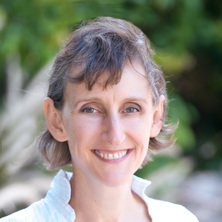
After graduating from UQ with first class Honours in Biochemistry, Elizabeth took up a Royal Commission for the Exhibition of 1851 Overseas Scholarship to pursue doctoral work at Oxford University then undertook postdoctoral work at the Center in Molecular Toxicology and Department of Biochemistry at Vanderbilt University School of Medicine with Prof. F.P. Guengerich. She returned to UQ in 1993 to take up a position in Pharmacology and joined the School of Chemistry and Molecular Biosciences in 2009 as a Professor of Biochemistry.
Australian Institute for Bioengineering and Nanotechnology
Availability:
Available for supervision
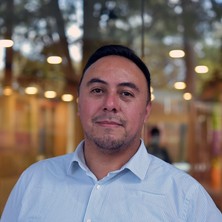
Dr Axayacatl Gonzalez completed his bachelors in 2010 in Chemical Engineering /Biotechnology at the Interdisciplinary Unit for Biotechnology (UPIBI, IPN, Mexico). He obtained his Master’s degree in 2012, where he specialised in metabolic modelling and bioprocessing. In 2013, he moved to Australia where he completed his PhD studies at the Australian Institute for Bioengineering and Nanotechnology (AIBN) at The University of Queensland (UQ).
Dr Gonzalez has been involved in the ARC-Training Centre for Biopharmaceutical Innovation (ARCT-CBI, 2018), the Queensland Strain Factory (QSF, 2019), ARC Centre of Excellence in Synthetic Biology (COESB, 2021) and is currently the Facility Manager and Senior Bioprocess Engineer for the Integrated Design Environment for Advanced biomanufacturing (IDEA bio) at AIBN-UQ.
Complementary to his role at IDEA Bio, Dr Gonzalez research focuses on a) Development of bioprocess strategies to improve productivities. b) Identification of metabolic changes in bacterial strains associated with selective pressure. c) Design, construction and evaluation of synthetic genetic circuits in microbial hosts. d) Development of strategies to screen, isolate, characterise and propagate soil microorganism for agricultural practices.
Affiliate of The Centre for Cell Biology of Chronic Disease
Centre for Cell Biology of Chronic Disease
Institute for Molecular Bioscience
Adjunct Senior Fellow
Institute for Molecular Bioscience
Availability:
Available for supervision
Media expert
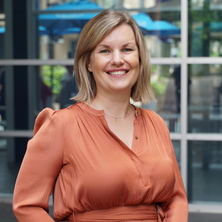
Dr Gordon’s research is focused on the formation and maintenance of the blood and lymphatic vascular systems. Vessels form complex branched networks that supply oxygen and nutrients to all body tissues. The signals controlling blood vessel expansion, identity and migration are all downstream of a single, common complex at the cell surface, yet exactly how this diverse range of functions is differentially regulated, depending on the physiological need, remains unknown.
The specific focus of Dr Gordon’s research is to determine the precise molecular signals that control cell adhesion within the vessel wall the surrounding environment. If the signals controlling cell adhesion become deregulated, normal vessel growth and function is lost. This contributes to the progression of a wide range of human diseases, including cancer growth and metastasis, diabetic eye disease and stroke. Dr Gordon aims to use novel biological models, biochemical assays and imaging techniques to better understand vessel biology, which will enable improved treatment of disease and aid in the development of vascularised, bioengineered organs.
Dr Gordon received her Bachelor of Science (2005) and PhD (2011) from The University of Adelaide, after which she undertook six years of postdoctoral studies at Yale University in the USA and Uppsala University in Sweden. With the support of an ARC DECRA Fellowship, Dr Gordon relocated to IMB in 2017 to establish her independent research career as an IMB Fellow. In 2019, she was appointed as Group Leader of the Vessel Dynamics Laboratory.
Faculty of Engineering, Architecture and Information Technology
Research Fellow
Australian Institute for Bioengineering and Nanotechnology
Availability:
Available for supervision
Dr. Wenyi Gu’s early education was conducted in China which include his undergraduate and master’s degrees in veterinary medicine. In 1996, he migrated to Australia and pursued his PhD study in biochemistry & molecular biology at the Australian National University (ANU). After a short period of work at John Curtin Medical School ANU as a junior scientist, he moved to Brisbane in 2001 for his post-doc at the University of Queensland and currently a post-doctoral research fellow at AIBN. He held a Peter Doherty Fellowship (2006-2009) and was further supported by NHMRC to spend 7 months at Harvard University as a visiting fellow in 2008. Since his post-doctoral research he has been working in the area of using RNAi to treat viral diseases and cancers. He also has a strong background in immunology and vaccine development.
Affiliate of Centre for Extracellular Vesicle Nanomedicine
Centre for Extracellular Vesicle Nanomedicine
Faculty of Health, Medicine and Behavioural Sciences
Principal Research Fellow
Frazer Institute
Faculty of Health, Medicine and Behavioural Sciences
Availability:
Available for supervision
Media expert
As Director of IMPACT (Immunocellular Manufacturing Platform for Advanced Cell Therapies), a MRFF-NCRI initiative, I lead a research program with extensive expertise in immunology, particularly in natural killer (NK) cells, focused on developing innovative approaches for treating hard-to-cure diseases like metastatic cancers. Our mission is to improve patient outcomes and extend lives. Recognized as an international leader in my field, I've been instrumental in identifying novel regulators of our immune functions, and developing NK cell-based immunotherapies.
My dedication to my field has been recognized through numerous peer-reviewed grants as sole-CI or CIA/Principal Investigator, including a NHMRC ECF Peter Doherty Fellowship, an NHMRC Project Grant, a US DoD grant, and a MRFF EMCR, among others. Since 2009, I've amassed a portfolio of >130 publications in renowned journals like JEM, Molecular Therapy, Nat Comms, and Nat Immunol. My body of work and contributions have been acknowledged with awards such as the 2019 Researcher of the Year by Cure Cancer Australia, 2020 QLD Young Tall Poppy Science, 2020 UQ Frazer Institute's Rising Star, 2022 Frazer Institute's Mentor of the Year, 2023 TRI – Connecting with the Clinic, and the 2025 Dr. Jian Zhou Foundation Award for Translational Medicine, among others. In addition, I currently serve as Deputy Editor of Immunology and Cell Biology.
Since 2024 I have served as Chair of Research and Non-Executive Director of Cure Cancer Australia, the national peak body for early- and mid-career cancer research funding, where I chair the research committee and oversee grant assessment panels. I also Co-Chair the Frazer Institute's Industry Engagement and Commercialisation Committee, shaping the Institute's approach to IP management, spin-out governance, and industry partnerships. Committed to translating fundamental discoveries into real-world therapies, I co-founded the venture-backed biotechnology company Sicario Tx, focused on advancing NK cell-based immunotherapies. I have also served as a scientific consultant and collaborator for national and international biotech companies, including Biotheus (now part of BioNTech's oncology pipeline), Prescient Therapeutics, and Microba Life Sciences, contributing to their development programs.
At present, I am a Group Leader / Principal Research Fellow & Associate Professor with the University of Queensland's Frazer Institute, where I direct IMPACT — UQ's cell therapy manufacturing and translational platform, operating as an academic CRO for academic and industry partners, from cell engineering and manufacturing through to trial-enabling preclinical studies. My research group is based at the Translational Research Institute (TRI). Here, I lead a high-performing research team with a keen focus on developing and innovating immunotherapy approaches for a spectrum of diseases.
Faculty of Health, Medicine and Behavioural Sciences
Availability:
Available for supervision
Media expert
Professor Emma Hamilton-Williams’ career focuses on understanding how immune tolerance is disrupted leading to the development of the autoimmune disease type 1 diabetes. She received her PhD from the Australian National University in 2001, followed by postdoctoral training in Germany and the Scripps Research Institute in the USA.
In 2012, she started a laboratory at the Frazer Institute, University of Queensland where she investigates the gut microbiota as a potential trigger or therapy target for type 1 diabetes, as well as developing an immunotherapy for type 1 diabetes. The overall aim of her research is to find new ways to prevent or treat the underlying immune dysfunction causing autoimmunity.
She is Chief Scientific Officer for an Australia-wide pregnancy-birth cohort study of children at increased risk of type 1 diabetes, which aims to uncover the environmental drivers of this disease. Her laboratory uses big-data approaches including proteomics, metabolomics and metagenomics to understand the function of the gut microbiota linked to disease.
She recently conducted a clinical trial of a microbiome-targeting biotherapy aimed at restoring a healthy microbiome and immune tolerance, with an ultimate aim of preventing type 1 diabetes.
Faculty of Health, Medicine and Behavioural Sciences
Availability:
Available for supervision
Media expert
A/Prof Sumaira Hasnain graduated with her PhD in December 2010 from The University of Manchester and is an Associate Professor at Mater Research with a team of eight researchers. A/Prof Hasnain was the first globally to demonstrate that immunity can modulate protein production in secretory cells in infection and chronic diseases. Her long-term vision has been to characterise these novel immune factors and manipulate them therapeutically using pre-clinical models of immune-driven pathologies.
A/Prof Hasnain holds a patent for targeted immunotherapy in metabolic disease which has led to the formation of a spin-off company, Jetra Therapeutics and venture capitalist funding. She has a rapid upward trajectory in research, evident by extensive body of high-quality publications including in Nature Medicine, Nature Communications, Journal of Experimental Medicine, Oncogene and Gastroenterology. She has been awarded more than $9 million in competitive funding and recently gained the National Health and Medical Research Council L1 Investigator Grant. A/Prof Hasnain has won 21 awards to date, including the Commercialisation award from The University of Queensland in 2022 and the Gastroenterological Society for Australasia; Lawrie Powell Award in 2023.
Australian Institute for Bioengineering and Nanotechnology
Availability:
Available for supervision
Media expert
I received my PhD (with distinction) in 2014 from the Institute of Biotechnology at the University of Helsinki, Finland, where I studied membrane trafficking using advanced imaging techniques. In 2015, I relocated to the Queensland Brain Institute (QBI) at The University of Queensland (UQ), Brisbane, Australia, for postdoctoral training, shifting my research focus from fundamental cell biology towards neuroscience and super-resolution imaging. I was awarded a three-year Academy of Finland Postdoctoral Fellowship in 2016 and an ARC Discovery Early Career Researcher Award (DECRA) in 2019 to investigate the role of lipid-modifying enzymes in neuronal function. In 2022, I became a UQ Amplify Fellow and established my independent research group at the Australian Institute for Bioengineering and Nanotechnology (AIBN), UQ.
I now lead a laboratory that combines advanced imaging, cell biology, human induced pluripotent stem cell (iPSC) and organoid models, and preclinical disease modelling to understand mechanisms of nervous system health and disease. Our research addresses two interconnected biological questions: i) how lipid metabolism supports neuronal energy metabolism, synaptic function, cognition, learning and memory, and how modulation of neuronal lipid pathways can be harnessed therapeutically in neurological disease; and ii) how genetic and environmental perturbations disrupt cellular homeostasis in rare neurological and neurodevelopmental disorders, and how patient-derived iPSC and organoid models can be used to uncover human-specific disease mechanisms and develop and evaluate new therapeutic strategies.
More broadly, we investigate how fundamental cellular processes, including membrane trafficking, lipid metabolism and organelle function, are exploited or disrupted across inherited neurological disorders, neuroparalytic diseases caused by bacterial toxins, and infectious diseases caused by neurotropic and respiratory viruses. By integrating mechanistic discovery with human disease modelling and therapeutic development, our goal is to identify convergent disease mechanisms and translate them into new opportunities for intervention.
Faculty of Health, Medicine and Behavioural Sciences
Availability:
Not available for supervision
Media expert
Dr. Vaibhavi Joshi is a postdoctoral research fellow at The University of Queensland Centre for Clinical Research. She is part of the Molecular Breast Pathology Lab alongside Prof. Sunil Lakhani, A/Prof Amy McCart Reed, and A/Prof Peter Simpson. Currently, she is working with with A/Prof Peter Simpson to investigate the molecular basis of breast cancer in young women, focusing on identifying novel biomarkers and potential targets to improve outcomes for this high-risk group.
Her research explores the hallmarks of metastasis, including tumor invasion,colonisation, and the tumor microenvironment. Dr. Joshi employs advanced molecular biology techniques to study cancer progression and uncover clinically relevant targets.
Dr. Joshi welcomes students and collaborators interested in cancer biology, metastasis, and innovative therapeutic strategies to join her in exploring cutting-edge projects.
Faculty of Health, Medicine and Behavioural Sciences
Availability:
Available for supervision
Dr Kassianos is a Senior Scientist at the Conjoint Internal Medical Laboratory, Queensland Health. Dr Kassianos has made significant contributions to understanding the cell-cell communication between discrete kidney cell and immune cell populations and the therapeutic potential of targeting this cross-talk in chronic kidney disease (CKD). Dr Kassianos has been integral in the development of innovative tools for CKD analytics: (i) in situ/ex vivo profiling for integrating CKD molecular profiles with histopathology; and (ii) preclinical models for screening novel CKD therapeutics. His research is internationally recognised in the field of CKD pathobiology.
Dr Kassianos has contributed to the fields of nephrology and immunology with 41 publications, >2000 career citations (~48 citations/paper) and invited international keynote lectures. Dr Kassianos has a continued record of success in attracting competitive research funding (>$2M as CI), including an NHMRC Dora Lush Scholarship (2007-2010), an RBWH Foundation Fellowship (2012-2014) and two NHMRC Project Grants as CIA (2016-2019; 2019-2022). Dr Kassianos has publications in high-ranking specialist (nephrology, immunology) and generalist journals, including five editorial commentaries in publication issues. These include 21 publications (~50% of his papers) as first or senior author/co-author – of which, 19 (90%) are in top field-weighted journals (Q1, top 10%), including Kidney Int, J Am Soc Nephrol, Cell Death Dis and J Extracell Vesicles. During this time, Dr Kassianos has supervised 5 Early Career Researchers, 5 PhD students (3 to completion) and 2 Masters students (both to completion). Dr Kassianos is also an Editor at Frontiers in Physiology and has contributed to 3 NHMRC grant review panels (2019-2021).
Faculty of Health, Medicine and Behavioural Sciences
Availability:
Available for supervision
Media expert
Cognitive and decision-making problems associated with psychotic disorders like schizophrenia are considered the largest burden for these individuals. They also predict poor functional outcomes, such as maintaining work, social networks, and independent living. I am particularly interested in the relationship between decision-making problems and psychotic symptoms in these disorders; will improving decision-making also reduce psychotic symptoms? To that end, I focus on decision-making tasks that are reliant on brain areas and networks that are implicated in psychosis.
My work aims to understand how corticostriatal circuitry drives decision-making processes, and how this is altered in those with schizophrenia and psychosis. I have taken advantage of my collaborations with basic scientists and clinical researchers with a broad range of expertise to establish a cross-species program of research focussed on decision-making. My research is guided by two fundamental questions:
Do decision-making problems in schizophrenia and other psychotic disorders contribute to psychotic symptoms?
How can we leverage the mechanistic tools available in rodent neuroscience to identify causative common substrates underlying decision-making problems (and by proxy psychotic symptoms)?
Senior Research Fellow of Institute for Molecular Bioscience
Institute for Molecular Bioscience
Affiliate of Dermatology Research Centre
Dermatology Research Centre
Faculty of Health, Medicine and Behavioural Sciences
Senior Research Fellow
Frazer Institute
Faculty of Health, Medicine and Behavioural Sciences
Availability:
Available for supervision
Media expert
Dr Snehlata Kumari is a group leader and the head of the Skin Inflammation and Immunity Laboratory at the Frazer Institute, University of Queensland, in Brisbane, Australia. Her international career and academic training spanned Germany, India, and Australia. She is a board member of the Australasian Society for Dermatology Research (ASDR) and a councillor on the International Psoriasis Council.
She has discovered novel signalling mechanisms that regulate the balance between homeostasis and inflammation in the skin. These findings highlight new mechanisms by which inflammatory diseases are initiated and propagated via NF-κB, TNF, IL-20 family cytokines, and necroptotic and apoptotic signalling pathways. Her research work has been published in top-tier journals, including Nature (3x), Nature Communications, Cell Metabolism, and Immunity.
Her scientific contributions have received international recognitions and honours, including the German National Academy of Sciences, the German Research Foundation (DFG), the European Society for Dermatological Research, the Japanese Society for Investigative Dermatology, and the Young Women Investigators Award from the International Cytokine and Interferon Society.
Overall aims and research focus
- Immunomodulatory mechanisms regulating inflammation and immunity.
- Cellular and cell-soluble factor interactions in inflammatory diseases, including Psoriasis, Hidradenitis Suppurative, and Atopic Dermatitis.
Affiliate of ARC COE for Innovations in Peptide and Protein Science
ARC COE for Innovations in Peptide and Protein Science
Institute for Molecular Bioscience
Associate Professor
School of Chemistry and Molecular Biosciences
Faculty of Science
Availability:
Available for supervision
Media expert
A/Prof Landsberg's undergraudate and Honours studies, majoring in Chemistry, were completed at Central Queensland University and the CSIRO (JM Rendel laboratories) before he moved to the University of Queensland to study a PhD in Biochemistry (awarded 2003). He then moved to a postdoctoral position at the Institute for Molecular Bioscience, spending time as a Visiting Scientist at Harvard Medical School (2008) and securing promotion to Senior Research Officer upon his return to IMB in 2009. He additioanlly spent time as a Visiting Scientist at the Victor Chang Cardiac Research Institute in 2010 and 2011.
In 2016, he joined UQ's School of Chemistry and Molecular Biosciences as a Group Leader in Cryo-EM and Macromolecular Structure and Senior Lecturer in Biochemistry and Biophysics, where he was promoted to Associate Professor in 2019. He has secured >$13.5M in competitive research funding since 2012, including major grants from the Australian Research Council and National Health and Medical Research Council. He his research has been presented at over 70 national and international conferences and research institutions.
Junxian Lim is an accomplished molecular biologist at the Institute for Molecular Bioscience. With a strong background in cell biology, protein biochemistry, and pharmacology, he has established himself in the field. Collaborating with researchers at universities, institutions, as well as international industry partners like AstraZeneca and Sosei Heptares, he has contributed significantly to advancing scientific knowledge.
Throughout his doctoral studies, Junxian authored seven ground-breaking studies focused on the development of novel bioactive inhibitors targeting immune cells and inflammatory diseases. These contributions have paved the way for innovative approaches to drug development. Utilizing his expertise, he has successfully developed and characterized a diverse range of protein and cellular assays that enable in-depth investigations into immunity and inflammation. His research findings have been published in prestigious scientific journals, including Nature Communications, Cell Reports, Journal of the American Chemical Society, Diabetes, Journal of Medicinal Chemistry, and the British Journal of Pharmacology. His work has been highly cited, reflecting its impact and significance within the scientific community.
Recognized for his outstanding mentoring abilities, Junxian has supervised or co-supervised the research of two completed PhD students, six completed MPhil students, and three completed Honours students. The success of his former students is a testament to his dedication and guidance. They continue to excel and actively contribute to research endeavours around the world, spanning countries such as Australia, Singapore, Korea, India, Japan, and China.
Beyond his research and mentoring achievements, Junxian actively participates in the scientific community. He serves on the editorial boards of esteemed journals like Journal of Translational Medicine, Frontiers in Molecular Biosciences and Biology. This involvement allows him to stay at the forefront of scientific advancements and contribute to the dissemination of knowledge within his field.
Dr Ye Wheen Lim's research combines cell biology, developmental biology and bio-nanotechnology to understand how nanoparticles interact with and cross biological barriers in physiological environments. His current research focuses on nanoparticle trafficking, nano-bio interactions and trans-endothelial transport, using zebrafish genetic models, advanced microscopy and cellular assays to define the mechanisms governing nanoparticle transport across blood vessels and other tissue interfaces. His work integrates fundamental cell biology with in vivo models to inform the development and therapeutic delivery of nanomedicines. Dr Lim has expertise in caveolae and membrane biology, endocytosis, cell mechanics, zebrafish biology, advanced microscopy and nanoparticle transport. His research has contributed to understanding the cellular mechanisms underlying biological barriers, including the blood vasculature and blood-brain barrier, as well as the development of lipid-based nanoparticles.
Affiliate of ARC Research Hub for Advanced Manufacture of Targeted Radiopharmaceuticals (AMTAR)
ARC Research Hub for Advanced Manufacture of Targeted Radiopharmaceuticals
Australian Institute for Bioengineering and Nanotechnology
Postdoctoral Research Fellow/Research Officer
Australian Institute for Bioengineering and Nanotechnology
Availability:
Not available for supervision
Over 6 years of experience in translational biomedical research, specialising in monoclonal antibody-based therapies, immuno-oncology, target discovery and theranostics in cancer. My main research focus is on targeted cancer therapies, understanding how target receptor endocytosis affects antibody drug conjugate (ADC) and radioligand therapy delivery, immune-mediated ADCC, and how combination therapies with immune checkpoint inhibitors can potentially improve therapeutic outcomes for patients.